M Sushi Cary
Our verdict
M Sushi Cary sits inside the Fenton mixed-use development on Main Street, bringing Japanese sushi to a dining corridor that otherwise skews toward casual American and international concepts. The address places it at the center of Cary's most commercially active stretch, where sourcing discipline and kitchen precision carry more weight than neighborhood foot traffic alone.

Pearl is the En Primeur Club membership app — saves, bookings, and concierge access live there. Same editors, same standards.
- Address
- 4 Fenton Main St #120, Cary, NC 27511
- Phone
- (919) 729-5662
- Hours
- Mon–Thu 11:30 AM–2 PM, 5–9:30 PMFri–Sat 11:30 AM–2 PM, 5–10 PMSun 12–9:30 PM
- Website
- m-restaurants.com
- Directions
- Get directions
- Booking
- Book on OpenTable
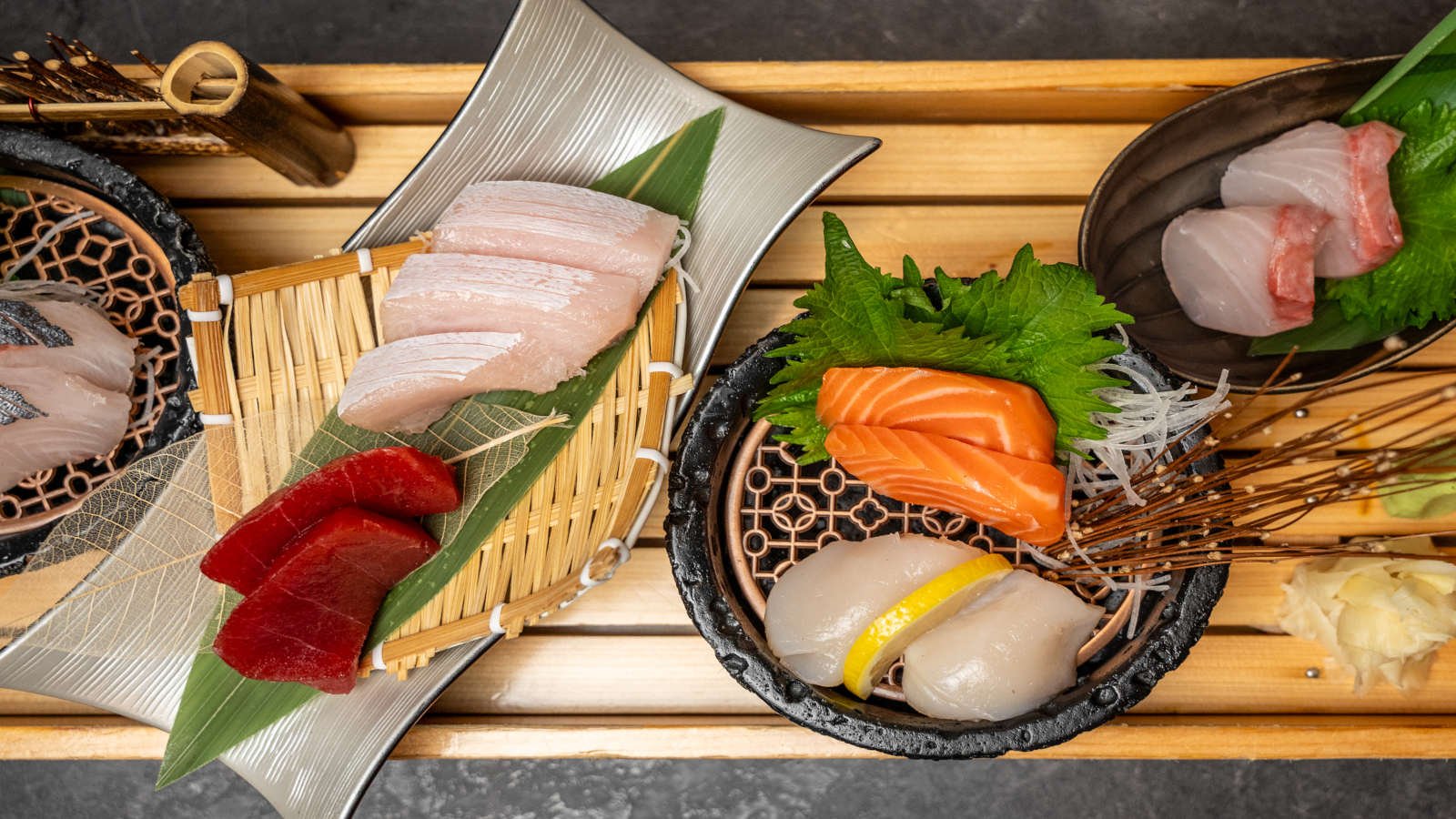
The menu
What to order
- Grand Omakase
- Futomaki
- Peruvian Rainbow
Sushi in the Piedmont: What It Takes to Source Well This Far From the Coast
The central challenge for any serious sushi program operating inland is the same regardless of zip code: fish degrades faster than reputation, and the triangle between North Carolina's Research Triangle and the nearest major fish market is not a short one. Cary sits roughly 150 miles from the Carolina coast and considerably farther from the Tsukiji-successor markets that supply the country's most rigorous omakase counters. That distance is not a dealbreaker, but it does set a clear editorial test. The sushi operations that survive scrutiny in landlocked American cities are the ones that have solved the supply chain problem, not decorated around it. M Sushi Cary, located at 4 Fenton Main St in the Fenton development, operates inside that challenge.
Across the United States, the past decade has seen Japanese dining fragment into tiers more distinct than at any previous point. At the high end, multi-course omakase counters in New York, Los Angeles, and San Francisco now price against their Tokyo counterparts. Atomix in New York City, for example, operates a Korean fine dining program with sourcing standards that rival any Japanese tasting format in the country. Providence in Los Angeles has built one of the most rigorously sourced seafood programs on the West Coast, drawing on both domestic and international supply relationships developed over years. These represent one end of the spectrum. Below them sits a wide middle tier of sushi restaurants that compete primarily on execution and consistency rather than on rare-source procurement. M Sushi Cary occupies a position in that middle range of American sushi, where the editorial question is not whether the fish arrives from Kyushu but whether the kitchen applies enough discipline to the supply it can realistically obtain.
The Fenton Context: What the Address Signals
Fenton is Cary's largest mixed-use development, a planned retail and dining corridor on Main Street that opened in phases beginning in the early 2020s. The development was designed to concentrate food and beverage options in a walkable format unusual for the Triangle's suburban sprawl. From a competitive framing, this means M Sushi sits alongside concepts ranging from Brewery Bhavana - Fenton, which brings a recognized Charlotte-origin craft brewery format to the space, to Gonza Tacos y Tequila and Dampf Good BBQ. The surrounding mix is casual and broad. In that context, a sushi concept is making a differentiated positioning decision: it requires cold-chain management, skilled knife work, and a diner willing to pay for both, in a development that otherwise trends toward accessible price points.
That positioning is not uncommon in newer mixed-use corridors. Developers assembling tenant rosters for planned dining districts often include one or two cuisine categories that anchor the upper-casual or semi-upscale tier. Sushi has become a reliable candidate for that slot across American suburban developments because it signals quality differentiation without requiring the service infrastructure of full fine dining. For the diner making a choice along Fenton Main Street, M Sushi represents a different proposition than its neighbors: more technique-dependent, more supply-chain-sensitive, and priced accordingly relative to the corridor average.
For broader context on what else operates in Cary's dining scene, the full Cary restaurants guide covers the range from Bosphorus Restaurant to Food and Wine Events, which collectively illustrate how eclectic and fast-developing the market has become.
How American Sushi Sourcing Actually Works at This Tier
The sourcing conversation in American sushi often defaults to Japan-origin fish as the standard of quality, but the reality of mid-tier sushi programs is more regional and more pragmatic. North Carolina's own coastline produces viable product: local tuna, flounder, and shellfish from Outer Banks and Pamlico Sound operations are available to restaurants willing to work with regional distributors. Some Triangle-area Japanese restaurants have built partial supply relationships with Carolina seafood producers, though those relationships require menu flexibility, since seasonal availability from coastal North Carolina is far less predictable than imported fish arriving on a set schedule.
The national reference points for sourcing-led seafood programs sit at a different tier entirely. Blue Hill at Stone Barns in Tarrytown built its identity specifically around a farm-to-table sourcing model that dictates the menu rather than the reverse. Single Thread Farm in Healdsburg operates its own farm as part of a vertically integrated sourcing strategy. The French Laundry in Napa and The Inn at Little Washington have both invested in producer relationships spanning decades. These represent programs where sourcing is the editorial thesis, not a supporting detail. For a sushi restaurant in a suburban North Carolina development, the ambition is necessarily more modest, but the underlying discipline, knowing where your fish comes from and how long it has been traveling, still determines whether the kitchen can produce credible results.
Planning a Visit: What to Expect
M Sushi Cary is located at 4 Fenton Main St, Suite 120, in Cary, NC 27511, within walking distance of the development's main parking structure. The Fenton complex is designed for both drive-to and walkable traffic, which means arriving by car is direct from the surrounding Research Triangle suburbs. For current hours, reservation availability, and menu details, the venue's own channels are the appropriate source, as specifics shift with seasons and staffing. Given that the Fenton corridor has grown quickly and that the mix of concepts in the development draws a regular weekend crowd, earlier booking or off-peak timing on weeknights is a practical approach for those who want flexibility in seating.
At the broader level of American fine dining reference, programs like Alinea in Chicago, Lazy Bear in San Francisco, Le Bernardin in New York City, Emeril's in New Orleans, and Addison in San Diego define what the high end of the category looks like when sourcing, technique, and service align at the national level. 8 1/2 Otto e Mezzo Bombana in Hong Kong represents the international analog. M Sushi Cary does not compete in that tier, nor does its address suggest it is trying to. The question a diner in Cary should bring is whether, within the realistic constraints of a suburban North Carolina market, the kitchen applies consistent sourcing discipline and technical care. That is the test that determines whether a sushi program earns repeat visits, and it is one that cannot be answered by address or concept alone.
Frequently asked questions
Is M Sushi Cary a family-friendly restaurant?
Sushi restaurants at Fenton's dining corridor tend to draw a mixed crowd that includes families, particularly during early evening hours. M Sushi Cary is located at 4 Fenton Main St, Suite 120, within a walkable mixed-use development with broad foot traffic. Whether the format suits younger children depends on your family's comfort with raw fish menus and counter-style seating, which varies by location.
Is M Sushi Cary formal or casual?
M Sushi Cary sits within Fenton, Cary's planned retail and dining corridor, which skews toward relaxed, accessible dining rather than white-tablecloth formality. The address at 4 Fenton Main St places it in a neighbourhood context that favors everyday dining over occasion-only visits. Comfortable, neat attire is appropriate for most sushi counters operating in this type of development.
How does M Sushi Cary compare to other sushi options in the Cary and Raleigh Triangle area?
M Sushi Cary at 4 Fenton Main St is part of the M Sushi group, which gives it brand infrastructure that independent sushi counters in the Triangle region typically lack. Operating within the Fenton corridor in Cary, NC, it competes in a market where Japanese dining options have grown alongside the area's population growth in the 2020s. For diners in Cary specifically, the Fenton address offers walkable access that most standalone sushi restaurants in suburban Wake County do not.
What do people recommend at M Sushi Cary?
For a sushi program in Cary, NC, the quality of nigiri and maki typically reflects the sourcing relationships the kitchen maintains with inland fish distributors. Checking current guest reviews for M Sushi Cary at 4 Fenton Main St will give the most accurate picture of standout items.
What's M Sushi Cary's location?
M Sushi Cary is located at 4 Fenton Main St #120, Cary, NC 27511, Cary.
Do I need a reservation for M Sushi Cary?
Sushi counters operating within high-traffic mixed-use developments like Fenton in Cary can see demand spike on weekends and during peak dinner hours. Contacting the venue directly at its Fenton Main Street location is the most reliable way to confirm walk-in availability or booking requirements.
What is M Sushi Cary known for?
M Sushi Cary is the Cary outpost of the M Sushi brand, positioned within the Fenton development on Main Street, one of the Triangle region's more concentrated dining corridors. Its location in Cary, NC places it in a market where quality sushi programs face the standard inland sourcing challenge of maintaining fish freshness far from coastal supply lines. It draws diners from across the Cary and greater Wake County area looking for a dedicated sushi format outside of Raleigh proper.
Quick Comparison
Comparable venues nearby, for context on price, style, and recognition.
| Venue | Cuisine | Price | Notes |
|---|---|---|---|
| M Sushi CaryThis venue — the venue you are viewing | Traditional Japanese Sushi and Omakase | Not listed | Not listed |
| Superica Fenton | Evolved Tex-Mex | $20–30 | Fenton |
| Third Eye Momo & Grill | Himalayan Fusion: Indian, Nepalese & Tibetan | $20–30 | Cary |
| Peck & Plume | Modern American Bistro | $50–100 | Downtown Cary |
| Brewery Bhavana - Fenton | Dim Sum & Craft Beer | $30–50 | Fenton |
| M Izakaya | Japanese Izakaya | $50–100 | Fenton |

Details
- Modern
- Minimalist
- Sophisticated
- Date Night
- Special Occasion
- Chefs Counter
- Open Kitchen
- Sake Program
- Sustainable Seafood
- A La Carte
- Omakase
- Vegetarian Friendly
Current opening hours
- Monday
- 11:30 AM–2 PM, 5–9:30 PM
- Tuesday
- 11:30 AM–2 PM, 5–9:30 PM
- Wednesday
- 11:30 AM–2 PM, 5–9:30 PM
- Thursday
- 11:30 AM–2 PM, 5–9:30 PM
- Friday
- 11:30 AM–2 PM, 5–10 PM
- Saturday
- 11:30 AM–2 PM, 5–10 PM
- Sunday
- 12–9:30 PM
Hours can change for holidays and private events. Last verified .
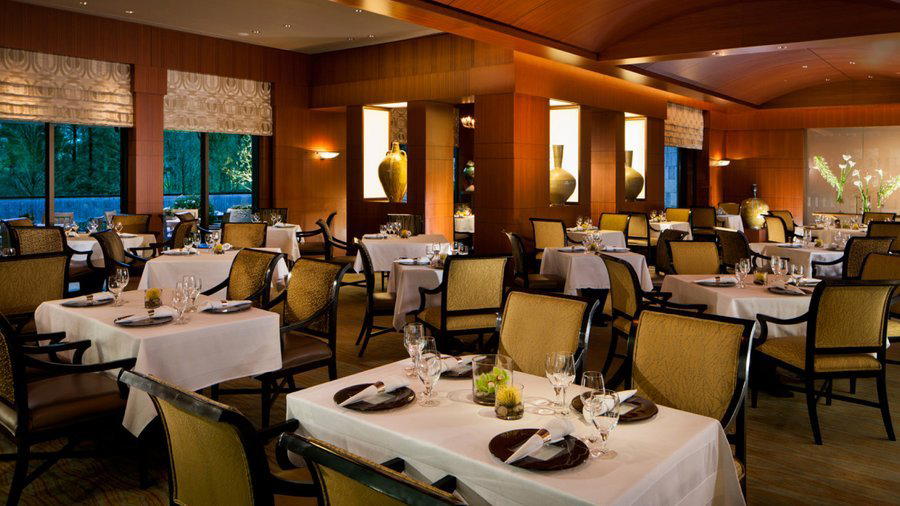
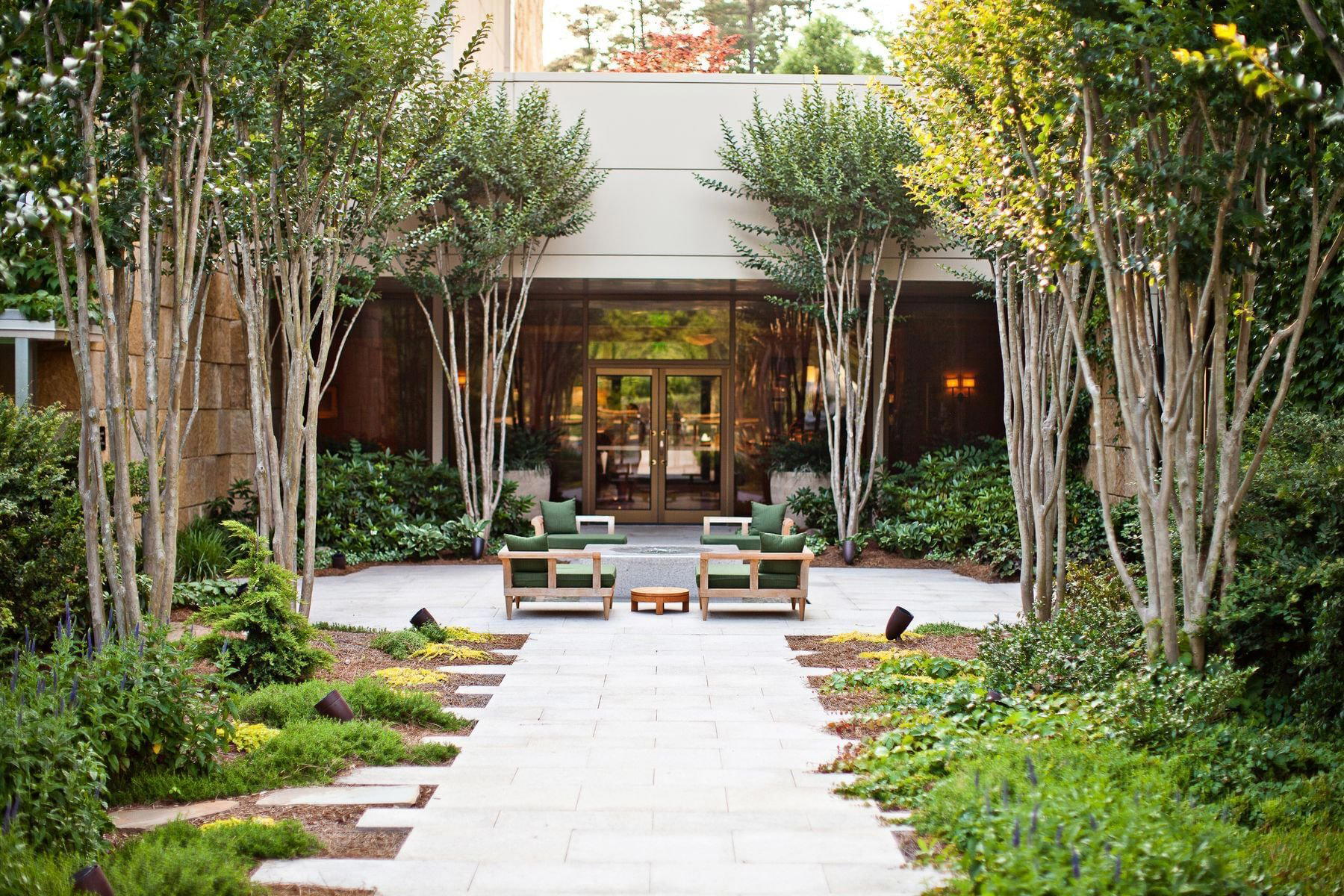
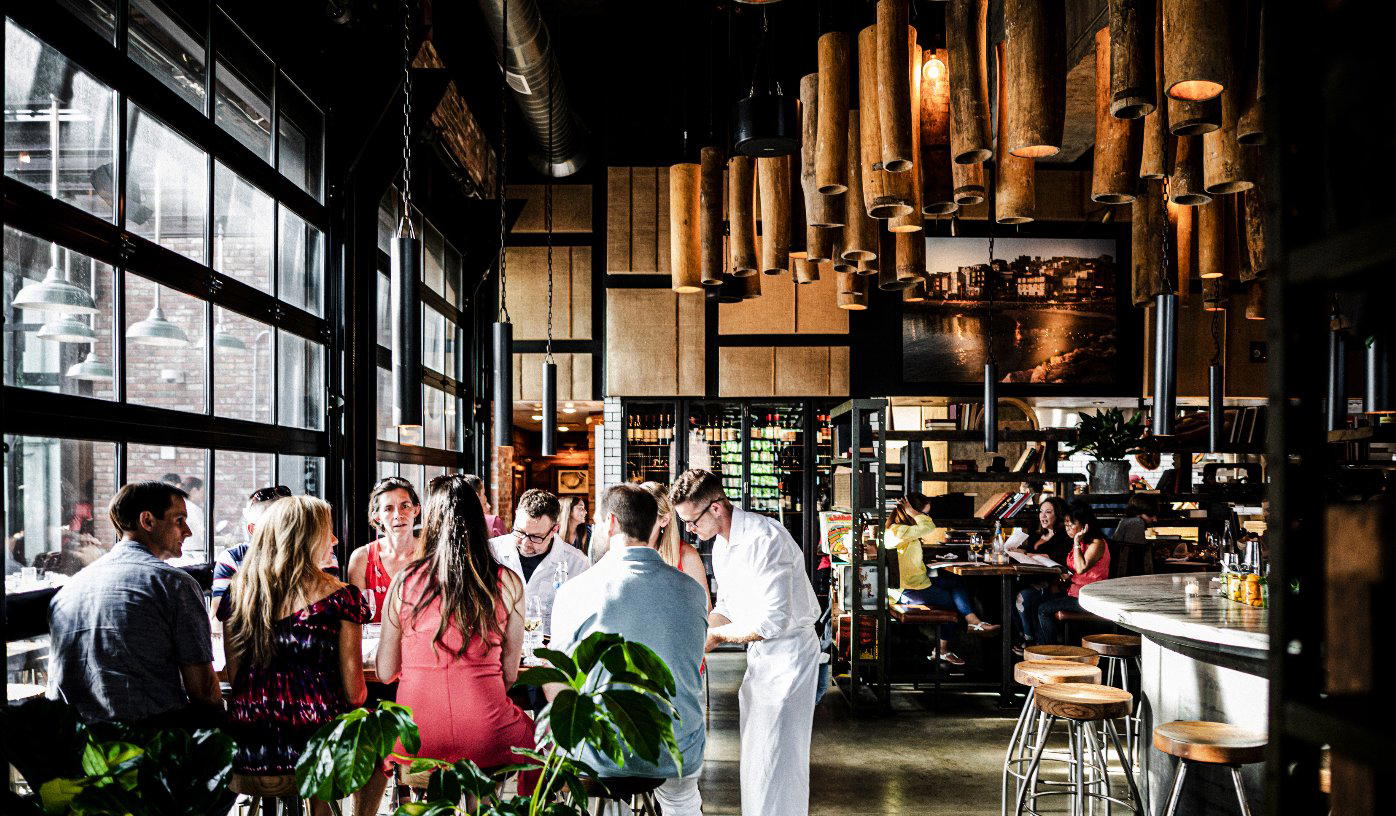
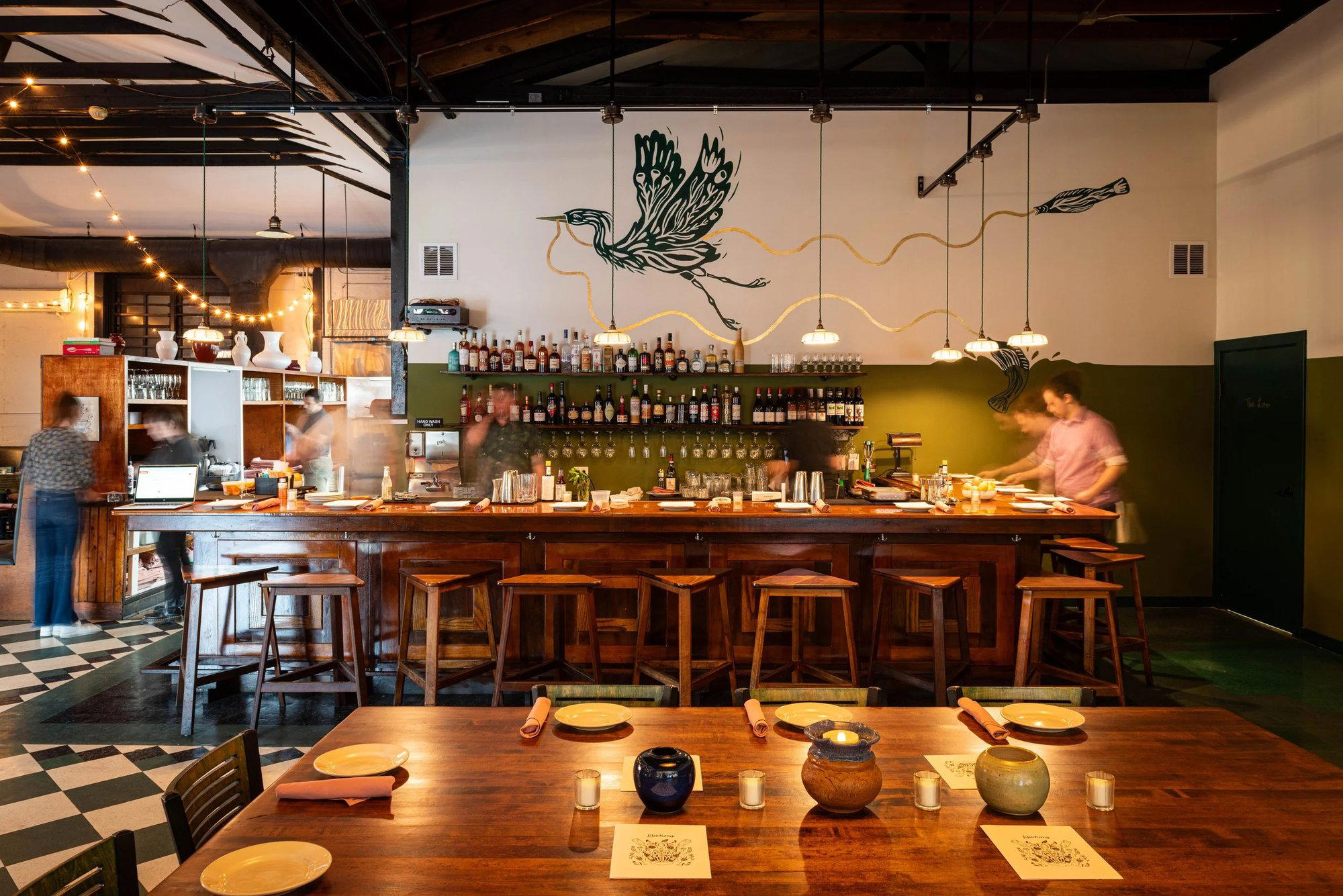
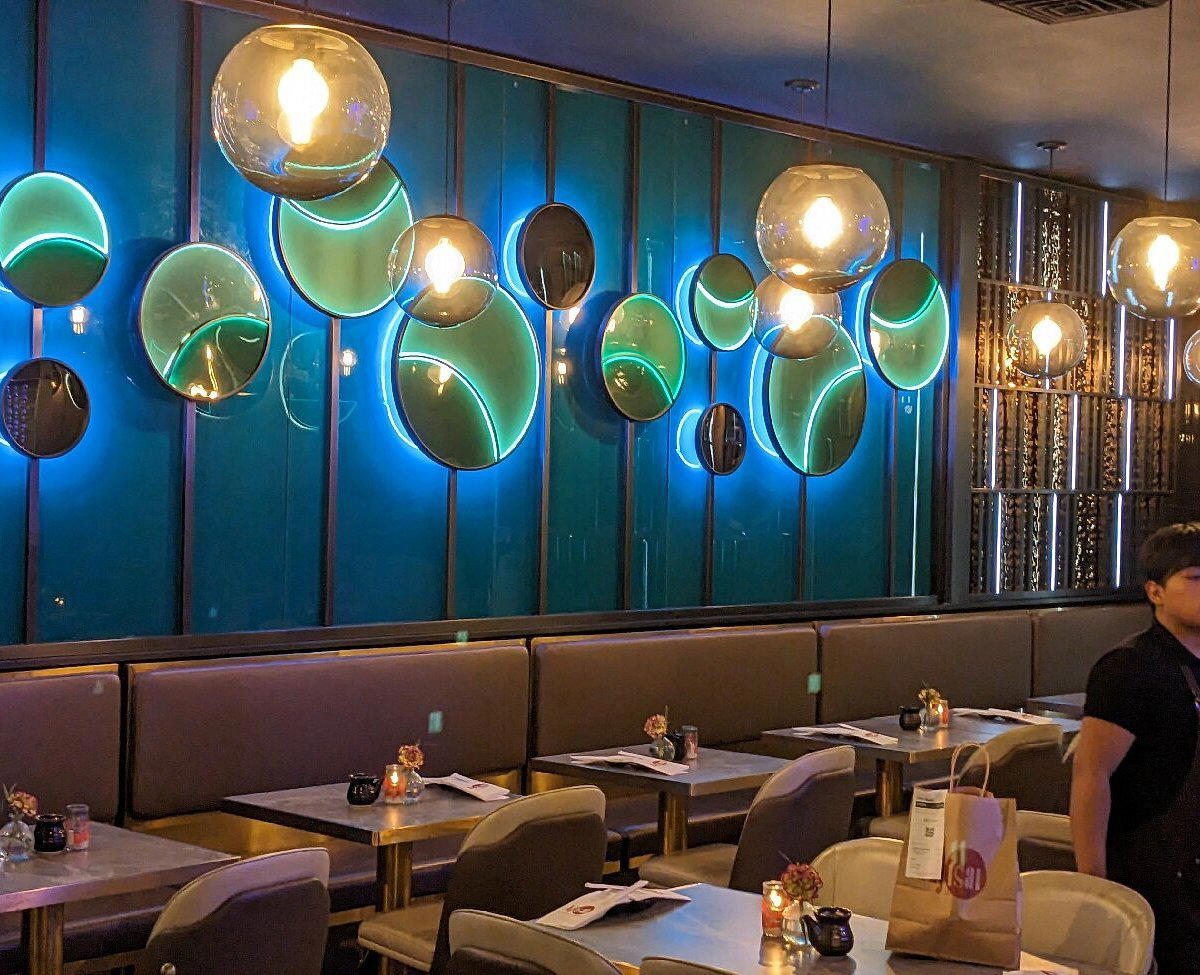
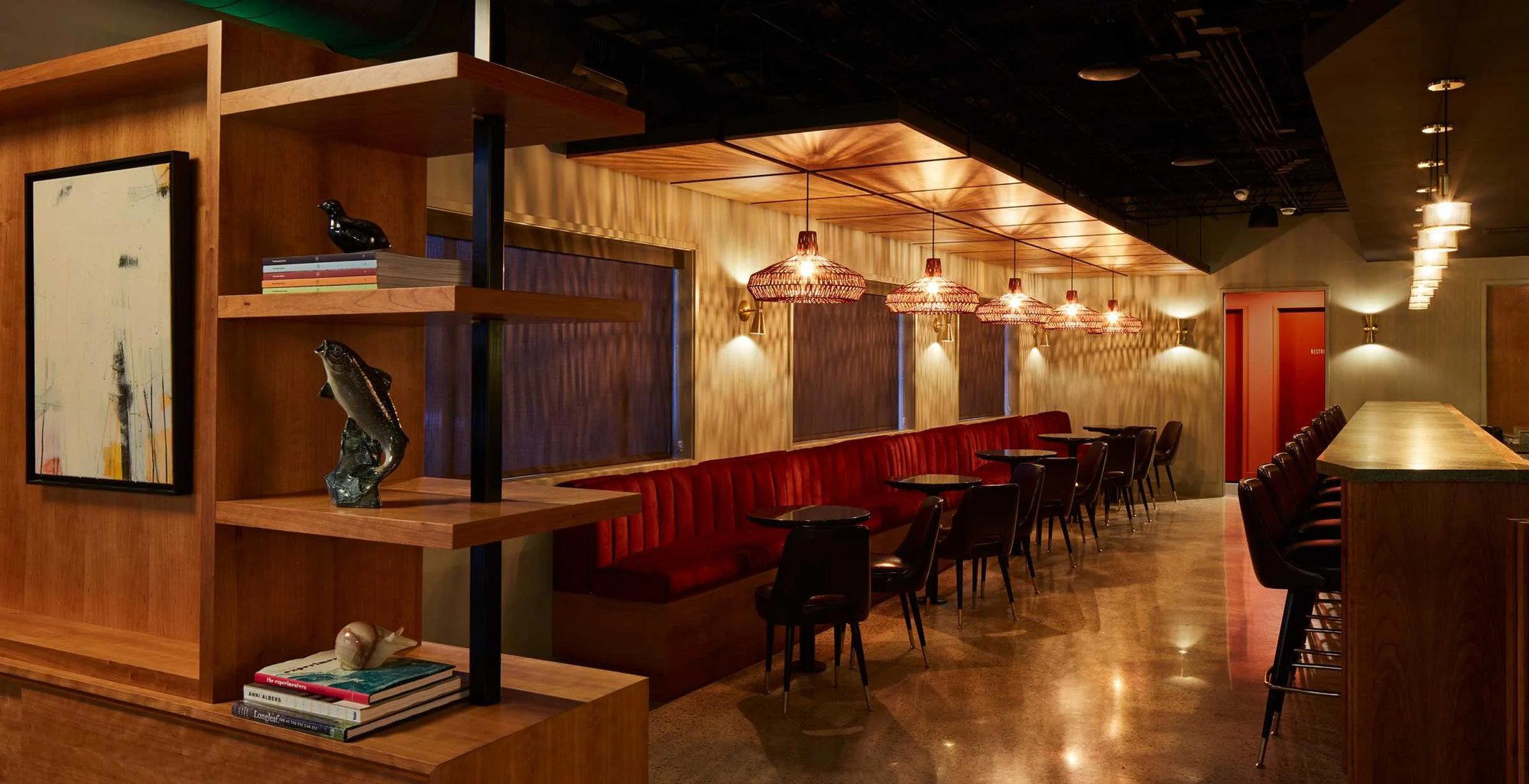
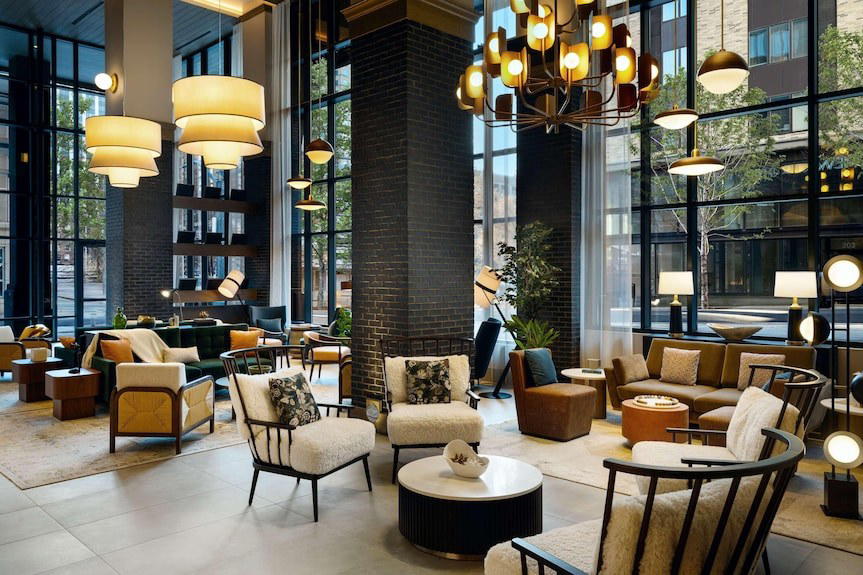
Contemporary space with a modernized, minimalist feel accented by faux stone walls and a long sushi bar.