LUSO

LUSO brings Portuguese cooking to Fitzrovia's Charlotte Street dining strip, emphasising Atlantic seafood, small-producer ingredients, and the broader culinary tradition of the Iberian coast. The setting is informal and the format grill-focused, operating in a neighbourhood that tilts heavily toward European Mediterranean.
Pearl is the En Primeur Club membership app — saves, bookings, and concierge access live there. Same editors, same standards.
- Address
- 30 Charlotte Street, Fitzrovia, London, Greater London, W1T 2NG, GBR
- Phone
- +44 20 3830 9888
- Website
- guide.michelin.com
- Directions
- Get directions
 Saves & bookings on Pearl
Charlotte Street runs through Fitzrovia as one of London's densest restaurant corridors, with a bias toward mid-tier European formats. Portuguese cooking still occupies a relatively narrow lane in the capital's dining scene, sitting beside Spanish, Italian, and French-Mediterranean concepts that dominate the neighbourhood. LUSO sits mid-block, close to Roka Charlotte Street and The Ninth, and it competes for the same mid-week trade that cycles through Fitzrovia's publishing and media offices.
Portuguese cooking centres on Atlantic fish, salt cod, rice, olive oil, and the wood-fired grill, a format that translates well to London's appetite for simple preparation and ingredient-led menus. LUSO's approach draws from coastal traditions: sardines, octopus, whole fish grilled over charcoal, and the category of petiscos, small plates that function as Portugal's answer to tapas. The sourcing strategy leans on direct imports and UK fishmongers who trade Cornish and Scottish catch alongside Iberian suppliers, which places the kitchen inside a broader trend among London's Portuguese and Spanish restaurants toward traceable, seasonal supply chains. The wine list follows the same logic, skewing toward Portuguese producers and lesser-known appellations rather than the usual all-European mix.
How the Menu and Format Work
The dining format at LUSO is built around the grill and a counter-service model for early sittings. Whole fish arrives tableside, priced by weight, and the kitchen works the charcoal continuously during service. The menu structure separates cold plates, tinned fish, cured meats, cheese from small dairies, from hot grilled items and rice dishes cooked to order. Portions are designed for sharing, and the pricing reflects mid-market positioning: starters cluster in the £8–£14 range, mains from £16 to market price for larger fish. This puts LUSO in the same competitive set as Lisboeta in Notting Hill and Kinkally in Fitzrovia, both working at similar price points and emphasising regional European traditions over high-intervention technique.
The ingredient sourcing centres on direct relationships: octopus from Galician day boats, bacalhau from Norwegian cod processed in Portugal, piri-piri from small Algarve farms, and olive oil pressed in the Alentejo. The kitchen does not publicise every supply chain detail, but the menu copy identifies provenance when it matters, a signal that the restaurant is trading on ingredient quality rather than chef biography or narrative storytelling. This approach aligns with London's broader shift toward transparency in sourcing, particularly among European-inflected formats where the ingredient is the primary value proposition.
Wine programming follows Portugal's regional structure: Vinho Verde from the north, Dão and Bairrada for reds, and a handful of fortified options from the Douro. The list includes producers like Dirk Niepoort and Filipa Pato, names that carry weight among wine-focused diners but remain accessible in price. The markup is moderate, with entry bottles starting around £28 and top-tier allocations reaching £80. This positions the wine offer as educational rather than luxury-driven, a format that works well in Fitzrovia where the audience skews toward repeat neighbourhood trade rather than special-occasion dining.
Setting and Service Model
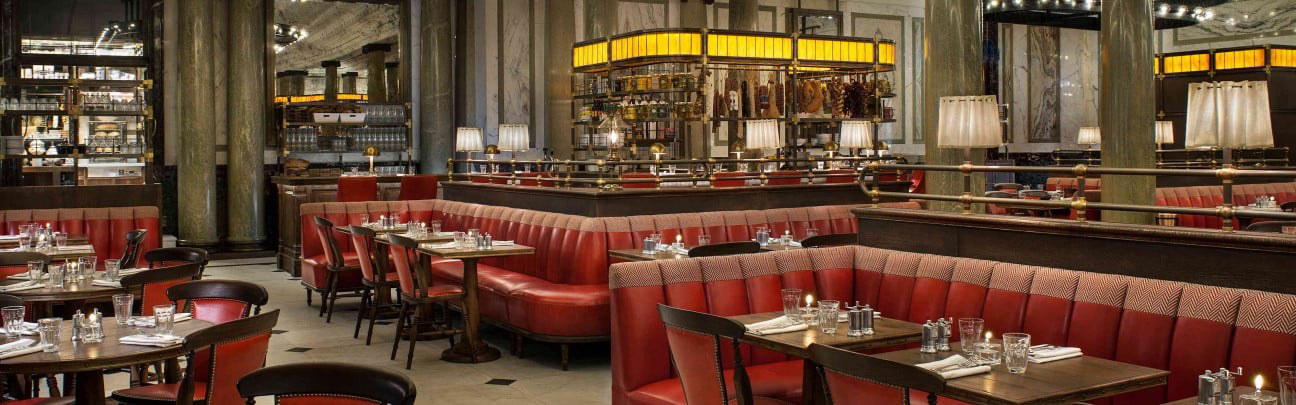
The room is compact, with approximately 50 covers across banquette seating, two-tops, and a bar counter. The design language is pared back: white tile, exposed brick, minimal ornamentation. The acoustic environment is lively during peak service, typical of Fitzrovia's busier spots. Lighting is warm but functional, and the layout prioritises table turnover over lingering multi-course meals. Service operates as informal and knowledgeable, with staff trained to guide diners through Portuguese wine categories and explain grilling techniques without over-explanation.
LUSO operates lunch and dinner service Tuesday through Saturday, with no Sunday or Monday trade. Walk-ins are accommodated during quieter lunch periods, but dinner requires advance booking, particularly Thursday through Saturday when Fitzrovia's restaurant density drives competition for tables. The booking window opens approximately two weeks ahead, which places LUSO in the mid-difficulty range for London reservations, not the three-month scramble of Michelin-starred counters, but tighter than casual neighbourhood spots. For context, nearby Pied à Terre books further out, while 10 Greek Street works on a shorter lead time.
Fitzrovia's dining landscape continues to tilt toward European formats, with Italian, Spanish, and French-Mediterranean concepts dominating Charlotte Street and the surrounding grid. Portuguese cooking remains a smaller niche, which means LUSO benefits from limited direct competition while still competing for the same mid-tier spend. The neighbourhood is well-served by Goodge Street and Tottenham Court Road stations, both on the Northern and Elizabeth lines, and the address sits within a ten-minute walk of Soho and the British Museum, making it accessible for both local and visiting diners. For a fuller picture of London's dining options across all formats and price tiers, our full London restaurants guide provides neighbourhood-level context.
LUSO's ingredient-sourcing model and grill-led format place it inside a recognisable category: mid-market European restaurants that prioritise provenance and technique without reaching for Michelin ambition. The format works in Fitzrovia, where the audience values accessibility, transparency, and a clear culinary point of view. Whether the restaurant sustains its position depends on how it navigates rising ingredient costs, booking pressure, and the ongoing churn of Charlotte Street's competitive dining strip.
How LUSO London compares with similar nearby venues.
| Venue | Cuisine | Price |
|---|---|---|
| Lisboeta | Portugese, Portuguese | £££ |
| Pied à Terre | Contemporary French, Creative | ££££ |
| The Ninth | French-Mediterranean, Mediterranean Cuisine | £££ |
| Kinkally | Eastern European | ££ |
Recognition history
Dated appearances from independent guides and award organizations, with the underlying list record or original source where available.
Michelin Plate
Michelin · 2026 Michelin Plate
Continue exploring
More in London
Restaurants in London
Browse all →
Bars in London
Browse all →
Hotels in London
Browse all →

At a Glance
- Elegant
- Modern
- Sophisticated
- Cozy
- Intimate
- Date Night
- Business Dinner
- Special Occasion
- Celebration
- Group Dining
- Standalone
- Design Destination
- Private Dining
- Extensive Wine List
- Craft Cocktails
- Local Sourcing
- Sustainable Seafood
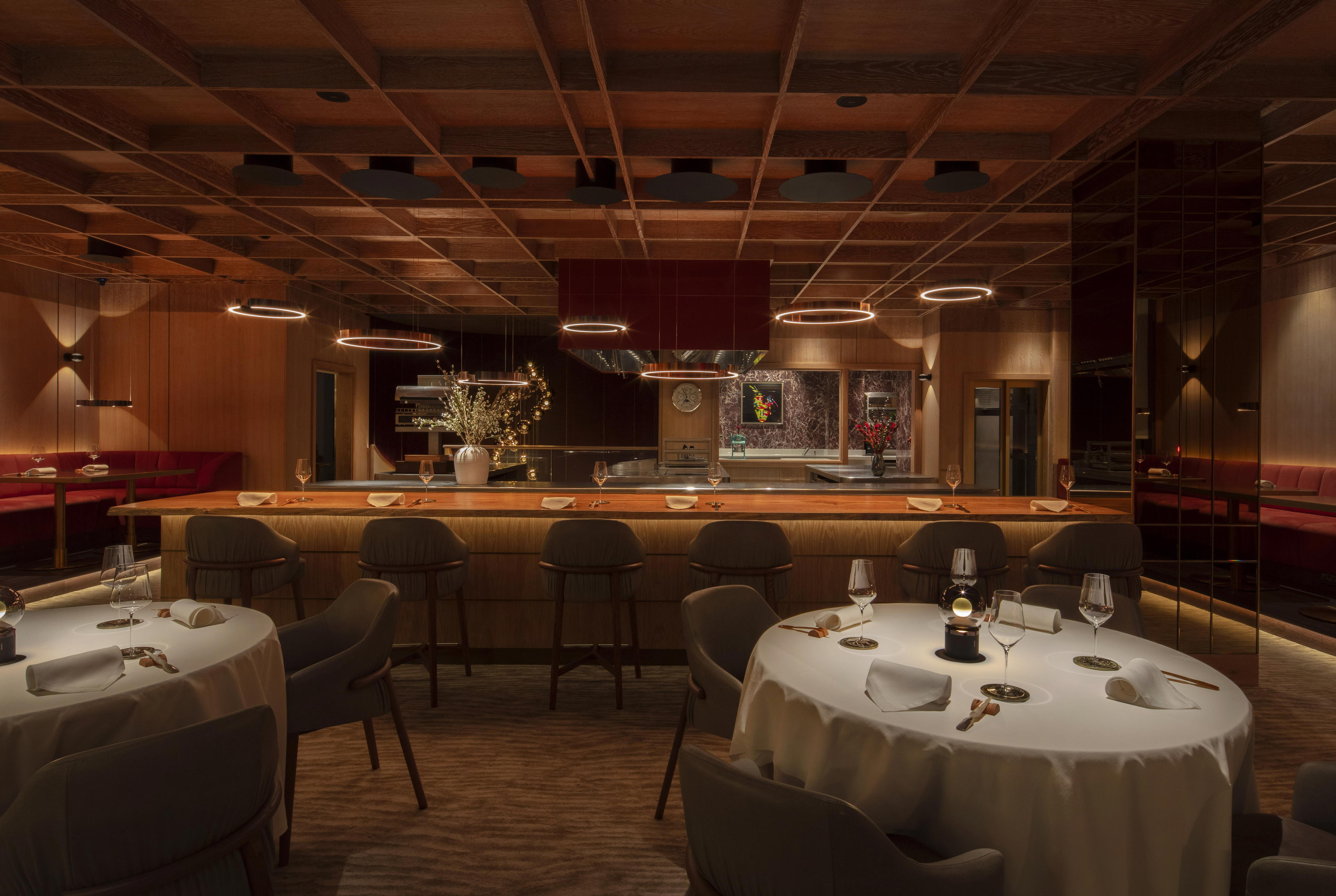
Warm, contemporary and understated, with soft lighting, wood and neutral tones creating an intimate yet relaxed dining room that suits both dates and quieter celebratory dinners.
Know Before You Go
- Reservations
- Recommended
- Dress code
- Smart casual
- Getting there
- 30 Charlotte Street, Fitzrovia, London, Greater London, W1T 2NG, GBR