Luquin's
Our verdict
On the eastern flank of the Big Island, Luquin's occupies a spot in Pahoa's small but characterful dining scene, where proximity to volcanic farmland and Pacific waters shapes what ends up on local plates. The restaurant draws a steady local following in a town that sits well outside Hawaii's resort corridor, making it a reliable marker of everyday Hawaiian-local dining culture.

Pearl is the En Primeur Club membership app, where members save venues, book tables and use the concierge.
The menu
What to order
- Shrimp Burrito Deluxe
- Double Decker Taco
- Chile Relleno
Where the Road Ends and the Food Begins
Pahoa sits at the edge of things, literally and figuratively. The town anchors the lower Puna district on Hawaii's Big Island, a stretch of coastline and forest that sits closer to active lava fields than to any luxury resort. The dining scene here is not shaped by hotel food and beverage directors or tasting menu consultants, it reflects what the land and the community actually produce and consume. Luquin's, on Kahakai Boulevard, operates squarely within that context. You are not arriving at a destination restaurant in the way that The French Laundry in Napa or Alinea in Chicago are destinations. You are arriving at a place that belongs to its town, and in Pahoa, that is the more instructive credential.
The physical approach matters here. Pahoa's main corridor has the unhurried density of a small Hawaiian plantation town that survived into the present mostly intact, with wooden storefronts and canopy trees pressing in from the sides. Kahakai Boulevard is quieter still. The atmosphere Luquin's occupies is the kind that exists in towns where locals have nowhere else to go and wouldn't choose anywhere else anyway, a different pressure from the performative warmth of hospitality-designed spaces, and arguably a more honest one.
Sourcing in the Shadow of a Volcano
The lower Puna district produces some of the most agriculturally interesting growing conditions in the United States. Volcanic soil in this part of the Big Island carries a mineral density that affects everything grown in it, papayas, taro, sweet potatoes, tropical fruits, and herbs that do not grow with the same intensity anywhere else in the country. Farms here operate on small plots, many of them supplying local restaurants and markets directly rather than moving product through wholesale distribution networks. This is not a marketing framework; it is a function of geography and scale.
For restaurants in Pahoa, that proximity is a structural advantage. Ingredient transit times that might span days on the mainland compress to hours here, and the range of what is available locally during any given week can shift based on what specific small farmers are harvesting. The contrast with how sourcing works at high-profile farm-to-table restaurants in the continental United States is instructive. Operations like Blue Hill at Stone Barns in Tarrytown or Single Thread Farm in Healdsburg have built elaborate and celebrated systems to achieve what Pahoa restaurants access by default: hyperlocal product with short supply chains and seasonal specificity baked in by necessity rather than design philosophy.
The Pacific also matters. East Hawaii waters produce ahi, mahi-mahi, and other species that feed into the local food culture at every price point, from high-end resort dining in Kohala down to casual plate lunch counters in Hilo and the lower Puna towns. A restaurant like Luquin's operates within that same supply network, where fresh fish is not a premium add-on but an ordinary expectation shaped by generations of coastal eating. Compare that structural context to what Le Bernardin in New York City achieves through sourcing effort and you begin to understand how much advantage of place factors into what ends up on a plate in this part of Hawaii.
The Character of the Pahoa Dining Scene
Pahoa's restaurant scene is small enough that each operating establishment functions as a distinct marker of what the town values. This is not a city with enough density to support multiple overlapping concepts targeting similar demographics. Restaurants here earn their place through consistency and community utility rather than trend positioning or media cycles. Kaleo's Bar and Grill occupies one part of that ecosystem; Luquin's occupies another. Together they represent the full range of what lower Puna residents support with regular patronage.
That dynamic separates Pahoa fundamentally from Hawaii's resort corridors, where restaurants compete for tourist spend and calibrate their offerings to visitor expectations. The Big Island's western side, around Waikoloa and Kailua-Kona, operates in an entirely different register. Lower Puna restaurants answer to the people who live there year-round, which means the feedback loop is direct, the tolerance for mediocrity is low, and the relationship between a restaurant and its neighborhood is closer to what you find in a small European market town than in a resort destination.
For travelers who do find their way to Pahoa, and the town draws a steady stream of visitors to Lava Tree State Monument, the Pahoa Village Road historic district, and the surrounding Puna coastline, eating at Luquin's represents a different kind of Hawaii dining experience than the island's western resorts offer. It is a better index of how people actually eat here. Our full Pahoa restaurants guide covers the broader picture for visitors planning time in the area.
For context on how regional sourcing philosophies play out at different price points and ambition levels across the United States, it is worth noting what operations like Bacchanalia in Atlanta, Frasca Food and Wine in Boulder, and Addison in San Diego have built through deliberate sourcing programs. Pahoa's version of that relationship is less formalized but no less real, and for some diners, the absence of the apparatus is itself informative.
Planning Your Visit
Luquin's address on Kahakai Boulevard places it in a quieter residential-commercial pocket of Pahoa. The town itself is roughly 25 miles from Hilo, the nearest city of scale, and accessing lower Puna typically means driving Highway 130 south from Keaau. For visitors based on the western side of the Big Island, the drive across to Pahoa is a commitment of a couple of hours each direction and leading done as part of a deliberate exploration of the Puna district rather than a standalone meal trip.
Frequently asked questions
Is Luquin's okay with children?
Pahoa's dining scene is grounded in community rather than formality, and Luquin's fits that character. Nothing in the venue's profile or its Kahakai Boulevard setting suggests an environment that would be unwelcoming to families. For specific seating arrangements or high chair availability, contacting the restaurant directly before your visit is the practical move.
What should I expect atmosphere-wise at Luquin's?
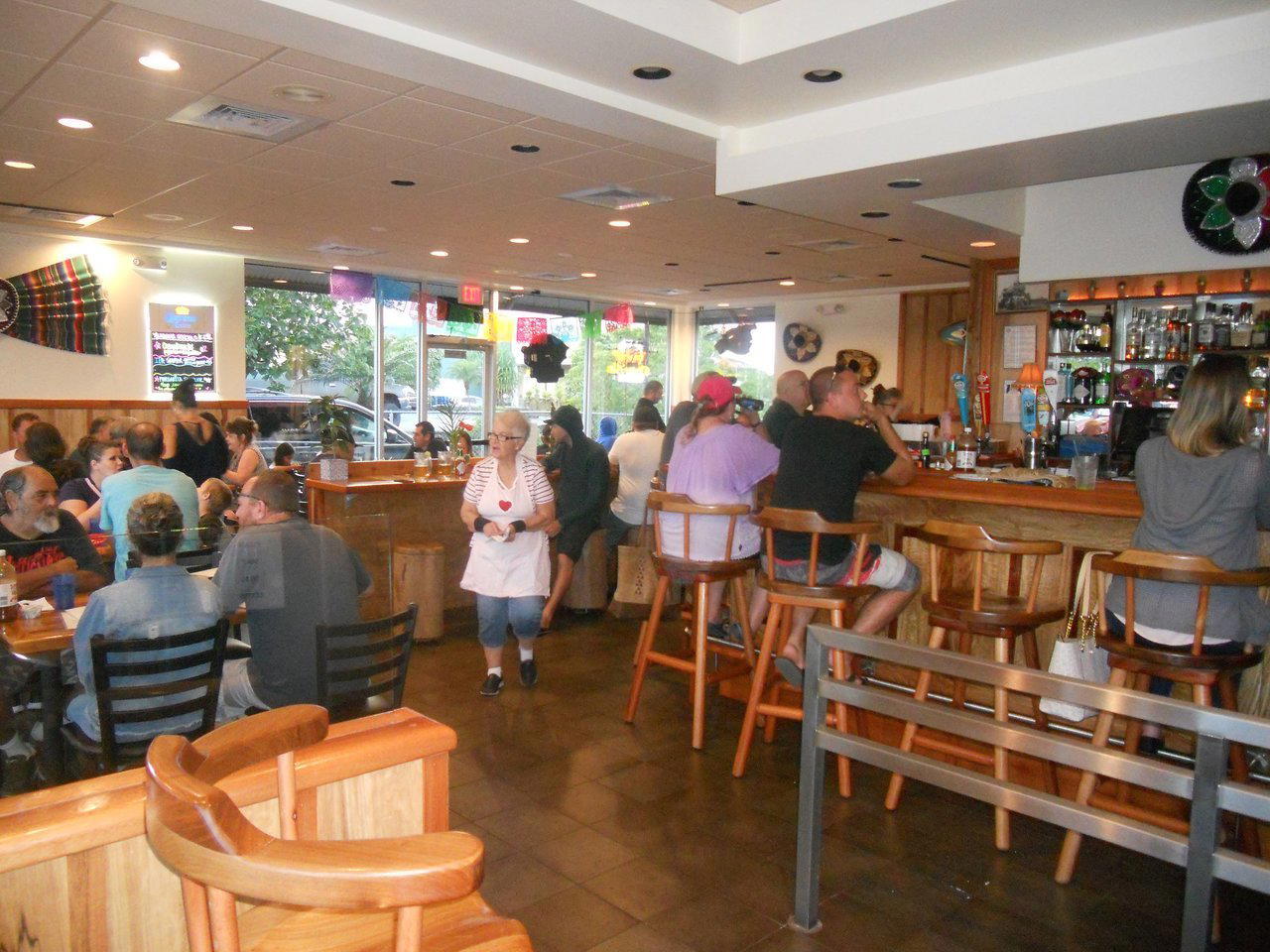
Luquin's sits on Kahakai Boulevard in a quieter residential-commercial pocket of Pahoa, a town of roughly 2,000 people anchoring Hawaii's lower Puna district. The setting reflects the character of the town itself: unhurried, local-facing, and removed from the resort-corridor energy that defines much of Big Island tourism. Expect a room that functions as a genuine neighbourhood gathering point rather than a stage set.
Is Luquin's worth the drive from Hilo to Pahoa?
Pahoa sits roughly 25 miles from Hilo, making it a manageable half-day excursion rather than a detour. Luquin's on Kahakai Boulevard is one of the few established dining fixtures in a town where the restaurant count is deliberately small, each place that operates here does so because the community sustains it, not because tourist foot traffic does. For anyone spending time on the Hilo side of the Big Island and wanting a meal outside the city, lower Puna offers a distinct agricultural and cultural context that central Hilo doesn't replicate.
What should I eat at Luquin's?
Lower Puna's volcanic soil produces some of the most agriculturally distinctive growing conditions in the United States, and restaurants in the area often reflect that through locally sourced produce. Asking what's fresh that day is not a tourist move in this part of the Big Island, it's how the locals eat.
What's the address for Luquin's?
Luquin's is located at 15-1448 Kahakai Blvd, Pāhoa, HI 96778, Pahoa.
How hard is it to get a table at Luquin's?
Pahoa's restaurant count is small enough that each operating spot carries genuine community weight, and Luquin's is a known fixture on Kahakai Boulevard. Calling ahead or arriving at off-peak hours is a reasonable precaution, particularly during the winter months when Big Island visitor numbers climb.
What's the defining dish or idea at Luquin's?
What is documentable is the context: Luquin's operates in lower Puna, one of the agriculturally richest micro-regions in Hawaii, where volcanic basalt soil and high rainfall produce ingredients that don't travel far before they reach a plate. That proximity to source is the organizing idea behind dining in this part of the Big Island.
Comparable Spots, Quickly
Comparable venues nearby, for context on price, style, and recognition.
| Venue | Cuisine | Price | Awards | Notes |
|---|---|---|---|---|
| Luquin'sThis venue (the venue you are viewing) | Authentic Mexican Taqueria | $10–20 | Not listed | Not listed |
| Kaleo's Bar & Grill | Hawaiian-Inspired American Grill | $20–30 | Not listed | Pahoa Town |
| Cafe Pesto | Hawaii Regional Italian Pizza | $20–30 | Diners, Drive-Ins and Dives Featured Restaurant | Hilo Bay |
| Ponds Hilo | Hawaiian-American Seafood & Steakhouse | $30–50 | Not listed | Hilo |
| Ken's House of Pancakes | American Diner with Hawaiian Pancakes | $10–20 | Not listed | Hilo |
| Chingu | Modern Korean Bar Food | Not listed | Not listed | Kakaako |
Continue exploring
More in Pahoa
Restaurants in Pahoa
All restaurants in Pahoa →
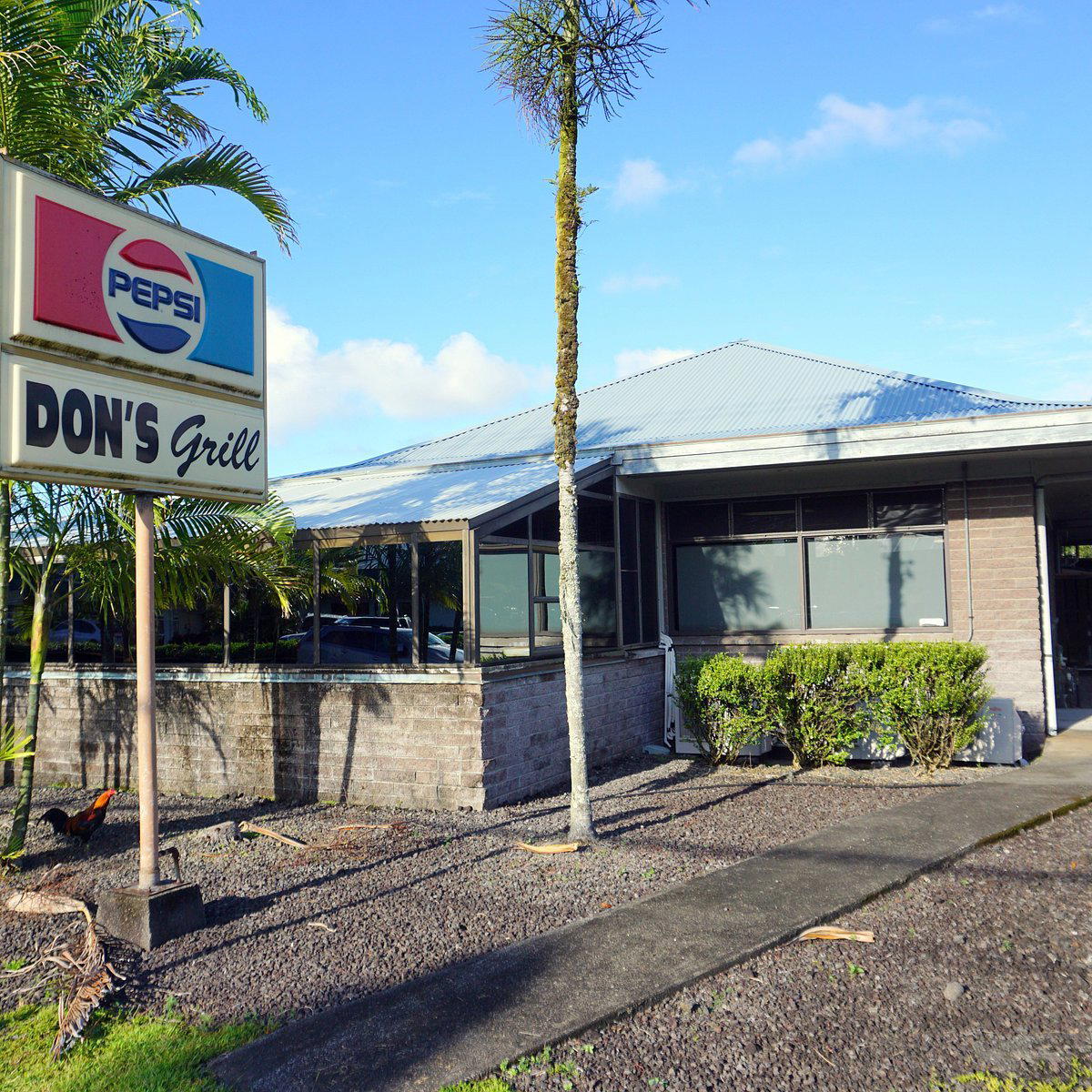
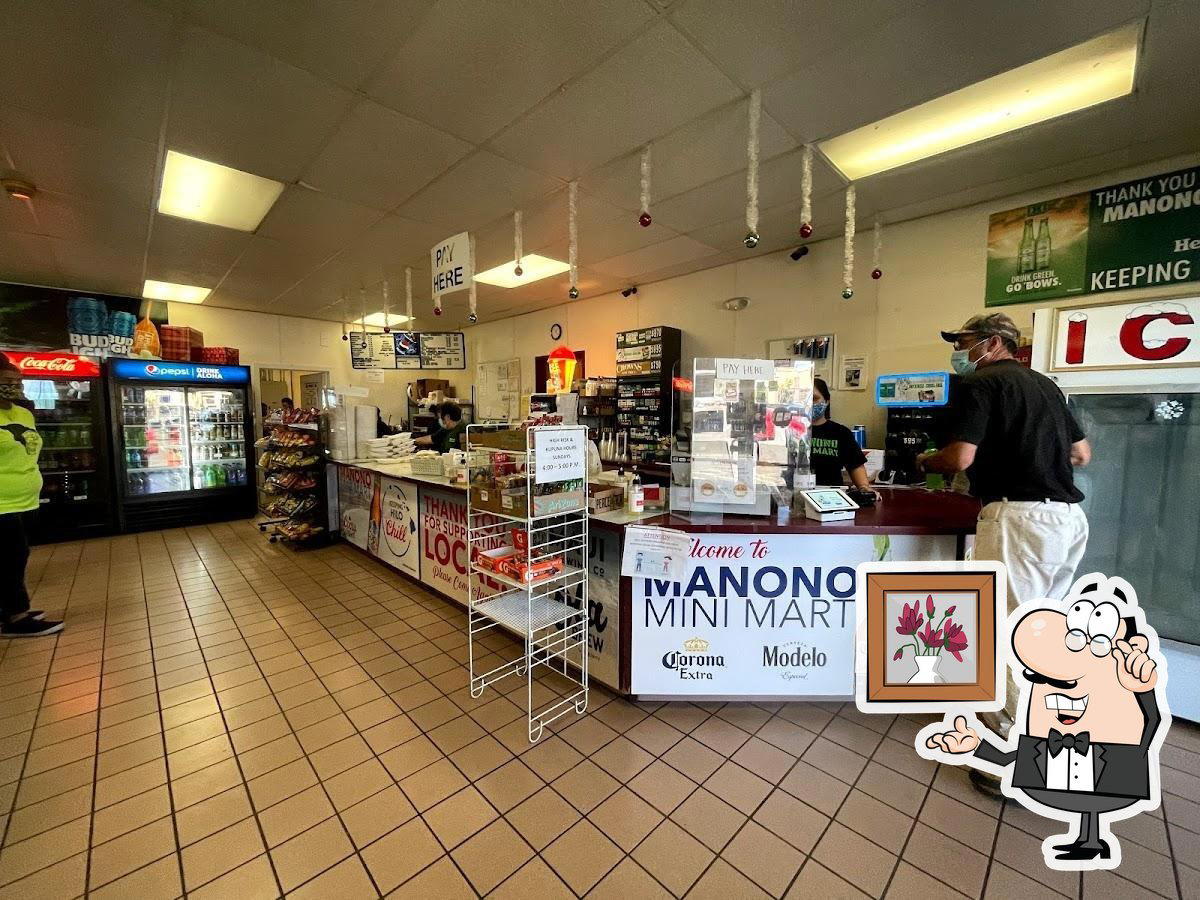
Bars in Pahoa
Browse all →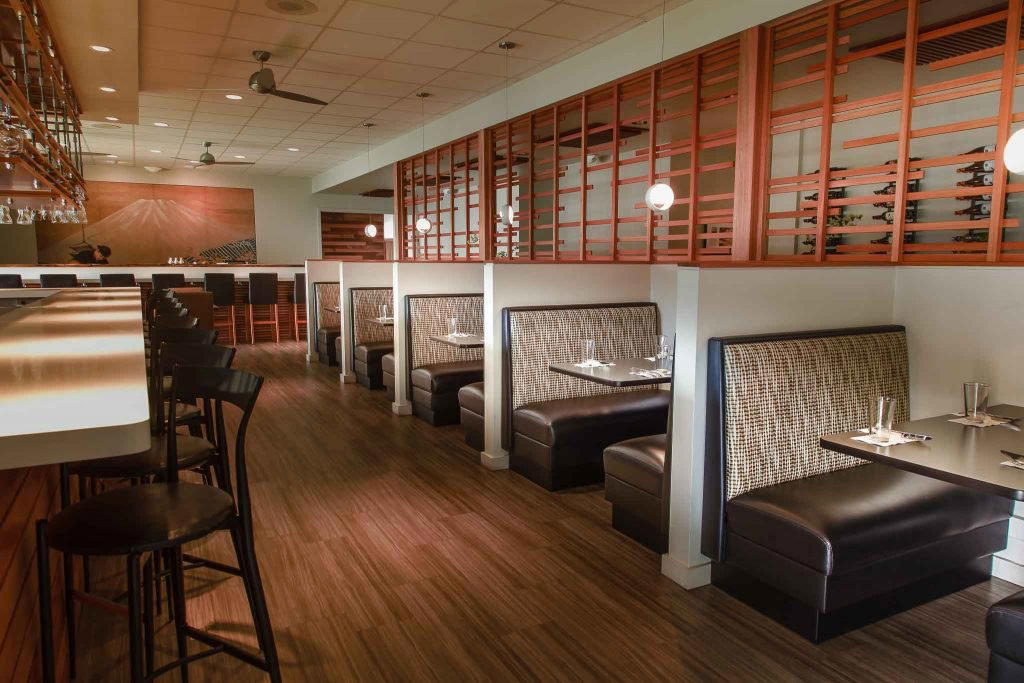

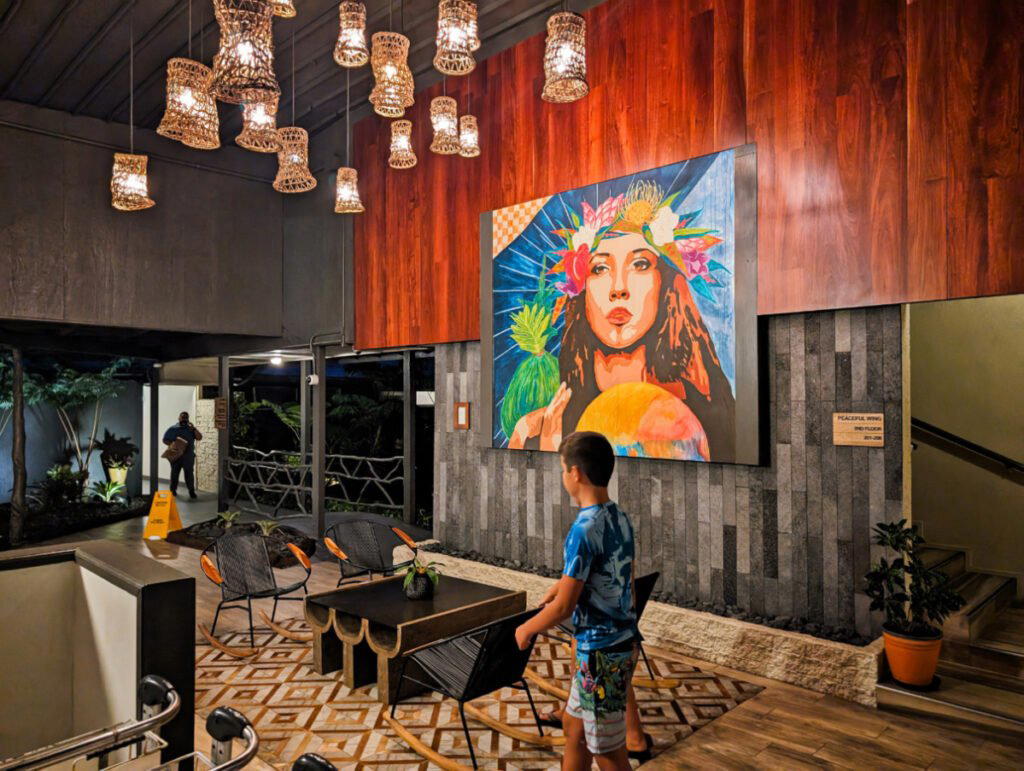
Details
- Rustic
- Cozy
- Lively
- Casual Hangout
- Family
- Group Dining
- Craft Cocktails
- Beer Program
- A La Carte
- Margaritas
Current opening hours
- Monday
- 10 AM–9 PM
- Tuesday
- 10 AM–9 PM
- Wednesday
- 10 AM–9 PM
- Thursday
- 10 AM–9 PM
- Friday
- 10 AM–9 PM
- Saturday
- 10 AM–9 PM
- Sunday
- 10 AM–9 PM
Hours can change for holidays and private events. Last verified .
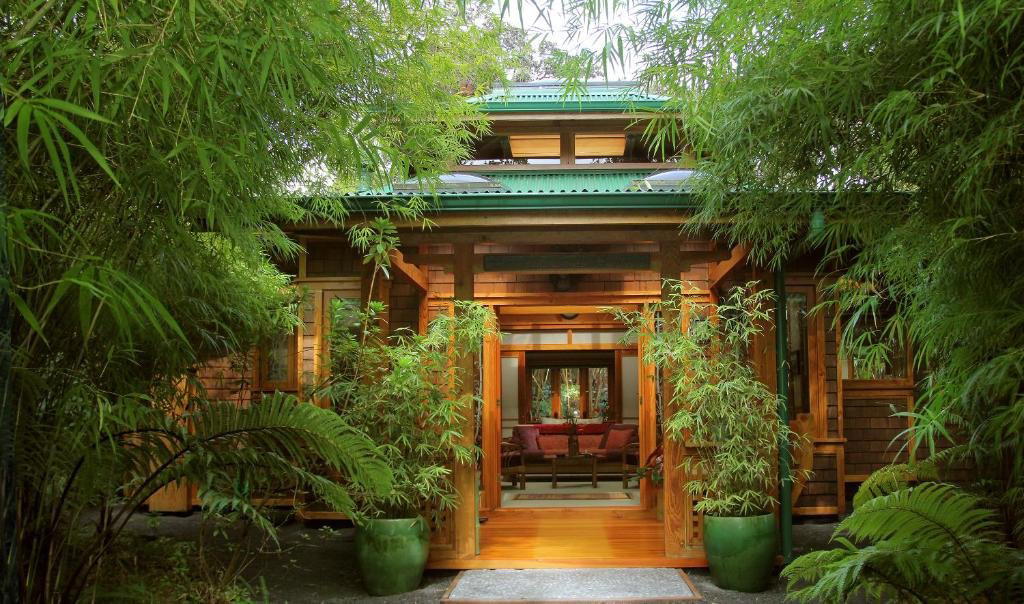
Casual, welcoming atmosphere with a bright, clean, air-conditioned interior featuring mix-and-match local charm.