Lupaia

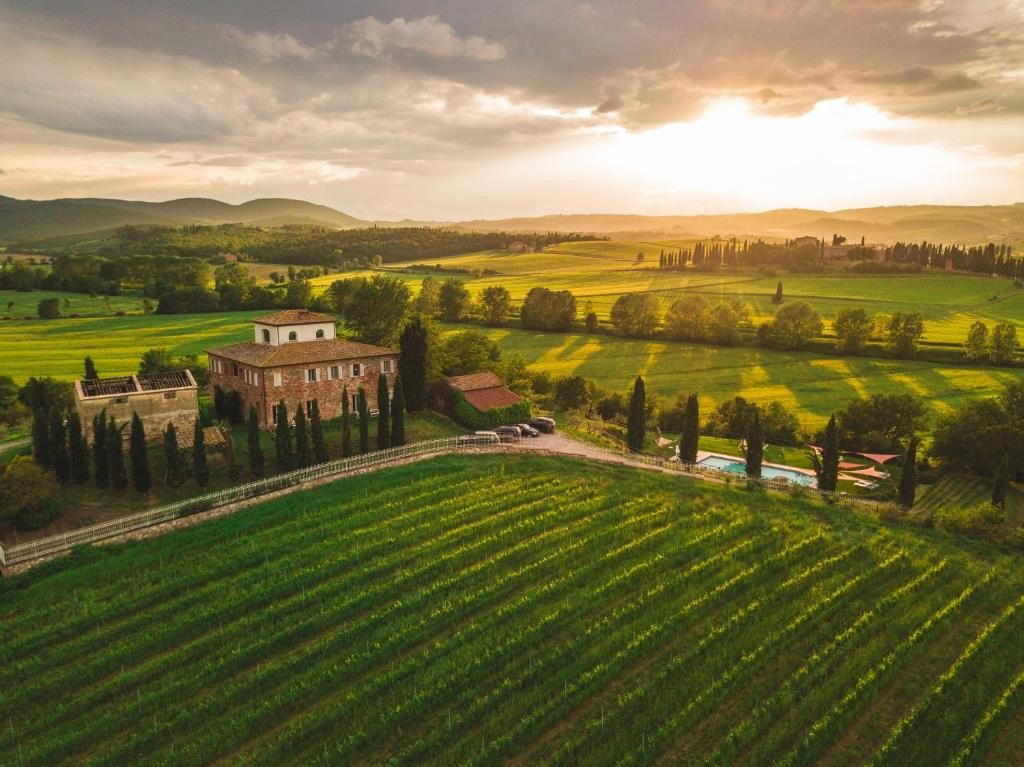
Lupaia sits in a Tuscan hamlet between Montepulciano and Montefollonico, reached by over two kilometres of unpaved track and worth every cautious metre. The kitchen runs a daily-changing tasting menu anchored to produce from the restaurant's own farm, earning a Michelin Plate in 2025. It occupies a rare tier among rural Tuscany's farm-to-table addresses.
Pearl is the En Primeur Club membership app — saves, bookings, and concierge access live there. Same editors, same standards.
- Address
- Località Lupaia, 74, 53049 Torrita di Siena SI, Italy
- Phone
- +39 0577 191 7066
- Website
- lupaia.com
- Directions
- Get directions
 Saves & bookings on Pearl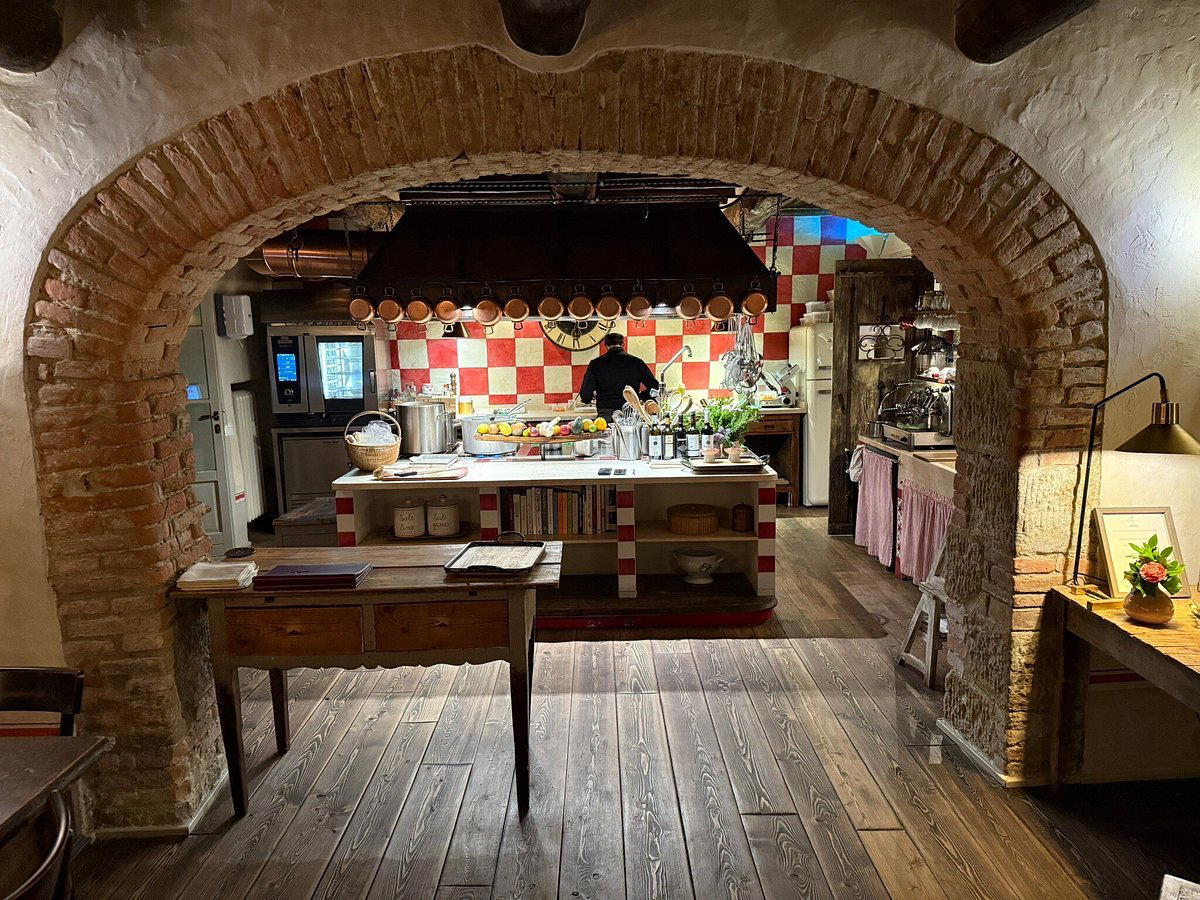
The Road That Earns the Meal
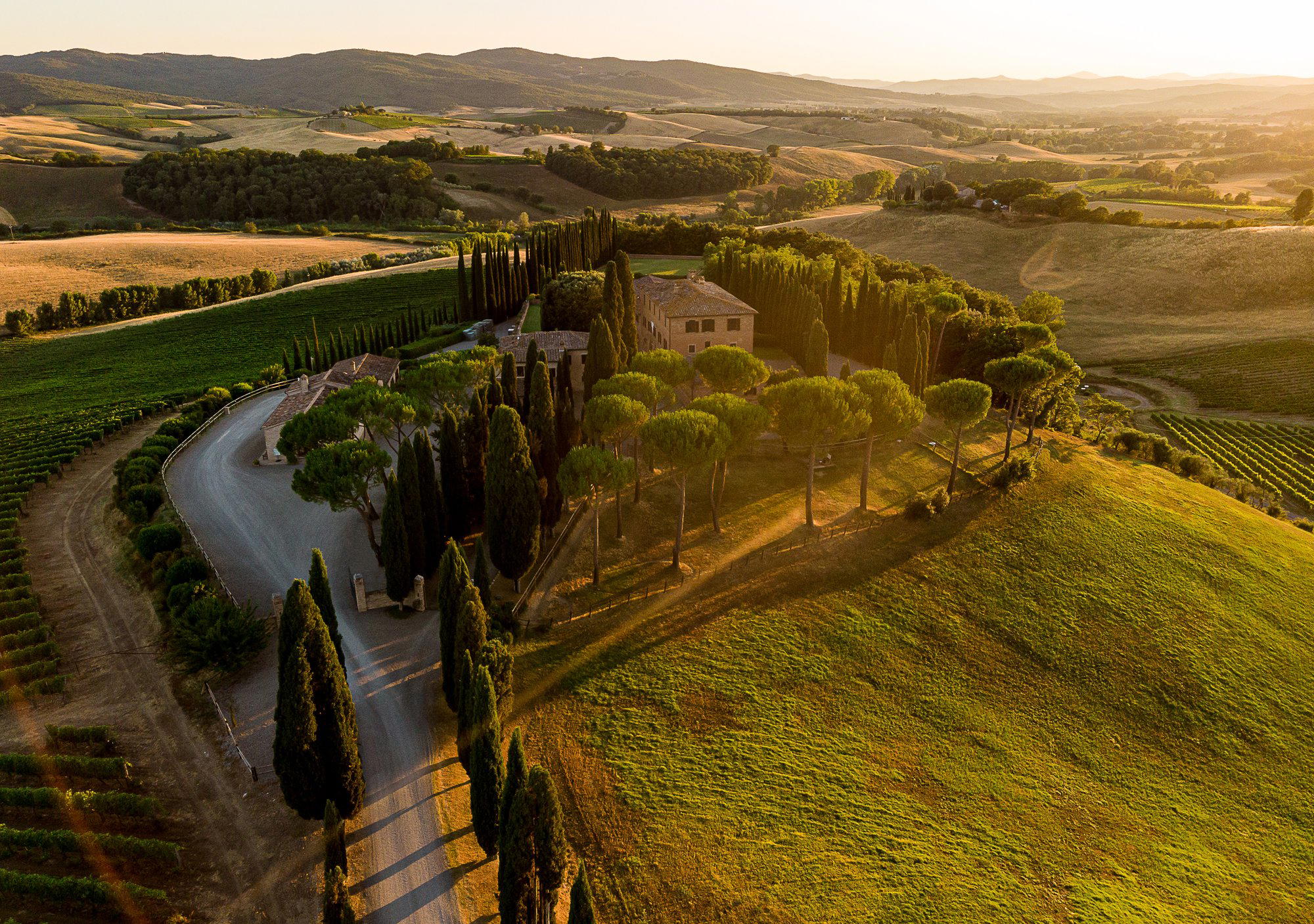
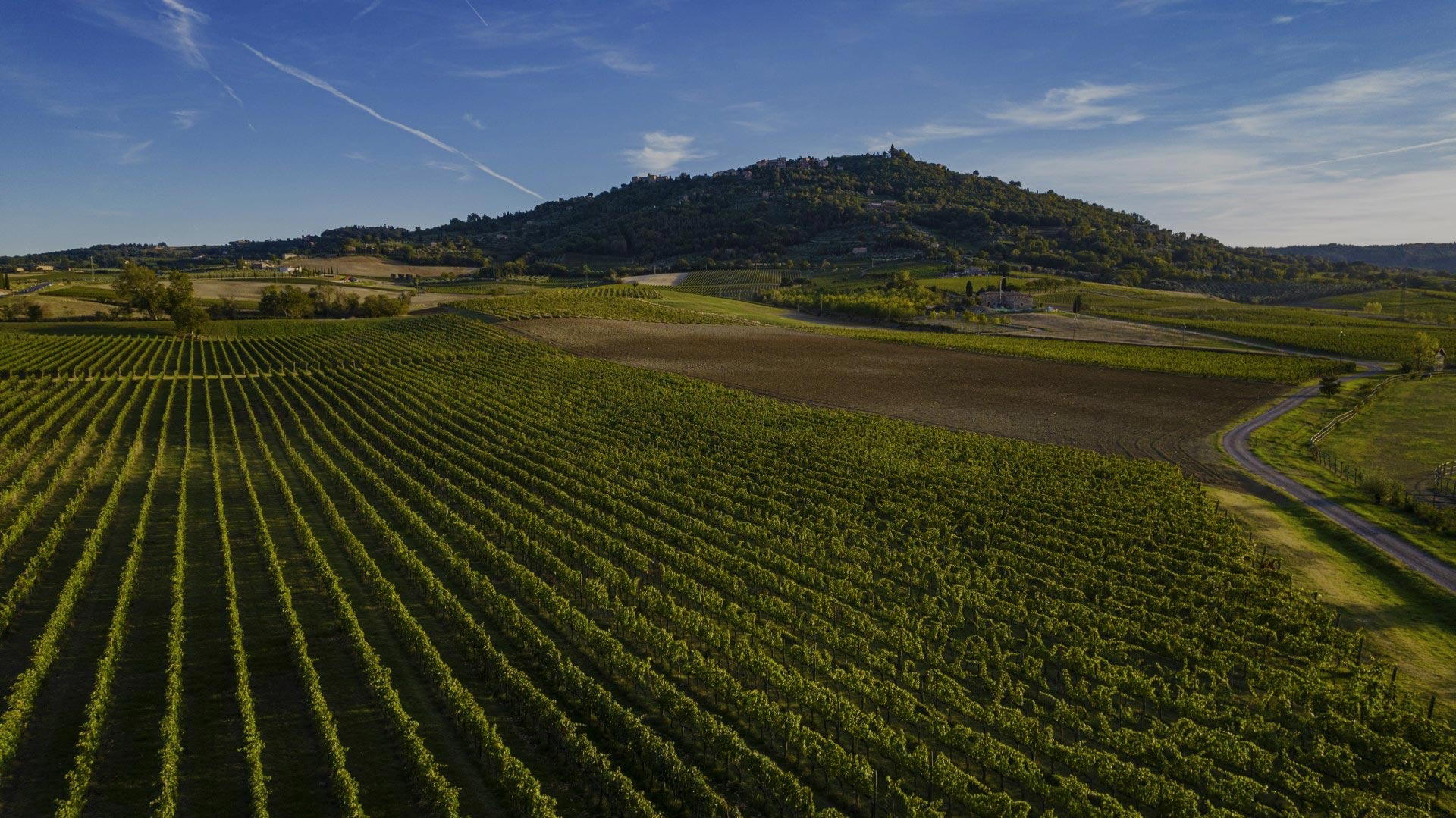
There is a particular category of restaurant in rural Italy that earns its reputation partly through the effort of arrival. Lupaia belongs to it. The drive out of Torrita di Siena winds into open countryside between Montepulciano and Montefollonico, and the final stretch is more than two kilometres of unpaved track requiring patience and a vehicle that isn't afraid of dust. That physical approach is not incidental to the experience, it frames what follows, cutting visitors off from the main road and depositing them in a Tuscan hamlet where the pace of the kitchen and the rhythm of the farm are one and the same thing.
For context on where this sits in the broader Italian fine-dining picture: most Michelin-recognised destinations in Italy operate in city centres or well-trafficked wine towns. Lupaia does not. It holds a Michelin Plate (2025), a combination that suggests both critical acknowledgement and the kind of repeat loyalty that remote rural restaurants earn slowly and keep for a long time. Compared to the €€€€ tier occupied by destinations like Osteria Francescana in Modena, Enoteca Pinchiorri in Florence, or Enrico Bartolini in Milan, Lupaia sits at €€€, a price point that reflects its rural format and farm-driven model rather than any compromise on seriousness.
Farm Provenance as the Menu's Architecture
The defining feature of the kitchen here is structural rather than stylistic: the tasting menu changes daily, and its construction begins with whatever the farm is producing at that moment. This is not the loosely interpreted farm-to-table framing that urban restaurants apply to sourcing relationships with regional suppliers. The produce comes from the land immediately surrounding the property, which means the chef's decisions each morning are constrained, and therefore sharpened, by what is actually ready to harvest.
Country cooking in Tuscany has a long tradition of treating the contado, the agricultural land outside the city walls, as both larder and lexicon. The cuisine at Lupaia sits within that tradition without performing nostalgia. The daily format means a guest visiting in late spring encounters an entirely different menu from one who comes in early autumn, and both encounter a menu that could not plausibly exist anywhere else. This kind of place-specificity is what distinguishes farm-led country restaurants from those that merely invoke provenance as a marketing frame.
For readers curious about the broader Italian country-cooking category, 21.9 in Piobesi d'Alba and Andrea Monesi at Locanda di Orta in Orta San Giulio operate in a comparable register further north, rural addresses where the land informs the plate with similar directness. Italy's most decorated kitchens, including Le Calandre in Rubano, Piazza Duomo in Alba, and Reale in Castel di Sangro, each speak to the same impulse through their own regional grammars. Lupaia's version is quieter and more literal: the farm is on site, not across a region.
Two Dining Rooms, Two Seasons
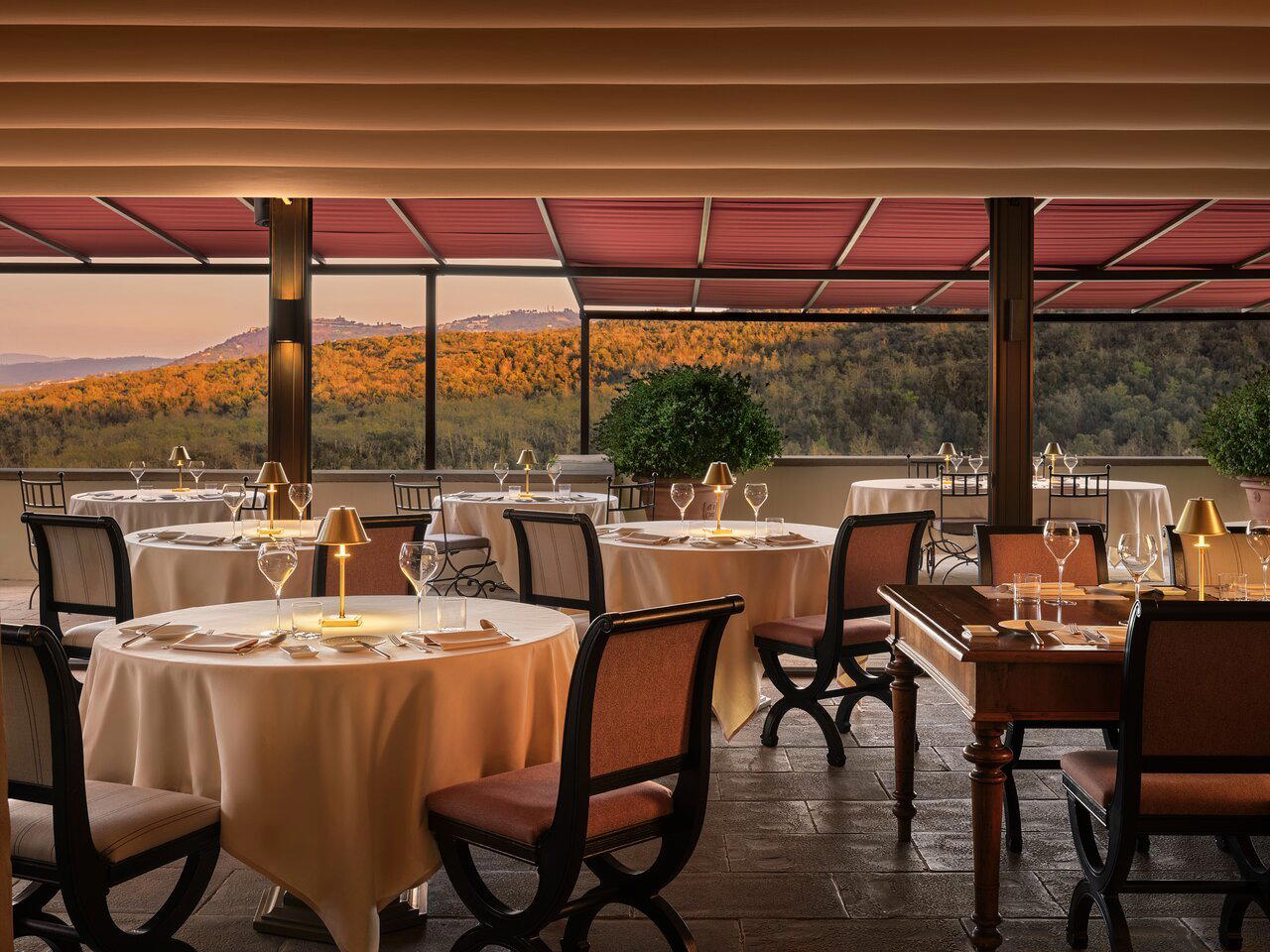
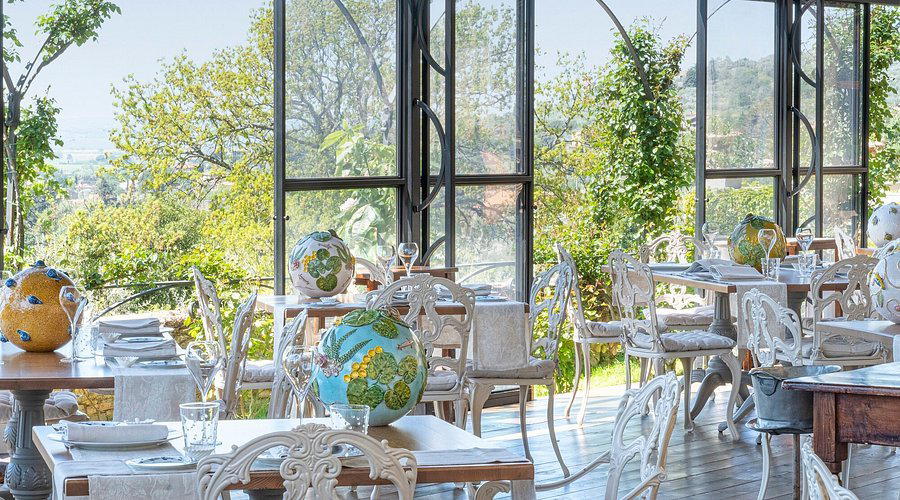
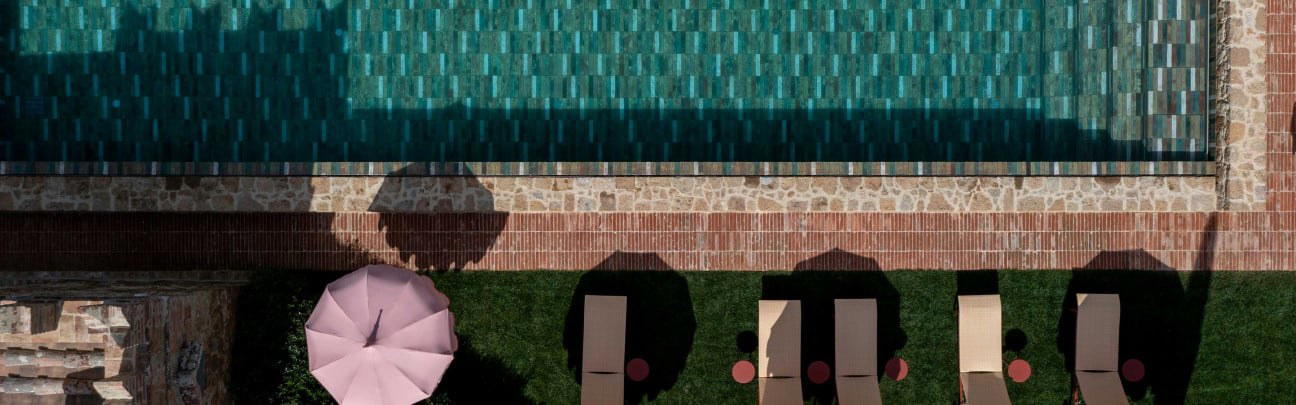
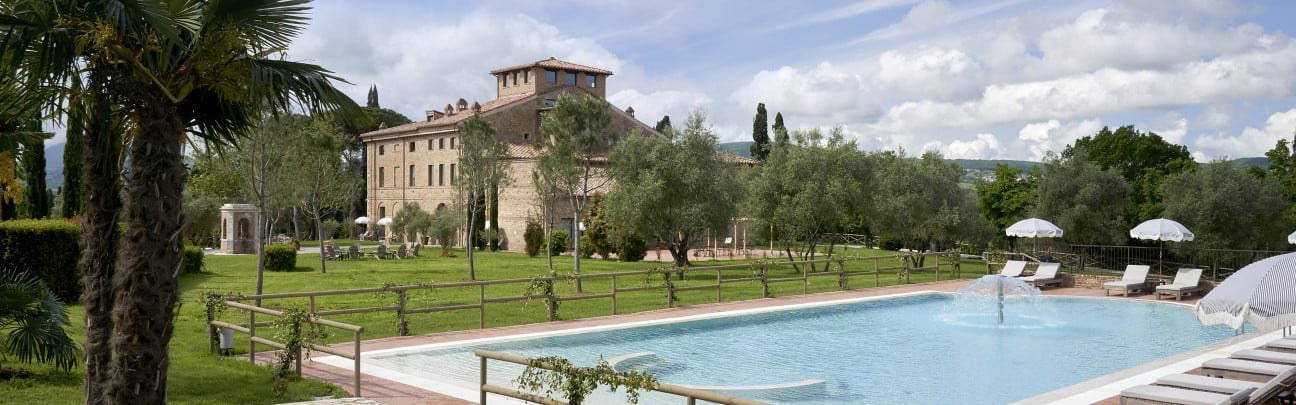
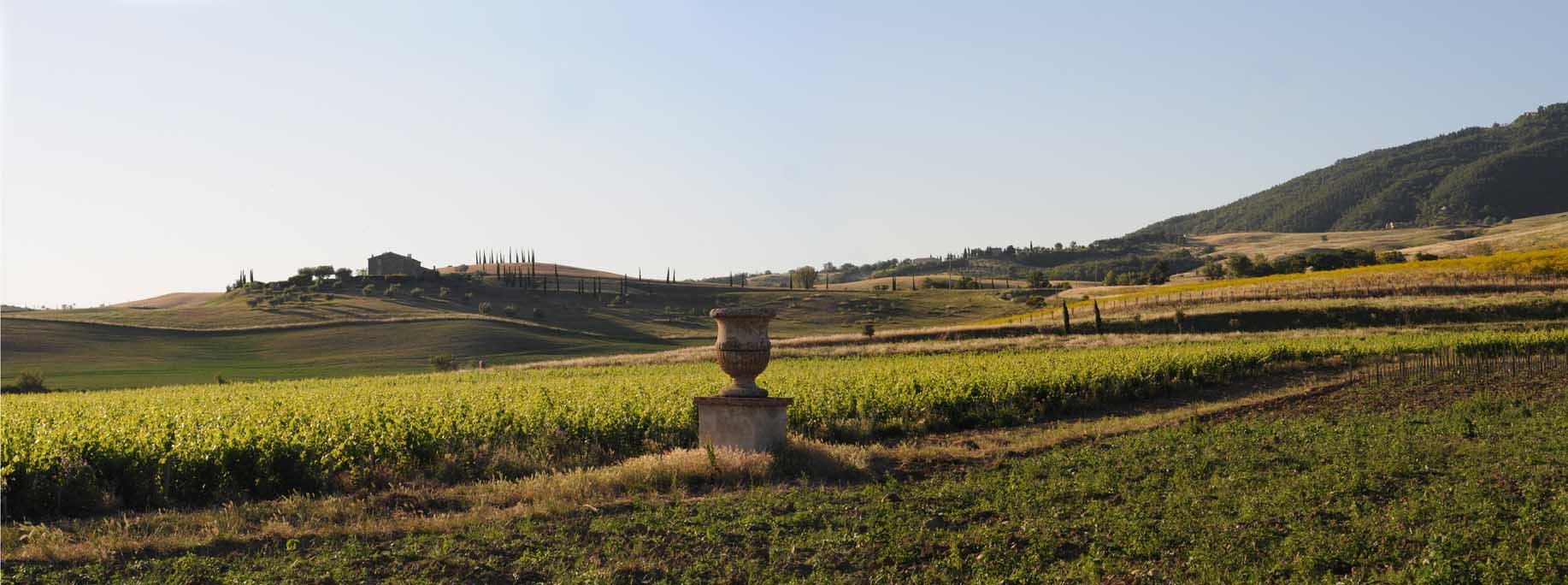
The physical setup shifts with the calendar in a way that matters for planning. In summer, tables move to the garden, and the view across the Val di Chiana hills at dusk becomes part of the dinner itself. The light in this part of Tuscany in June and September has a particular quality, long and amber, that turns an outdoor table into something the kitchen alone cannot provide. That seasonal draw accounts for the peak search interest in May, June, August, September, and October, when the combination of good weather and the harvest cycle makes the Val di Chiana corridor especially worth visiting.
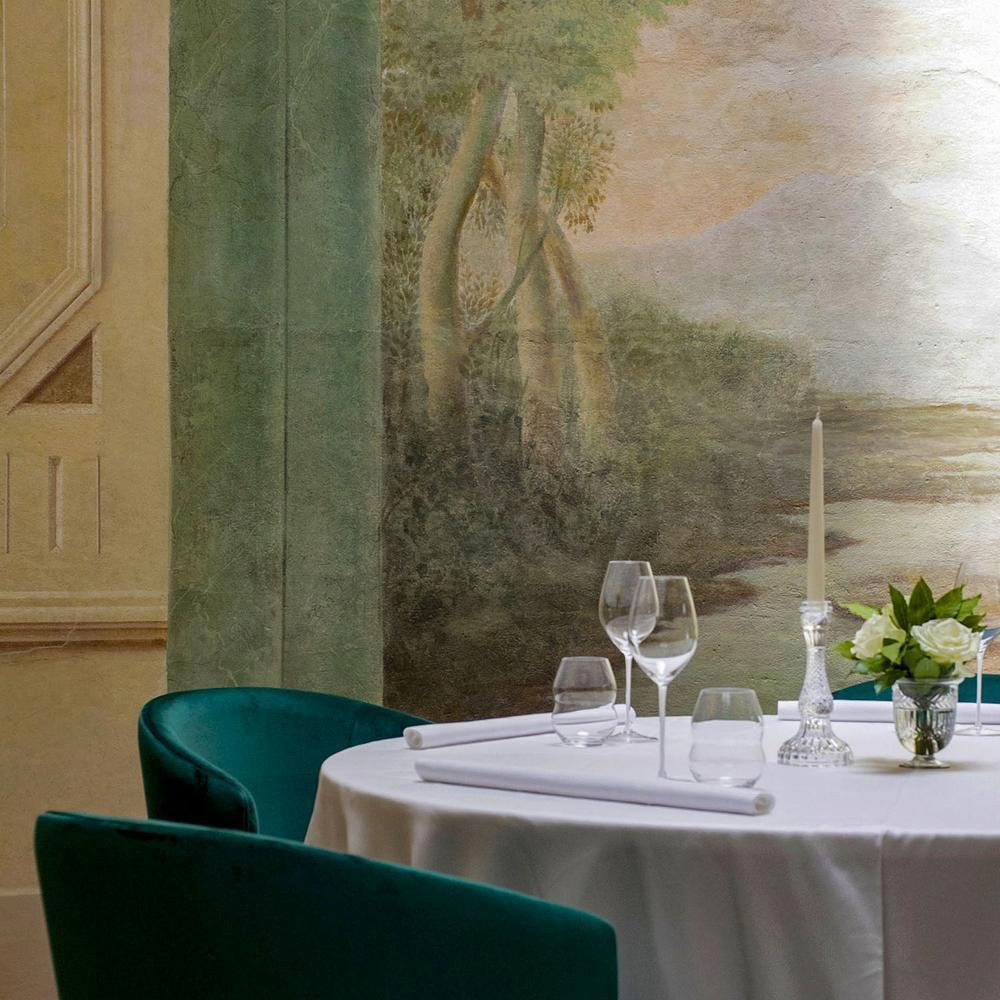
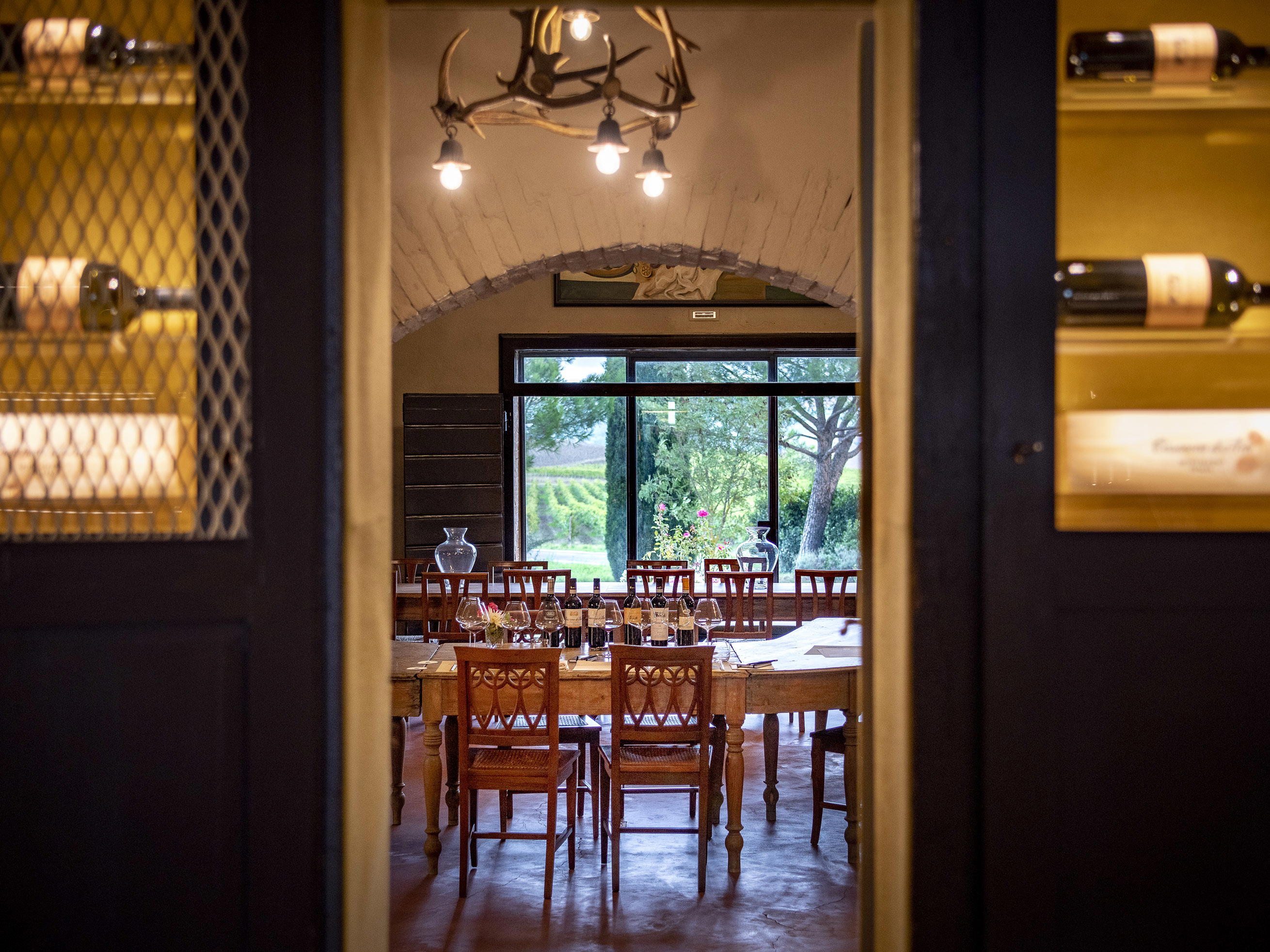
In winter, the dining room faces the open kitchen. For a restaurant whose entire premise rests on the relationship between land, produce, and cooking technique, watching that process is not incidental theatre, it is the argument made visible. The shift between garden and interior is not a downgrade in either direction; it is a genuine seasonal change in the nature of the meal.
Placing Lupaia in the Val di Chiana
The strip of hill country between Montepulciano, Pienza, and Montefollonico has accumulated a quiet density of serious food and wine addresses over the past two decades. Montepulciano anchors the wine side with Vino Nobile; Pienza anchors the cheese and pecorino tradition; the smaller comuni in between, Torrita di Siena among them, have become home to the kind of restaurant that requires a specific decision to visit rather than a casual detour. Lupaia fits that pattern precisely: it is not the sort of place one stumbles upon.
For those building a longer itinerary, the wider EP Club guides cover restaurants in Torrita di Siena, hotels in Torrita di Siena, bars in Torrita di Siena, wineries in Torrita di Siena, and experiences in Torrita di Siena. For reference points elsewhere in Italy's broader high-end restaurant picture, Dal Pescatore in Runate, Uliassi in Senigallia, Quattro Passi in Marina del Cantone, Casa Perbellini 12 Apostoli in Verona, and Atelier Moessmer Norbert Niederkofler in Brunico each show a different expression of the regional-ingredient-led model operating at higher price tiers.
Planning the Visit
Lupaia is located at Località Lupaia, 74, Torrita di Siena, approximately midway between Montepulciano and Montefollonico. The final access road is unpaved and runs for over two kilometres; a standard car handles it without difficulty at careful speed, but it requires attention. Advance booking is necessary for non-hotel guests, and the combination of limited covers and a daily-changing menu means same-day or walk-in availability is not a reliable assumption at any point in the year. For visits timed around the garden terrace, the window from late May through October captures both the leading weather and the widest seasonal range in the kitchen's produce.
Fast Comparison
Comparable venues nearby, for context on price, style, and recognition.
| Venue | Cuisine | Price | Awards | Notes |
|---|---|---|---|---|
| LupaiaThis venue — the venue you are viewing | Tuscan Farm-to-Table | $$$$ | Michelin Plate | Not listed |
| La Leggenda dei Frati | Modern Tuscan Fine Dining | $$$$ | Michelin Plate | San Niccolo |
| Daniela | Tuscan Italian | $$$ | Michelin Plate | San Casciano dei Bagni |
| Le Logge del Vignola | Modern Tuscan Fine Dining | $$$$ | Michelin Plate | historic center |
| La Locanda del Cardinale | Modern Umbrian Fine Dining | $$$$ | Michelin Plate | Centro Storico |
Recognition history
Dated appearances from independent guides and award organizations, with the underlying list record or original source where available.
Michelin Plate
Michelin
Michelin Plate
Michelin
Michelin Plate
Michelin
Continue exploring
More in Torrita di Siena
Restaurants in Torrita di Siena
Browse all →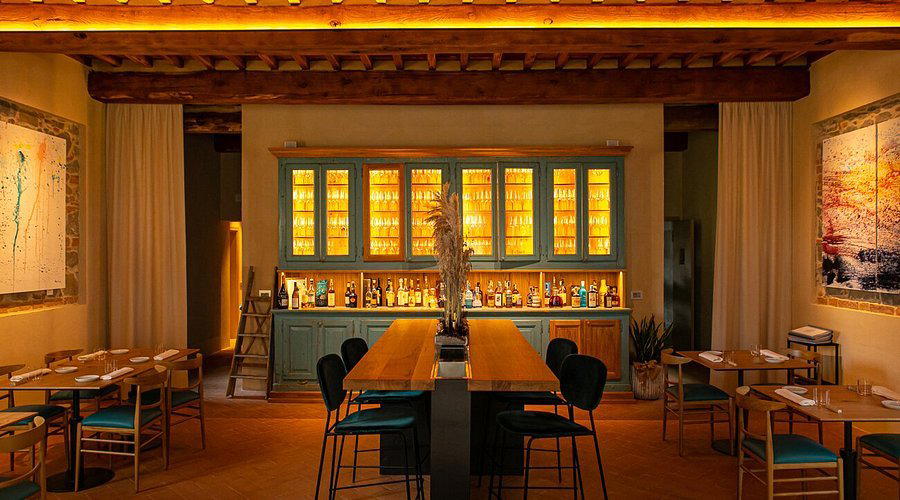
Bars in Torrita di Siena
Browse all →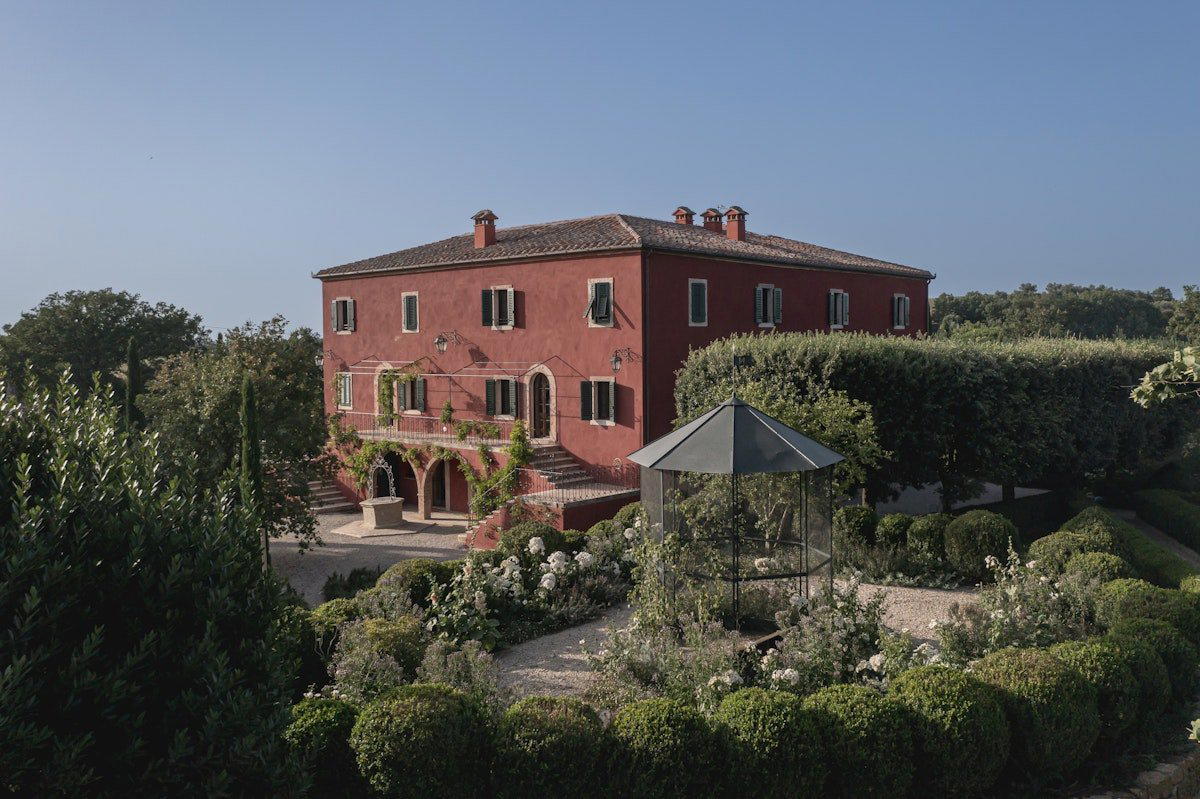
Hotels in Torrita di Siena
Browse all →
At a Glance
- Romantic
- Scenic
- Elegant
- Rustic
- Intimate
- Cozy
- Date Night
- Special Occasion
- Celebration
- Romantic Getaway
- Open Kitchen
- Garden
- Wine Cellar
- Terrace
- Panoramic View
- Historic Building
- Standalone
- Extensive Wine List
- Sommelier Led
- Farm To Table
- Organic
- Local Sourcing
- Garden
- Vineyard
- Mountain
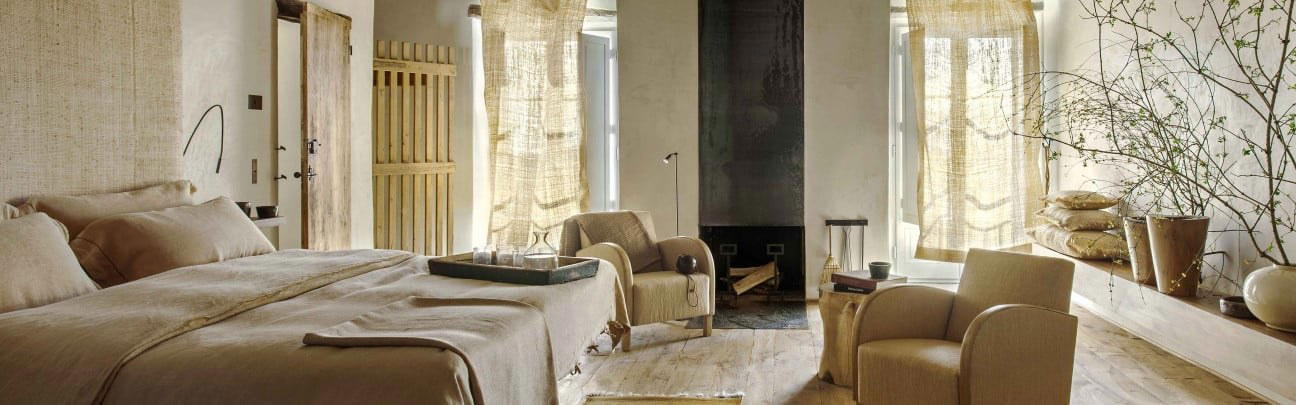
Warm, intimate dining room with exposed beams and rustic fireplaces; candlelit terrace overlooking vineyards and distant villages; soft natural light during day, romantic ambiance at night with open kitchen as focal point.