Lupa

Lupa brings the London appetite for Roman pasta rituals to Highbury Park, where the meal is defined less by ceremony than by timing: antipasti, primi, shared plates, and a room built for neighbourhood regularity. Its public recognition centres on the familiar Roman axis of carbonara and cacio e pepe, placing it within a citywide shift toward focused, affordable-feeling Italian dining rather than sprawling trattoria menus.
Pearl is the En Primeur Club membership app — saves, bookings, and concierge access live there. Same editors, same standards.
- Address
- 73 Highbury Park, Islington, London, Greater London, N5 1UA, GBR
- Website
- guide.michelin.com
 Saves & bookings on Pearl
Highbury Park has the kind of north London rhythm that suits a pasta room: residential pavements, low evening light, and a dinner crowd that tends to arrive with a purpose rather than drift in by accident. Lupa belongs to that register. The appeal is not grand dining-room theatre; it is the tighter ritual of the Italian meal, where the table reads the menu in courses, talks through what can be shared, and lets pasta sit at the centre rather than act as a supporting dish.
London’s Italian dining has been narrowing in a useful way. The old catch-all trattoria model, with pizza, pasta, grilled fish, veal, tiramisu, and a wine list from everywhere, has given ground to smaller formats built around a regional accent or a shorter kitchen grammar. In that context, a restaurant associated publicly with carbonara and cacio e pepe signals a Roman lane: eggs, cheese, pepper, cured pork, and the discipline of sauce clinging to pasta rather than pooling under it. That matters because Roman cooking is often misread as simple. In practice, it gives kitchens little cover. Texture, heat, salinity, and pace have to land together.
Roman pasta as a London dining ritual
The ritual here is familiar to anyone who has eaten seriously in Rome but increasingly common in London: start lightly, order pasta with intent, and resist treating every dish as a standalone main course. Carbonara and cacio e pepe are not decorative menu references. They mark a style of eating in which the primi course carries the identity of the table, and the rest of the meal gathers around it. A kitchen that leads with those dishes enters a crowded London conversation, because diners now compare pasta rooms by execution rather than by comfort alone.
That comparison is sharper in north London, where neighbourhood restaurants have become less casual in expectation even when the room remains relaxed. Nearby peers frame the point. Farang gives the area a Thai counterweight, Primeur and Westerns Laundry helped define the stripped-back modern British room, and Top Cuvee brought a wine-bar cadence to dining. Lupa sits in the Italian register of the same pattern: compact, neighbourhood-facing, and judged by whether a narrow set of dishes can justify repeat visits.
The strongest case for this kind of restaurant is pacing. Roman pasta does not reward dawdling once it reaches the table, and the meal works when the room, kitchen, and guests understand that rhythm. The social code is direct: order decisively, share where the table wants breadth, and treat the pasta course as time-sensitive. London has become fluent in that language. Diners who once looked for long menus now read brevity as confidence, provided the execution holds.
Highbury Park and the north London appetite for focused rooms
Islington has long supported restaurants that work as local institutions rather than destination spectacles. The neighbourhood’s dining culture is built on frequency: weekday suppers, early family tables, later couples, and regulars who know whether they want the same order or a small deviation from it. Lupa benefits from that setting because Roman cooking fits repeat dining. Cacio e pepe is not a once-a-year dish; carbonara is not built for ceremony. They are benchmarks, and benchmarks are useful in a city where Italian restaurants can blur into each other.
The restaurant’s address on Highbury Park places it away from central London’s expense-account circuits, which changes the expectations around the room. The point is not the spectacle of arrival. It is whether a table can settle quickly into the customs of the meal: something to begin, pasta while it is at temperature, another plate if the table is stretching the evening. That format gives the restaurant a practical advantage over more performative dining rooms. It can feel serious without demanding a formal occasion.
For London diners mapping the category, the useful distinction is between Italian restaurants that sell abundance and those that sell focus. Lupa belongs to the latter group. Its public association with carbonara and cacio e pepe gives readers the relevant signal: this is a place to assess through the Roman pasta canon, not through a broad survey of Italy. That makes it easier to understand before booking and easier to judge afterward.
How to place it in a London itinerary
Lupa makes sense when the evening calls for a neighbourhood meal with a clear centre of gravity. It is not the same decision as crossing town for a tasting menu, and it should not be evaluated by those rules. The better comparison is with London restaurants that tighten the offer around a specific appetite: 081 Pizzeria Peckham for pizza, 10 Greek Street (Modern European) for compact Soho modern European cooking, 101 Pimlico Road for west London all-day dining, 104 (Modern Cuisine) for a more formal modern register, and 116 at The Athenaeum for hotel dining in Mayfair.
Readers building a wider London plan should treat it as part of the city’s stronger neighbourhood restaurant culture rather than a standalone trophy booking. For broader planning, use our full London restaurants guide, then layer in our full London hotels guide, our full London bars guide, our full London wineries guide, and our full London experiences guide if the trip extends beyond dinner.
The broader UK comparison is useful, too. A London pasta room plays a different role from destination-led restaurants such as 'Seasgair' by Michel Roux Jr in Fort William, “8” By Andrew Sheridan in Liverpool, 1 York Place in Bristol, 10 Tib Lane in Manchester, 11th and Social in Norwich, and 1215 in Egham. Internationally, the contrast is sharper still: Jōdo Saké Bar in Los Angeles and Onigiri Time in Pasadena show how tightly defined formats travel across cities. Lupa’s relevance is local but not minor: it reflects London’s continued move toward restaurants whose confidence comes from restraint, repetition, and a meal structure diners understand before the first plate arrives.
What It’s Closest To
Comparable venues by cuisine and price in the same metro.
| Venue | Cuisine | Awards |
|---|---|---|
| Lupa | From carbonara to cacio e pepe, this... | This venue |
| Farang | Thai | Thai, ££ |
| Iznik | ||
| Top Cuvee | ||
| Primeur | Modern British | Modern British, ££ |
| Westerns Laundry | Seafood, Modern British | Seafood, Modern British, ££ |
Recognition history
Dated appearances from independent guides and award organizations, with the underlying list record or original source where available.
Michelin Plate
Michelin · 2026 Michelin Plate
At a Glance
- Cozy
- Lively
- Intimate
- Rustic
- Low Profile Address
- Date Night
- Group Dining
- Casual Hangout
- After Work
- Special Occasion
- Standalone
- Design Destination
- Natural Wine
- Extensive Wine List
- Local Sourcing
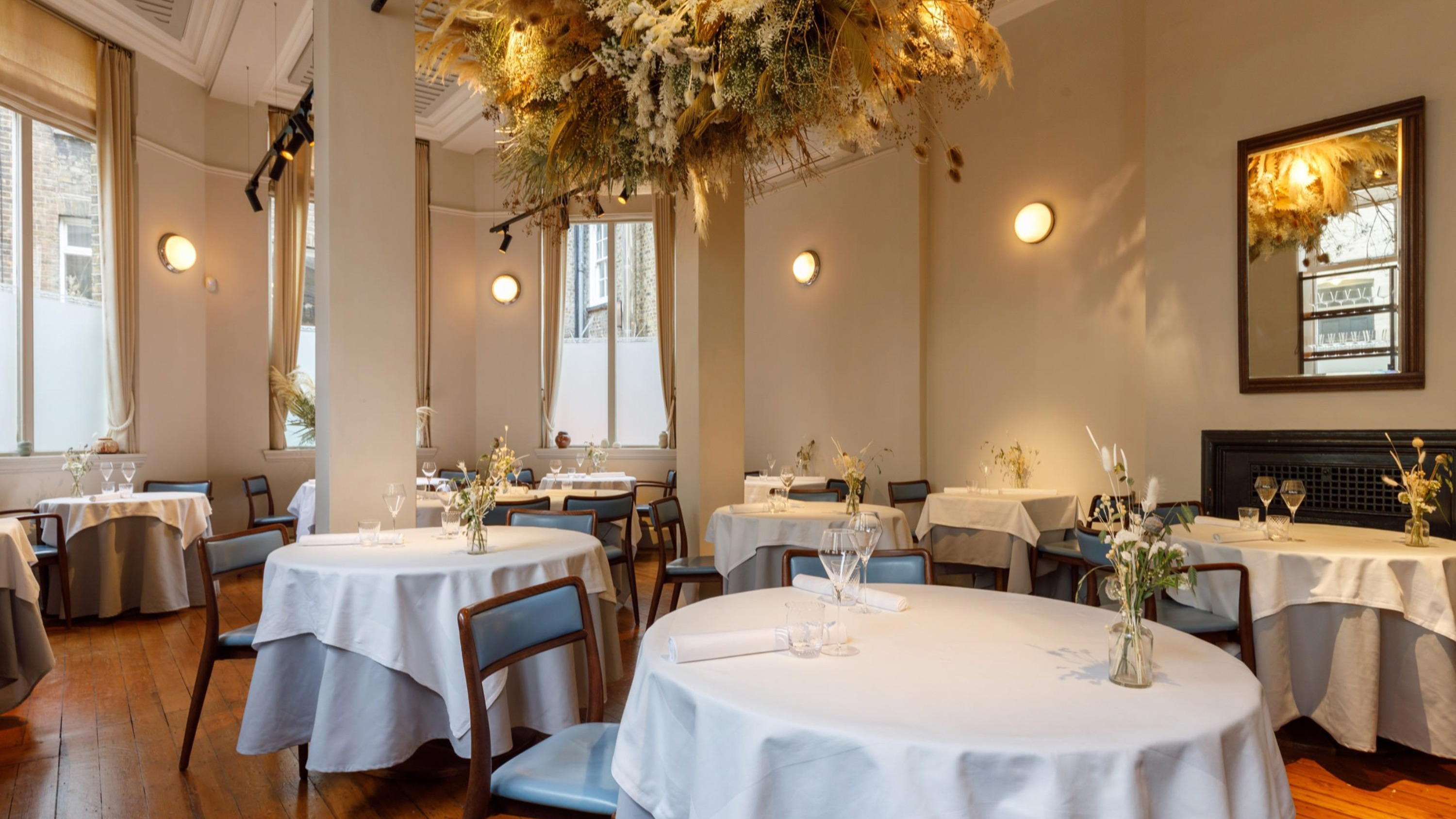
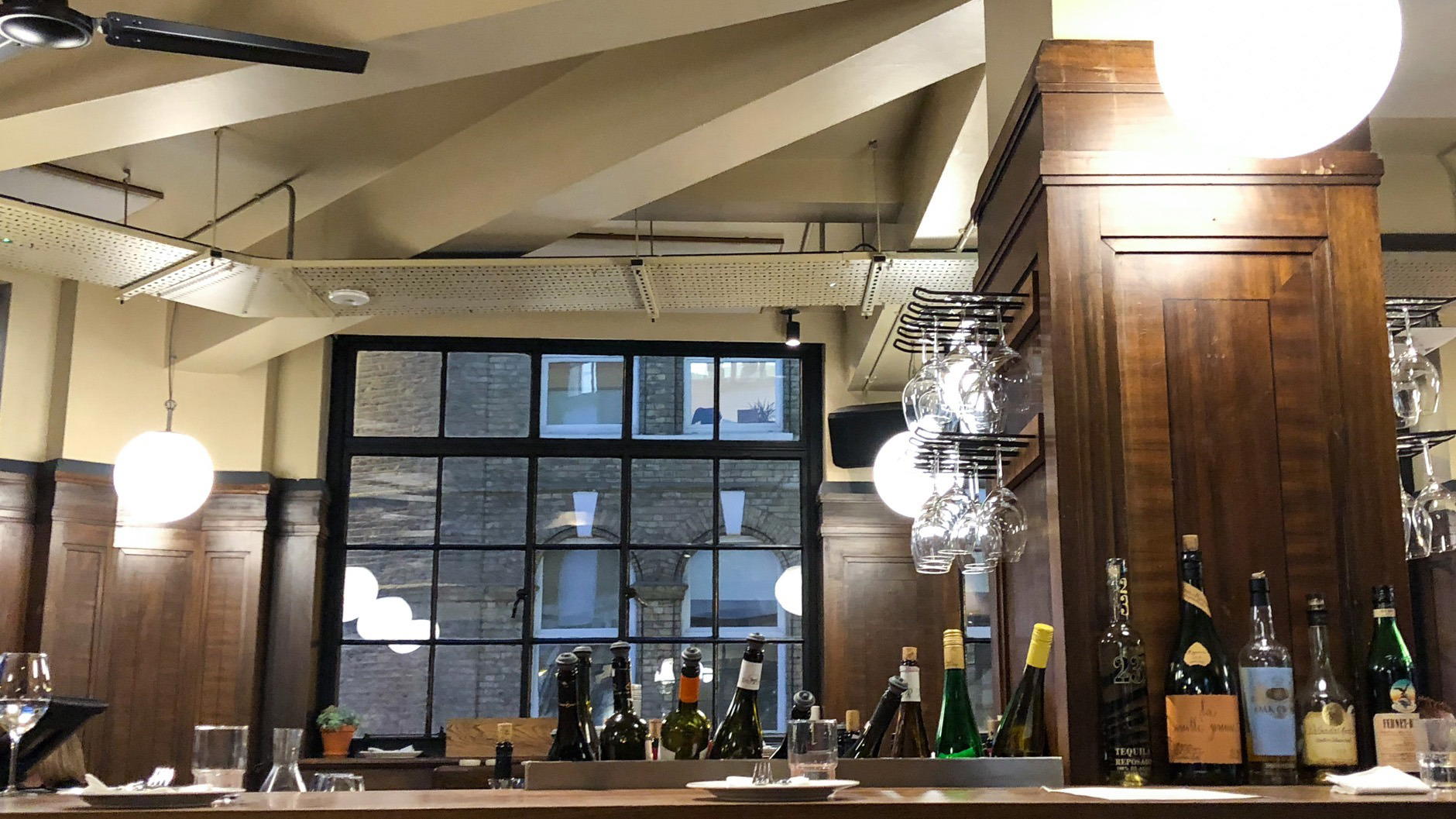
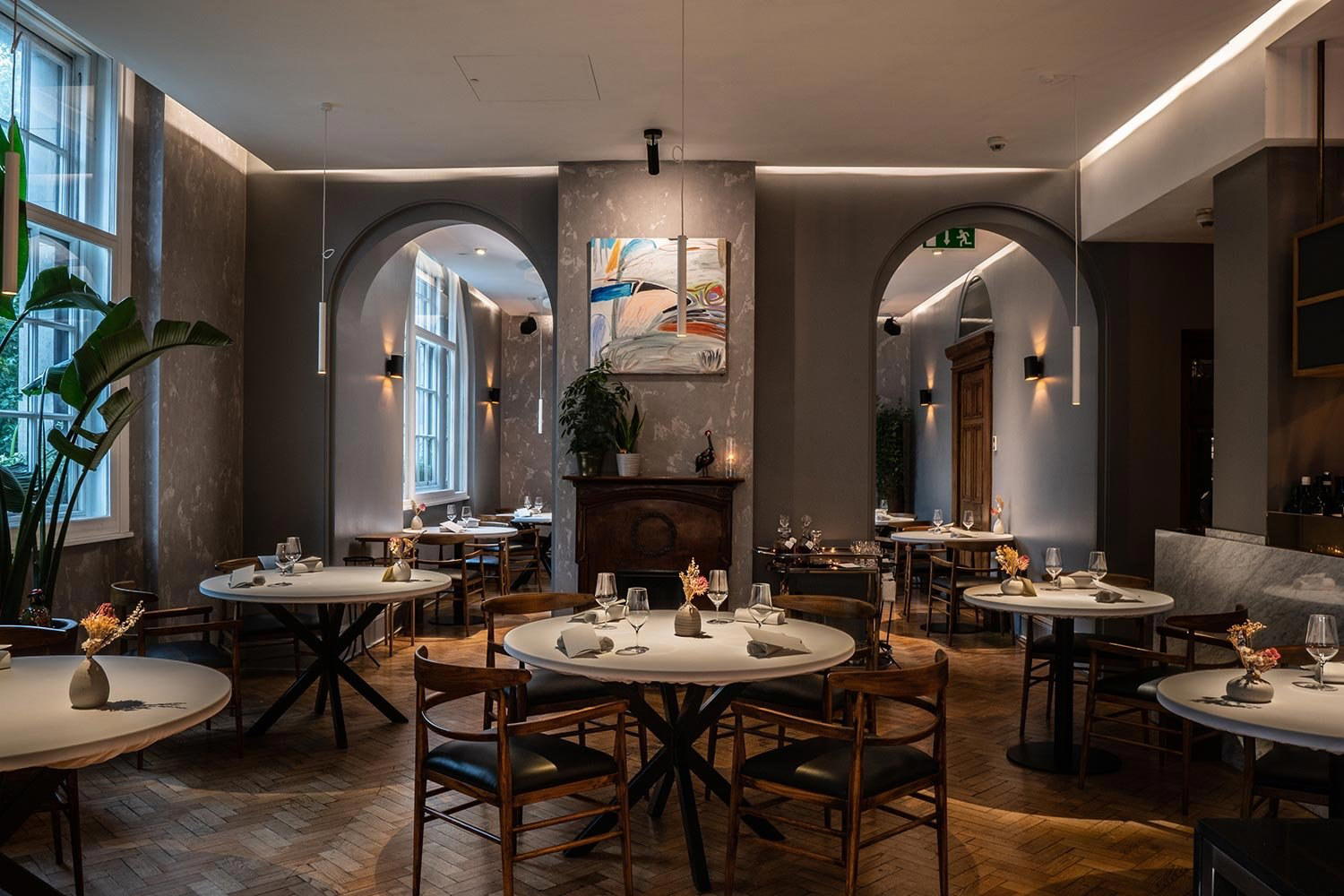
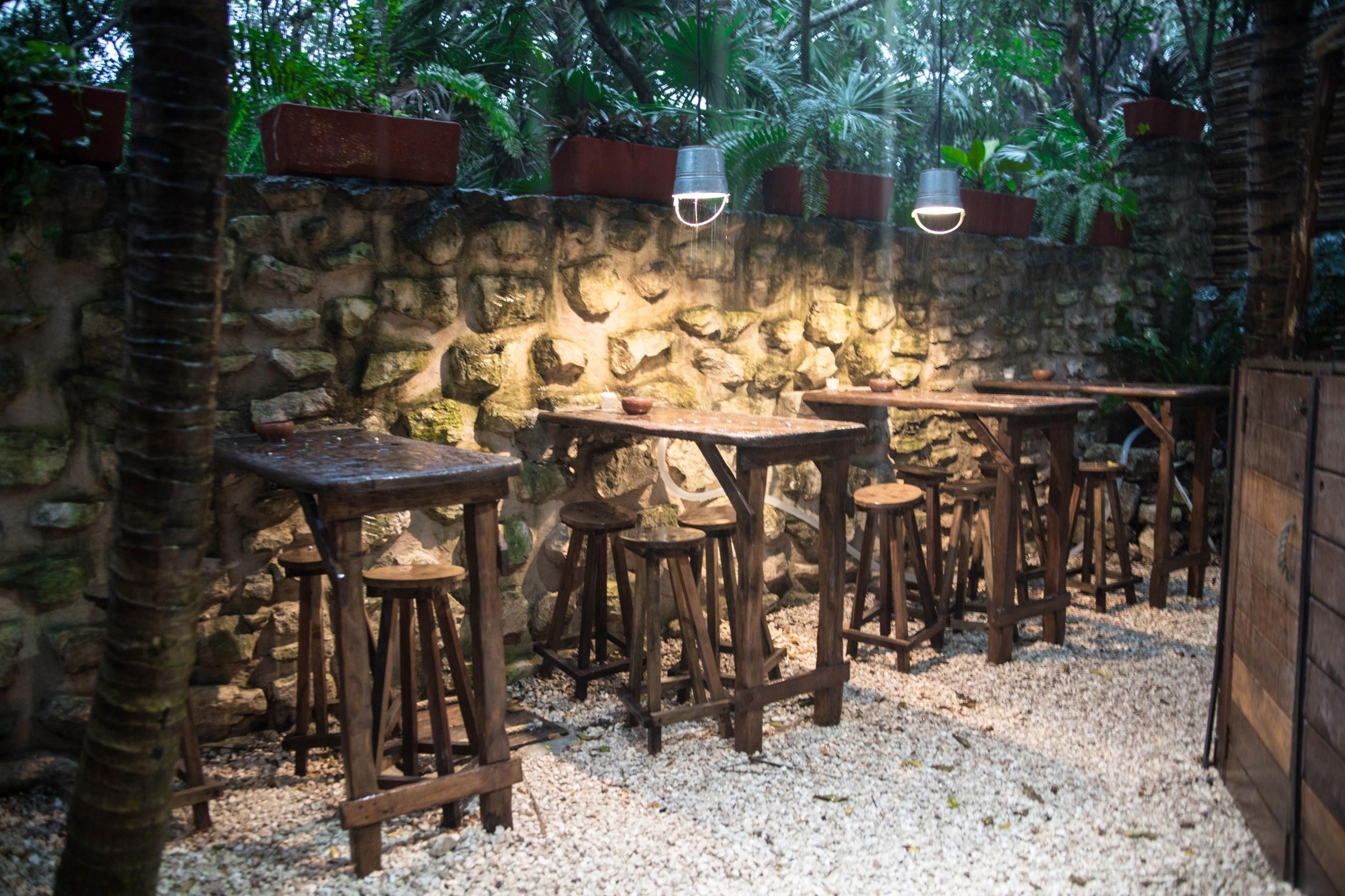
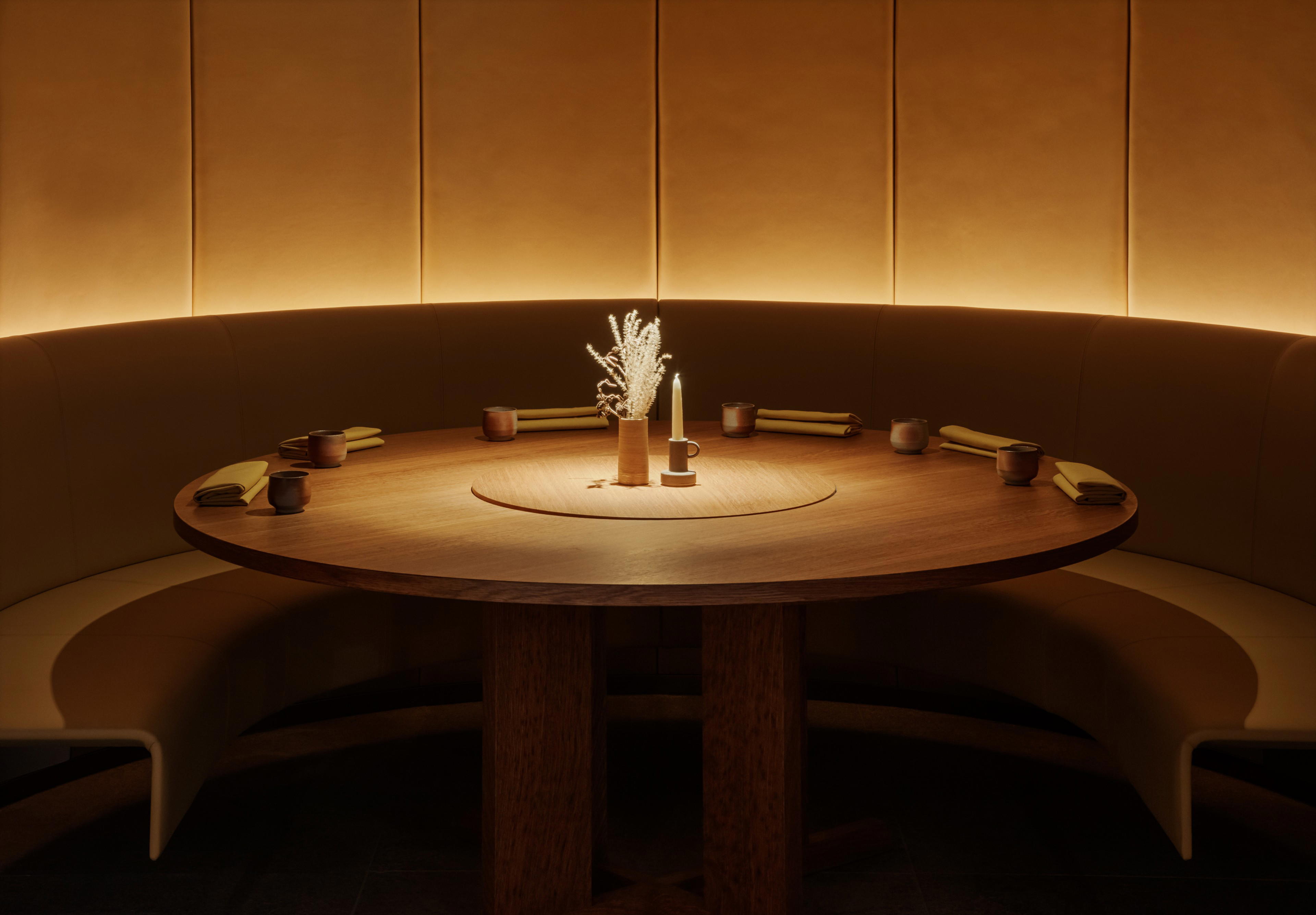
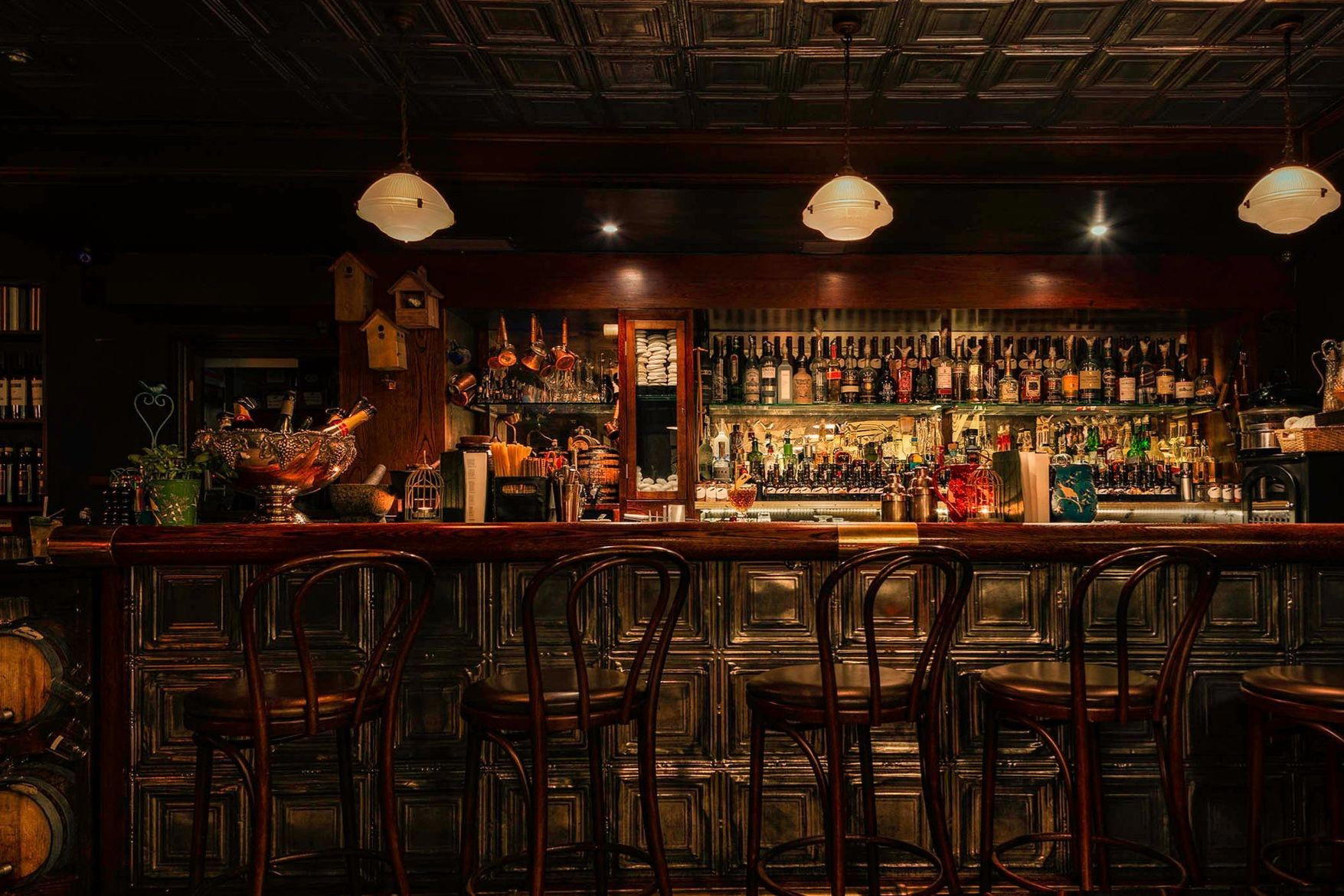
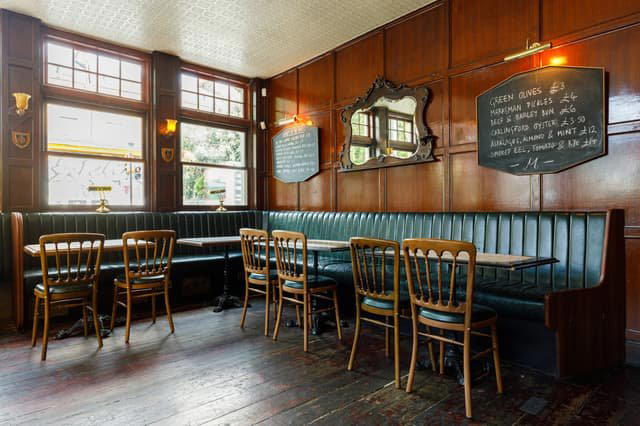
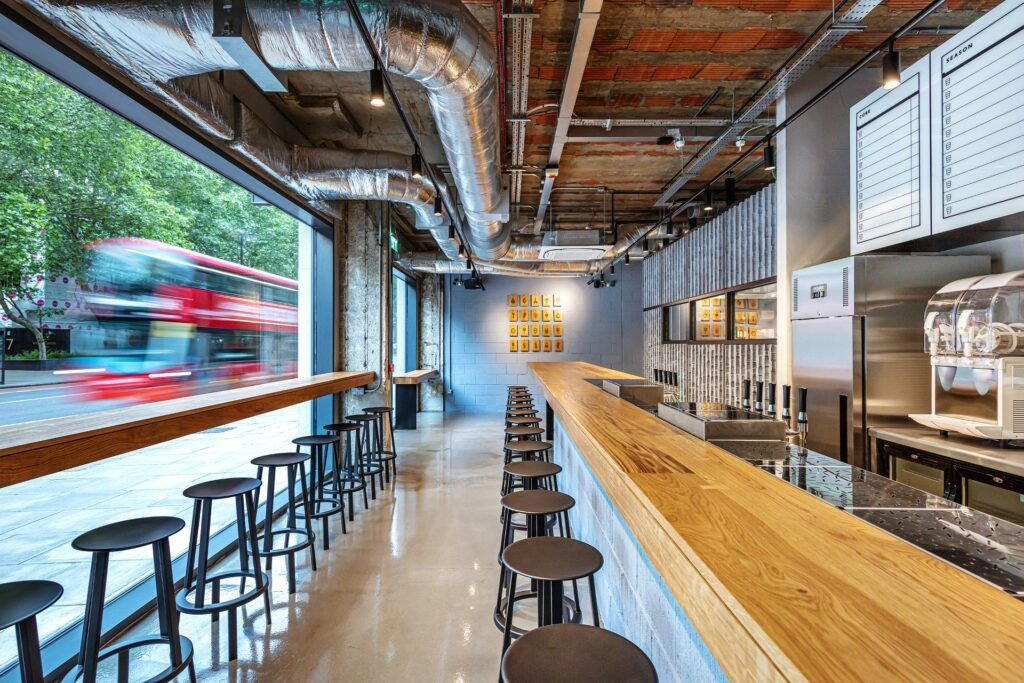
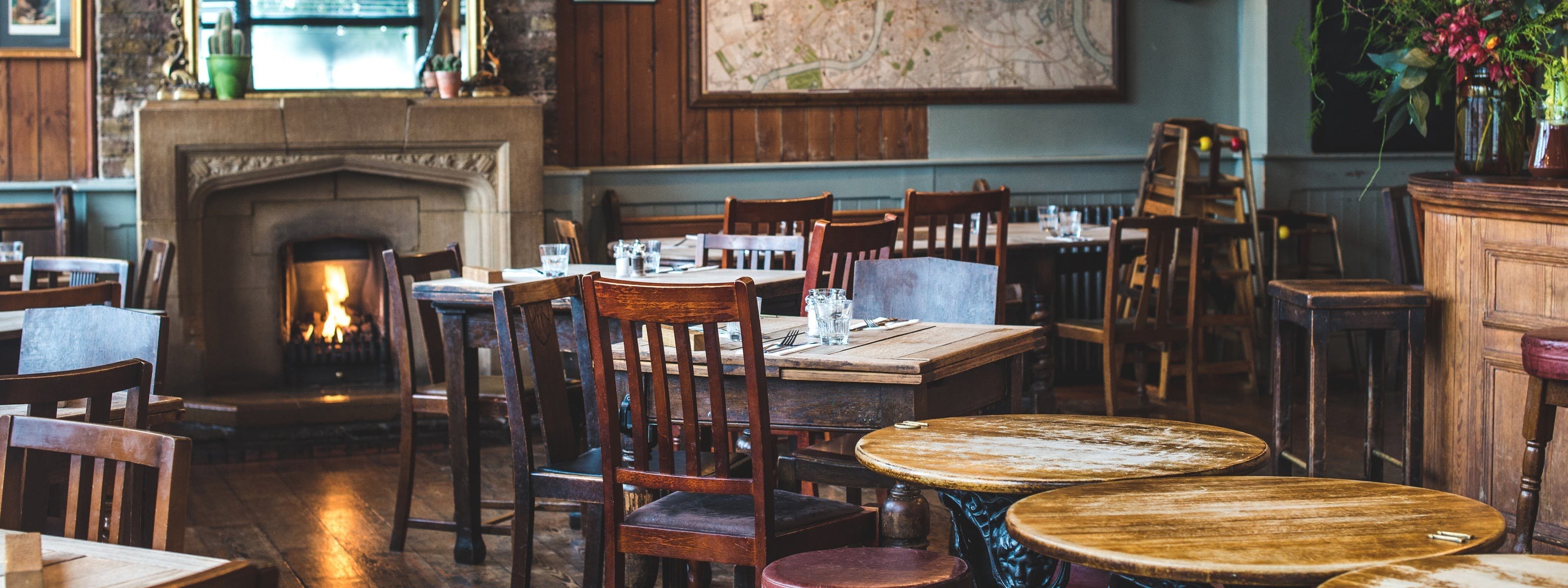
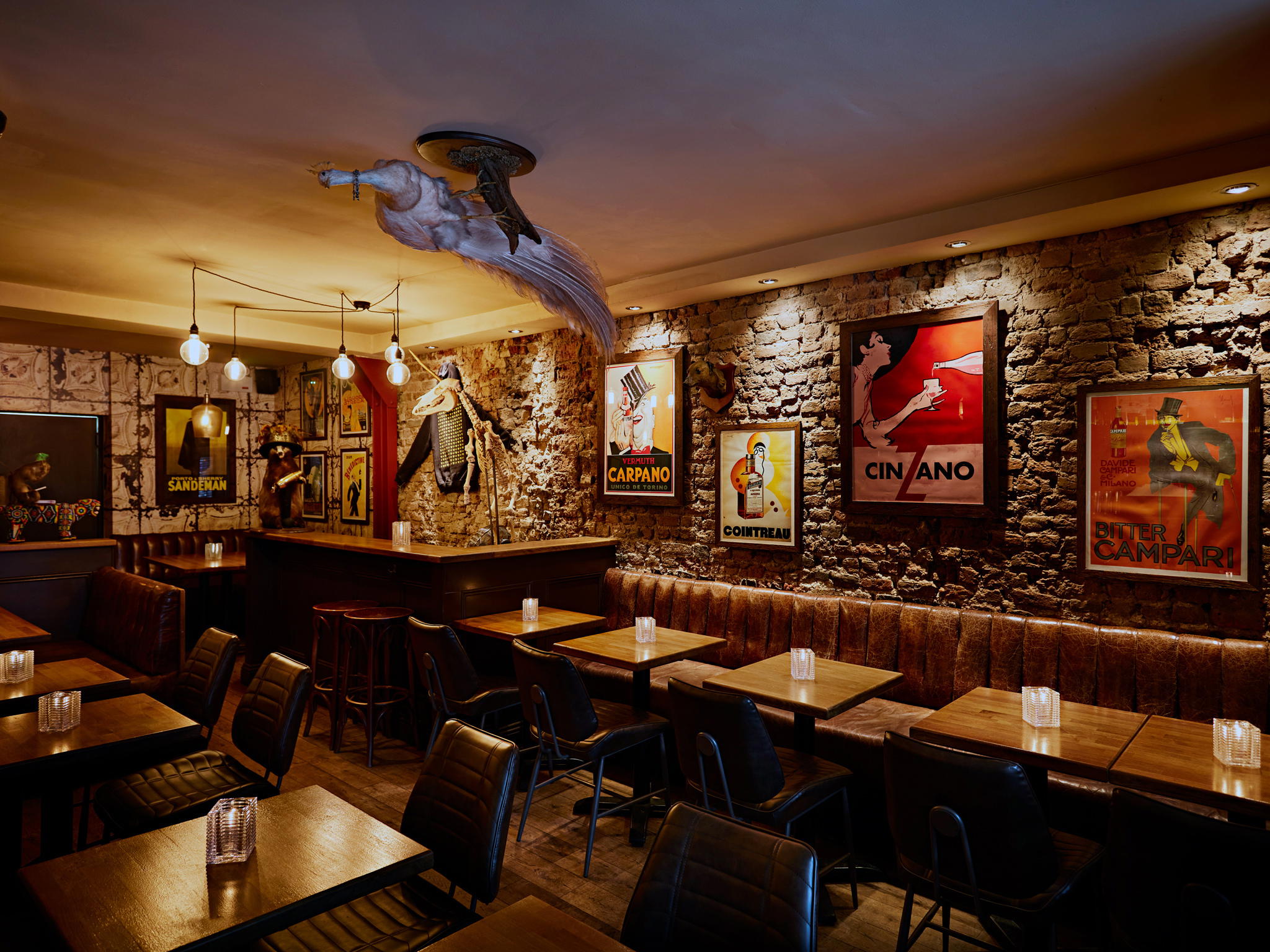
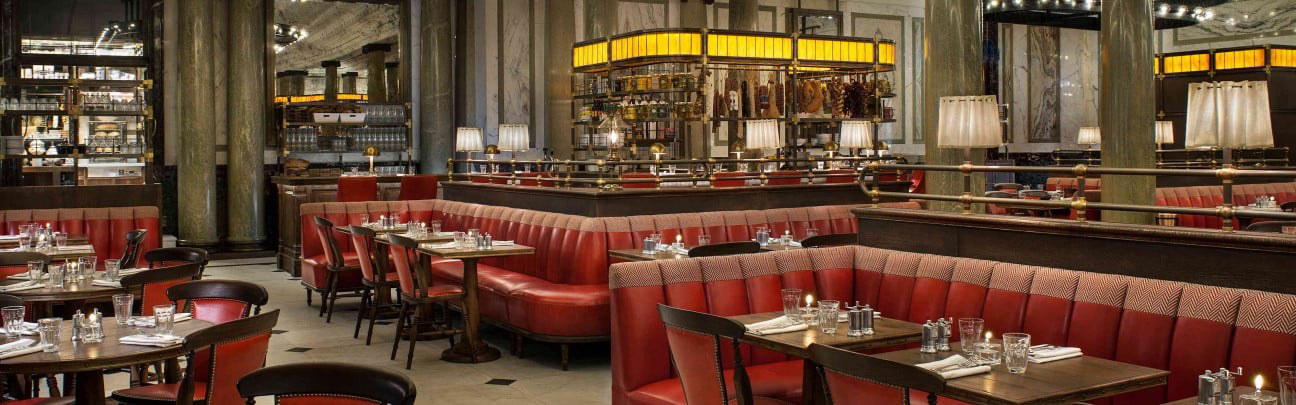
A cozy, intimate neighborhood trattoria with warm, rustic touches, closely packed tables and a sometimes noisy but welcoming, relaxed atmosphere that feels like dining at a Roman nonna’s home.