Our verdict
Japanese Noodles on a Resort Island Hòn Tre Island, home to the Vinpearl resort complex, sits roughly ten minutes by cable car or ferry from central Nha Trang. The island operates as a largely self-contained tourism zone, which shapes how every...
- Address
- Shop house E-06 Vinpearl, đảo Hòn Tre, Vĩnh Nguyên, Nha Trang, Khánh Hòa, Vietnam
- Phone
- +84888427399
- Website
- sol.com.vn
- Directions
- Get directions
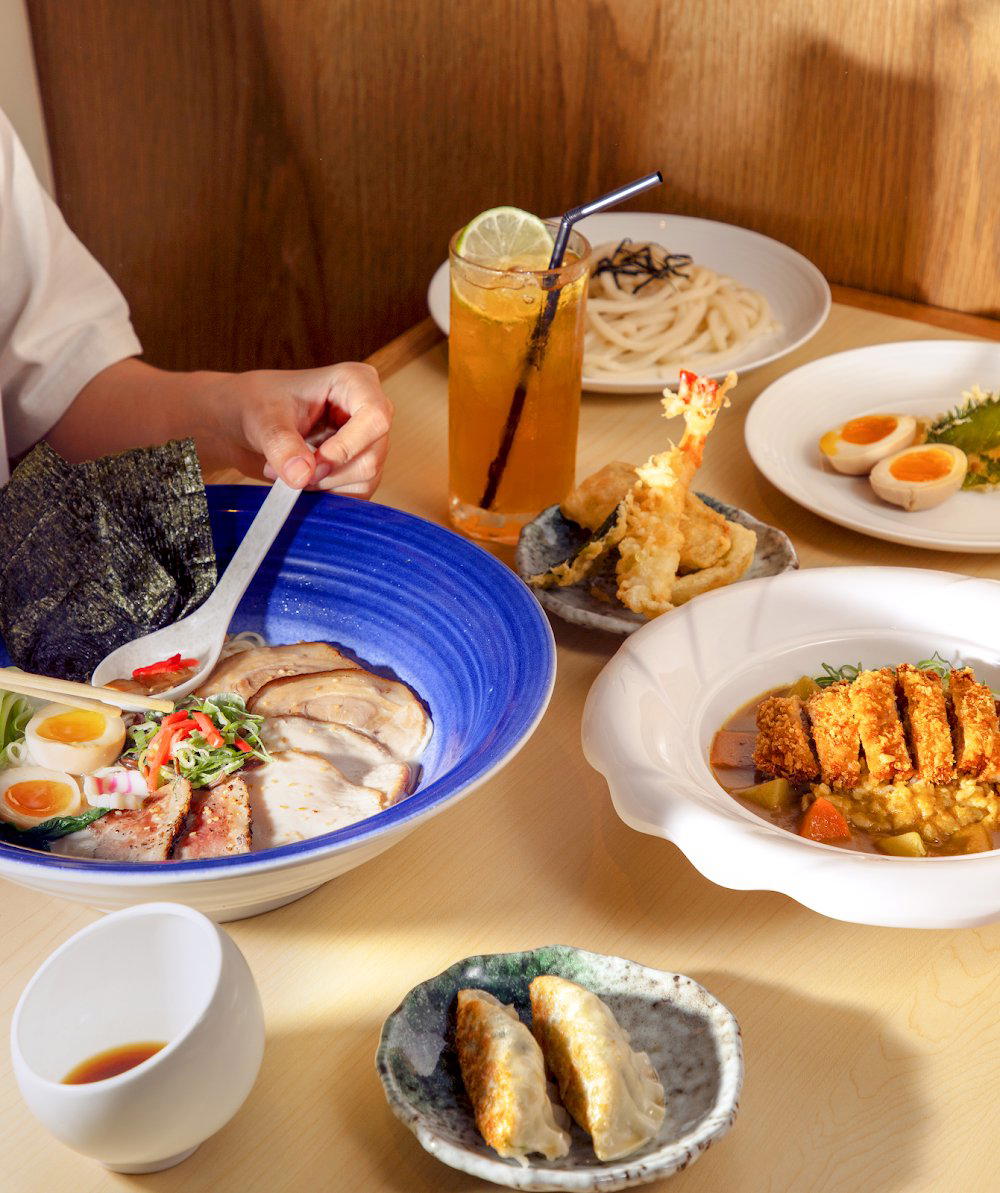
The menu
What to order
- Beef udon
Japanese Noodles on a Resort Island
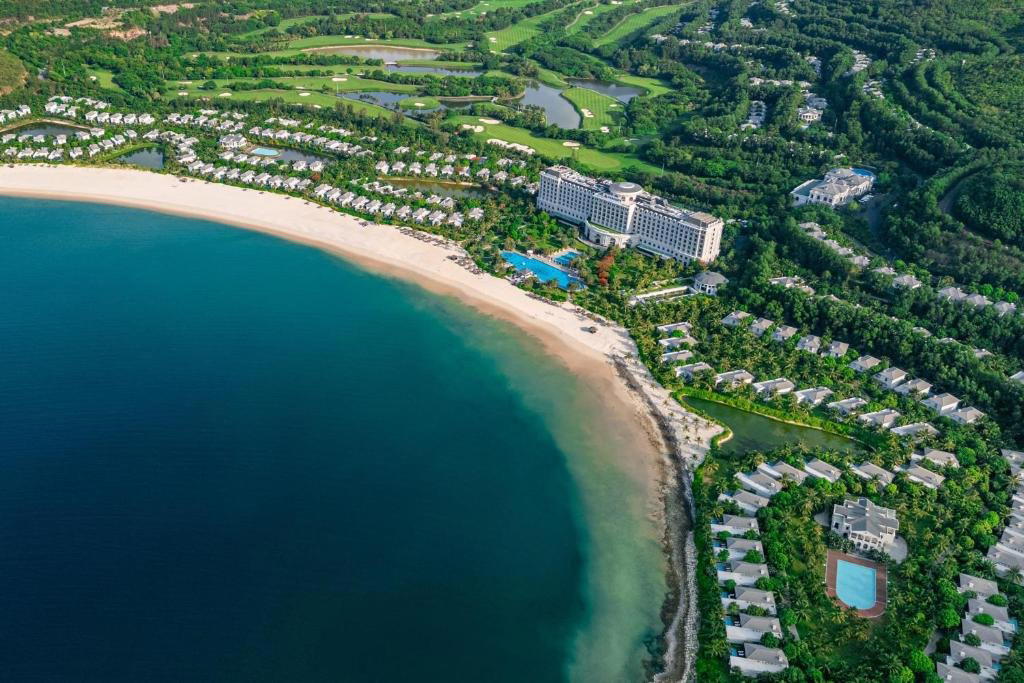
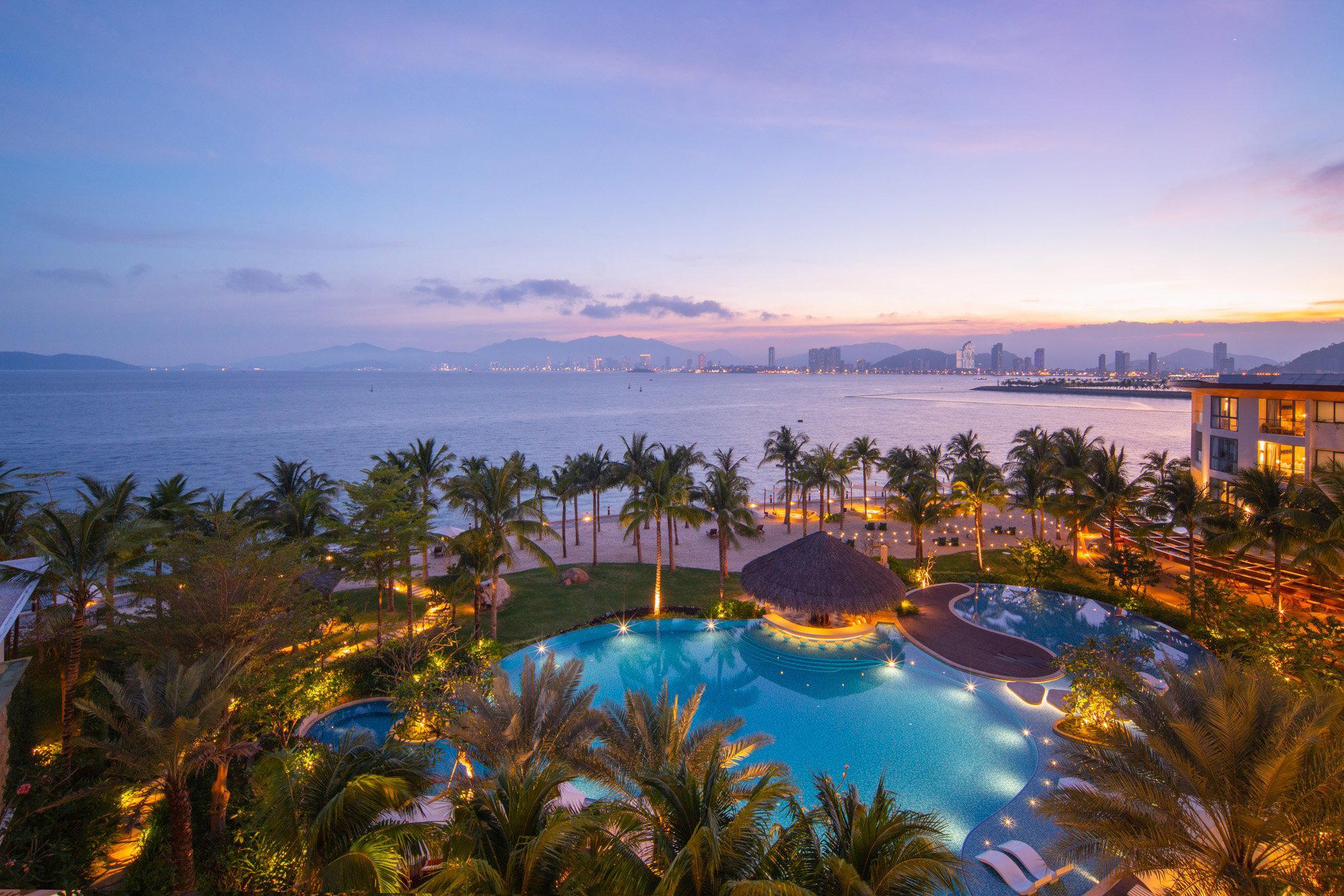
Hòn Tre Island, home to the Vinpearl resort complex, sits roughly ten minutes by cable car or ferry from central Nha Trang. The island operates as a largely self-contained tourism zone, which shapes how every restaurant inside it positions itself. Kohaku Ramen & Udon occupies shophouse E-06 within that complex, placing it squarely in the category of resort-adjacent dining: convenient by design, surrounded by an international visitor base, and competing less with the city's independent restaurants than with the other food-and-beverage outlets sharing the same footprint. That context matters when reading its menu, because the choices Kohaku makes, specifically the dual focus on ramen and udon rather than a broader pan-Asian or Vietnamese offering, signal a deliberate editorial position within a resort environment that could easily have gone generic.
How the Menu Is Structured, and What That Signals
The pairing of ramen and udon under one roof is less common than it appears. In Japan, the two noodle forms occupy different culinary traditions: ramen draws from Chinese-influenced wheat noodles adapted through regional Japanese broths (tonkotsu in Fukuoka, miso in Sapporo, shoyu in Tokyo), while udon is a thicker, softer wheat noodle rooted in temple cooking and Kagawa prefecture's austere simplicity. A restaurant presenting both is making a statement about range: it is offering the depth-of-broth intensity of ramen alongside the cleaner, more restrained format of udon, which appeals to a wider spectrum of appetite and heat tolerance. For resort dining, that pairing is strategically sensible. It accommodates guests who want something warming and complex alongside those who prefer a lighter bowl, and it broadens the menu without fragmenting into incoherence. Contrast this with the Vietnamese coastal approach visible across the channel in Nha Trang, where restaurants like Lai Seafood Nha Trang and Luong Son Cang Restaurant anchor their menus in local seafood. Kohaku makes the opposite call: a tightly defined Japanese noodle format rather than a locally adaptive one.
The structural logic of a ramen-and-udon menu also tells you something about what the kitchen is investing in. Broth is the load-bearing element in both formats. A serious ramen kitchen commits to long-simmered stocks, managed fat ratios, and carefully calibrated seasoning. An udon kitchen prioritises noodle texture and the clarity of its dashi base. Running both means the kitchen is managing at least two distinct production streams, which is a more technically demanding split than, say, a noodle restaurant that runs one broth across multiple protein additions. Whether Kohaku executes both at a high level is something only a firsthand visit can confirm, but the structural decision to attempt both is worth noting.
Resort Dining in the Vinpearl Context
Vinpearl complex on Hòn Tre is one of Vietnam's largest integrated resort developments, pulling together accommodation, water parks, entertainment, and retail across a significant footprint. Dining within that environment tends to serve a captive audience: guests who have already committed to the island for a day or longer. That dynamic can reduce competitive pressure on individual restaurants, but it also raises the stakes for consistency. Visitors without easy access to alternatives are quick to notice when a kitchen underdelivers. Kohaku's position within this system, occupying a defined shophouse space rather than a hotel restaurant berth, gives it a slightly different character from resort F&B operations that exist primarily as amenities. It reads as a standalone concept operating within a managed environment, which is a meaningful distinction.
For visitors planning a day on the island but wanting something more specific than buffet resort fare, a Japanese noodle counter provides a useful anchor. Nha Trang's broader dining scene, accessible via our full Nha Trang restaurants guide, skews heavily toward Vietnamese seafood. Restaurants like Ngoc Trai Seafood Restaurant, operating since 2004, and Ong Bay's House represent the city's dominant dining register: fresh catch, coastal Vietnamese technique, open-air environments. Kohaku occupies a different register entirely, which is precisely its relevance to a visitor who has already done that circuit.
The comparison that sits closest to Kohaku's format within the Vinpearl zone is Pizza 4P's at Sheraton Nha Trang, another international-format restaurant (Japanese-founded, farm-to-table pizza) operating within a larger hospitality structure. Both represent the same broad category: internationally framed concepts embedded in resort or hotel infrastructure, targeting guests who want a specific cuisine experience rather than a default resort buffet. Across Vietnam more broadly, this pattern of branded international formats within resort complexes is growing. You see analogous structures with King BBQ Vincom Kiên Giang in Rach Gia and Dookki Vincom Plaza Tuyên Quang in Minh Xuan, where Korean and Japanese formats anchor the dining offer inside commercial or resort complexes. The template is consistent: a defined cuisine category, a recognisable format, and a location that trades on foot traffic rather than destination reputation.
This is not a slight. For a segment of the market, that combination is exactly what is needed. A family with children on the island for a day may find a ramen and udon counter more practical and faster than working through a full Vietnamese seafood menu. Travellers who have been eating Vietnamese food exclusively for a week may simply want a bowl of tonkotsu. The functional argument for Kohaku's existence within Vinpearl is solid.
Japanese Noodles Across Vietnam's Resort Circuit
Vietnam's resort corridors have absorbed Japanese food concepts at a steady rate over the past decade. Da Nang's dining scene has seen significant international restaurant investment, with venues like La Maison 1888 in Da Nang representing the high end of that curve. Ho Chi Minh City carries its own trajectory, with restaurants like Akuna and Hanoi's Gia demonstrating what happens when serious culinary investment meets Vietnam's urban dining markets. Kohaku operates several tiers below that register, within a resort economy rather than a competitive city dining market, but it shares the broader phenomenon: Japanese food formats have become a structurally reliable category in Vietnamese hospitality, trusted to appeal across a wide international visitor base.
For context on what resort-adjacent noodle dining can look like at the casual end of Vietnam's coast, Big Bowl in Cam Ranh offers a useful regional comparison, as does the broader pattern of accessible Asian formats operating within commercial leisure zones, a trend visible across Southeast Asia and one that Kohaku fits cleanly.
Planning Your Visit
Kohaku Ramen & Udon is located at shophouse E-06 within the Vinpearl complex on Hòn Tre Island, reached from central Nha Trang by cable car or ferry, both of which involve either resort day passes or admission fees depending on how you are visiting the island. The restaurant's position within a managed resort environment means it serves primarily Vinpearl guests and day visitors. No booking contact details are publicly available through EP Club's records, and hours, pricing, and reservation policies are best confirmed directly through Vinpearl's guest services before arrival. Visitors staying elsewhere in Nha Trang should factor in the island access logistics when deciding whether to make the trip specifically for a meal here, as the journey is more direct when already on the island than as a standalone dining excursion.
Frequently asked questions
Can I bring kids to KOHAKU RAMEN & UDON - VINPEARL NHA TRANG?
A ramen and udon counter in a resort shophouse is among the more family-friendly dining formats within the Vinpearl complex on Hòn Tre Island. Noodle-based menus tend to offer accessible options across age groups, and the casual shophouse setting at E-06 carries none of the formality that would make it awkward for children. If you are already on the island with resort access, it is a practical choice for a family meal.
Is KOHAKU RAMEN & UDON - VINPEARL NHA TRANG formal or casual?
Kohaku operates as a shophouse restaurant within the Vinpearl commercial area on Hòn Tre Island, which places it firmly in casual territory. Shophouse dining across Vietnam's coastal resort zones follows a consistent pattern: counter or table seating, noodle-focused menus, no dress code. Come as you are after a day at the water park or beach.
Is Kohaku Ramen & Udon at Vinpearl a good option if I only have one meal on Hòn Tre Island?
If your time on Hòn Tre is limited to a single meal, Kohaku at Shophouse E-06 covers a specific gap in the Vinpearl dining lineup: a dedicated Japanese noodle format in a city, Nha Trang, where resort food offerings lean heavily toward Vietnamese and international buffet styles. The ramen-and-udon pairing under one roof gives you two distinct Japanese noodle traditions without leaving the complex. It is a practical choice if you want something more focused than a resort buffet spread.
What dish is KOHAKU RAMEN & UDON - VINPEARL NHA TRANG famous for?
The venue name signals its split focus: ramen and udon represent two distinct Japanese noodle traditions, and the menu appears structured around both. In Japan, ramen leans on long-simmered, often pork or chicken-based broths, while udon delivers a cleaner bowl built around thick wheat noodles. Order based on which tradition you want: richer and more complex, or lighter and more textural.
What part of town is KOHAKU RAMEN & UDON - VINPEARL NHA TRANG in?
KOHAKU RAMEN & UDON - VINPEARL NHA TRANG is located at Shop house E-06 Vinpearl, đảo Hòn Tre, Vĩnh Nguyên, Nha Trang, Khánh Hòa, Vietnam, Nha Trang.
Can I walk in to KOHAKU RAMEN & UDON - VINPEARL NHA TRANG?
Walk-in dining is generally feasible at a resort shophouse of this format, provided you already have access to Hòn Tre Island via the Vinpearl cable car or ferry from central Nha Trang. Shophouse E-06 sits within the Vinpearl complex, so island access is the primary logistical step. Outside peak resort hours, queues at a noodle counter of this type are unlikely to be prohibitive.
Credentials Lens
A quick peer reference to anchor this venue in its category.
| Venue | Cuisine | Price |
|---|---|---|
| KOHAKU RAMEN & UDON - VINPEARL NHA TRANGThis venue — the venue you are viewing | Japanese Ramen & Udon | Not listed |
| Lai Seafood Nha Trang | Fresh Vietnamese Seafood | Not listed |
| Luong Son Cang Restaurant | Fresh Vietnamese Seafood | $10–20 |
| Ngoc Trai Seafood Restaurant - Since 2004 | Fresh Vietnamese Seafood | $10–20 |
| Pizza 4P's Sheraton Nha Trang | Japanese-Italian Fusion Pizza | $20–30 |
| The Yacht BBQ Buffet - Ambassador Club | Premium Seafood BBQ Buffet with Asian-European Fusion | $20–30 |
Continue exploring
More in Nha Trang
Restaurants in Nha Trang
Browse all →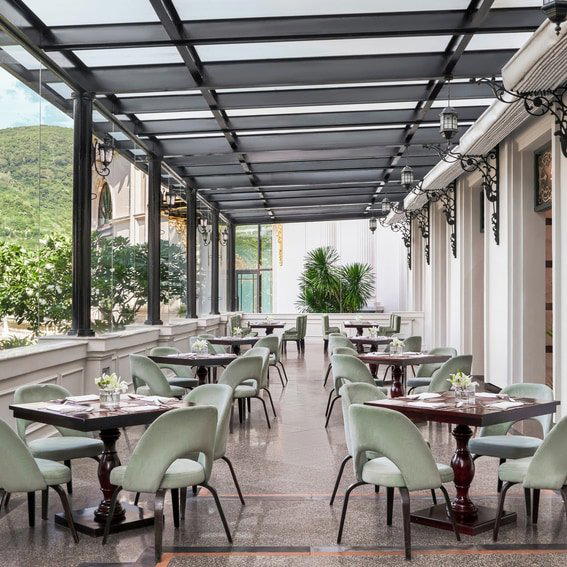
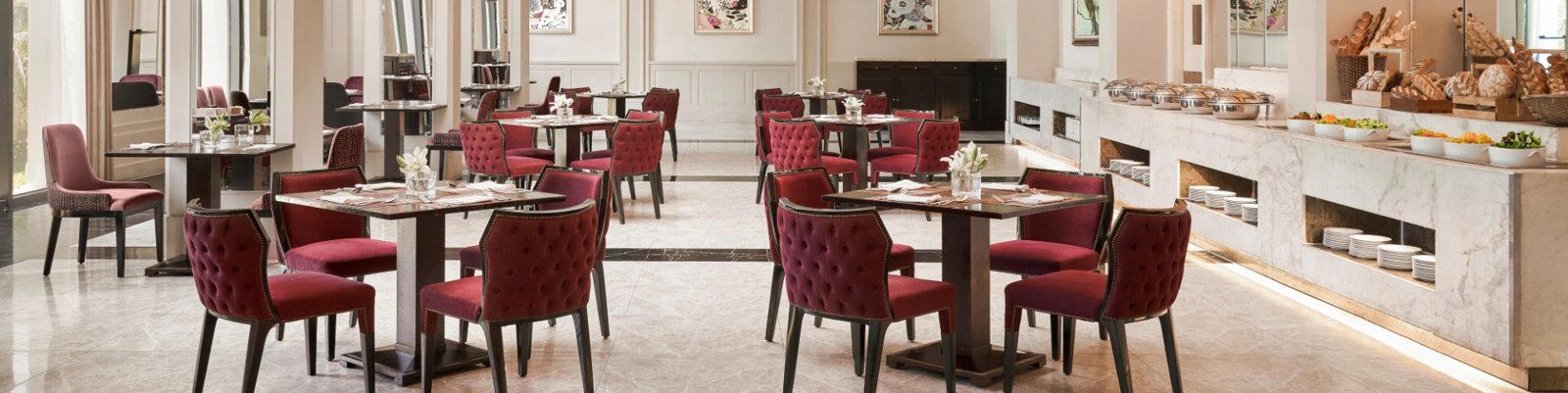
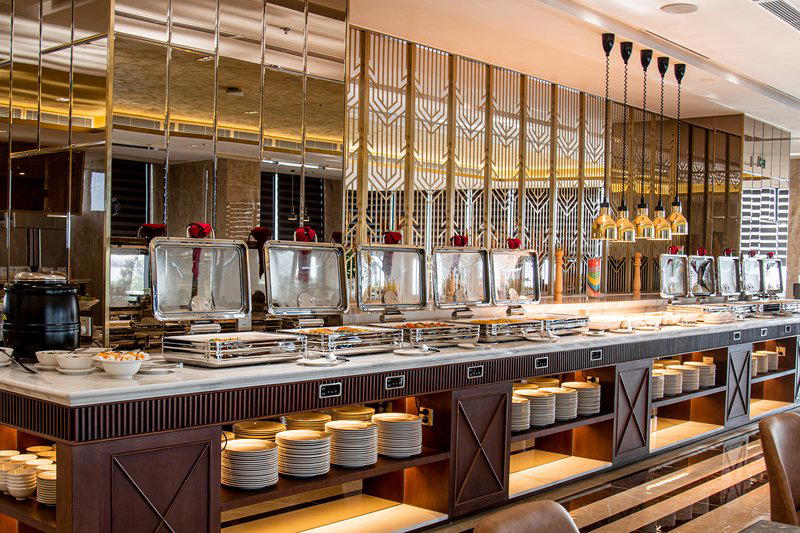
Bars in Nha Trang
Browse all →
Details
- Modern
- Family
- Casual Hangout
- Hotel Restaurant
- Sake Program
- Waterfront
- A La Carte
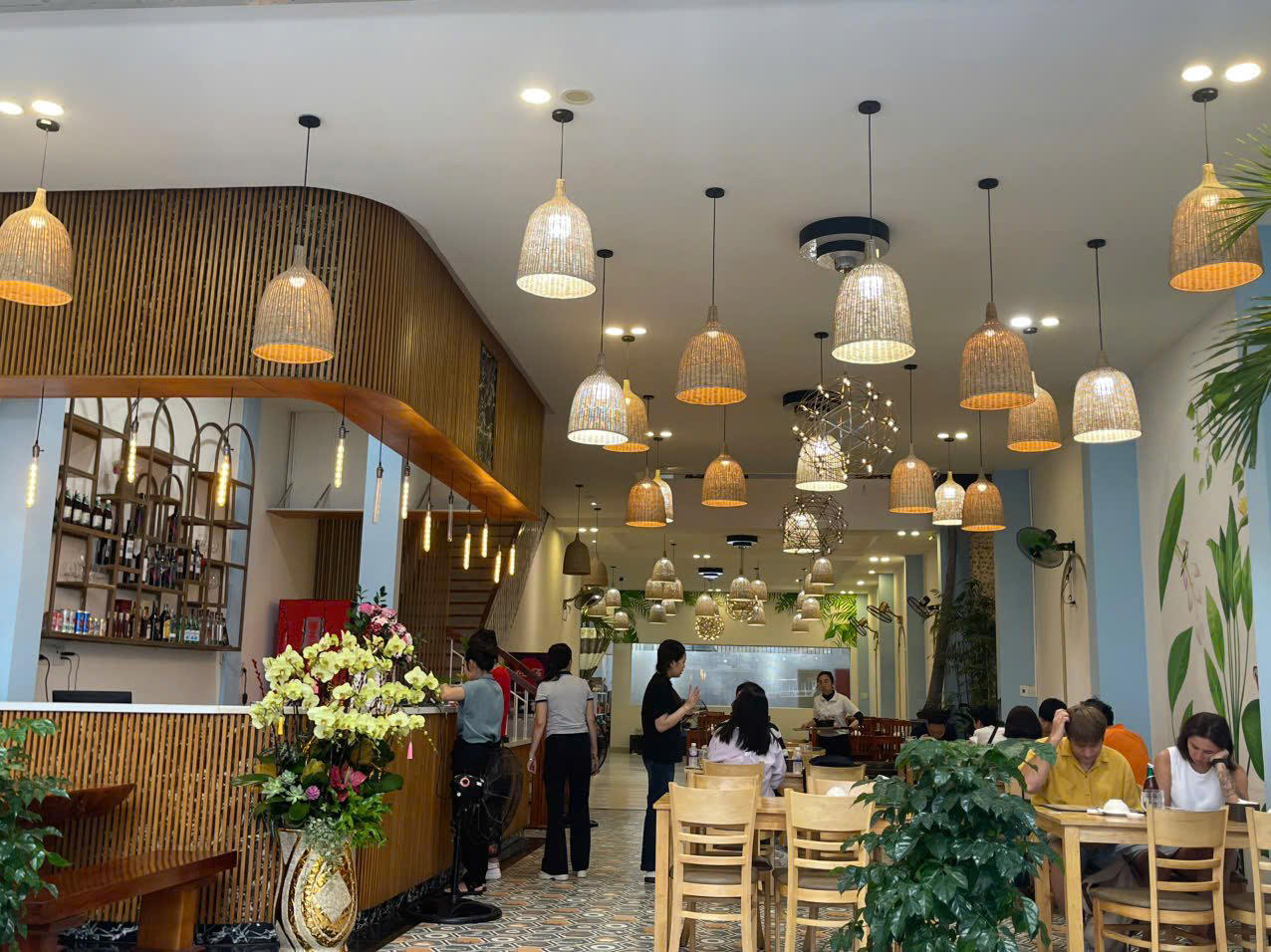
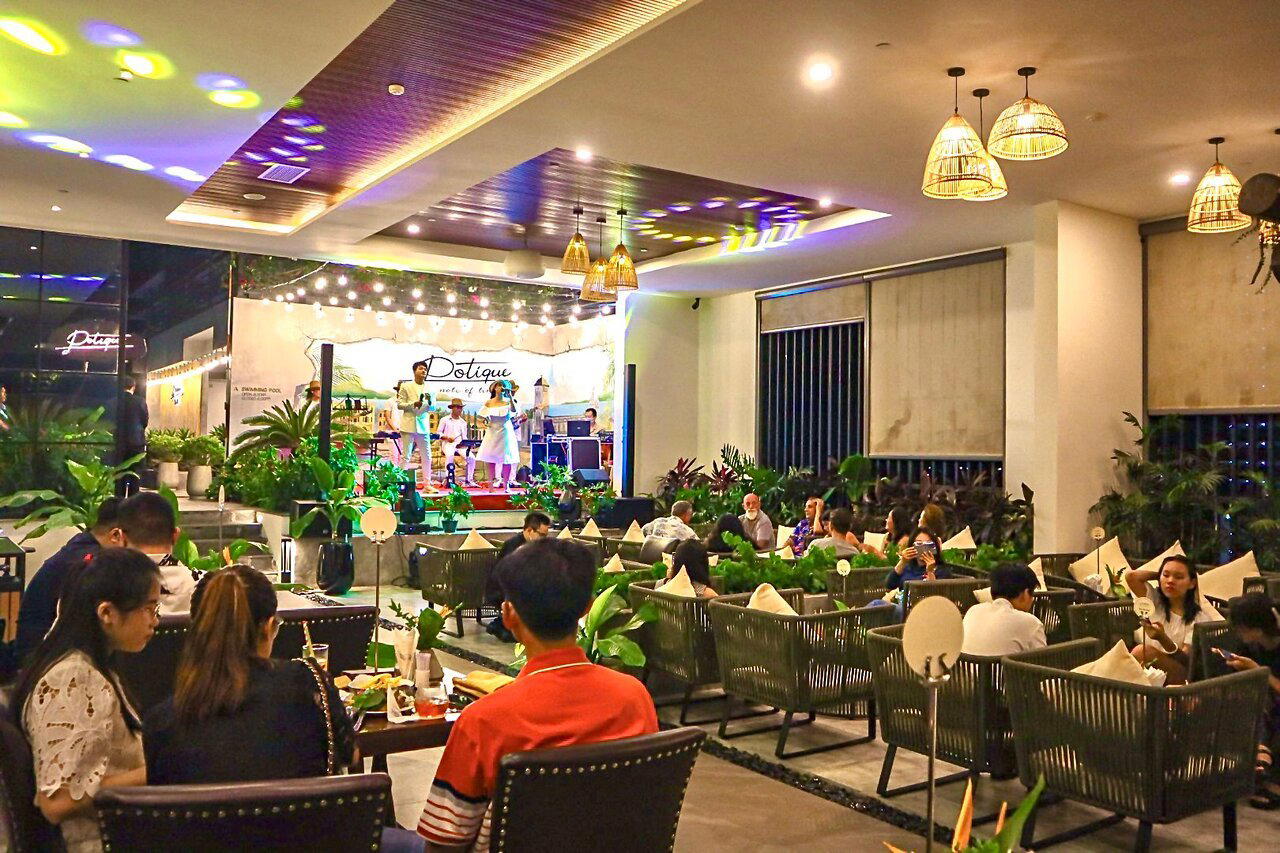
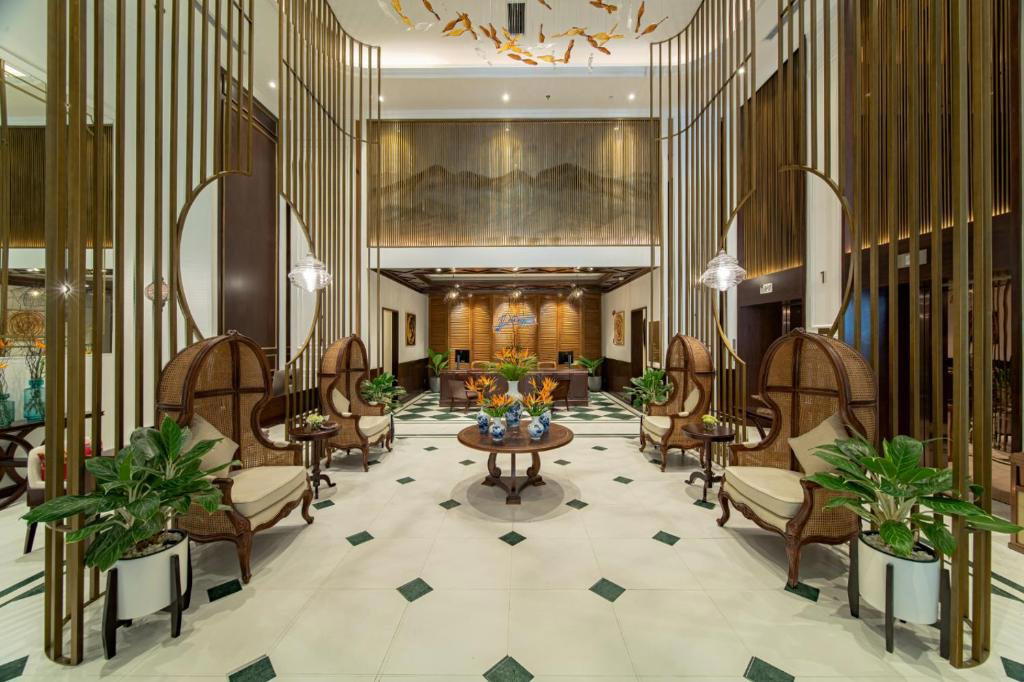
Spacious and airy atmosphere.