Luna Omakase
AA Rosettes 3 Rosettes
Our verdict
Luna Omakase occupies the 9th floor of 100 Liverpool Street in the City of London, placing a counter-format Japanese dining experience above one of the capital's most active financial and transport hubs. The format positions it within a growing tier of London omakase rooms that price and operate against international peers in Tokyo and New York rather than the broader UK market.

Pearl is the En Primeur Club membership app, where members save venues, book tables and use the concierge.

The menu
What to order
- Otoro Tartare with Oscietra Caviar
- A5 Wagyu Sando
Above the City: London's Omakase Tier in Elevation and Price
There is a version of London's fine dining scene that runs parallel to its Michelin-starred Modern British and European institutions. It operates through counter seating, sequential courses chosen entirely by the kitchen, and a pricing logic imported from Tokyo rather than from the city's own hospitality tradition. Luna Omakase, on the 9th floor of 100 Liverpool Street in the heart of the City, occupies that parallel tier. The address matters: Liverpool Street is simultaneously one of London's busiest transport intersections and one of its fastest-gentrifying commercial districts, where office towers now share blocks with wine bars and specialist restaurants that would have been unthinkable there a decade ago.
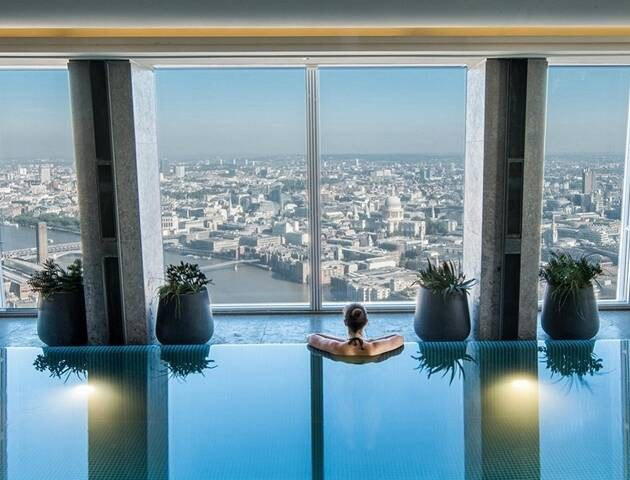
The elevation is not incidental. Omakase rooms in Tokyo, and increasingly in cities like New York, have gravitated toward upper-floor positions where the remove from street level creates a controlled sensory environment. The guest ascends, the city recedes, and the counter becomes the entire frame of reference. That spatial logic applies here. At the 9th floor of a building that serves as the western anchor of the Elizabeth line's Liverpool Street station, the room is designed to sit apart from the commuter density below it.
London's Omakase Market: Where Luna Sits
London arrived at serious omakase culture later than New York, which had already established multi-hundred-pound counter experiences at venues like Atomix well before the format took firm hold in the UK capital. The London omakase tier now prices in a range broadly comparable to the city's established European fine dining rooms: venues like CORE by Clare Smyth, The Ledbury, and Sketch, The Lecture Room and Library all occupy the ££££ bracket that represents the upper register of the capital's dining expenditure. What separates omakase rooms from those peers is structural: the format removes menu choice entirely, compresses seating capacity, and shifts the value proposition toward the sequential relationship between kitchen and guest rather than à la carte selection.
Luna Omakase operates within that structural model. Its City location also places it closer to a corporate expense account clientele than most of London's fine dining addresses, which cluster in Mayfair, Notting Hill, and Chelsea. That geographical distinction shapes the booking profile: dinner reservations here are as likely to be business occasions as personal celebrations, a pattern that affects both pacing expectations and the importance of the wine and drinks program.
The Wine List as the Second Curriculum
In omakase formats globally, the drinks pairing is not a supplement to the meal but a parallel argument. The kitchen controls sequence, temperature, and ingredient; the sommelier controls how acidity, tannin, and effervescence modulate across that sequence. The leading omakase wine programs in Tokyo and New York treat pairing as an editorial act: each pour is chosen to either echo or deliberately contrast the preceding course, creating a counterpoint rather than mere accompaniment.
At venues like Le Bernardin in New York, the cellar depth behind a tasting menu has long been understood as evidence of the kitchen's seriousness: a restaurant that has thought carefully about its food has also thought carefully about what sits beside it. That principle applies with particular force to omakase, where the guest has surrendered menu control and placed complete trust in the kitchen's sequencing. The wine program, in this context, becomes the room's second curriculum.
London's fine dining wine lists have historically leaned on Burgundy, Bordeaux, and Champagne as their primary vocabulary, with Riesling and Northern Rhône as common supporting references. Japanese omakase rooms in London have adapted that vocabulary, with some adding aged sake alongside European wines and others curating lists that emphasize precision and texture over weight. The specific structure of Luna Omakase's cellar is not detailed in public materials, but the format itself creates a clear expectation: guests arriving for a counter omakase experience at this price point in this city will measure the drinks program against international peers, including those available at comparable rooms in Tokyo and New York.
City Neighbourhood Context
Liverpool Street and the surrounding Broadgate and Bishopsgate area has seen sustained investment in food and drink since the early 2010s. The Broadgate development brought European-style all-day operators to a district that had previously relied on chain restaurants serving commuter traffic. 100 Liverpool Street specifically, completed in its current form as part of the broader Broadgate redevelopment, houses food and drink concepts on multiple floors, positioning Luna Omakase within a curated building environment rather than an independent street-level site.
For comparison, London's other concentration of premium omakase and Japanese fine dining sits further west: Mayfair and Marylebone have historically hosted the city's highest-price Japanese counters. The City location is a different proposition, directed at a guest base that is likely travelling from within London or arriving directly by rail rather than a destination-dining audience that plans a full evening around Mayfair's restaurant row. That said, Liverpool Street's transport connectivity means the 9th floor of 100 Liverpool Street is, by Elizabeth line, closer to Heathrow than many Mayfair addresses.
Readers exploring the broader range of UK fine dining at this price tier might consider L'Enclume in Cartmel, Moor Hall in Aughton, or Waterside Inn in Bray as points of reference for what sustained critical recognition looks like in the UK outside the capital. Within London itself, Restaurant Gordon Ramsay and Dinner by Heston Blumenthal represent the established institutional end of the market. Luna Omakase occupies a different structural category from all of them, one defined by format and sourcing philosophy rather than national cuisine tradition.
For those extending beyond London, Midsummer House in Cambridge, Opheem in Birmingham, Restaurant Andrew Fairlie in Auchterarder, Gidleigh Park in Chagford, Le Manoir aux Quat'Saisons in Oxford, hide and fox in Saltwood, and Hand and Flowers in Marlow each represent the regional depth of serious UK dining across different formats and price points. Our full London restaurants guide provides broader context for how the capital's fine dining tier is currently structured.
Know Before You Go
- Address: 9th Floor, 100 Liverpool St, London EC2M 2AT
- Transport: Liverpool Street station (Elizabeth line, Central line, Circle line, Hammersmith & City line, Overground) is directly adjacent
- Format: Omakase counter; menu set entirely by the kitchen
- Booking: Reservations are expected for omakase formats at this tier; advance planning advisable
- Price tier: Upper register of London fine dining; comparable to the city's ££££ European tasting menu rooms
- Drinks: Wine pairing is central to the omakase format; expect a list rather than a standard by-the-glass selection
Frequently asked questions
What's the must-try dish at Luna Omakase?
Omakase by definition removes that question from the guest's hands. The kitchen sequences every course, which means the dishes that arrive depend entirely on what the kitchen is sourcing and serving that evening. What that format guarantees is internal coherence: each course is chosen to build on or contrast with the one before it, rather than to satisfy individual preference. The broader Tokyo and New York omakase tradition, which Luna operates within, places particular weight on fish sourcing and temperature control as the technical markers of kitchen quality.
Do I need a reservation for Luna Omakase?
At this price point and in this format, walk-in availability is not a realistic expectation. Omakase counters globally operate with fixed seatings, limited covers, and advance booking windows that reflect both the operational constraints of the format and the demand level in cities like London and New York. Given Luna's City location and the corporate dining profile of the surrounding area, weeknight dinner slots are likely to book at least several weeks ahead. Checking availability well in advance of a planned visit is the appropriate approach.
What has Luna Omakase built its reputation on?
Luna Omakase operates within the counter-format omakase tradition, a structure that builds credibility through format discipline, sourcing consistency, and the sequential logic of the meal rather than through the kind of à la carte breadth that defines European tasting room reputations. In London's context, that positions the venue in a specific and relatively small competitive set: counter omakase rooms that price against international peers and serve a City-based clientele alongside destination diners arriving from across London and beyond.
How does Luna Omakase's Liverpool Street location affect the dining experience compared to London's other premium Japanese counters?
The City location distinguishes Luna Omakase from the cluster of London's highest-price Japanese dining rooms, which have historically concentrated in Mayfair and Marylebone. At 100 Liverpool Street, the venue sits directly above one of London's most connected transport hubs, making it accessible by Elizabeth line from Heathrow and from across Greater London without requiring travel into the West End. The 9th floor position adds physical remove from the station's commuter volume, and the Broadgate building environment places Luna within a curated food and drink context rather than a standalone street-level site.
Pricing, Compared
Comparable venues nearby, for context on price, style, and recognition.
| Venue | Cuisine | Price | Awards | Notes |
|---|---|---|---|---|
| Luna OmakaseThis venue (the venue you are viewing) | Modern Sosaku-style Edomae Omakase | $200–300 | AA Rosettes 3 Rosettes | Not listed |
| ROKA Canary Wharf | Contemporary Japanese Robatayaki | $50–100 | Not listed | Canary Wharf, Contemporary Japanese Robatayaki |
| Akatuki Covent Garden | Premium Omakase & Japanese Kaiseki | $50–100 | Not listed | Holborn, Premium Omakase & Japanese Kaiseki |
| Masa Restaurant | Modern Japanese Omakase | $300–500 | Not listed | Walham Green, Modern Japanese Omakase |
| Donabe | Modern Japanese Kaiseki | $150–200 | Michelin Plate | South Bank, Modern Japanese Donabe |
| Aki London | Modern Kyoto-Inspired Japanese | Not listed | Michelin Plate | Marylebone, Modern Kyoto-Inspired Japanese |
Recognition history
Dated appearances from independent guides and award organizations, with the underlying list record or original source where available.
AA Rosettes 3 Rosettes
AA Rosettes
Continue exploring
More in London
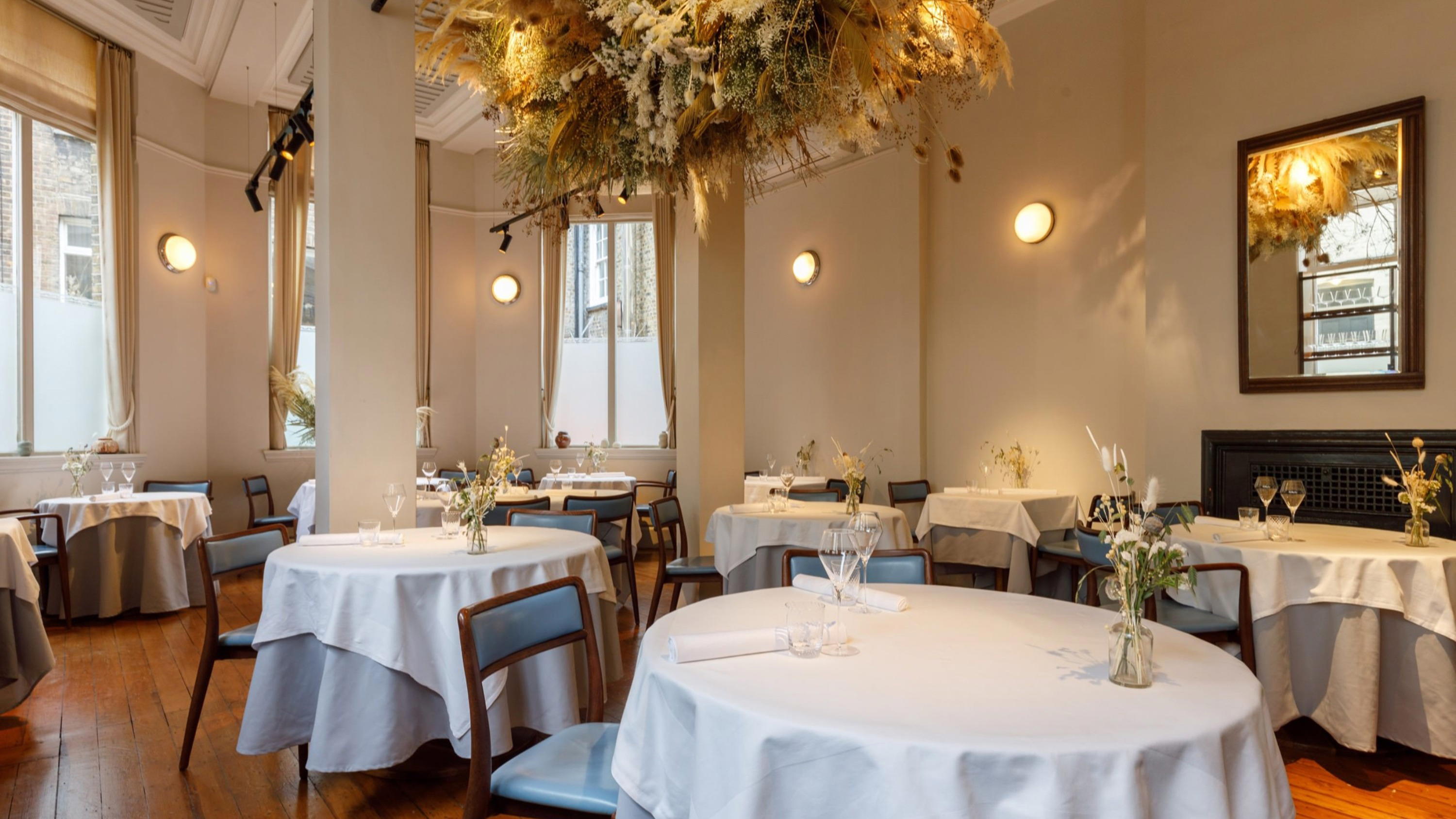
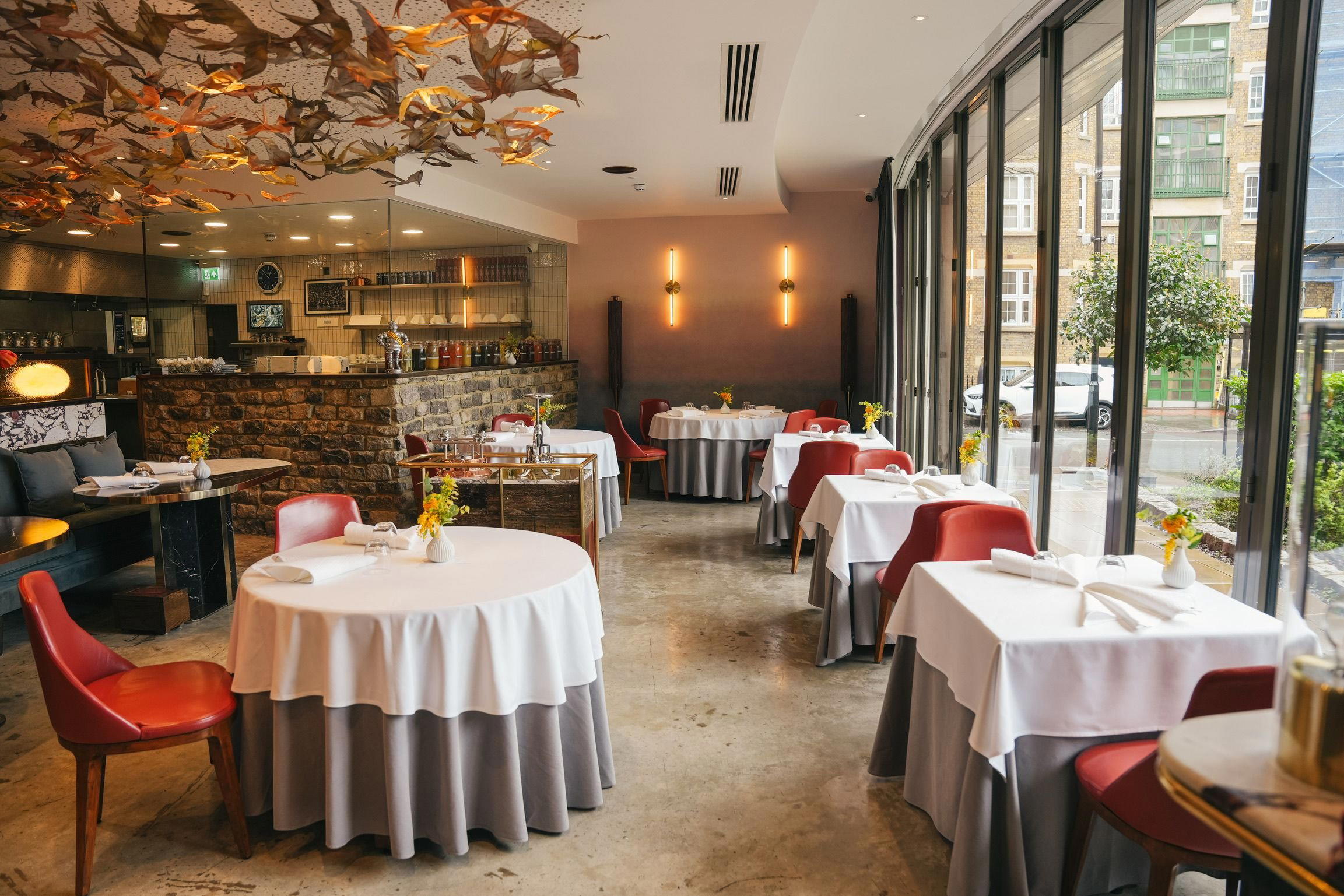
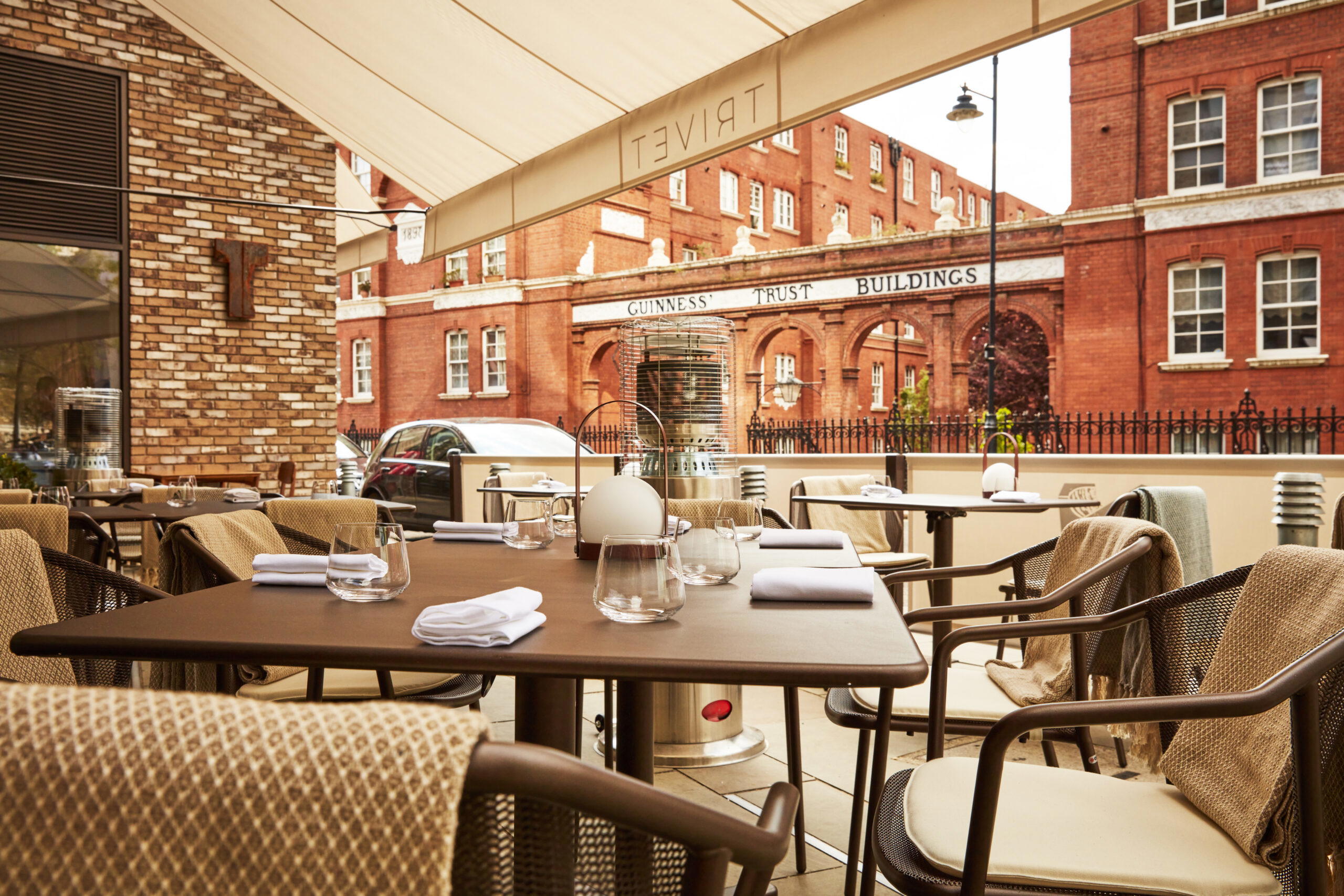
Restaurants in London
All restaurants in London →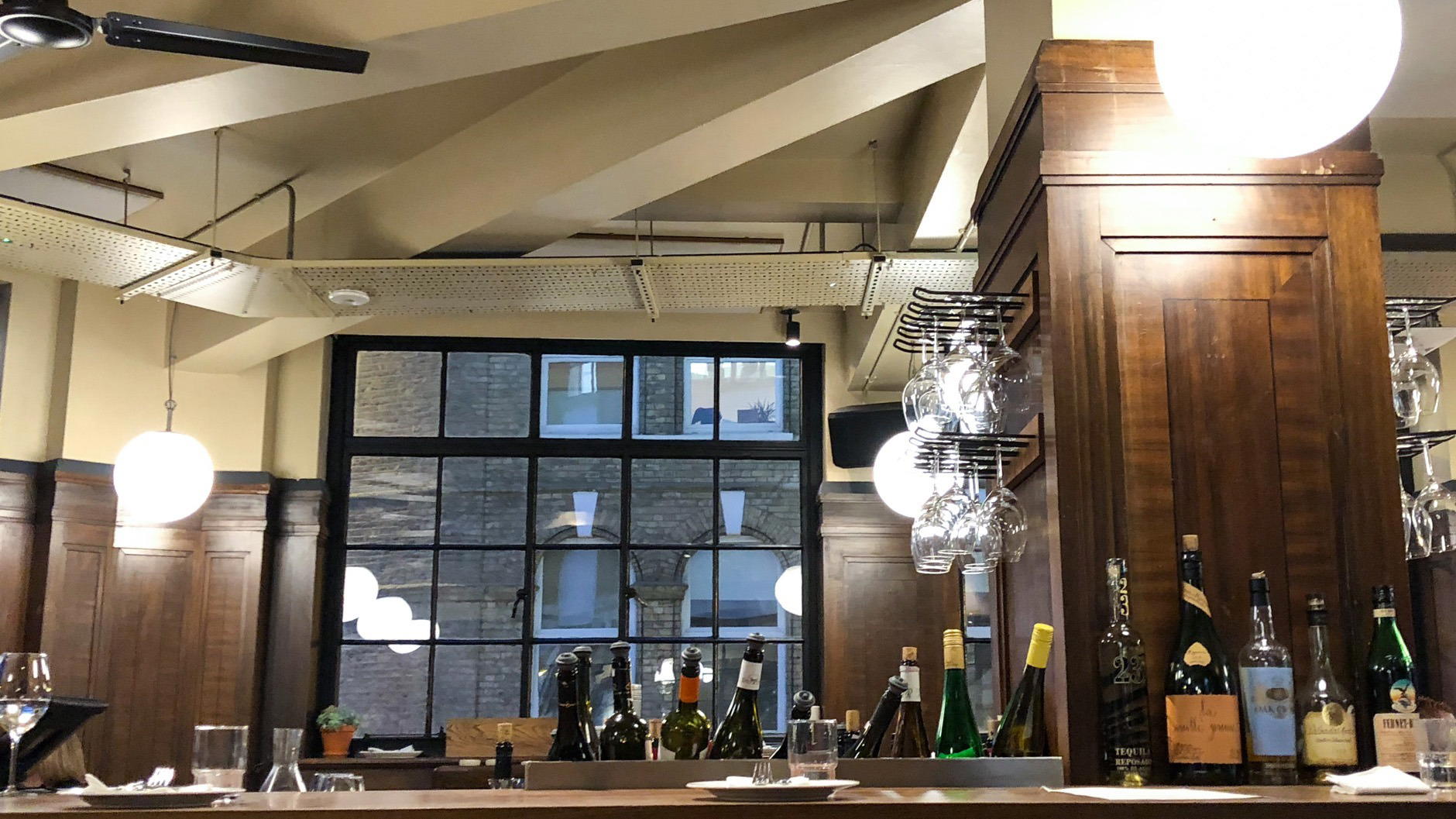
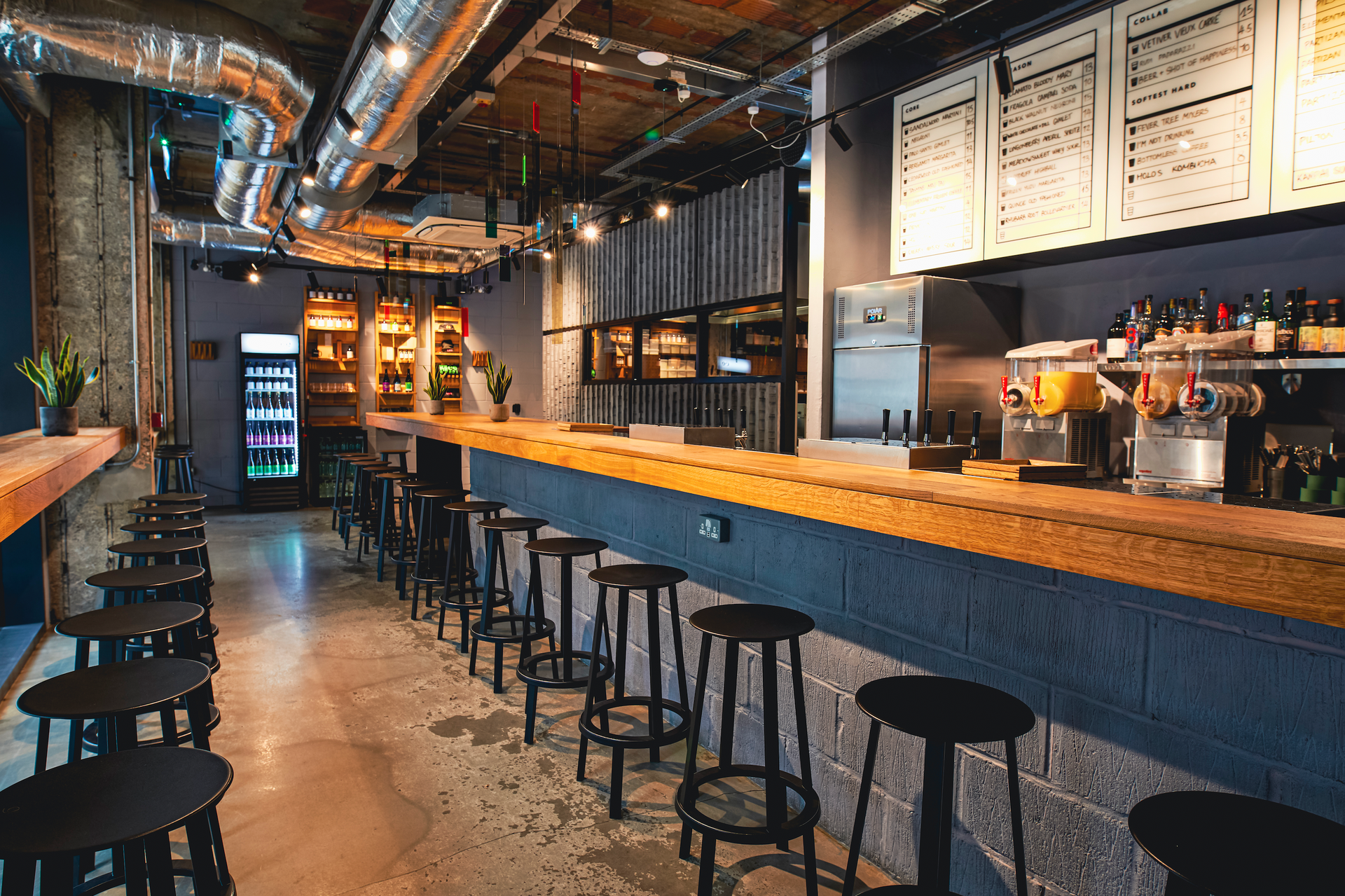
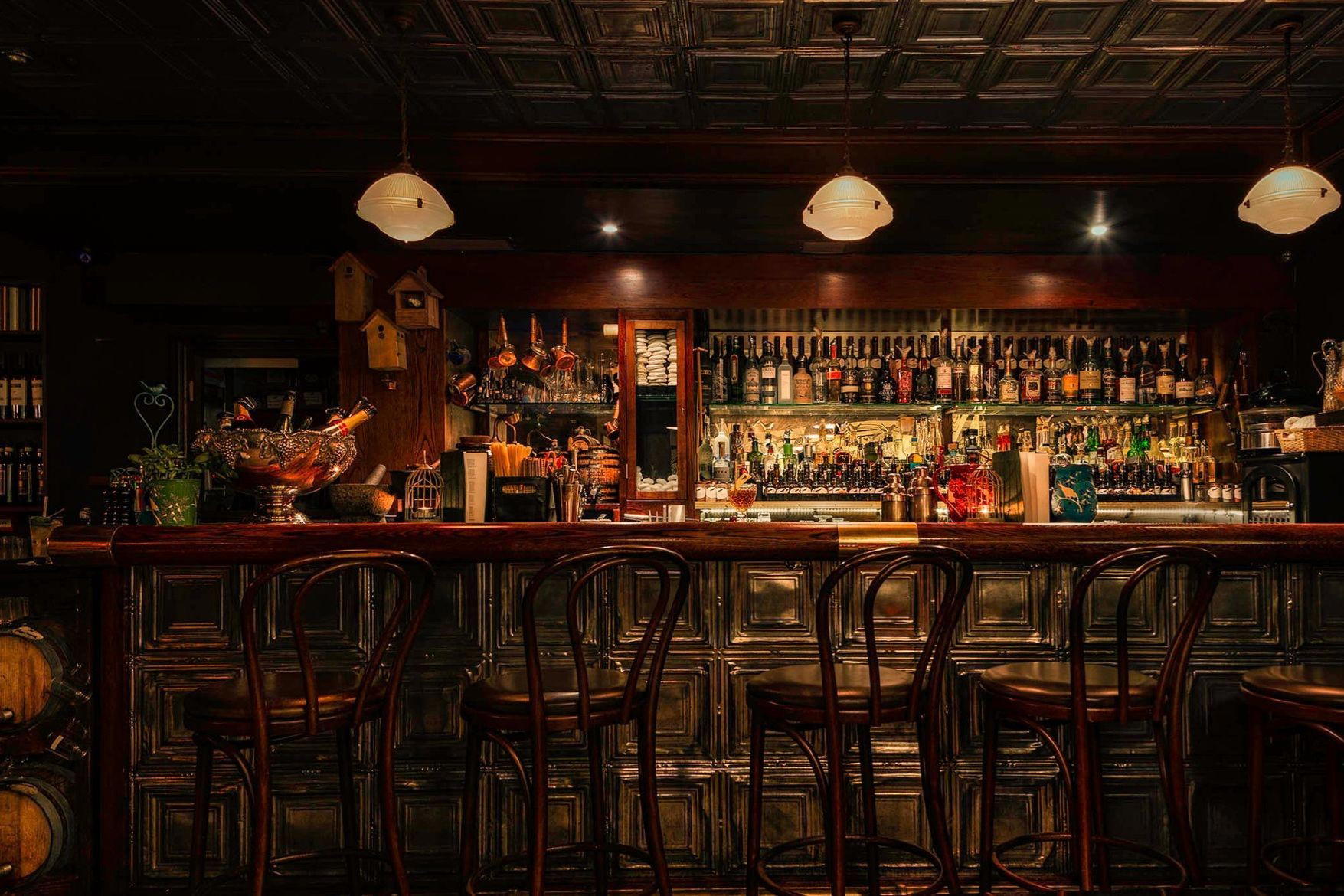
Bars in London
All bars in London →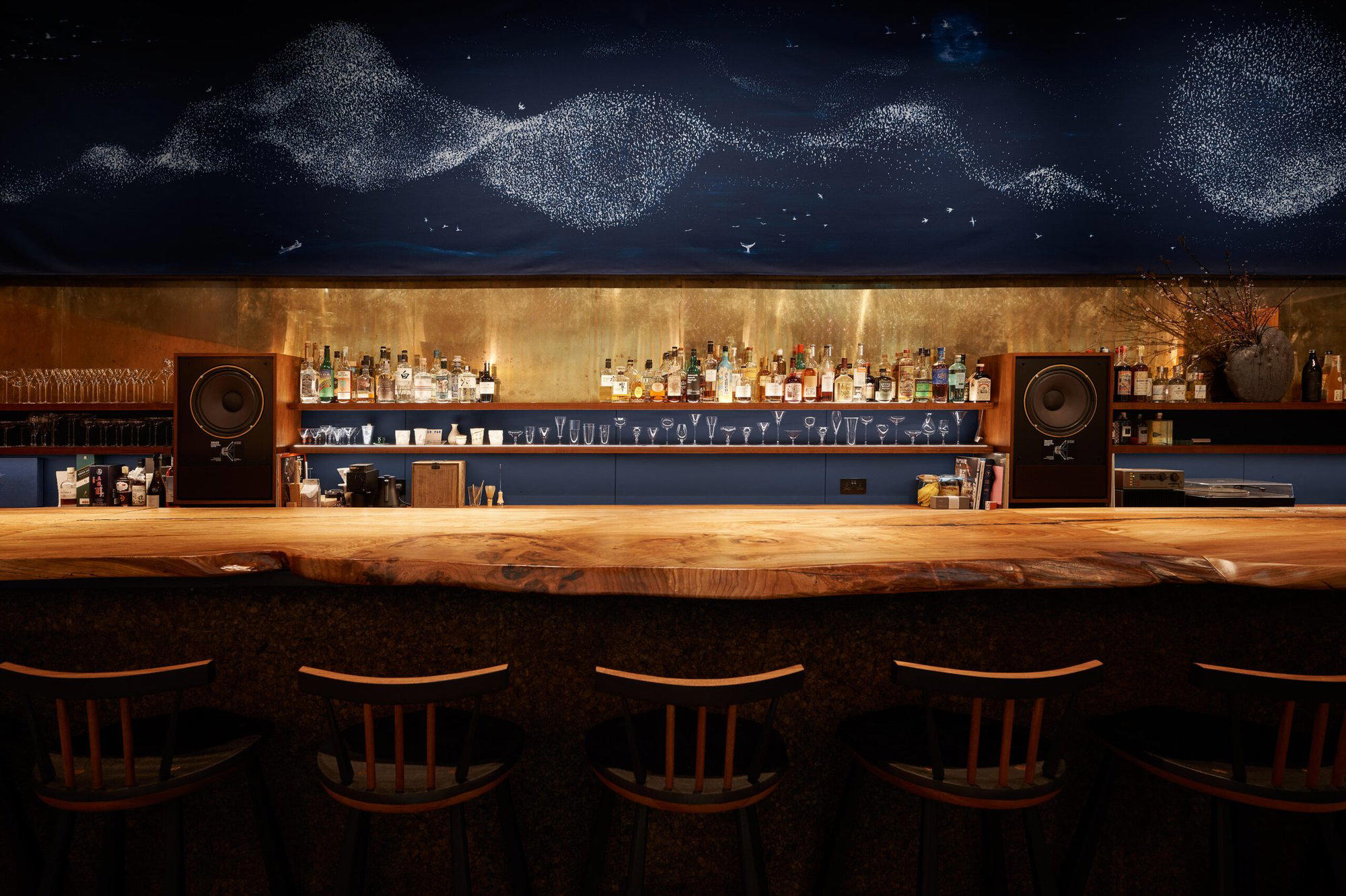


Details
- Intimate
- Elegant
- Sophisticated
- Modern
- Special Occasion
- Celebration
- Date Night
- Chefs Counter
- Open Kitchen
- Private Dining
- Sake Program
- Sommelier Led
- Skyline
- Omakase
- Tasting Menu
- Counter Dining
- Sake
- Wine
- Gluten Free Options
Current opening hours
- Monday
- Closed
- Tuesday
- 6:30 PM–12 AM
- Wednesday
- 6:30 PM–12 AM
- Thursday
- 6:30 PM–12 AM
- Friday
- 6:30 PM–12 AM
- Saturday
- 6:30 PM–12 AM
- Sunday
- Closed
Hours can change for holidays and private events. Hours as of .
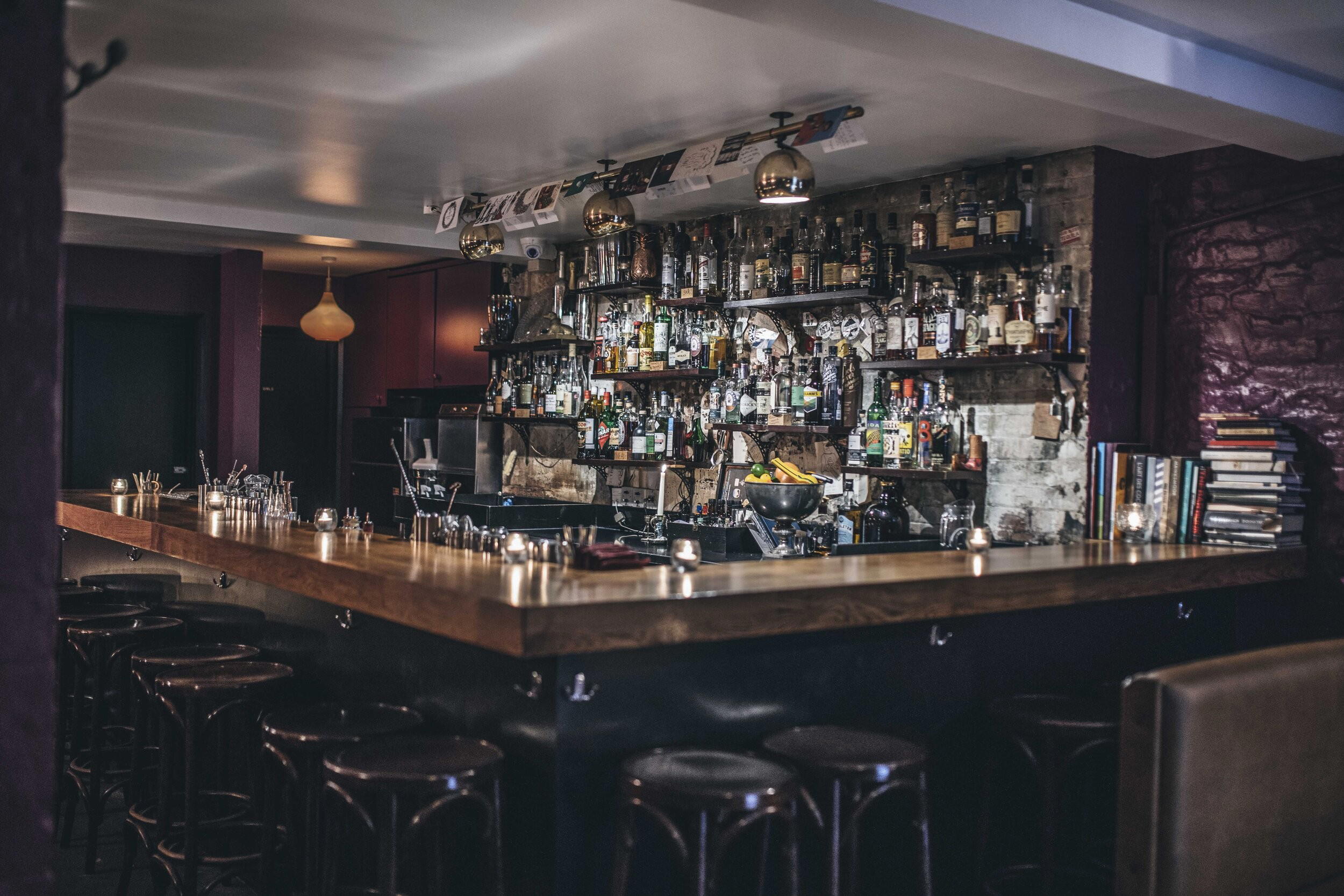
Intimate 12-seat U-shaped counter with lunar-inspired sculptures, skyline views, and an immersive chef's performance in a discreet sanctuary high above the city.