
Michelin Plate
Our verdict
A Michelin Plate recipient on Da Nang's riverfront Bạch Đằng strip, Luk Lak earns its recognition within Vietnam's mid-range dining tier by holding to the kind of precise, unfussy Vietnamese cooking that the Michelin inspectors were evidently looking for in 2025.

Pearl is the En Primeur Club membership app — saves, bookings, and concierge access live there. Same editors, same standards.
- Address
- 28 Bạch Đằng, Thạch Thang, Hải Châu, Đà Nẵng 550000, Vietnam
- Phone
- +84 818 122 828
- Hours
- Daily 7 AM–10:30 PM
- Website
- danang.luklak.vn
- Directions
- Get directions
- Booking
- Book on the venue's website
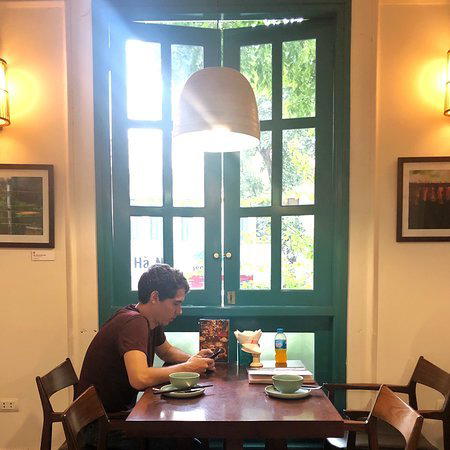
The menu
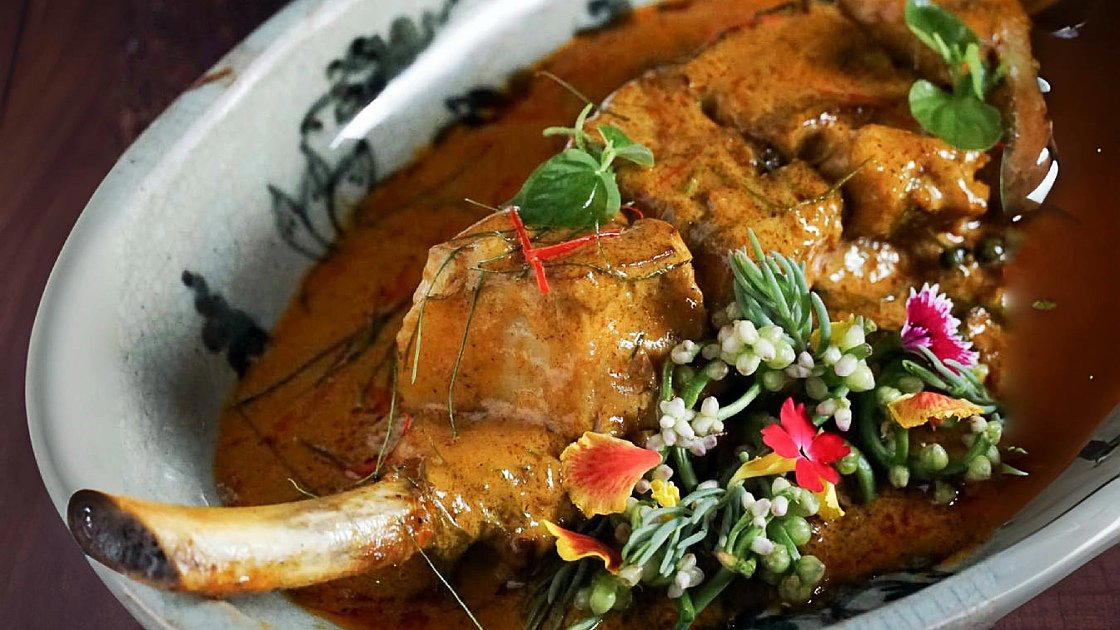
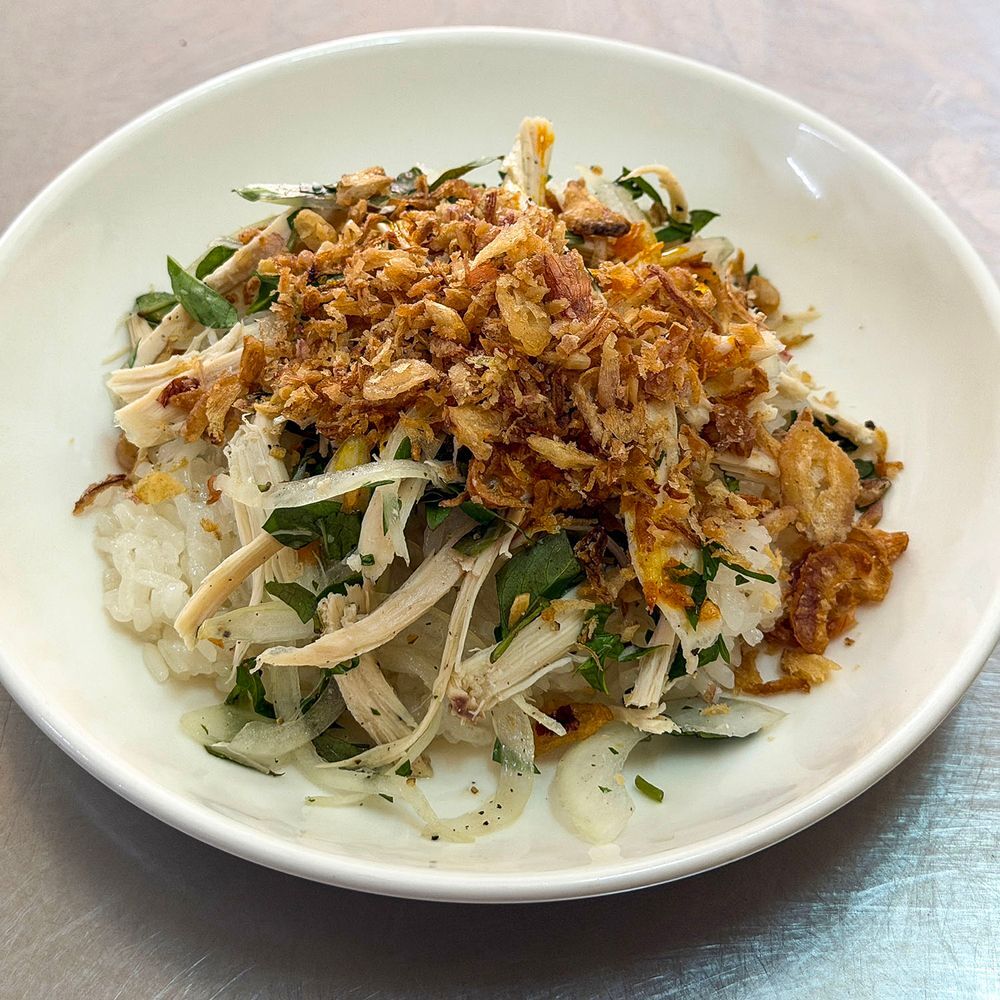
What to order
- Claypot-cooked purple rice
- Lemongrass minced pork
- Grilled ground beef with herbs and lemongrass
- Braised fish with green banana
- Duck thigh
- Spring rolls
The Bạch Đằng Setting and What It Signals
Da Nang's Han River embankment has, over the past decade, become one of central Vietnam's most negotiated dining corridors. The Bạch Đằng strip runs along the western bank, mixing rooftop bars aimed at tourists, seafood houses built for local families, and a smaller tier of more focused kitchens that tend to fly beneath the resort-hotel orbit. Luk Lak, at number 28, sits in that latter category: a Vietnamese restaurant at a mid-range price point (₫₫) that, in 2025, received a Michelin Plate, confirming its position among the city's more carefully considered addresses.
The Michelin Plate designation, introduced as the guide expanded into Vietnam, functions as recognition that a kitchen is producing food worth seeking out, even without the star tier attached. In a city where the Michelin footprint is still establishing itself, that signal carries more weight than it might in a market with a decade of guide history.
Vietnamese Cooking at This Price Point in Da Nang
Central Vietnam runs a distinct culinary tradition that differs materially from both the southern cooking anchored in Ho Chi Minh City and the northern canon associated with Hanoi. The food of this region, shaped by the former imperial capital of Hué and the trading port of Hội An, tends toward more assertive seasoning, fermented pastes, and a structural reliance on fresh herbs and wrapping components. Da Nang sits at the geographic and gastronomic centre of that tradition.
At the ₫₫ tier, Vietnamese restaurants in Da Nang occupy a practical middle ground: above the single-dish street counters (the ₫ category, where places like Bún Bò Bà Rơi serve noodle soups at pavement prices) but well below the French-influenced formal dining at properties such as La Maison 1888. That middle band is where most of the city's more thoughtful Vietnamese kitchens operate, and it is a competitive space. It reflects repeated visits from a cross-section of diners over time, which is a different kind of evidence than critical recognition alone.
For comparison within the city's Vietnamese dining scene, kitchens like Bếp Cuốn and Bếp Hên occupy adjacent territory, while the bánh xèo specialists, including Bánh Xèo 76, Bánh Xèo Bà Dưỡng, and Bánh Xèo Tôm Nhảy Cô Ba, represent an even more focused format that sits slightly apart from the broader Vietnamese menu that Luk Lak appears to represent.
How a Meal Here Tends to Arc
Vietnamese dining, across much of the country, resists the European model of sequential courses separated by long intervals. The rhythm at a mid-range Vietnamese table is more lateral: dishes arrive in clusters, the table fills with small plates, dipping sauces, and herbs, and the meal is assembled by the diner rather than staged by the kitchen. That structural approach rewards the Michelin inspectors looking at value and cooking quality per dish, because every item is visible and testable on its own terms.
At a kitchen operating at Luk Lak's tier, the arc of a meal typically moves through cold and light components first: fresh spring rolls, herb plates, or pickled preparations that frame the palate before heavier proteins arrive. Grilled and braised meat dishes tend to anchor the main phase, often accompanied by rice or vermicelli. The final registers are usually fruit-based or light, given that elaborate dessert courses are not a structural feature of traditional Vietnamese dining at this level. The Michelin recognition suggests the kitchen executes these registers with precision rather than relying on volume or novelty.
The broader Vietnamese dining tradition visible at addresses like Anan Saigon in Ho Chi Minh City or Tầm Vị in Hanoi has moved in recent years toward reframing traditional dishes with more deliberate plating and sourcing narratives. Whether Luk Lak sits inside that modernising current or operates as a more classically framed kitchen is a distinction that visitors in 2025 are well positioned to assess for themselves, given that both directions now hold Michelin recognition within Vietnam.
The Wider Da Nang Picture
Da Nang's dining scene has developed unevenly alongside the city's growth as a domestic and international tourism hub. The beach corridor running south toward Mỹ Khê has attracted international hotel brands, which brought with them a tier of hotel restaurants that set pricing against international benchmarks. The city's older residential districts, by contrast, retain a denser concentration of local-facing kitchens operating at street and mid-range prices.
Vietnamese cuisine drawing international interest through Michelin coverage is not limited to Hanoi and Ho Chi Minh City. The 2025 recognition in Da Nang, of which Luk Lak is a part, reflects the guide's increasing attention to regional Vietnamese cooking on its own terms. Comparable conversations are happening around Vietnamese restaurants in other markets, from Berlu in Portland to Camille in Orlando, where diaspora chefs are working with central Vietnamese ingredients and techniques for audiences with no direct geographic frame of reference. That international interest gives context to why the Michelin expansion into cities like Da Nang matters for the cuisine as a whole.
For visitors building a fuller picture of eating and drinking in Da Nang, our full Da Nang restaurants guide maps the city's dining tiers in detail. Our Da Nang hotels guide covers where to stay relative to the main eating districts, and our Da Nang bars guide addresses the drinking scene along the same riverfront corridor. Our Da Nang experiences guide and wineries guide complete the city coverage.
Planning a Visit
Luk Lak is located at 28 Bạch Đằng in the Thạch Thang ward of Hải Châu district, walking distance from the central Han River bridge area. The ₫₫ pricing places it at a level where a full table order for two, including multiple shared dishes, typically falls well within what international visitors consider accessible. Arriving at opening or during off-peak lunch windows tends to offer a more considered pace. No booking details are currently listed, and it is advisable to confirm current hours and reservation options directly before visiting.
Frequently asked questions
Where exactly is Luk Lak?
Luk Lak is located at 28 Bạch Đằng, Thạch Thang, Hải Châu, Đà Nẵng 550000, Vietnam, Da Nang.
What should I budget for a meal at Luk Lak?
Pricing at Luk Lak is listed as ₫₫.
Does Luk Lak have a Michelin star or similar recognition?
Luk Lak has received recognition including: Michelin Plate (2025).
What should I eat at Luk Lak?
Luk Lak was awarded a Michelin Plate in 2025 for its Vietnamese cooking, specifically within the central Vietnamese regional tradition — a culinary style distinct from both Hanoi and Ho Chi Minh City that draws on dishes like bún bò Huế, mì Quảng, and bánh xèo. The Michelin recognition signals the inspectors found consistency and technical grounding in core regional recipes rather than fusion departures. At the ₫₫ price point, the menu sits in accessible mid-range territory, which in Da Nang means the focus stays on honest execution of local dishes rather than elaborate tasting formats.
Credentials Lens
Comparable venues nearby, for context on price, style, and recognition.
| Venue | Cuisine | Price | Awards | Notes |
|---|---|---|---|---|
| Luk LakThis venue — the venue you are viewing | Modern Northern Vietnamese with Fusion Elements | $20–30 | Michelin Plate | Not listed |
| Nén Danang | Modern Vietnamese Fine Dining | Not listed | Michelin Plate | Ngu Hanh Son District |
| Madame Lân | Authentic Vietnamese Regional Cuisine | $10–20 | Michelin Plate | Hai Chau District |
| My Hanh Seafood | Fresh Vietnamese Seafood | $20–30 | Michelin Plate | My Khe Beach |
| Bún Riêu Cua 39 | Vietnamese Crab Noodle Soup | $1–10 | Michelin Plate | Hai Chau District |
| Olivia's Prime | Wood-Fired Steakhouse | $50–100 | Michelin Plate | Hai Chau |
Recognition history
Dated appearances from independent guides and award organizations, with the underlying list record or original source where available.
Michelin Plate
Michelin
Full recognition history (2 entries)
Michelin Plate
Michelin
Details
- Elegant
- Modern
- Scenic
- Sophisticated
- Date Night
- Group Dining
- Family
- Special Occasion
- Waterfront
- Garden
- Private Dining
- Terrace
- Beer Program
- Local Sourcing
- Organic
- Waterfront
- Garden
- A La Carte
- Family Style
- Vietnamese Coffee
- Egg Coffee
- Vegetarian Friendly
- Vegan Options
Current opening hours
- Monday
- 7 AM–10:30 PM
- Tuesday
- 7 AM–10:30 PM
- Wednesday
- 7 AM–10:30 PM
- Thursday
- 7 AM–10:30 PM
- Friday
- 7 AM–10:30 PM
- Saturday
- 7 AM–10:30 PM
- Sunday
- 7 AM–10:30 PM
Hours can change for holidays and private events. Last verified .
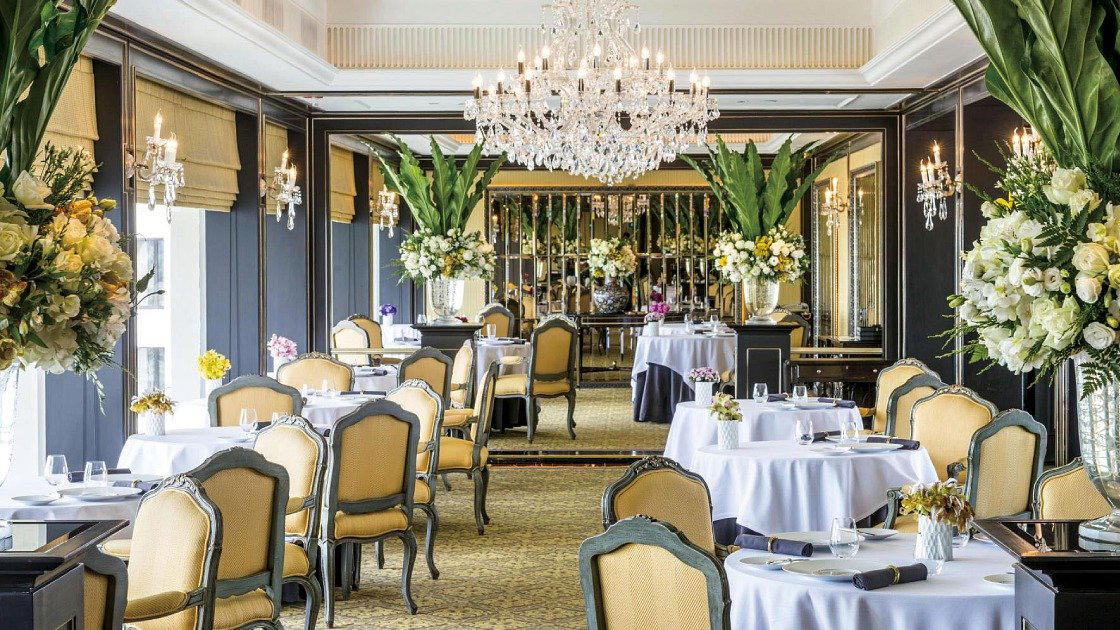
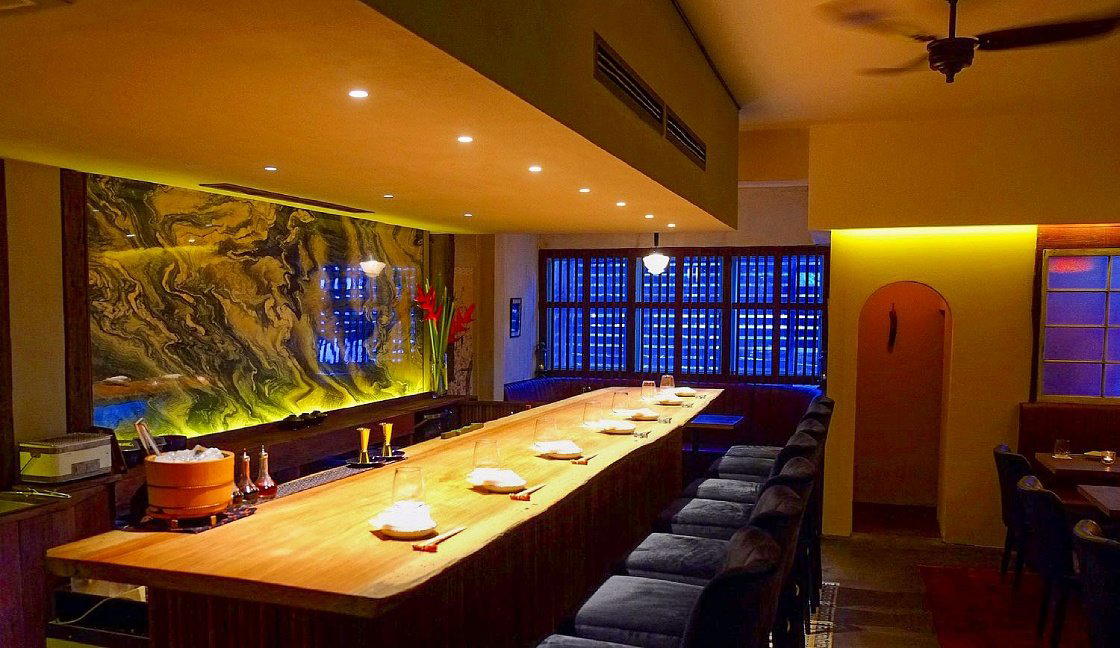
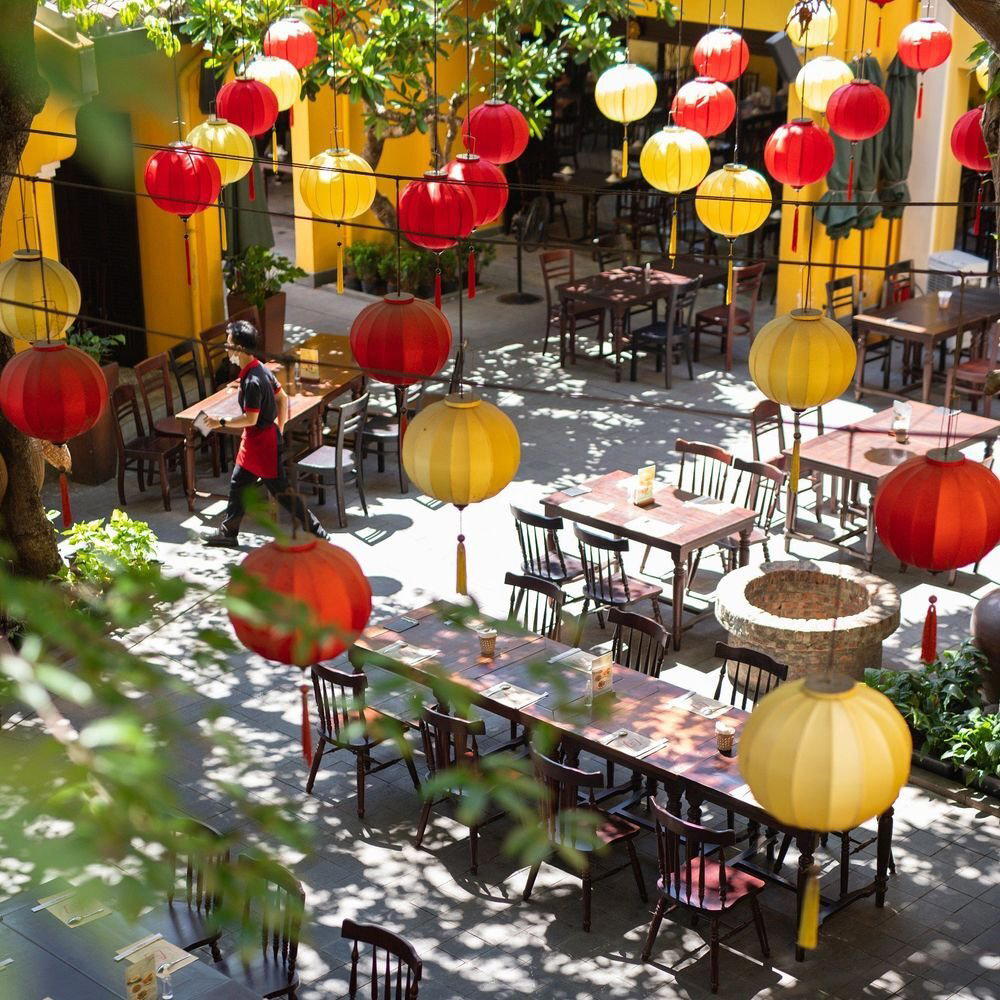
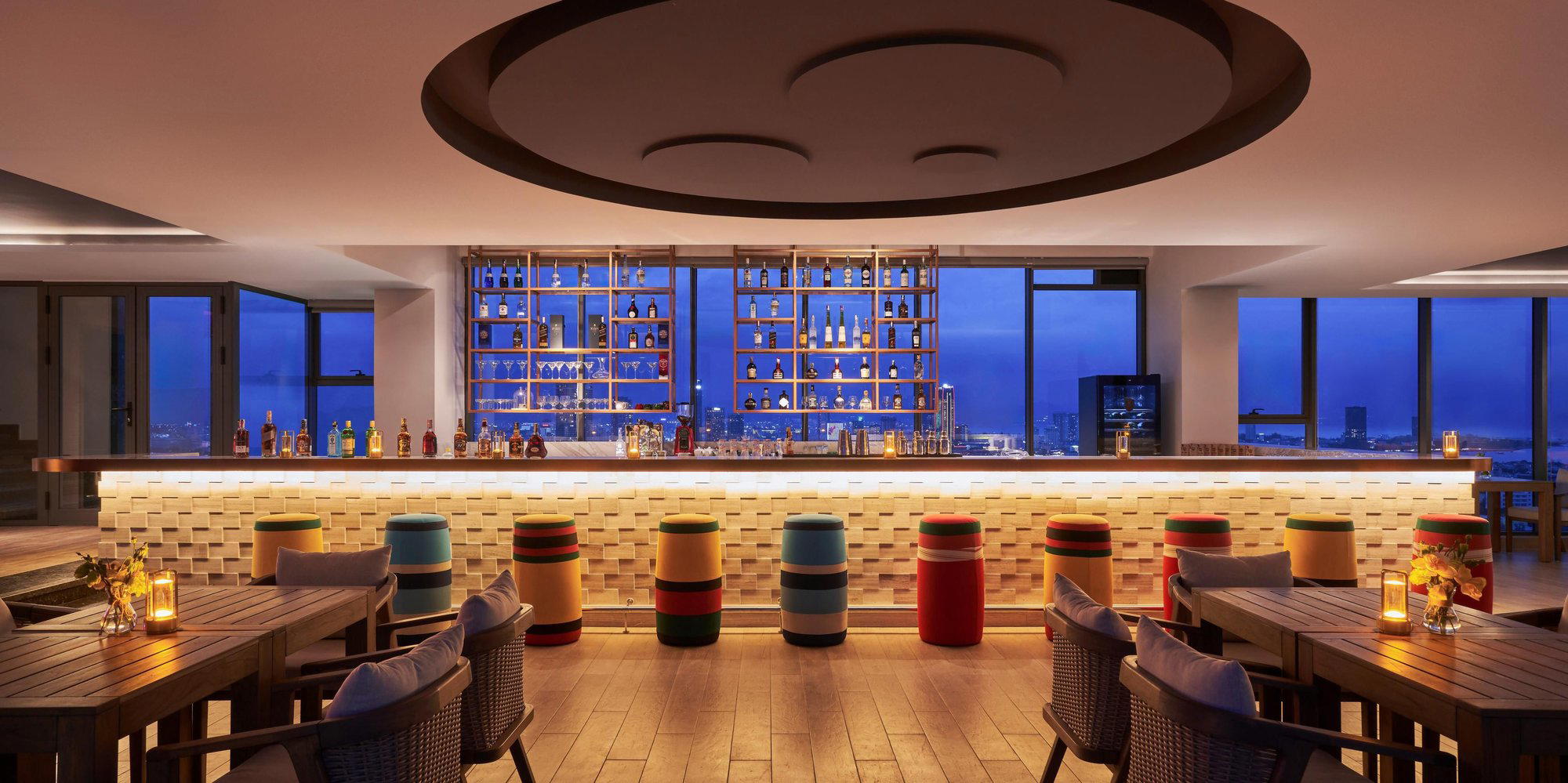
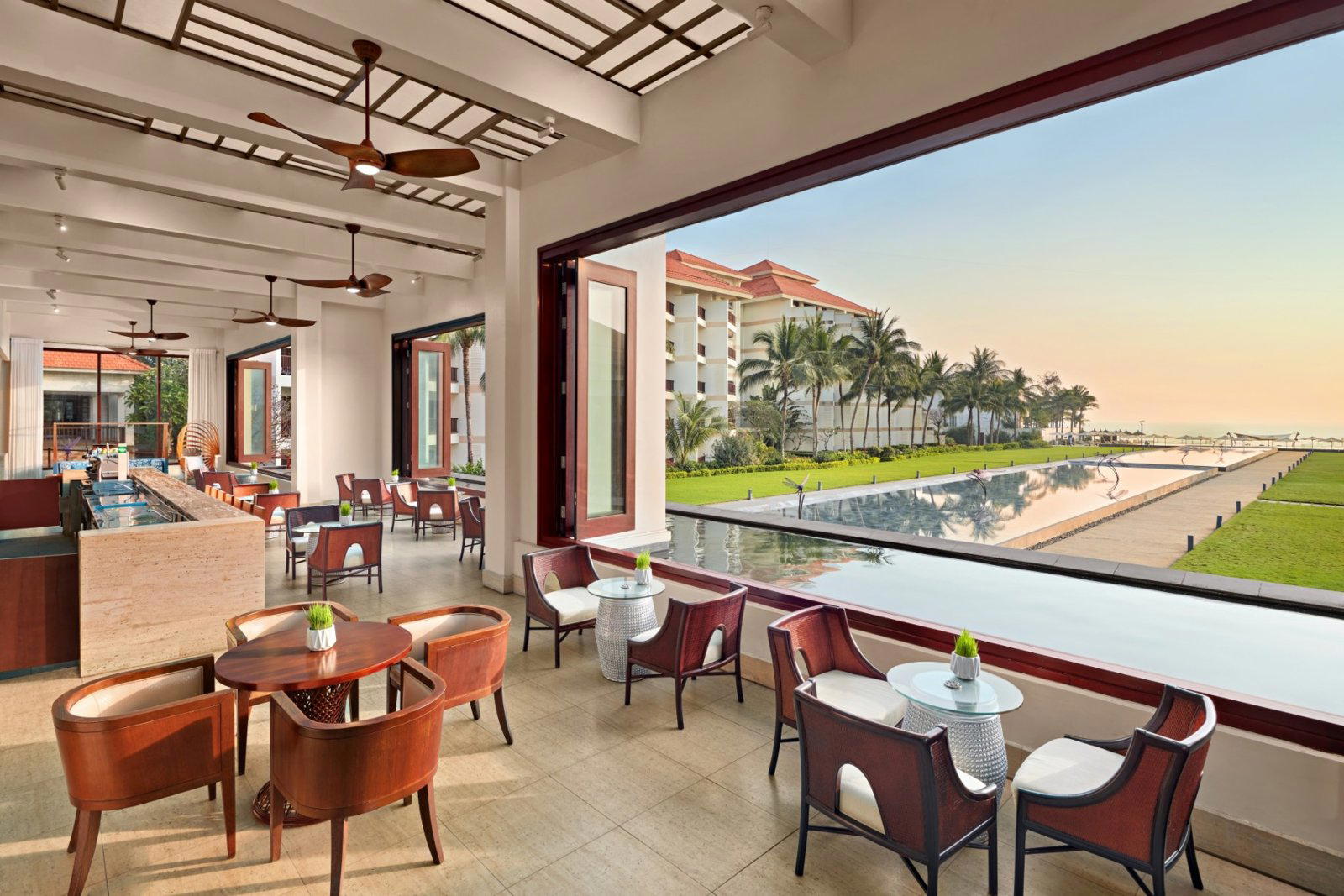
Serene and elegant with lush greenery throughout the dining room, soft natural lighting enhanced by riverside location, and a tranquil atmosphere evoking Vietnamese landscapes across seasons.