LPM Restaurant and Bar London

LPM Restaurant and Bar London brings the Riviera French-Italian format of its original Monaco and Dubai outposts to Mayfair's Brook's Mews, holding a 3-Star accreditation from the World of Fine Wine London Awards. The format centres on shared plates drawn from southern French and Italian coastal traditions, set within a room that carries the light, informal register of a Mediterranean terrace transplanted into a West End address.
Pearl is the En Primeur Club membership app — saves, bookings, and concierge access live there. Same editors, same standards.
- Address
- 53-54 Brook's Mews, London W1K 4EG, United Kingdom
- Phone
- +44 20 7495 4774
- Website
- lpmrestaurants.com
- Directions
- Get directions
 Saves & bookings on Pearl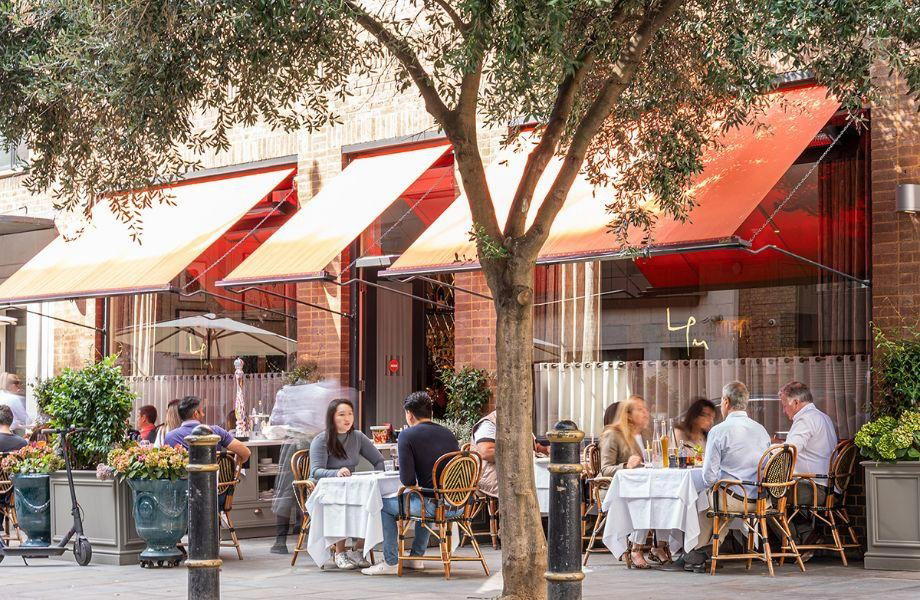
A Riviera Template in the Mayfair Grid
Brook's Mews is not a street that announces itself. Tucked behind New Bond Street, it operates as a service lane between the flagship retail of Mayfair and the quieter residential blocks to the west. That geography matters: LPM Restaurant and Bar London occupies a zone where the neighbourhood's money is present but its showmanship is dialled back, a setting that suits the dining format exactly. The Riviera French-Italian template, shared plates, natural light where possible, a room pitched closer to a coastal brasserie than a formal dining room, reads differently in London than it does at the original Monaco address or the Dubai outpost. Here, the contrast between the mews setting and the warmth of the interior creates the particular tension that makes the format work in northern cities.
LPM, which stands for La Petite Maison, operates across a small number of international addresses rather than scaling into a wide network. That compression keeps the brand proposition legible: a specific southern French and northern Italian coastal sensibility, transported wholesale rather than adapted for each market. In London, where the restaurant sits alongside destinations such as Alain Ducasse at The Dorchester and CORE by Clare Smyth in the broader Mayfair and Knightsbridge premium tier, LPM occupies a distinct register: social and shareable rather than tasting-menu-led, French-adjacent rather than classically French.
The Format and What It Means for the Table
The shared-plate structure at LPM is not the loose communal format that arrived in London from the Middle Eastern and eastern Mediterranean traditions during the 2010s. It is closer to the Niçoise and Ligurian model: composed dishes scaled for sharing, where the expectation is that a table orders generously and the meal progresses through vegetables, seafood, and meat in loose sequence rather than rigid courses. The approach descends from a coastal strip where the boundary between French Provençal and northern Italian cooking has always been porous, Nice changed political allegiance as recently as 1860, and the cooking of that coastline reflects centuries of cross-border movement that predates modern national cuisines.
That lineage matters when placing LPM in the London context. The city has a well-developed tier of French restaurants applying classical techniques at high price points, see Alain Ducasse at The Dorchester for one formally structured end of that spectrum, and a separate cohort of contemporary European rooms where technique is foregrounded and seasonal British produce dominates, represented by places such as The Ledbury and The Clove Club. LPM's comparable set is neither. The format sits closer to a European brasserie with serious sourcing credentials than to either of those categories, which gives it a social function those rooms do not serve as naturally.
The Technique Behind the Register
The editorial angle that defines LPM's London position is the intersection of imported method and the produce available through London's supplier network. The Riviera cooking tradition is not ingredient-light: it depends on specific varieties of olive, particular grades of anchovy, seafood from defined coastal waters, and the particular quality of early-season vegetables from the Ligurian hinterland. Replicating that tradition in London requires either importing the inputs or finding domestic equivalents that hold the same weight in the dish. The better Riviera-format restaurants operating outside the Mediterranean tend to do both, sourcing the non-negotiable imports and substituting high-quality British or northern European produce where the gap is manageable.
This tension between origin and location is what separates a well-executed international format from a facsimile. At the level LPM operates, holding a 3-Star accreditation from the World of Fine Wine London Awards, the expectation is that the sourcing decisions are deliberate and the technique is applied consistently. That accreditation also signals that the drinks side of the operation is taken seriously, which aligns with the restaurant's positioning as a bar and restaurant rather than a pure dining destination.
For the reader comparing this against London's broader dining tier, it is worth noting that Ikoyi represents one end of the global-technique-meets-specific-ingredients argument, while LPM represents a different application of the same underlying logic: a coastal European pantry applied with the discipline of a kitchen that has run the same format across multiple international locations.
The Room and Its Register
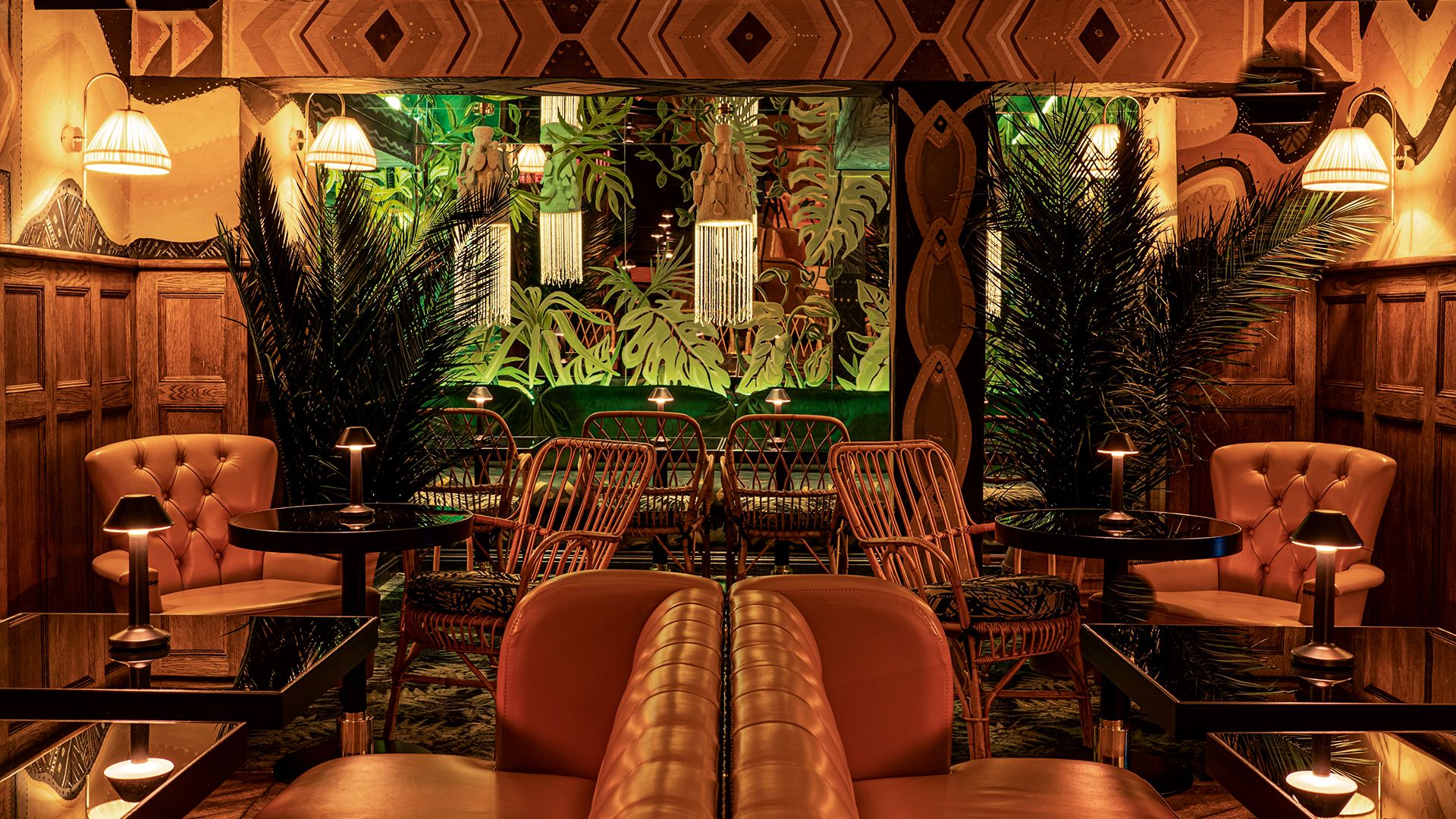
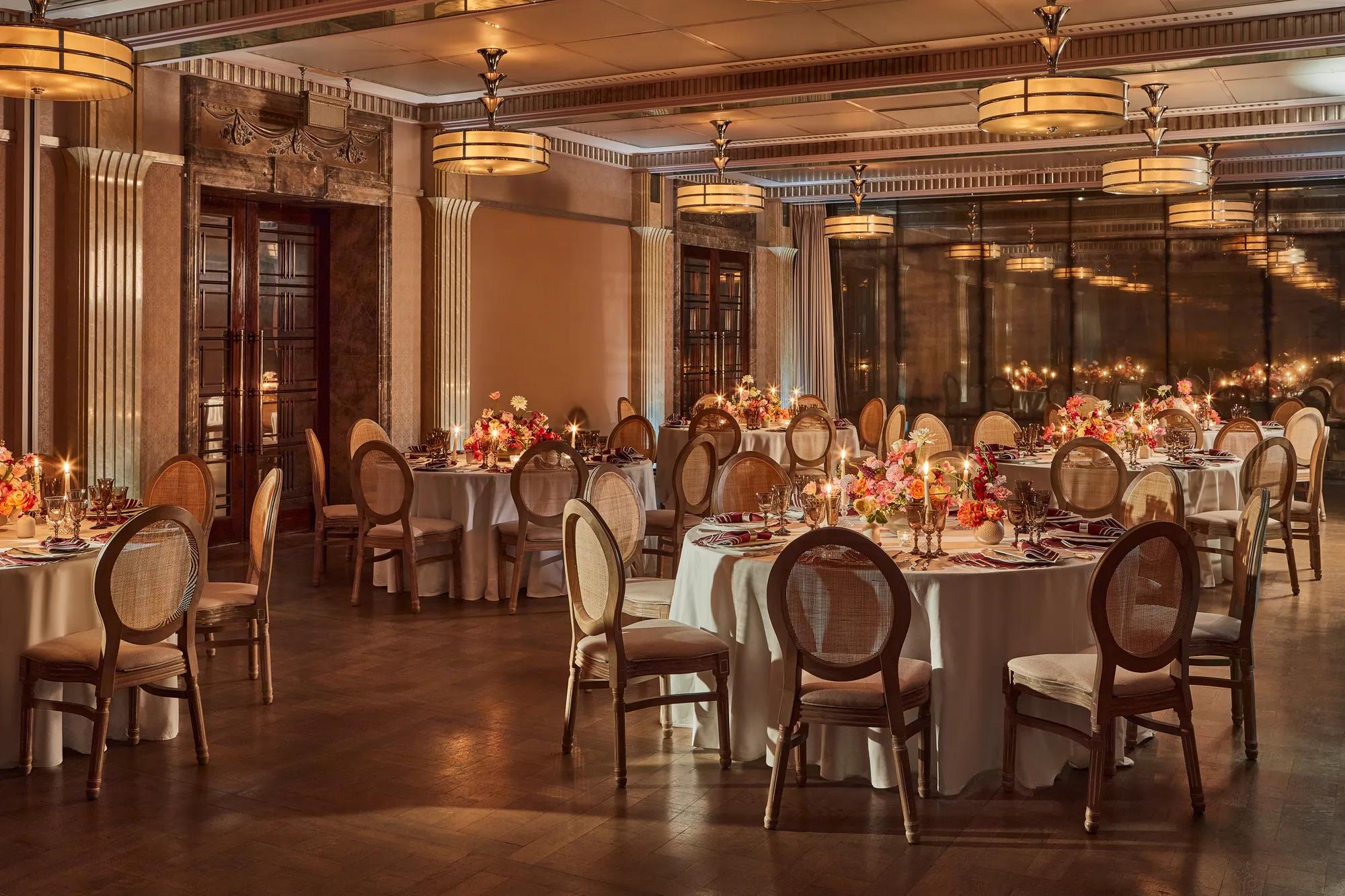
Riviera brasseries occupy a particular position in the European dining imagination: informality as a considered aesthetic rather than a default. Strong examples among them achieve a specific quality of light and noise, animated without becoming loud, furnished without becoming stiff. LPM London works toward that register in a converted mews space, which brings structural constraints (lower ceilings, less natural light than a coastline restaurant) but also a certain compression that suits the shared-plate format. Tables at this type of room are positioned for conversation across a shared spread rather than for the sequential privacy of a tasting menu counter.
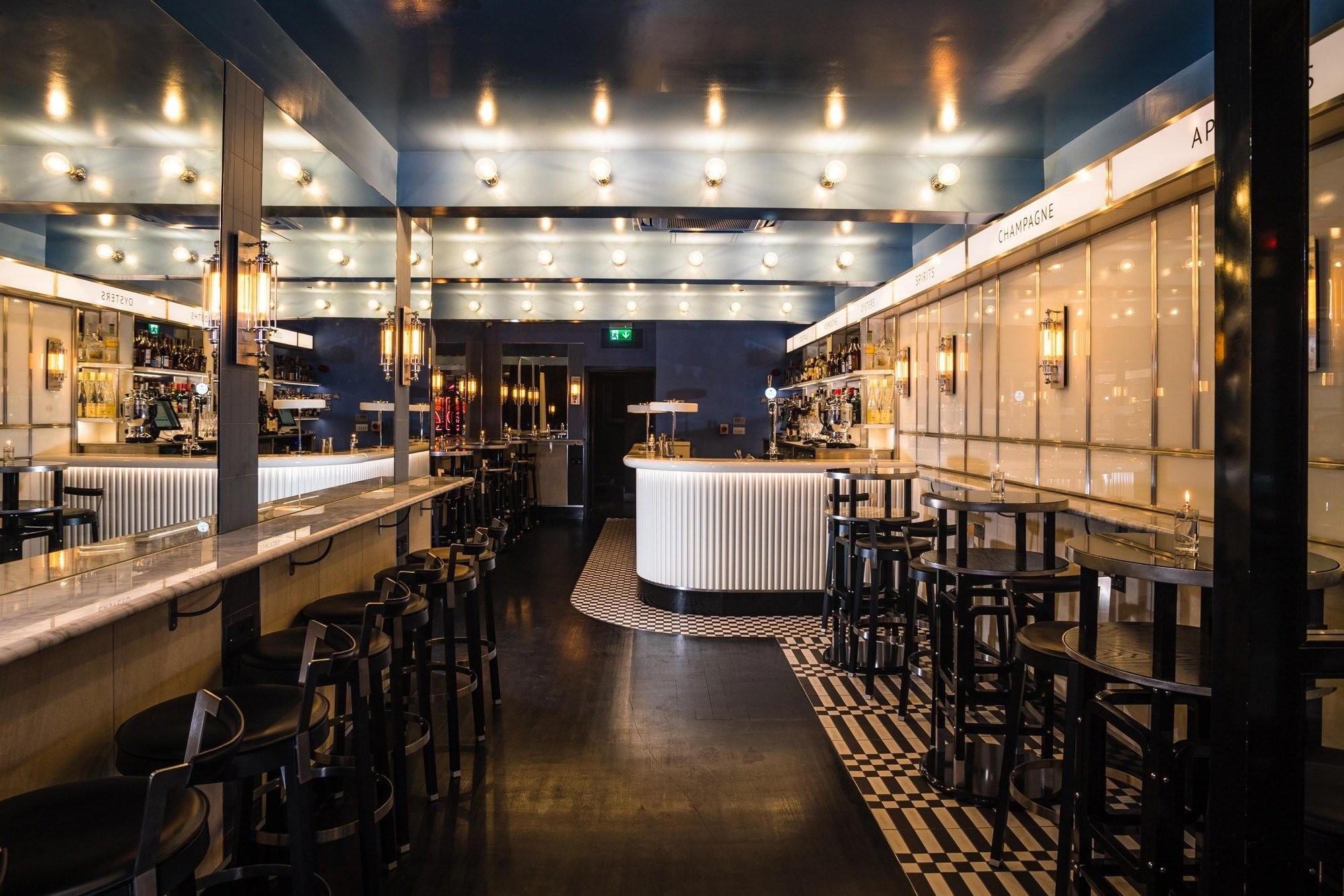
The bar component is not incidental. The London address follows that structure. Arriving for a drink before a table, or extending the evening afterward, is built into the format rather than accommodated as an afterthought. The World of Fine Wine accreditation reinforces this: the drinks programme is evaluated at a level consistent with the food.
Placing LPM in London's Wider Scene
Mayfair carries the highest concentration of destination restaurants in London, a function of proximity to international hotels, high-net-worth residential density, and corporate entertainment demand. Within that concentration, the room formats split between tasting-menu destinations (where the evening structure is fixed), à la carte rooms with classical service, and social-format venues where the table controls the pace. LPM belongs to the third category, which gives it a flexibility that pure tasting-menu rooms such as those elsewhere in the neighbourhood cannot offer for group bookings or mixed-appetite tables.
For the reader building a London visit around food, LPM sits in a different slot from the city's most formally structured restaurants. Structured modern British at CORE by Clare Smyth, creative contemporary at The Clove Club or Ikoyi, and classical French at Alain Ducasse at The Dorchester each occupy a different lane from LPM. It serves a different evening rather than a competing one.
Beyond London, readers tracking the broader UK fine dining scene can find contrasting approaches to European technique and British produce at The Ledbury, or venture outside the capital to L'Enclume in Cartmel, Moor Hall in Aughton, or the long-established country house register at Waterside Inn in Bray and Gidleigh Park in Chagford. For coastal-adjacent cooking in a different key, hide and fox in Saltwood and Hand and Flowers in Marlow offer points of comparison. For international parallels in the French-technique-applied-to-local-seafood tradition, Le Bernardin in New York City sits at the formal end of that spectrum, while Emeril's in New Orleans shows a different resolution of the same imported-technique-meets-local-produce equation.
Planning Your Visit
LPM Restaurant and Bar London is at 53-54 Brook's Mews, London W1K 4EG, in the Mayfair neighbourhood of the West End. Bond Street station (Elizabeth and Central lines) places the address within a short walk. The mews location means the entrance is quieter than the surrounding streets suggest, so first-time visitors should allow a few minutes to orient on arrival. Given the format, shared plates, a bar component, a room that runs long into the evening, this is a reservation-advised address rather than a walk-in proposition, particularly for groups of four or more.
How It Stacks Up
Comparable venues nearby, for context on price, style, and recognition.
| Venue | Cuisine | Price | Notes |
|---|---|---|---|
| LPM Restaurant and Bar LondonThis venue — the venue you are viewing | French Mediterranean | $$$$ | Not listed |
| Galvin at Windows | Modern French Haute Cuisine | $$$$ | Mayfair |
| Seven Park Place | Modern French Fine Dining | $$$$ | St. James's |
| The Connaught Pâtisserie by Nicolas Rouzaud | French Patisserie | $$$$ | Mayfair |
| Chez Roux | Classic French Bistro | $$$$ | Marylebone |
| Orrery | Modern French Fine Dining | $$$$ | Marylebone |
Recognition history
Dated appearances from independent guides and award organizations, with the underlying list record or original source where available.
World's Best Wine Lists Awards WBWL 3-Star
World's Best Wine Lists Awards
Continue exploring
More in London
Restaurants in London
Browse all →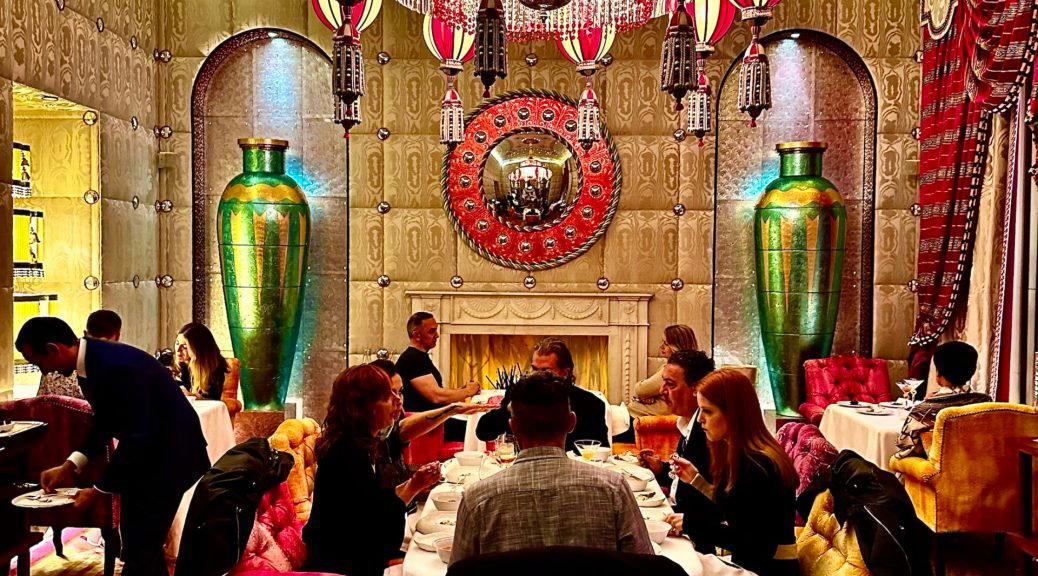
Bars in London
Browse all →
Hotels in London
Browse all →
Wineries in London
Browse all →
At a Glance
- Elegant
- Sophisticated
- Romantic
- Trendy
- Date Night
- Special Occasion
- Business Dinner
- Design Destination
- Craft Cocktails
Current opening hours
- Monday
- 12 PM–12 AM
- Tuesday
- 12 PM–12 AM
- Wednesday
- 12 PM–12 AM
- Thursday
- 12 PM–12 AM
- Friday
- 12 PM–12 AM
- Saturday
- 12 PM–12 AM
- Sunday
- 12 PM–12 AM
Hours can change for holidays and private events. Last verified .
Bright, art-filled dining room with snowy linen tablecloths contrasted by splashes of Mediterranean color, large bottles of olive oil, and fresh produce; chic, casual yet elegant atmosphere evoking La Belle Époque.