Loulou Côte Sauvage
On the Atlantic fringe of the Vendée, Loulou Côte Sauvage sits along the Route Bleue in Les Sables-d'Olonne, a town whose fishing identity runs deeper than its summer tourism. The address places it within the coastal dining corridor that frames the Côte Sauvage, where the cuisine tradition leans on the day's catch rather than seasonal menus drafted months in advance. For the French Atlantic coast, that is not a selling point, it is simply the baseline.
Pearl is the En Primeur Club membership app — saves, bookings, and concierge access live there. Same editors, same standards.
- Address
- 19 Rte Bleue, 85100 Les Sables-d'Olonne, France
- Phone
- +33251213232
- Website
- louloucotesauvage.com
- Directions
- Get directions
 Saves & bookings on Pearl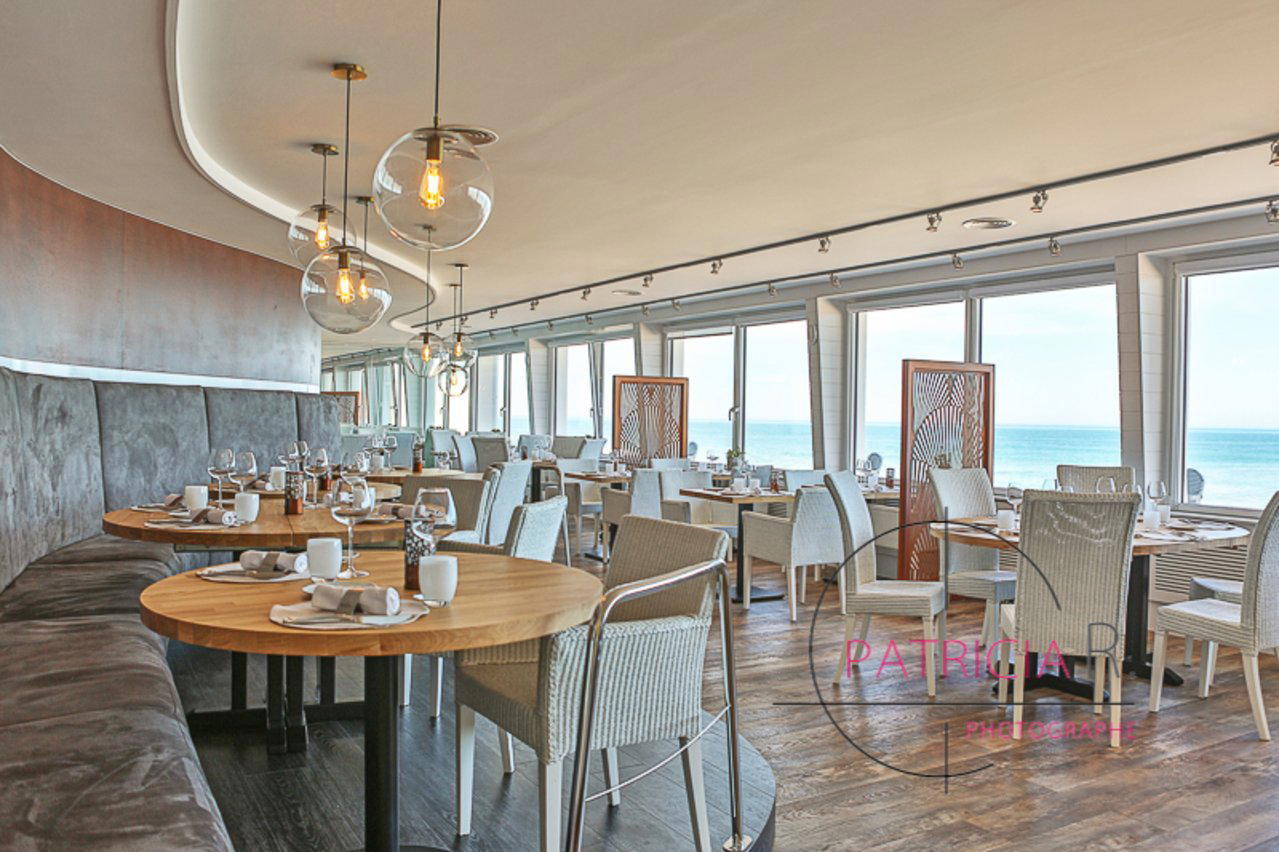
Where the Atlantic Sets the Menu
The Route Bleue in Les Sables-d'Olonne is not a scenic detour. It is the working edge of a port town whose fishing fleet has operated without interruption for centuries, and whose restaurants have always answered to the tides before they answered to trend cycles. Loulou Côte Sauvage sits at number 19 on that road, a position that places it in direct conversation with the water rather than with the town's summer pedestrian economy. On the French Atlantic coast, that physical orientation matters as much as the kitchen, the distance between the boat and the plate is a measurable fact, not a marketing claim.
Les Sables-d'Olonne occupies a particular niche in France's coastal dining geography. It is neither the polished resort circuit of the Côte d'Azur nor the self-consciously gastronomic axis that runs through Lyon and its satellites. It belongs instead to a quieter tradition of port-town eating that stretches up through La Rochelle, where Christopher Coutanceau in La Rochelle has built a Michelin-recognized case for Atlantic seafood as a vehicle for high technique, and down through the Basque coast. The Vendée sits in the middle of that range, less cited but no less serious about what comes off the boats each morning.
The Cultural Weight of Atlantic Coastal Cooking
French coastal cuisine carries a different set of assumptions than its inland counterpart. The produce-driven logic of a Bras in Laguiole, where Bras in Laguiole built its identity around the Aubrac plateau's wild herbs and volcanic soil, translates to the coast as an equivalent reliance on tidal rhythms and species seasonality. Sole, bar, rouget, langoustine, and oysters from nearby Noirmoutier and the Marais Poitevin define the pantry. These are not interchangeable ingredients; each species has a season, a preferred preparation tradition, and a price point that shifts with catch volumes.
This is a cuisine that resists the kind of codification you find at destination restaurants further inland. Where places like Flocons de Sel in Megève or Mirazur in Menton build menus with extended forward planning, the Atlantic port tradition demands a different operating logic, one where the menu responds to what came in that morning rather than what was specified in a supplier contract six weeks ago. That responsiveness is the product, not a limitation. It is also why regulars in these towns often develop a different kind of loyalty to their coastal restaurants: they are not chasing a fixed experience. They are tracking the season.
The broader French fine dining conversation, anchored by houses like Alléno Paris au Pavillon Ledoyen in Paris, Troisgros - Le Bois sans Feuilles in Ouches, or Paul Bocuse - L'Auberge du Pont de Collonges in Collonges-au-Mont-d'Or, tends to reward permanence and codified technique. The Atlantic coastal tier sits slightly outside that recognition structure, which partly explains why addresses like Les Sables-d'Olonne accumulate local reputation at a different pace than they attract national press. That gap between local standing and external visibility is characteristic of the Vendée coast as a whole.
Les Sables-d'Olonne's Dining Spread
Within Les Sables-d'Olonne, the restaurant options sit across several distinct registers. La Pancarte - Crêperie face à la mer operates in the casual coastal tradition, crêpes and galettes with a sea view, a format that serves the town's significant summer visitor volume efficiently. La Pilotine sits in a different tier, with a position and format suited to longer, more considered meals. Le Fatra represents another angle on the town's eating options. Loulou Côte Sauvage, by its address on the Route Bleue, positions itself closest to the working coastal experience rather than the resort-facing offer. That is a meaningful distinction in a town where the tourist infrastructure and the fishing port coexist within the same small geography. For a fuller picture of what Les Sables-d'Olonne offers across price points and formats, our full Les Sables-d'Olonne restaurants guide maps the options in detail.
For context on how Atlantic France's coastal restaurants sit relative to the wider European seafood dining conversation, the reference points extend well beyond France. Le Bernardin in New York City represents the decorated transatlantic export of French seafood technique, operating at a level of precision and resource depth that no port-town address can replicate. But the comparison is instructive precisely because it shows how different the operating logic is: Le Bernardin works at scale with global supply chains, while the Côte Sauvage tradition depends on the opposite, local constraint as a creative parameter.
Planning a Visit
Les Sables-d'Olonne is accessible by TGV from Paris Montparnasse, with journey times in the region of three hours depending on connections through Nantes or La Roche-sur-Yon. The town's peak season runs from July through August, when accommodation and restaurant demand compresses significantly. Visiting in May, June, or September allows access to the full Atlantic seafood season, bass and sole are in better form outside the summer heat, with considerably less pressure on availability. The Route Bleue address sits on the western edge of the town, closer to the Côte Sauvage beach than to the central harbour, which means the setting reads as genuinely coastal rather than urban-adjacent. Given the sparse booking and contact data available for Loulou Côte Sauvage, visiting in person or arriving early in the day to confirm availability is one reliable approach for first-time visitors.
Those building a longer Atlantic France itinerary around serious eating will find that Les Sables-d'Olonne sits within reasonable range of La Rochelle to the south and Nantes to the north, both of which support a wider range of recognised restaurant options. The Vendée coast itself, including the islands of Noirmoutier and Yeu, rewards itinerary planning that treats the region as a coherent food geography rather than a single-stop destination.
Budget and Context
Comparable venues nearby, for context on price, style, and recognition.
| Venue | Cuisine | Price | Awards | Notes |
|---|---|---|---|---|
| Loulou Côte SauvageThis venue — the venue you are viewing | La Chaume, Modern French Seafood | $$$ | Not listed | Not listed |
| La Suite S'il Vous Plaît | Not listed | $$$ | Michelin Plate | Les Sables-d'Olonne, Modern French Gastronomique |
| La Cuisine de Bertrand | Not listed | $$$ | Michelin Plate | Les Sables-d'Olonne harbor, Classic French Fine Dining |
| Le Fatra | Not listed | $$$ | Not listed | La Chaume, Seasonal French Bistronomic Seafood |
| La Pilotine | Not listed | $$$ | Not listed | Promenade Georges Clemenceau, French Seafood Bistro |
| Alice, le bistrot - Le Manoir de la Mortière | Not listed | $$ | Michelin Plate | Olonne-sur-Mer, Traditional French Bistro |
Continue exploring
More in Les Sables-d'Olonne
Restaurants in Les Sables-d'Olonne
Browse all →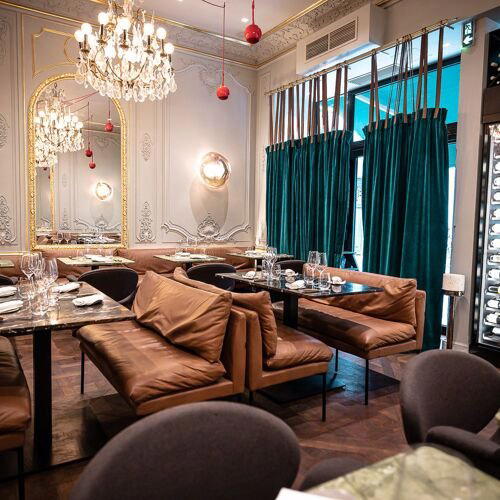
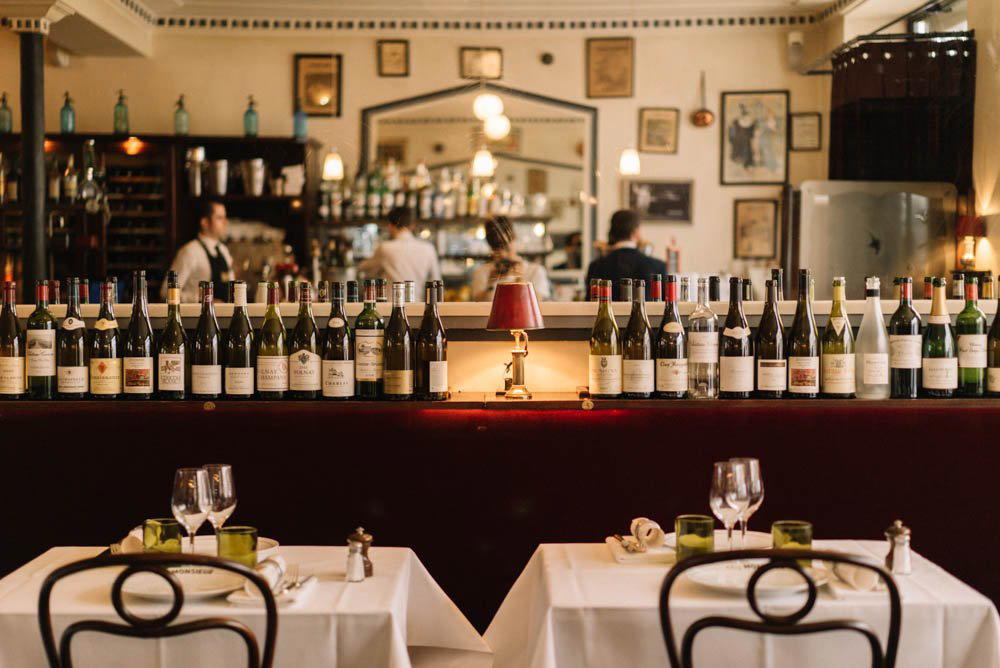
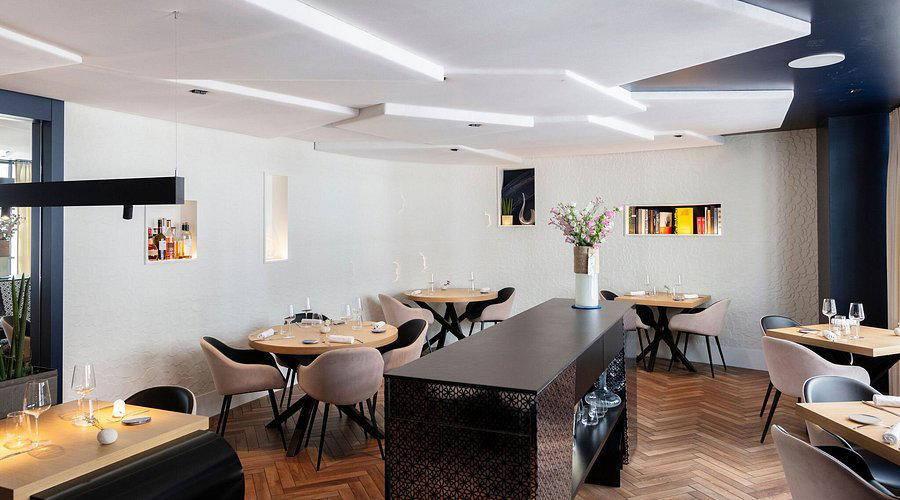
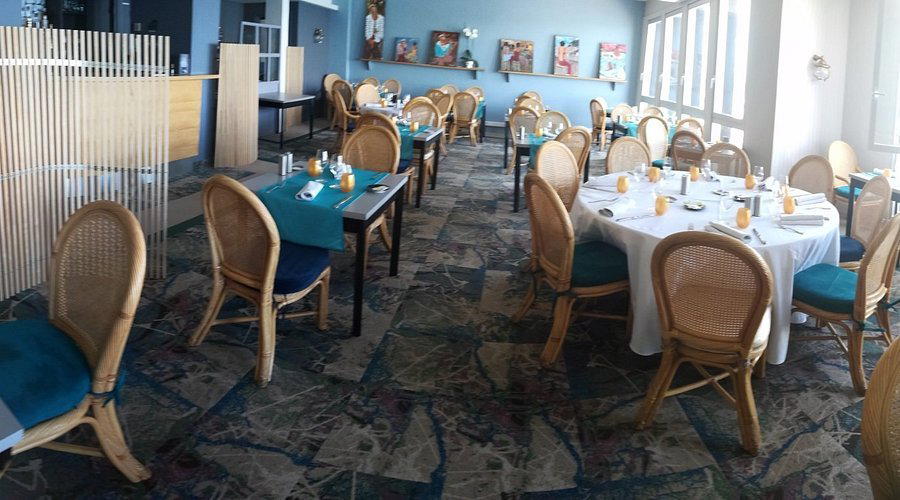
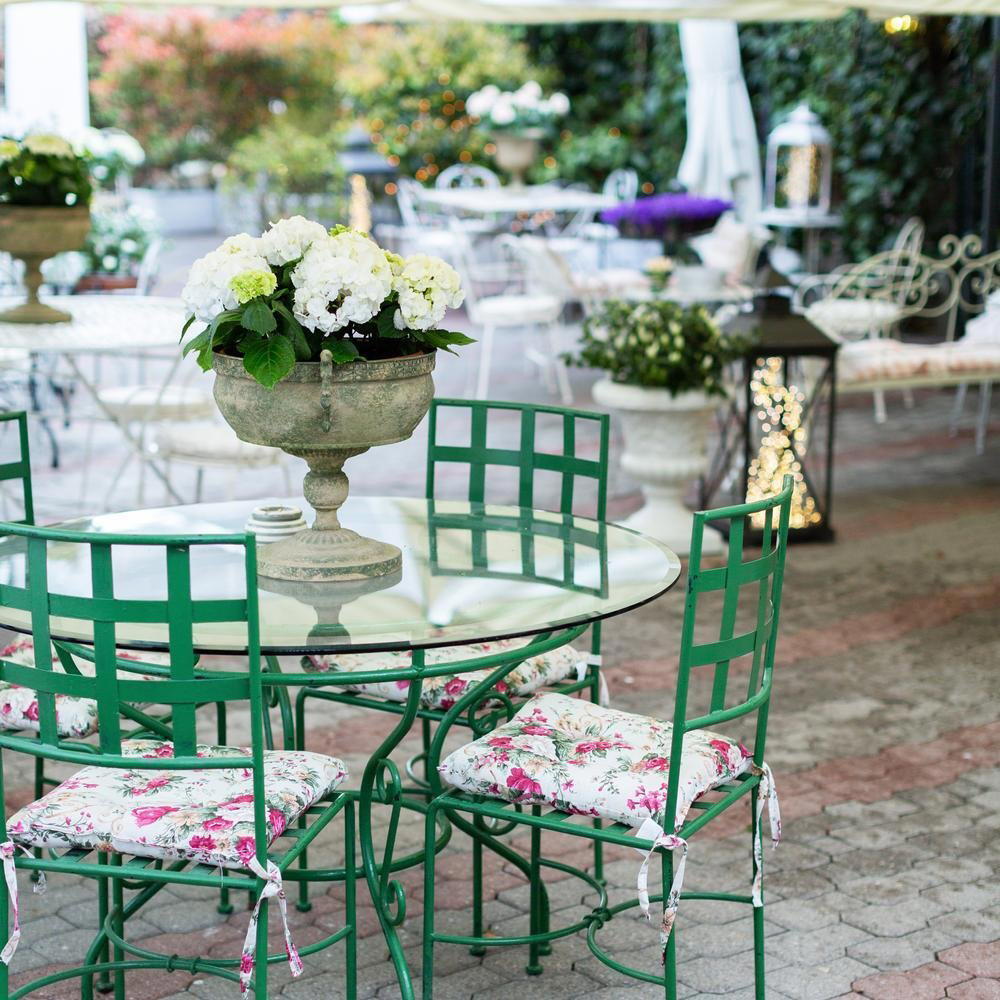
Bars in Les Sables-d'Olonne
Browse all →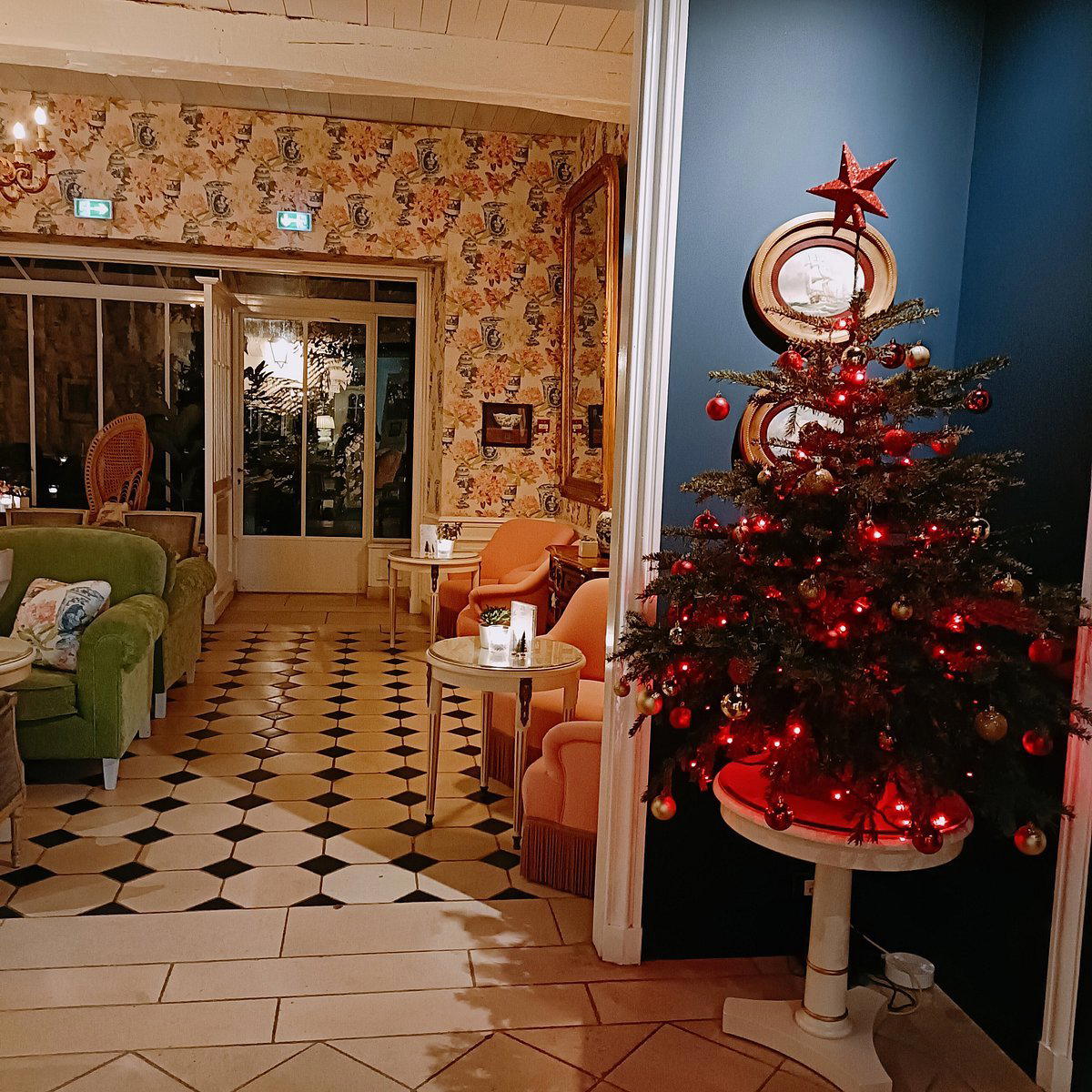
Hotels in Les Sables-d'Olonne
Browse all →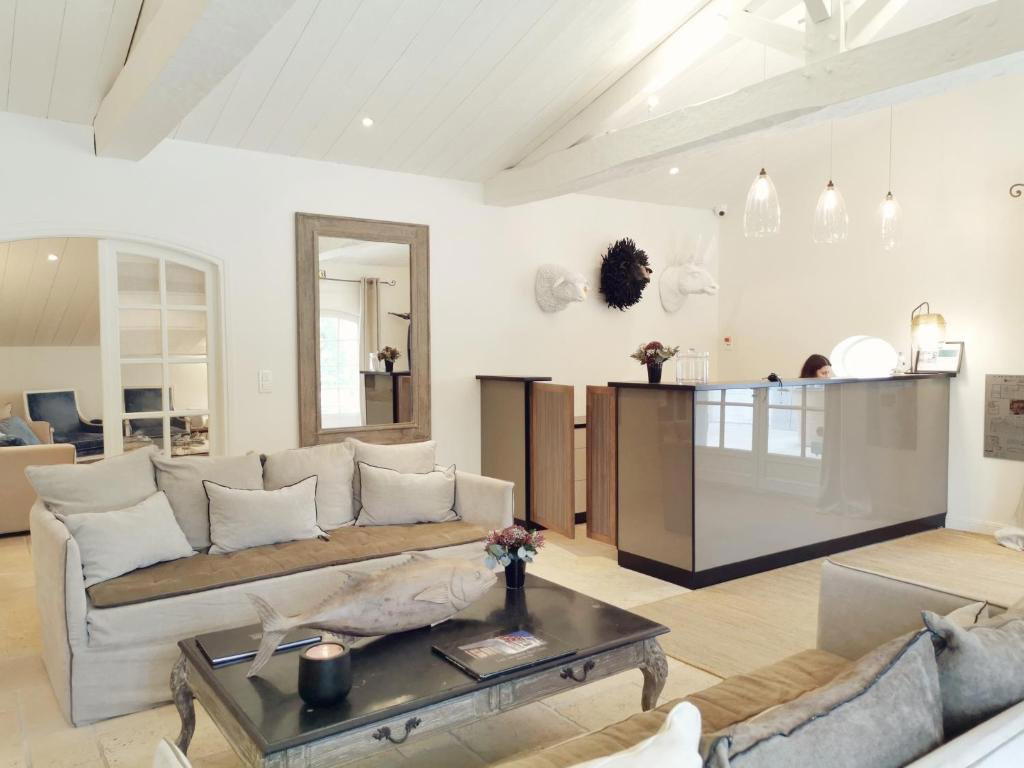
Wineries in Les Sables-d'Olonne
Browse all →
At a Glance
- Elegant
- Scenic
- Sophisticated
- Date Night
- Special Occasion
- Waterfront
- Extensive Wine List
- Local Sourcing
- Waterfront
Current opening hours
- Monday
- Closed
- Tuesday
- Closed
- Wednesday
- 12–1:30 PM
- Thursday
- 12–1:30 PM
- Friday
- 12–1:30 PM, 7:15–8:30 PM
- Saturday
- 12–1:30 PM, 7:15–8:30 PM
- Sunday
- 12–2 PM
Hours can change for holidays and private events. Last verified .
Contemporary, light-filled interior with dramatic sea views creating a warm and scenic dining atmosphere.