On Rue Servient in Lyon's 3rd arrondissement, L'Osteria sits within a city that has long treated Italian culinary tradition as a serious parallel conversation to its own. The address places it in the working fabric of a neighbourhood where ingredient-led cooking matters as much as technique. For visitors tracing Lyon's broader dining geography, it offers a counterpoint to the Bouchon orthodoxy a short walk away.
Pearl is the En Primeur Club membership app — saves, bookings, and concierge access live there. Same editors, same standards.
- Address
- 133 Rue Servient, 69003 Lyon, France
- Phone
- +33472161065
- Website
- losteria.net
- Directions
- Get directions
 Saves & bookings on Pearl
A Street in the 3rd, and What It Tells You
Rue Servient runs through the commercial spine of Lyon's 3rd arrondissement, a district that sits east of the Rhône and operates at a register different from the tourist-facing Presqu'île or the heritage density of Vieux-Lyon. The streets here are purposeful rather than picturesque. Residents shop at neighbourhood markets, eat at addresses where the room doesn't perform, and return because the food earns the habit. It is in this context that L'Osteria operates at 133 Rue Servient: not as a destination engineered for visiting diners, but as a fixture in a neighbourhood that applies genuine scrutiny to what lands on the table.
That address matters more than it might first appear. Lyon's dining culture is frequently discussed in terms of its Bouchons — the tightly formatted, offal-forward bistros that define the city's gastronomic identity for first-time visitors. But the city's actual eating life is wider than that framing suggests. Italian cooking, in particular, has run as a parallel tradition in Lyon for generations, shaped by historical trade routes along the Rhône corridor and by the proximity of communities with roots across the Alps. An osteria format in this city is not an import or a novelty; it sits within a genuine culinary conversation. For comparable context on Lyon's broader restaurant range, see our full Lyon restaurants guide.
The Sourcing Logic Behind Italian Cooking in Lyon
The word osteria carries specific weight in Italian culinary tradition. It describes a format historically organised around drinking and simple, ingredient-honest food: a place where the produce does the work and elaboration is treated with suspicion. That tradition translates meaningfully into the Lyon context, because this is a city where market culture is serious. Les Halles de Lyon Paul Bocuse, the covered market on Cours Lafayette a short walk from Rue Servient, remains one of France's most concentrated sites of artisan produce: aged charcuterie, farmhouse cheeses, live shellfish, and vegetables from growers who supply kitchens across the region. Any kitchen operating on ingredient-sourcing principles in this arrondissement has access to raw material that most European cities cannot match.
The sourcing logic of Italian cooking — which prizes the provenance of olive oil, the breed behind the charcuterie, the grain variety in the pasta, connects directly to what Lyon's market infrastructure makes possible. Where French haute cuisine at addresses like La Mere Brazier or the creative contemporary formats at Le Neuvième Art tend to work through transformation and technique, the osteria register asks a different question: how good is the thing itself, before intervention? That is a harder standard in some respects, because it leaves nowhere to hide.
Where L'Osteria Sits in Lyon's Broader Dining Geography
Lyon's restaurant market has stratified sharply across price tiers. At the higher end, creative contemporary kitchens such as Takao Takano and Au 14 Février operate on tasting-menu formats with advance booking requirements and price points that reflect their position in the Michelin framework. In the mid-market, addresses like Burgundy by Matthieu are developing a modern cuisine identity that borrows from both French and broader European traditions. The neighbourhood Italian, operating without the apparatus of fine dining, priced closer to the Bouchon tier, occupies a different slot entirely, one where regulars return weekly and the test is consistency rather than ambition.
That consistency-over-ambition model is precisely where ingredient quality becomes the differentiating variable. A kitchen that cannot hide behind elaborate preparation is entirely dependent on what arrives through the delivery door. In a city with Lyon's market density, that dependency is an asset rather than a constraint: the supply chain is there if the kitchen chooses to use it seriously.
For reference on what French fine dining looks like at its most formalised, the contrast with Paris-based addresses such as Alléno Paris au Pavillon Ledoyen is instructive. So is the regional comparison with mountain kitchens like Flocons de Sel in Megève or the produce-driven intensity of Mirazur in Menton, where the sourcing philosophy determines the entire menu structure. The osteria model operates at a different scale but shares the same foundational logic: the quality of the ingredient is the argument.
Lyon in the French Restaurant Hierarchy
Understanding why a neighbourhood address in Lyon carries more cultural weight than an equivalent room in most French cities requires some historical orientation. The city produced a lineage of cooking that runs through figures such as the mères lyonnaises and forward through the post-war generation associated with Paul Bocuse - L'Auberge du Pont de Collonges. That lineage placed ingredient integrity at the centre of the kitchen's purpose, a principle that French cooking has applied across very different formats and price points ever since. Addresses like Troisgros - Le Bois sans Feuilles, Bras in Laguiole, and Auberge de l'Ill each represent distinct regional expressions of that same underlying value. In Lyon, even kitchens that do not operate within the French classical tradition absorb some of this ambient seriousness about produce. The city's diners expect it, and they notice when it is absent.
That ambient expectation is the shaping pressure that makes the 3rd arrondissement a meaningful postcode for an ingredient-led Italian kitchen. The neighbourhood may not generate the press of the Presqu'île, but its residents eat with the attentiveness of a city that has spent a century treating food as a serious subject.
Planning Your Visit
L'Osteria is located at 133 Rue Servient in the 3rd arrondissement, accessible from the Part-Dieu transport hub, which connects directly to Lyon's metro and TGV rail infrastructure. The 3rd arrondissement is a practical base for dining across the city: Les Halles de Lyon Paul Bocuse is a short walk east, and the Presqu'île's denser concentration of restaurants is reachable on foot across the Rhône. Given the neighbourhood format of the address, arriving without a reservation is worth attempting for lunch, when covers typically turn faster than dinner; for evening visits, a call ahead is the more reliable approach. Specific booking details, current hours, and pricing are best confirmed directly with the venue before travelling.
How L'Osteria Lyon compares with similar nearby venues.
| Venue | Cuisine | Price |
|---|---|---|
| Celest | Modern Cuisine | €€€ |
| La Table 101 | Modern Cuisine | €€ |
Continue exploring
More in Lyon
Restaurants in Lyon
Browse all →
Bars in Lyon
Browse all →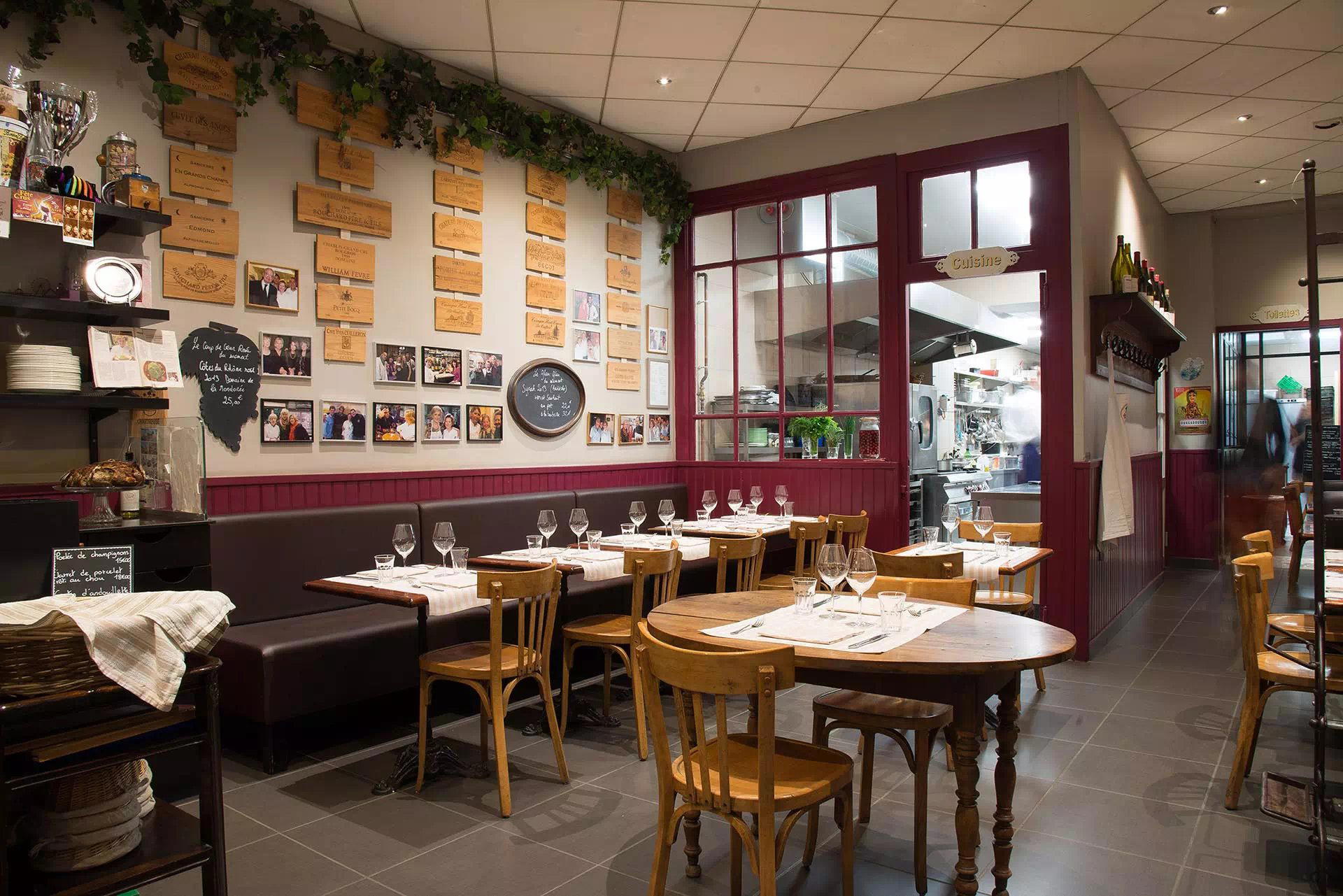
Hotels in Lyon
Browse all →

At a Glance
- Lively
- Cozy
- Group Dining
- Casual Hangout
- Open Kitchen
- Extensive Wine List
Current opening hours
- Monday
- 12–11 PM
- Tuesday
- 12–11 PM
- Wednesday
- 12–11 PM
- Thursday
- 12–11 PM
- Friday
- 12–11 PM
- Saturday
- 12–11 PM
- Sunday
- 12–11 PM
Hours can change for holidays and private events. Last verified .
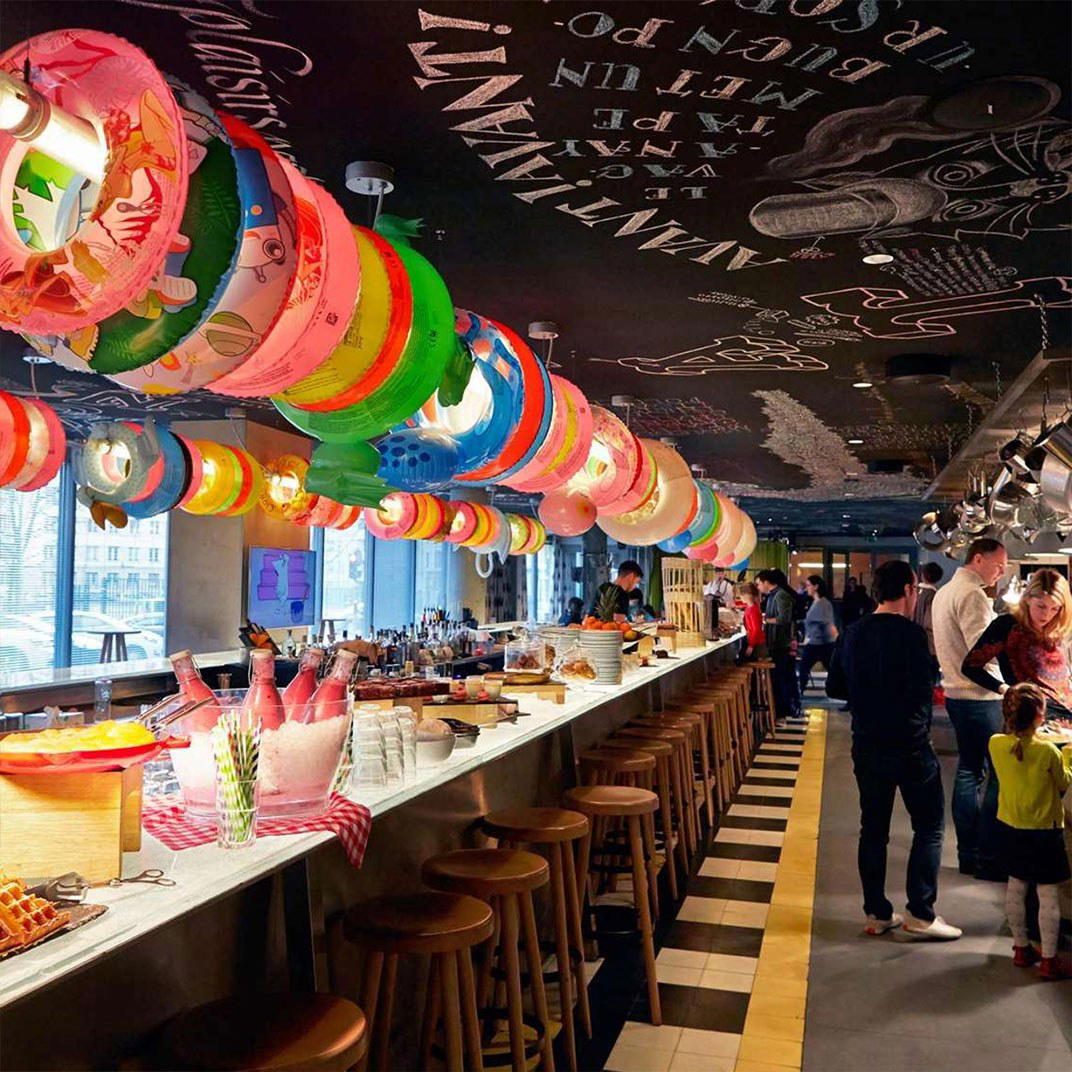
Lively and welcoming Italian osteria atmosphere with open kitchen, Italian music, and warm modern decor.
Know Before You Go
- Getting there
- 133 Rue Servient, 69003 Lyon, France