Lost Property Restaurant Palm Springs
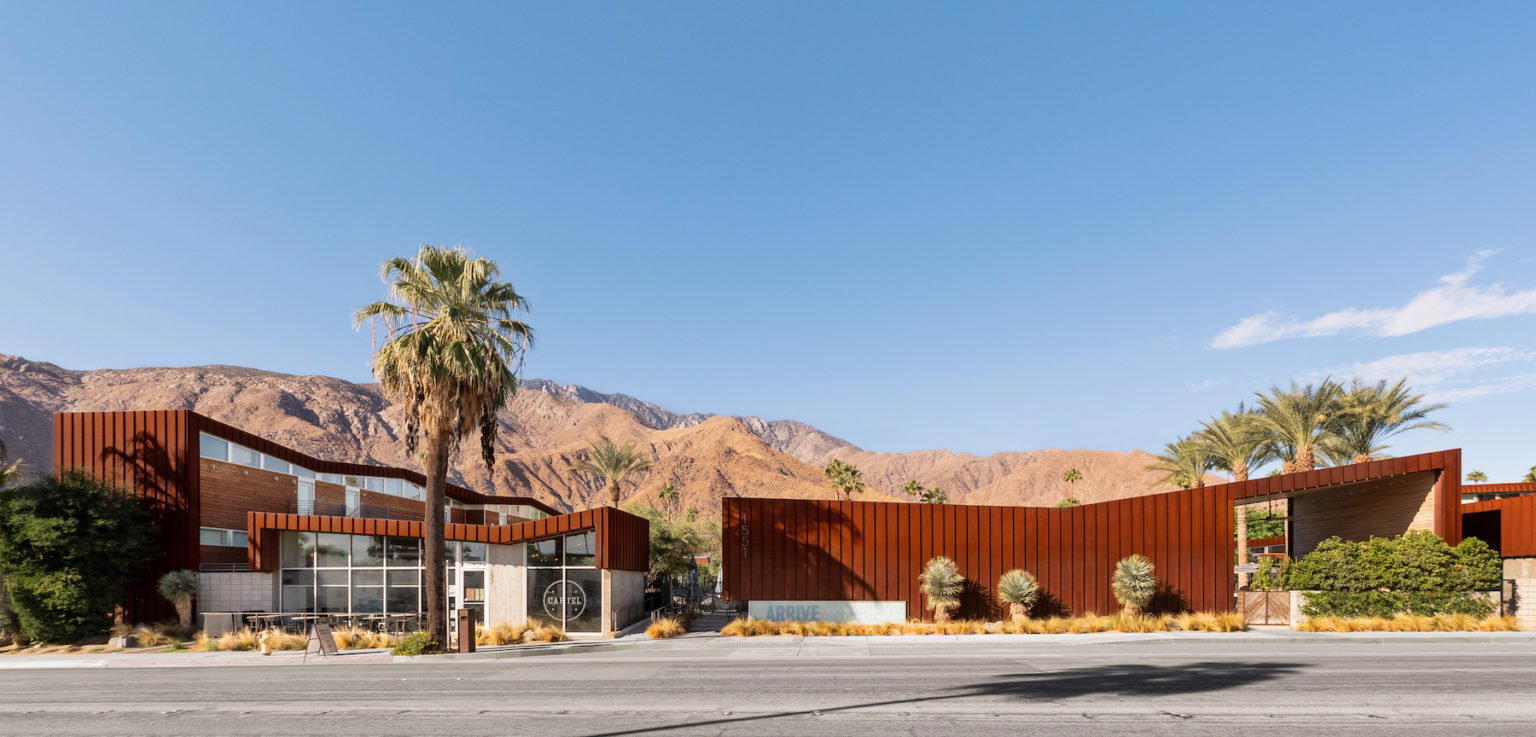
Lost Property Restaurant on North Palm Canyon Drive occupies one of Palm Springs' more architecturally considered dining rooms, where the mid-century bones of the desert city translate into a space that rewards attention. Positioned along the main commercial corridor, it competes in a market where design and dining increasingly arrive together. Verified operational details remain limited, so prospective diners should confirm hours and format directly before visiting.
Pearl is the En Primeur Club membership app — saves, bookings, and concierge access live there. Same editors, same standards.
- Address
- 1466 N Palm Canyon Dr, Palm Springs, CA 92262
- Phone
- +17605381240
- Website
- theskylark.com
- Directions
- Get directions
 Saves & bookings on Pearl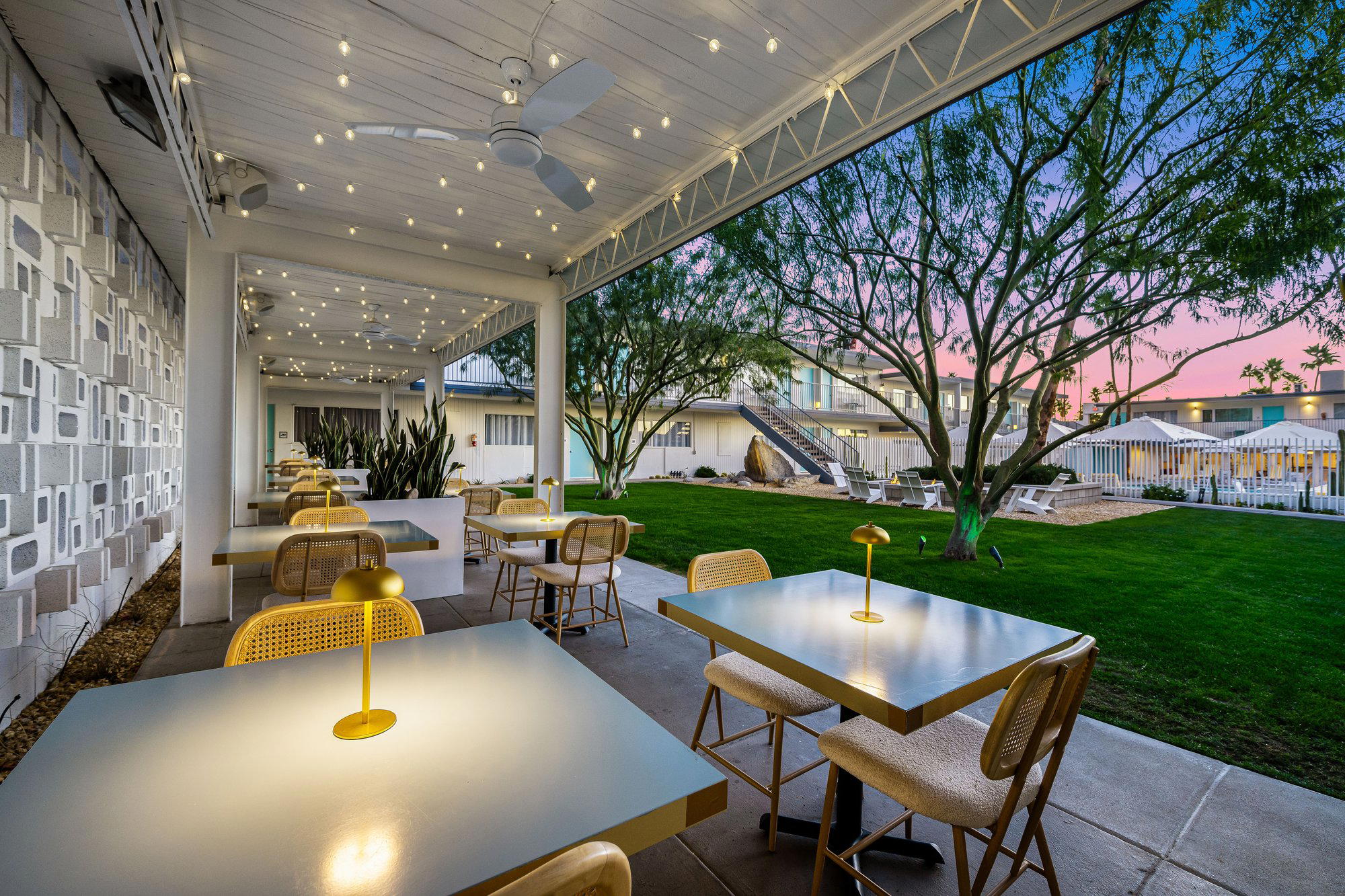
North Palm Canyon and the Architecture of Dining in the Desert
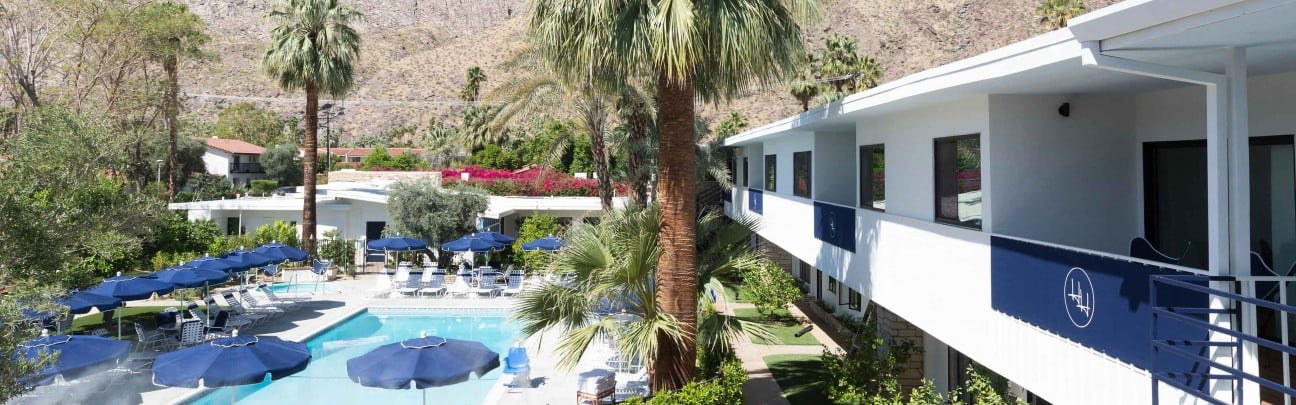
Palm Springs has spent the better part of two decades converting its mid-century architectural inheritance into a hospitality asset. The restaurants that land well here tend to understand that the physical environment, the geometry of a room, the way afternoon light moves through glass walls, the relationship between indoor seating and the desert outside, is doing as much work as anything on the plate. Lost Property Restaurant is a restaurant in Palm Springs, California, at 1466 N Palm Canyon Dr. It sits on the city's primary commercial spine, a stretch where the design conversation is impossible to ignore. The building stock along North Palm Canyon ranges from immaculately preserved Modernist structures to later additions that at least nod toward the regional visual language. A restaurant choosing this address is, consciously or not, making a statement about where it sits within that continuum.
The Physical Container: What the Space Signals
In American dining generally, and in California specifically, the shift toward design-forward restaurants accelerated sharply after 2010. Spaces began to read less like set dressing and more like a primary argument: the room as editorial. Palm Springs is a natural extreme of this tendency, because the city's tourism identity is so thoroughly bound up in architecture. Visitors arrive with a heightened sensitivity to space; they have often already toured mid-century homes or walked the neighborhoods specifically for the built environment. A restaurant here competes not just with other restaurants but with the aesthetic expectations that guests carry through the door.
Lost Property Restaurant's address on North Palm Canyon places it in the company of the city's more visible dining operations. This is not a side-street location that rewards detective work; it is a main-drag address, which means the front-of-house relationship between street, entrance, and interior carries real weight. How a space manages the transition from Palm Springs' relentless outdoor brightness into a dining environment, through shading, material choice, the calibration of artificial light against natural, tends to define whether a room feels considered or merely decorated.
Palm Springs in the Broader California Dining Context
California's premium dining tier is anchored in its major metros: Providence in Los Angeles, the long-established flagship of the state's fine dining conversation, and further north, operations like Lazy Bear in San Francisco and Single Thread Farm in Healdsburg, which have pushed California's seasonal and farm-integrated format toward national recognition. Napa contributes The French Laundry in Napa, still the reference point for tasting-menu formalism in the American West. San Diego's Addison in San Diego holds Michelin recognition for that city's upper tier.
Palm Springs operates outside this primary circuit. It is a destination city with seasonal rhythms, the cooler months from October through April concentrate the bulk of visitor traffic, rather than a year-round metropolitan dining market. Restaurants here tend to serve a mix of weekending Angelenos, design tourists, and the city's permanent residential population. The competitive set is consequently different from L.A. or San Francisco: the question is less about tasting-menu innovation and more about whether a room and a menu hold up against the particular expectations of a visitor who has come specifically for a certain kind of experience.
Among the Palm Springs options, the market stratifies fairly clearly. Bar Cecil (American) operates at a higher price point and positions itself accordingly; 4 Saints (American) anchors the American format at a mid-range bracket. Al dente holds its own corner of the market, and Alice B. and Ash & Vine Restaurant represent distinct positions within a dining scene that has grown more diverse as the city's visitor profile has broadened. For a more complete picture of where each sits, our Palm Springs restaurants guide maps the field in full.
Nationally, the Comparison Points for Restaurant Design and Dining
When American dining criticism discusses the relationship between architecture and food, it tends to invoke a short list of properties where the two are genuinely integrated. Alinea in Chicago turned its dining room into a theatrical argument for the cooking. Blue Hill at Stone Barns in Tarrytown made the farm itself into the architectural statement. The Inn at Little Washington in Washington uses its setting to establish a particular register of formality. Further afield, Atomix in New York City and Le Bernardin in New York City represent different poles of how a room can frame a meal. On the international side, 8 1/2 Otto e Mezzo Bombana (Hong Kong) in Hong Kong and Emeril's in New Orleans each illustrate how physical identity and culinary identity can reinforce each other when the design decisions are intentional.
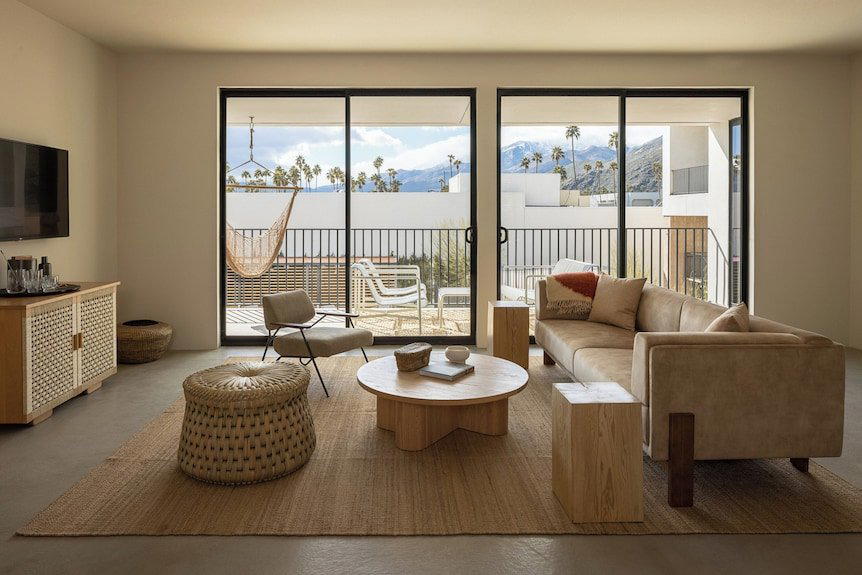
Palm Springs' most compelling dining spaces tend to draw from the same well as its residential architecture: clean lines, indoor-outdoor connection, an honest relationship with natural materials. Whether Lost Property Restaurant's interior commits fully to that aesthetic or occupies a more eclectic position is the kind of judgment that requires a visit and direct confirmation from the venue.
Planning a Visit: What to Confirm First
Lost Property Restaurant serves Coastal American Bar Fare, is recommended for reservations, and is priced at about $45 per person. The current hours are Mon to Fri 10 AM to 2 PM and 5 PM to 9 PM, Sat 9 AM to 2 PM and 5 PM to 9 PM, and Sun 9 AM to 2 PM and 5 PM to 9:30 PM. North Palm Canyon is accessible from central Palm Springs without a car if you are already staying on or near the main corridor.
The Short List
Comparable venues nearby, for context on price, style, and recognition.
| Venue | Cuisine | Price | Notes |
|---|---|---|---|
| Lost Property Restaurant Palm SpringsThis venue — the venue you are viewing | Palm Springs, Coastal American Bar Fare | $$$ | Not listed |
| Jimmy B's | Not listed | $$$ | Downtown Palm Springs, American Steakhouse & Grill |
| Norma's | Palm Springs, American Comfort Brunch | $$$ | Not listed |
| Lulu California Bistro | Downtown Palm Springs, California Bistro | $$$ | Not listed |
| Palm Springs Aerial Tramway | Not listed | $$$ | Mountain Station, Palm Springs Aerial Tramway, California Fine Dining with Mountain Views |
| Kaiser Grille Palm Springs | Not listed | $$$ | Downtown Palm Springs, California Mediterranean Steakhouse |
Continue exploring
More in Palm Springs
Restaurants in Palm Springs
Browse all →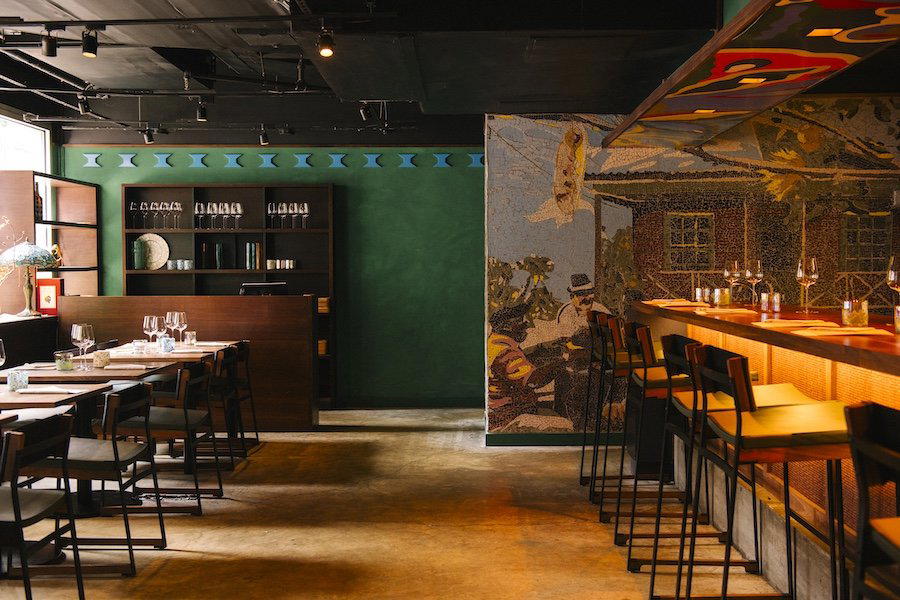
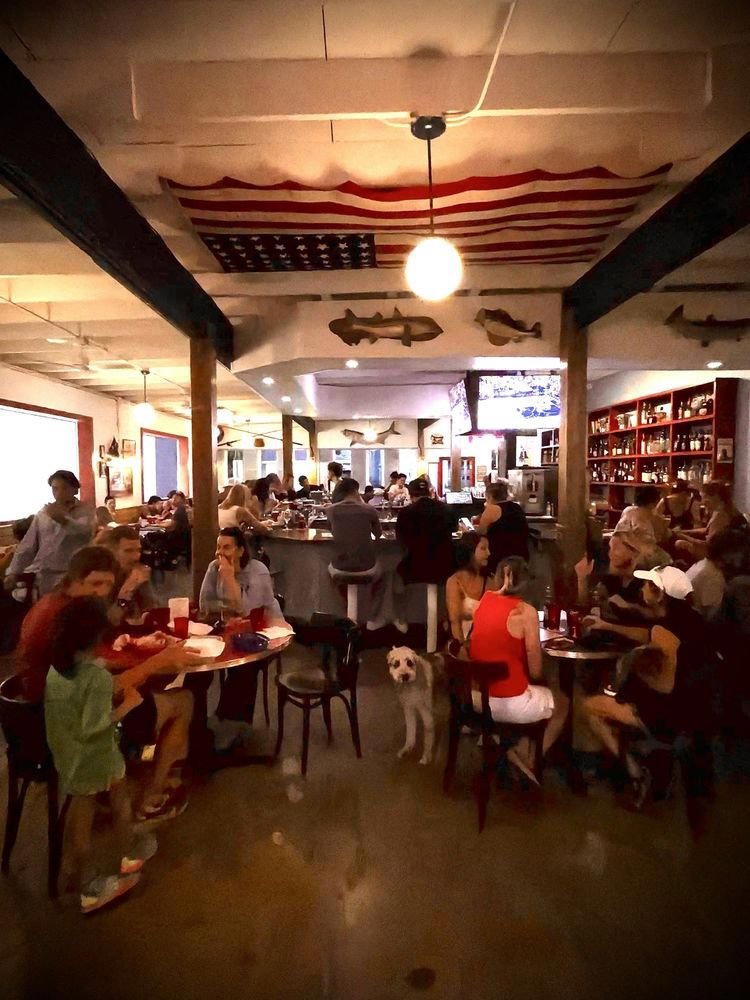
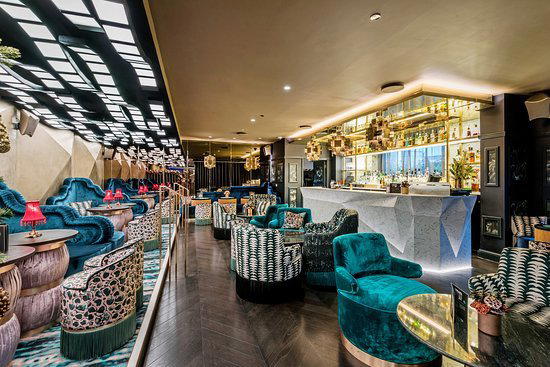
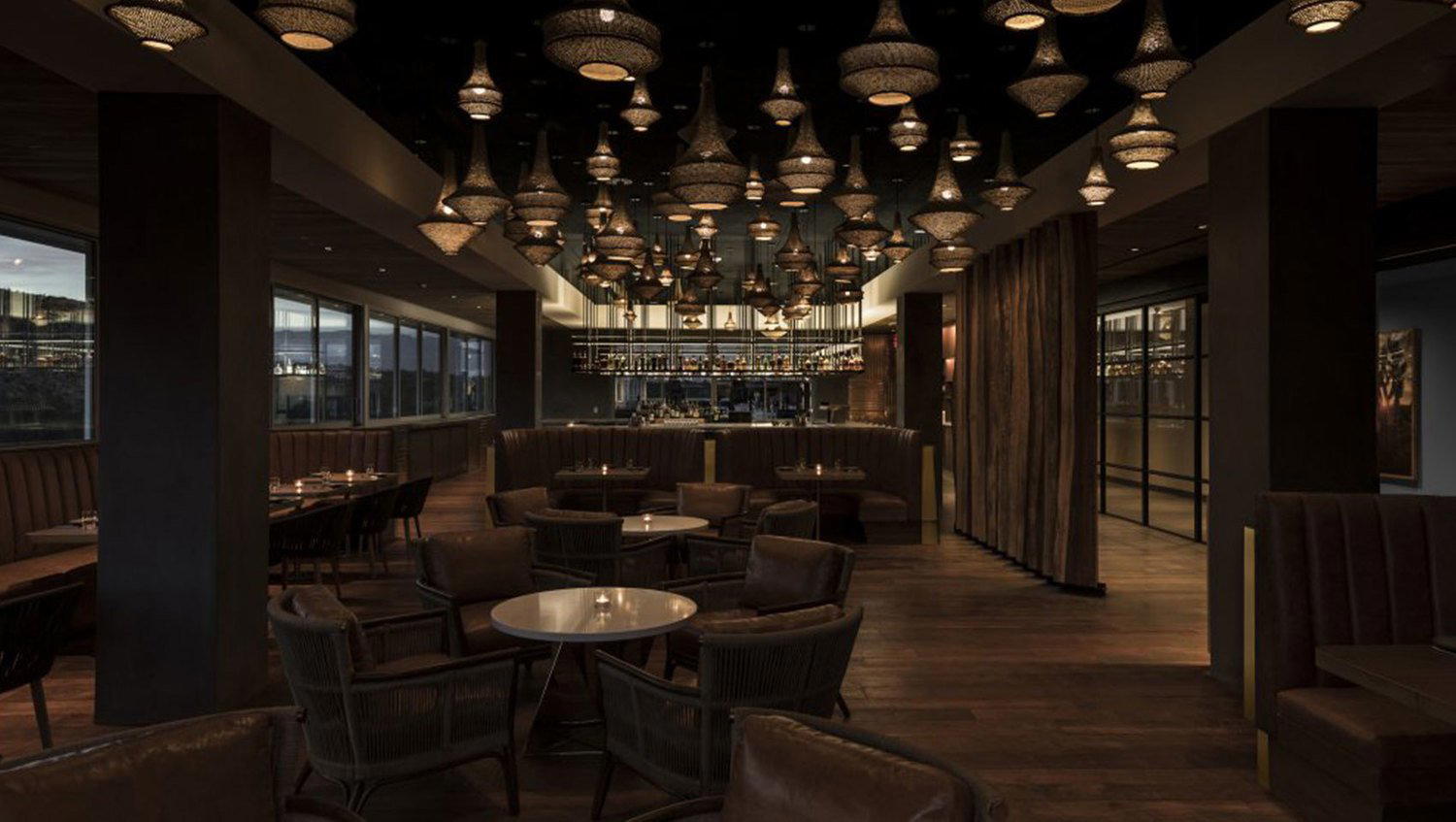
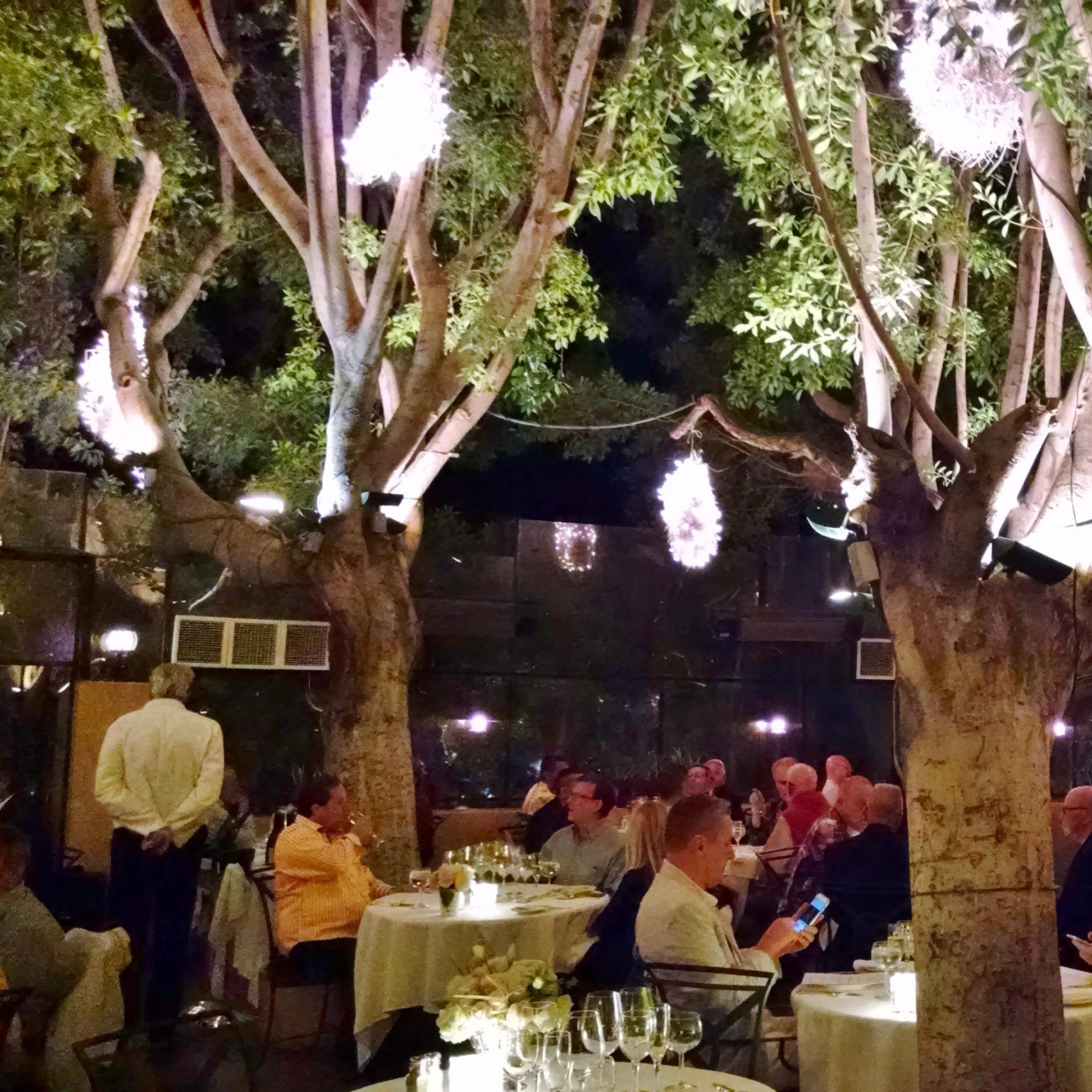
Bars in Palm Springs
Browse all →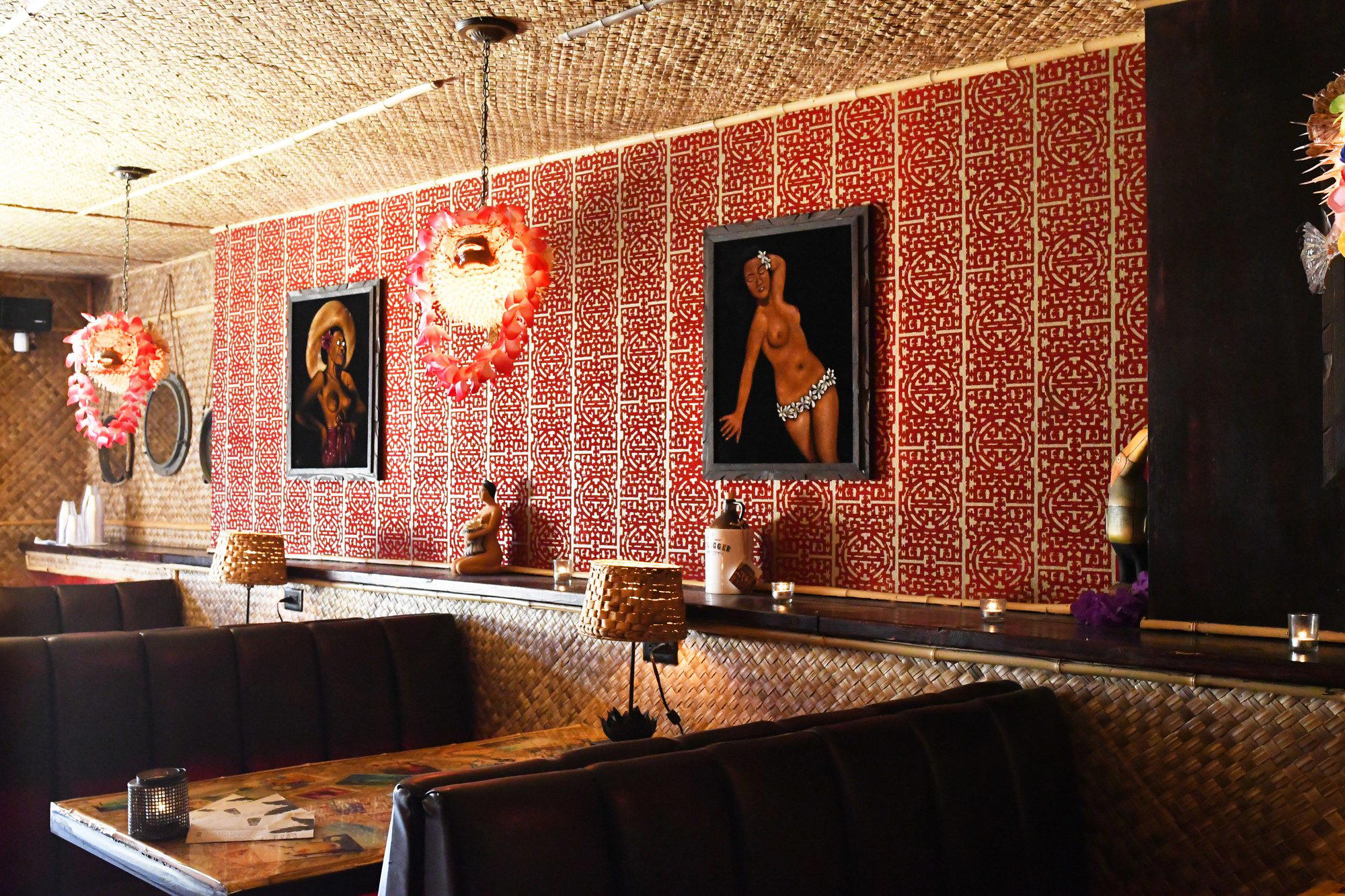
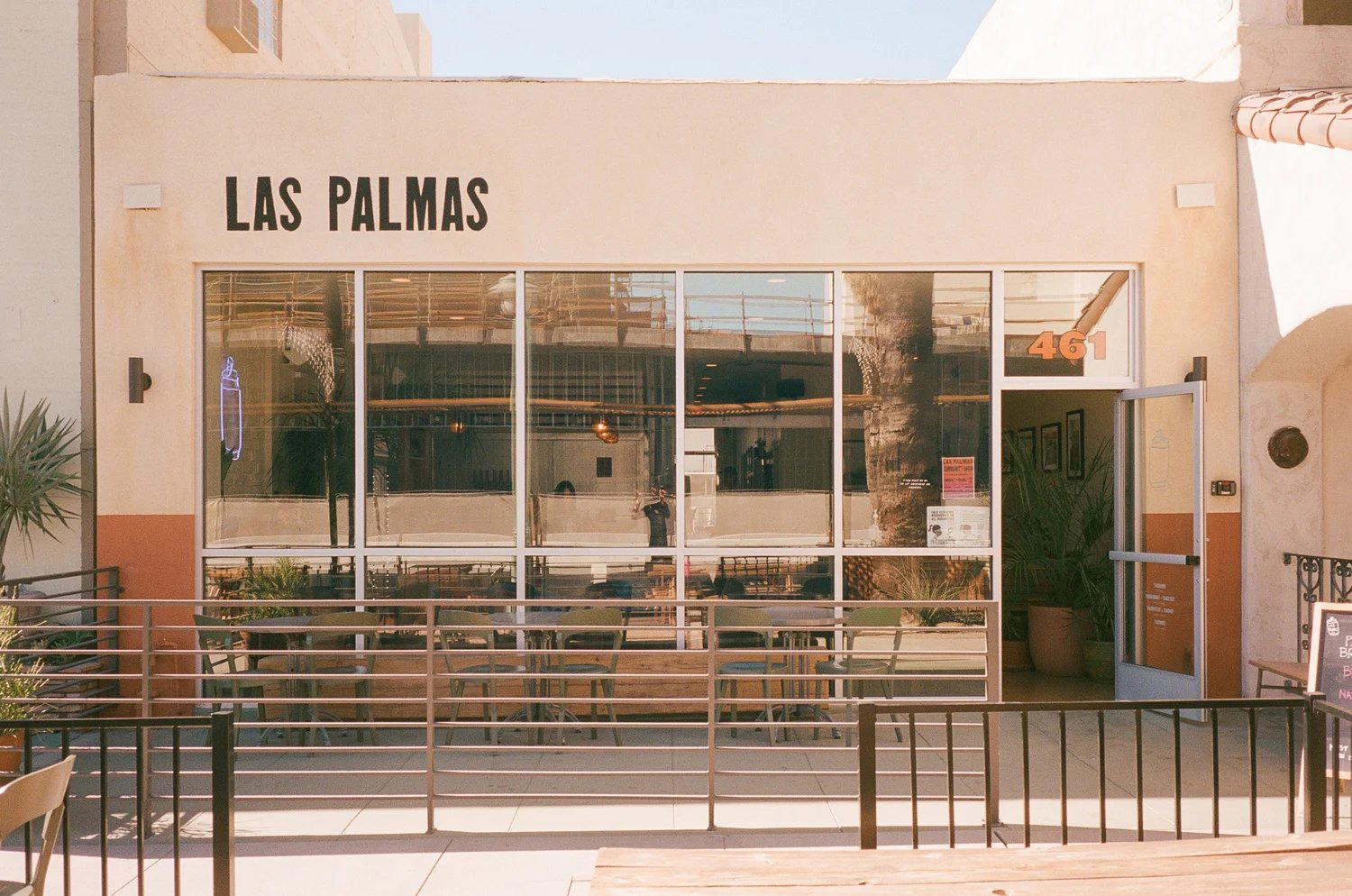
At a Glance
- Trendy
- Modern
- Lively
- Cozy
- Brunch
- Date Night
- Casual Hangout
- Hotel Restaurant
- Craft Cocktails
- Local Sourcing
Current opening hours
- Monday
- 10 AM–2 PM, 5–9 PM
- Tuesday
- 10 AM–2 PM, 5–9 PM
- Wednesday
- 10 AM–2 PM, 5–9 PM
- Thursday
- 10 AM–2 PM, 5–9 PM
- Friday
- 10 AM–2 PM, 5–9 PM
- Saturday
- 9 AM–2 PM, 5–9 PM
- Sunday
- 9 AM–2 PM, 5–9:30 PM
Hours can change for holidays and private events. Last verified .
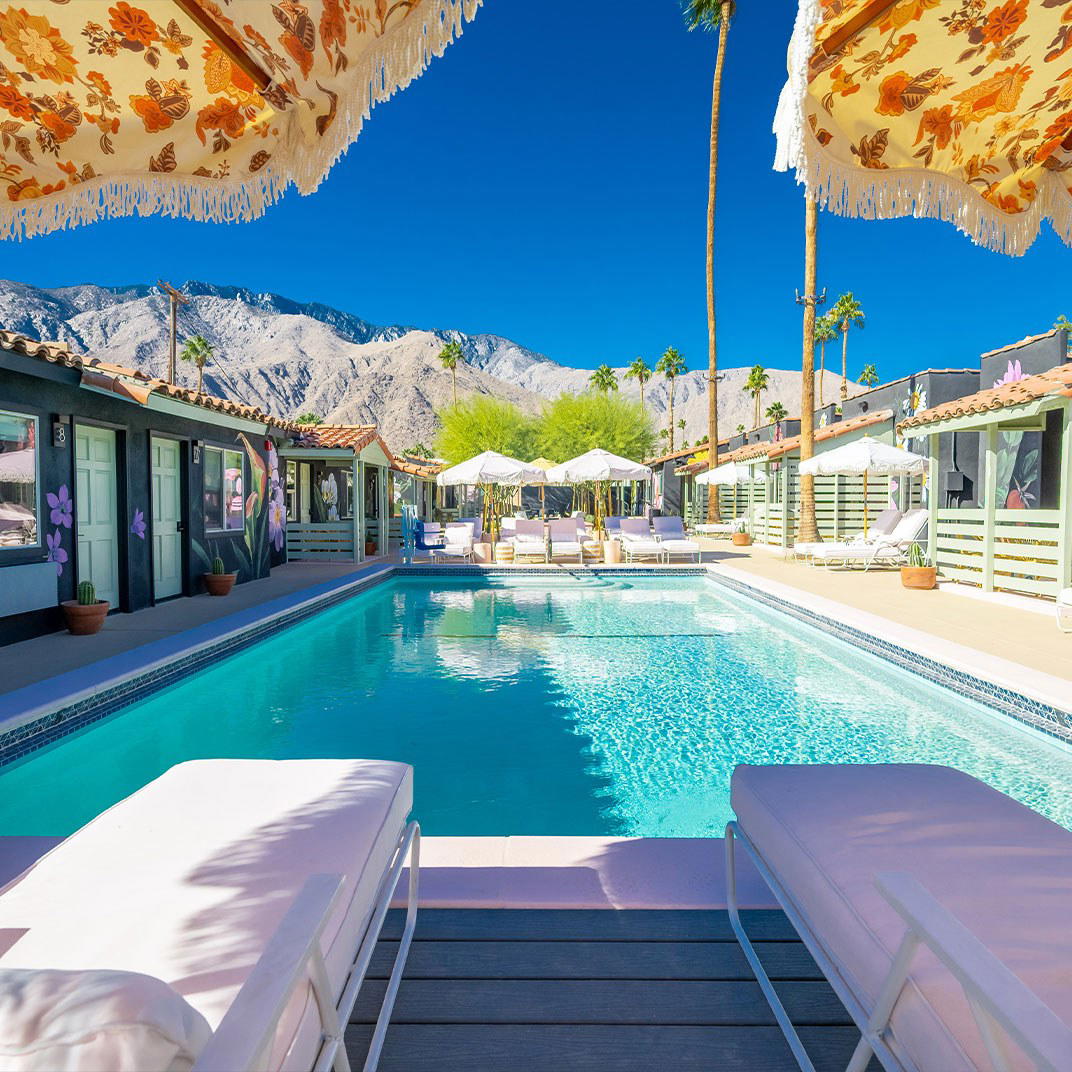
Laid-back charm with modern edge, bringing beach vibes to Palm Springs through lively coastal-inspired atmosphere.