Palm Springs Aerial Tramway
Our verdict
The Palm Springs Aerial Tramway climbs 8,516 feet from the Sonoran Desert floor to the cool forests of Mount San Jacinto State Park, covering nearly 6,000 vertical feet in under twelve minutes. The rotating tram cars offer a compressed survey of five distinct climate zones, making the journey itself the central experience. It remains one of Southern California's most dramatic elevation transitions, open year-round to hikers, casual visitors, and those seeking relief from desert heat.

Pearl is the En Primeur Club membership app, where members save venues, book tables and use the concierge.
The menu
What to order
- Duck confit flatbread
- Bacon blue cheese burger
- Lemon roughy
- Filet mignon
Five Climate Zones in Twelve Minutes
Most elevation gains in the American Southwest require a day's hiking or a long drive along switchbacks. The Palm Springs Aerial Tramway compresses that experience into a single rotating cabin, ascending nearly 6,000 vertical feet from the Sonoran Desert floor to the pine and fir forests of Mount San Jacinto State Park in approximately eleven to twelve minutes. The journey passes through five distinct climate zones, a transition that ecologists compare to driving from Mexico to Canada. That compression is the entire point: you board in desert heat, watching saguaro and cholla give way to canyon scrub, then chaparral, then open sky and granite, and step out into a landscape that feels separated from the valley below by more than just altitude.
The tramway departs from the Valley Station at roughly 2,643 feet and arrives at Mountain Station at 8,516 feet. Those numbers place it among the largest aerial trams in the United States by vertical rise, a distinction that shapes the visitor experience in practical terms. At that elevation, temperatures run twenty to thirty degrees cooler than in Palm Springs proper, which in summer often exceeds 110°F in the valley. The Mountain Station sits inside Mount San Jacinto State Park, meaning the terrain above the arrival point is protected wilderness, not a developed resort.
What the Rotating Cabin Changes
Aerial tramways typically offer a fixed sightline, privileging one side of the car over the other. The Palm Springs tram's rotating cabin floor turns slowly throughout the ascent, distributing the view across the full circular panorama. This matters most during the lower third of the climb, when the Coachella Valley spreads east toward the Salton Sea and the ridgelines of the San Bernardino National Forest fill the northern horizon. By the upper third, the granite faces of the San Jacinto Mountains dominate, and the desert floor has receded into a flat ochre expanse. The rotation ensures that a group traveling together experiences the same sightlines rather than negotiating window positions.
The tram cars themselves carry a significant piece of California engineering history. The tramway opened in 1963 after more than a decade of planning and construction that required helicopters to deliver materials to otherwise inaccessible tower sites. The current cars, installed in 2000, replaced the originals and represent Swiss-manufactured technology. That context is worth holding: this is infrastructure built before the era of modern aerial construction equipment, in a mountain face that resisted conventional approaches.
Mountain Station and What Lies Above It
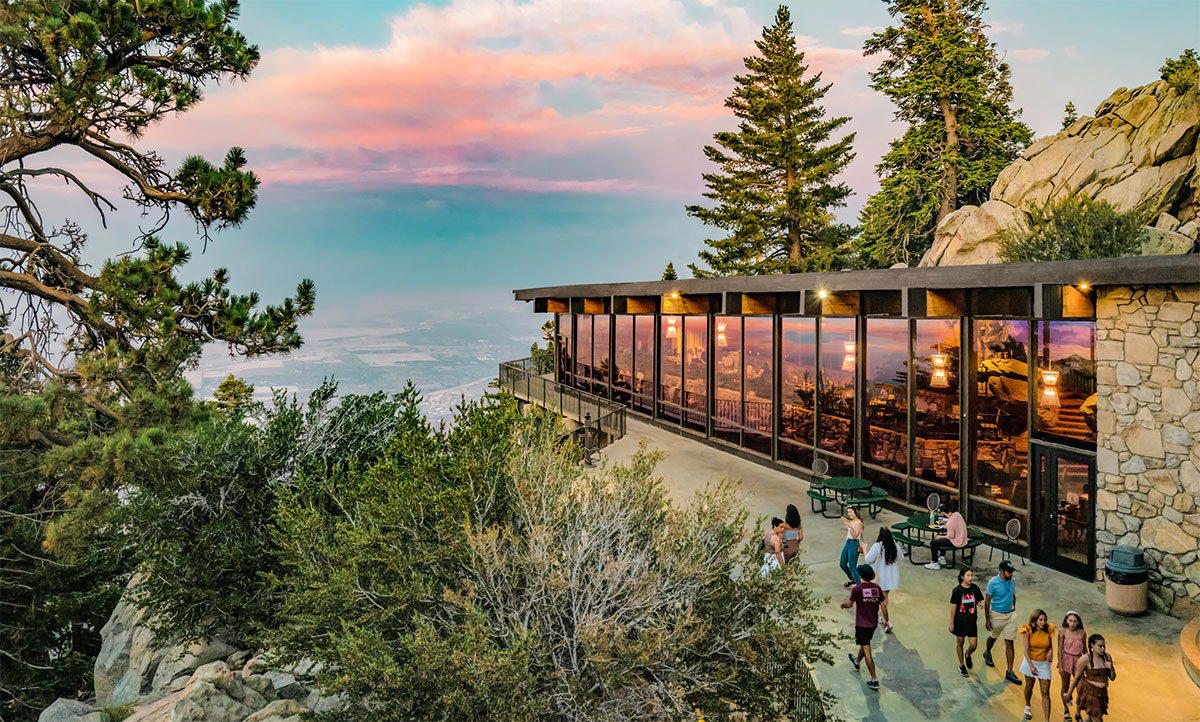
The Mountain Station at the leading functions as a practical basecamp rather than a destination in itself. It holds a restaurant and observation decks, but the more substantive offering sits in the state park beyond the station's doors. Mount San Jacinto State Park contains over 50 miles of trail, ranging from short loops accessible in standard footwear to the summit trail that reaches 10,834 feet. The summit route requires a full day and proper preparation; the Round Valley Loop, at roughly five miles with moderate elevation change, suits most visitors making a half-day excursion from the valley.
Hikers should note that the park requires a free wilderness permit for overnight trips, obtainable at the ranger station inside Mountain Station. Day hikers do not need a permit but should carry water regardless of season, as the elevation and dry air accelerate dehydration faster than the cool temperatures suggest. Snow closes some trails between November and April, and the state park website publishes current conditions. The tram itself operates year-round, with weather-related closures possible during high winds or ice conditions on the cables.
Placing It in the Palm Springs Experience
Palm Springs has built its contemporary reputation largely around mid-century architecture, resort culture, and a dining scene that has grown considerably more sophisticated over the past decade. Restaurants like 4 Saints, Alice B., Al Dente, Ash & Vine, and Bar Cecil represent a category of operator that would not have seemed plausible in the city's older resort era. Our full Palm Springs restaurants guide tracks how this scene has developed across neighborhoods and price points.
The Aerial Tramway sits outside that dining and resort orbit but functions as the city's most direct counterargument to the idea that Palm Springs is purely a flat, hot-weather destination. The mountain access it provides connects the valley to a wilderness experience that, in other parts of California, would require a multi-hour drive. Visitors arriving at the Coachella Valley primarily for a food-focused trip, of the kind that might also involve a detour to Addison in San Diego or Providence in Los Angeles, often find the tramway fits naturally into a longer southern California itinerary that balances table time with landscape.
For travelers whose frame of reference includes land-to-table operations like Blue Hill at Stone Barns in Tarrytown or Single Thread Farm in Healdsburg, the tramway offers something adjacent: a sharp, unmediated encounter with the terrain that underlies the region's agricultural and ecological character. It is not a dining experience, but it is the kind of encounter that contextualizes why Southern California's landscapes produce what they do. Equally, those planning westward itineraries that include Lazy Bear in San Francisco or northward trips to The French Laundry in Napa may find Palm Springs a productive stop that adds terrain variety without adding significant transit time from Los Angeles. And for international travelers building American itineraries around restaurants like Le Bernardin in New York City, Atomix in New York City, Smyth in Chicago, Emeril's in New Orleans, The Inn at Little Washington, or European properties like Atelier Moessmer Norbert Niederkofler in Brunico, the tramway represents the kind of American-scale landscape experience that does not translate elsewhere.
Planning the Visit
The tramway operates on a first-come, first-served basis for most visits, though advance ticket purchases are available online and reduce wait times during peak periods. Summer weekends and holiday weekends generate the longest queues at the Valley Station; arriving before 9am or after 3pm significantly shortens wait times on those days. The first tram of the day departs in the morning and the last car down typically runs in the early evening, though exact hours shift seasonally. Visitors planning a hike above Mountain Station should account for the full round-trip tram time plus trail time when calculating departure windows. Layers are essential regardless of valley temperature: the summit area can be cold and windy even in July, and afternoon thunderstorms are possible in late summer. The Valley Station address is 1 Tramway Road, Palm Springs, and the access road runs north from Highway 111 at the edge of the city.
Frequently asked questions
Where is Palm Springs Aerial Tramway located?
Palm Springs Aerial Tramway is located at 1 Tramway Rd, Palm Springs, CA 92262, Palm Springs.
What is the best time of year to ride the Palm Springs Aerial Tramway if you want to experience snow at the top?
Snow at the 8,516-foot Mountain Station is most consistent from December through March, when the summit receives significant accumulation while the Palm Springs desert floor below remains in the 60s and 70s Fahrenheit. This temperature contrast, sometimes exceeding 40 degrees between base and summit, is the clearest argument for timing a winter visit, as it turns a single twelve-minute ride into a shift from arid desert to alpine conditions.
What dish is Palm Springs Aerial Tramway famous for?
The tramway is a transit and recreation attraction, not a restaurant concept. The Mountain Station at the 8,516-foot summit operates a dining facility, but the ride itself is the draw, specifically the rotating cabin floor and the five climate zones it crosses between Palm Springs and the San Jacinto peaks.
How hard is it to get a table at Palm Springs Aerial Tramway?
The tram ride operates on a first-come, first-served basis, but advance ticket purchase is available online and reduces wait times during peak periods. The Mountain Station restaurant does not require reservations in the conventional dining sense, most visitors treat it as a stopover rather than a destination meal.
Budget and Context
| Venue | Cuisine | Price | Awards |
|---|---|---|---|
| Palm Springs Aerial TramwayThis venue (the venue you are viewing) | California Fine Dining with Mountain Views | $50–100 | Not listed |
| Le Vallauris | Classic French Fine Dining | $100–150 | Wine Spectator Award of Excellence |
| Cheeky's | Farm-to-Table American Breakfast & Lunch | $20–30 | Michelin Plate |
| Colony Club | Modern California Coastal | $50–100 | Michelin Plate |
| Tac/Quila | Elevated Jalisco-Style Mexican | $30–50 | Michelin Plate |
| The Steakhouse at Agua Caliente Resort Casino Spa Rancho Mirage | Classic Steakhouse | $100–150 | Wine Spectator Award of Excellence · Forbes 4-Star |
Continue exploring
More in Palm Springs
Restaurants in Palm Springs
All restaurants in Palm Springs →
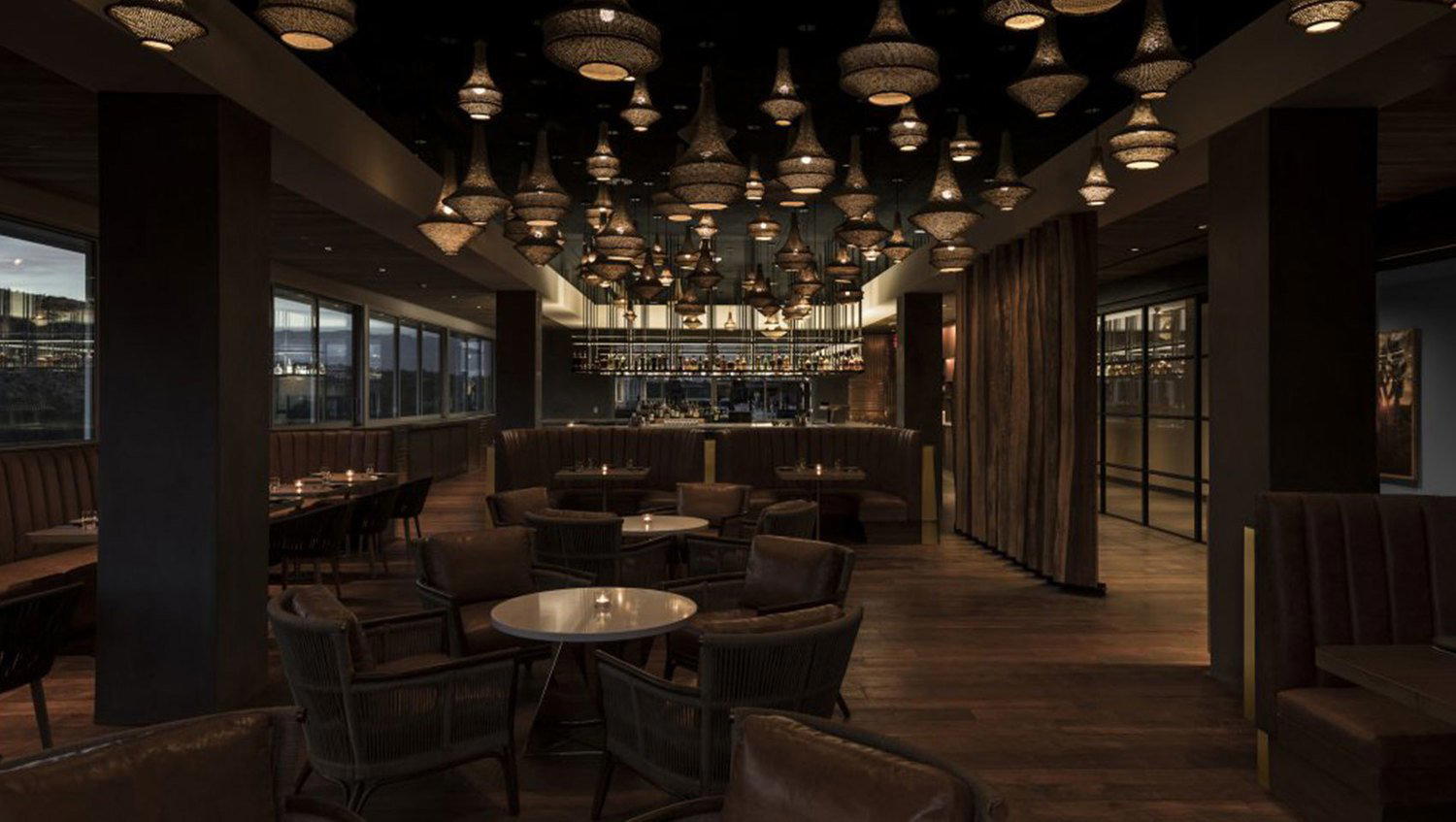
Bars in Palm Springs
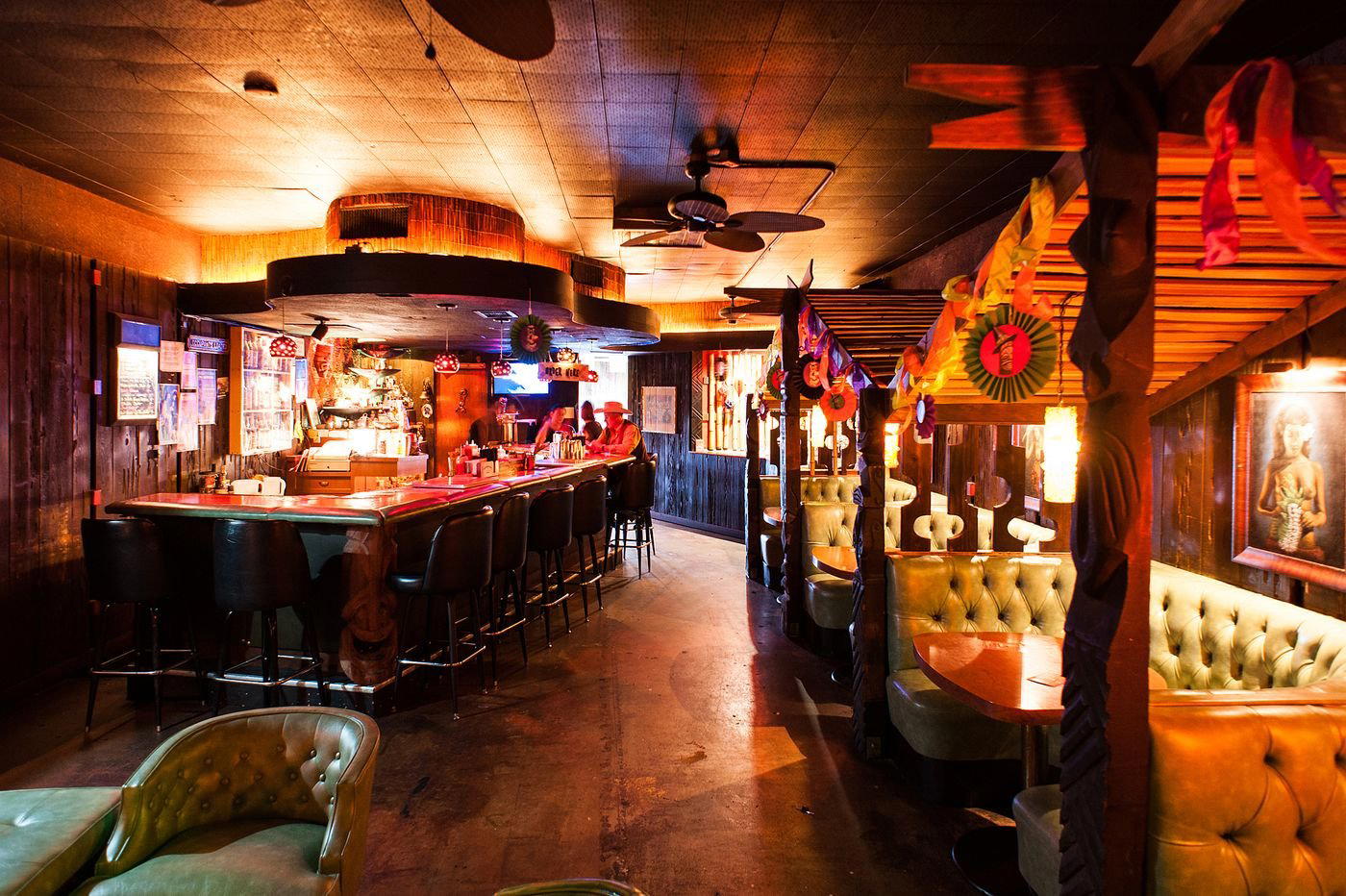
All bars in Palm Springs →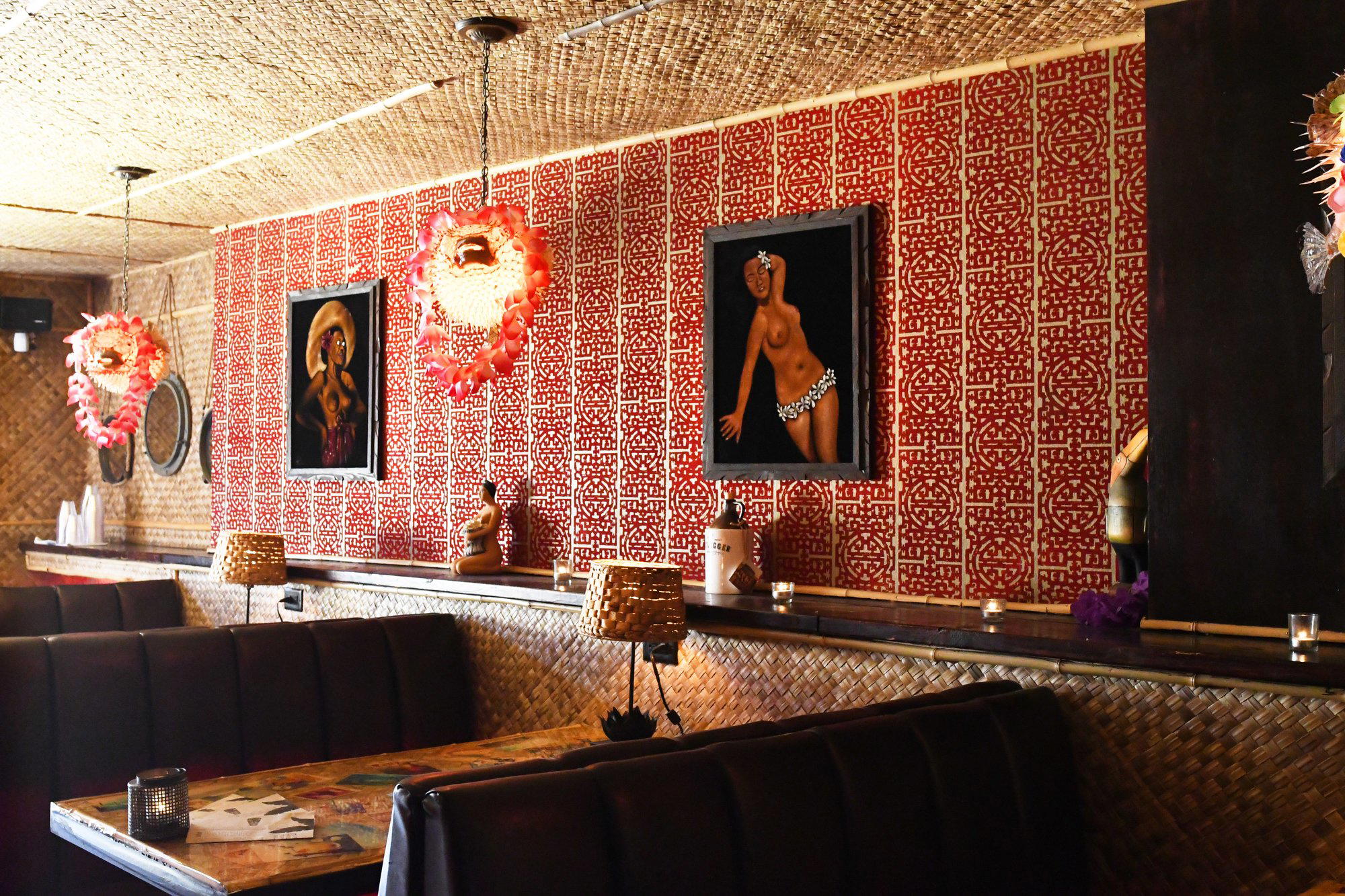
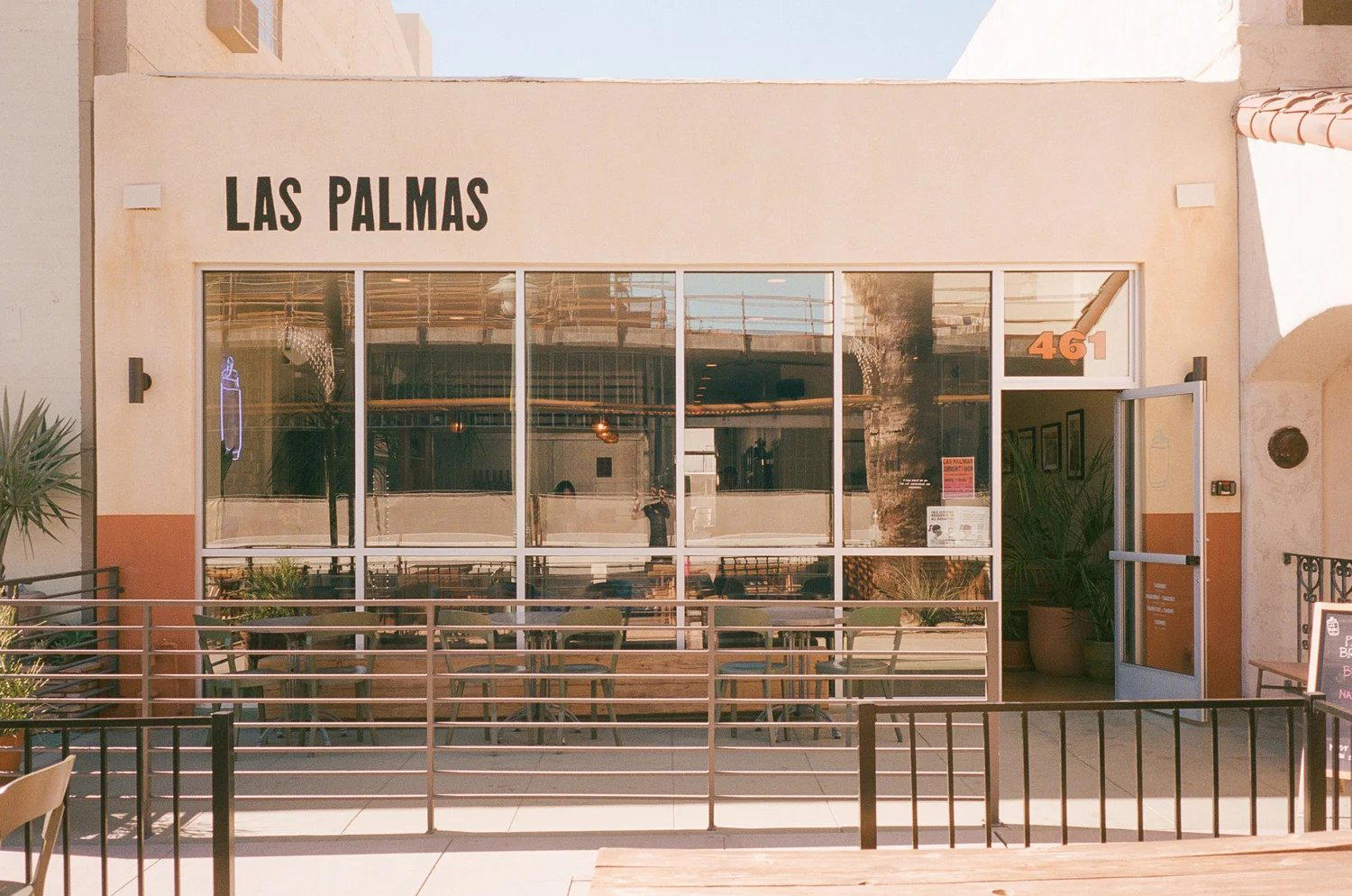
Hotels in Palm Springs
All hotels in Palm Springs →
Wineries in Palm Springs
Browse all →
Details
- Scenic
- Elegant
- Well Known
- Date Night
- Special Occasion
- Celebration
- Panoramic View
- Standalone
- Open Kitchen
- Extensive Wine List
- Local Sourcing
- Farm To Table
- Mountain
- A La Carte
- Prix Fixe
- Wine
- Vegetarian Friendly
- Gluten Free Options
- Allergy Accommodating
Current opening hours
- Monday
- 10 AM–8 PM
- Tuesday
- 10 AM–8 PM
- Wednesday
- 10 AM–8 PM
- Thursday
- 10 AM–8 PM
- Friday
- 10 AM–8 PM
- Saturday
- 8 AM–8 PM
- Sunday
- 8 AM–8 PM
Hours can change for holidays and private events. Hours as of .
Sophisticated mountain-top setting with internationally prominent views of the Coachella Valley, creating a polished and memorable dining atmosphere.