Barbacoa De Vicky
Barbacoa De Vicky operates on the working-class side of San José del Cabo's dining equation, serving the slow-cooked, pit-style barbacoa that sustains the town's Mexican residents as much as its visitors. The address on Concepción Olachea places it firmly in the local grid, away from the tourist corridor, where the cooking tradition speaks louder than any décor.
Pearl is the En Primeur Club membership app — saves, bookings, and concierge access live there. Same editors, same standards.
- Address
- Concepción Olachea s/n (e/ Eduardo Rodriguez y Miguel Bertin), 23400 San José del Cabo, Baja California Sur
- Directions
- Get directions
 Saves & bookings on Pearl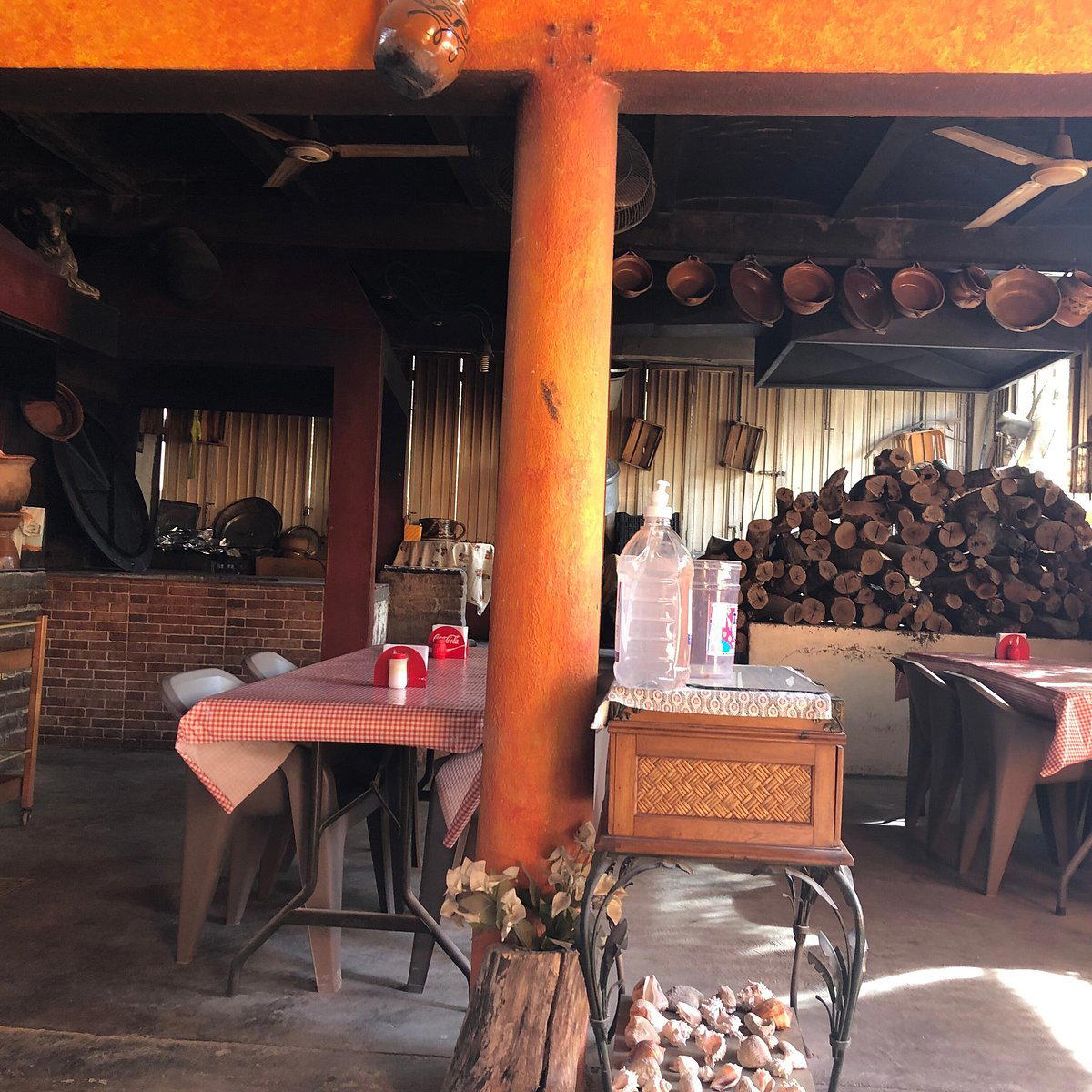
Where the Smoke Starts Before Sunrise
In Baja California Sur, the most telling indicator of a serious barbacoa operation is not what you see but what you smell, and how early. The tradition of slow-cooking meat in an underground pit or sealed vessel overnight traces directly to pre-Hispanic cooking methods that spread through central and northern Mexico before settling into regional variants across the peninsula. In San José del Cabo, that tradition lives largely outside the resort corridor, in the municipal streets where addresses like Concepción Olachea place establishments squarely within the working town rather than the tourist-facing version of it.
Barbacoa De Vicky occupies exactly that position. The address, running between Eduardo Rodríguez and Miguel Bertín in the 23400 postal zone, is a few blocks inside the civic fabric of San José: the part of town where residents buy groceries, send children to school, and eat barbacoa on weekend mornings because that is what Mexicans have eaten on weekend mornings for generations. The draw is not ambiance in any designed sense. It is the cooking itself, and the sourcing logic that underpins it.
The Ingredient Case for Pit Cooking
Barbacoa's preparation demands a specific relationship with raw material. The dish, in its Baja context, typically relies on cuts that reward long, low-heat cooking: cheeks, head meat, tongue, and shoulder from beef or lamb, wrapped in maguey leaves where available, or foil in more common modern practice, and cooked for hours until the collagen converts and the meat falls apart at the lightest pressure. The ingredient sourcing calculus here is different from that of a fine-dining kitchen. Quality is expressed through the provenance and handling of whole-animal cuts rather than through premium loins or fillets.
Baja California Sur's cattle-raising interior, stretching from the sierra down toward Los Cabos, has long supplied the peninsula's traditional restaurants with beef that travels a short distance from ranch to kitchen. That geography matters for barbacoa: cuts destined for pit cooking benefit from not being over-chilled or over-transported, since the slow cooking process amplifies any existing character in the meat. Places like Barbacoa De Vicky sit at the end of a supply chain that runs through local butchers and municipal markets rather than through the resort procurement systems that supply venues like Flora's Field Kitchen or Acre. The sourcing is local by default rather than by brand positioning, which is a meaningful distinction.
The accompaniments follow the same logic. Barbacoa is rarely eaten alone. Consommé, the broth rendered from the cooking process, arrives in a cup alongside. Handmade tortillas, likely sourced from a nearby tortillería or made in-house on a comal, serve as the vessel. Salsa, cilantro, white onion, lime: these are the standard supporting cast, each sourced at the street-market level. The entire plate represents an ingredient chain that is shorter, more traceable, and in some respects more consistent than what many resort restaurants manage despite considerably more effort. Mexico's Levadura de Olla in Oaxaca and KOLI Cocina de Origen in Monterrey have built critically recognised programs around precisely this kind of transparent, proximity-based sourcing. Barbacoa De Vicky does it without the critical apparatus, which is not a limitation so much as a description of a different tier of Mexican food culture.
San José del Cabo's Two Dining Registers
The town's restaurant scene has split decisively over the past decade. One register serves international visitors through polished formats: Arbol at the upper end of Indian cuisine, CARBÓNCABRÓN in contemporary territory, and resort-adjacent options that price against a visitor rather than a local wallet. The other register is the one that feeds the town itself: taco stands, carnicerias with comals out front, juice bars, and barbacoa spots that open early and close when the food runs out.
These two registers rarely overlap in terms of clientele, but they share a city. Understanding San José's food culture requires acknowledging both. The visitor who spends an entire trip inside the first register misses the sourcing reality that makes Baja food interesting, which is that the peninsula's culinary identity was built on beef, seafood, and staples long before tourism arrived. For a broader view of how these registers interact across the town, our full San José del Cabo restaurants guide maps both tiers across neighbourhoods. Operations like El Jaliscience also occupy the local-facing end of that spectrum and offer a useful comparison point for understanding what the civic dining culture here actually looks like.
The broader Mexican conversation about traditional cooking and its sourcing logic runs from Pujol in Mexico City to Animalón in Valle de Guadalupe and down through venues like Alcalde in Guadalajara. Those kitchens have made traditional Mexican ingredient logic legible to an international audience. Barbacoa De Vicky operates several registers below that in terms of price and visibility, but it participates in the same underlying logic: cook what is raised nearby, cook it whole, cook it slowly, serve it with what grows in the same geography.
Practical Notes for Getting There
Concepción Olachea runs through the denser residential and commercial blocks of San José's downtown, accessible on foot from the historic art district if you walk west past the tourist-facing zone. The barbacoa format in Mexico is almost universally a morning-to-midday operation: pits are loaded overnight, cooking completes before dawn, and service runs from early morning until the supply exhausts. Arriving by 9 or 10 in the morning is the standard approach for this type of operation; arriving at noon and expecting a full selection is a reasonable risk to take only if you have a backup plan. No website or phone contact is currently listed, which means walk-in is the only confirmed access method. Cash is the default assumption for street-level Mexican barbacoa unless signage indicates otherwise.
Visitors oriented toward the higher end of San José's dining range, including venues like Le Chique in Puerto Morelos or precision-focused programs like HA' in Playa del Carmen and Atomix in New York City, may find Barbacoa De Vicky a useful recalibration. The sourcing chain here is not less serious; it is just differently organised, and the cooking tradition it serves is older than almost anything on a tasting menu anywhere in the country.
A Quick Peer Check
| Venue | Cuisine | Price | Awards |
|---|---|---|---|
| Barbacoa De VickyThis venue — the venue you are viewing | This venue | Not listed | Not listed |
| Flora's Field Kitchen | Contemporary | $$ | Contemporary, $$ |
| Acre | Mexican | $$$ | Mexican, $$$ |
| Arbol | Indian | $$$$ | Indian, $$$$ |
| Nao | Mediterranean Cuisine | $$$$ | Mediterranean Cuisine, $$$$ |
| Omakai | Japanese | $$$$ | Japanese, $$$$ |
Continue exploring
More in San José del Cabo
Restaurants in San José del Cabo
Browse all →
Bars in San José del Cabo
Browse all →




At a Glance
- Rustic
- Casual Hangout
- Standalone
Casual, authentic local spot with homestyle service from the owner.
Know Before You Go
- Getting there
- Concepción Olachea s/n (e/ Eduardo Rodriguez y Miguel Bertin), 23400 San José del Cabo, Baja California Sur