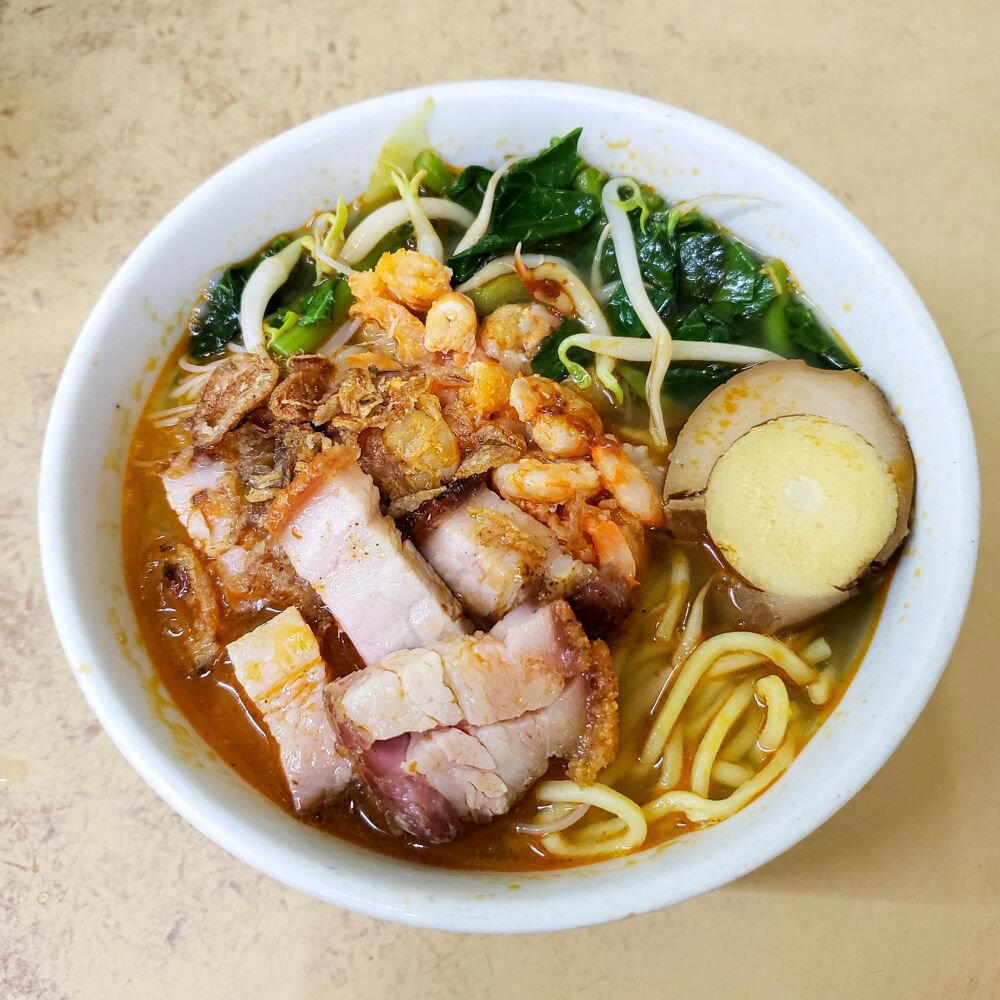
Loh Kei Duck Meat Koay Teow Th'ng (羅記鴨肉粿條湯)
On Jalan Perak in Georgetown's dense hawker grid, Loh Kei has been serving duck meat koay teow th'ng long enough that the bowl itself has become a reference point for the dish in Penang. The broth-based koay teow format sits within a tradition that prizes clarity and restraint over complexity, and this stall represents the older, plainer end of that spectrum, no theatrical garnish, no menu sprawl.
Pearl is the En Primeur Club membership app — saves, bookings, and concierge access live there. Same editors, same standards.
- Address
- 13 Jalan Perak, 10400 Georgetown, Pulau Pinang
- Directions
- Get directions
 Saves & bookings on Pearl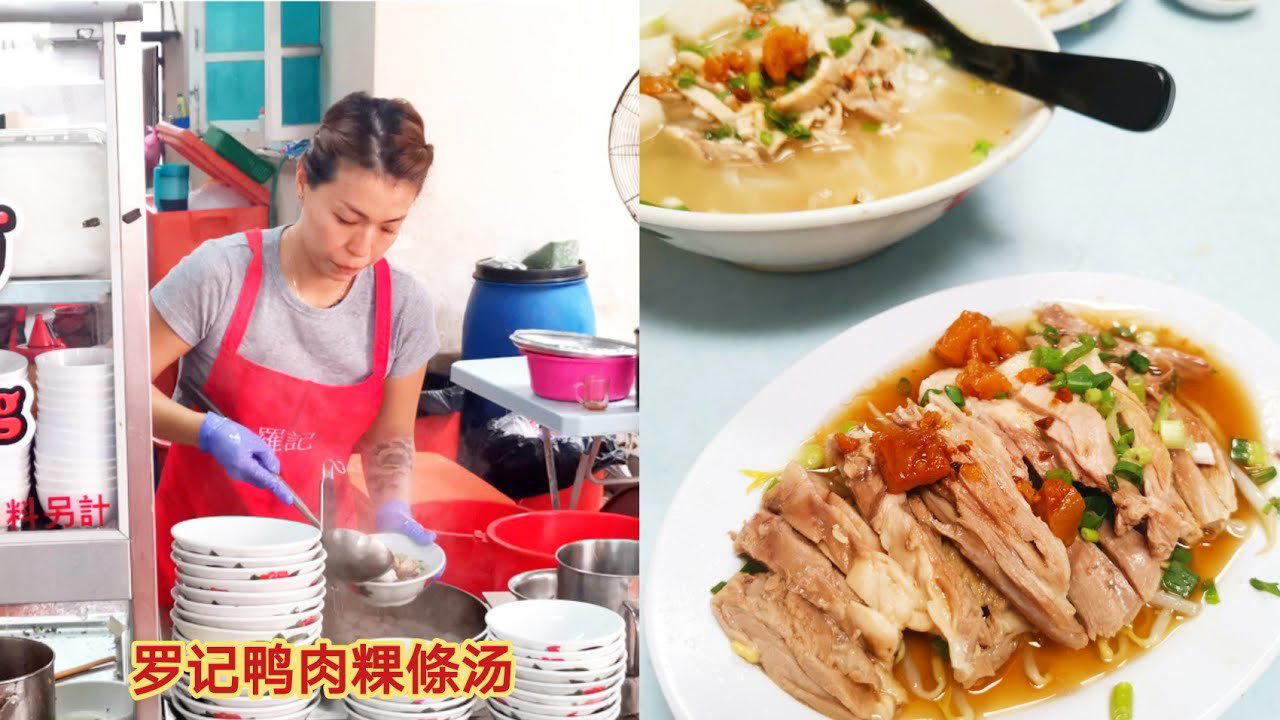
Jalan Perak and the Logic of the Hawker Address
Georgetown's food geography operates on a principle that confuses visitors arriving from cities where address prestige tracks restaurant quality. Jalan Perak, running through the older residential and commercial zones of Georgetown, holds a cluster of hawker operations that predate most of the city's current dining conversation. Loh Kei Duck Meat Koay Teow Th'ng sits at number 13 on that street, inside a format, a single-dish or narrow-menu hawker stall, that has defined Penang's street food identity for generations.
The neighbourhood context matters because koay teow th'ng, the flat rice noodle soup that anchors this stall's identity, is a dish with strong geographic loyalty in Penang. Unlike char koay teow, which has achieved international recognition and spawned countless interpretations, the th'ng (soup) version remains largely local. It is consumed in the morning and at lunch, and the duck variant occupies a smaller subset within that tradition. Finding a stall that has sustained focus on this one preparation, duck broth, flat rice noodles, duck meat as the primary protein, signals a deliberate focus.
What the Dish Represents in the Penang Soup Tradition
Penang's hawker food splits, roughly, between dry preparations cooked at high heat and soup-based dishes that require long, low-temperature work. The char koay teow operations, for instance, depend on wok hei and execution speed. The th'ng tradition runs in the opposite direction: the quality of the bowl is determined hours before service, in the broth-making process, and the cook's role during service is largely assembly and finishing. This places koay teow th'ng firmly in the category of dishes where the hawker's preparation discipline, how the stock is built, how the duck is handled before service, sets the ceiling more than any in-service technique.
Duck broth, compared to the pork-based soups common elsewhere in Penang's hawker grid, carries a more pronounced mineral depth and a slight gaminess that requires careful management. Operations that handle this well tend to run tighter menus and shorter hours, because the stock is finite and its quality degrades through the service period. Stalls like Loh Kei, focused on a specific protein and preparation, sit in a peer group with operations such as Air Itam Asam Laksa, Chong Char Koay Teow, and 888 Hokkien Mee in Penang, where single-dish focus is a deliberate production choice rather than a limitation.
Georgetown's broader hawker scene has attracted significant critical attention over the past decade, with the city's food culture earning recognition that has brought both increased tourism and, inevitably, some pressure toward presentational polish and longer menus. Auntie Gaik Lean's Old School Eatery in George Town sits in a similar position: a reference point for a traditional preparation that operates on its own terms rather than against current trend signals.
Placing Loh Kei in Georgetown's Wider Dining Register
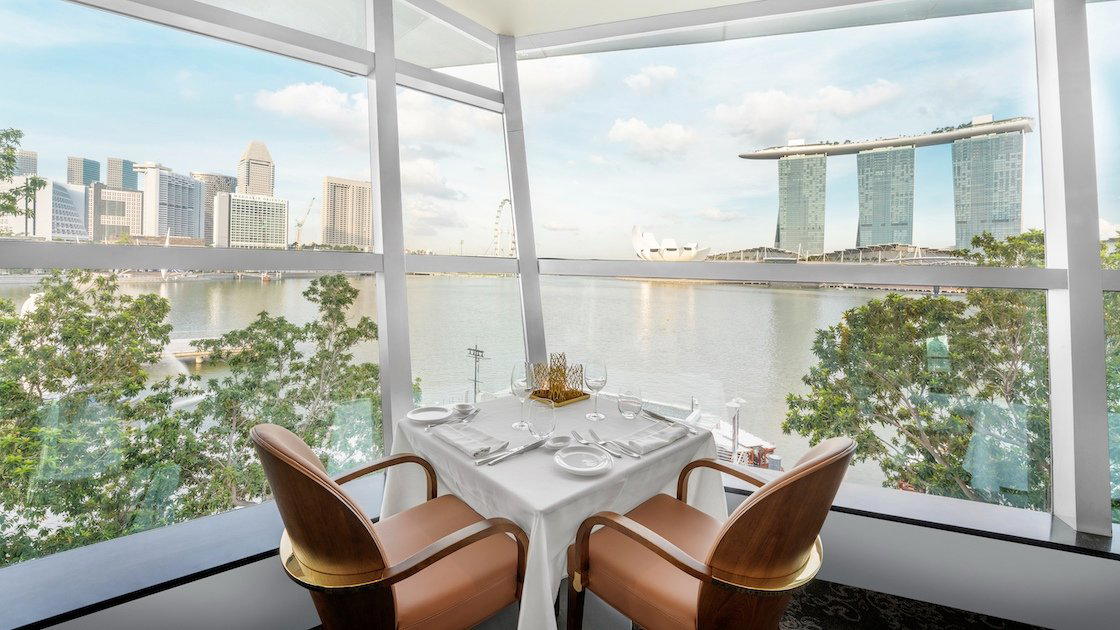
Georgetown's restaurant range now spans from hawker stalls operating in the tradition Loh Kei represents, through mid-tier establishments, to formal dining rooms with international credentials. Blue by Eric Ripert anchors the fine-dining end of the spectrum with French technique and a Michelin-starred chef's name attached, while operations like CRC Restaurant cover the formal Chinese banquet tier. Aagman, Fireside Grill n Chill, and Five Islands Lobster Co fill out a mid-range that has expanded considerably as Georgetown's tourism profile has grown.
Loh Kei operates in none of those tiers. Its comparable set is the hawker stall, where pricing stays in the range common to street food in Penang's older districts, capacity is dictated by plastic chairs and folding tables rather than designed seating plans, and the experience is shaped by the neighbourhood it sits within rather than any hospitality programming. Dewakan in Kuala Lumpur represents the formal, modern Malaysian end, a useful comparison point for understanding how far apart the two ends of the country's dining spectrum sit.
Within the hawker tier itself, Georgetown's Jalan Perak address places Loh Kei away from the more tourist-trafficked zones around Armenian Street and Lebuh Chulia. This is not a stall that relies on passing foot traffic from the heritage zone. Its clientele is more likely to be drawn by the dish's reputation within local networks than by proximity to Georgetown's more photographed streets, a distinction that usually carries implications for consistency and pricing pressure.
Planning a Visit
Koay teow th'ng operations in Penang almost universally run breakfast and lunch hours, with service ending when stock runs out rather than at a fixed closing time. Arriving before midday is the practical approach at stalls of this type; arriving after one in the afternoon carries a real risk of the kitchen being closed or the broth being exhausted. The address at 13 Jalan Perak, Georgetown 10400, Pulau Pinang, puts the stall within reach of the city's older commercial districts. Expect the transaction to be efficient rather than leisurely, ordering, eating, and paying follows the rhythm of a working hawker stall rather than a dining room.
Jia Yi Dao Vegetarian Restaurant in Taiping and Da De Bah Kut Teh in Borneo, both of which demonstrate how Malaysia's hawker and specialist eating-house tradition sustains itself through format consistency rather than menu expansion. For those moving between Penang and the Klang Valley, DIN by Din Tai Fung in Sepang and Haidilao Hot Pot in Perai offer a sharp contrast in format scale and production approach.
The Minimal Set
Comparable venues nearby, for context on price, style, and recognition.
| Venue | Cuisine | Price | Notes |
|---|---|---|---|
| Loh Kei Duck Meat Koay Teow Th'ng (羅記鴨肉粿條湯)This venue — the venue you are viewing | Georgetown, Duck Meat Koay Teow Th'ng | $ | Not listed |
| CRC Restaurant (CRC Restaurant (美麗華魚翅海鮮酒家)) | George Town, Cantonese Seafood | $$ | Not listed |
| Ka Bee Cafe 佳味餐室 | George Town, Chinese Seafood Noodles | $$ | Not listed |
| Flower Mulan | George Town, Nyonya Peranakan | $$ | Not listed |
| Air Itam Duck Rice | Air Itam, Traditional Braised Duck Rice | $ | Not listed |
| Pitt Street Koay Teow Soup | Not listed | $ | George Town, Traditional Penang Koay Teow Thng (Eel Fish Ball Noodle Soup) |
Continue exploring
More in George Town
Restaurants in George Town
Browse all →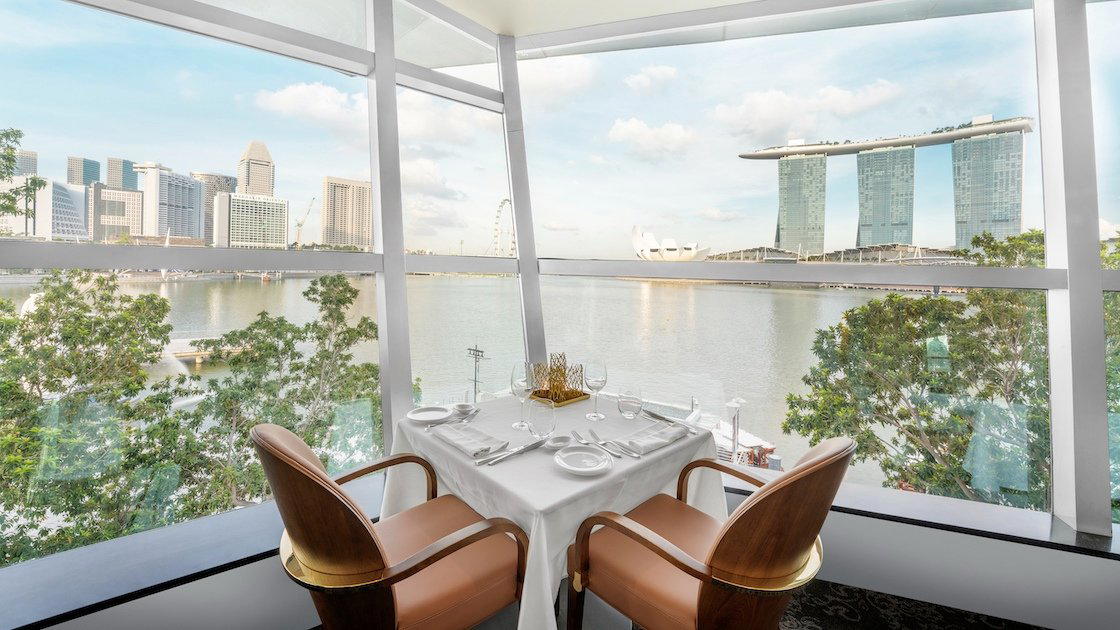
Bars in George Town
Browse all →
At a Glance
- Lively
- Casual Hangout
- Standalone
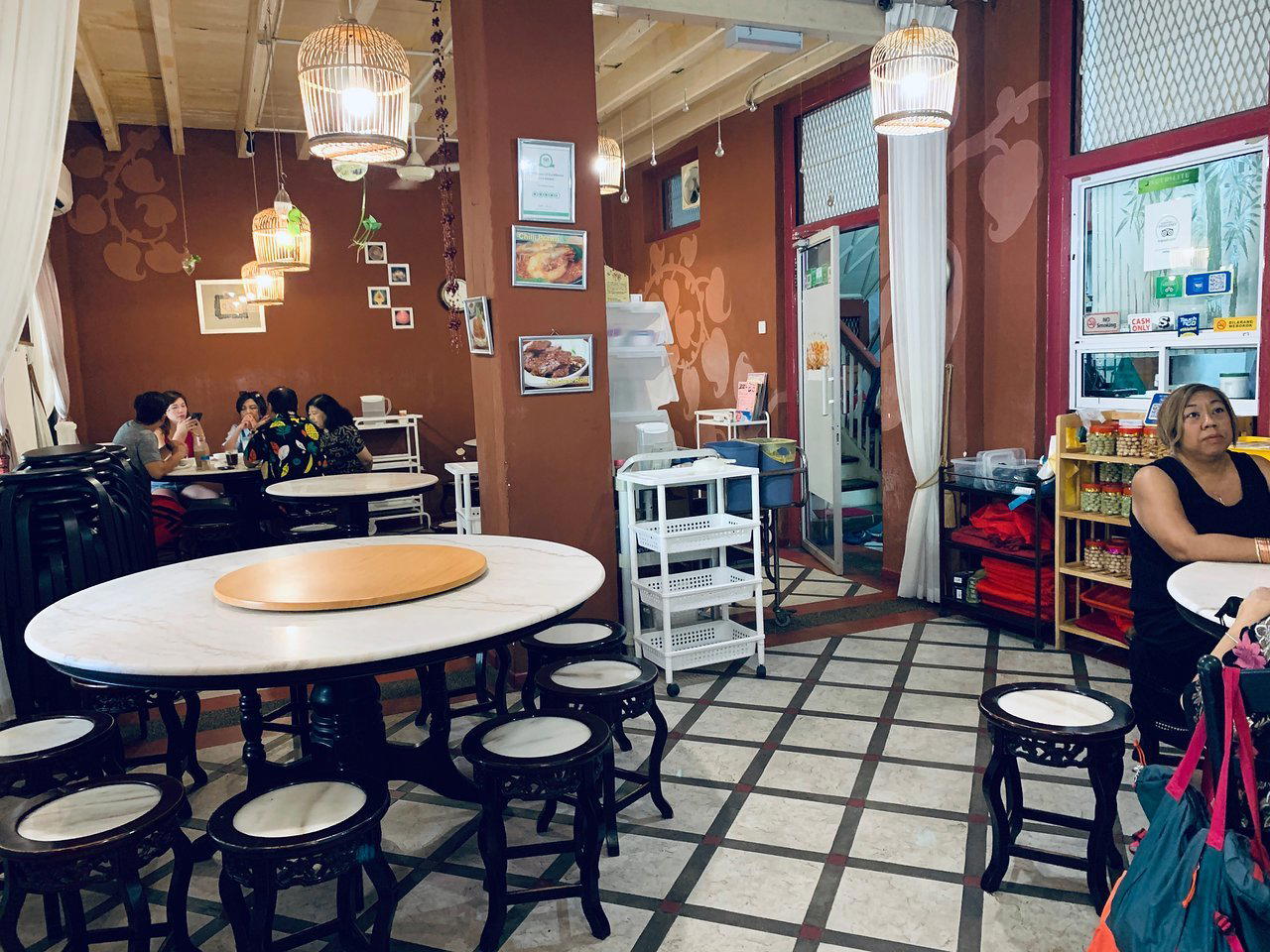
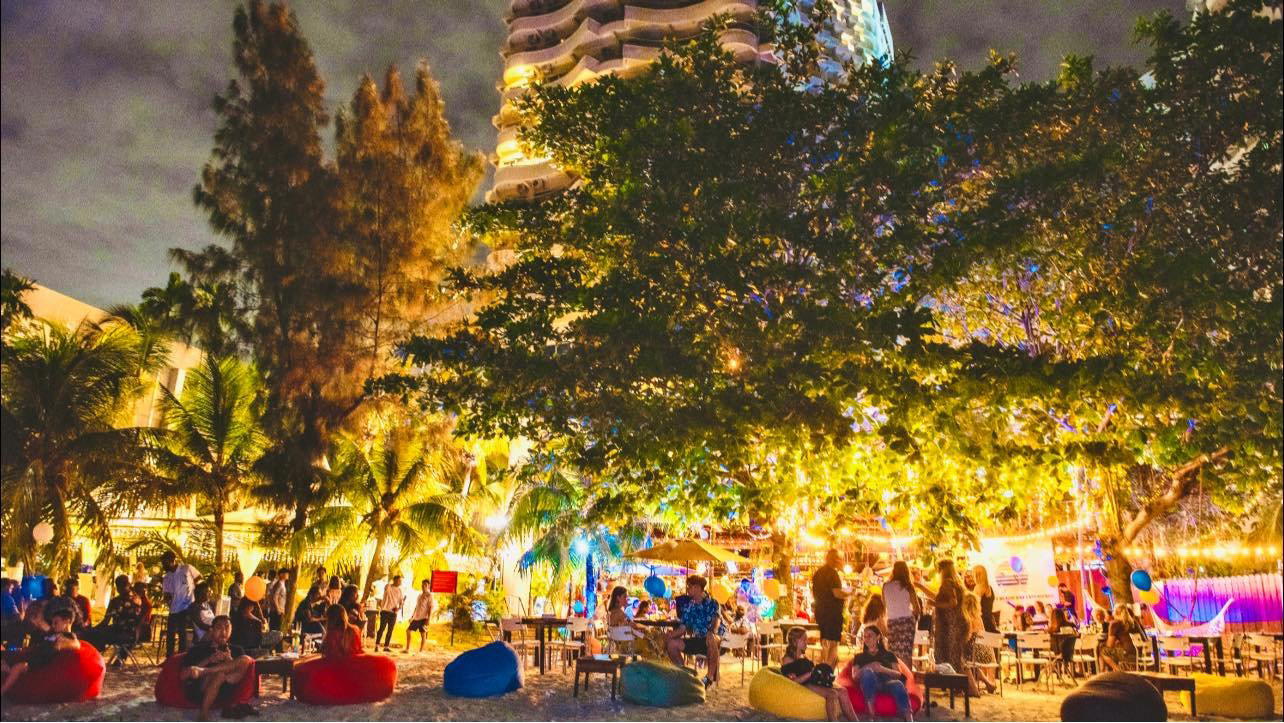
Busy hawker atmosphere with communal seating and lively morning crowds.