
In the heart of the Po Valley town of Soragna, Locanda Stella d'Oro holds a Michelin Plate (2025) for Emilian cooking that stays close to regional tradition without museum-piece stiffness. The kitchen draws on the larder that defines this corner of Parma province, cured meats, aged cheeses, hand-rolled pasta, and delivers it in a room that retains the tempo and feel of a genuine trattoria. Priced at €€, it sits well below the region's tasting-menu circuit.
Pearl is the En Primeur Club membership app — saves, bookings, and concierge access live there. Same editors, same standards.
- Address
- Via Giuseppe Mazzini, 8, 43019 Soragna PR, Italy
- Phone
- +39 335 701 8777
- Website
- ristorantestelladoro.it
- Directions
- Get directions
 Saves & bookings on Pearl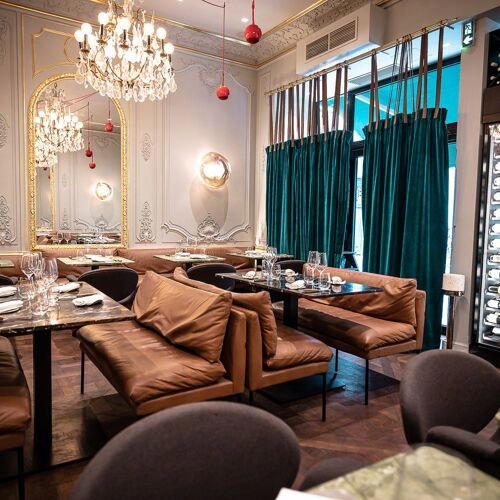
Where the Po Valley Larder Arrives Unmediated
Soragna sits in the flat agricultural heartland between Parma and the Po river, a range of fog in winter and dense summer heat where the food culture is not a brand exercise but a daily practice. The town is small enough that its restaurants serve the people who live here as much as those passing through, and that fact shapes everything about the cooking at Locanda Stella d'Oro. The address on Via Giuseppe Mazzini places it within walking distance of the Rocca di Soragna, in a setting that reads as provincial Italy in substantive sense: unhurried, grounded in routine, and indifferent to trends arriving from Milan or Rome.
Trattorie of this type are less common than the tourist infrastructure of Emilia-Romagna might suggest. The region's food identity has been heavily commercialised at the higher end, with Modena in particular generating a tier of destination restaurants, Osteria Francescana in Modena being the obvious reference point, where the cuisine is treated as a platform for creative reinterpretation. At the opposite end, fast-casual formats have absorbed much of the casual market. What persists in smaller towns like Soragna is a middle register: the family-run room with a short menu, a wine list anchored to local producers, and a kitchen that measures quality by fidelity to ingredient rather than by technical display.
An Emilian Kitchen and Its Source Material
The Michelin Plate awarded to Locanda Stella d'Oro in 2025 comes with language that is itself instructive: "the original flavour and magic of a trattoria can still be found in this establishment. The cuisine is traditional with a personal touch." That framing matters. Michelin Plate recognition in Italy frequently goes to places where the cooking is sound and place-specific rather than ambitious in a tasting-menu sense. It signals that the kitchen is doing something honest with good ingredients, not that it is pushing at category boundaries.
In Parma province, honest cooking means engaging directly with among the more ingredient-rich regions in Europe. Parmigiano-Reggiano is produced within a tightly defined DOP zone that includes this part of the Po Valley; the consortium requires a minimum 12-month ageing period, with the leading examples exceeding 36 months. Prosciutto di Parma, also DOP-protected, comes from pigs raised on a specific diet and aged in the hill air east of Parma city. Culatello di Zibello, the prized cured meat in the region, is produced in a narrow strip of the Po flood plain of which Soragna forms part. These are not generic Italian ingredients: they carry geographical specificity enforced by certification, and a kitchen in this zone has access to them at a proximity and freshness that restaurants in other cities simply cannot replicate.
For comparison, consider how the ingredient sourcing conversation plays out at the upper tier of Italian fine dining. Dal Pescatore in Runate and Le Calandre in Rubano both build their menus around rigorous sourcing, but within multi-course formats that demand substantial spend and advance planning. Atelier Moessmer Norbert Niederkofler in Brunico has made hyper-local Alpine sourcing its explicit intellectual framework. Locanda Stella d'Oro operates at a fraction of that price point, the €€ range puts it in a bracket where a full meal with wine sits comfortably below what a single tasting menu costs at any of those addresses, but the geographic advantage in terms of raw ingredient access is real and not hypothetical.
The "personal touch" in the Michelin assessment suggests that the kitchen is not simply executing canonical recipes by rote. Emilian cooking has a codified grammar: tortelli with ricotta and herbs, anolini in broth, tagliatelle al ragù, bollito misto, salumi plates that open a meal. A kitchen that uses this grammar while adding its own inflection is doing something more interesting than replication, even if it never declares an ideology about it.
The Trattoria as a Contested Form
Across northern Italy, the genuine trattoria is under pressure from two directions. On one side, the fine-dining circuit has absorbed the language of tradition and re-presented it with contemporary technique and pricing to match, producing a tier represented here by restaurants like Enrico Bartolini in Milan, Piazza Duomo in Alba, or Reale in Castel di Sangro. On the other, casual dining has flattened the mid-market with formats that prioritise throughput over attention. The trattoria that survives with its identity intact, fixed rhythms, local sourcing, a menu that changes with season and supply rather than with marketing cycles, is increasingly rare.
The closely related Emilian trattoria tradition has produced places that serve as regional reference points. Arnaldo - Clinica Gastronomica in Rubiera and Osteria del Viandante in Rubiera both operate within the same broad culinary tradition and offer useful comparisons for understanding where Locanda Stella d'Oro sits in the regional picture. Each represents a different inflection of Emilian cooking at a mid-market price point. What distinguishes Soragna's placement is the town's specific position within the Culatello di Zibello production zone, which gives the local food culture a particular density of specialised producers.
Planning Your Visit
The restaurant is at Via Giuseppe Mazzini 8 in Soragna, in the Parma province of Emilia-Romagna. At the €€ price range, it fits comfortably into a day trip from Parma city, which lies roughly 30 kilometres to the east, or as part of a longer circuit through the food towns of the Po Valley. Soragna itself warrants more than a meal stop: the Rocca and the surrounding flat agricultural territory have their own texture. Reservations are advisable, particularly at weekends, when the room's trattoria format draws local families alongside visitors. For a fuller picture of what the town offers beyond this single address, consult our full Soragna restaurants guide, and for accommodation, our full Soragna hotels guide. Those wanting to map the area's wider food and drink scene can also find specifics in our Soragna bars guide, our Soragna wineries guide, and our Soragna experiences guide.
For those building a broader itinerary around the upper register of Italian regional cooking, Enoteca Pinchiorri in Florence, Uliassi in Senigallia, and Quattro Passi in Marina del Cantone represent the formal end of the spectrum. Casa Perbellini 12 Apostoli in Verona offers another point of comparison for how northern Italian culinary tradition gets handled at a higher price point. The restaurant occupies a different register entirely, and is more instructive as a document of place than as a showcase of technique.
At-a-Glance Comparison
Comparable venues nearby, for context on price, style, and recognition.
| Venue | Cuisine | Price | Awards | Notes |
|---|---|---|---|---|
| Locanda Stella d'OroThis venue — the venue you are viewing | Traditional Emilian Trattoria | $$$ | Michelin Plate | Not listed |
| A Mangiare | Traditional Emilian with Creative Touches | $$$ | Michelin Plate | historic centre |
| L'Ambasciata | Traditional Italian Fine Dining | $$$ | Michelin Plate | Quistello |
| Osteria della Corte | Modern Italian Trattoria | $$$ | Michelin Plate | La Spezia |
| Antica Osteria La Rampina | Modern Lombardian Osteria | $$$ | Michelin Plate | San Giuliano Milanese |
| Trattoria del Nuovo Macello | Contemporary Milanese Trattoria | $$$ | Michelin Plate | Ortomercato |
Recognition history
Dated appearances from independent guides and award organizations, with the underlying list record or original source where available.
Michelin Plate
Michelin
Michelin Plate
Michelin
Michelin Plate
Michelin
Continue exploring
More in Soragna
Restaurants in Soragna
Browse all →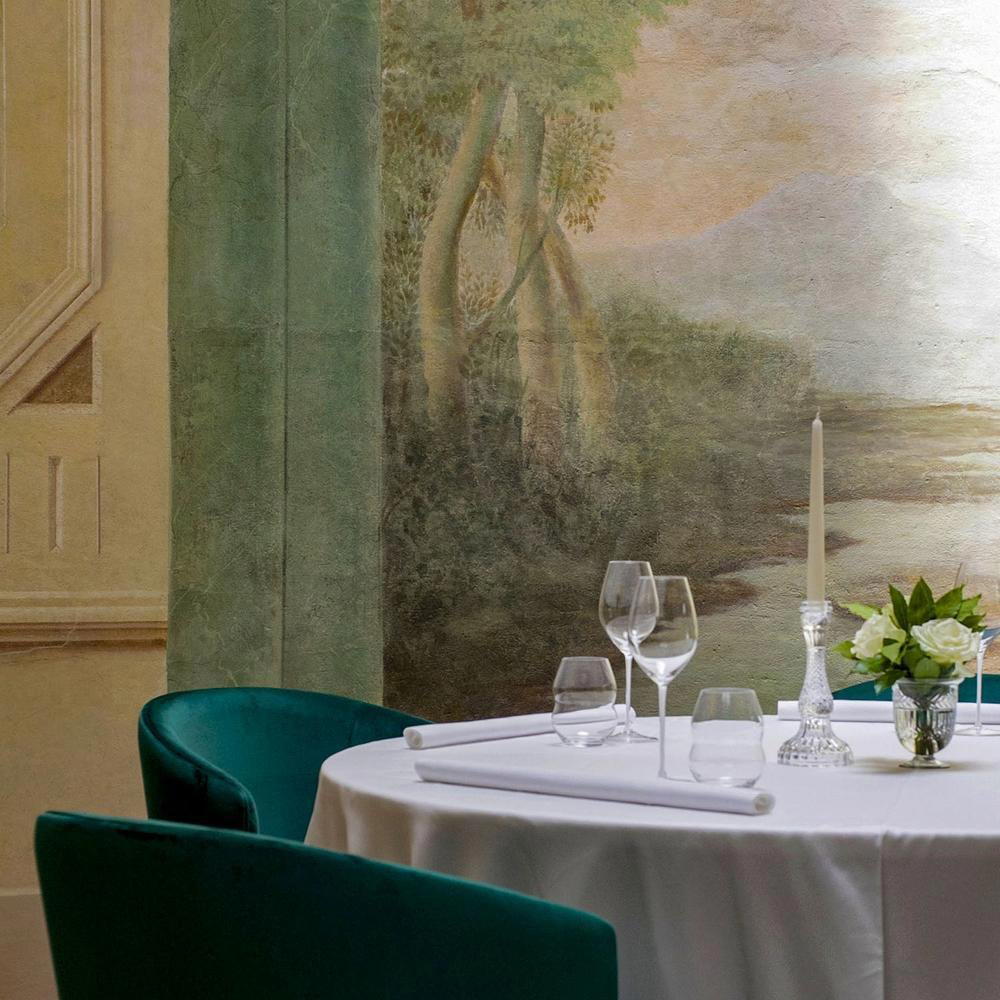
Hotels in Soragna
Browse all →
Wineries in Soragna
Browse all →
At a Glance
- Classic
- Rustic
- Elegant
- Cozy
- Intimate
- Date Night
- Special Occasion
- Family
- Historic Building
- Extensive Wine List
Current opening hours
- Monday
- 12:30–2:30 PM, 7:30 PM–12 AM
- Tuesday
- 12:30–2:30 PM, 7:30 PM–12 AM
- Wednesday
- 12:30–2:30 PM, 7:30 PM–12 AM
- Thursday
- 12:30–2:30 PM, 7:30 PM–12 AM
- Friday
- 12:30–2:30 PM, 7:30 PM–12 AM
- Saturday
- 12:30–2:30 PM, 7:30 PM–12 AM
- Sunday
- 12:30–2:30 PM, 7:30 PM–12 AM
Hours can change for holidays and private events. Last verified .
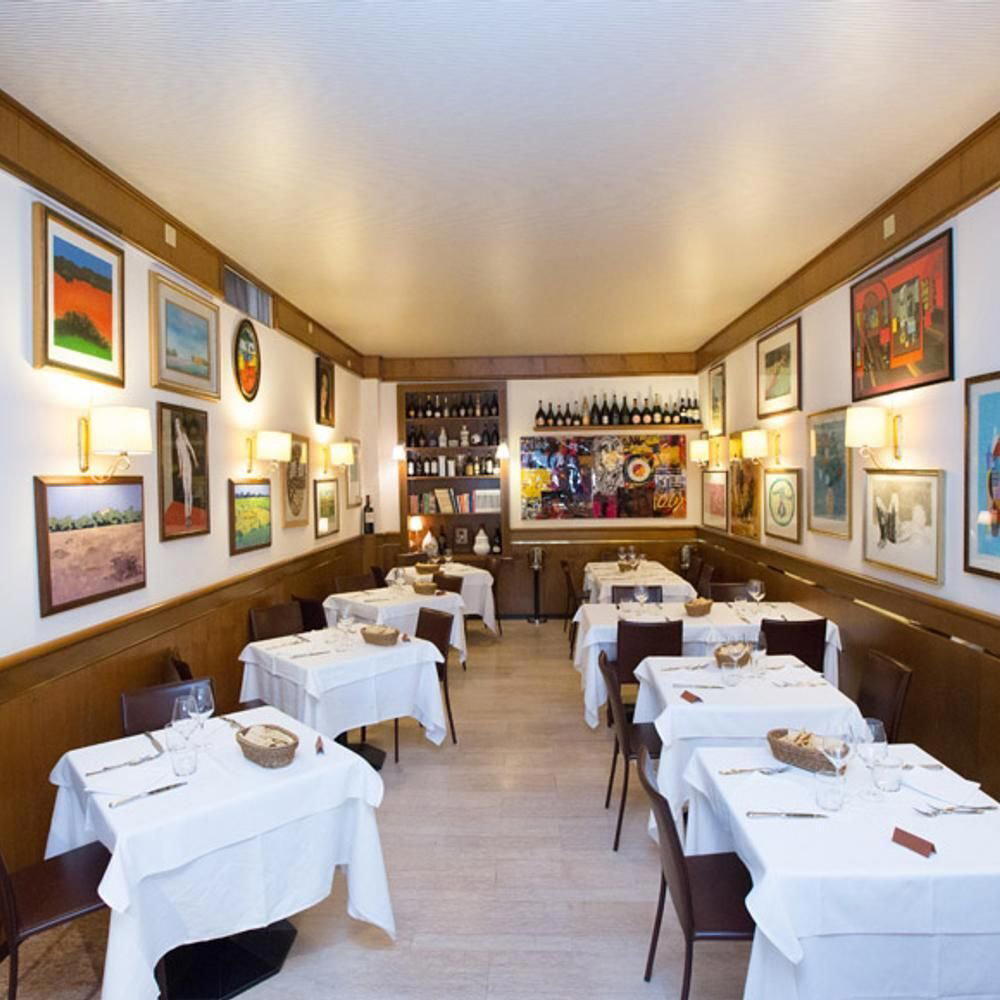
Elegant, cozy, and warm atmosphere with special decor creating a romantic and traditional trattoria feel, praised for its welcoming historic charm.