On Rue d'Alembert in central Grenoble, Locafé occupies a position in the city's growing café-restaurant scene that sits between neighbourhood anchor and deliberate design statement. Compared to the formal registers of places like Le Fantin Latour, it operates at a more accessible register while maintaining a considered approach to space and hospitality that sets it apart from generic brasserie formats.
Pearl is the En Primeur Club membership app — saves, bookings, and concierge access live there. Same editors, same standards.
- Address
- 31 Rue d'Alembert, 38000 Grenoble, France
- Phone
- +33456452222
- Website
- locafegrenoble.com
- Directions
- Get directions
 Saves & bookings on Pearl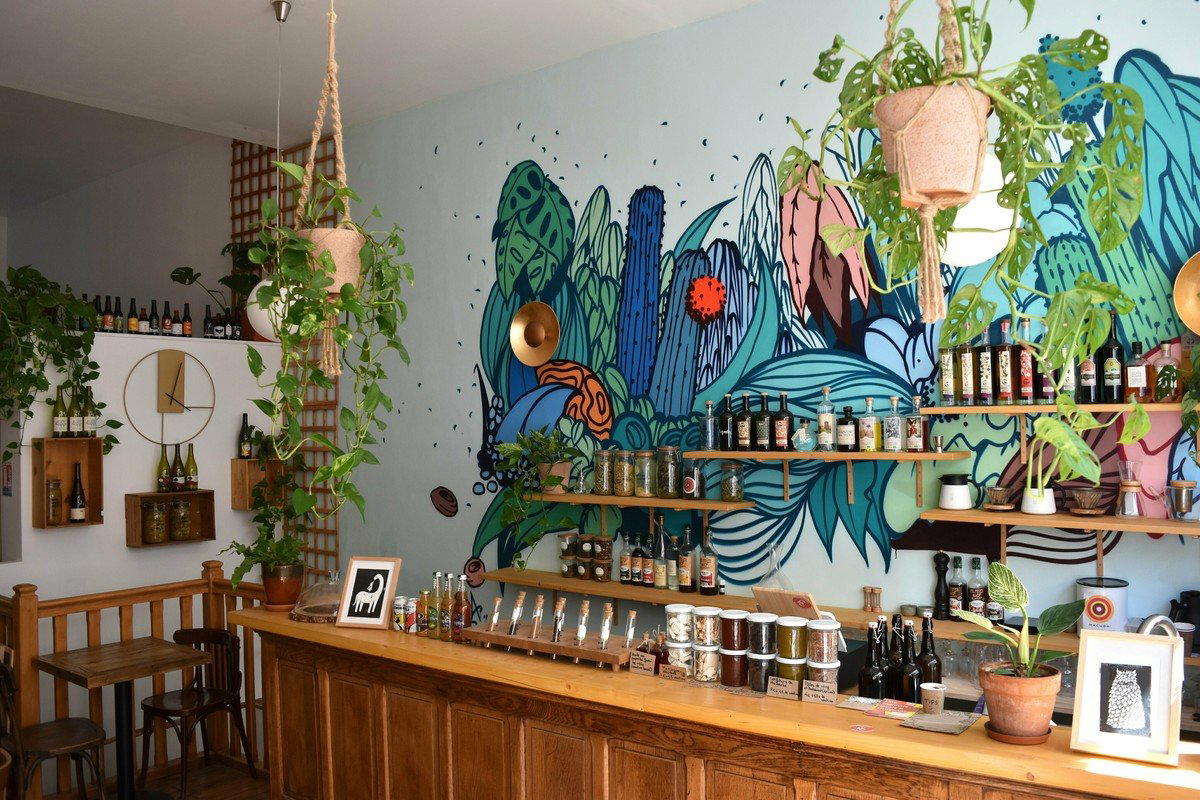
A Street-Level Reading of Grenoble's Café Culture
Rue d'Alembert runs through one of Grenoble's more animated central quarters, where the gap between a working café and a thoughtfully designed dining room has narrowed considerably over the past decade. Across French provincial cities of similar scale, the café-restaurant format has split into two recognisable camps: the unreconstructed brasserie, running on habit and volume, and the consciously assembled space that treats the physical environment as part of the proposition. Locafé, at number 31, is a restaurant serving seasonal vegan European cuisine, priced at about $25 per person, and belongs to the second group.
Grenoble's dining scene is worth placing in broader context before zooming in. The city sits at the intersection of Alpine and Rhône Valley food cultures, close enough to Savoyard mountain cooking to absorb its dairy-led richness, and close enough to Lyon's canonical bistro tradition to feel its gravitational pull. Against that backdrop, venues that don't anchor themselves to either tradition tend to define themselves through format and atmosphere rather than through a single regional cuisine identity. That is the kind of territory Locafé occupies on its street.
The Physical Container
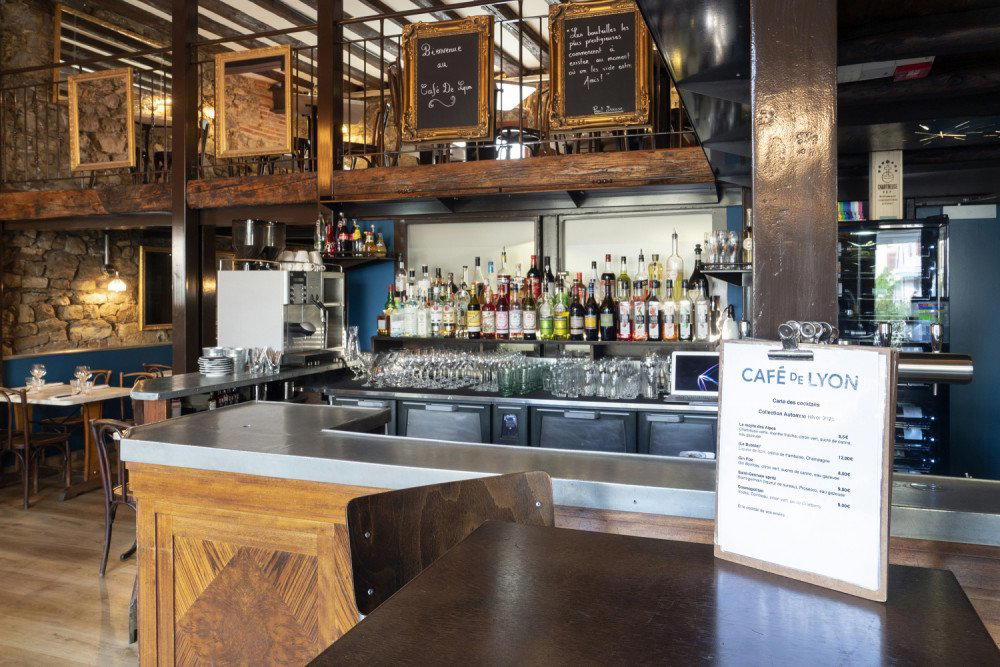
The design register of a café in this part of Grenoble carries expectations shaped by the neighbourhood's architectural character: mid-century apartment blocks giving way to commercial ground floors that range from anonymous to carefully considered. What distinguishes the better spaces along streets like Rue d'Alembert is how they mediate between the scale of the room and the intimacy expected of a café format. Seating arrangements in venues of this type tend to reward attention: the distance between tables, the quality of light sources, the proportion of the counter to the dining area all signal whether the space was assembled or designed.
Locafé's address places it within walking distance of Grenoble's central commercial core, which means it draws from a mixed clientele, office workers at lunch, residents in the evening, visitors who have crossed paths with it on foot. That kind of location puts pressure on a room to work across different parts of the day and across different social registers, a test that purely atmospheric or occasion-driven spaces often fail. The café format's flexibility is its advantage here: it can absorb a solo reader at a corner table and a group at a central one without either feeling out of place.
For practical planning, Locafé sits on Rue d'Alembert in central Grenoble, reachable on foot from the main tram network. Visiting during off-peak hours, mid-morning or mid-afternoon on weekdays, is the lower-risk approach if you want a specific table or a quieter experience.
Where Locafé Sits in Grenoble's Tier Structure
Grenoble's restaurant market spans from destination-level fine dining down to neighbourhood cafés operating on tight margins and high turnover. At the upper end, Le Fantin Latour operates at the €€€€ tier with a creative menu that positions it in competition with regional fine dining rather than local bistros. Further along the spectrum, Brasserie Chavant holds down the traditional end at the €€ level, as does Camillo. Au Clair de Lune and Et Si represent the more contemporary, mid-range format that has expanded steadily in French provincial cities since the mid-2010s.
Locafé's positioning within this structure is best understood through format rather than price point alone. The café-restaurant hybrid occupies a different competitive set from either the tasting-menu format or the pure brasserie, it is answering a different question for the diner, one about rhythm and ease as much as about culinary ambition. That is not a lesser proposition; it is a different one, and in a city like Grenoble where the working population is substantial and the academic community significant, the demand for well-executed everyday spaces is real and consistent.
The French Provincial Café in a Wider Register
To calibrate what a well-run café-restaurant represents at the level of French dining culture, it helps to trace the tradition that surrounds it. The grandes tables of France, institutions like Paul Bocuse's Auberge du Pont de Collonges, Auberge de l'Ill in Alsace, or Troisgros in Ouches, define one pole of the French dining experience. Regional destination restaurants like Flocons de Sel in Megève, less than two hours from Grenoble, represent the Alpine high-end tier. Then there is the broad middle: the daily infrastructure of French eating, where the café and the bistro do the work that the starred restaurants cannot, feeding people across the week rather than marking occasions.
That middle tier has been under pressure across French cities as rents rise and the economics of the €12 lunch tighten. Venues that have survived and held their neighbourhood role tend to have done so through one of two routes: doubling down on volume and speed, or investing in the quality of the space and the hospitality register to command a slightly higher price point without abandoning accessibility. The second route is the more interesting one, and it is the route that venues on streets like Rue d'Alembert are increasingly taking.
For reference, the transformation happening in French mid-range dining has parallels in cities far beyond France: the kind of format discipline that distinguishes Atomix in New York at the high end, or the attention to room-quality that marks out AM par Alexandre Mazzia in Marseille at the creative tier, filters down into how even accessible-format spaces think about their physical container. The lesson travels across price brackets.
Planning Your Visit
Locafé is located at 31 Rue d'Alembert, 38000 Grenoble. Reservations are essential. For travellers building a broader Grenoble itinerary, the address sits at 31 Rue d'Alembert in central Grenoble. Le Fantin Latour operates at a different price tier, while Brasserie Chavant covers the traditional register for those who want range across a multi-day stay.
Just the Basics
Comparable venues nearby, for context on price, style, and recognition.
| Venue | Cuisine | Price | Notes |
|---|---|---|---|
| LocaféThis venue — the venue you are viewing | Saint-Bruno, Seasonal Vegan European | $$ | Not listed |
| Restaurant Tchoutchoura | Gabriel Péri, Balkan & Mediterranean | $$ | Not listed |
| LULU | Centre-ville, Bistronomie | $$ | Not listed |
| Le Zinc | Hyper-centre, French Natural Wine Bar | $$ | Not listed |
| Le Goût des Autres | Not listed | $$$ | Centre-ville, French Bistronomique with Notable Wines |
| L'Aiguillage | Berriat, Healthy Seasonal French | $$ | Not listed |
Continue exploring
More in Grenoble
Restaurants in Grenoble
Browse all →
Bars in Grenoble
Browse all →
Hotels in Grenoble
Browse all →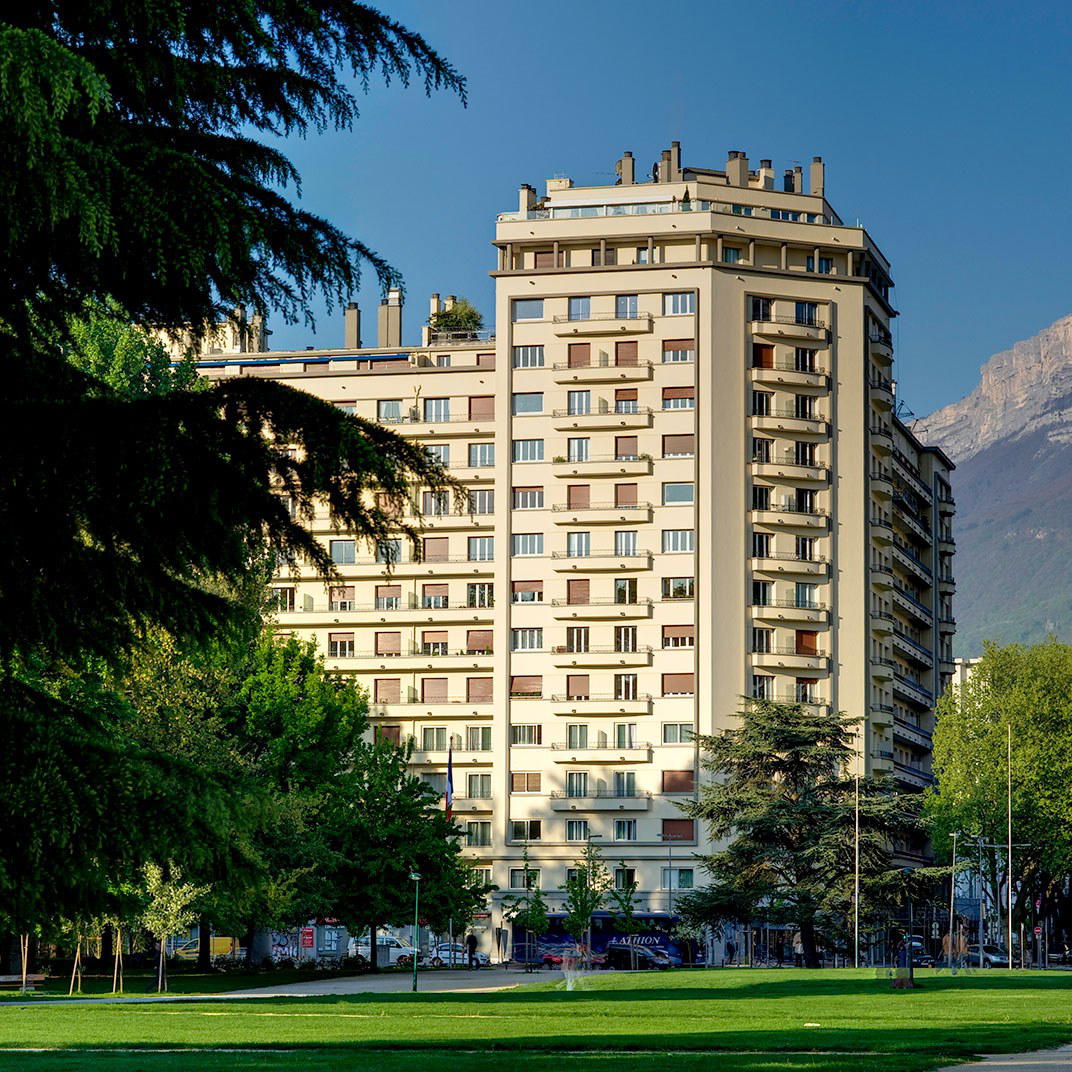

At a Glance
- Cozy
- Relaxed
- Modern
- Casual Hangout
- Date Night
- Open Kitchen
- Natural Wine
- Beer Program
- Local Sourcing
- Organic
Current opening hours
- Monday
- 12–11:15 PM
- Tuesday
- 10 AM–11:15 PM
- Wednesday
- 10 AM–11:15 PM
- Thursday
- 10 AM–11:15 PM
- Friday
- 10 AM–11:15 PM
- Saturday
- Closed
- Sunday
- Closed
Hours can change for holidays and private events. Last verified .
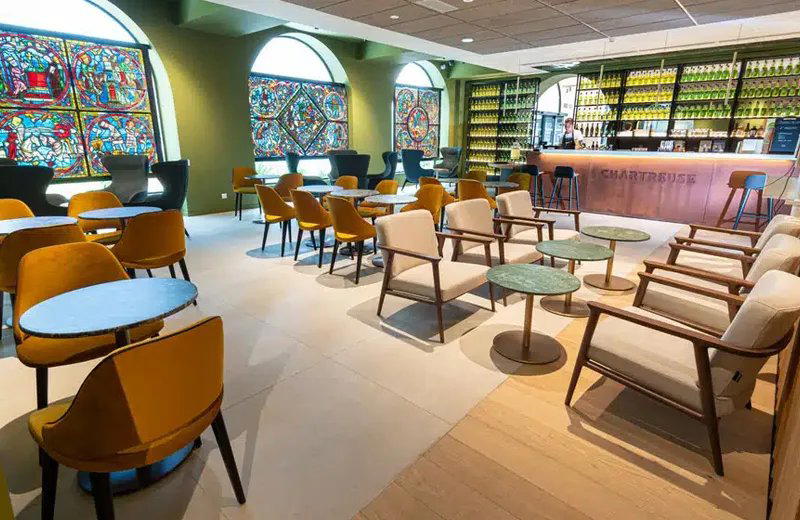
Cozy, relaxed atmosphere filled with plants, calm lighting, and a chill vibe praised for its welcoming feel.