Little Tokyo Japanese Restaurant
In a college town better known for tailgates than tasting menus, Little Tokyo Japanese Restaurant on South Texas Avenue occupies a particular niche: a sit-down Japanese kitchen serving a community where the cuisine still reads as a considered choice rather than background noise. The kitchen's position in Bryan's dining scene makes it a reference point for Japanese food in the Brazos Valley.
Pearl is the En Primeur Club membership app — saves, bookings, and concierge access live there. Same editors, same standards.
- Address
- 3700 S Texas Ave unit 100, Bryan, TX 77802
- Phone
- +19794851560
- Directions
- Get directions
 Saves & bookings on Pearl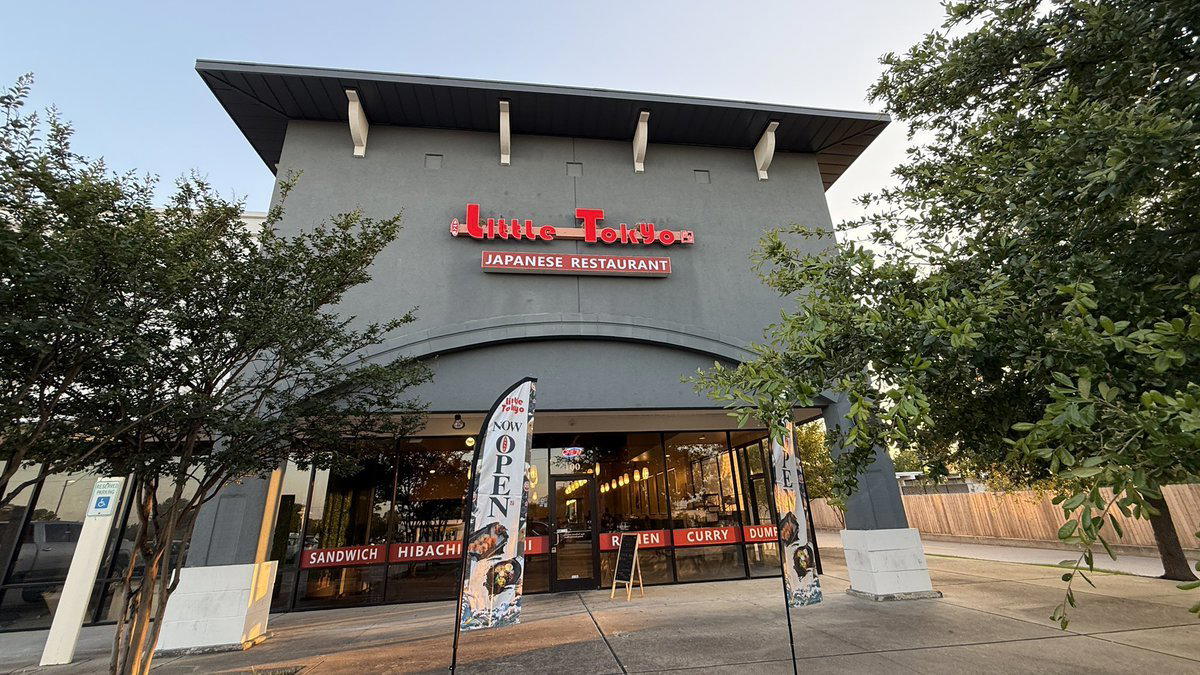
Japanese Dining in the Brazos Valley: Where Provenance Meets Practicality
Bryan, Texas does not have the dining density of Austin or Houston, and that scarcity shapes how a Japanese restaurant functions here differently from how it would in a major metro. In cities like Dallas or San Antonio, Japanese kitchens compete within a layered ecosystem of ramen shops, izakayas, omakase counters, and conveyor-belt operations. In Bryan, a city anchored by Texas A&M University and a food culture that skews heavily toward barbecue and Tex-Mex, a Japanese restaurant occupies a different kind of position. It becomes a category anchor rather than one node in a broader network. Little Tokyo Japanese Restaurant, located at 3700 S Texas Ave in Bryan, is a casual, walk-in-friendly Traditional Japanese Hibachi restaurant in the $20-per-person range and operates within that context. For residents and students in the Brazos Valley looking for Japanese food as a deliberate, considered dining choice, the address on South Texas Avenue is a primary reference point rather than a secondary one.
What Ingredient Sourcing Tells You About a Restaurant in This Location
The ingredient question is one instructive lens through which to read Japanese dining in landlocked, mid-size American cities. Japanese cuisine at its most technically serious, the kind practiced at places like Atomix in New York City or Le Bernardin in New York City, depends on proximity to notable product: day-boat fish, specific cultivars of rice, precise cuts of wagyu, and seasonal Japanese produce that often requires specialist importers. That infrastructure is built into those cities' supply chains. Bryan sits roughly 100 miles northwest of Houston, which has the Gulf Coast and a strong Asian grocery wholesale network, but the gap between Houston's sourcing possibilities and Bryan's is significant. A Japanese kitchen here makes meaningful trade-offs. It cannot access the same live product cycles or the same importing relationships that a higher-volume urban kitchen can sustain. What it can do is work the available supply chain intelligently, leaning on Gulf seafood when freshness and traceability are achievable, and making format decisions (cooked applications, sushi using farmed or frozen-at-sea fish handled properly) that are honest about what the location permits.
That kind of regional pragmatism is not a concession, it is a style of kitchen discipline that reflects where a restaurant actually is. Particularly ingredient-honest restaurants in the American interior are the ones that don't pretend to be coastal. In terms of sourcing philosophy, the contrast is instructive: operations like Single Thread Farm in Healdsburg or Blue Hill at Stone Barns in Tarrytown built their identities around hyper-local, farm-direct sourcing in regions where that supply chain is dense and short. Bryan doesn't offer that infrastructure for Japanese cuisine, and kitchens that operate here are better evaluated against what is achievable in this specific geography, not against coastal benchmarks.
Bryan's Dining Scene and the Role of a Dedicated Japanese Kitchen
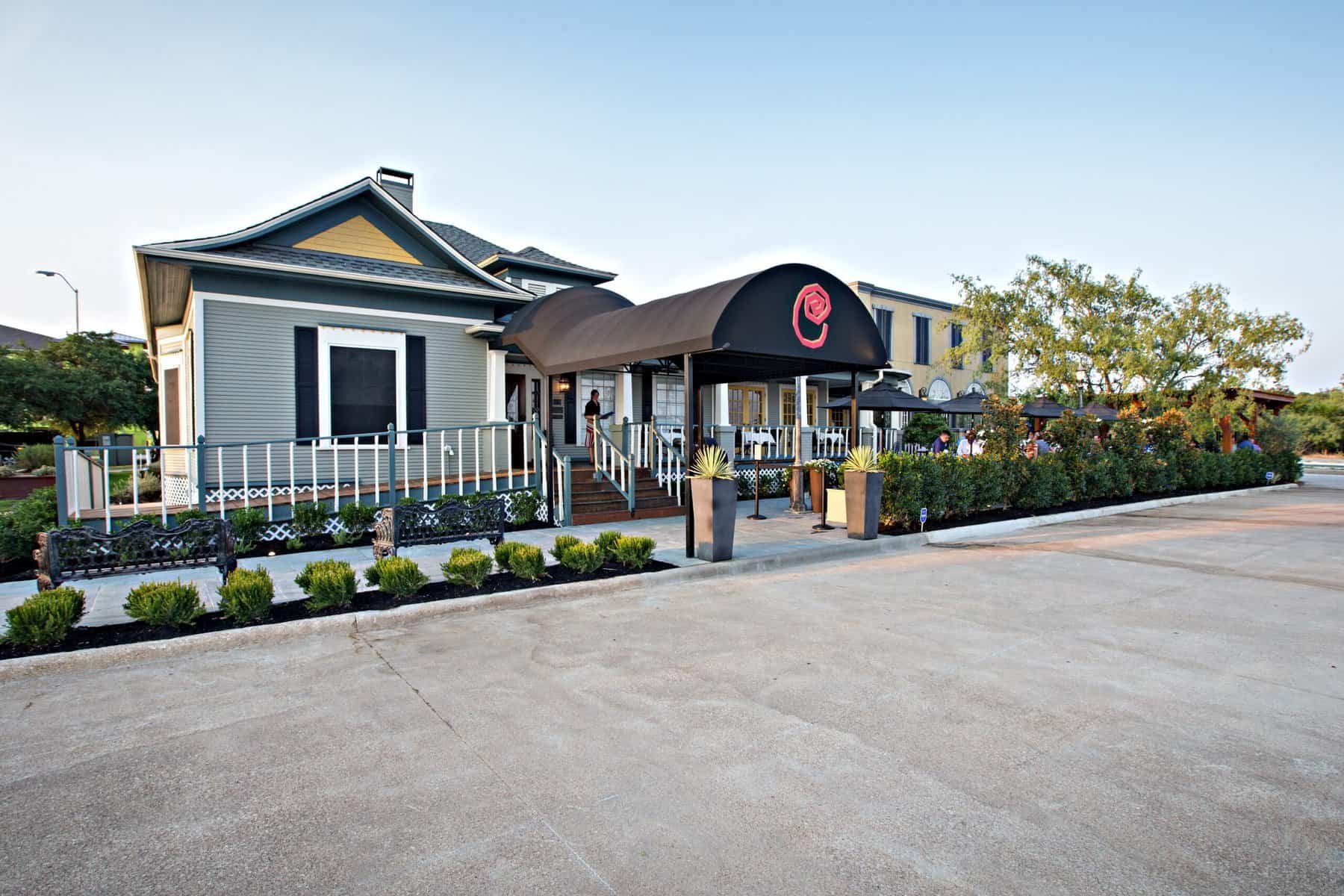
Bryan's restaurant culture is shaped primarily by its university population and by a civic food identity rooted in Central Texas traditions. Christopher's World Grille represents the fine-dining end of Bryan's offering, and the broader city skews toward casual formats. Within that context, a Japanese restaurant serving maki, nigiri, and cooked Japanese-American plates occupies a specific social function: it is the option for date nights, faculty dinners, or any occasion where a diner wants something that reads as considered rather than habitual. That function is separate from the gastronomic ambition of a place like The French Laundry in Napa or Lazy Bear in San Francisco, and should be assessed accordingly. The relevant comparable set for Little Tokyo is not those institutions, it is the broader category of regional Japanese restaurants serving mid-size American cities where the cuisine is a meaningful but not ubiquitous presence.
Across the South and Central Texas interior, Japanese dining in smaller cities has shifted over the past decade toward formats that blend traditional rolls with broader pan-Asian elements, serving a dining public that is curious about the cuisine but not necessarily fluent in its distinctions. Restaurants that hold particularly durable presence in these markets tend to be the ones that offer enough familiarity in their menu architecture to bring in a wide audience, while maintaining some technical discipline in their core preparations. Whether Little Tokyo occupies that precise position, or where it lands relative to its local peers, is best confirmed by visiting, but the category pattern is consistent enough to be a useful frame.
Planning Your Visit
Little Tokyo is located at 3700 S Texas Ave, Suite 100, Bryan, TX 77802, on South Texas Avenue, which runs as one of the city's main commercial corridors and is accessible by car from both the university district and the older Bryan city center. Little Tokyo is open Monday, Wednesday, Thursday, and Friday from 11 AM to 3:30 PM and 4:30 to 9 PM, Saturday from 11 AM to 9:30 PM, and Sunday from 11 AM to 9 PM; it is closed Tuesday. South Texas Avenue is a drive-to destination; street parking and lot parking are standard for this stretch of the corridor. For visitors staying in College Station or central Bryan, the drive is short, and the restaurant is a direct walk-in option. Japanese restaurants in this price tier and city context almost never require advance reservations for weekday service, though weekend evenings at popular local anchors can fill faster than out-of-town visitors expect.
How Little Tokyo Sits Within American Japanese Dining More Broadly
American Japanese dining now spans an enormous range, from the $400 omakase counters that compete in the same conversation as Alinea in Chicago or Providence in Los Angeles, to neighborhood sushi operations that serve as reliable weekly rotation for a local community. The middle tier, sit-down Japanese restaurants in non-coastal, mid-size American cities, is large, underwritten by the durability of sushi's mainstream appeal, and largely outside the editorial coverage that attends to either end of the spectrum. Kitchens in this middle band don't attract the kind of attention that goes to Addison in San Diego or The Inn at Little Washington, but they serve a genuinely important function: they are where most Americans form their working relationship with Japanese food. Places like Bacchanalia in Atlanta, Frasca Food & Wine in Boulder, or Brutø in Denver represent what regional fine dining ambition looks like when it takes root seriously in non-coastal cities. Japanese restaurants in smaller Texas cities are working a different part of the same territory, and the ones that earn sustained local loyalty do so through consistency and value rather than through the technical escalation that drives coverage in major markets.
Comparable Spots, Quickly
Comparable venues nearby, for context on price, style, and recognition.
| Venue | Cuisine | Price | Notes |
|---|---|---|---|
| Little Tokyo Japanese RestaurantThis venue — the venue you are viewing | Traditional Japanese Hibachi | $$ | Not listed |
| Christopher's World Grille | Award-Winning Steakhouse & Seafood with Global Influences | $$$$ | Bryan |
| Komé | Casual Japanese Sushi & Izakaya | $$ | North Loop |
| KA Sushi | Modern Japanese Sushi | $$ | Greater Heights |
| Sushi Japon & Hibachi Grill | Modern Japanese Sushi & Teppanyaki | $$ | St. Johns |
| Sushi by the Heights | Contemporary Japanese Sushi & Robata | $$ | Greater Heights |
Continue exploring
More in Bryan
Restaurants in Bryan
Browse all →

Hotels in Bryan
Browse all →
Wineries in Bryan
Browse all →
At a Glance
- Cozy
- Casual Hangout
- Sake Program
Current opening hours
- Monday
- 11 AM–3:30 PM, 4:30–9 PM
- Tuesday
- Closed
- Wednesday
- 11 AM–3:30 PM, 4:30–9 PM
- Thursday
- 11 AM–3:30 PM, 4:30–9 PM
- Friday
- 11 AM–3:30 PM, 4:30–9 PM
- Saturday
- 11 AM–9:30 PM
- Sunday
- 11 AM–9 PM
Hours can change for holidays and private events. Last verified .
Serene elegance of Japanese aesthetics.