
Michelin Plate
Our verdict
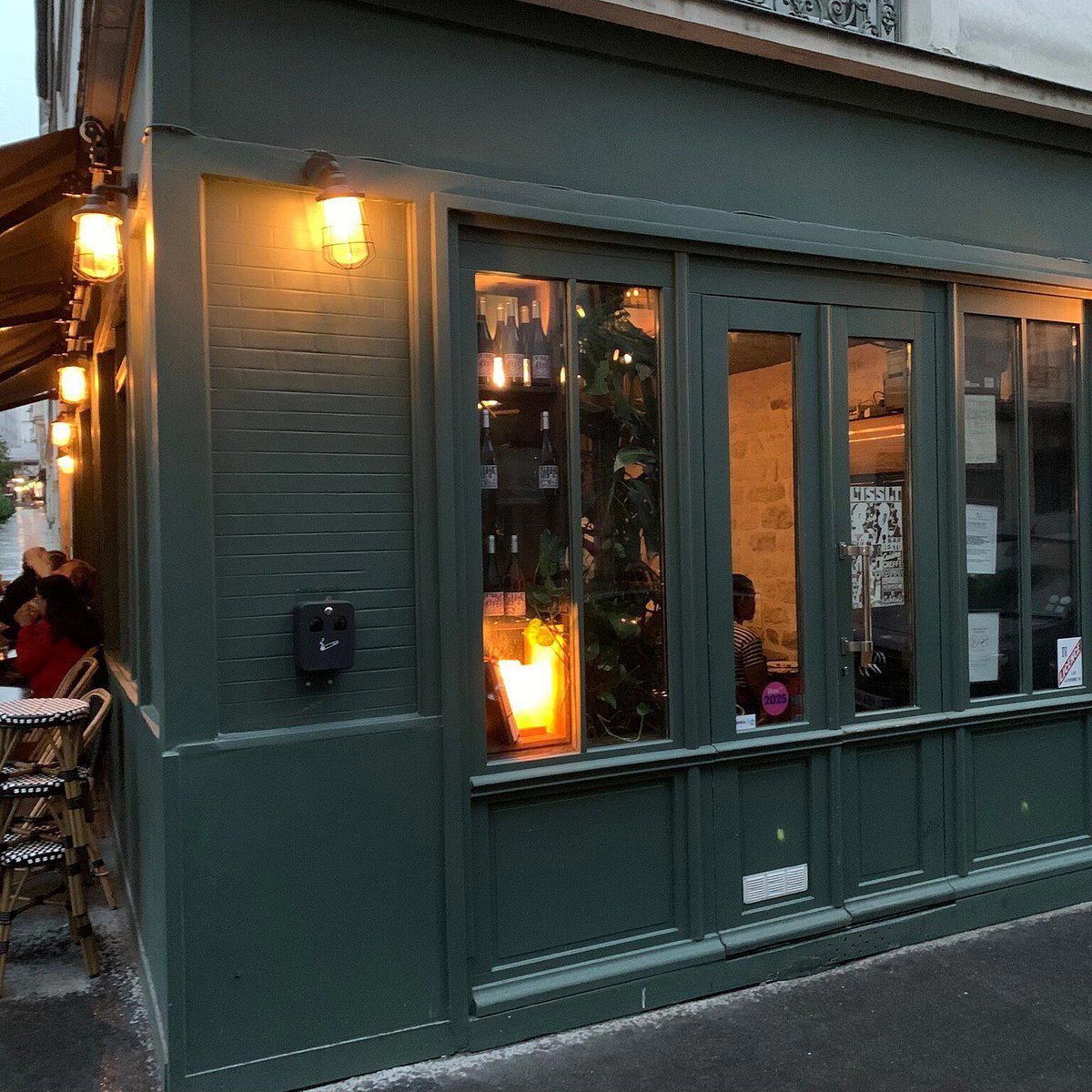
A fixture of the 11th arrondissement's neighbourhood dining scene, Lissit at 48 rue de la Folie-Méricourt works the older register of French charcuterie and roast traditions through a female chef who handles terrines, pâtés en croûte, and stuffed poultry with precision. The open kitchen, textured walls, and considered service place it firmly in the spirit of the quartier: serious food without ceremony.

Pearl is the En Primeur Club membership app, where members save venues, book tables and use the concierge.
The menu
What to order
- Pâté en croute
- Cassoulet
- Pear and black pudding tatin
The 11th's Approach to the Old French Table
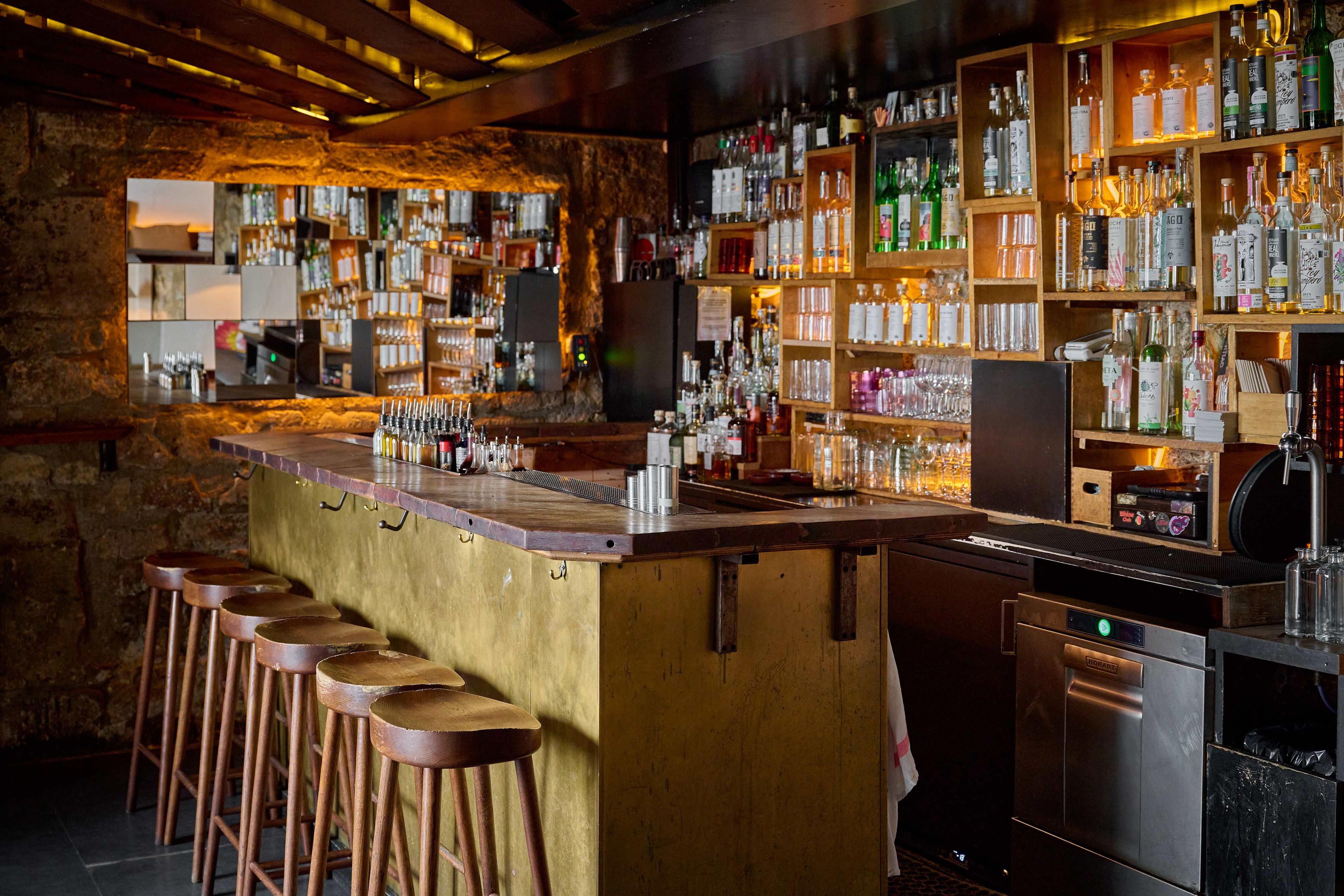
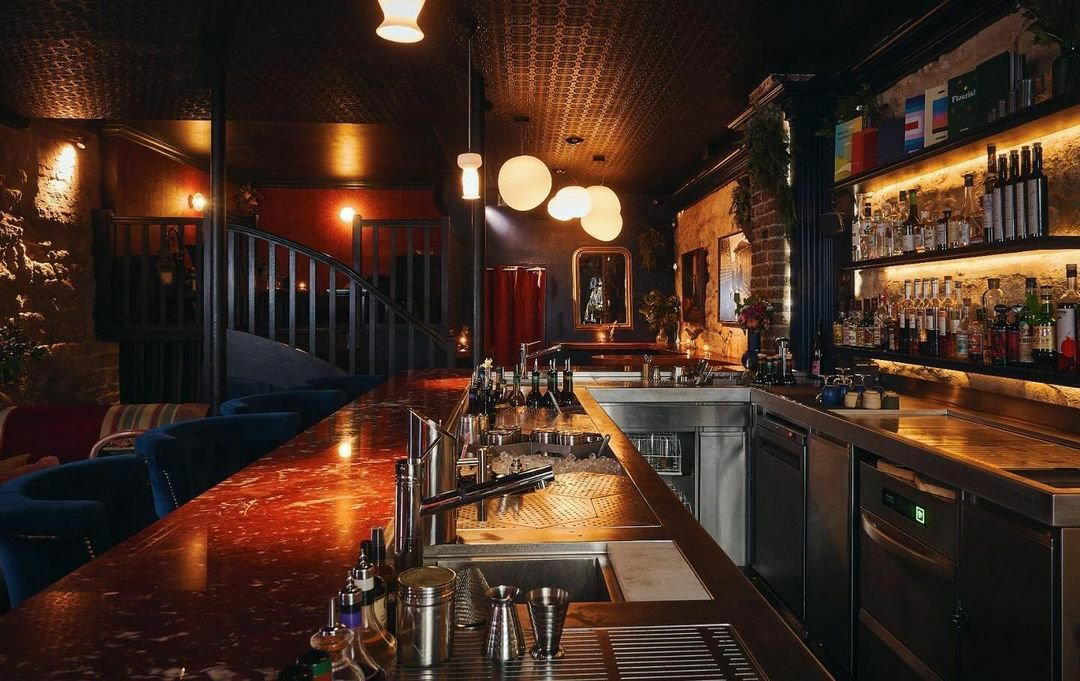
Paris's 11th arrondissement has become the city's most reliable incubator for a particular kind of restaurant: one that takes the older grammar of French cooking seriously without retreating into formality. On rue de la Folie-Méricourt, Lissit reads as a direct expression of that neighbourhood instinct. The room announces itself through texture before anything else, rough-finished walls, an open kitchen positioned at the far end so the kitchen's rhythm becomes part of the ambient experience, and a service team whose ease with the room signals genuine familiarity rather than rehearsed cool. This is the 11th as it actually functions: a place where craft cooking and an unpretentious room coexist without apology.
That neighbourhood register matters when you consider Lissit against the broader Paris dining spectrum. At the leading end, Michelin-weighted addresses like Alléno Paris au Pavillon Ledoyen, Arpège, and Le Cinq at the Four Seasons Hôtel George V operate in a register where the architecture of the room, the formality of service, and the price structure are inseparable from the food. Lissit operates at a different pitch entirely, which is precisely the point. It belongs to a cohort of Paris bistros that have reclaimed the pre-nouvelle cuisine repertoire not as nostalgia but as a genuine culinary position.
A Menu Built Around the Charcutier's Table
The editorial angle at Lissit starts with what the menu is actually doing, because its structure makes an argument. French charcuterie, in its broadest sense, encompasses a discipline that predates professional kitchen culture as most contemporary diners understand it: the terrine, the pâté en croûte, the stuffed and braised bird, the forcemeat and the reduction. These are techniques that demand patience and precision, and they have largely been sidelined in Paris's more photographed dining rooms in favour of composed plates with lighter touch and higher visual impact.
At Lissit, the menu restores these preparations to a position of weight. Terrines and pâtés en croûte appear not as throwback curiosities but as the structural core of what the kitchen does. Stuffed poultry, a form that requires a cook to think through a dish's interior as much as its surface, signals a menu that is organised around substance rather than presentation. The kitchen's handling of these forms is described as respectful of tradition, which in this context means technically grounded rather than timid: the difference between a terrine that holds its structure and delivers a clean, layered cross-section and one that collapses under the weight of improvisation.
Where the cooking steps away from straight tradition is in the treatment of pork products. The pear and black pudding tatin cited in the venue's own description is a useful illustration of how the kitchen thinks: black pudding (boudin noir) is already an old form, a blood sausage that sits in the charcutier's canon, but pairing it with pear in a tatin format introduces sweetness and caramelisation in a way that is neither avant-garde nor conventional. It reads as a cook working with the material she knows deeply and finding a natural extension rather than an imposed concept. That approach, tradition as foundation, personal instinct as direction, is what separates a menu with a point of view from a menu that merely executes a style.
The Charcuterie Tradition in French Regional Context
To understand where Lissit sits, it helps to consider how seriously France takes this particular register outside Paris. The charcuterie and confiture traditions that feed into Lissit's menu have deep regional roots. Institutions like Auberge de l'Ill in Illhaeusern in Alsace, Troisgros in Ouches, and Bras in Laguiole each represent a version of French cooking anchored in territory and ingredient-specificity rather than metropolitan fashion. Flocons de Sel in Megève and Paul Bocuse's Auberge du Pont de Collonges in the Lyon corridor have long treated the old forms of French cooking as a living rather than archived tradition. What Paris restaurants like Lissit do is bring that provincial seriousness into an urban context where the temptation to chase trend is considerably stronger.
The female chef's presence behind this menu is also contextually worth noting, not as a biographical footnote but as a signal about the kitchen's relationship to the repertoire. In Paris's more prominent rooms, from Kei to L'Ambroisie, the haute cuisine line remains heavily male. The 11th's neighbourhood restaurants have been more permeable in this respect, and Lissit is part of that pattern. A cook who works stuffed poultry and pâté en croûte with technical command and then steps into personal territory with something like a boudin tatin is making decisions from a position of knowledge rather than reaction.
How It Compares Within the 11th and Beyond
The quartier around Oberkampf and rue de la Folie-Méricourt attracts a dining public that is attentive to craft without requiring formal service or high price points. In that context, a kitchen that handles charcuterie traditions with real expertise occupies a specific and well-defined niche. It is a different proposition from, say, the technically-led French cooking at Parisian addresses with international profiles, Mirazur in Menton at the other end of France's culinary geography, or the Franco-American exchange represented by Le Bernardin in New York and Emeril's in New Orleans. Lissit's ambition is local and specific, which gives it a legibility that more global-facing restaurants sometimes lack.
For planning purposes, Lissit is located at 48 rue de la Folie-Méricourt in the 11th arrondissement, accessible from the Oberkampf or Saint-Ambroise metro stops. Given the neighbourhood's reputation and the kitchen's specificity, booking ahead is sensible, particularly for weekend evenings when the area draws a broader Paris crowd. For a fuller picture of what Paris's restaurant scene offers across price tiers and styles, our full Paris restaurants guide provides a mapped view. For hotels, bars, wineries, and experiences in the city, see our Paris hotels guide, bars guide, wineries guide, and experiences guide respectively.
Frequently asked questions
What should I order at Lissit?
The kitchen's core competence is in charcuterie and roast traditions: terrines, pâtés en croûte, and stuffed poultry are the forms the chef handles with the most authority. If the pear and black pudding tatin appears on the menu, it represents the kitchen's personal register rather than its classical one, a useful indicator of how the chef extends the tradition she works within. Order from that charcuterie-and-rôti axis first.
How far ahead should I plan for Lissit?
The 11th arrondissement's neighbourhood restaurants fill quickly, particularly given the area's reputation as one of Paris's more active dining quarters. A few days to a week ahead is a reasonable baseline for a weekday table; weekend evenings in this part of the city warrant more lead time. With no publicly listed online booking, contacting the restaurant directly, or checking a third-party reservation platform, is the practical approach.
What is Lissit leading at?
Its clearest strength is the charcuterie repertoire: terrines, pâtés en croûte, and pork-forward preparations handled with technical respect for the forms rather than as nostalgic gestures. The kitchen also brings personal perspective to classic preparations, the boudin noir with pear tatin is the most cited example. In a Paris dining scene where the older charcutier traditions are often set aside in favour of lighter contemporary plates, Lissit's commitment to that register is its defining position.
Can Lissit accommodate dietary restrictions?
Given that the menu is structured heavily around pork products, poultry, and charcuterie preparations, this is not a kitchen that translates easily to plant-based or pork-free diets. Guests with specific restrictions should contact the restaurant directly before booking. Phone and website details are not currently in public circulation, so reaching out via a reservation platform or stopping in during service hours is the most reliable option in Paris's 11th arrondissement.
Reputation Context
Comparable venues nearby, for context on price, style, and recognition.
| Venue | Cuisine | Price | Awards | Notes |
|---|---|---|---|---|
| LissitThis venue (the venue you are viewing) | Modern French Bistro | $30–50 | Michelin Plate | Not listed |
| Habile. | Contemporary French Bistro | $50–100 | Michelin Plate | 10eme |
| Rhapsody | Modern French Bistronomy | Not listed | Michelin Plate | Asnières-sur-Seine |
| Bistrot Pas Parisien | Traditional French Bistro | $30–50 | Michelin Plate | Colombes |
| Le Cyrano | Modern French Bistro | $30–50 | Michelin Plate | Batignolles-Monceau |
| Le Verre volé | French Bistro with Natural Wines | $30–50 | Star Wine List | Canal Saint-Martin |
Recognition history
Dated appearances from independent guides and award organizations, with the underlying list record or original source where available.
Michelin Plate
Michelin · 2026 Michelin Plate
Full recognition history (2 entries)
Michelin Bib Gourmand
Michelin
Continue exploring
More in Paris
Restaurants in Paris
All restaurants in Paris →
Bars in Paris
All bars in Paris →


Details
- Trendy
- Cozy
- Intimate
- Modern
- Date Night
- Casual Hangout
- Open Kitchen
- Natural Wine
- Natural Wine
- A La Carte
- Small Plates
- Natural Wine
- Vermouths
Current opening hours
- Monday
- Closed
- Tuesday
- 6 PM–12 AM
- Wednesday
- 6 PM–12 AM
- Thursday
- 6 PM–12 AM
- Friday
- 6 PM–12 AM
- Saturday
- 6 PM–12 AM
- Sunday
- Closed
Hours can change for holidays and private events. Hours as of .
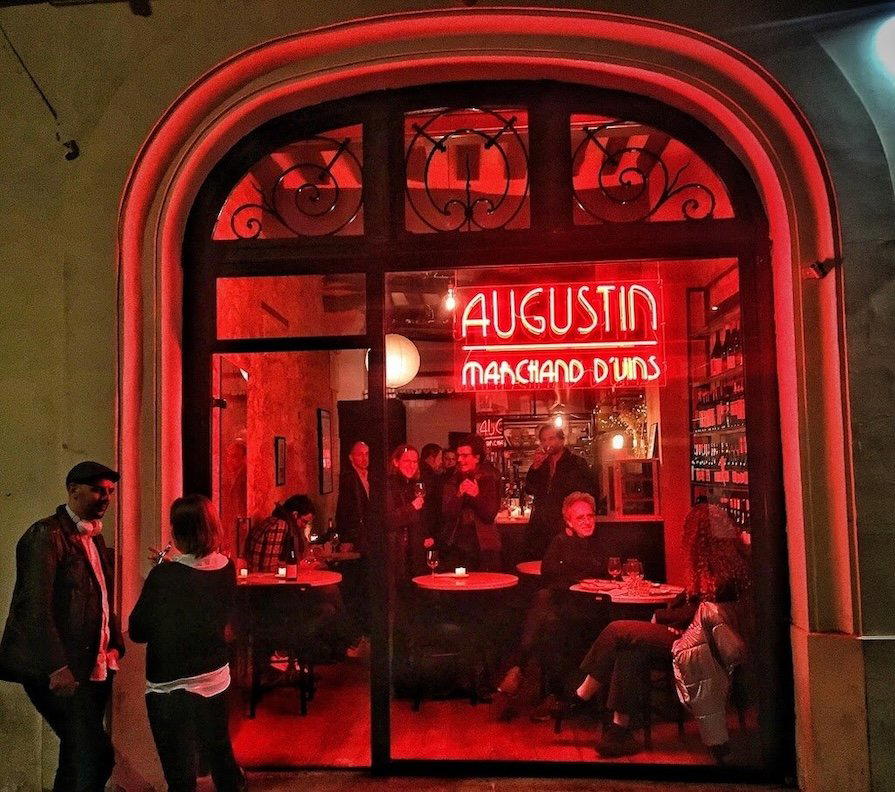
Textured, weathered walls with candlelit tables, open kitchen, crowded elbow-to-elbow seating creating a lively yet cozy neighborhood vibe.