Liberty Private Works occupies a ground-floor space in Stanley's Piazza, positioning itself within Hong Kong's small-but-serious cohort of reservation-only private dining rooms. The format places editorial control over a short, frequently changing menu at the centre of the experience, situating it closer to chef's-table tradition than conventional restaurant service. For the Stanley peninsula, that is a meaningful distinction.
Pearl is the En Primeur Club membership app — saves, bookings, and concierge access live there. Same editors, same standards.
- Address
- Hong Kong, Stanley, Carmel Rd, 23號, The Piazza, G04, G/F,
- Phone
- +852 5186 3282
- Website
- libertypw.com
- Directions
- Get directions
 Saves & bookings on Pearl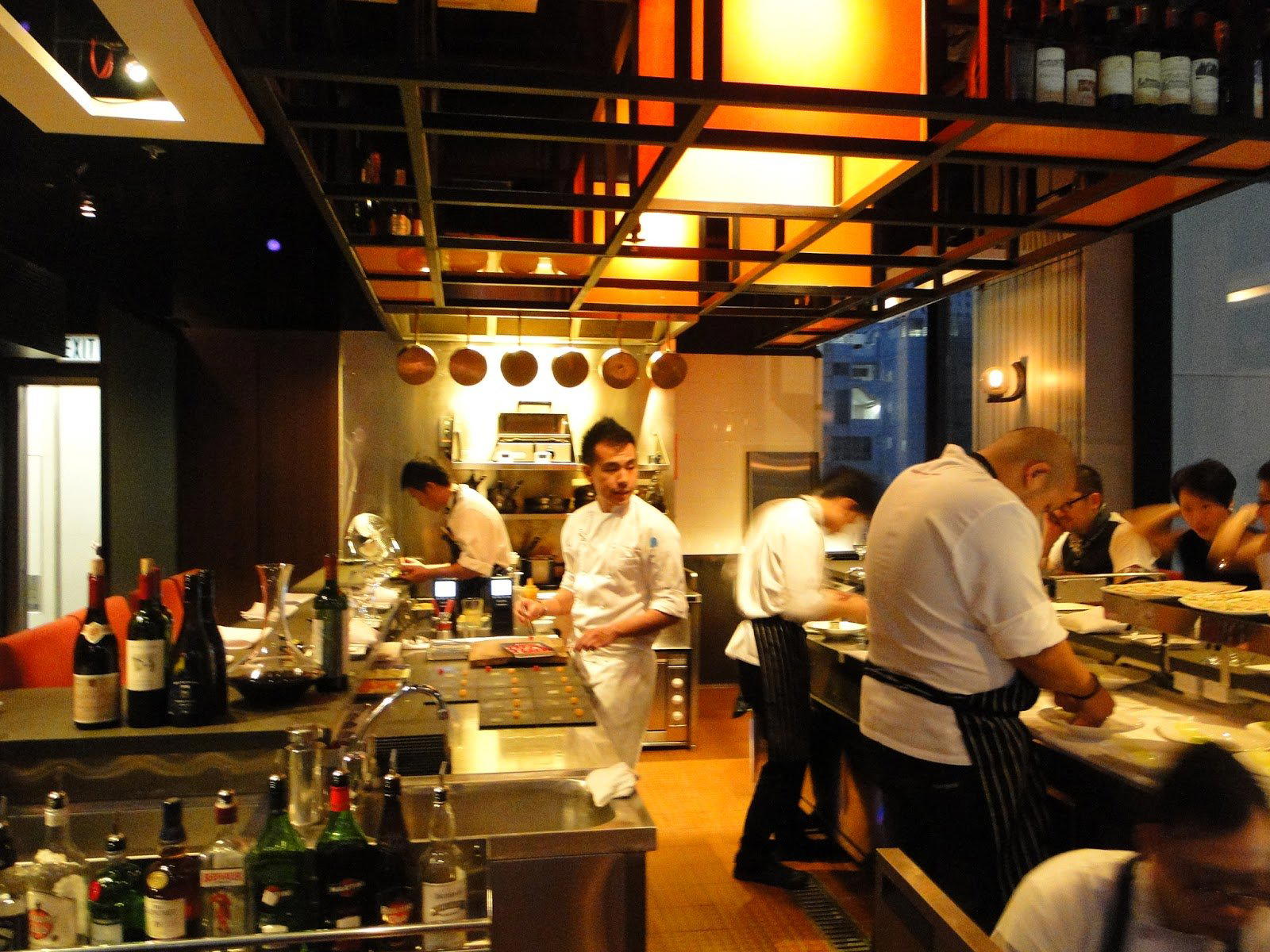
Private Dining in Stanley: Where Hong Kong's Intimate Format Takes Root
Hong Kong's premium dining tier has long been dominated by hotel-anchored grand rooms and Michelin-certified tasting counters in Central and Wan Chai. Venues like Caprice and Amber set the template for that category: formal service, deep wine lists, and menus built around European classical technique. But a smaller, parallel format has been developing across the city's less trafficked neighbourhoods, one built around private dining rooms, restricted guest counts, and menus that function more like chef correspondence than restaurant programming. Liberty Private Works, a private dining room in Stanley, Hong Kong, belongs to that second tradition.
Stanley itself sits outside the gravitational pull of the central dining districts. The area draws a resident expatriate community, weekend visitors from the urban core, and a cohort of diners who treat the journey south as part of the proposition. That geographic remove is not incidental: private dining formats tend to consolidate where rents are lower, where neighbours tolerate limited foot traffic, and where the target audience is willing to travel specifically for the experience rather than walking in on impulse. Stanley fits all three conditions.
The Private Dining Tradition in a Chinese Culinary City
For generations, Hong Kong's most serious food transactions took place not in public restaurants but in private rooms within large banquet halls, where families, business networks, and clan associations hosted meals that were as much social ritual as nutrition. The si fong cai (private kitchen) movement that emerged in the 1990s and accelerated through the early 2000s adapted that tradition for a new audience: smaller tables, shorter menus, and operators who cooked what they chose rather than what a full-service kitchen demanded. At its height, Hong Kong had dozens of registered and semi-registered private kitchens operating across the city, many in converted residential flats, with unlisted phone numbers and strict booking protocols.
That movement produced a lasting appetite for intimate, curated dining outside conventional restaurant formats. It also established a local understanding of what private dining implies: the host exercises editorial authority, the guest accepts the terms, and the transaction is as much about access and trust as it is about any single dish. Venues like Forum and, in a different register, Ta Vie each occupy parts of this tradition, the former through decades of Cantonese mastery, the latter through a Franco-Japanese precision that operates on similar appointment-only logic at the leading price tier.
Liberty Private Works draws on that broader lineage. Its Stanley address and ground-floor Piazza setting place it within a neighbourhood format rather than a hotel or commercial tower, which itself signals something about the operational priorities at work. Private dining rooms in residential or village-adjacent settings in Hong Kong have historically traded on specificity: a fixed number of seats, a menu that changes on the operator's schedule, and a booking process that filters for guests who have sought the address out deliberately.
Format and Context: Reading the Signals
Across Hong Kong's private dining and chef's-table formats, a few structural patterns define how a room positions itself. Capacity is one signal: rooms that cap at six to twelve covers operate differently from the twenty-plus-seat private kitchens that moved toward restaurant-adjacent volumes in the 2010s. Menu frequency is another: operators who change their offering weekly or with each booking cycle are making a statement about freshness and chef authority that a fixed printed menu cannot replicate. Booking lead times function as a third variable, and in Hong Kong's densest dining segments, a three-to-four-week wait is standard for rooms with genuine demand.
Lazy Bear in San Francisco built its reputation on a similar private-dinner-party structure before formalising into a licensed restaurant. Atomix in New York operates with a counter format and menu-card ritual that similarly prioritises editorial control over volume. The common thread across these formats is that the dining experience is constructed around the operator's choices, not the guest's. Hong Kong's private kitchen tradition preceded most of these international examples by at least a decade, which is one reason the format continues to find receptive audiences in the city.
Stanley as a Dining Address
Stanley has not historically competed with Central or Tsim Sha Tsui as a serious dining district. Its reputation has been more strongly associated with the waterfront market, weekend leisure, and casual international dining for the southern peninsula's residential community. A private dining format operating out of The Piazza represents a different register: it uses the neighbourhood's relative calm and residential density as an asset rather than a limitation. Guests who travel to Stanley for a reservation-only dinner have self-selected in a way that a walk-in restaurant cannot replicate.
For comparable private and chef's-table formats elsewhere, Le Bernardin, Alain Ducasse at Louis XV, Alléno Paris au Pavillon Ledoyen, Aponiente, Arzak, 8½ Otto e Mezzo Bombana, and Emeril's in New Orleans each demonstrate how format discipline and chef authority translate across different culinary traditions.
Planning Your Visit
| Venue | Format | Price Tier | Booking Lead Time (est.) | Location |
|---|---|---|---|---|
| Liberty Private Works | Private dining room | Not confirmed | Not confirmed | Stanley |
| Amber | Fine dining tasting menu | $$$$ | 2 to 4 weeks | Central |
| Ta Vie | Chef's counter / tasting menu | $$$$ | 2 to 6 weeks | Central |
| Caprice | Grand dining room | $$$$ | 1 to 3 weeks | Central |
Getting to Stanley from Central takes approximately 40 minutes by bus (routes 6, 6A, 6X, or 260) or a shorter journey by taxi. The Piazza on Carmel Road is a low-rise retail and dining cluster accessible on foot from Stanley Main Street. The venue operates by appointment only and asks for smart casual dress.
Recognition Snapshot
Comparable venues nearby, for context on price, style, and recognition.
| Venue | Cuisine | Price | Notes |
|---|---|---|---|
| Liberty Private WorksThis venue — the venue you are viewing | Modern French Tasting Menu | $$$$ | Not listed |
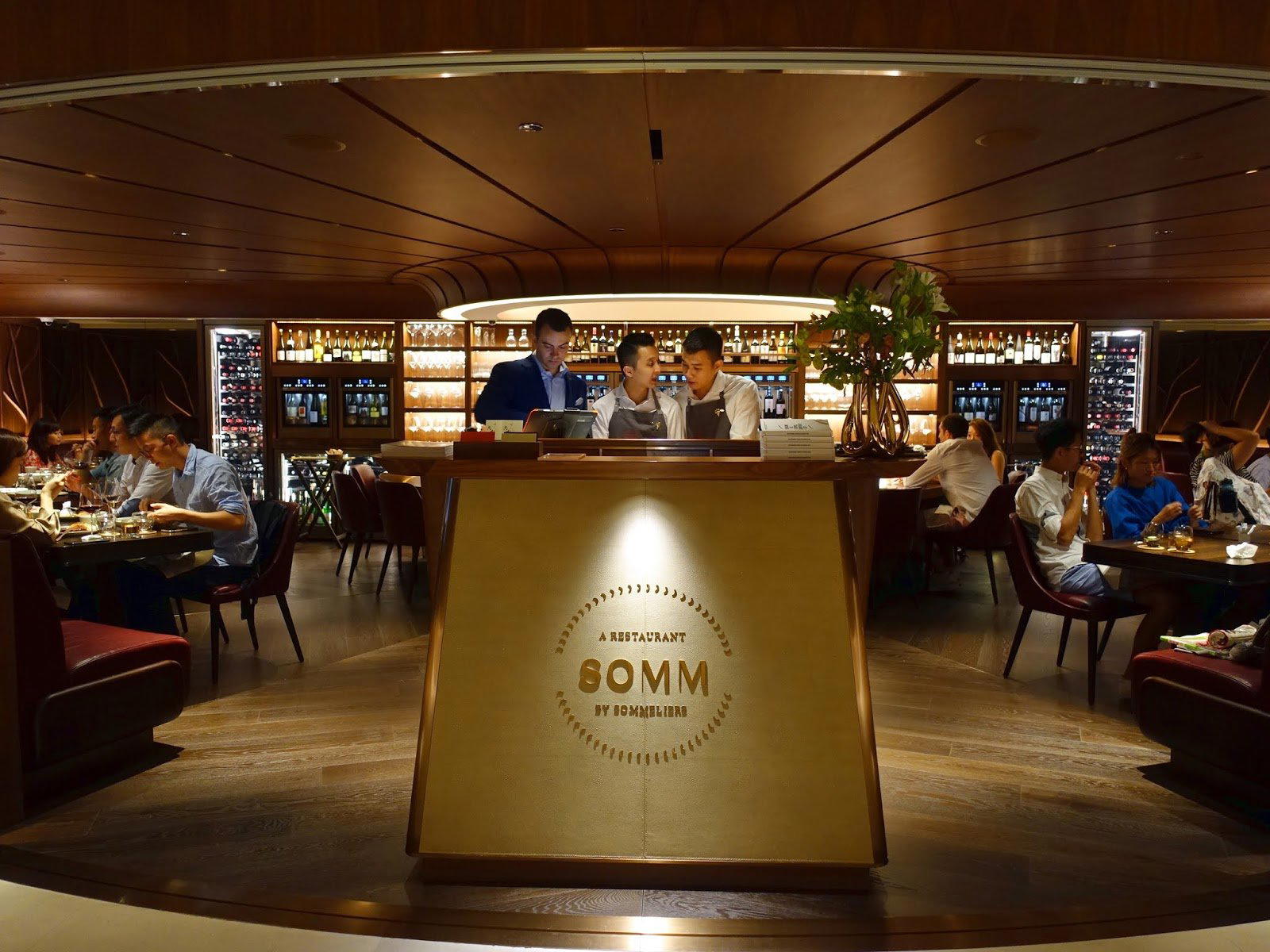
| Somm | Sommelier-led French neo-bistro with extensive wines and sakes | $$$ | Central |
| Tirpse | French-Japanese Fusion | $$$$ | Yau Tsim Mong South |
| Clarence | Modern French Fine Dining | $$$ | Central |
| Soft Bank | Cantonese Private Kitchen | $$$$ | Sheung Wan |
| Fu Rong Wu Shuang | Modern Hunanese Fine Dining | $$$$ | Central |
Continue exploring
More in Hong Kong
Restaurants in Hong Kong
Browse all →
Bars in Hong Kong
Browse all →
At a Glance
- Elegant
- Intimate
- Sophisticated
- Modern
- Special Occasion
- Celebration
- Chefs Counter
- Open Kitchen
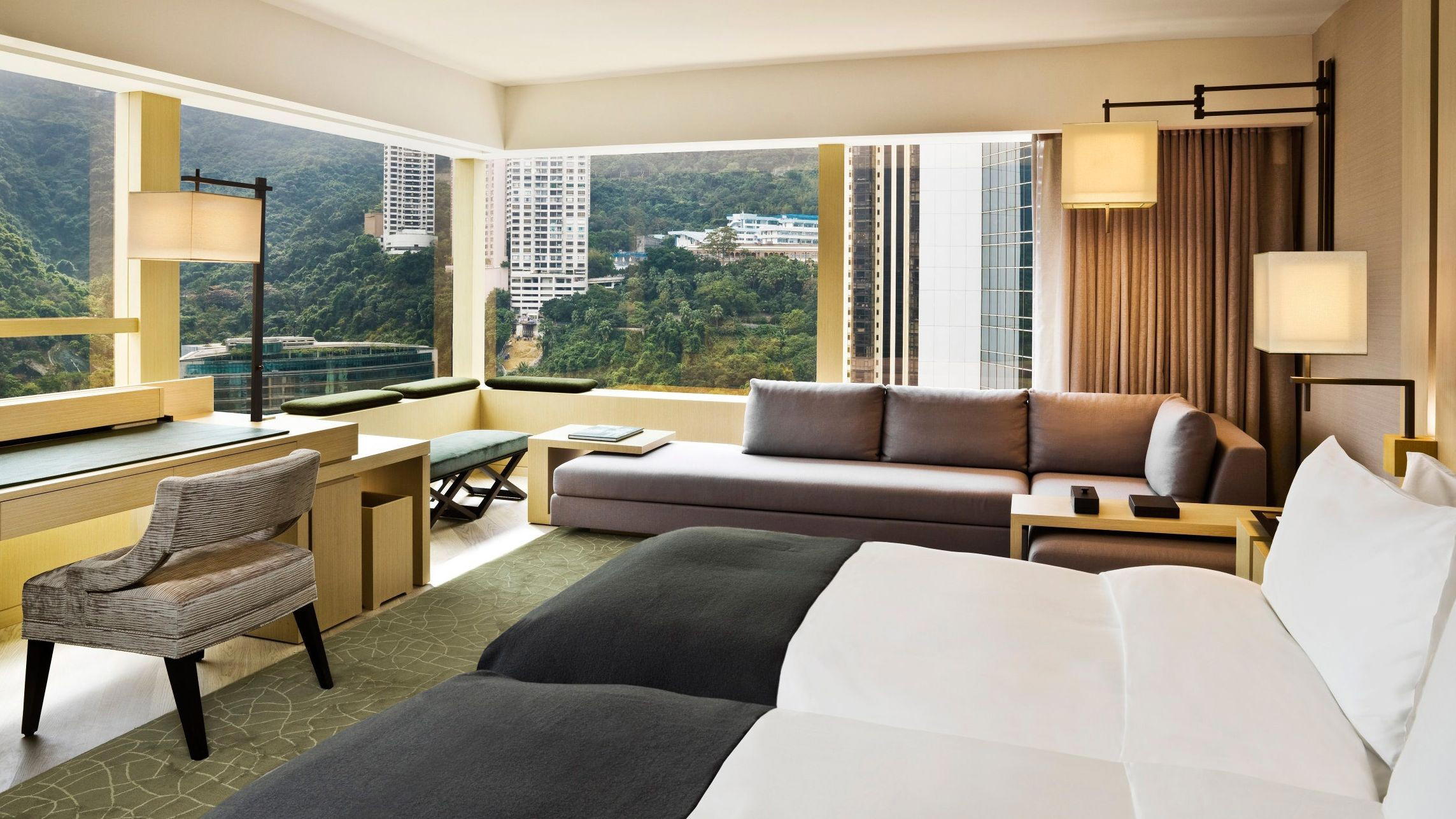
Minimalist, refined atmosphere on the 26th floor with bar-stool counter seating facing an open kitchen; clinical precision in plating with artistic presentation using tweezers and paintbrushes.