La Couronne

Michelin Plate
Our verdict
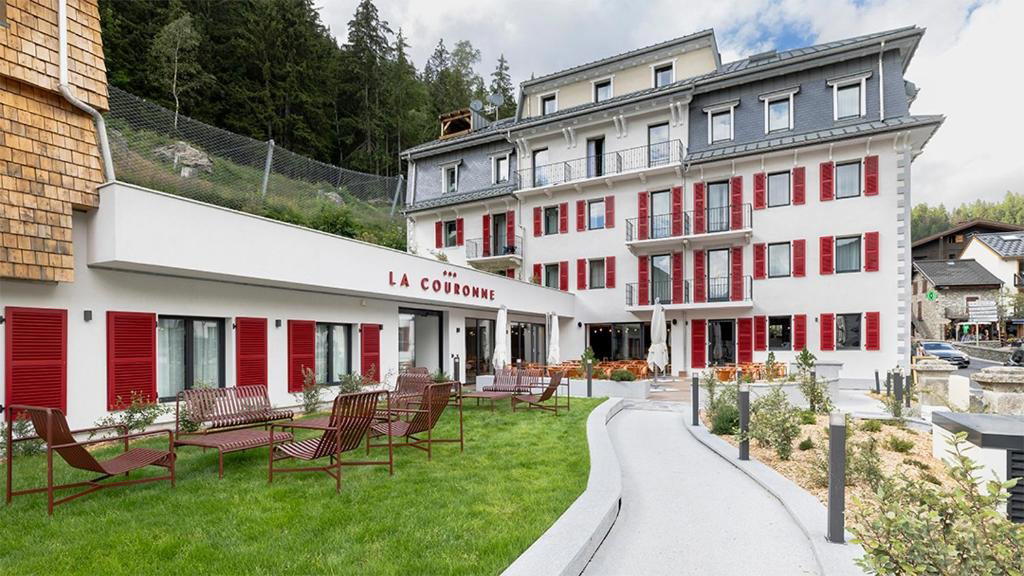
A 160-year-old building near the Swiss border in Argentière, La Couronne pairs its mountain heritage with cooking that draws directly from the surrounding terroir. Pumpkin agnolotti with reblochon and Grenoble walnuts sits alongside regional pork preparations on a menu that reads as a considered argument for alpine ingredient sourcing. The terrace faces the mountains, and a simpler set menu runs at lunch.

Pearl is the En Primeur Club membership app, where members save venues, book tables and use the concierge.
The menu
What to order
- Revisited Savoyard Fondue
- Beef Specialties
- Homemade Pizza
Where Argentière Keeps Its Oldest Table
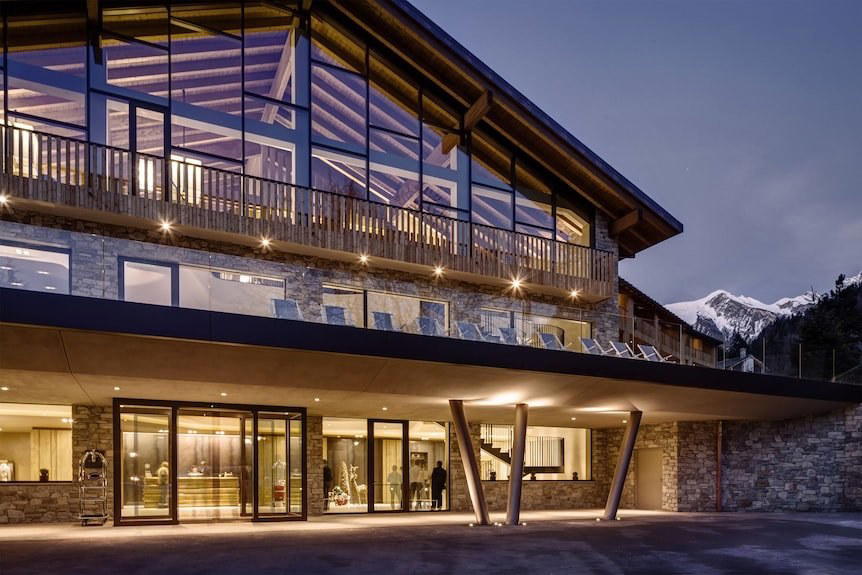
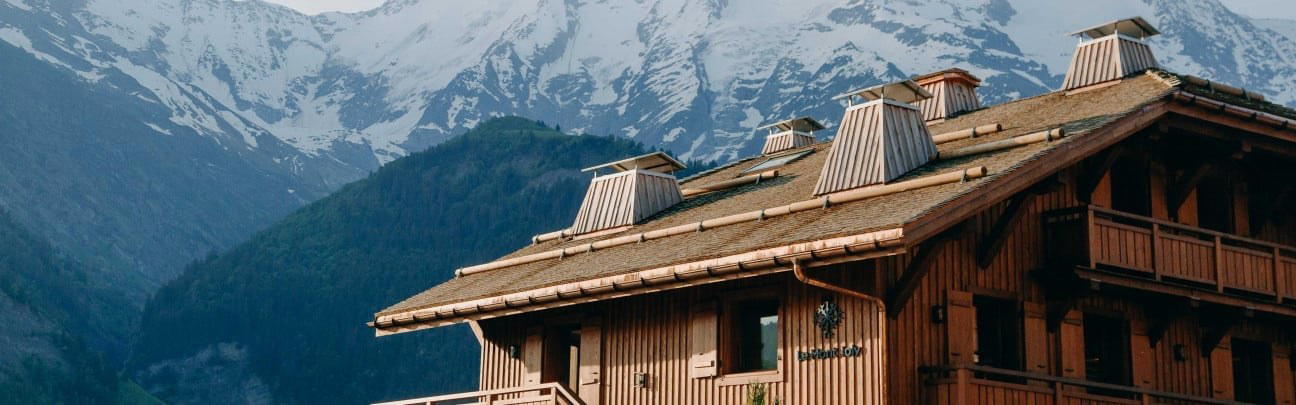
The road through Argentière toward the Swiss border has always carried a particular kind of traveller: alpinists passing through, seasonal workers, and more recently the overflow from Chamonix's crowded centre seven kilometres downvalley. It was along this route, in the 1860s, that La Couronne's building went up. The stone and timber construction that defines the property is less ornamental than it is functional, the kind of architecture this corridor demanded at elevation. Over 160 years later, following a full refurbishment, the interior now houses a restaurant kitchen guided by a young local chef whose sourcing decisions are doing most of the editorial work on the plate.
For a broader look at where La Couronne sits among the valley's dining options, see our full Chamonix Mont-Blanc restaurants guide.
The Sourcing Logic Behind the Menu
Alpine terroir cooking in the French mountains has long had two speeds: the institutionalised version, where cheese and charcuterie appear as shorthand for regionality without much creative tension, and a more rigorous approach where ingredients drive the actual architecture of each dish. La Couronne operates in the latter register. The kitchen's reference points are not decorative. Reblochon, the washed-rind cheese produced in the nearby Aravis massif, goes into a pumpkin agnolotti rather than arriving on a board as an afterthought. Grenoble walnuts, which carry their own protected designation of origin, provide structural contrast in the same preparation. These are not incidental garnishes; they are load-bearing ingredients.
The same reasoning applies to the pormonier, a traditional pork sausage from the Savoie whose production relies on beet leaves, chard, or spinach mixed with the meat, giving it a greener, more herbaceous profile than standard charcuterie. Serving it with pressed cabbage and macerated fruit puts the sausage in a context that draws attention to its character rather than softening it. This is a style of cooking that requires confidence in the ingredients themselves. Mountain cuisine done with this level of specificity connects to a broader French tradition of place-rooted cooking visible at regional houses like Auberge du Vieux Puits in Fontjoncouse or Bras in Laguiole, though La Couronne operates at a far more accessible price point and without the institutional weight those addresses carry.
The Lunch Format and What It Signals
The midday set menu deserves mention not as a budget afterthought but as a structural choice that reflects how the kitchen thinks about the valley's rhythm. Chamonix and Argentière run on mountain time: early starts, physical mornings, and a genuine appetite by noon. A simpler set menu at lunch positions La Couronne as a practical option for the middle of the day without diluting what the dinner menu attempts. French alpine restaurants that handle this split well tend to hold their local clientele across seasons, which matters in a valley where winter and summer visitor profiles are quite different. For comparison on how France's most ambitious regional kitchens handle their format architecture, Flocons de Sel in Megève offers a useful reference just across the Aravis.
The Room and the Terrace
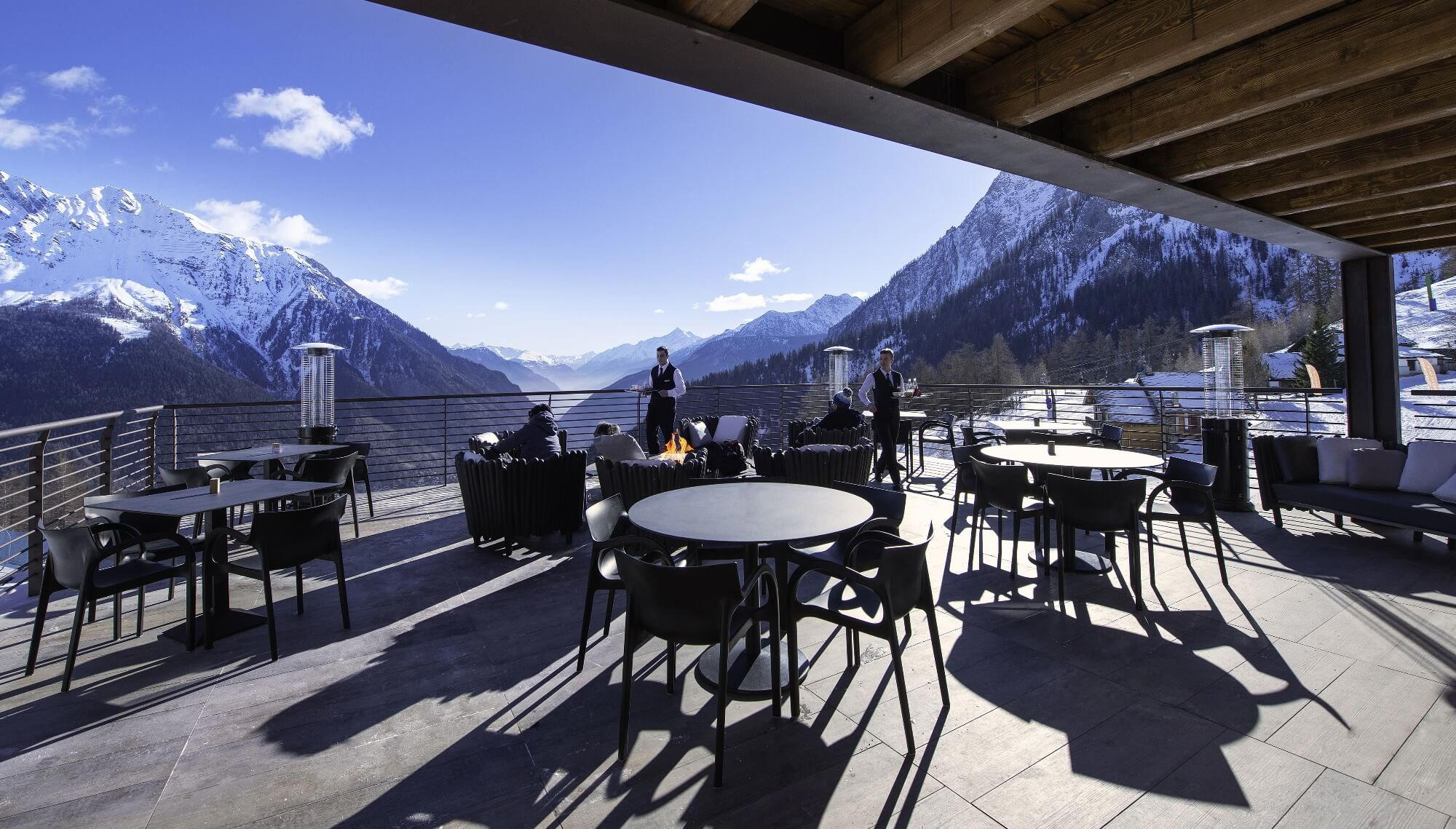
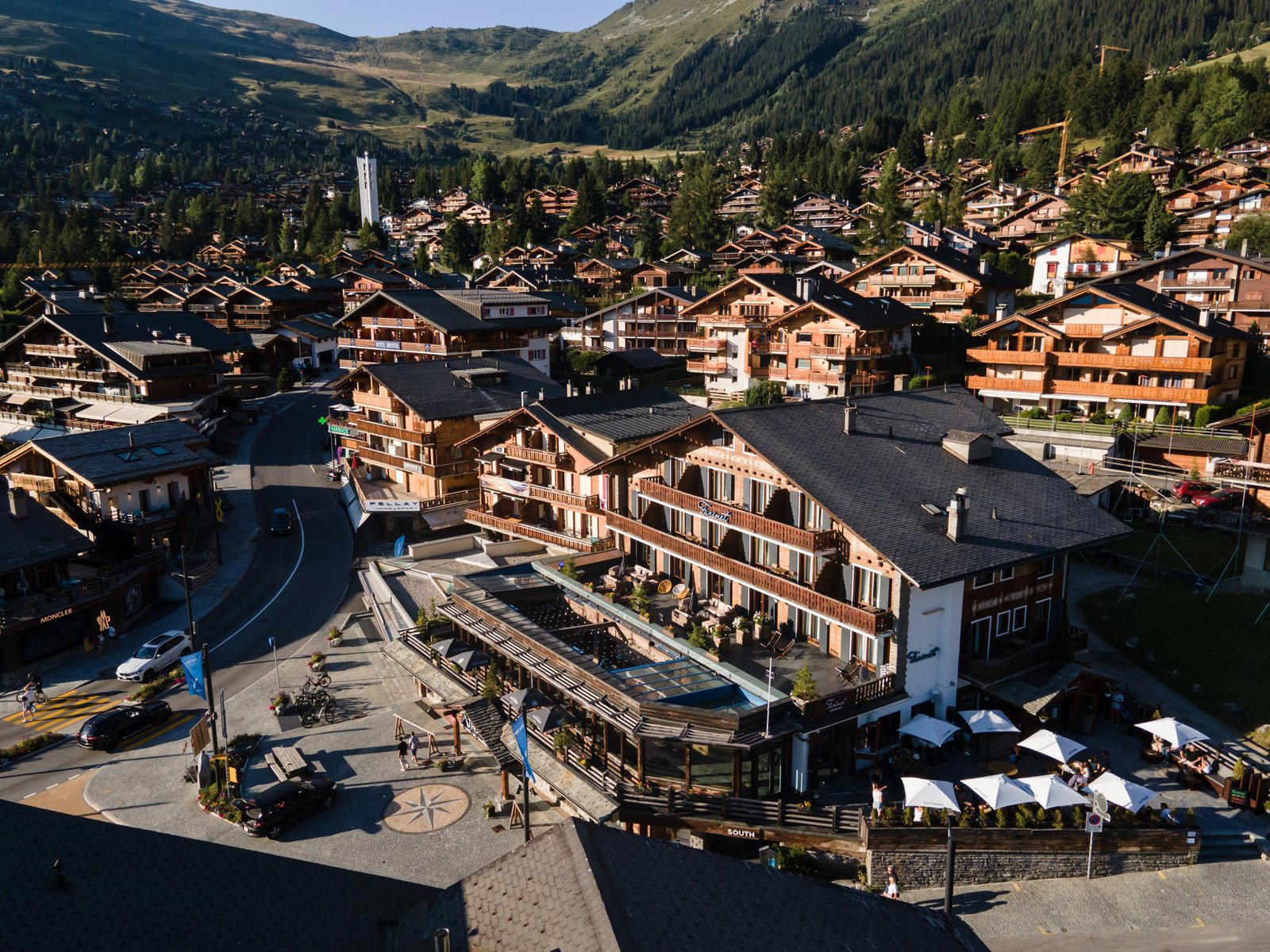
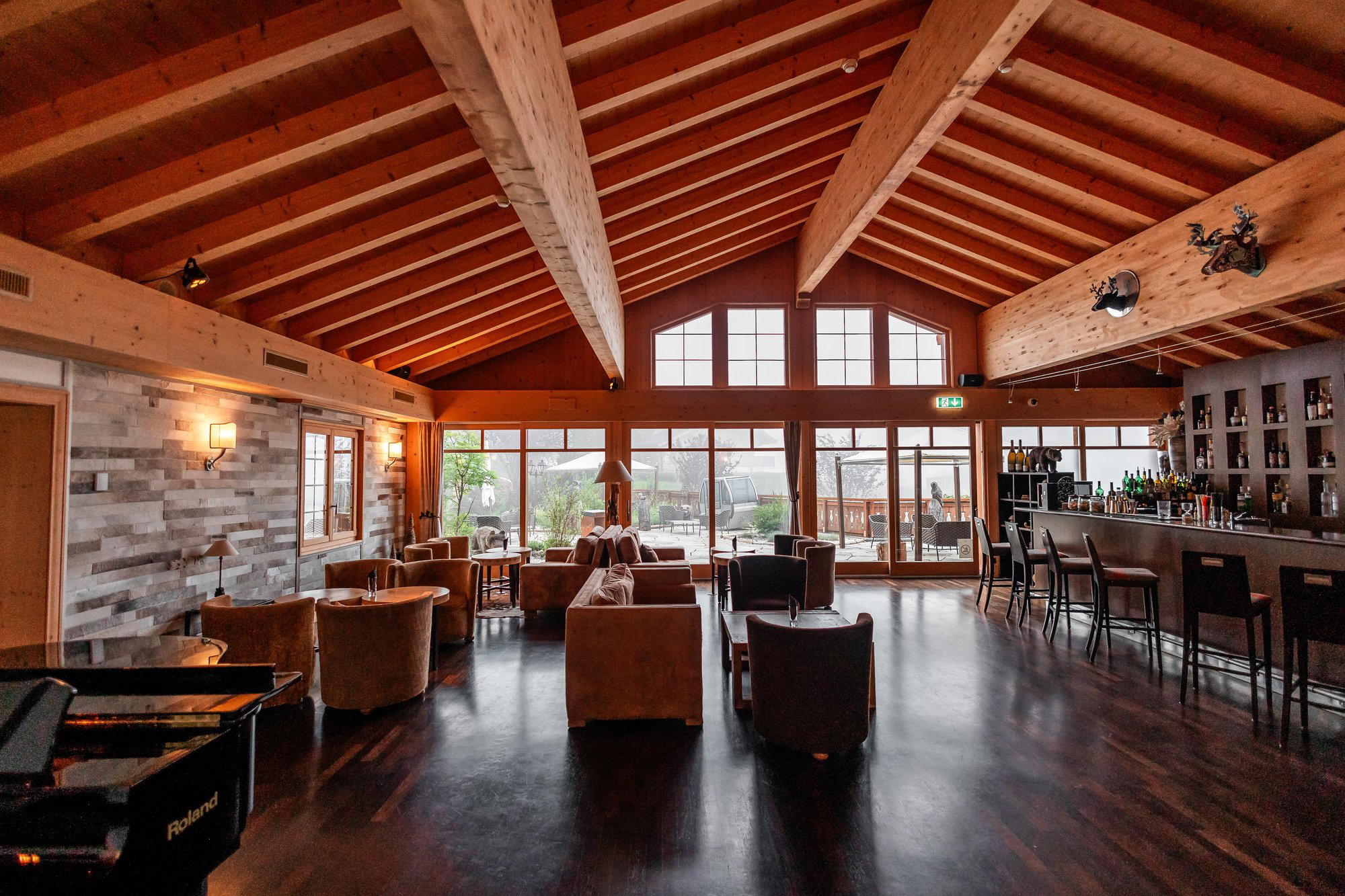
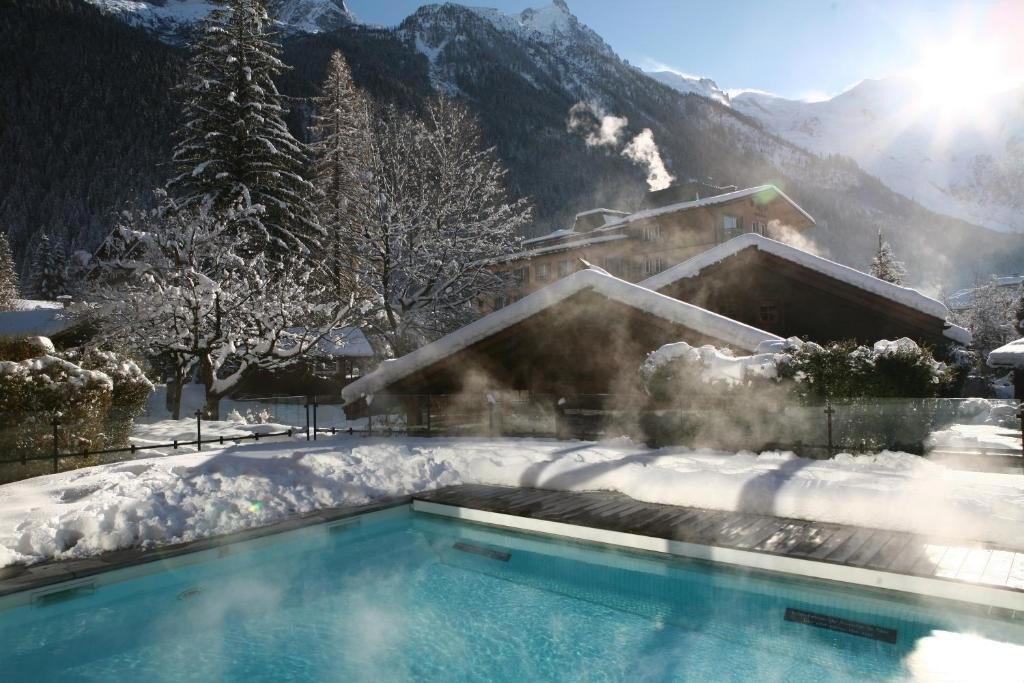
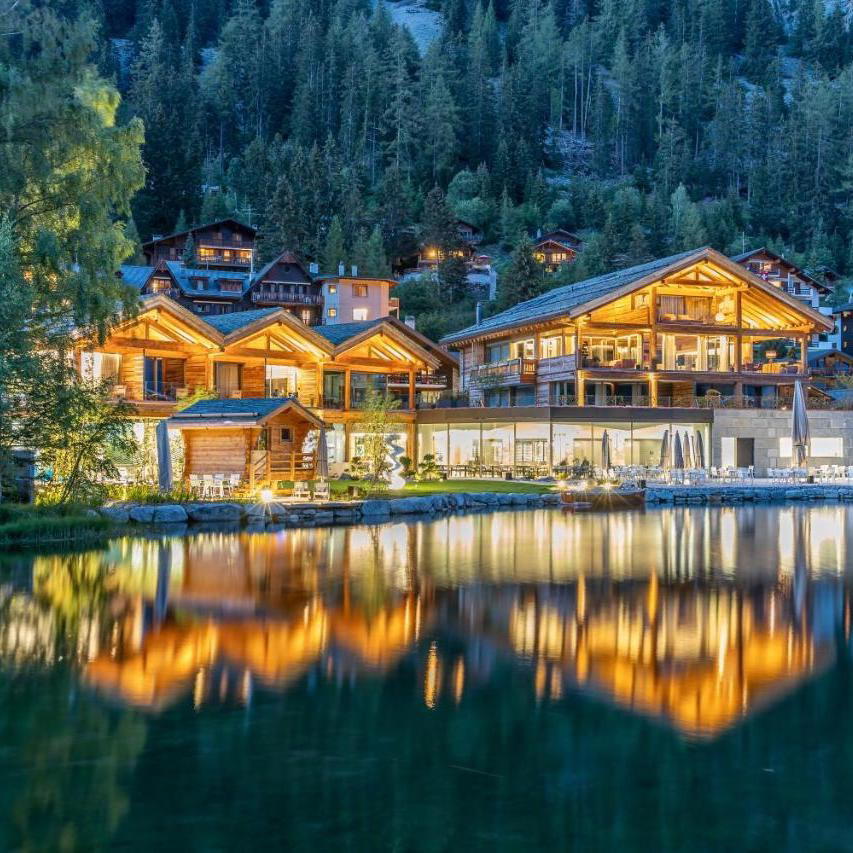
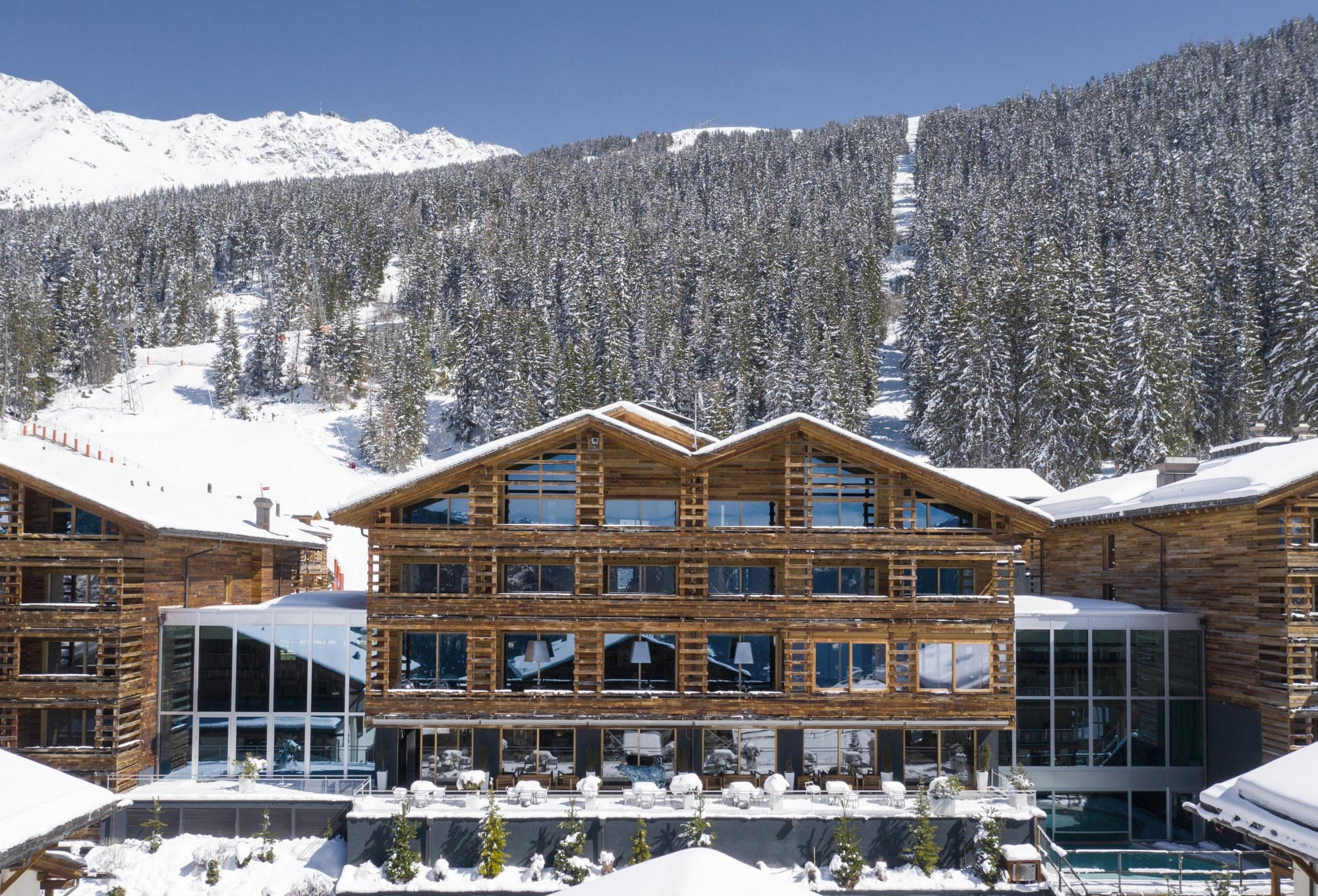
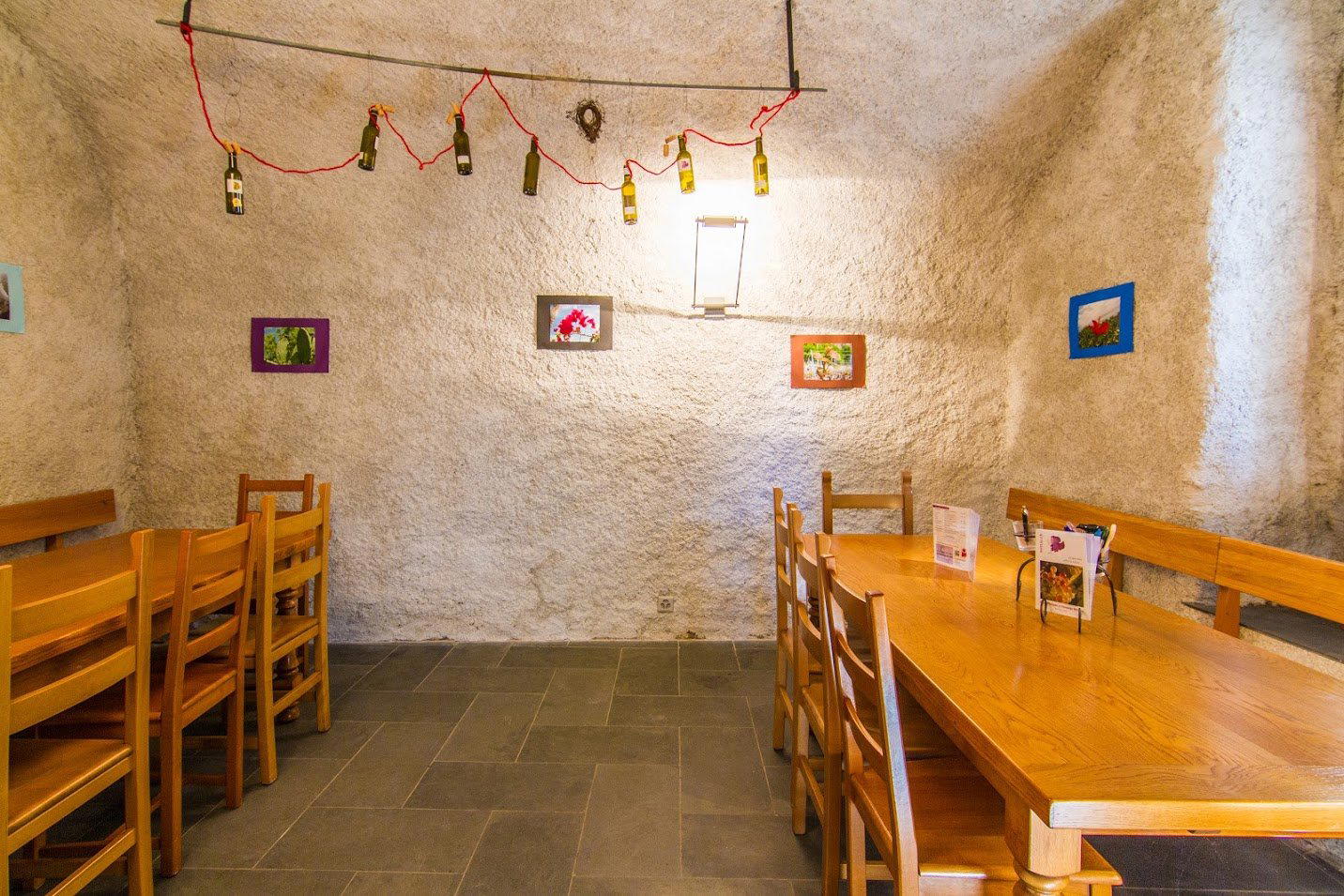
Refurbishment has updated the interior without stripping the building of its age. A 160-year-old structure near the Swiss border in the Alps carries a specific material vocabulary, and a renovation that erased that would be working against itself. The terrace, which faces the mountains, is the room in warmer months. This is not a curated mountain view in the resort hotel sense; Argentière sits under the Aiguille du Chardonnet and the Argentière glacier, and the peaks are present in the way large geological features are, which is to say unavoidably. Eating outside here is less about ambiance engineering and more about the basic fact of sitting at altitude with food made from things grown and raised in the same region you are looking at.
Guests planning a stay in the area can cross-reference our full Chamonix Mont-Blanc hotels guide for accommodation in the valley.
La Couronne in the Wider French Restaurant Conversation
It would be a category error to place La Couronne alongside France's destination-dining institutions. The cooking at addresses like Alléno Paris au Pavillon Ledoyen, Mirazur in Menton, or Paul Bocuse's Auberge du Pont de Collonges operates in a different register of resource, expectation, and critical scrutiny. The same applies to Troisgros, Auberge de l'Ill, Assiette Champenoise, Au Crocodile, and AM par Alexandre Mazzia. What La Couronne shares with those addresses is a commitment to the logic of place as a primary organising principle in the kitchen. In a valley where international resort dining often means imported formats with token alpine gestures, a restaurant built around Savoie products handled with genuine intent occupies a distinct and necessary position.
The valley has more to offer beyond the table. See our Chamonix Mont-Blanc bars guide, wineries guide, and experiences guide for a fuller picture of the area. For international reference points on ingredient-led cooking at high standards, Le Bernardin in New York City and Emeril's in New Orleans represent how product sourcing can anchor a restaurant's identity across decades.
Planning a Visit
FAQ
Does La Couronne work for a family meal?
Argentière operates as a working alpine village rather than a pure resort, and restaurants along its main route tend to accommodate mixed groups. La Couronne's lunchtime set menu offers a more contained format that works for families who want a proper sit-down without committing to a longer tasting-style dinner. The terrace seating, with its mountain outlook, gives the meal a context that resonates across age groups.
What's the overall feel of La Couronne?
The feel is grounded rather than performative. A building that has been standing since the 1860s near the Swiss border in the Alps carries a material honesty that a newly built mountain restaurant cannot replicate. The refurbishment has updated the facilities without hollowing out the character. The terrace faces the mountains directly, and the kitchen's focus on Savoie ingredients gives the meal a regional specificity that is relatively uncommon in a valley where international visitor traffic shapes many menus. This is a dinner or lunch that reads as genuinely of its place.
What dish is La Couronne famous for?
The kitchen's most discussed preparations centre on products with strong regional identity. The pumpkin agnolotti with reblochon cheese and Grenoble walnuts draws on two products with protected designations of origin and frames them inside a pasta format that shows technical confidence. The pormonier, a Savoyard pork sausage with a distinctive herbaceous character, served with pressed cabbage and macerated fruit, is the dish that most directly signals what the young local chef is interested in: traditional alpine charcuterie handled with enough precision to make the ingredient itself the focus.
Frequently asked questions
Does La Couronne work for a family meal?
The format suits it well. At lunchtime, La Couronne runs a simpler set menu alongside the full à la carte, which keeps the meal manageable in pace and scope. The terrace with mountain views gives younger visitors something to orient around, and dishes rooted in regional ingredients, pork sausage, cheese-filled pasta, Grenoble walnuts, tend to read clearly rather than experimentally.
What's the overall feel of La Couronne?
The building on rue Charlet-Straton dates to the 1860s and has operated as a hotel for over 160 years, recently refurbished but not stripped of its age. The cooking is handled by a young local chef whose menus reference the valley's terroir rather than chasing Alpine cliché. The terrace frames a direct view of the mountains, and the room behind it carries the weight of a structure that has served alpinists and travellers on the Chamonix–Swiss border route for generations.
Is La Couronne Michelin-listed?
La Couronne has received recognition including: Constructed in the 1860s, this imposing building near the Swiss border has been a hotel for over 160 years. Now totally refurbished, the restaurant is home to a young local chef whose appetising dishes often pay homage to the terroir: pumpk….
What dish is La Couronne famous for?
No single dish has attracted documented critical consensus, but the menu's most characterful references are the pumpkin agnolotti with reblochon cheese and Grenoble walnuts, and "le pormonier", a regional pork sausage served with pressed cabbage and macerated fruit. Both signal the kitchen's commitment to Savoyard terroir rather than generic Alpine cooking.
What's La Couronne's location?
La Couronne is located at 285 rue Charlet-Straton, à Argentière, Chamonix Mont-Blanc.
Quick Comparison
Comparable venues nearby, for context on price, style, and recognition.
| Venue | Cuisine | Price | Awards | Notes |
|---|---|---|---|---|
| La CouronneThis venue (the venue you are viewing) | Alpine Savoyard Bistro | $30–50 | Michelin Plate | Not listed |
| Le Comptoir des Alpes | Modern Franco-Italian | $50–100 | Michelin Plate | Chamonix center |
| Bergerie de Planpraz | Wood-Fired Savoyard Brasserie | $30–50 | Not listed | Chamonix Main Town |
| Le Matafan | Alpine Fine Dining | $50–100 | Michelin Plate | Chamonix Centre |
| Munchie | Asian Fusion with Swedish & French Influences | $30–50 | Not listed | Rue des Moulins, Central Chamonix |
| La Maison Carrier | Traditional Savoyard French Bistro | $30–50 | Michelin Plate · Relais Chateaux Award | Chamonix centre |
Recognition history
Dated appearances from independent guides and award organizations, with the underlying list record or original source where available.
Michelin Plate
Michelin
Continue exploring
More in Chamonix-Mont Blanc
Restaurants in Chamonix-Mont Blanc
All restaurants in Chamonix-Mont Blanc →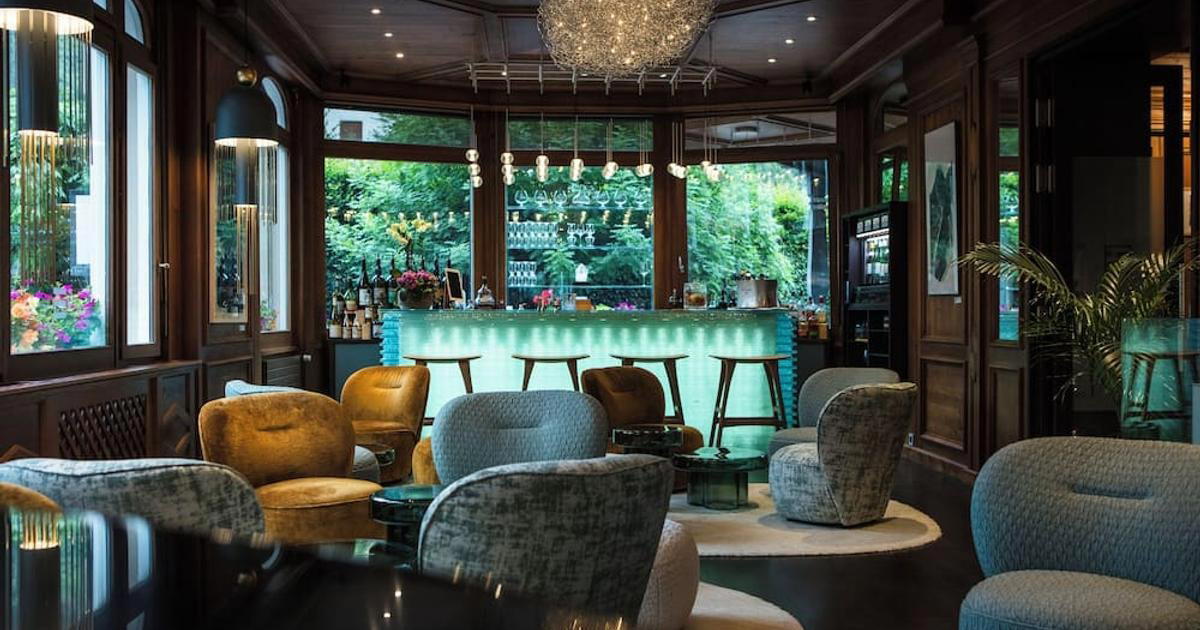
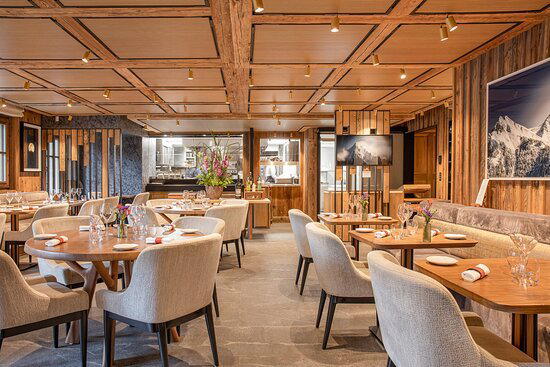
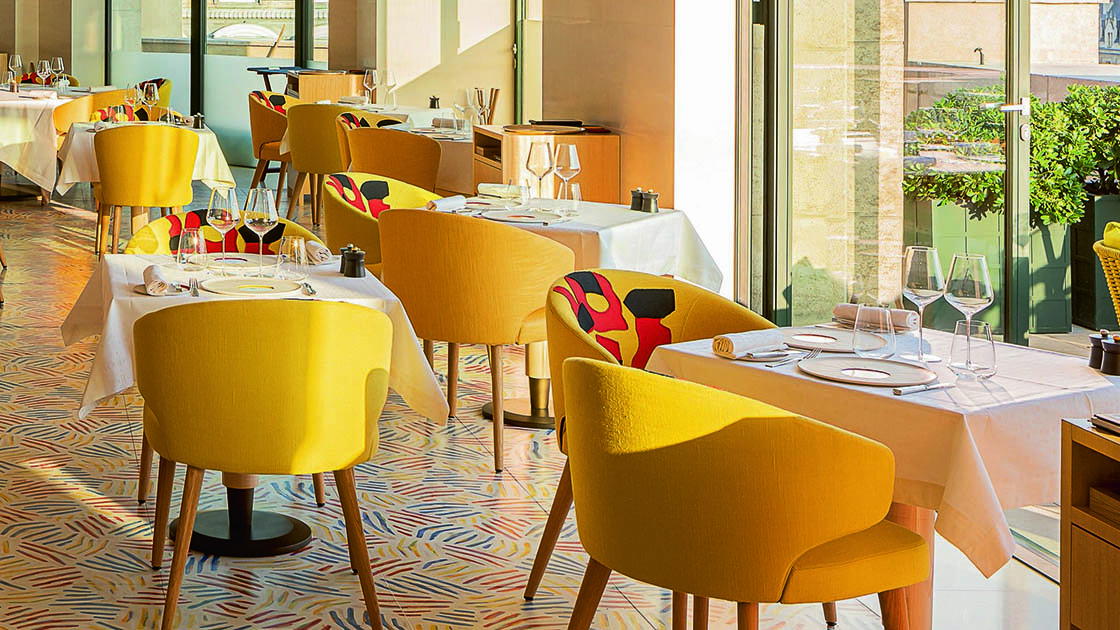
Bars in Chamonix-Mont Blanc
Browse all →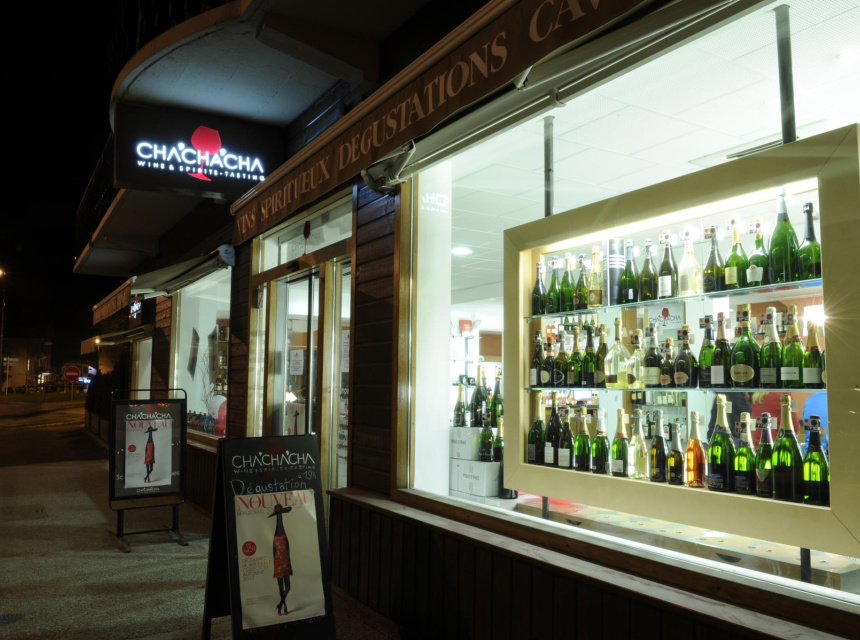

Details
- Cozy
- Scenic
- Rustic
- Classic
- Family
- Group Dining
- Casual Hangout
- After Work
- Terrace
- Panoramic View
- Historic Building
- Hotel Restaurant
- Garden
- Craft Cocktails
- Local Sourcing
- Farm To Table
- Mountain
- A La Carte
- Set Menu
- Cocktails
- Local Wines
- Vegetarian Friendly
- Vegan Options
- Gluten Free Options
- Halal
- Kosher
Current opening hours
- Monday
- 12–2 PM, 7–9 PM
- Tuesday
- Closed
- Wednesday
- Closed
- Thursday
- 12–2 PM, 7–9 PM
- Friday
- 12–2 PM, 7–9 PM
- Saturday
- 12–2 PM, 7–9 PM
- Sunday
- 12–2 PM, 7–9 PM
Hours can change for holidays and private events. Hours as of .
Warm, convivial mountain atmosphere with modern comfort; bright natural light on the terrace with dramatic valley views; cozy interior with traditional Alpine decor.