Our verdict
Le Bistrot d'Olivier occupies Place de la Motte in central Limoges, a city better known for its porcelain than its dining scene. The bistrot format here operates within a local restaurant tier that rewards coordination between kitchen and floor rather than headline-grabbing spectacle. For visitors to the Haute-Vienne, it represents an accessible entry point into Limoges's mid-range dining circuit.

Pearl is the En Primeur Club membership app — saves, bookings, and concierge access live there. Same editors, same standards.
- Address
- Pl. de la Motte, 87000 Limoges, France
- Phone
- +33555337385
- Hours
- Mon–Sat 8 AM–3 PMSun Closed
- Website
- lebistrotdolivier.fr
- Directions
- Get directions
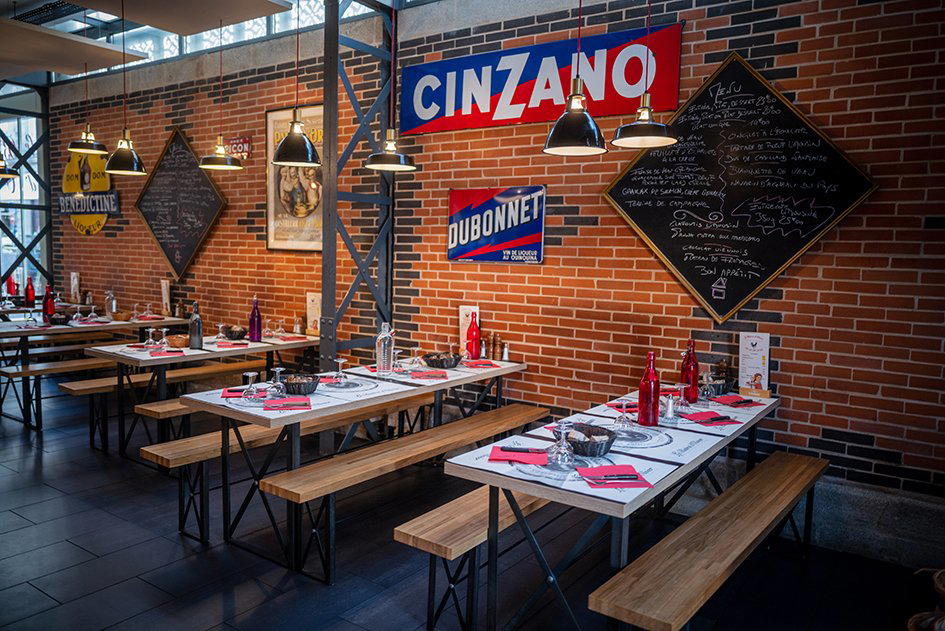
The menu
What to order
- Fraise de veau
- Tartare de boeuf Limousin
- Pâté
Place de la Motte and the Bistrot Tradition in Limoges
Place de la Motte sits at the older end of Limoges's commercial centre, a square that functions as a daily market ground and a gathering point where the city's working rhythm is most legible. Restaurants on or adjacent to the square tend to serve a mixed clientele: local regulars eating at midday, visitors from the cathedral quarter in the evening, and the occasional table of professionals from the nearby administrative offices. In this setting, the bistrot format operates differently from its Parisian counterpart. Where Paris bistrots often carry the weight of neighbourhood mythology or a named chef's reputation, a provincial bistrot like Le Bistrot d'Olivier draws credibility primarily from consistency, room atmosphere, and the coordination between its kitchen and its dining room staff.
Limoges is not a city that appears frequently in France's fine-dining conversation. The regional restaurants that attract national attention tend to cluster in the Périgord to the south, the Loire to the north, or along the Rhône corridor eastward. Compare the density of recognition around Troisgros - Le Bois sans Feuilles in Ouches or Bras in Laguiole with the Haute-Vienne's relatively sparse entries in major guides, and you get a sense of how Limoges has historically positioned itself: a city of artisan industry first, gastronomy second. That gap is narrowing, but slowly. Le Bistrot d'Olivier sits inside a local tier that sits comfortably below the formal tasting-menu register represented nationally by houses like Alléno Paris au Pavillon Ledoyen in Paris or regionally by starred operations in Bordeaux and Lyon, but it occupies the kind of neighbourhood-anchor role that any functional dining city depends on.
The Bistrot as a Team Format
The editorial angle most relevant to understanding how a bistrot like this one works is not the chef's biography but the collaboration between roles. In the French bistrot model, the success of an evening depends on the synchronisation of kitchen timing, floor awareness, and wine or carafe service. A head chef who produces technically sound plates can still deliver a poor experience if the floor team misreads the pace of the table. Conversely, an attentive front-of-house can compensate for modest cooking through precise timing and well-calibrated recommendations.
This dynamic matters more at the bistrot level than at either extreme of the market. At the counter-service or brasserie end, the format itself absorbs inconsistency. At the three-star level, every element is so tightly controlled that the question of team cohesion is structural rather than variable. The bistrot sits in between: format-flexible enough to feel relaxed, but dependent enough on human coordination to be genuinely affected by whether the floor lead and the kitchen are communicating well on any given service. Restaurants in Limoges that manage this well, including peers like L'Aparté (Modern Cuisine) and Amphitryon (Modern Cuisine), tend to build regulars quickly because consistency in the mid-market is rarer than it appears.
Limoges's Mid-Range Dining Circuit
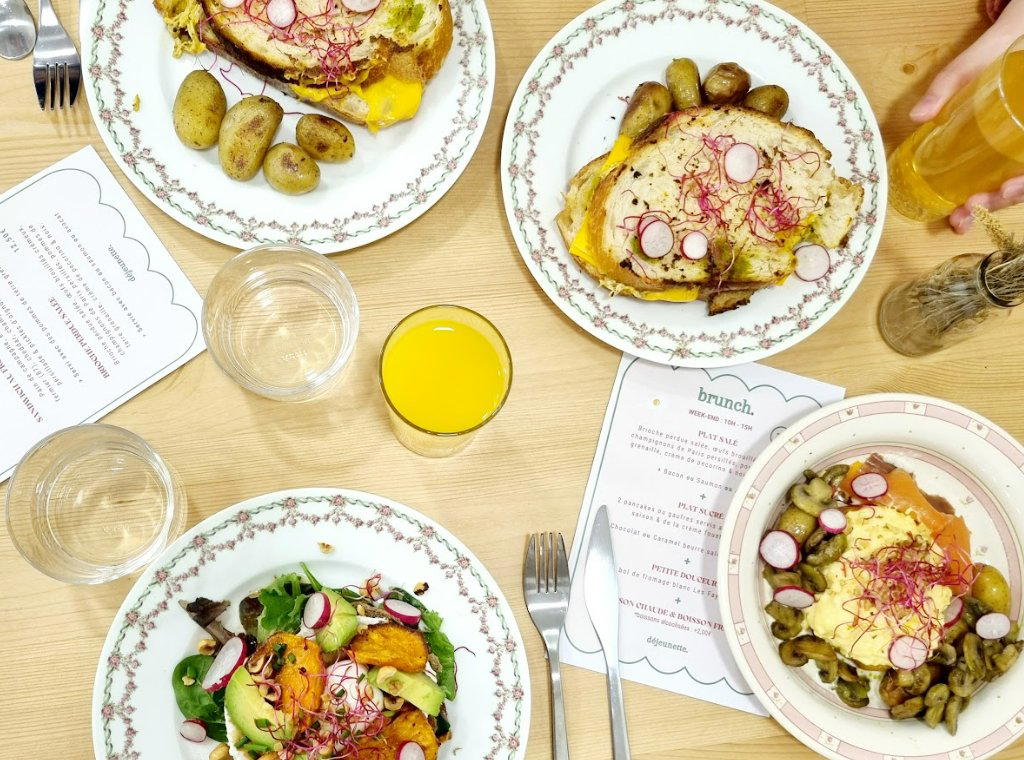
The local dining tier in which Le Bistrot d'Olivier operates includes a range of formats from the brunch-facing end of the market, represented by venues like Déjeunette Brunch, through to the slightly more formal mid-market registers of La Cuisine du Cloître (Modern Cuisine) and L'Echanson. Within this circuit, the bistrot format tends to draw from a broader demographic than specialist restaurants: it is accessible enough in price expectation and formality level to attract both the occasional visitor and the weekly regular.
The Limousin region's culinary raw material is not negligible. The area is associated with Limousin beef, which carries a protected designation of origin and appears regularly on menus across the Haute-Vienne. Cèpes, walnut oil, and freshwater fish from the Vézère and Vienne rivers also feature in the regional cooking vocabulary. A bistrot operating on Place de la Motte with any seriousness about its sourcing would draw on at least some of this local supply chain. French bistrot cooking at its most coherent is regional cooking in compact form: a shorter menu, honest execution, a wine list that skews toward accessible appellations, and a room temperature that invites a second glass rather than a swift exit. Whether Le Bistrot d'Olivier follows that model precisely is not something verifiable from available data, but the format and location both point in that direction.
For context on what France's most recognised dining institutions look like at scale, consider the gap between a provincial bistrot and houses such as Mirazur in Menton, AM par Alexandre Mazzia in Marseille, or Assiette Champenoise in Reims. These are institutions operating at a different tier entirely, but they share a national dining culture that treats the bistrot as foundational rather than peripheral. Some of France's most decorated kitchens began as or still maintain bistrot annexes precisely because the format tests a different set of skills: speed, economy, and the kind of hospitality that does not require a formal script.
Planning a Visit
Le Bistrot d'Olivier is located at Place de la Motte, 87000 Limoges. The square is accessible on foot from the cathedral and the central commercial streets, making it a practical option for visitors already exploring the city's historic core. Limoges is reachable by TGV from Paris Austerlitz in under three hours, which positions the city as a feasible standalone destination or a stopover on a southwest France itinerary that might also include the Périgord or Bordeaux wine country. For a broader overview of where Le Bistrot d'Olivier sits within the city's full dining offer, the full Limoges restaurants guide maps the relevant options across price tier and format.
Internationally oriented readers who use starred French dining as a reference point might also consider how the bistrot tradition fits alongside the country's most formal houses. The lineages that run through Paul Bocuse - L'Auberge du Pont de Collonges in Collonges-au-Mont-d'Or, Auberge de l'Ill in Illhaeusern, or Flocons de Sel in Megève exist at the opposite end of the same French hospitality tradition that produces the provincial bistrot. The bistrot is not a lesser version of that tradition; it is a different expression of it, one that prizes accessibility and daily rhythm over ceremony. For visitors arriving from cities with a dense fine-dining culture, including those familiar with Le Bernardin in New York City or Atomix in New York City, the French provincial bistrot represents a reset in register that many find more instructive than another tasting menu.
Frequently asked questions
How do I find Le Bistrot d'Olivier?
Le Bistrot d'Olivier is located at Pl. de la Motte, 87000 Limoges, France, Limoges.
Where exactly is Le Bistrot d'Olivier in Limoges and how do I get there on foot?
Le Bistrot d'Olivier is at Place de la Motte, 87000 Limoges, a square in the older section of the city's commercial centre. The location is walkable from Limoges Cathedral and the central shopping streets, making it accessible without a car for visitors staying in the city centre. No tram stop sits immediately on the square, so checking current transit maps for the nearest stop is advisable.
What dish is Le Bistrot d'Olivier famous for?
No single signature dish is documented for Le Bistrot d'Olivier. As a bistrot on Place de la Motte in Limoges, the format typically centres on French regional staples executed without fuss.
What is Le Bistrot d'Olivier known for?
Le Bistrot d'Olivier occupies Place de la Motte, one of Limoges's oldest commercial gathering points, placing it squarely within the city's neighbourhood dining circuit rather than its formal restaurant tier. The bistrot format itself is the organising principle: collaborative kitchen work, mid-range pricing, and French fare without the ceremony of a gastronomic room.
Can Le Bistrot d'Olivier handle vegetarian requests?
French bistrots at this level vary considerably on plant-based accommodation, so contacting the venue at Place de la Motte, 87000 Limoges directly before arrival is the straightforward way to confirm.
Price and Recognition
Comparable venues nearby, for context on price, style, and recognition.
| Venue | Cuisine | Price | Awards | Notes |
|---|---|---|---|---|
| Le Bistrot d'OlivierThis venue — the venue you are viewing | Traditional French Limousin Bistro | $20–30 | Not listed | Not listed |
| L'Echanson | Traditional French Bistro | $20–30 | Not listed | Centre Ville, Traditional French Bistro |
| Déjeunette Brunch | Homemade Brunch Café | $20–30 | Not listed | centre ville, Homemade Brunch Café |
| Le Versailles | Traditional French Brasserie | $30–50 | Not listed | Downtown, Traditional French Brasserie |
| L'Aparté | Modern French Bistro | $50–100 | Michelin Plate | centre-ville, Modern French Bistro |
| Le Cheverny | Traditional French Regional Bistro | Not listed | Not listed | Downtown, Traditional French Regional Bistro |
Continue exploring
More in Limoges
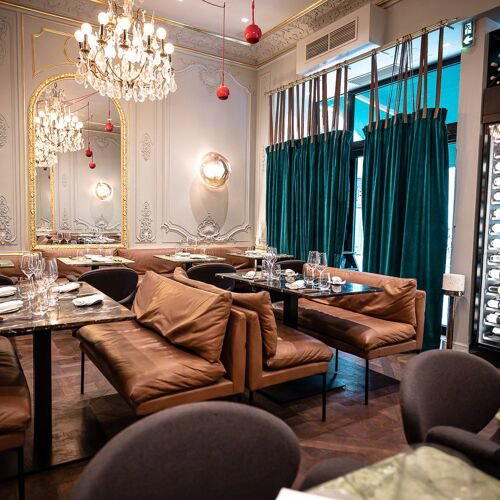
Restaurants in Limoges
Browse all →
Hotels in Limoges
Browse all →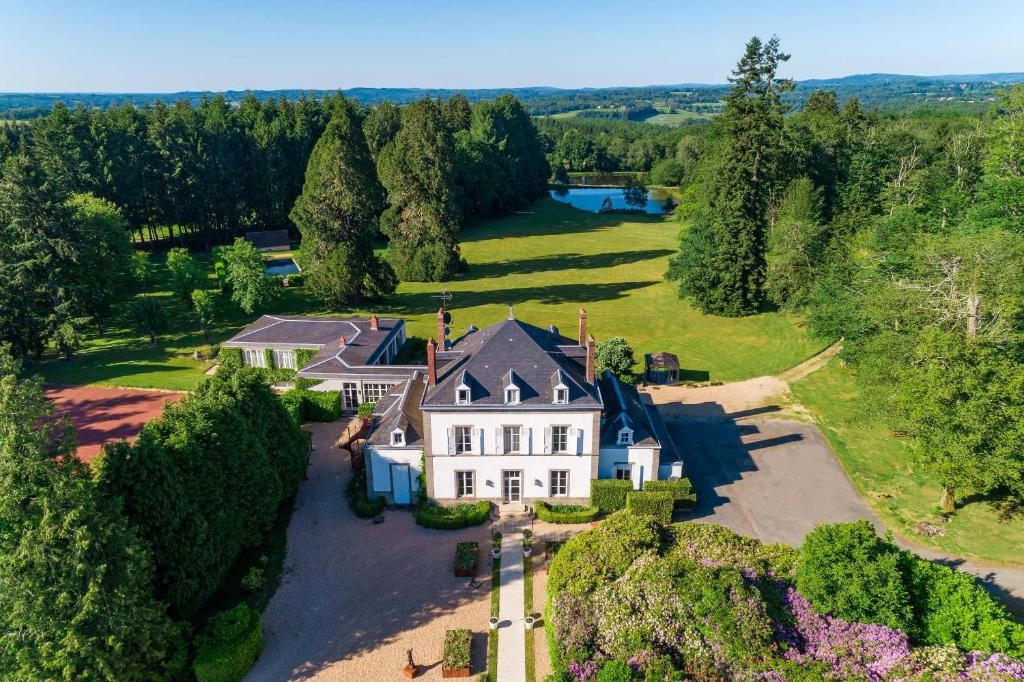
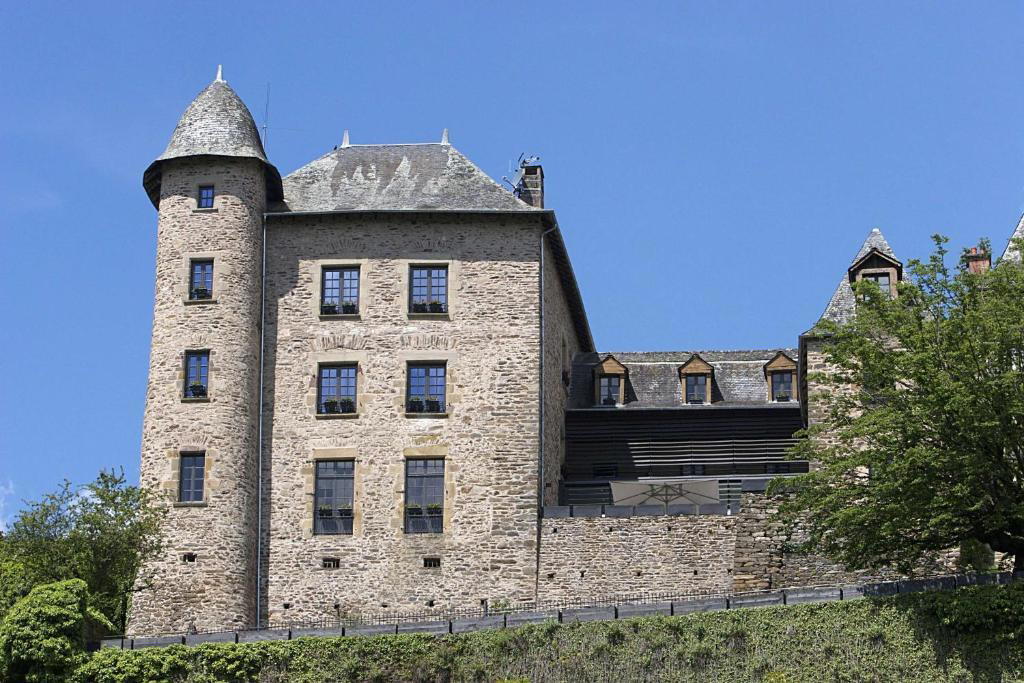
Wineries in Limoges
Browse all →
Details
- Cozy
- Classic
- Lively
- Casual Hangout
- Historic Building
- Terrace
- Local Sourcing
- Street Scene
- A La Carte
Current opening hours
- Monday
- 8 AM–3 PM
- Tuesday
- 8 AM–3 PM
- Wednesday
- 8 AM–3 PM
- Thursday
- 8 AM–3 PM
- Friday
- 8 AM–3 PM
- Saturday
- 8 AM–3 PM
- Sunday
- Closed
Hours can change for holidays and private events. Last verified .
Convivial atmosphere with communal wooden benches, lively market energy, and warm bistro lighting.