Les Orangeries

Les Orangeries earned France's first hotel eco-label, a distinction that runs deeper than a certificate on the wall. The kitchen at this old family house in Lussac-les-Châteaux draws from an on-site vegetable garden and a network of small regional producers, with Olivia Gautier shaping a seasonal menu that treats sourcing as the central discipline. It sits at the quieter end of French gastronomy, where the provenance of a carrot matters as much as the technique applied to it.
Pearl is the En Primeur Club membership app — saves, bookings, and concierge access live there. Same editors, same standards.
- Address
- 10 Av. du Dr Dupont, 86320 Lussac-les-Châteaux, France
- Phone
- +33 5 49 84 07 07
- Website
- lesorangeries.fr
- Directions
- Get directions
 Saves & bookings on Pearl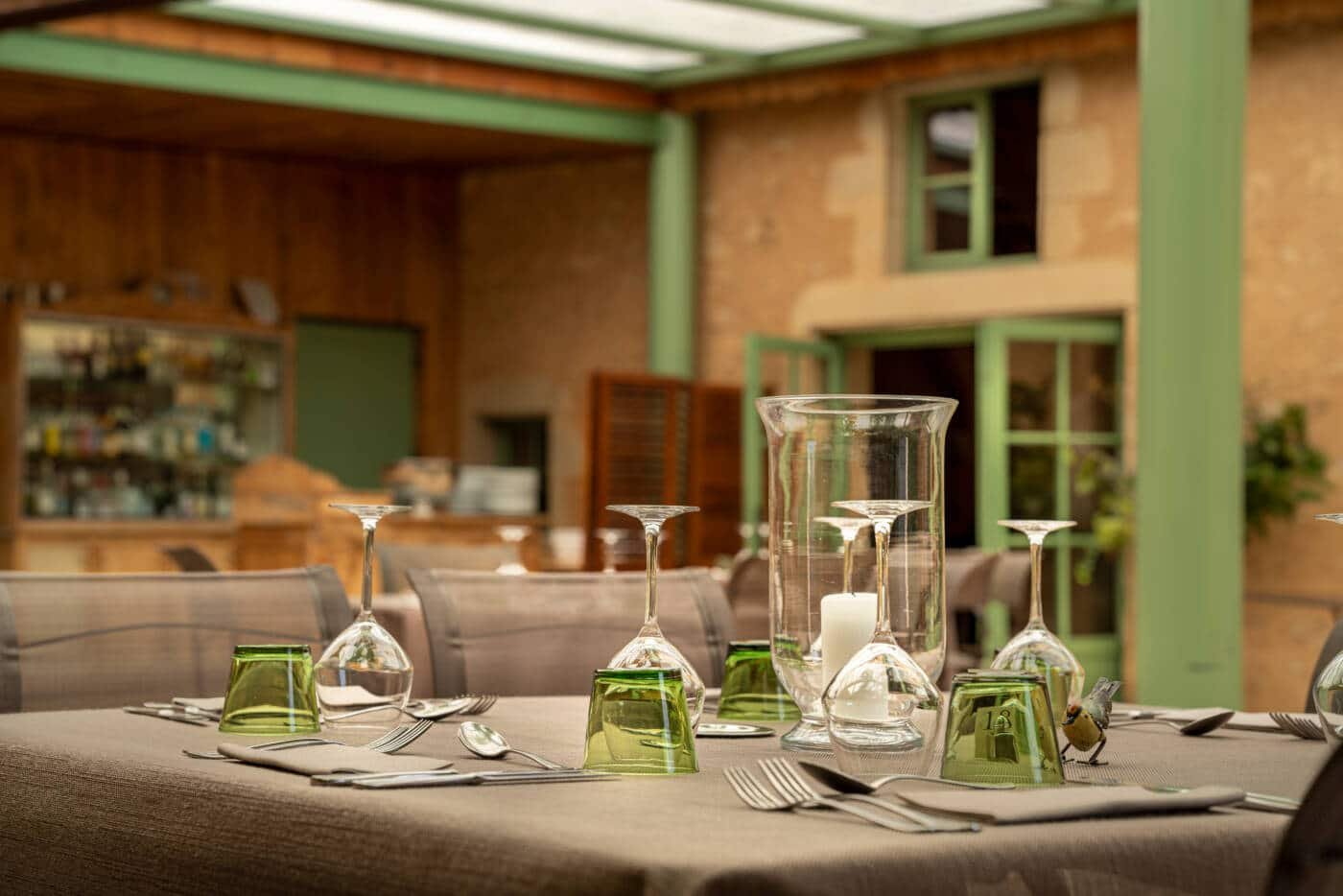
A Different Kind of French Table
Les Orangeries is a restaurant in Lussac-les-Châteaux, France, serving seasonal French locavore bistro cooking at about $35 per person. Travellers pass through the Poitou on their way to Bordeaux or the Loire, and Lussac-les-Châteaux rarely detains them. That pattern makes Les Orangeries somewhat easier to read on its own terms, without the comparative noise that surrounds the multi-starred addresses in Paris or the well-documented destination restaurants of the south. For context on those bigger stages, you can trace a line through Alléno Paris au Pavillon Ledoyen, Mirazur in Menton, or Bras in Laguiole. Les Orangeries operates in a different register entirely: a family house with a garden, a kitchen that answers to the seasons, and a sourcing philosophy that preceded the current French vogue for farm-to-table rhetoric by some years.
France's hotel eco-label, awarded by the government body that administers environmental certification for tourism properties, had to have a first recipient. The restaurant holds that position. The certification reflects energy use, waste management, water use, and supplier sourcing. The kitchen relies on an on-site vegetable garden and a tight circle of local farms.
Where the Ingredients Come From
In the broader conversation about ingredient sourcing in French restaurant kitchens, there is a meaningful distinction between chefs who use a handful of prestige producers as marketing signals and those who have structured the entire operation around supply-chain proximity. The kitchen at the restaurant belongs to the second category. The vegetable garden on the property feeds the menu directly; what cannot be grown on-site comes from farms and small producers in the surrounding region. Olivia Gautier's approach to this material is described as refined and seasonal, which in practice means the menu moves with what is available rather than what a fixed format requires.
This matters because the alternative, sourcing proteins and produce from centralised distributors regardless of season, remains the norm in much of the French provincial hotel-restaurant sector. Properties at this level, an old family house in a small town, typically trade on comfort and reasonable prices rather than supply-chain discipline. The restaurant is an outlier in that regard, and the eco-label provides a verifiable marker for what would otherwise be a claim difficult to assess from outside.
Flocons de Sel in Megève, Troisgros in Ouches, or Auberge du Vieux Puits in Fontjoncouse, restaurants where the relationship between landscape, producer, and plate is explicit and well-documented. The restaurant is not operating at that level of profile or critical recognition, but the structural commitment to local sourcing places it in a coherent tradition. It is also worth noting that particularly rigorous sourcing in French gastronomy happens at exactly this scale: small, family-run, not starred, working the same regional suppliers year after year without the scrutiny that comes with Michelin attention.
The Setting and What It Produces
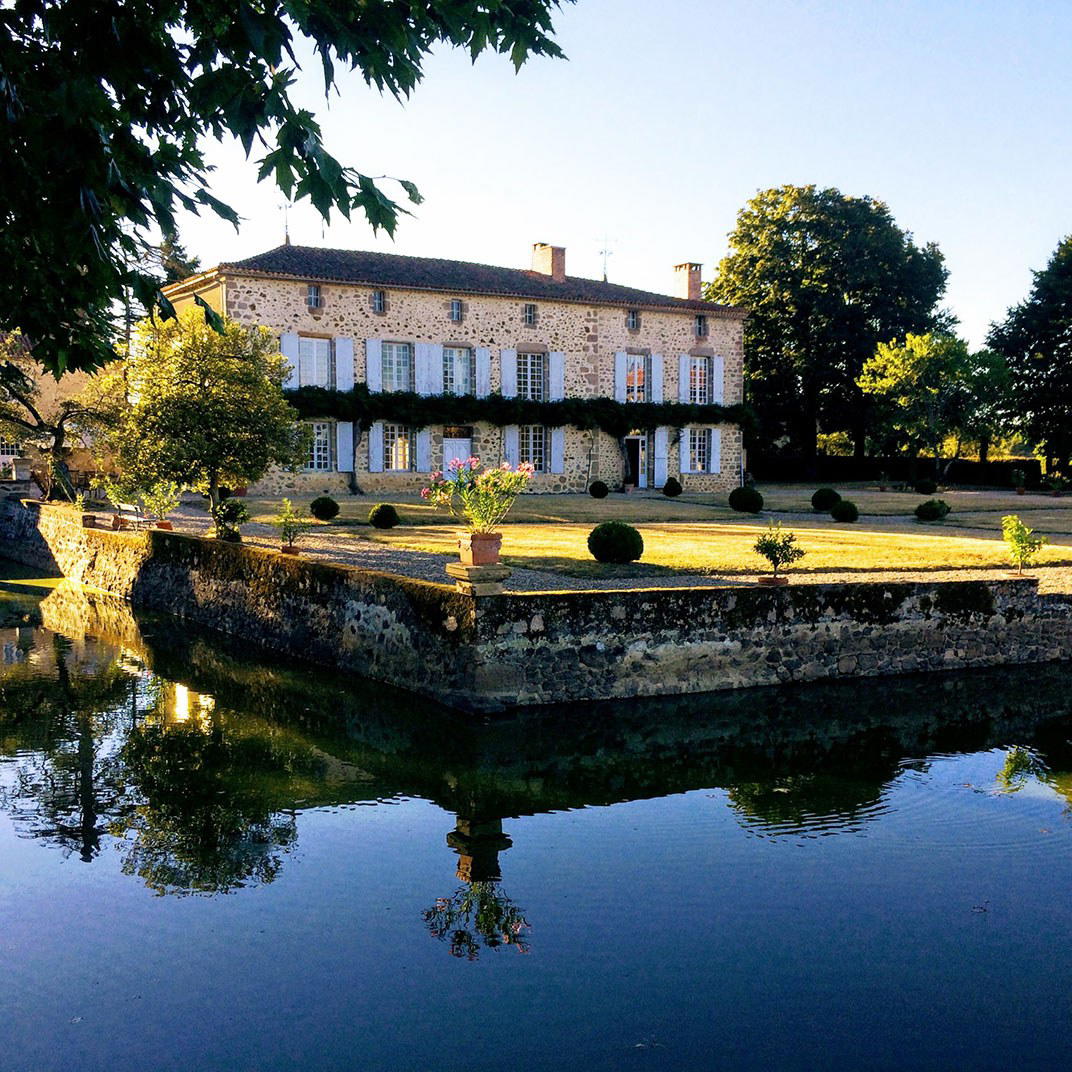
The building itself is an old family house, which in the French provincial context signals a certain physical character: rooms with history, proportions that predate the logic of the modern hospitality build, gardens that have been tended across generations rather than installed. The name refers to the orange trees, a classical feature of the French formal garden that carries connotations of care and cultivation running back several centuries. Arriving at a property like this in a small town in the Vienne, the physical environment does much of the contextual work before a meal begins.
Cuisine is described as gourmet and seasonal, the vocabulary the property uses to position Gautier's cooking above the standard hotel-restaurant register while keeping it grounded in the domestic and the regional rather than the technically ambitious. That positioning is coherent given the sourcing brief: a kitchen anchored in a vegetable garden and local farms will produce food that reflects a specific place and moment in the calendar rather than a chef's signature grammar applied uniformly across seasons.
Planning Your Visit
Lussac-les-Châteaux sits in the Vienne, roughly equidistant between Poitiers and the Creuse border, accessible from the A10 autoroute or by regional train via Poitiers. The address at 10 Avenue du Dr Dupont places the restaurant within the town itself, not on a remote rural road. For those travelling through the Poitou toward Bordeaux or the Dordogne, it functions as a credible overnight stop with a kitchen that rewards the detour.
For points of reference across the wider French dining scene, the full range runs from institutions like Paul Bocuse's Auberge du Pont de Collonges and Au Crocodile in Strasbourg to newer voices like AM par Alexandre Mazzia in Marseille. The restaurant occupies a quieter position in that spectrum, defined less by critical ranking and more by a specific and documented commitment to where its food comes from.
A Quick Peer Check
Comparable venues nearby, for context on price, style, and recognition.
| Venue | Cuisine | Price | Notes |
|---|---|---|---|
| Les OrangeriesThis venue — the venue you are viewing | Seasonal French Locavore Bistro | $$$ | Not listed |
| L'Accalmie | Modern French Gastronomique | $$$ | Place des Halles |
| Comptoir De Vie | Modern French Tasting Counter-Bar | $$$ | 2nd Arrondissement |
| Le Fin Gourmet | Classic French Fine Dining | $$$ | forteresse médiévale |
| Le Cellier | Modern French Bistro | $$$ | centre-ville |
| Le Petit Canard | Traditional French Duck Bistro | $$$ | 9th arrondissement |
Recognition history
Dated appearances from independent guides and award organizations, with the underlying list record or original source where available.
We're Smart World 3 Radishes
We're Smart World
Continue exploring
More in Lussac-les-Châteaux
Restaurants in Lussac-les-Châteaux
Browse all →
Hotels in Lussac-les-Châteaux
Browse all →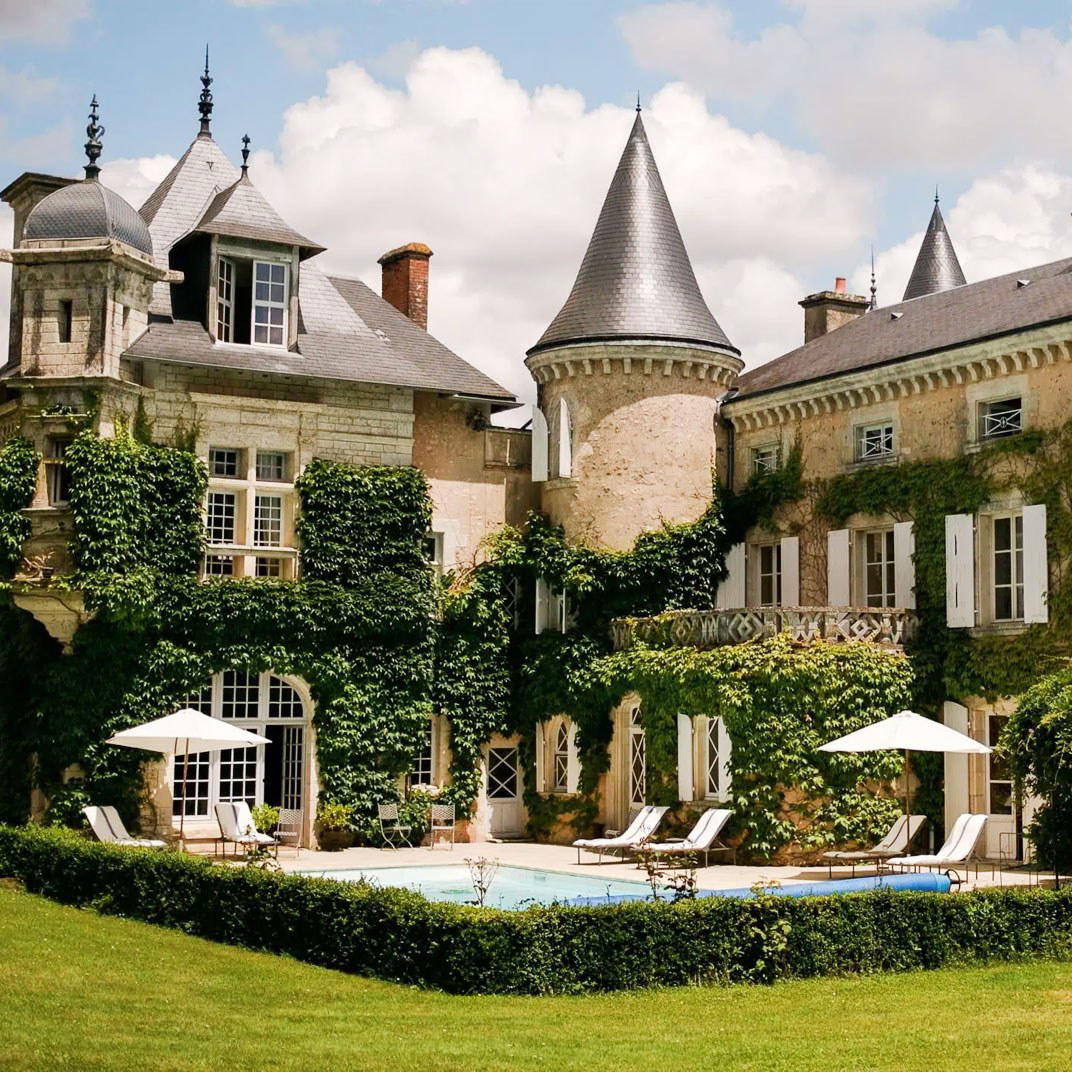
At a Glance
- Cozy
- Rustic
- Elegant
- Scenic
- Date Night
- Family
- Special Occasion
- Garden
- Terrace
- Historic Building
- Natural Wine
- Farm To Table
- Organic
- Local Sourcing
- Garden
Chaleureux et rustique with monumental fireplaces, intimate salons, and serene garden terrace seating under parasols.