
A Michelin Plate holder on the Rhuys Peninsula, Le Kermer serves traditional Breton cuisine in Sarzeau at a mid-range price point that makes it one of the more accessible recognised tables in southern Morbihan. The address on Rue Saint-Vincent puts it within easy reach of the Gulf of Morbihan's coastal produce routes.
Pearl is the En Primeur Club membership app — saves, bookings, and concierge access live there. Same editors, same standards.
- Address
- 5 Rue Saint-Vincent, 56370 Sarzeau, France
- Phone
- +33 2 97 44 05 77
- Website
- lekermer.com
- Directions
- Get directions
 Saves & bookings on Pearl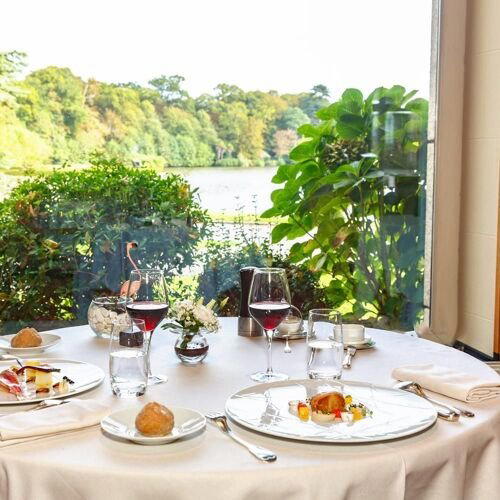
The Rhuys Peninsula has a particular logic to its food. Flanked on one side by the Atlantic and on the other by the enclosed, tidal world of the Gulf of Morbihan, the land here is never far from salt water in either direction. That proximity shapes what lands on local tables: oysters from the gulf's beds, fish hauled from inshore Atlantic waters, lamb that grazes on coastal marshes, and dairy from farms whose pastures are cut by sea breezes. Restaurants in this part of southern Morbihan either work with that geography or they ignore it. The ones that earn recognition tend to do the former.
Le Kermer, at 5 Rue Saint-Vincent in Sarzeau, sits within that tradition. Awarded a Michelin Plate in 2025, the recognition signals a kitchen producing consistently competent, honest cooking, the kind of work that Michelin's inspectors register as merit without theatrics. At the €€ price tier, it occupies a band that is increasingly rare among recognised tables in Brittany: formal enough to take seriously, accessible enough to return to without ceremony.
What the Plate Means in This Context
France's Michelin Plate designation is sometimes underread. It marks a restaurant where inspectors found good cooking, reliably executed, without the qualifier of a starred performance. In a region like southern Morbihan, where the majority of tables serve undifferentiated crêpes and plateau de fruits de mer to summer tourists, the Plate signals a restaurant operating at a different register. It is useful to set Le Kermer alongside the range of French regional recognition: the three-starred concentration of houses like Alléno Paris au Pavillon Ledoyen, the mountain-rooted terroir cooking of Flocons de Sel in Megève, or the produce-anchored ambition of Mirazur in Menton. Those are different conversations. Le Kermer is not competing in that bracket, nor is it trying to. It is doing something more locally specific: holding a standard of traditional cuisine in a small Breton town, and doing it well enough to earn Michelin's attention.
Within Brittany itself, the tradition of regional cooking anchored in coastal and agricultural sourcing has a serious lineage. Tables like Auberge Grand'Maison in Mûr-de-Bretagne demonstrate what that commitment looks like at starred level further inland. Le Kermer works in a comparable spirit at its own scale and price point.
Ingredient Sourcing and the Gulf's Pantry
Traditional cuisine as a Michelin category is not a euphemism for conservative or uninspired. In coastal Brittany, it is a declaration of sourcing intent. The classification signals a kitchen working from established regional technique applied to ingredients that are local by geography, not by marketing language. For Sarzeau specifically, that means the Gulf of Morbihan's shellfish are a structural element of the menu, not a garnish. The gulf produces some of France's most closely watched oysters, with specific appellations tied to particular beds. The salt marshes around the peninsula yield the lamb that appears on serious Breton tables in spring and summer. Coastal fish, local crustaceans, and the dairy and charcuterie of inland Morbihan farms round out what a kitchen at this standard would typically draw from.
That sourcing proximity is what distinguishes the better tables on the peninsula from the generic coastal restaurant formula applied across French seaside towns. When a kitchen holds a Michelin Plate while working in the traditional cuisine classification, the implication is that the sourcing is coherent and the technique applied to those ingredients is sound.
Sarzeau's Dining Position
Sarzeau is not a large town, and its restaurant scene functions accordingly. The summer months bring a significant influx from the French interior, particularly from Nantes and Rennes, drawn by the peninsula's beaches and the sailing culture of the Gulf of Morbihan. That seasonal pressure means the better tables in town are worth booking in advance for July and August visits. The €€ price band at Le Kermer places it below the threshold that many visitors mentally assign to Michelin-recognised restaurants, which can lead to underestimating the booking demand.
For a fuller picture of what the town's dining offers at different price points and styles, the full Sarzeau restaurants guide maps the range. Those planning a longer stay on the peninsula will find complementary resources in the Sarzeau hotels guide, the bars guide, and the experiences guide. Wine travellers should also consult the Sarzeau wineries guide.
The choice between them depends on whether a diner is looking for the regional tradition that Le Kermer represents or a more modern approach to the same local ingredients.
Atmosphere and Format
Rue Saint-Vincent runs through the older residential fabric of Sarzeau, away from the main tourist infrastructure closer to the waterfront. That address sets the tone: this is a restaurant embedded in town life rather than positioned for passing trade. The character of such rooms in Breton market towns tends toward the unhurried, with a pace shaped by locals who are eating rather than performing an occasion. In a town of this size, that kind of sustained approval across a substantial review base is a meaningful signal.
Comparable traditional cuisine houses at this price point in the broader French Atlantic context, such as Auga in Gijón across the border in northern Spain, show that the format works well when the room reflects the cooking's commitments: unpretentious materials, attentive but informal service, and a menu that doesn't overreach its sourcing. The great French regional houses, from Troisgros in Ouches to Auberge de l'Ill in Illhaeusern to Bras in Laguiole, each define their identity through a specific place. Le Kermer operates in that same logic at a smaller scale: its credibility derives from knowing what it is and where it is, and cooking accordingly.
Planning Your Visit
Le Kermer is at 5 Rue Saint-Vincent, 56370 Sarzeau. At the €€ price point with a 2025 Michelin Plate, booking ahead is advisable, particularly in the summer season when the peninsula's visitor numbers peak. Current hours and booking contact are best confirmed directly through local listing services, as operational details can shift between seasons. Those who want to compare the full range of southern Morbihan dining before committing should use the Sarzeau restaurants guide as a starting point, which covers the spectrum from casual waterfront tables to recognised kitchens like this one. For contrasting reference points elsewhere in France's recognised restaurant tier, AM par Alexandre Mazzia in Marseille and Assiette Champenoise in Reims illustrate how differently other French regions have built their Michelin-recognised identities. Paul Bocuse - L'Auberge du Pont de Collonges remains the most studied example of how a regional French table anchors its identity in place and tradition. Le Kermer is working at a different scale, but from a recognisably related conviction.
How Le Kermer Sarzeau compares with similar nearby venues.
| Venue | Cuisine | Price |
|---|---|---|
| Le Kermer | Traditional Cuisine | €€ |
| Le Manoir de Kerbot | Traditional Cuisine | €€ |
| Fouquet's | Traditional Cuisine | €€€ |
| Le Petit Banc | Traditional Cuisine | € |
| Bass and Lobster | Traditional Cuisine | ££ |
| Auberge du Rohan | Traditional Cuisine | €€ |
Recognition history
Dated appearances from independent guides and award organizations, with the underlying list record or original source where available.
Michelin Plate
Michelin
Michelin Plate
Michelin
Continue exploring
More in Sarzeau
Restaurants in Sarzeau
Browse all →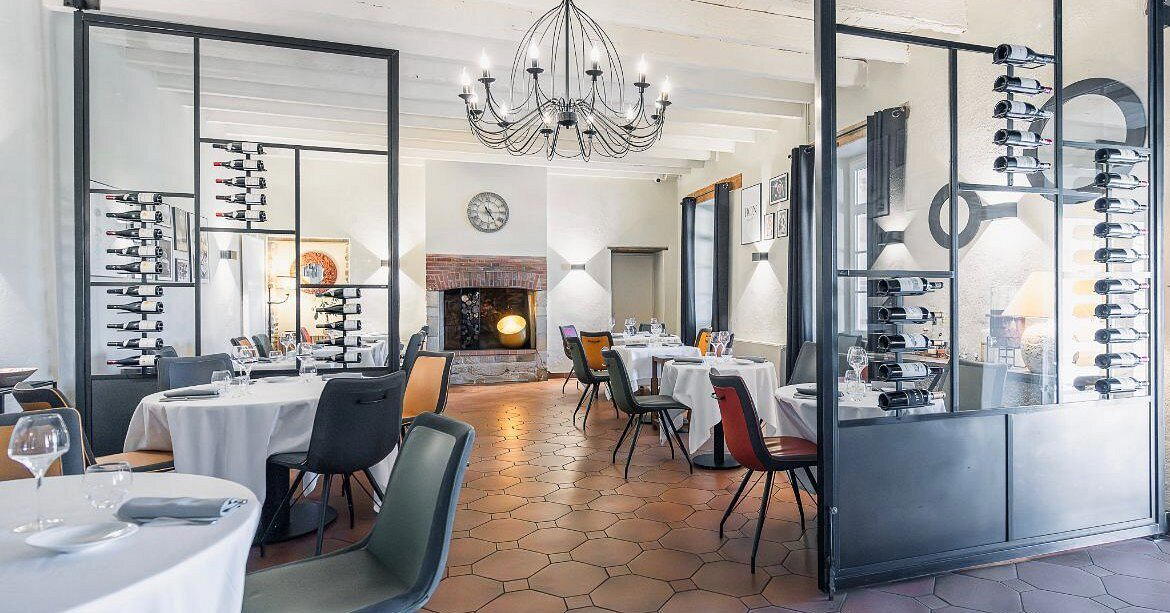
At a Glance
- Cozy
- Classic
- Modern
- Intimate
- Date Night
- Family
- Casual Hangout
- Open Kitchen
- Extensive Wine List
- Local Sourcing
Current opening hours
- Monday
- Closed
- Tuesday
- 12:15–2 PM, 7:15–9 PM
- Wednesday
- 12:15–2 PM, 7:15–9 PM
- Thursday
- 12:15–2 PM, 7:15–9 PM
- Friday
- 12:15–2 PM, 7:15–9 PM
- Saturday
- 12:15–2 PM, 7:15–9 PM
- Sunday
- Closed
Hours can change for holidays and private events. Last verified .
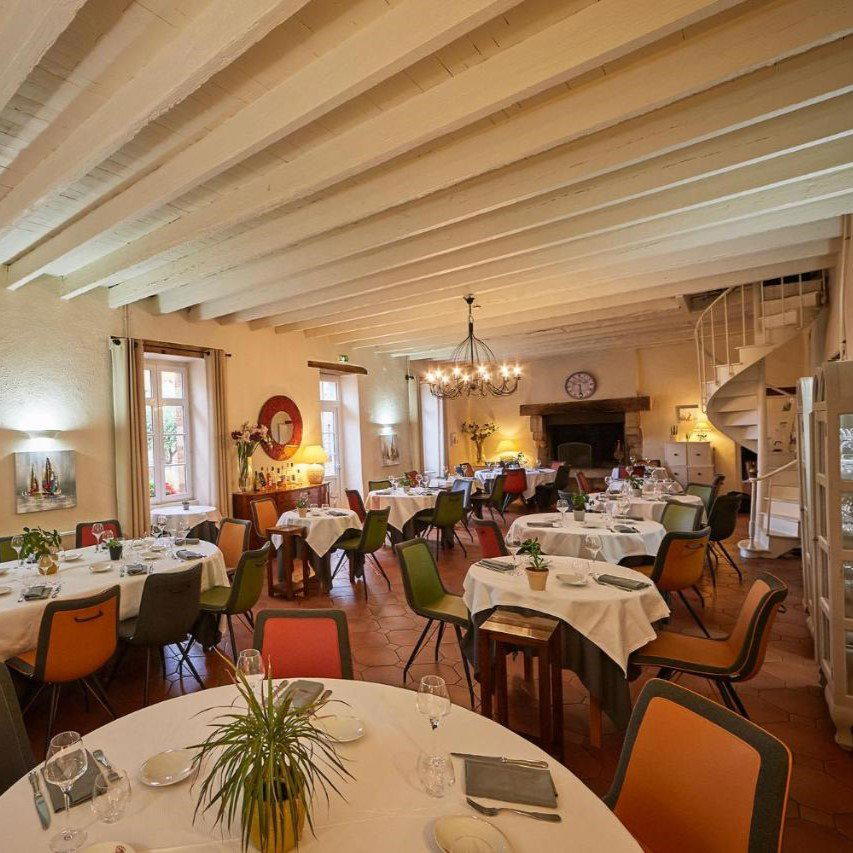
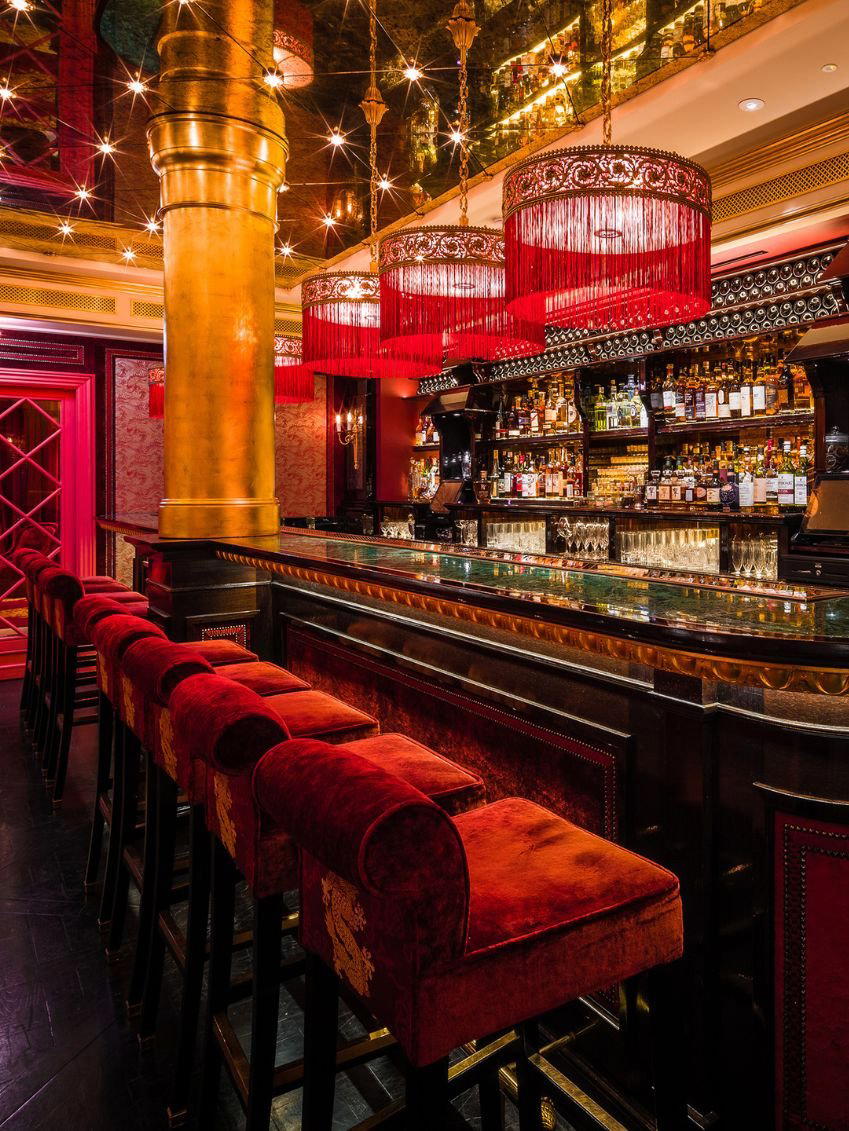
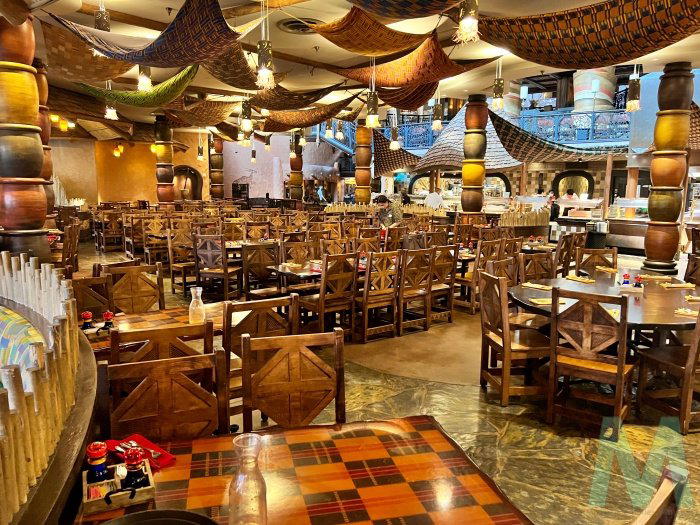
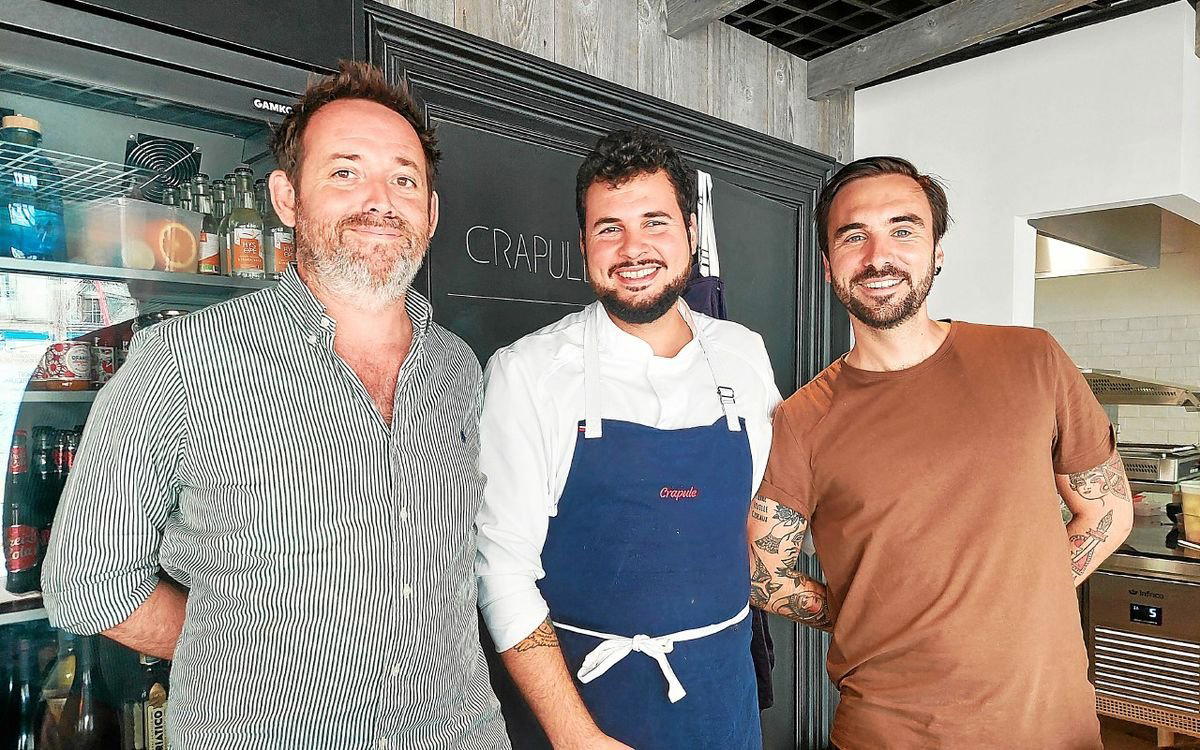
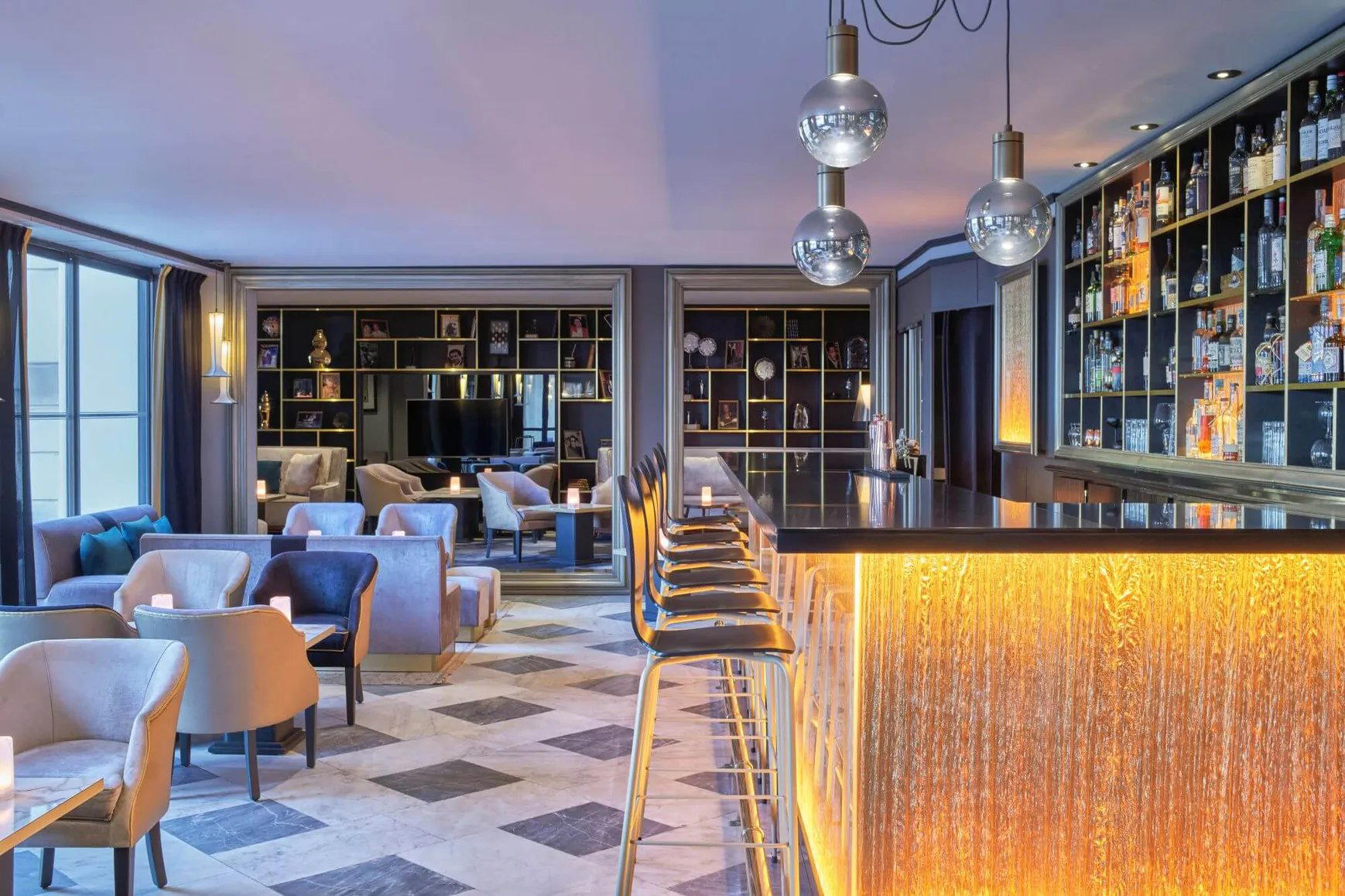
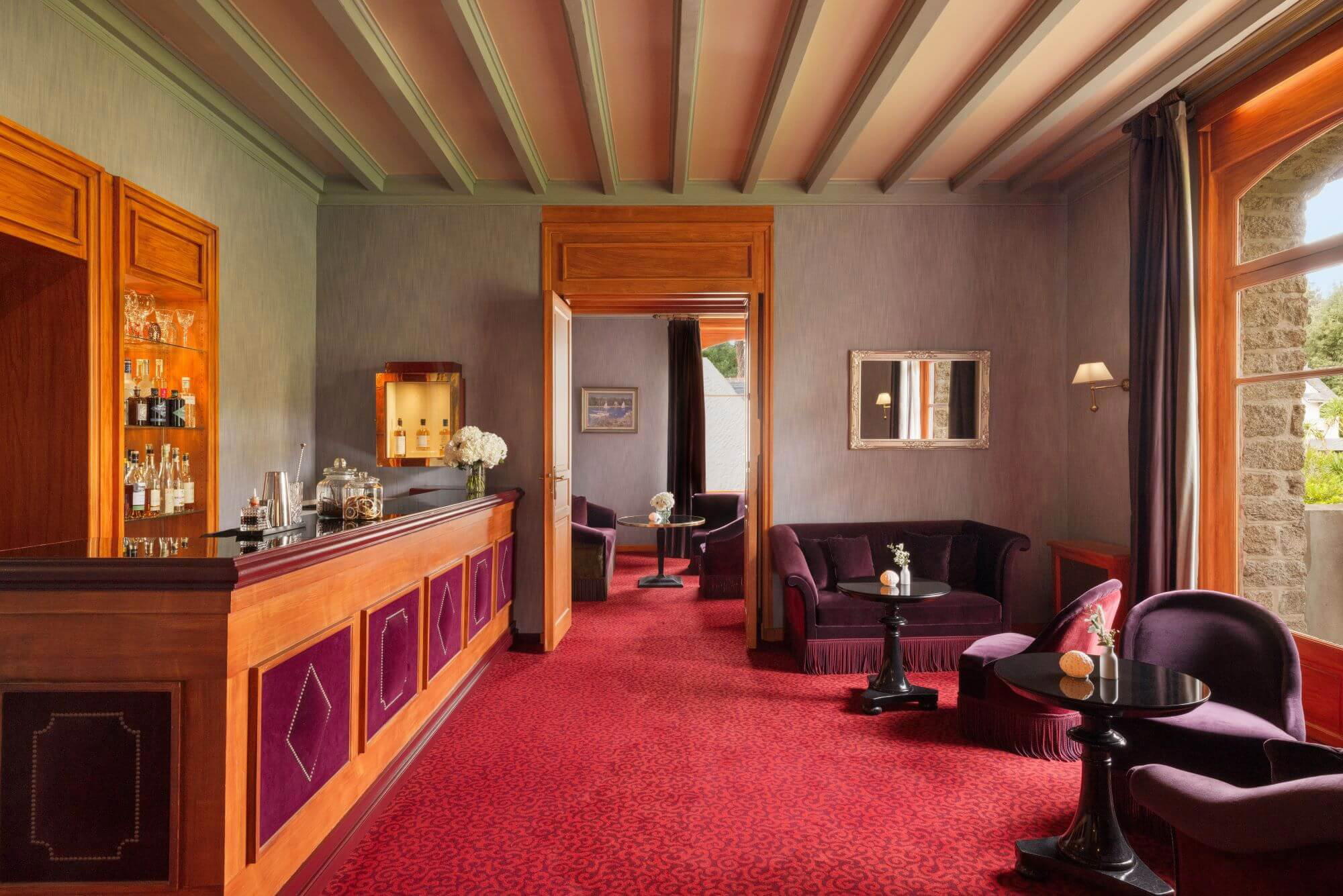
Warm and cozy interior blending traditional exposed beams and period fireplace with modern open kitchen, described as bright, comfortable, and welcoming by guests.