Restaurant de la Halle
Restaurant de la Halle sits on Place Isaac Benserade in Lyons-la-Forêt, one of Normandy's most carefully preserved medieval villages. The market square setting connects the restaurant directly to the agricultural rhythms of the Pays de Bray and the Bray plateau, where dairy farming and small-scale market gardening have defined local produce for centuries. For visitors to the village, it is a natural anchor point for understanding how Norman ingredients translate to the table.
Pearl is the En Primeur Club membership app — saves, bookings, and concierge access live there. Same editors, same standards.
- Address
- 6 Pl. Isaac Benserade, 27480 Lyons-la-Forêt, France
- Phone
- +33232494992
- Website
- restaurantdelahalle.fr
 Saves & bookings on Pearl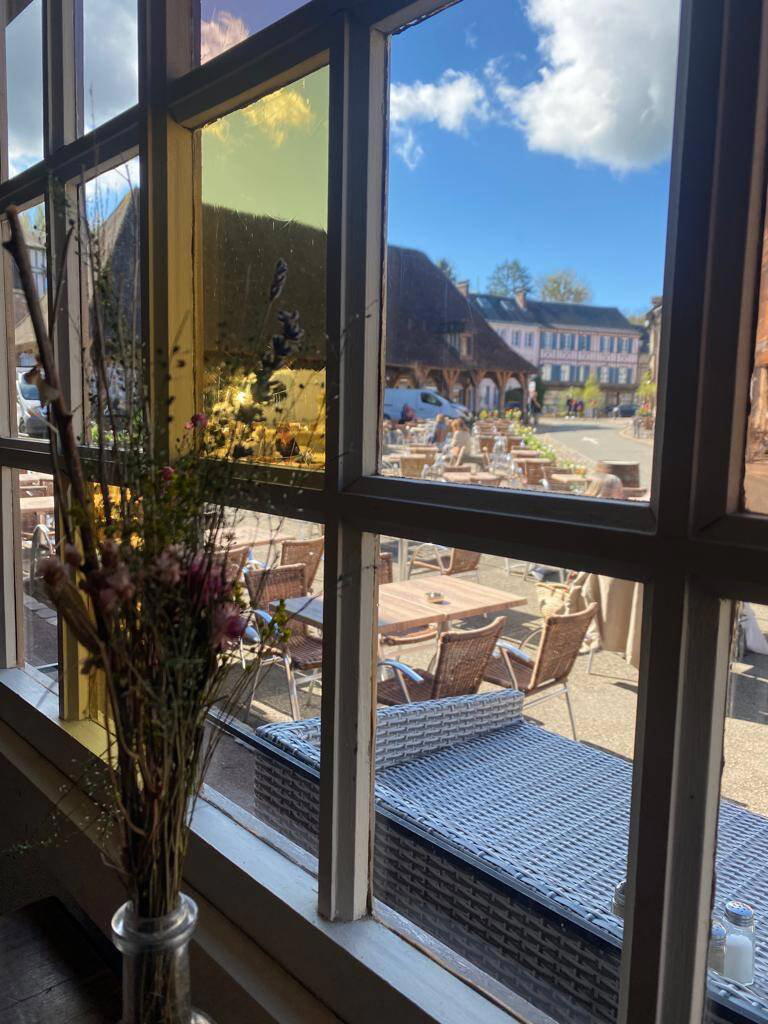
A Market Square in Normandy's Most Intact Medieval Village
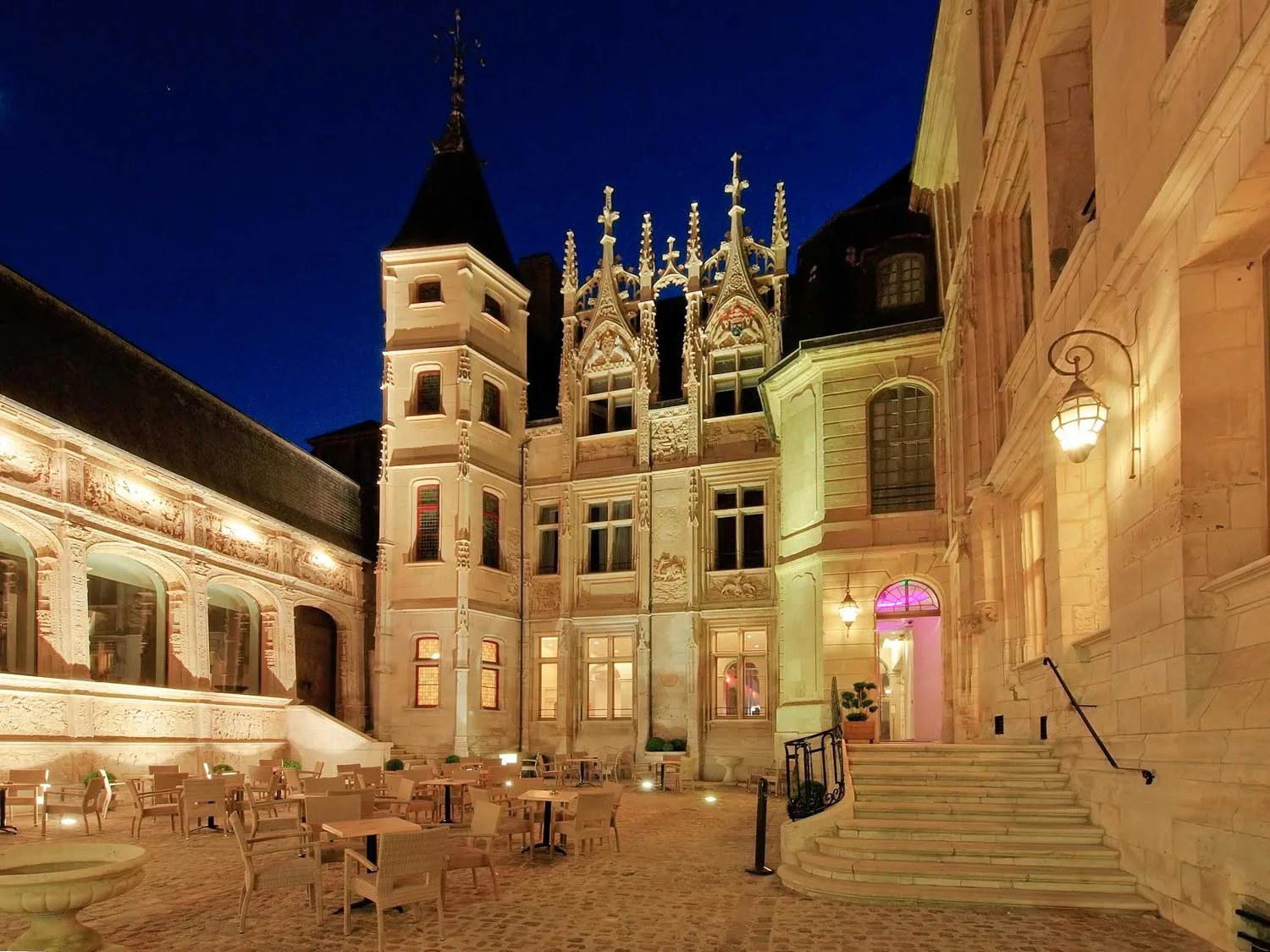
Place Isaac Benserade in Lyons-la-Forêt is one of those rare French squares that has not been modernised into irrelevance. Restaurant de la Halle is a traditional Norman bistro in Lyons-la-Forêt, France, with a casual dress code and reservations recommended. The half-timbered market hall at its centre dates to the eighteenth century, and the buildings framing it have changed little in outline since the medieval wool trade made this corner of the Pays de Bray prosperous. Approaching Restaurant de la Halle from that square, the physical setting does more editorial work than any signage could: this is a village that takes its market function seriously, and a restaurant named for the covered market is making a statement about where its priorities lie. The Norman agricultural hinterland begins almost at the village boundary, and the produce geography of that hinterland, dairy, orchard, river, and forest, is the kitchen's immediate context.
What the Bray Plateau Puts on the Plate
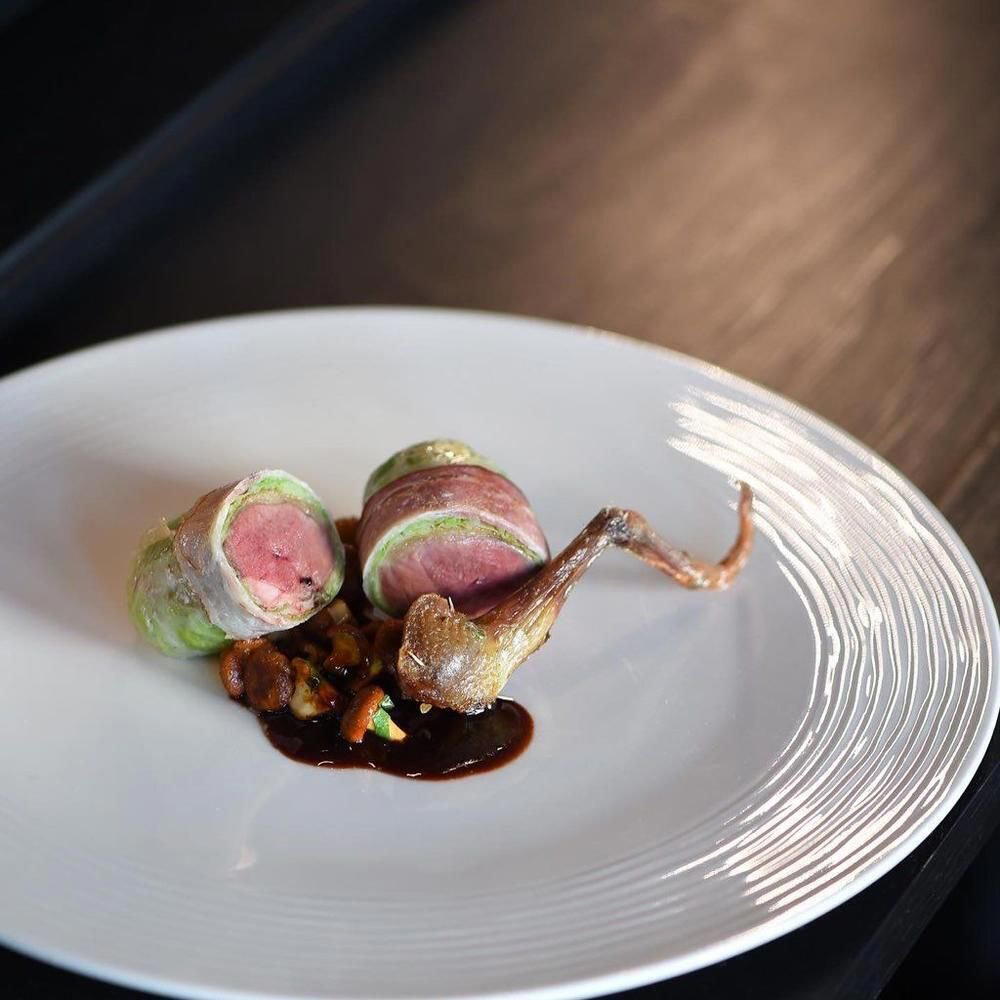
Norman cuisine is sometimes reduced to cream, calvados, and camembert, a shorthand that flattens a more complex ingredient picture. The Bray plateau, which brackets Lyons-la-Forêt to the west, is one of the most productive dairy corridors in France, supplying raw milk to some of the country's most protected AOC cheeses, including Neufchâtel, whose heart-shaped form has been made in this area since at least the seventeenth century. The forest of Lyons itself, a beech forest covering roughly 10,700 hectares and classified as one of France's most significant, contributes game, wild mushrooms, and foraged material that shift with the season. The Andelle river, which rises near the village, historically supported freshwater fishing. A kitchen operating from this square has access to a sourcing radius that is unusually concentrated and unusually diverse for a village of fewer than 800 permanent residents.
This kind of terroir density is what distinguishes the leading provincial French tables from destination restaurants that import their prestige. Venues like Bras in Laguiole or Auberge du Vieux Puits in Fontjoncouse built reputations on exactly this logic: deep fidelity to a specific agricultural geography, expressed through a menu that reads differently in February than it does in September. The Lyons-la-Forêt area has the raw material to support the same approach, and a restaurant positioned at the literal market square of that village is the obvious place to test whether it does.
Provincial French Dining and the Weight of the Market Tradition
France's covered market restaurants occupy a particular category: they are not bistros, not gastronomic destinations in the starred sense, but something more specific, places where the boundary between the market stall and the kitchen table is kept deliberately thin. The leading examples of this format in France function almost as curated extensions of the market itself, with menus that reflect what arrived that morning rather than what the kitchen has committed to in advance. That discipline is harder to maintain than it appears, and it requires supplier relationships built over years rather than months.
Lyons-la-Forêt has historically attracted a particular kind of visitor: those drawn by the village's cinematographic quality (it served as the location for two separate film adaptations of Madame Bovary) and those using it as a base for walking the forest or cycling the Andelle valley. Neither group is indifferent to where they eat. The village's tourism profile skews toward culturally engaged travellers from Paris, a roughly two-hour drive, and from across the Channel, given its position in upper Normandy. That audience tends to reward authenticity of sourcing over cosmopolitan ambition, which makes the market square location strategically coherent as well as historically logical.
For context on how France's top-tier provincial dining is evolving elsewhere, Georges Blanc in Vonnas and Auberge de l'Ill in Illhaeusern represent the institutionalised end of that spectrum, with multi-generational family histories and starred recognition. Flocons de Sel in Megève and Mirazur in Menton show how rigorous sourcing can anchor creative ambition at the highest level. Restaurant de la Halle operates in a different register, village-scale rather than destination-scale, but the underlying logic of place-driven cooking applies across all of them.
The Sourcing Argument in a Norman Context
What makes Norman produce compelling as a kitchen argument is its fat content. Norman butter, Norman cream, and the milk of Normande cattle carry a richness that reflects the grass quality of bocage pastureland, a range of hedged fields that retains moisture even in dry summers. This is not abstract terroir language: the butterfat levels in Norman dairy are measurably higher than in many other French regions, and they behave differently under heat. A kitchen that sources from producers within the Pays de Bray is working with ingredients that have a specific technical character, not simply a geographic label.
The same applies to the forest's contribution. Beech forest produces a different mushroom profile than oak-dominated woodland, and the Forêt de Lyons, one of the largest and most intact beech forests in Europe, generates seasonal forage that is not replicated elsewhere in Normandy. Whether a kitchen in this square is exploiting that specificity or treating it as background colour is the meaningful question for any serious diner visiting from outside the region.
Christopher Coutanceau in La Rochelle does with Atlantic coastal sourcing, or what La Marine in Noirmoutier-en-l'île achieves with island-specific produce disciplines. Further afield, Alléno Paris au Pavillon Ledoyen, AM par Alexandre Mazzia in Marseille, Assiette Champenoise in Reims, Au Crocodile in Strasbourg, L'Oustau de Baumanière in Les Baux, Troisgros in Ouches, and Paul Bocuse in Collonges-au-Mont-d'Or illustrate how regional ingredient logic scales to the very leading of French gastronomy. For international comparison, Le Bernardin and Atomix in New York show how sourcing discipline translates across radically different culinary traditions.
Planning a Visit
Restaurant de la Halle is located at 6 Place Isaac Benserade in Lyons-la-Forêt, directly on the main market square. The village is approximately 35 kilometres east of Rouen. Reservations are recommended. Opening hours are Mon: 8:30 AM-5:30 PM; Tue: 10 AM-3 PM; Wed: Closed; Thu: 10 AM-3 PM, 6-8:30 PM; Fri: 10 AM-3 PM, 6-9 PM; Sat: 10 AM-8:30 PM; Sun: 10 AM-6 PM.
Comparable Spots, Quickly
Comparable venues nearby, for context on price, style, and recognition.
| Venue | Cuisine | Price | Awards | Notes |
|---|---|---|---|---|
| Restaurant de la HalleThis venue — the venue you are viewing | Traditional Norman Bistro | $$ | , | |
| Le Bistro du Grand Cerf | Traditional French Bistro | $$$ | Michelin Plate | Lyons-la-Forêt |
| La Licorne Royale | Modern French Fine Dining | $$$ | Michelin 1 Star | Lyons-la-Forêt |
| Le Bouillon d'Or | Traditional French Brasserie | $$ | , | Vieux Rouen |
| Stripe Coffee Shop | Modern French Café | $$ | , | La Défense, Courbevoie |
| Le Bizetro | Traditional French Bistro | $$ | , | 16e Arrondissement |
Continue exploring
More in Lyons-la-Forêt
Restaurants in Lyons-la-Forêt
Browse all →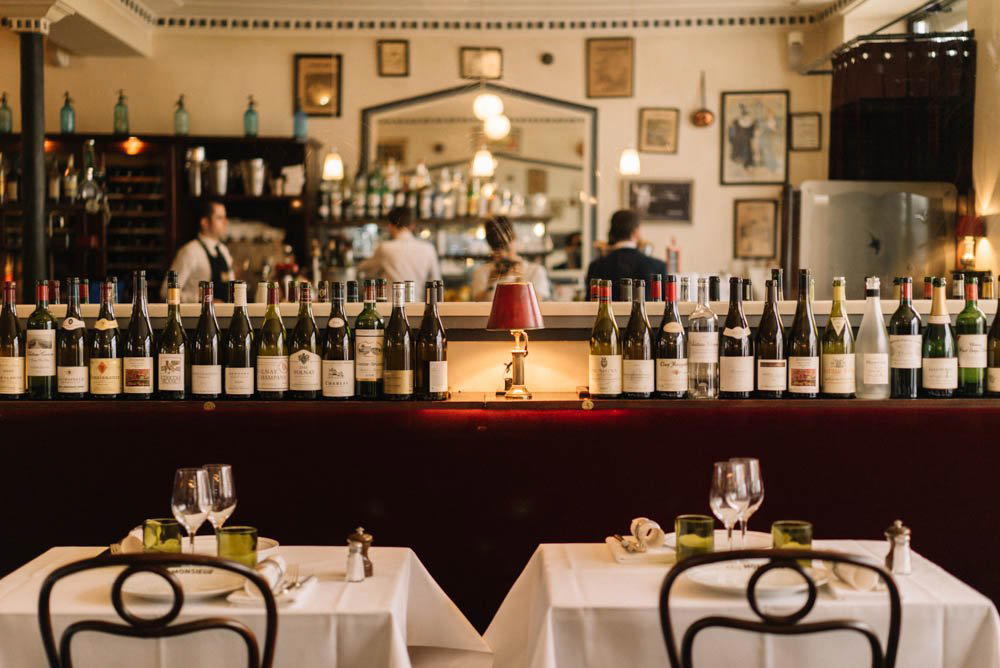
At a Glance
- Rustic
- Cozy
- Classic
- Casual Hangout
- Family
- Group Dining
- Date Night
- Terrace
- Historic Building
- Standalone
- Local Sourcing
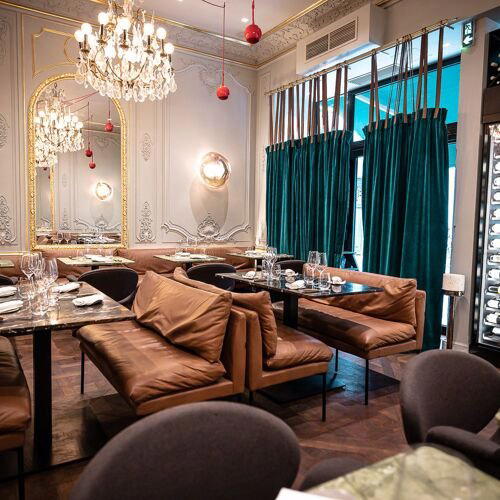
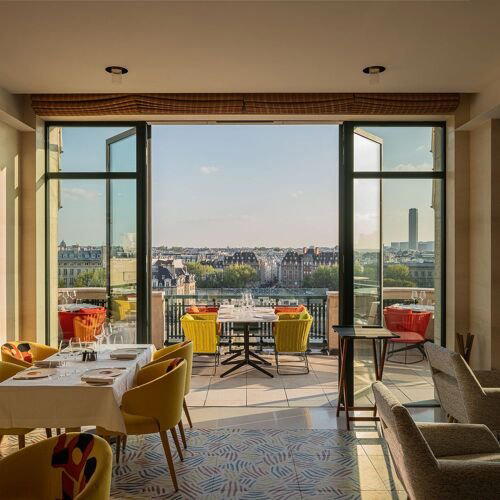
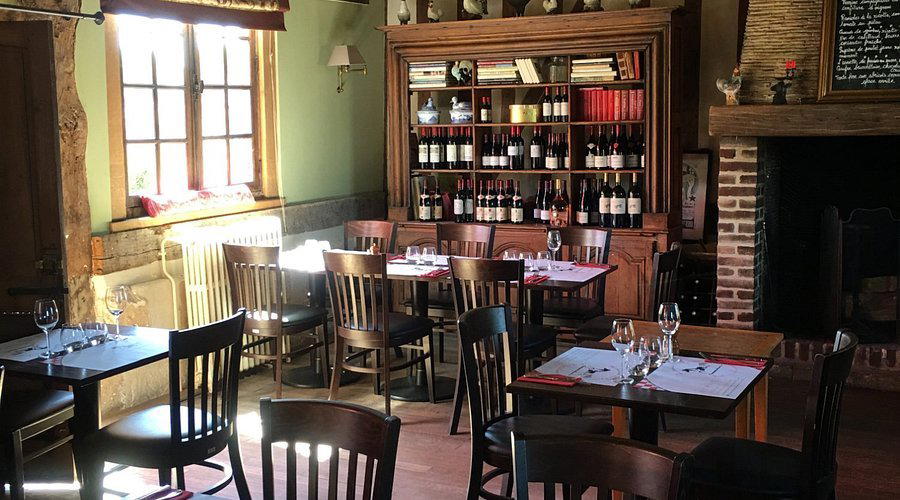
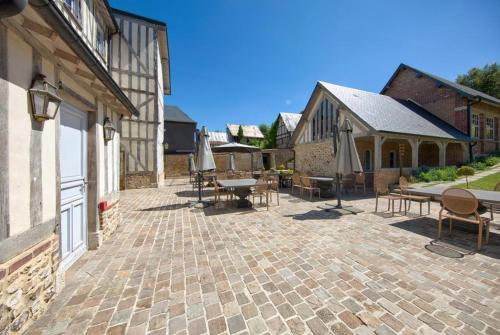
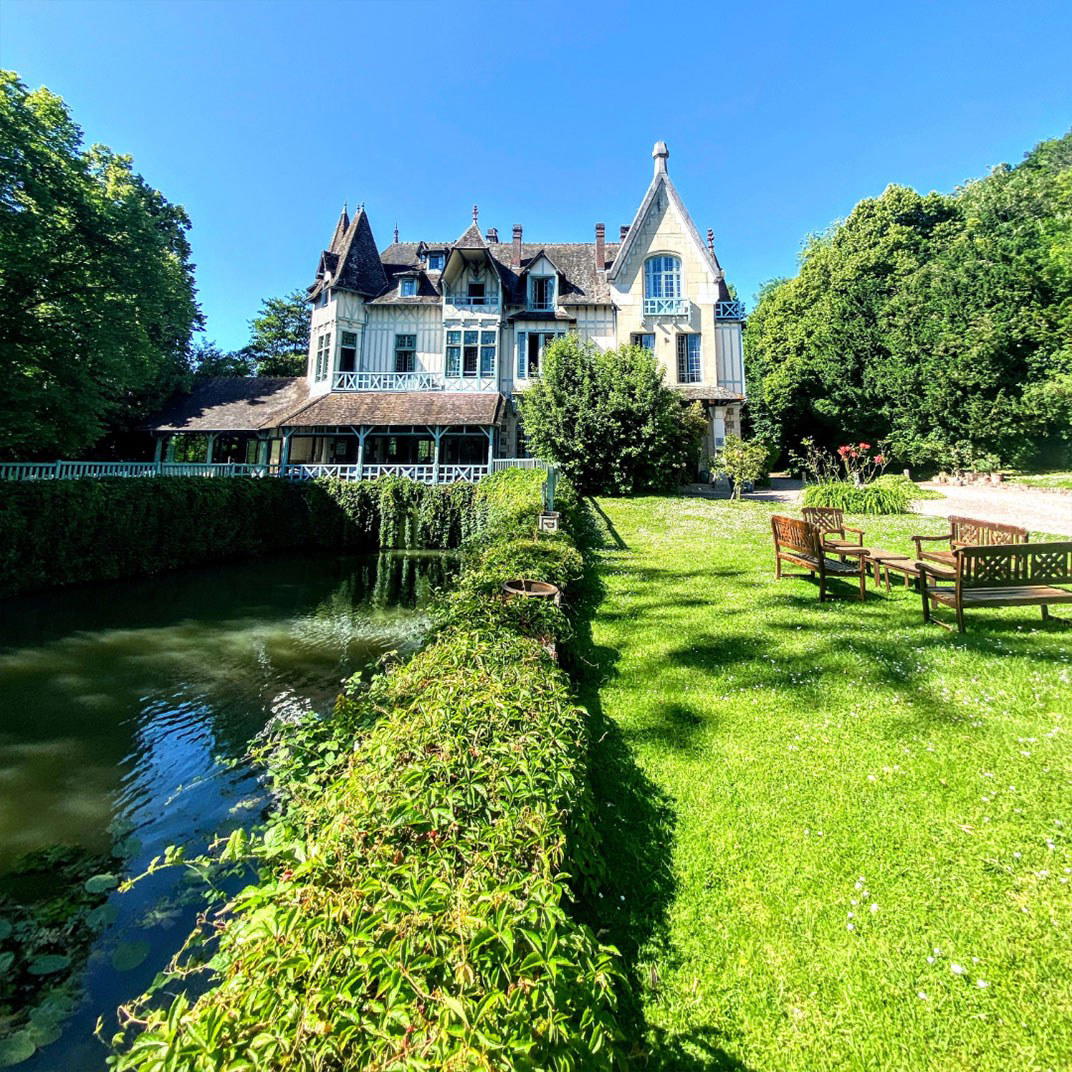
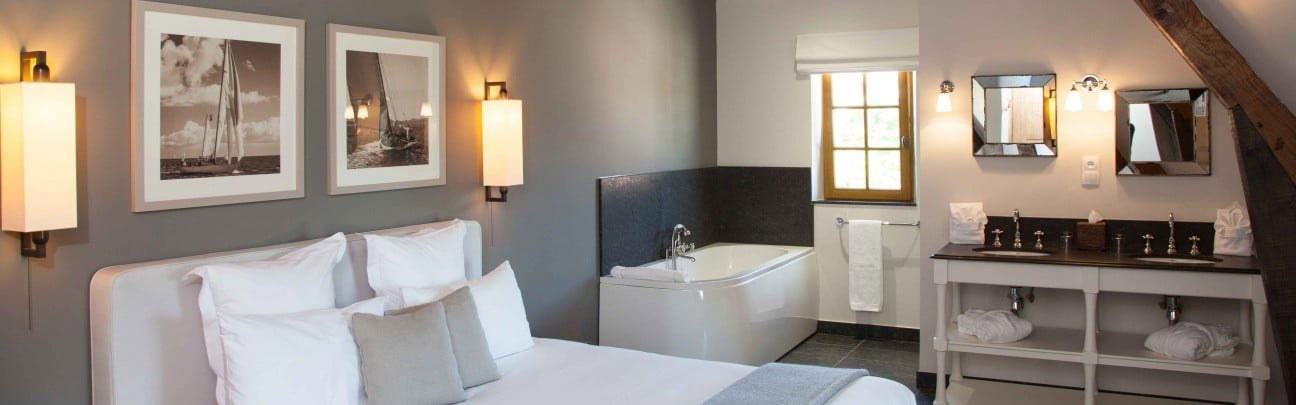
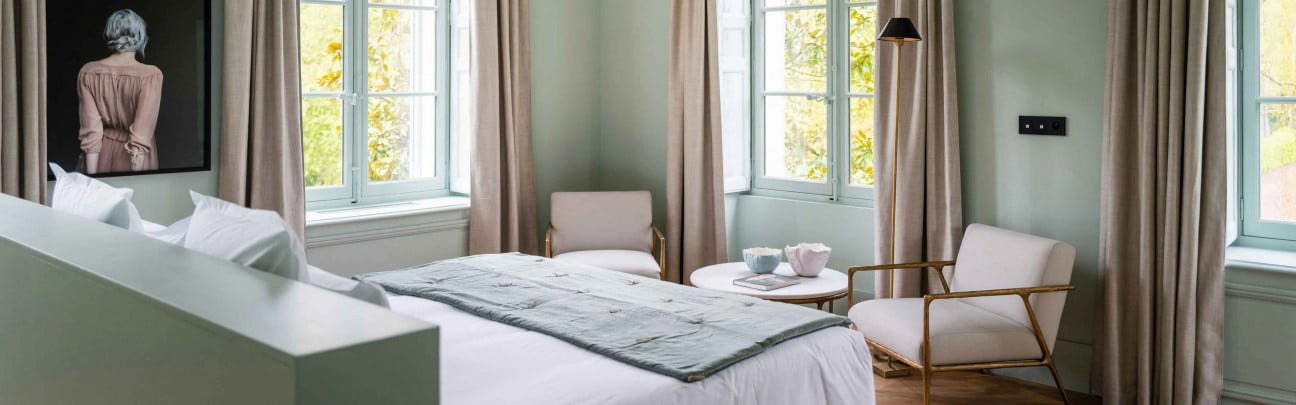
Warm and welcoming rustic setting with fireplaces in multiple dining rooms, intimate village atmosphere with views of the central market square and seasonal summer animations.