L'entre nous sits at the edge of Ploemeur along the Château du Ter grounds, drawing on the deep Breton larder that defines the Morbihan coast at its most direct. The kitchen works within a regional tradition where Atlantic seafood, coastal market produce, and proximity to some of France's most productive fishing waters set the terms. For a town-level restaurant in southern Brittany, the address carries more editorial weight than its modest setting might suggest.
Pearl is the En Primeur Club membership app — saves, bookings, and concierge access live there. Same editors, same standards.
- Address
- 1 All. du Château du Ter, 56270 Ploemeur, France
- Phone
- +33297852080
- Directions
- Get directions
 Saves & bookings on Pearl
Where Breton Sourcing Sets the Terms
Southern Brittany has a way of making ingredient provenance feel less like a marketing position and more like a geographic fact. The Morbihan coastline, which sweeps from Lorient through the Gulf to the Quiberon peninsula, sits within reach of oyster beds at Pénestin, langoustines from the Ria d'Étel, and the daily Keroman catch landed at one of France's largest inshore fishing ports. Restaurants in this corridor don't source regionally because it's fashionable; they do it because the supply chain runs directly through the back door. L'entre nous, a Traditional French Bistro in Ploemeur at 1 Allée du Château du Ter, operates inside that supply reality.
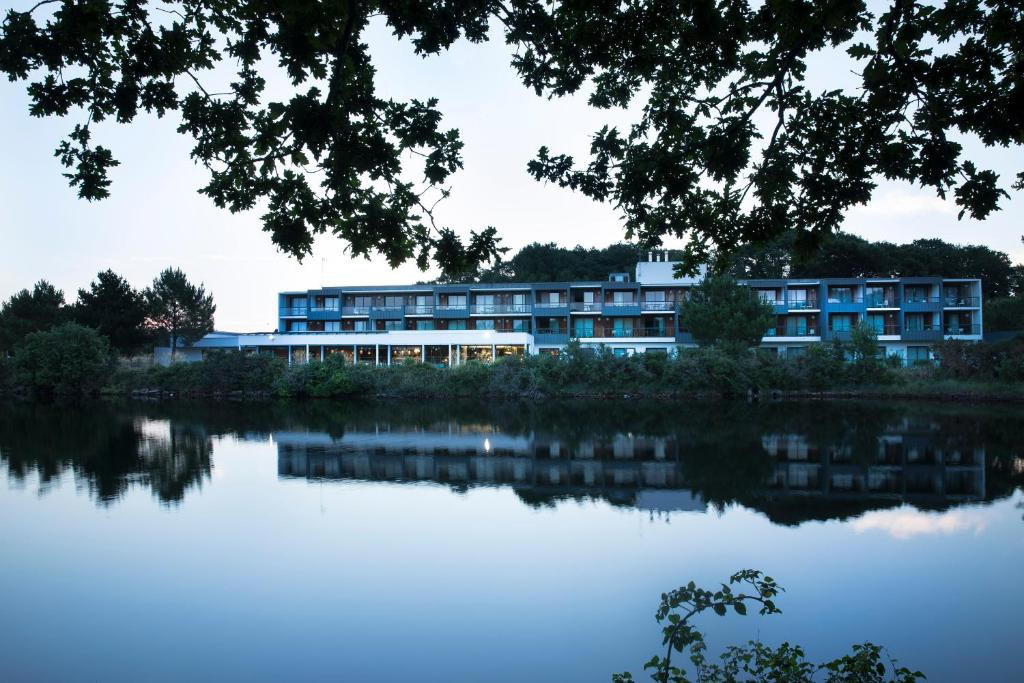
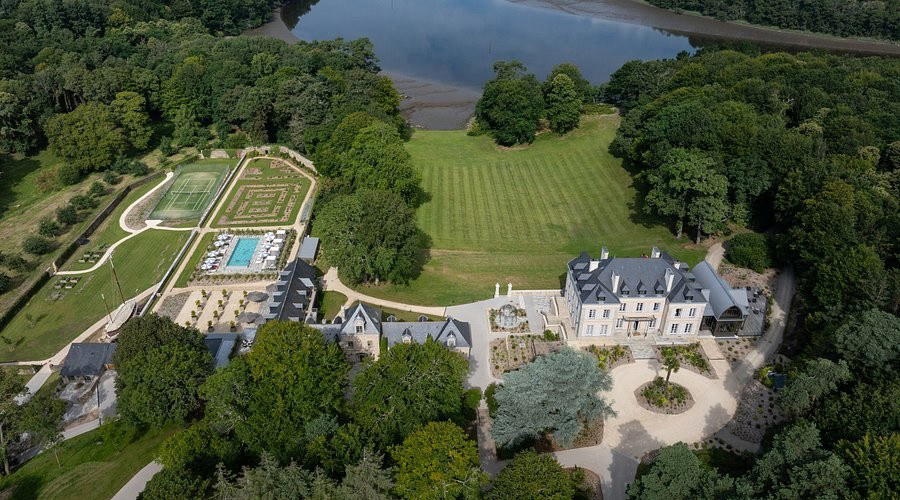
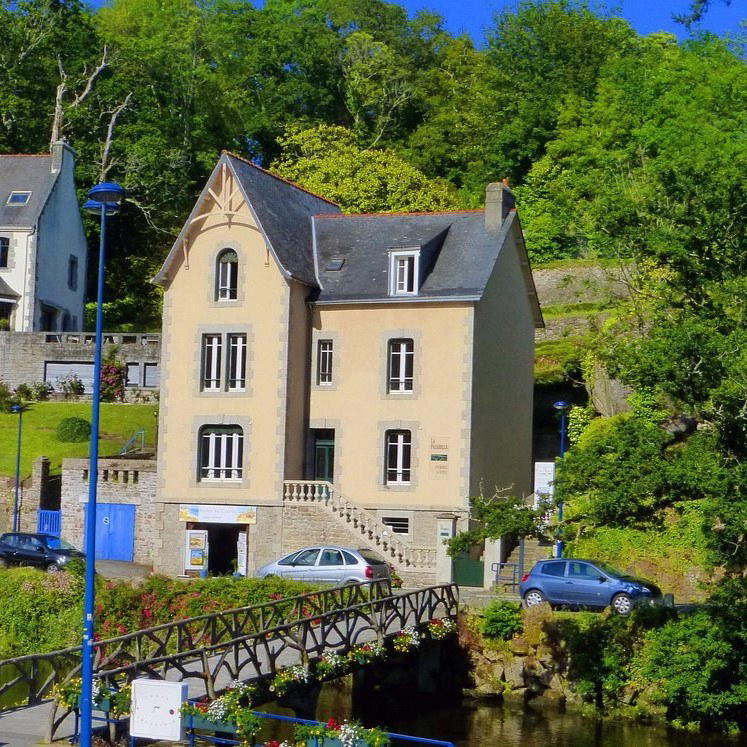
Ploemeur itself tends to get overlooked in favour of Lorient's quayside or the more photographed beaches of the Presqu'île de Quiberon. That relative quiet is part of the town's character rather than a shortcoming. The Château du Ter grounds give the address a certain remove from the commercial centre, and arriving along the allée orients you toward a setting that feels residential before it feels like a restaurant destination. That transition, from public road to quieter enclave, is one of the first things a guest registers.
The Breton Kitchen and What It Demands
Brittany's culinary tradition is coastal in a specific way. It isn't the grilled-fish-with-lemon simplicity of Mediterranean port towns, nor the cream-and-apple richness of Normandy to the north. The Morbihan kitchen typically works with tidal produce at various stages: bivalves served alive, shellfish cooked briefly and served with cultured butter, and fish preparations that respect texture over elaboration. The regional benchmark isn't decoration; it's accuracy. How well a kitchen handles a spider crab from the bay, a fillet of bar (sea bass) from the open Atlantic, or a plate of Breton buckwheat tells you more about its quality than any single technique.
That standard applies to restaurants across the Ploemeur and greater Lorient area. Le Vivier, positioned at the €€€ tier, represents one way to approach Morbihan seafood at a certain price point. Ecume Givrée, L'Asphodèle, and Le Galion each address the local dining need from different angles. L'entre nous enters that comparable set with a name that signals intimacy, a small-room format implied by its residential surroundings, and the ingredient supply that the area makes available to any kitchen willing to use it well.
What Ingredient Sourcing Actually Means Here
France's provincial restaurant culture has long separated kitchens that buy from the same industrial distributors as the nearest brasserie from those that maintain direct supplier relationships with fishermen, smallholders, and market stallholders. In the Morbihan, that distinction carries particular weight because the raw material differential is so wide. A langoustine pulled from the Ria d'Étel and cooked within hours sits in a completely different category from the same species that has spent a day in transit. The same logic applies to the salt-marsh lamb from the nearby Presqu'île de Rhuys, or the salted butter from the Breton creameries that still culture their product slowly.
Kitchens that position themselves within walking distance of these sources, as L'entre nous does by virtue of its Ploemeur address, bear a responsibility to the supply. The question any serious diner should ask of a Breton restaurant isn't whether the menu mentions local produce, most do, but whether the cooking demonstrates an understanding of what that produce actually requires in terms of restraint, timing, and temperature control. That's the evaluative lens worth bringing to the table.
For context on how French restaurants at the highest tier handle regional sourcing as a governing philosophy rather than an afterthought, the arc runs from Michel Bras's vegetable-led terroir work at Bras in Laguiole to Mauro Colagreco's coastal garden framework at Mirazur in Menton. Closer to the Atlantic coast, Flocons de Sel in Megève shows how altitude and regional specificity can define a kitchen's entire identity. These aren't peer comparisons for the restaurant in terms of scale or recognition; they're benchmarks for what sourcing-led cooking looks like when it's operating as a defining discipline. Provincial restaurants that take the same approach at a smaller scale, fewer covers, tighter menus, direct supplier contact, form their own legitimate category within French dining.
Planning Your Visit
Ploemeur sits immediately south of Lorient, roughly three to four kilometres from the city centre, and is straightforwardly reached by car from the N165. The Château du Ter address places the restaurant in a quieter residential-adjacent zone rather than on the main commercial strip, which is worth knowing if you're approaching on foot or by local transport from central Lorient. Brittany's restaurant culture trends toward lunch as a serious meal rather than a quick affair, and many smaller rooms in the region operate on a lunch-and-dinner schedule with a rest day mid-week; confirming current hours directly before travelling is advisable given that no live booking or hours data is available for this listing. Reservation lead time for well-regarded tables in Morbihan's smaller towns has shortened since the post-2020 consolidation of provincial dining rooms, but a call or email ahead remains the practical standard for any dinner booking.
Given the address and format implied by the setting, the experience likely sits in the informal-to-mid-range bracket that characterises much of Ploemeur's dining offer, but that should be verified before visit. The wider French fine dining context, from Alléno Paris au Pavillon Ledoyen to Troisgros in Ouches and the coastal precision of Le Bernardin in New York, which built its reputation on exactly the kind of Atlantic seafood tradition Brittany supplies, provides a reference frame for understanding what coastal French kitchens at their most serious look like. Provincial addresses like L'entre nous operate several tiers below that in terms of recognition, but the ingredient supply they draw from is the same seaboard.
A Quick Peer Check
Comparable venues nearby, for context on price, style, and recognition.
| Venue | Cuisine | Price | Awards | Notes |
|---|---|---|---|---|
| L'entre nousThis venue — the venue you are viewing | Traditional French Bistro | $$ | Not listed | Not listed |
| Ecume Givrée | French Bistronomique Iodée | $$ | Not listed | centre-ville |
| L'Asphodèle | Seasonal Local French Bistro | $$$ | Not listed | lande du Courégant |
| Le Galion | Breton Crêperie | $ | Not listed | centre ville |
| Le Vivier | Modern Seafood Fine Dining | $$$ | Michelin Plate | Lomener |
| Crêperie Pourlette | Breton Crêperie | $$ | Not listed | centre ville |
Continue exploring
More in Ploemeur
Restaurants in Ploemeur
Browse all →
At a Glance
- Cozy
- Classic
- Rustic
- Group Dining
- Casual Hangout
- Business Dinner
- Standalone
- Beer Program
- Local Sourcing
Current opening hours
- Monday
- 8:30 AM–2 PM
- Tuesday
- 8:30 AM–2 PM
- Wednesday
- 8:30 AM–2 PM
- Thursday
- 8:30 AM–2 PM
- Friday
- 8:30 AM–2 PM
- Saturday
- 12–2 PM
- Sunday
- Closed
Hours can change for holidays and private events. Last verified .
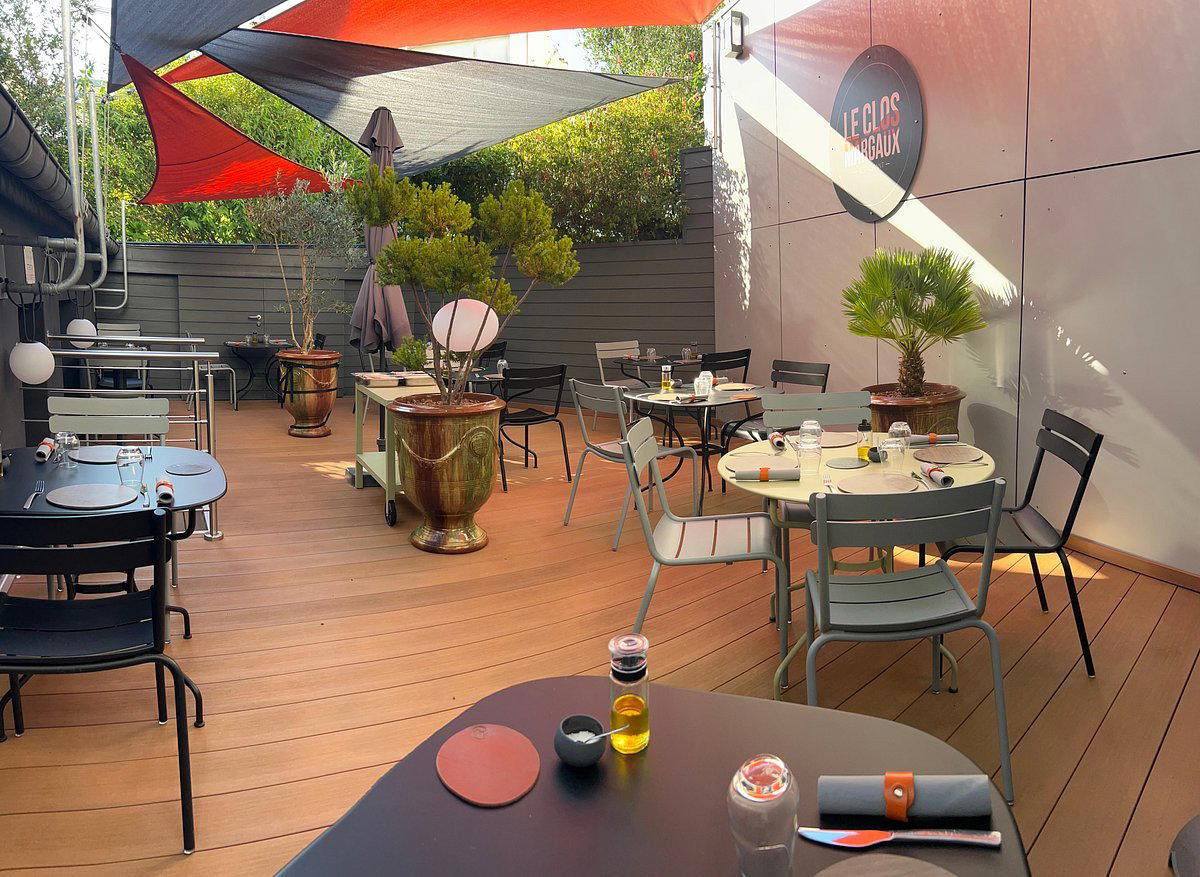
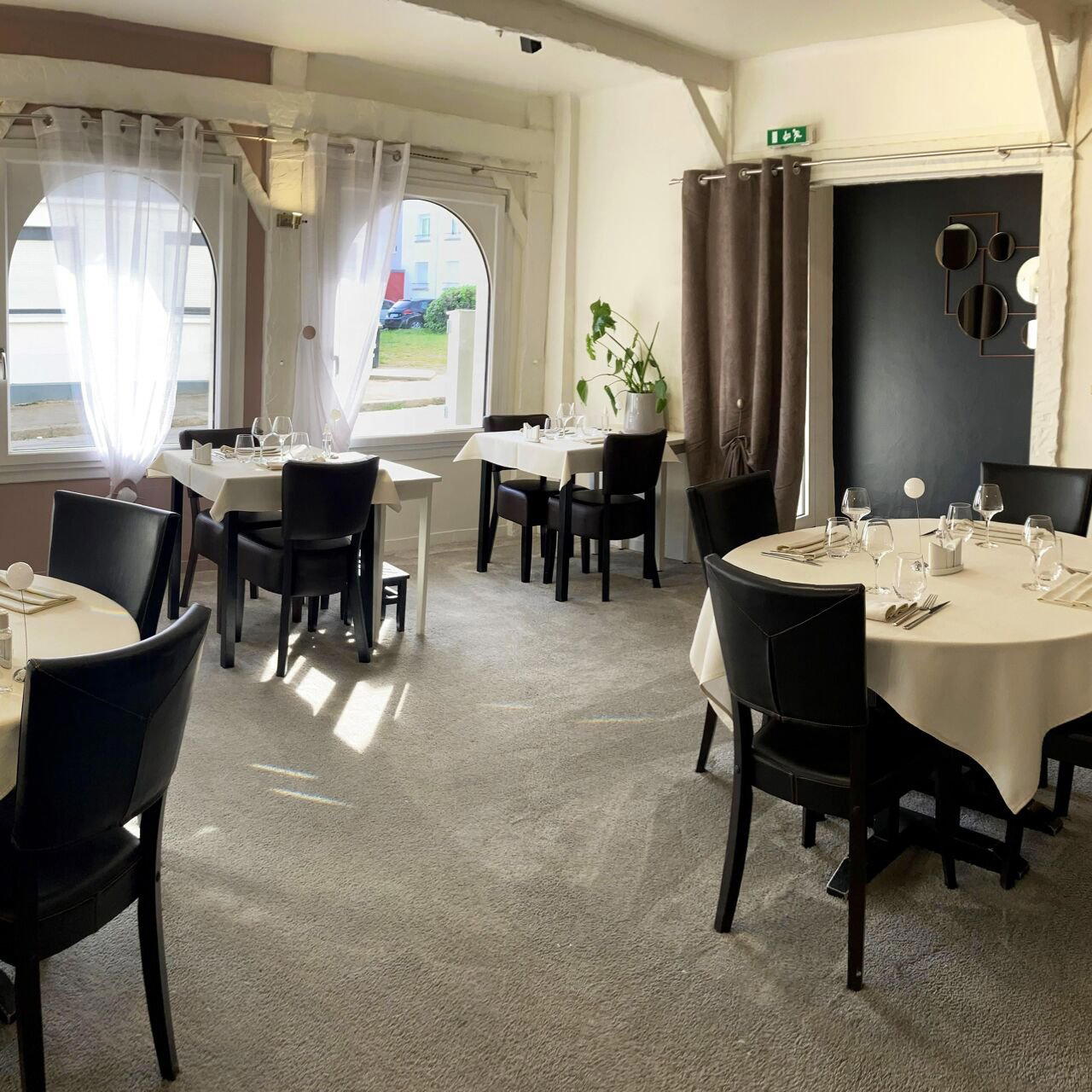
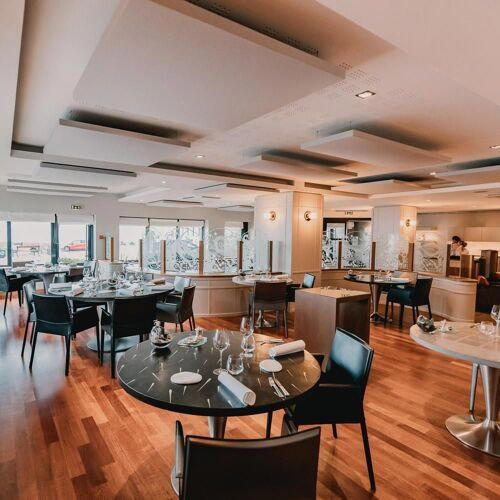
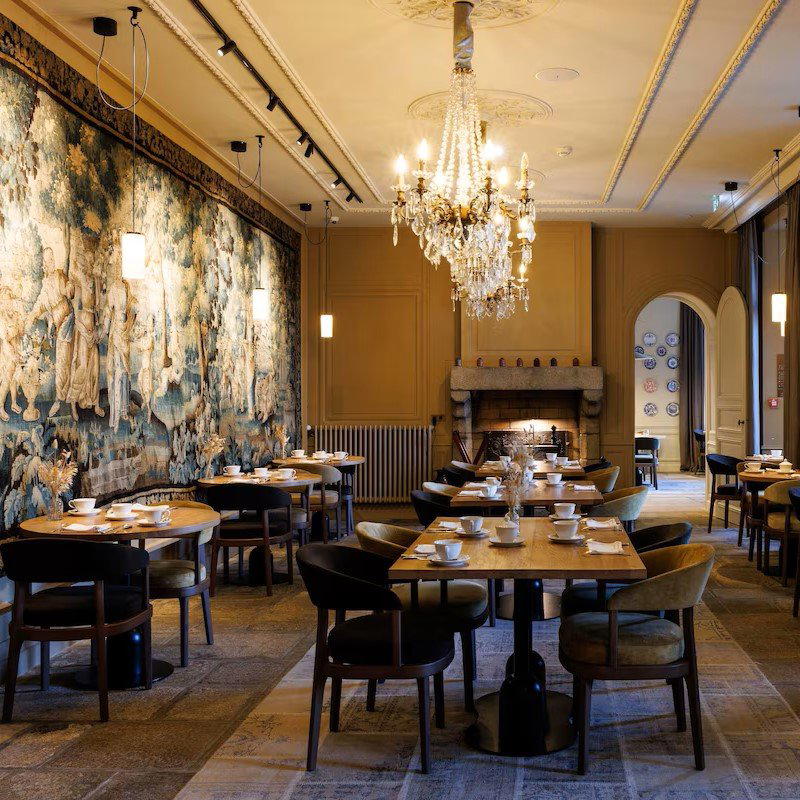
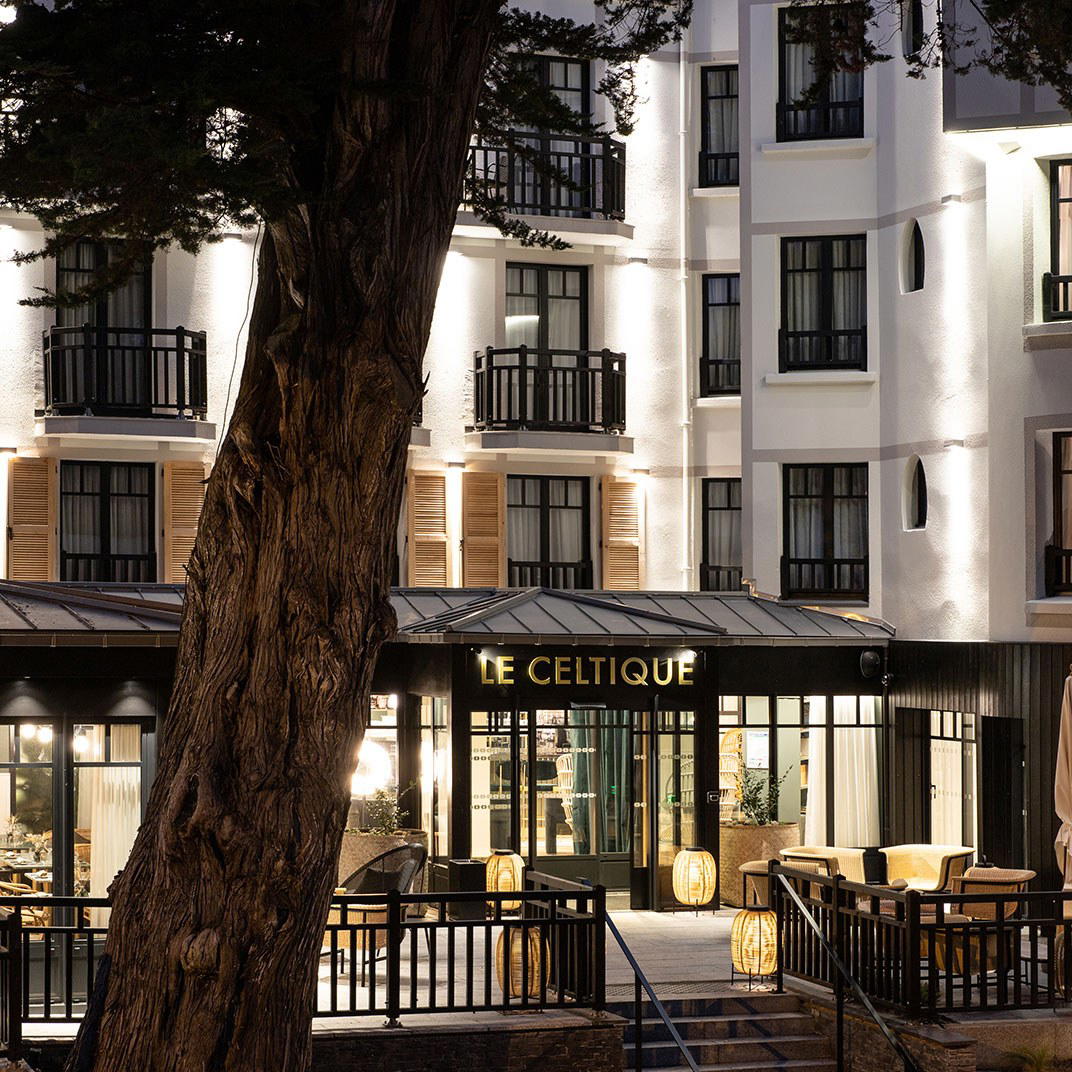
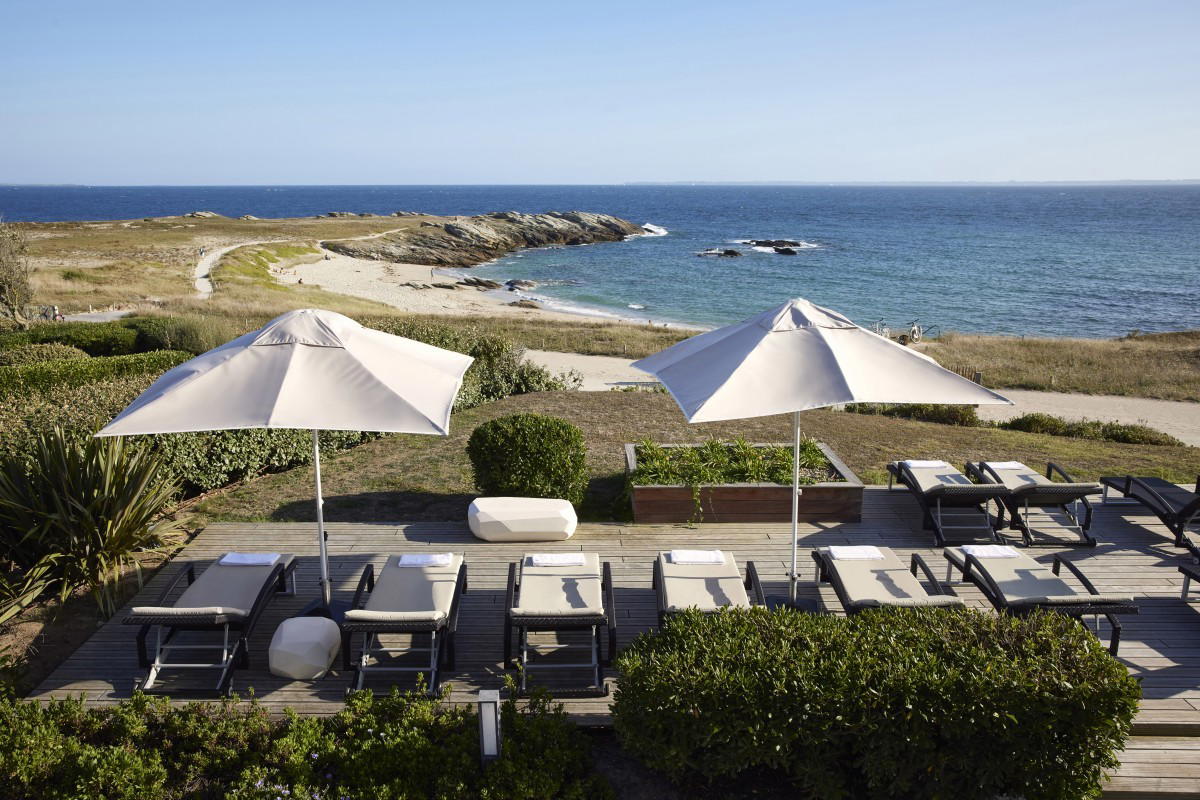
Charming setting with blue and grey accents; warm, welcoming atmosphere suited for casual dining and group gatherings.