LeFumoir
LeFumoir sits on Boulevard Curé-Labelle in Blainville, north of Montreal, where the suburb's dining scene is quietly building a case for serious attention. The name signals smoke and slow process, a cooking tradition rooted in preservation and transformation rather than novelty. For the Laurentian corridor, it represents the kind of neighbourhood anchor that earns repeat visits on the strength of its cooking rather than its profile.
Pearl is the En Primeur Club membership app — saves, bookings, and concierge access live there. Same editors, same standards.
- Address
- 1083 Bd Curé-Labelle, Blainville, QC J7C 3M9, Canada
- Phone
- +14508182223
- Website
- lefumoirbbq.com
- Directions
- Get directions
 Saves & bookings on Pearl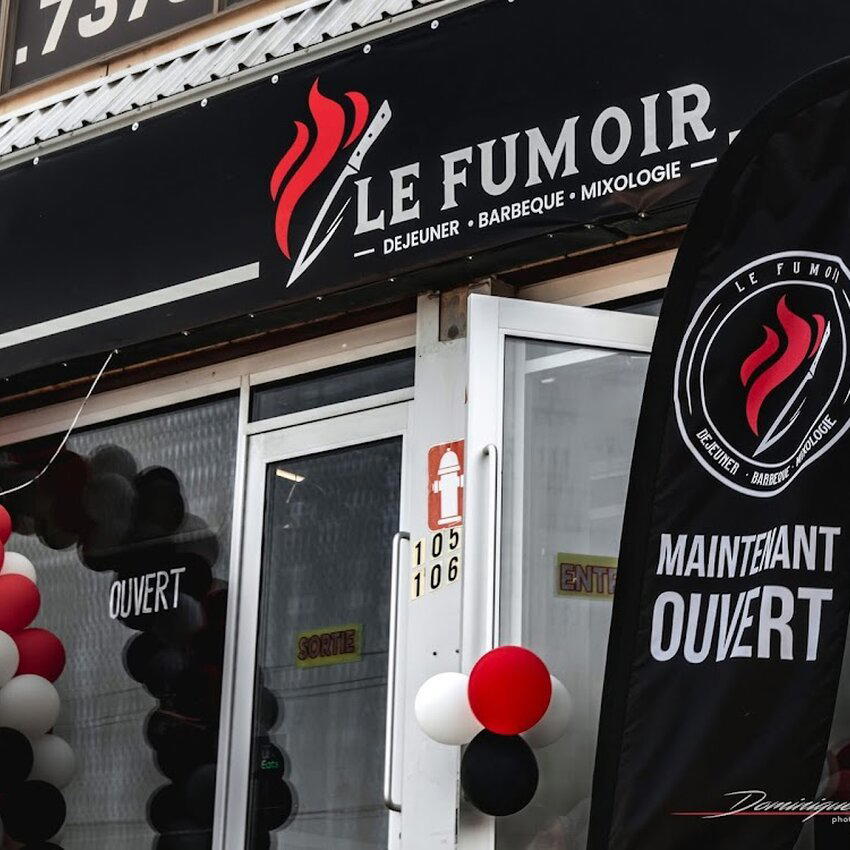
Smoke, Source, and the Suburban Table North of Montreal
The boulevard strip north of Montreal that runs through Blainville is not where most food writers are looking. The Laurentian corridor has long functioned as a passage to cottage country rather than a destination in its own right, which means the restaurants that take root here do so on local loyalty rather than tourist traffic. LeFumoir, on Boulevard Curé-Labelle, sits inside that dynamic: a neighbourhood restaurant in a suburb that does not yet appear in the same conversation as the city's dining districts, but that serves a community with real appetite for cooking that goes beyond the transactional. LeFumoir is a restaurant in Blainville, Quebec, serving Smoky BBQ Smokehouse cuisine at 1083 Bd Curé-Labelle.
The Logic of the Smoked Table
In Quebec's culinary tradition, smoke is not a trend. It is a preservation technique with roots in Indigenous practice and colonial necessity, refined over centuries by communities that needed to extend the life of fish, game, and pork through harsh winters. The revival of smoking as a deliberate cooking method in contemporary North American restaurants borrows from that tradition but often aestheticizes it, reducing a functional craft to a garnish of applewood chips. LeFumoir's name places smoke at the center of its identity, which, in the Quebec context, carries weight. The smoked food traditions of the province connect directly to how ingredients were sourced and stored before refrigeration made preservation redundant, a fact that gives any serious smoked-food program a depth of local reference that imported techniques cannot replicate.
This is the culinary lineage that restaurants in the broader Quebec scene, from Aux Anciens Canadiens in Quebec City to more contemporary operators like Tanière³, have drawn on to varying degrees. Tanière³ in particular has made the sourcing of Quebec terroir ingredients central to its identity, positioning the province's forests, rivers, and farms as the basis of a fine dining program that competes with urban counterparts across Canada. LeFumoir operates at a different scale and price point, but the underlying logic of cooking from a specific place and its preservation traditions is consistent with what has become one of Quebec's most coherent culinary arguments.
Ingredient Sourcing in the Laurentian Context
The land surrounding Blainville is productive in ways that urban diners rarely register. The Laurentian region north of the city has historically supplied Montreal with freshwater fish, game birds, and foraged ingredients that do not travel well and therefore rarely appear on menus far from their source. A restaurant on the northern edge of the metro area occupies a geographic position that, handled well, offers access to ingredients that centrally located kitchens in Montreal must work harder to obtain. Smoked lake fish, cured pork from the farms of the Laurentian corridor, foraged mushrooms from the mixed-forest terrain north of the city: these are the categories of ingredient that a smoked-food program in this location can plausibly draw on without the supply chain compromises that affect urban restaurants working with the same materials.
The broader Canadian pattern of ingredient-led, regionally rooted cooking has been well documented in contexts from wine country destinations like Restaurant Pearl Morissette in Lincoln to destination farm restaurants like Eigensinn Farm in Singhampton. Both operate outside major cities and make geographic specificity central to their value proposition. The Blainville version of that argument is necessarily less polished, this is a working suburb, not a wine appellation, but the underlying logic holds.
Where LeFumoir Sits in the Regional Dining Pattern
Quebec's restaurant scene has developed a recognizable tiering in recent years. At the leading, Montreal operations like Jérôme Ferrer's Europea compete on technical ambition and wine program depth with the country's leading urban restaurants, in the same bracket as Alo in Toronto and AnnaLena in Vancouver. Below that tier, a second layer of serious neighbourhood restaurants has emerged across the province, extending from Narval in Rimouski on the lower St. Lawrence to suburban addresses north of Montreal. These are not destination restaurants in the conventional sense, but they are not casual either. They occupy a middle tier where technical competence and ingredient quality are expected, but the format is closer to a neighbourhood anchor than a special-occasion institution.
LeFumoir's address on Boulevard Curé-Labelle places it in that second layer. The boulevard is a commercial artery rather than a dining street with its own identity, which means the restaurant draws its audience from the surrounding residential districts rather than from passing foot traffic or destination seekers. That structure tends to produce a more loyal, less trend-sensitive clientele, the kind of room where regulars set the pace and the kitchen develops a stable understanding of what its audience wants from smoked and cured preparations.
Planning a Visit
Blainville sits approximately 30 kilometres north of central Montreal, accessible by Autoroute 15. The address at 1083 Boulevard Curé-Labelle is in a commercial corridor where parking is generally available, which is the practical norm for suburban Quebec dining rather than the exception. Visitors coming from the city should expect a drive rather than a transit connection; the suburban format of this part of the Laurentian corridor is not built around public transport in the way that Montreal's dining districts are.
A Quick Peer Check
Comparable venues nearby, for context on price, style, and recognition.
| Venue | Cuisine | Price | Notes |
|---|---|---|---|
| LeFumoirThis venue — the venue you are viewing | Smoky BBQ Smokehouse | $$ | Not listed |
| Milestones | American Steakhouse Grill | $$ | Centropolis |
| Bobby's Table | American Smoked Meat Diner | $$ | Vanier North |
| D&S Southern Comfort Bbq | Southern BBQ | $$ | Carlsbad Springs |
| Chica’s Chicken | Nashville hot chicken shop | $$ | Whitby |
| Belmont | Eclectic Small Plates | $$ | Old Ottawa South |
Continue exploring
More in Blainville
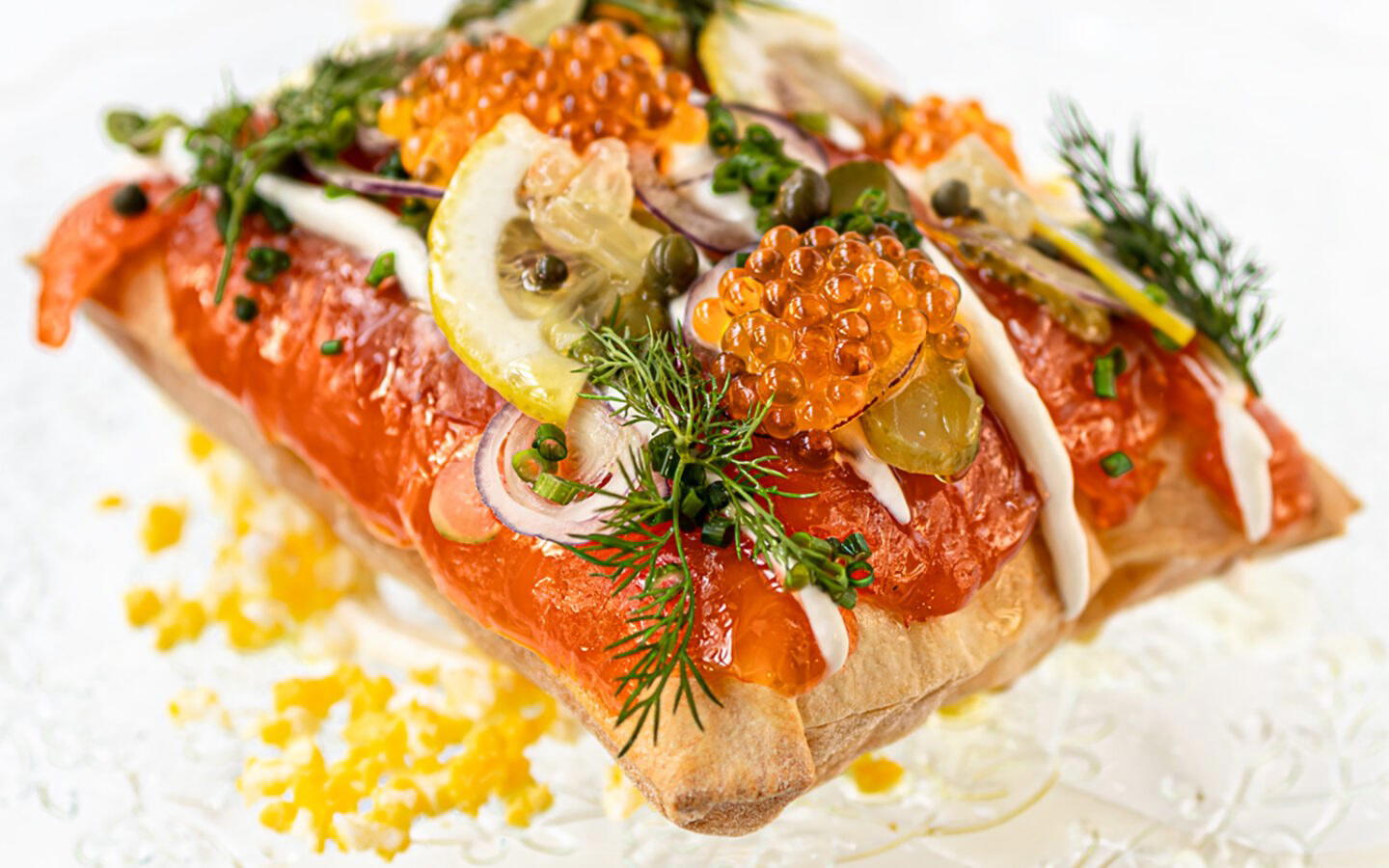
Restaurants in Blainville
Browse all →
Bars in Blainville
Browse all →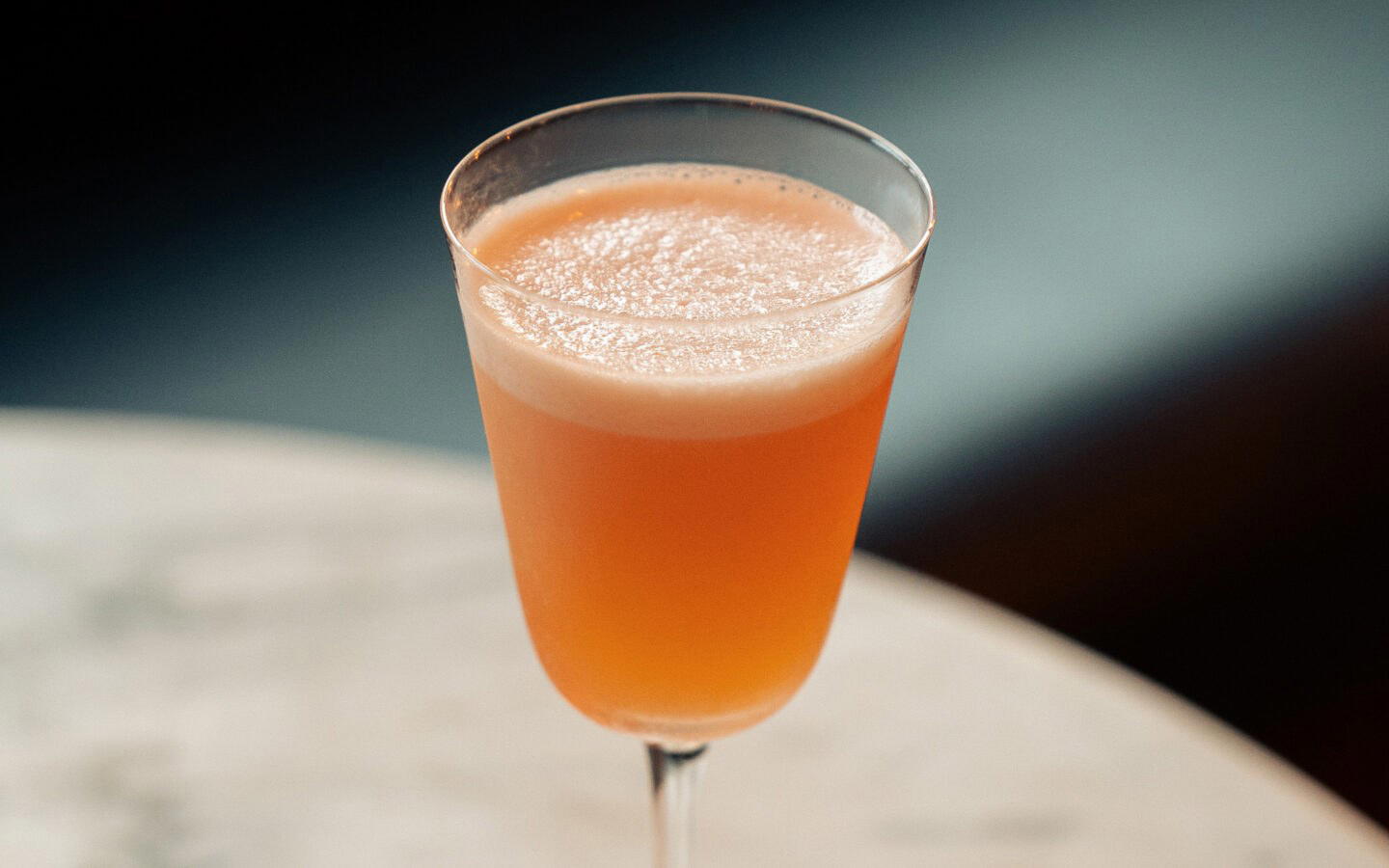
At a Glance
- Cozy
- Lively
- Modern
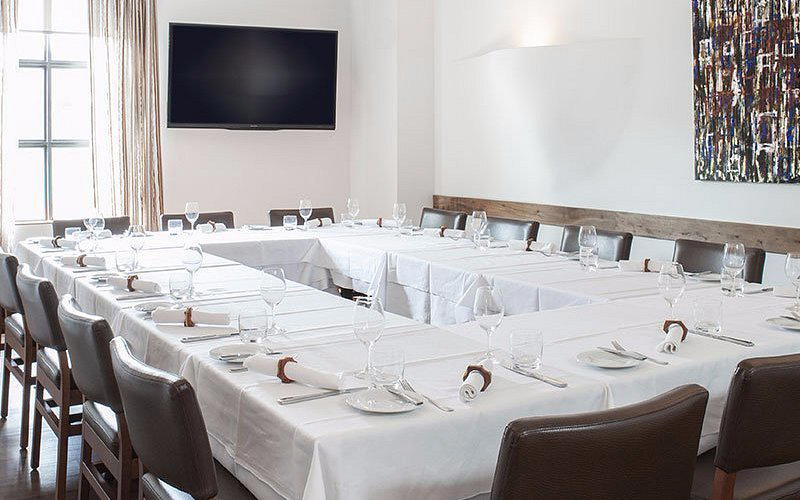
- Group Dining
- Casual Hangout
- Brunch
- Open Kitchen
- Craft Cocktails
Current opening hours
- Monday
- 10 AM–9 PM
- Tuesday
- Closed
- Wednesday
- 10 AM–9 PM
- Thursday
- 10 AM–9 PM
- Friday
- 10 AM–10 PM
- Saturday
- 10 AM–10 PM
- Sunday
- 10 AM–9 PM
Hours can change for holidays and private events. Last verified .
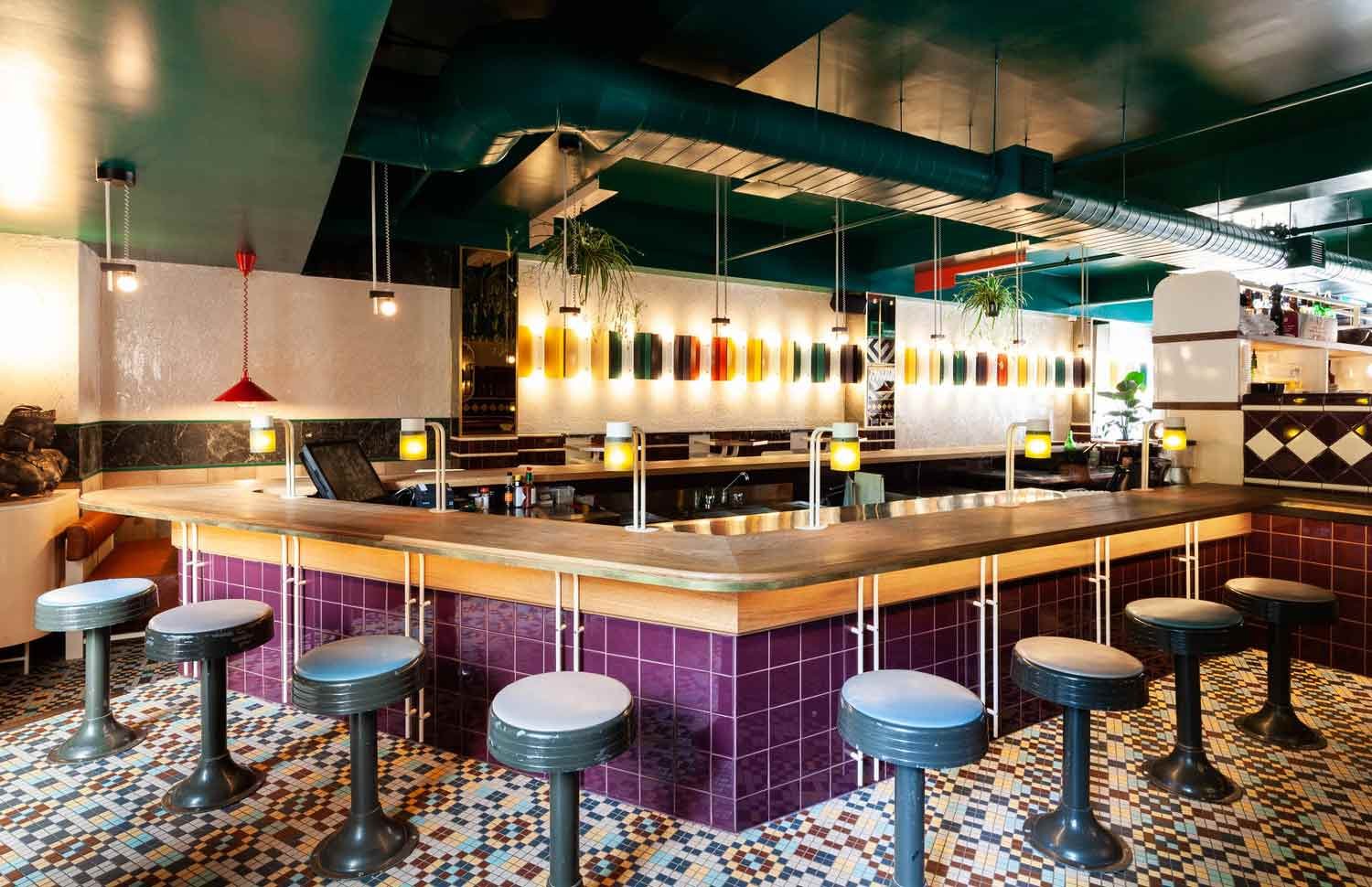
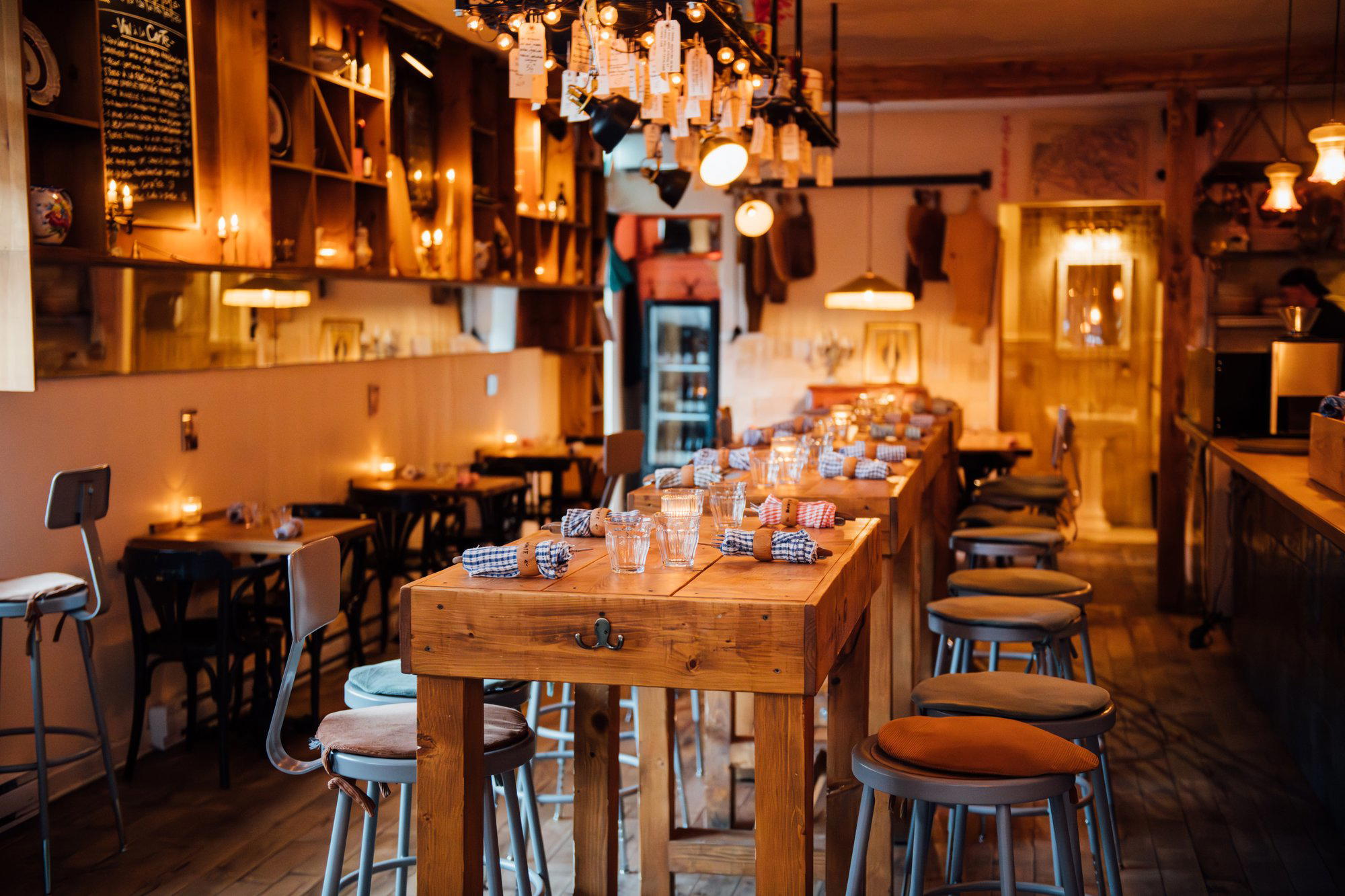
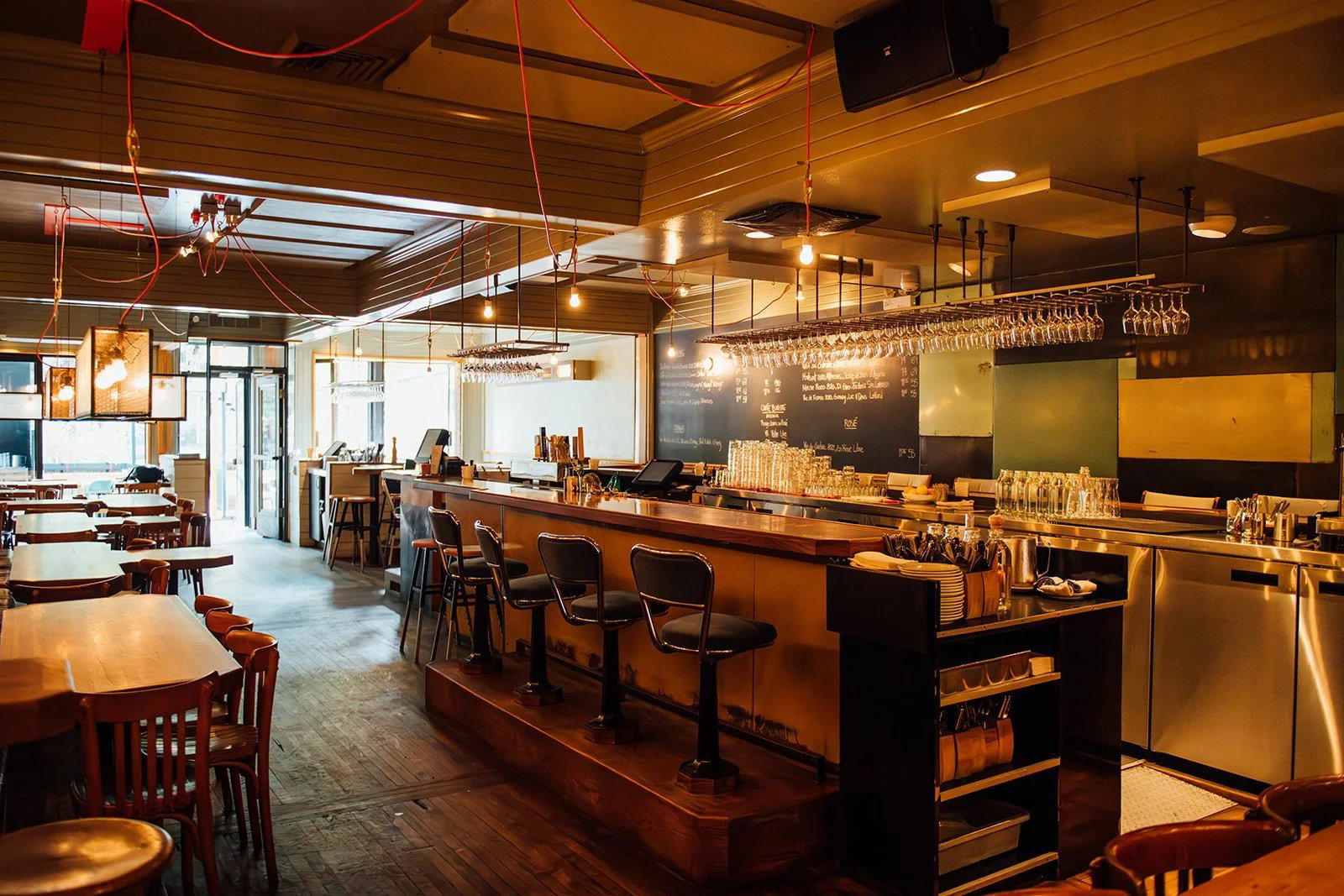
Modern and inviting atmosphere with warm, intimate lighting well-suited for relaxed dining.