Le Vent d'Est sits on Rue Ferdinand le Dressay in the heart of Vannes, a Breton port city where the dining scene ranges from crêperies rooted in regional tradition to ambitious modern tables. The restaurant occupies a position within that mix that rewards visitors willing to move beyond the waterfront obvious choices. Vannes offers more editorial depth than its tourism profile suggests.
Pearl is the En Primeur Club membership app — saves, bookings, and concierge access live there. Same editors, same standards.
- Address
- 21 Rue Ferdinand le Dressay, 56000 Vannes, France
- Phone
- +33297013453
- Website
- leventdest.fr
- Directions
- Get directions
 Saves & bookings on Pearl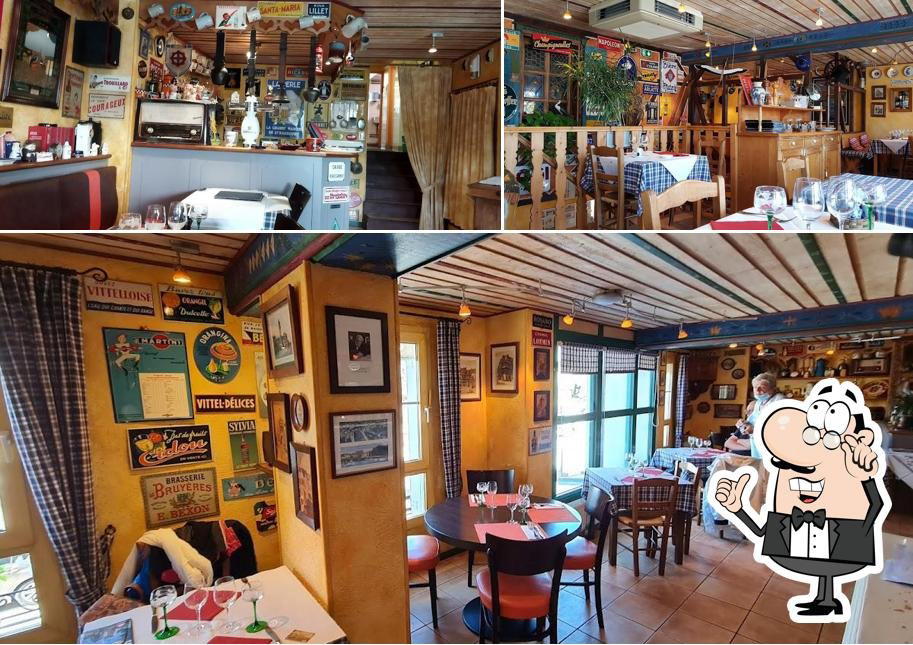
Where Brittany's Dining Character Shows Up
Vannes is not a city that announces its restaurant scene loudly. The medieval walled centre draws visitors for its half-timbered architecture and the Gulf of Morbihan coastline, and particularly visible eating options cluster predictably near the port. But the more considered tables in Vannes operate a few streets back, in buildings that don't signal ambition from the outside. Le Vent d'Est, at 21 Rue Ferdinand le Dressay, follows that pattern: a Vannes address that requires the visitor to be looking for it rather than stumbling across it.
That geography is partly a function of how Breton dining has evolved. The region's culinary identity is built on raw material quality, langoustines from the Morbihan bay, oysters from the Auray estuary, lamb from salt marshes further up the coast, and the better restaurants in the area tend to treat those materials as the argument rather than the decoration. This is a different tradition from the Parisian school, where technique and theatre share billing equally with the ingredient. In Brittany, the ingredient tends to win.
Vannes in Context: A Regional Dining Tier Worth Understanding
To place Le Vent d'Est accurately, it helps to understand where Vannes sits in the broader French fine-dining map. The city doesn't hold the Michelin density of Rennes or the profile of coastal Brittany destinations further north, but it supports a range of serious tables that would be harder to access in larger cities. The competition for bookings is real, but not at the level of, say, Mirazur in Menton or Alléno Paris au Pavillon Ledoyen, where allocation lists operate months or years in advance.
Within Vannes itself, the restaurant options span a wider range than the city's size might suggest. La Tête en l'air operates at the creative end of the local spectrum, priced at €€€ and oriented toward a more experimental format. Agora and Boma cover modern cuisine at accessible price points, while Crêperie Dan Ewen anchors the traditional Breton end of the spectrum. Empreinte takes a farm-to-table position at €€. Le Vent d'Est sits within this ecosystem, and understanding that spread helps frame a visit to the city as a deliberate dining itinerary rather than a single-table trip.
The Cultural Weight of a Breton Table
Breton cuisine carries a cultural stubbornness that distinguishes it from most other French regional traditions. Where Burgundy's identity is inseparable from wine and Alsace's from its Germanic border history, Brittany's culinary character is shaped by the sea and by a Celtic heritage that maintained its separateness from mainland French culture for centuries. The galette and the crêpe are one exported symbols of that tradition, but at the table-cloth level, the region's cuisine is fundamentally about seafood discipline: knowing when to cook something briefly and when not to cook it at all.
This matters when assessing any Vannes restaurant because the reference points are different from those used in Paris or Lyon. French provincial cooking at its leading, as demonstrated by multigenerational establishments like Auberge de l'Ill in Illhaeusern or Troisgros in Ouches, draws its strength from a deep understanding of local product over time. In Brittany, that means a kitchen that takes the bay's seasonal catch seriously enough to let it set the menu's pace. Restaurants in this tradition don't perform regionality; they depend on it operationally.
The contrast with destination restaurants that have built international profiles on a more singular vision, Bras in Laguiole or AM par Alexandre Mazzia in Marseille, for instance, is instructive. Those tables have codified a personal language that travels. The better Breton restaurants operate on a different logic: their excellence is legible mainly to those who understand what the Gulf of Morbihan produces in a given week, and what skill looks like when applied to those materials with restraint.
Planning a Visit: What to Know Before You Go
Vannes is accessible by TGV from Paris Montparnasse, with the journey running roughly two and a half hours to Vannes station, putting the city within reach as a long weekend destination. The Gulf of Morbihan is at its most navigable between May and September, and the local seafood supply is strongest in that window, which makes late spring and early autumn particularly productive times to eat seriously here. Winter visits are quieter, with shorter hours and reduced menus at many establishments, though the city's walled centre retains its character year-round.
For Rue Ferdinand le Dressay specifically, the address sits within walking distance of the old town and the place Gambetta, which keeps logistics simple for visitors staying centrally. Checking current availability before visiting is the practical approach. Vannes restaurants at this level of seriousness do fill on weekend evenings, particularly in summer, so treating the booking as a priority rather than an afterthought is sensible.
Assiette Champenoise in Reims or Au Crocodile in Strasbourg for a sense of how France's regional fine-dining tier operates outside Paris. Further afield, Flocons de Sel in Megève and Paul Bocuse in Collonges-au-Mont-d'Or demonstrate what sustained regional commitment looks like at the highest tier. For a transatlantic counterpoint, Le Bernardin in New York City represents one model for how French seafood discipline translates to a different market, while Atomix in New York City shows a contrasting approach built on a completely different cultural tradition.
Price and Recognition
Comparable venues nearby, for context on price, style, and recognition.
| Venue | Cuisine | Price | Awards | Notes |
|---|---|---|---|---|
| Le Vent d'EstThis venue — the venue you are viewing | Not listed | $$ | Not listed | Not listed |
| Le Petit Refuge | Not listed | $$ | Not listed | vieille ville, Modern French Bistro with Plant-Based Israeli Touches |
| LE 6 | Not listed | $$ | Not listed | centre piétonnier, Traditional French Bistro |
| Agora | Centre ville, Cuisine moderne française | $$$ | Michelin Plate | Not listed |
| Iodé | Not listed | $$$ | Michelin Plate | Vannes city center, Creative French Seafood |
| Ryoko - Comptoir à ramen | Vannes city center, Japanese Ramen | $$ | Michelin Plate | Not listed |
At a Glance
- Cozy
- Rustic
- Classic
- Scenic
- Casual Hangout
- Group Dining
- Special Occasion
- Waterfront
- Standalone
- Historic Building
- Extensive Wine List
- Local Sourcing
- Waterfront
Current opening hours
- Monday
- Closed
- Tuesday
- 12–1:30 PM, 7:15–8:45 PM
- Wednesday
- 12–1:30 PM, 7:15–8:45 PM
- Thursday
- 12–1:30 PM
- Friday
- 12–1:30 PM, 7:15–8:45 PM
- Saturday
- 12–1:30 PM, 7:15–9:15 PM
- Sunday
- 12–1:30 PM
Hours can change for holidays and private events. Last verified .
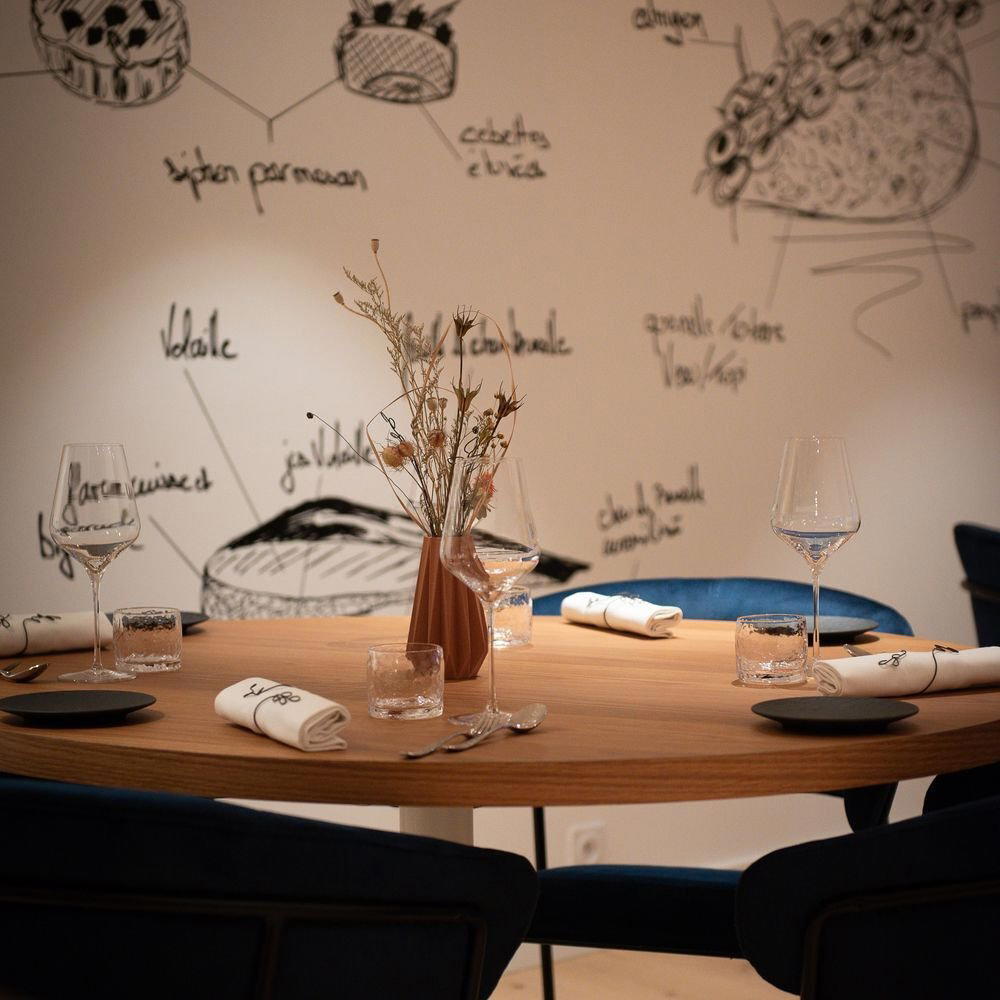
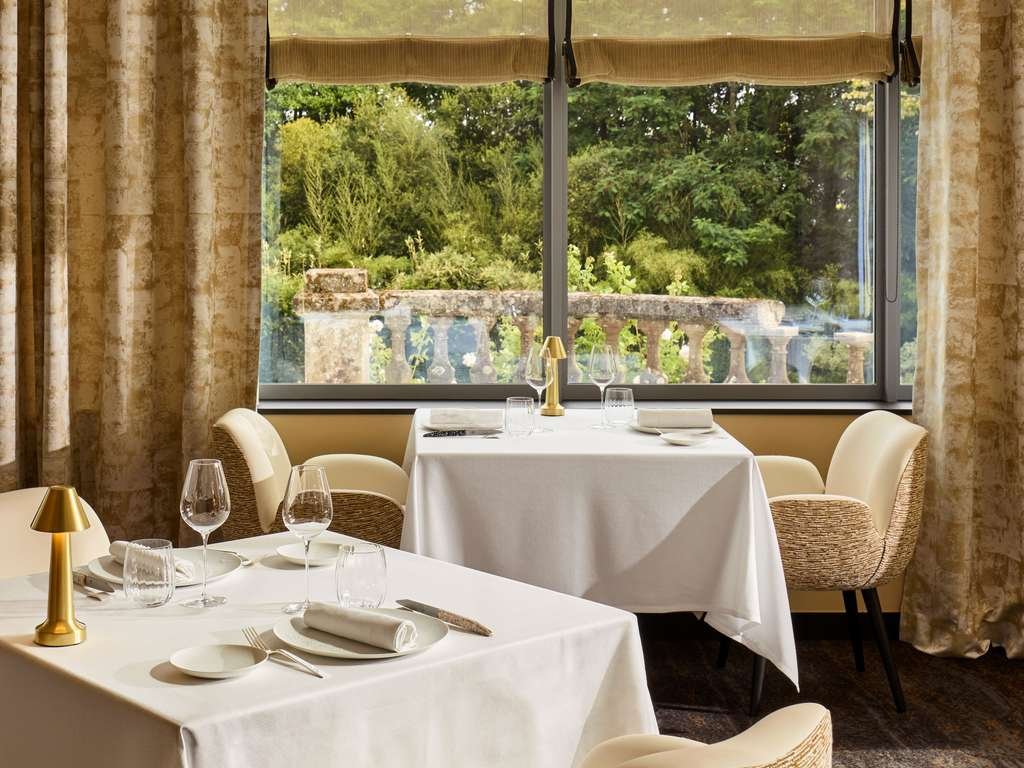
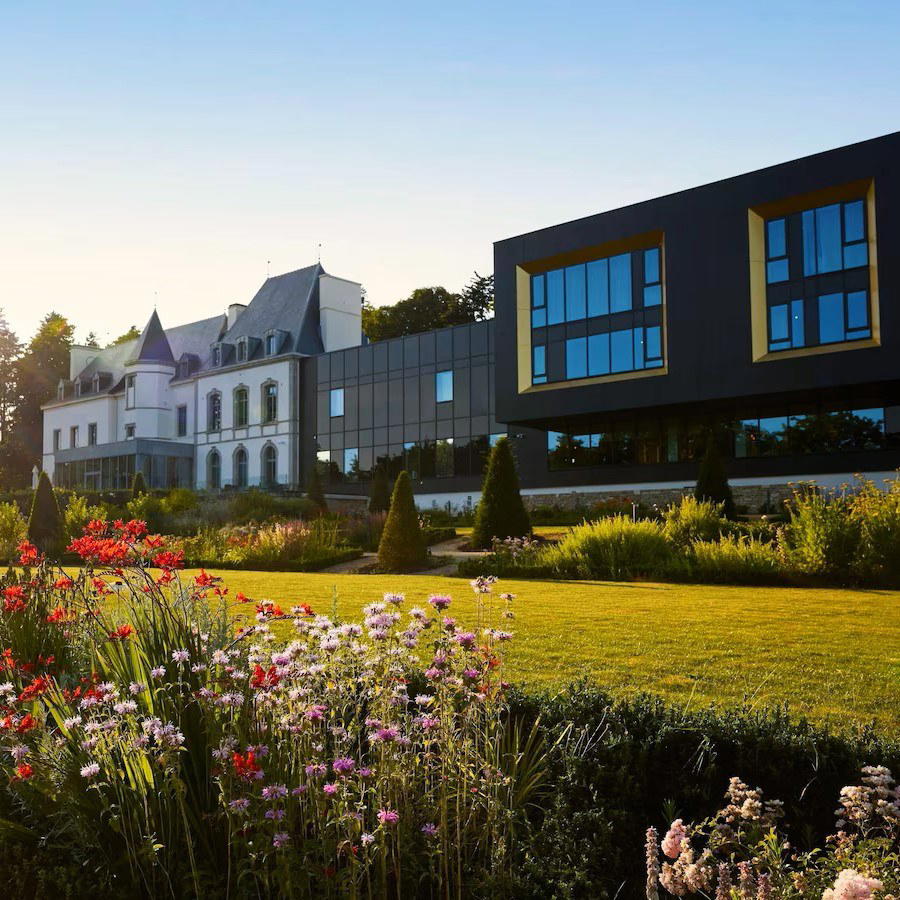
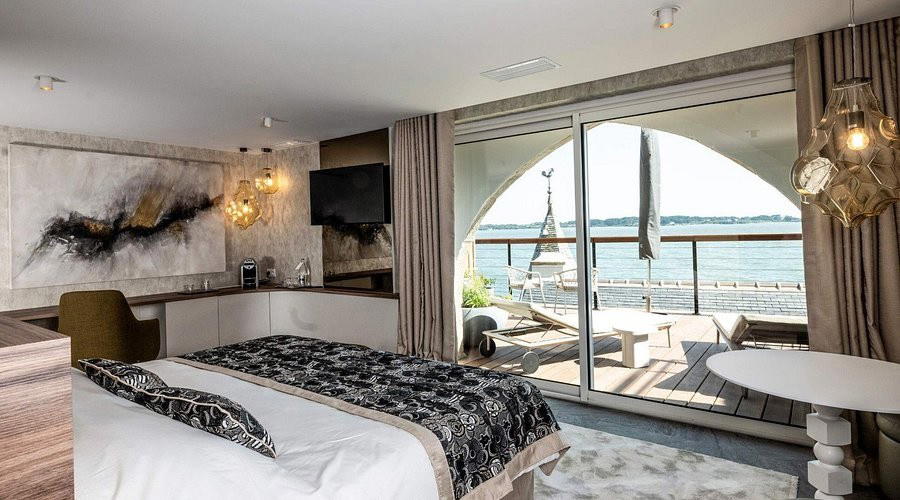
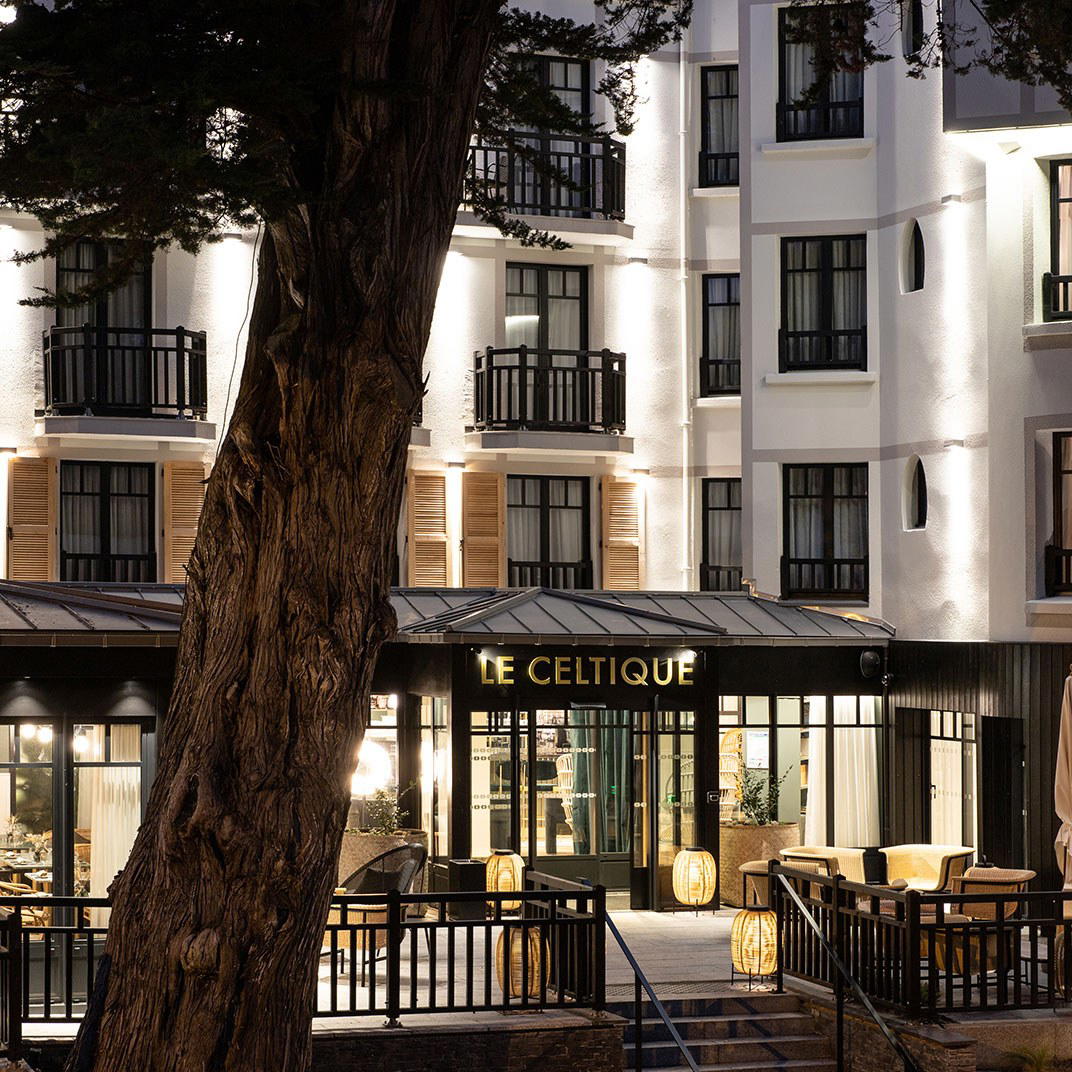
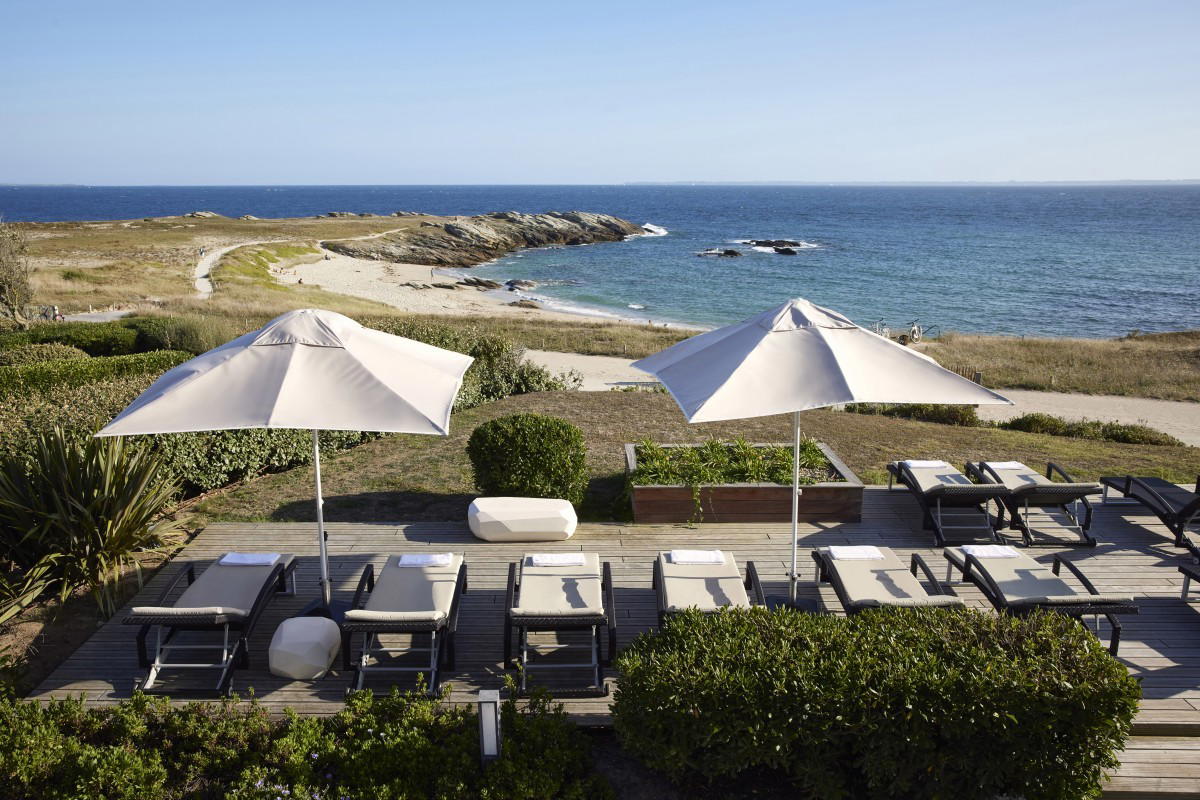
Warm and welcoming with richly decorated, dépaysant (exotic) interior; charming and authentic with a convivial service atmosphere.