Our verdict
Le Tumulus sits on the edge of Carnac's prehistoric landscape, where Brittany's Atlantic larder — shellfish, salt-meadow lamb, and coastal vegetables — sets the terms for what arrives on the plate. The address places it in a quieter tier of the town's dining scene, removed from the summer-season seafront crowd, making it a considered choice for travellers who want the region's produce without the noise.

Pearl is the En Primeur Club membership app — saves, bookings, and concierge access live there. Same editors, same standards.
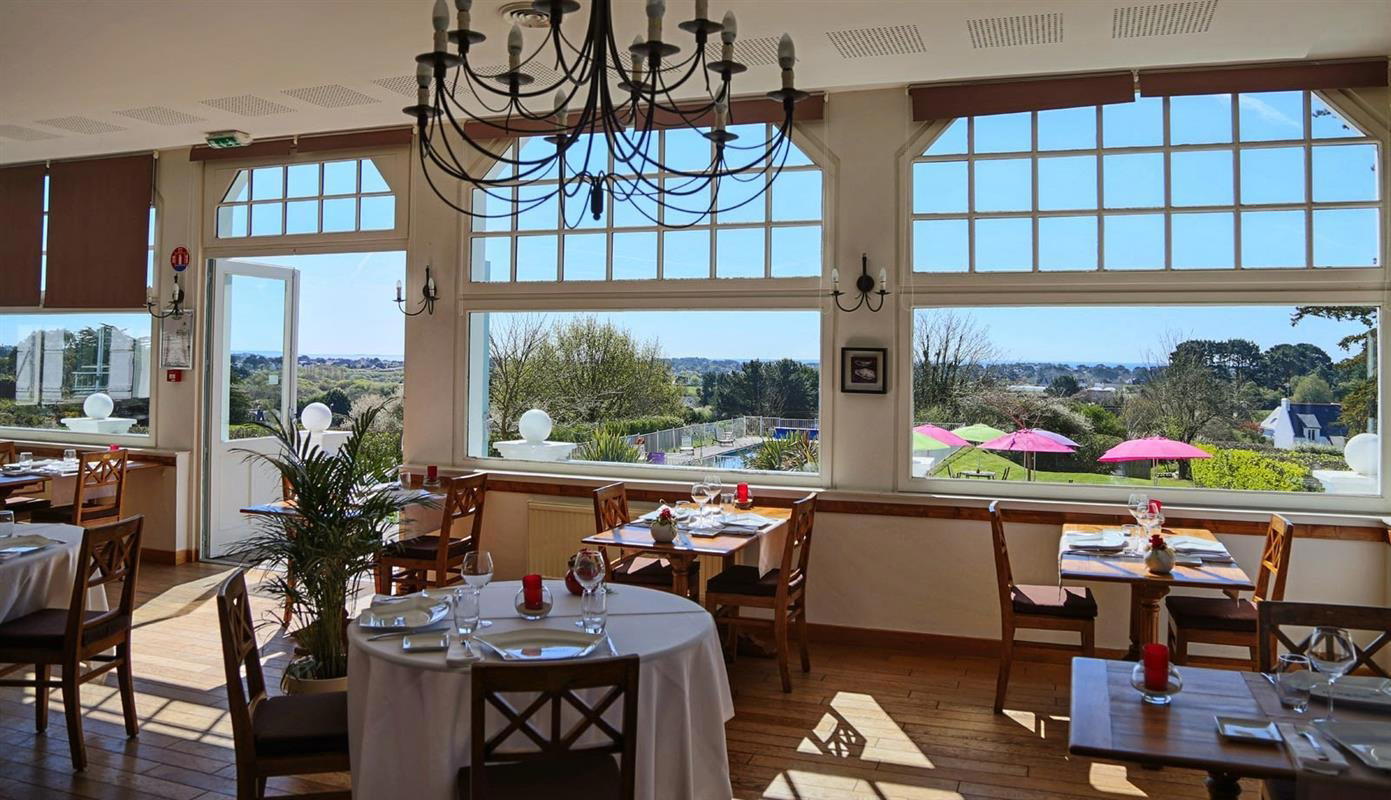
Where the Land Sets the Menu
Carnac is better known for its megalithic alignments than its restaurant scene, but the two are not unrelated. The same Atlantic geography that drew Neolithic communities to this stretch of the Morbihan coast — mild winters, productive inshore waters, salt-rich marshes — is exactly what makes Breton produce so consistent. Le Tumulus takes its name from the burial mounds that punctuate the surrounding countryside, and the address on the Chemin du Tumulus places it at a slight remove from the town's more commercial dining strip, giving it the physical character of somewhere that does not need foot traffic to fill tables.
Brittany's ingredient map is one of the more compelling in France. The Morbihan coastline produces oysters that carry the brackish signature of an almost-enclosed sea, a quality that separates them clearly from the brine-forward output of Cancale or the creamier stock from Belon. Salt-meadow lamb from the nearby Presqu'île de Guérande graze on grasses already seasoned by Atlantic spray, which affects the flavour of the meat in ways that finishing salt cannot replicate. Coastal vegetables, artichokes from Cléden-Cap-Sizun, early potatoes from the Île de Ré circuit, sea vegetables harvested between the tides, fill the spaces between protein. A kitchen in this position inherits a larder that does much of the work before the stove is lit.
Carnac's Dining Tier and Where Le Tumulus Sits
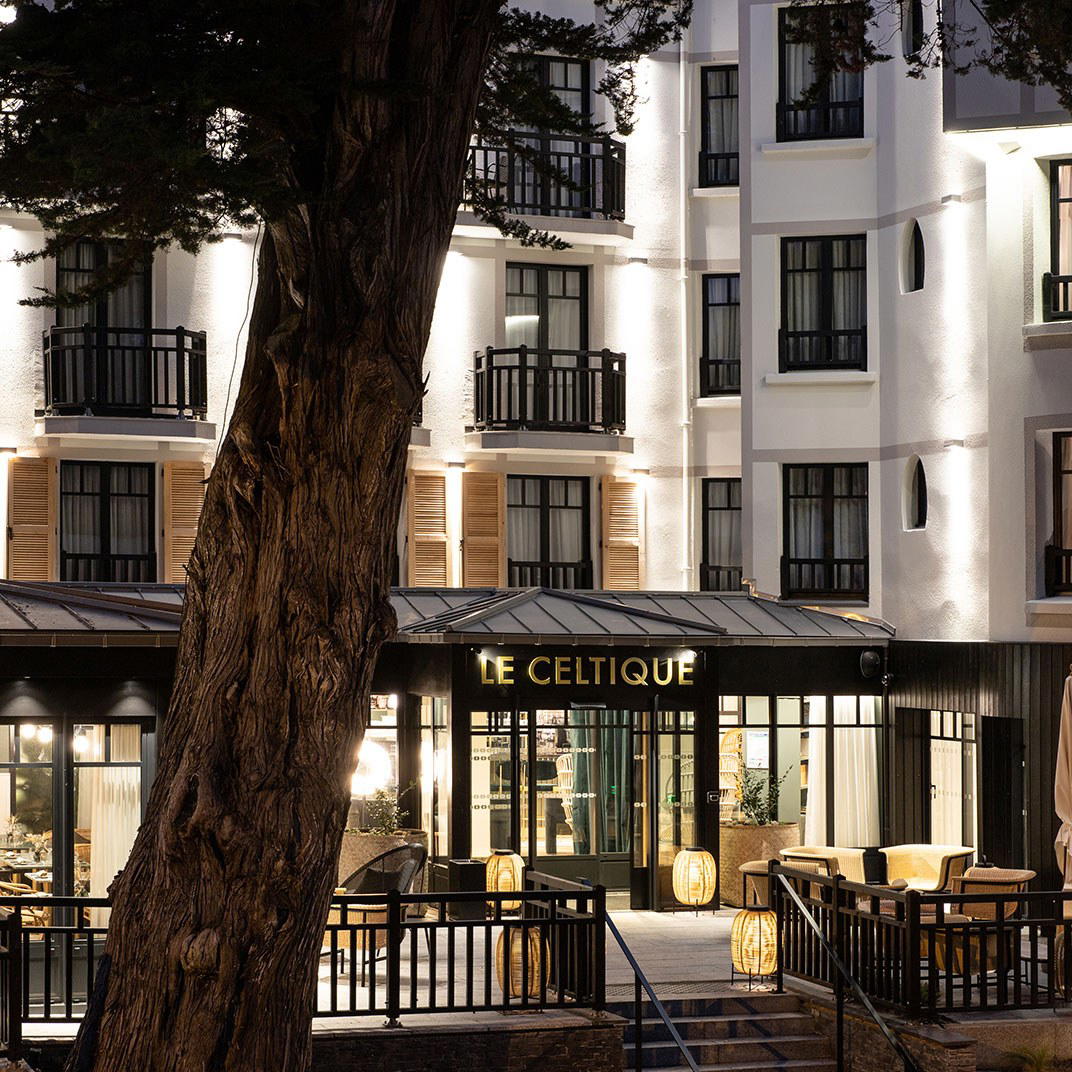
The town's restaurant scene splits predictably between summer-season seafood houses aimed at beach visitors and a smaller group of year-round addresses with tighter menus and more consistent sourcing. La Calypso occupies the seafood-forward tier at €€€, while Itsasoa works a creative register at €€, suggesting that Carnac's mid-range is more active than the town's modest profile implies. Côté Cuisine and Le Cairn at Hôtel le Celtique cover the modern and contemporary ends of a €€ to €€€ spread. Le Ratelier rounds out the local circuit with its own character. Le Tumulus, with its hillside position above the megalithic site rather than the harbour, occupies a distinct physical niche: the kind of address where the setting is part of the pitch, and the summer tourist calculus is slightly different from the waterfront.
For context on what ingredient-driven cooking at a higher tier looks like in France, the reference points are widely distributed. Mirazur in Menton has built its international profile almost entirely on its own garden as primary sourcing. Bras in Laguiole established the template for terroir-driven menus in rural France decades ago. Flocons de Sel in Megève applies a comparable discipline to Alpine produce. What those addresses have in common is a refusal to import prestige ingredients when the local supply is already distinctive. Carnac's position on the Morbihan, with its shellfish, its salt-marsh protein, and its coastal vegetable traditions, gives any kitchen here a comparable starting argument, even if the recognition infrastructure is not yet at the same level.
Approaching the Address
The approach along the Chemin du Tumulus gives the meal its frame before the door opens. The road runs past the Grand Tumulus de Saint-Michel, one of the largest Neolithic mounds in Europe, and the restaurant sits in landscape that carries considerable atmospheric weight regardless of season. In summer, the surrounding countryside is warm and tourist-adjacent; in the shoulder months of April, May, September, and October, the site has a stillness that matches the age of the stones. Carnac off-peak is a meaningfully different proposition from Carnac in August, when the town's population multiplies and the better addresses fill weeks in advance.
This is broadly true of the Morbihan as a region: spring and early autumn are when the produce is at its most interesting, the crowds are thinner, and the kitchens in smaller towns are cooking for people who came specifically for the food rather than the beach. Visitors arriving by car from Vannes (roughly thirty kilometres) or from the Quiberon Peninsula have the most direct access; public transport connections to Carnac are limited enough that a car is the practical default for anyone staying outside the town centre.
What the Sourcing Argument Means in Practice
In Brittany's better kitchens, the sourcing conversation is not abstract. Oyster producers, small-scale vegetable growers, and inshore fishing cooperatives operate on scales where relationships between kitchen and supplier are direct rather than mediated by wholesale networks. That proximity changes what can arrive on a plate: shellfish harvested that morning, fish landed at a nearby port rather than transiting a distribution hub, vegetables grown in soil close enough to the coast that the mineral content of the land is detectably similar to what the sea produces. The culinary tradition of Brittany is not elaborate in the way that Alsace or the Rhône Valley are elaborate; it is a cuisine of exceptional primary material treated with confidence rather than complication. Restaurants along the Morbihan coastline that work within this logic produce food that reads differently from comparable price-point addresses in cities, where the same ingredients would arrive with more food miles and less traceability.
France's most recognised ingredient-driven addresses, including Alléno Paris au Pavillon Ledoyen, Troisgros in Ouches, and Assiette Champenoise in Reims, operate from regions where the ingredient provenance is part of the public narrative. Brittany has that material but a quieter publishing apparatus. Addresses like Au Crocodile in Strasbourg and Paul Bocuse in Collonges-au-Mont-d'Or have benefited from decades of sustained critical attention; the Morbihan is still making its case. For readers used to the narrative density of, say, AM par Alexandre Mazzia in Marseille or the structural ambition of Atomix in New York, the register here is deliberately quieter, and that is part of its appeal.
Planning Your Visit
Carnac's tourism peak runs from late June through August, when securing a table at any address with a local following requires advance booking of several weeks. The shoulder season is more forgiving, and the quality of both produce and kitchen focus tends to be more consistent outside the summer surge. Le Tumulus's location above the megalithic site means it draws a mix of heritage tourists and food-focused visitors, a combination that supports a longer season than the purely beach-adjacent addresses. For the broader Carnac dining picture, the EP Club Carnac restaurants guide maps the full local circuit. Those extending their trip along the Morbihan or into the wider Loire-Atlantique area will find comparable sourcing logic in operation at several other addresses; Brittany rewards the kind of itinerary that prioritises the region's larder rather than a single destination. International references for this style of produce-first cooking, including Auberge de l'Ill in Illhaeusern and Le Bernardin in New York, suggest how far a single-region sourcing commitment can travel when the underlying material is this strong.
Frequently asked questions
Can I bring kids to Le Tumulus?
Le Tumulus sits on the Chemin du Tumulus in Carnac, a town that runs on family tourism from late June through August. The address has a local following that extends beyond the seasonal visitor crowd, which typically signals a room comfortable with mixed-age tables.
How would you describe the vibe at Le Tumulus?
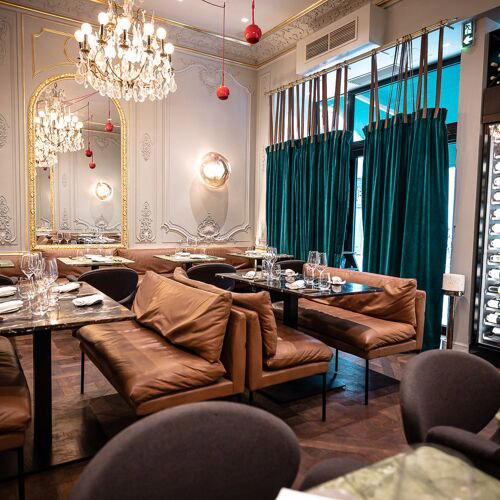
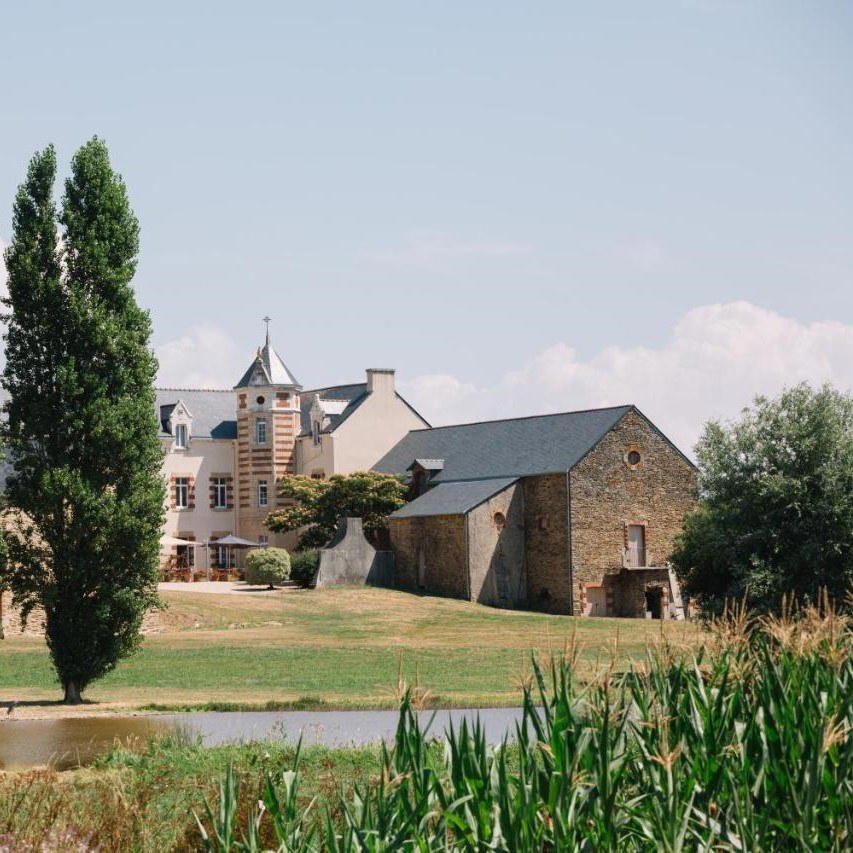
The approach along the Chemin du Tumulus, past the Grand Tumulus de Saint-Michel, gives the room its character before you arrive: this is a place shaped by its geography, not the beachfront strip. Among Carnac's year-round addresses, Le Tumulus sits closer to the local-institution end of the spectrum than the seasonal seafood-house end. Expect a setting that takes its cues from Breton land and Atlantic sourcing rather than resort-town theatre.
Is Le Tumulus open year-round, and does that affect when to visit?
Carnac's tourism peak runs from late June through August, when tables at addresses with a local following require advance booking of several days at minimum. Le Tumulus, on the Chemin du Tumulus just outside the town centre, is among the year-round addresses in Carnac's smaller permanent dining tier, which makes shoulder-season visits — spring and early autumn — a practical option for securing a table with less lead time. Confirming seasonal hours directly is advisable before travelling.
What should I order at Le Tumulus?
Brittany's better kitchens build their menus around inshore catches, oyster producers, and small-scale vegetable growers, and Le Tumulus operates within that same sourcing tradition. Specific dish details and current menu composition are best confirmed at the time of booking, as seasonal availability in this part of Morbihan shifts considerably between summer and the quieter autumn and winter months.
How do I find Le Tumulus?
Le Tumulus is located at Chem. du Tumulus, 56340 Carnac, France, Carnac.
Comparable Spots, Quickly
| Venue | Cuisine | Price | Awards | Notes |
|---|---|---|---|---|
| Le TumulusThis venue — the venue you are viewing | Refined Breton French Cuisine | $30–50 | Not listed | Not listed |
| Côté Cuisine | Modern French Fine Dining | $50–100 | 1 Michelin Star | Modern Cuisine |
| Itsasoa | Modern French Seafood | $50–100 | Michelin Plate | Creative |
| La Calypso | Traditional French Seafood Grilled over Wood Fire | $100–150 | Michelin Plate | Seafood |
| Le Cairn - Hôtel le Celtique | Modern French Bistronomic Seafood | $50–100 | Michelin Plate | Contemporary |
| Le Ratelier | Traditional French Seafood Bistro | $30–50 | Not listed | Not listed |
Continue exploring
More in Carnac
Restaurants in Carnac
All restaurants in Carnac →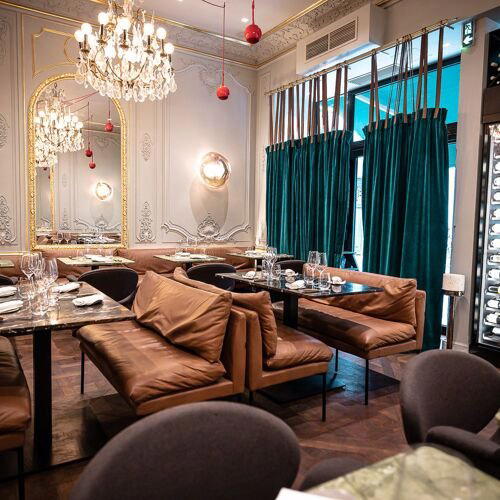
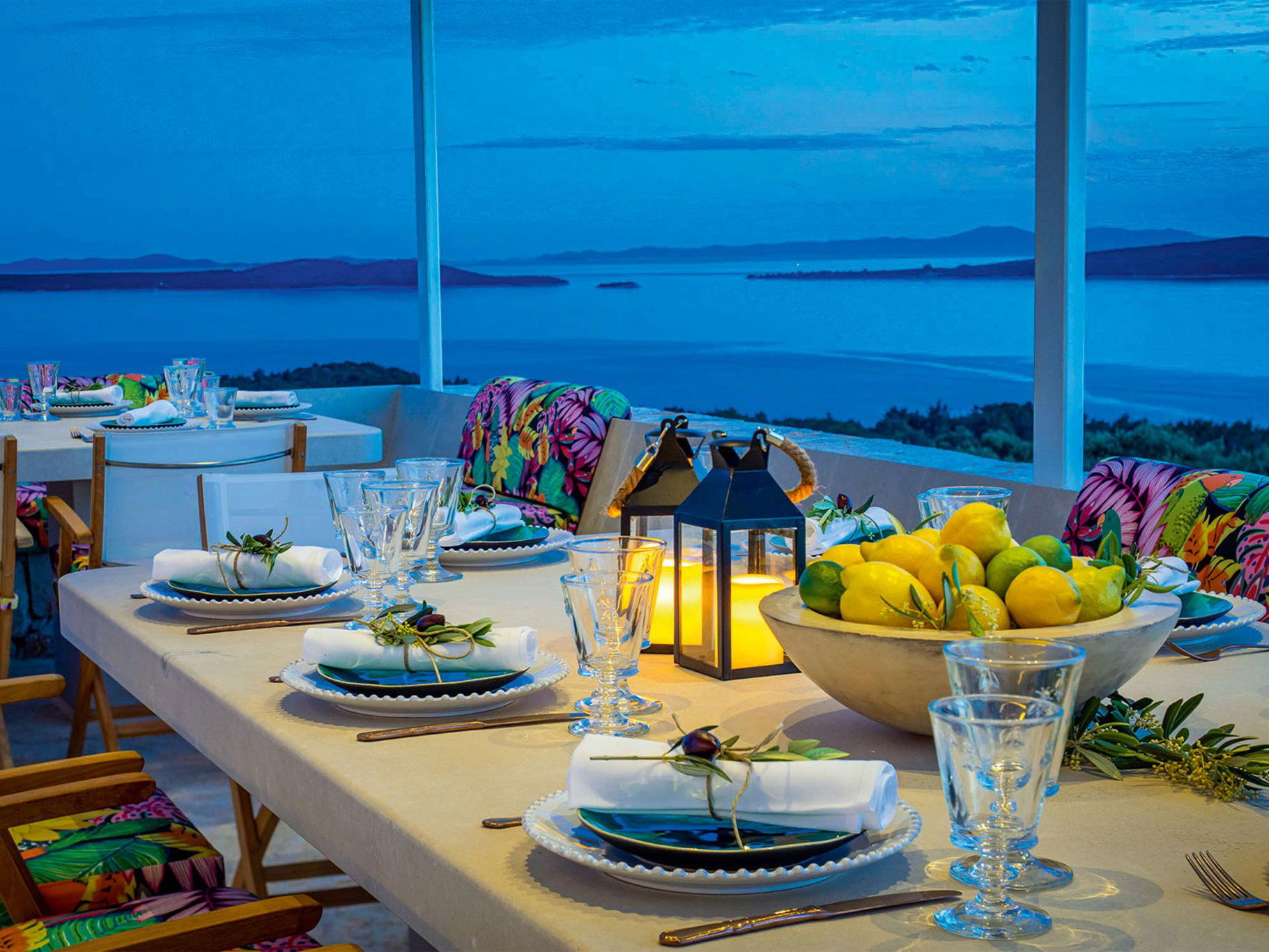
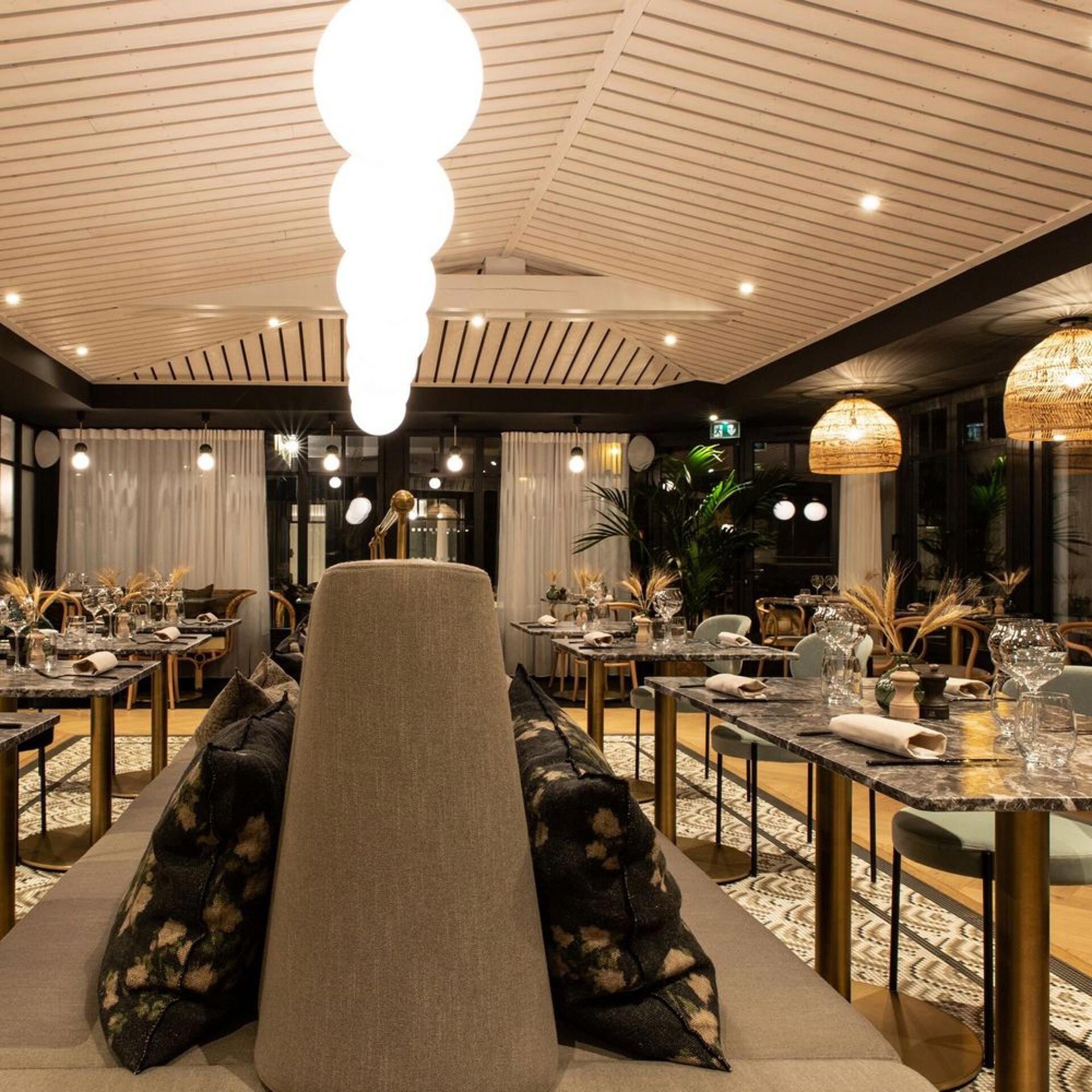
Bars in Carnac
Browse all →
Details
- Scenic
- Elegant
- Classic
- Sophisticated
- Date Night
- Special Occasion
- Celebration
- Panoramic View
- Hotel Restaurant
- Historic Building
- Local Sourcing
- Waterfront
- A La Carte
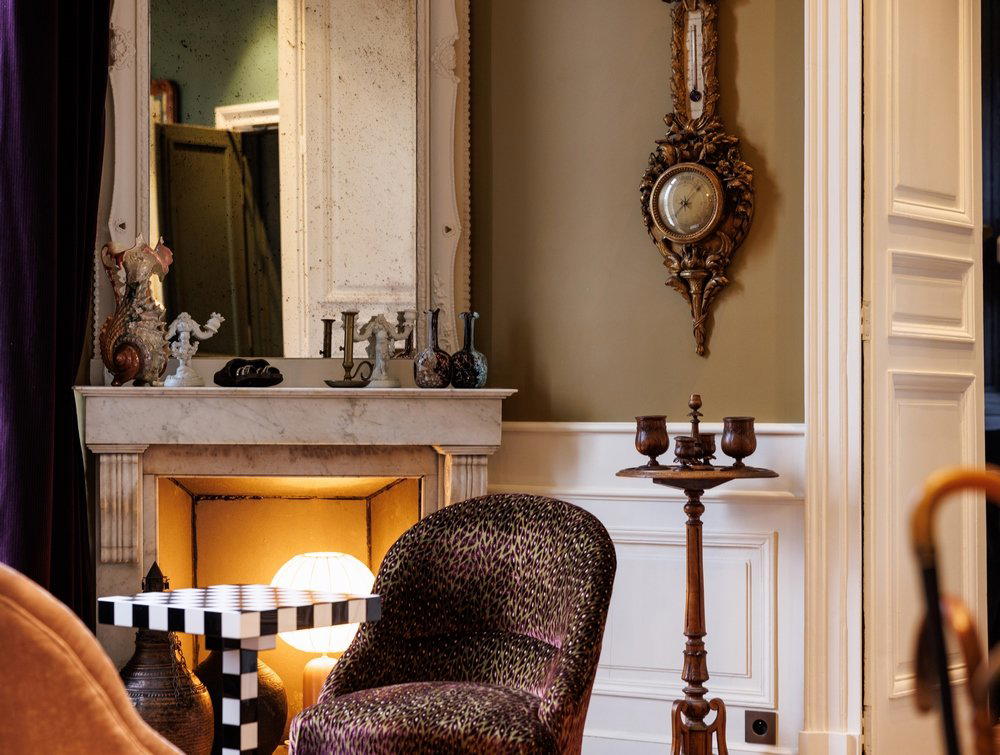
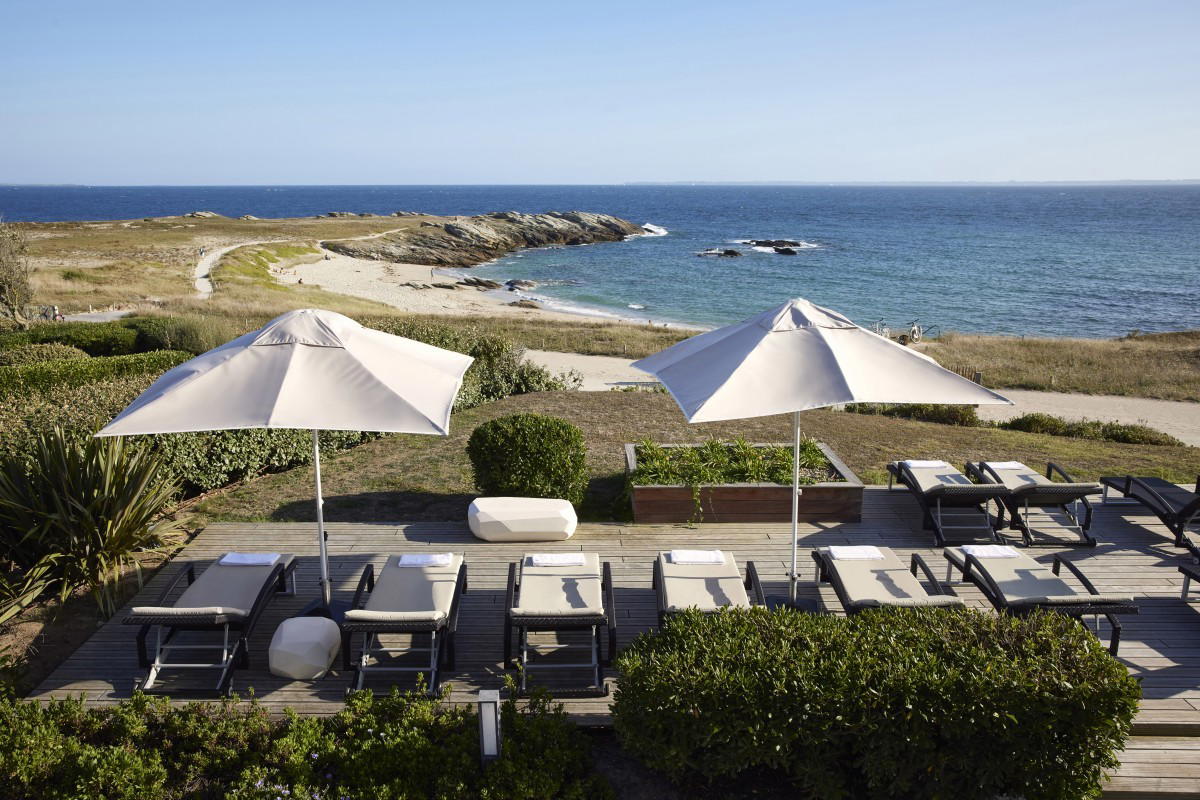
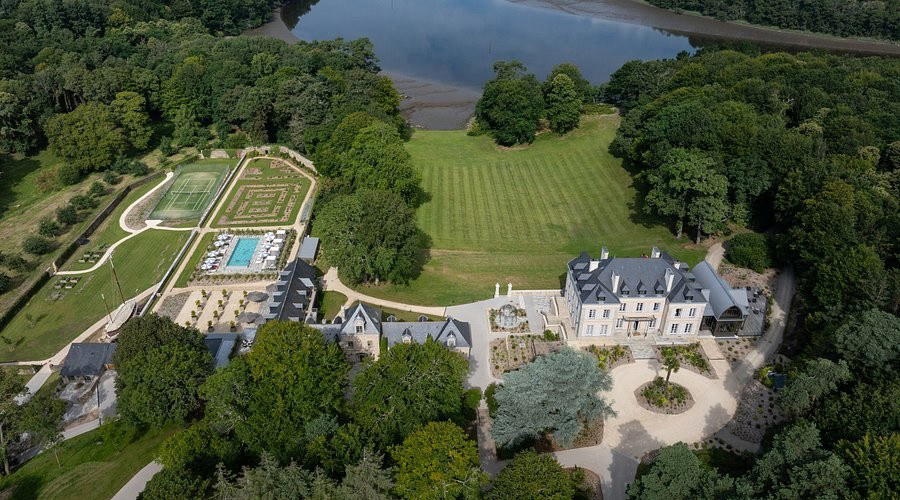
Refined and characterful hotel-restaurant atmosphere with a strong sense of local history and sweeping bay views.