Le Sylvestre
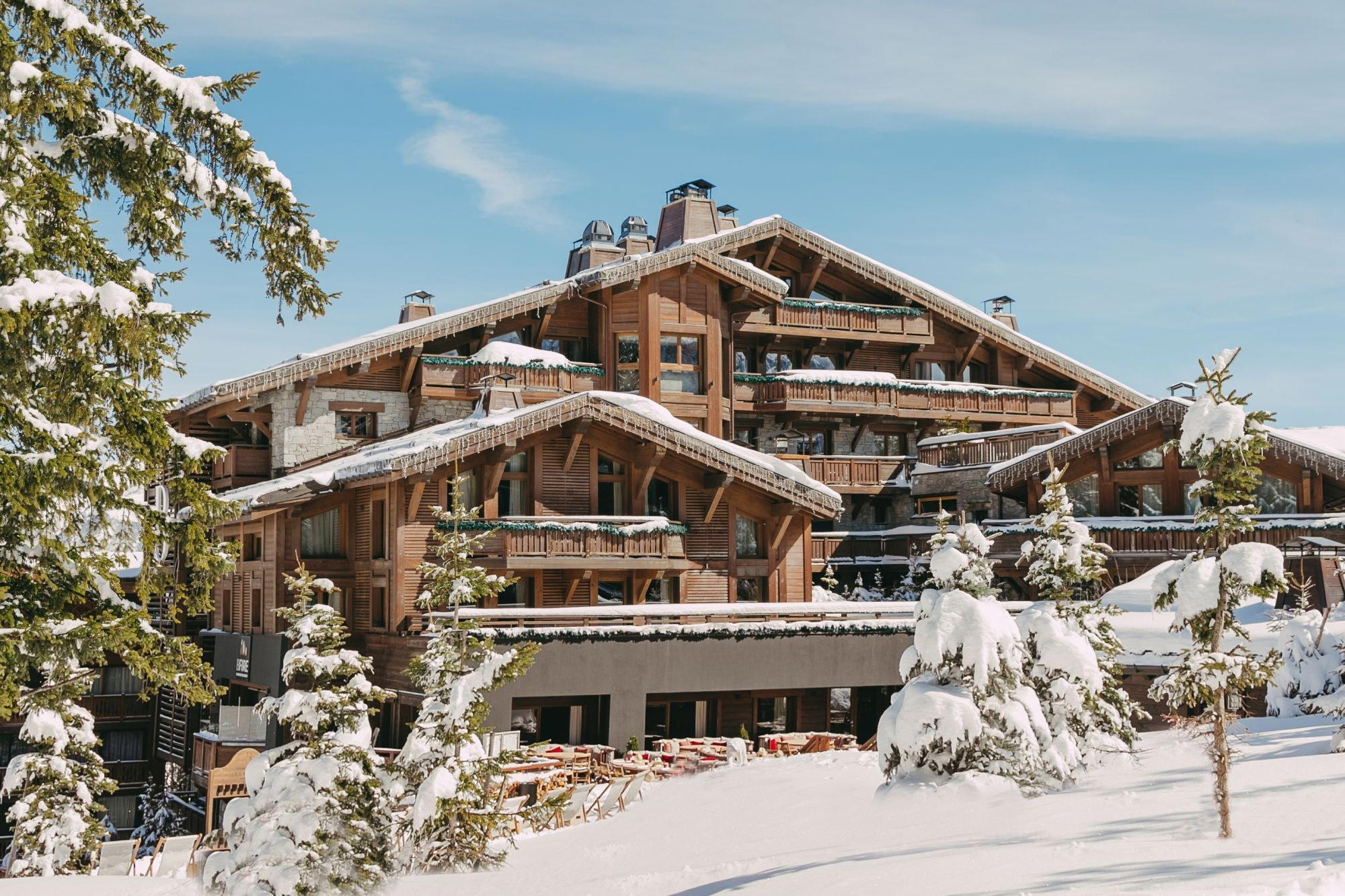
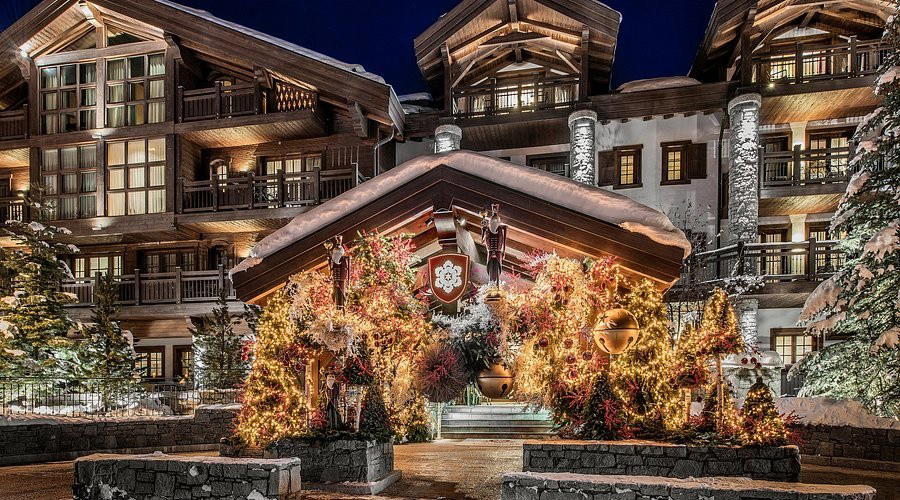
Le Sylvestre occupies a measured position within Courchevel's serious fine dining tier, where the sourcing of Alpine and French produce shapes the kitchen's direction as much as technique does. Set on the Rue de l'Église in Courchevel 1850, the restaurant draws a clientele that arrives with specific expectations around ingredient provenance and precision. It belongs to a comparable set defined less by spectacle than by quiet culinary seriousness.
Pearl is the En Primeur Club membership app — saves, bookings, and concierge access live there. Same editors, same standards.
- Address
- 28 Rue de l'Église, 73120 Courchevel, France
- Phone
- +33479080335
- Website
- restaurantsylvestre.com
- Directions
- Get directions
 Saves & bookings on Pearl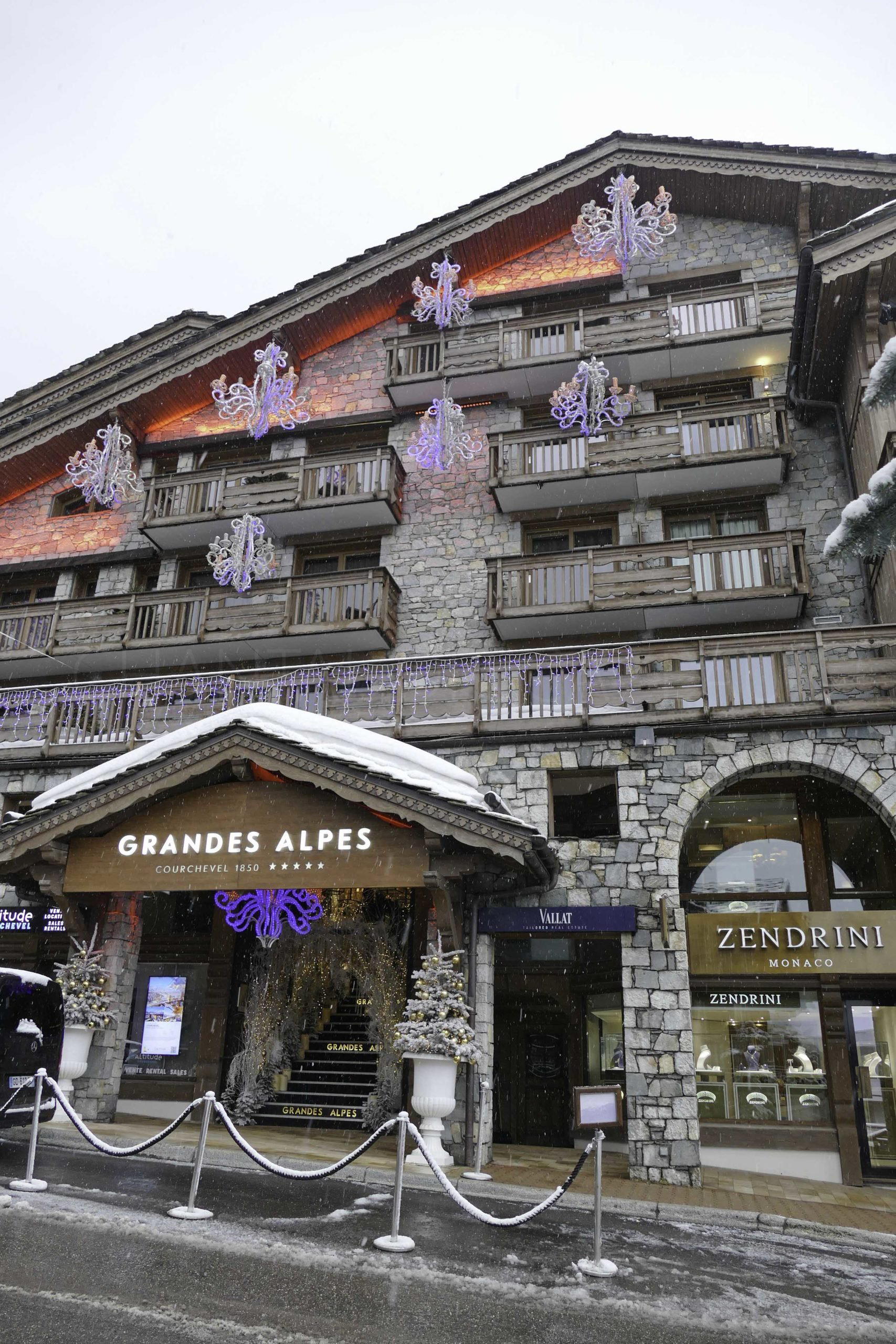
Where Courchevel's Fine Dining Stands in the Alps
Courchevel 1850 holds an unusual position in French gastronomy: a ski resort that sustains a concentration of serious fine dining that few mountain destinations anywhere can match. The altitude and seasonal rhythm impose real constraints on any kitchen operating here. Supply chains are compressed by snow closures and short seasons. Ingredient quality depends on relationships built far below the treeline, in valley farms, lowland markets, and coastal suppliers who send produce up to 1850 metres by arrangement. Restaurants that operate at the higher end of this tier don't simply cook well; they solve a logistics problem every service.
Le Sylvestre is a restaurant in Courchevel, France, at 28 Rue de l'Église. It is a modern French fine dining address with a formal dress code and essential reservations, priced at about $450 per person. The implicit comparison set for any Courchevel restaurant operating at this level runs well beyond the resort itself. It stretches to addresses like Alléno Paris au Pavillon Ledoyen, where the standard for technically serious French cuisine is set in the capital, or to mountain neighbours like Flocons de Sel in Megève, which has built its reputation partly on the argument that ingredient sourcing in the Alps can be a creative position rather than a limitation.
Sourcing as Kitchen Logic
In the French Alpine fine dining tradition, what separates kitchens at this level is increasingly how they answer the sourcing question, not merely what is on the plate, but what calculation goes into putting it there. The constraint of altitude makes the answer concrete rather than abstract. A chef sourcing for a Courchevel kitchen cannot rely on the casual proximity to producers that a restaurant in the Rhône Valley or Provence takes for granted. Every ingredient that arrives at 1850 has been chosen deliberately and moved through a supply chain that adds complexity and cost. That pressure tends to clarify priorities: kitchens that work well in this environment make deliberate choices about which producers are worth the arrangement and which local or regional ingredients can anchor a menu when external supply is less reliable.
This logic connects Courchevel's better kitchens to a longer French tradition of place-rooted cooking. Bras in Laguiole built its identity on the argument that a remote plateau's herbs, flora, and dairy were a creative foundation rather than a compromise. Mirazur in Menton made its own garden and the Ligurian coastal proximity central to every menu decision. The strongest alpine kitchens work from similar discipline: they turn constraint into editorial position. Le Sylvestre operates within that framing, in a resort where sourcing decisions are visible in the price structure and the menu's seasonal character.
Courchevel's comparable set and Where Le Sylvestre Sits
The resort's fine dining tier now distributes across several identifiable clusters. Hotel-anchored restaurants, including Le 1947 à Cheval Blanc and Baumanière 1850, operate with the backing of significant hotel groups, which affects both their wine program depth and their ability to maintain sourcing relationships across seasons. Independent or semi-independent addresses like Le Chabichou by Stéphane Buron have built their credibility over longer timeframes, accumulating the kind of institutional recognition that signals consistency rather than novelty. The creative-format contingent, which includes Le Sarkara on the dessert and pastry side, fills a different expectation entirely.
The restaurant's address on the Rue de l'Église places it in the central resort zone, where foot traffic from the main ski thoroughfares generates awareness but where the actual dining decision is made well in advance. At this level in Courchevel, tables are not filled by walk-ins. The clientele plans the reservation with the same attention they give to slope conditions and chalet bookings. That pre-commitment dynamic means the kitchen's reputation travels through the same channels as the resort's larger reputation, word of mouth among regulars, coverage in French and international food media, and the reference systems that guide repeat visitors. Peer comparisons that a guest might hold in mind include addresses like Sylvestre Wahid at Les Grandes Alpes, which occupies a closely adjacent position in the resort's creative fine dining map.
The Longer French Fine Dining Frame
Understanding what a Courchevel table at this level delivers requires calibrating against French fine dining more broadly. The tradition that runs from Paul Bocuse's Auberge du Pont de Collonges through the Alsatian rigor of Auberge de l'Ill and into the more technique-forward registers of Assiette Champenoise in Reims or Au Crocodile in Strasbourg creates a frame of reference that well-travelled guests carry with them. Courchevel's fine dining does not exist in an alpine bubble; it is continuously measured against that national context, and its strongest kitchens know it.
Internationally, the comparison runs further. The rigour that Le Bernardin in New York applies to sourcing within the constraints of a large urban kitchen, or the way Atomix builds a tasting format around specific ingredient origin, represents a global standard that guests at this price point in Courchevel are aware of. Closer to the Alps, Troisgros in Ouches has made its own land the explicit subject of the menu. AM par Alexandre Mazzia in Marseille takes a different approach entirely, using a small format and high intensity to deliver something that location-specific produce couldn't alone justify. These are the registers a serious Courchevel restaurant must position itself within or against.
Planning a Visit
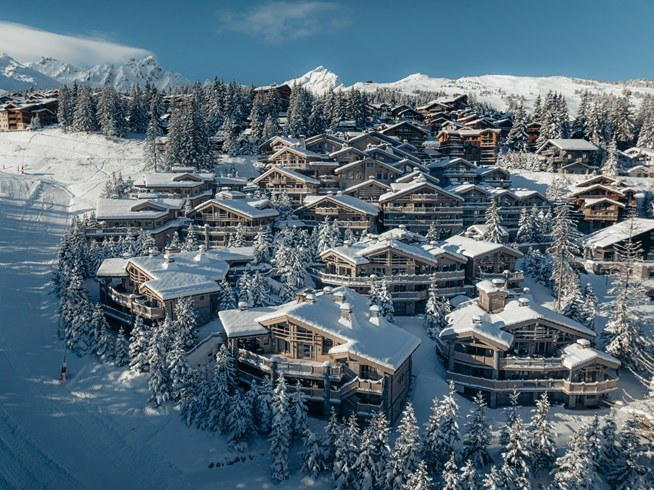
The restaurant is located at 28 Rue de l'Église in Courchevel 1850, the resort's highest and most densely served dining zone. Courchevel 1850 is accessible by road from Moûtiers, approximately 25 kilometres from the base valley, and by helicopter transfer for guests arriving from Geneva or Lyon airports. The main ski season runs from mid-December through early April, and the resort's serious dining tables fill early across that window. Reservations at restaurants operating at this level in Courchevel should be treated as part of trip planning rather than an afterthought.
Comparable Spots, Quickly
Comparable venues nearby, for context on price, style, and recognition.
| Venue | Cuisine | Price | Awards | Notes |
|---|---|---|---|---|
| Le SylvestreThis venue — the venue you are viewing | Modern French Fine Dining | $$$$ | Not listed | Not listed |
| Bagatelle Courchevel | Modern French Mediterranean | $$$$ | Not listed | Courchevel (Commune Non Irisée) |
| Le Genépi | Traditional French Savoyard | $$$$ | Not listed | Courchevel (Commune Non Irisée) |
| Baumanière 1850 / Le Strato | Modern French Fine Dining with Alpine and Provençal Influences | $$$$ | Not listed | Courchevel (Commune Non Irisée) |
| La Saulire | Gastronomic French with Black Truffles | $$$$ | Michelin Plate | Courchevel (Commune Non Irisée) |
| Le Coin Savoyard | Traditional Savoyard Fondue | $$$$ | Not listed | Courchevel (Commune Non Irisée) |
Continue exploring
More in Courchevel
Restaurants in Courchevel
Browse all →
At a Glance
- Intimate
- Elegant
- Sophisticated
- Special Occasion
- Open Kitchen
- Hotel Restaurant
- Extensive Wine List
- Sommelier Led
Current opening hours
- Monday
- 7:30–10:30 PM
- Tuesday
- 7:30–10:30 PM
- Wednesday
- 7:30–10:30 PM
- Thursday
- 7:30–10:30 PM
- Friday
- 7:30–10:30 PM
- Saturday
- 7:30–10:30 PM
- Sunday
- 7:30–10:30 PM
Hours can change for holidays and private events. Last verified .
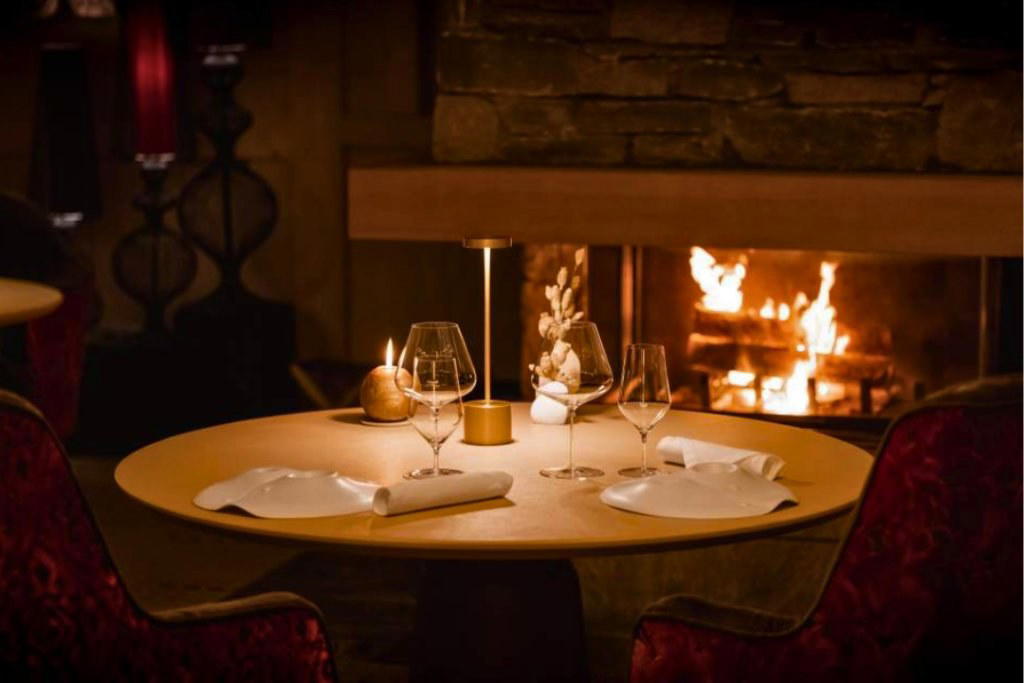
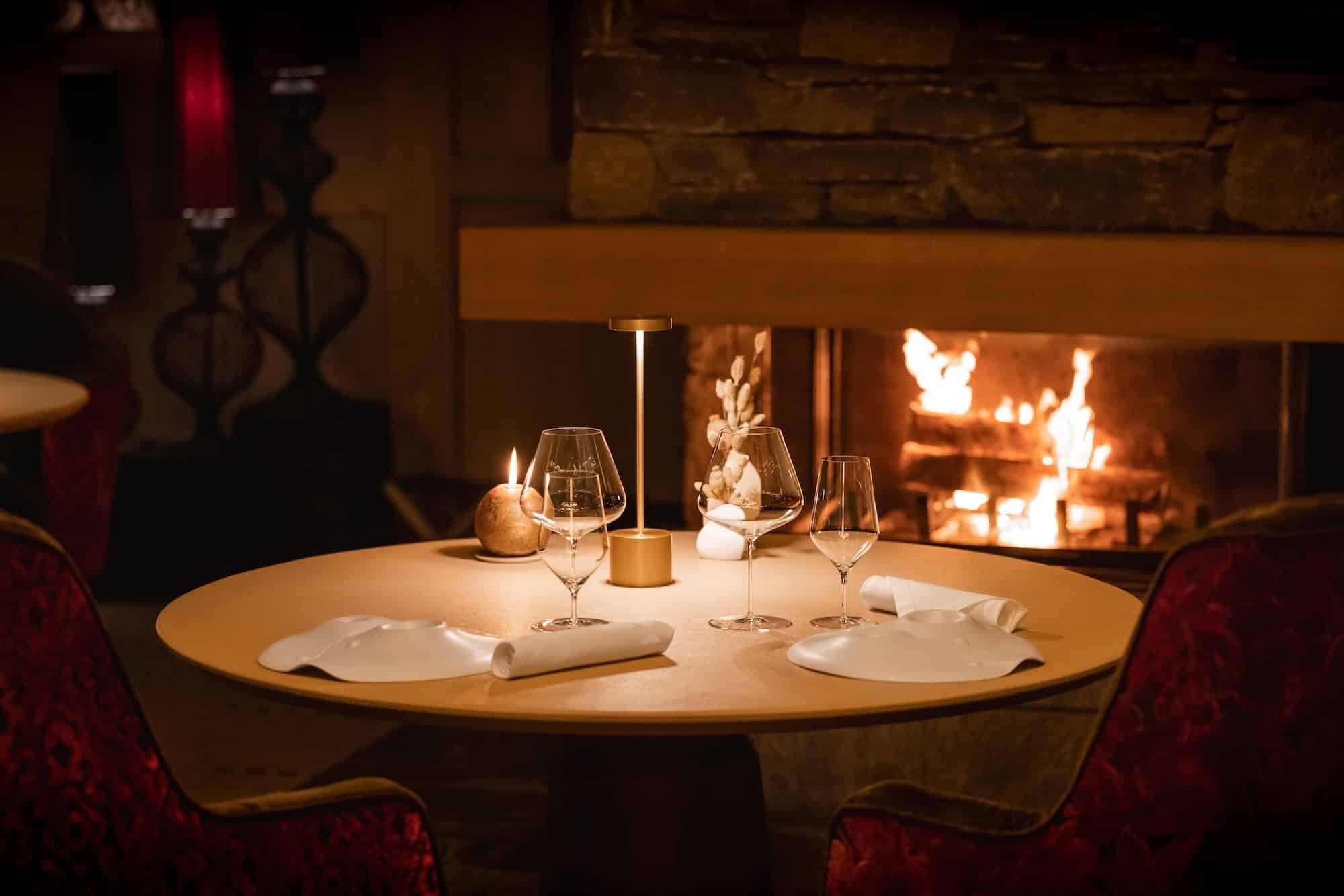
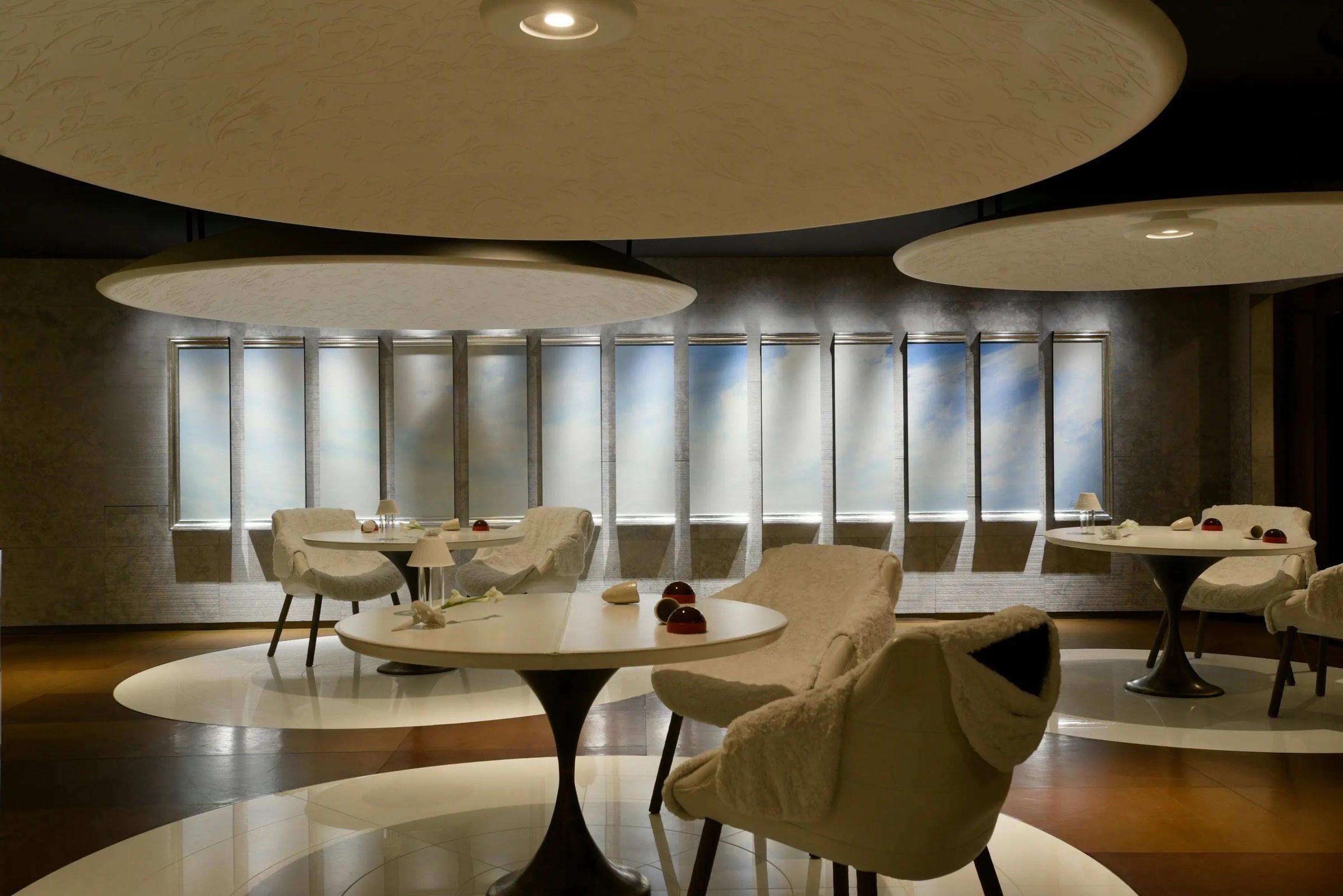
Cozy, refined, and immersive atmosphere in a windowless, feutré room with modern design, fostering intimate connections and sensory focus on the cuisine.