Le Sauvage
Le Sauvage occupies a quietly significant address on Planche-Supérieure in Fribourg's medieval lower town, where the canton's agricultural traditions and bilingual food culture converge. In a city where serious dining rarely makes international headlines, it represents the kind of address that rewards those who pay attention to Switzerland's mid-sized culinary centres rather than chasing the obvious urban circuit.
Pearl is the En Primeur Club membership app — saves, bookings, and concierge access live there. Same editors, same standards.
- Address
- Planche-Supérieure 12, 1700 Fribourg, Switzerland
- Phone
- +41263473060
- Website
- le-sauvage.ch
- Directions
- Get directions
 Saves & bookings on Pearl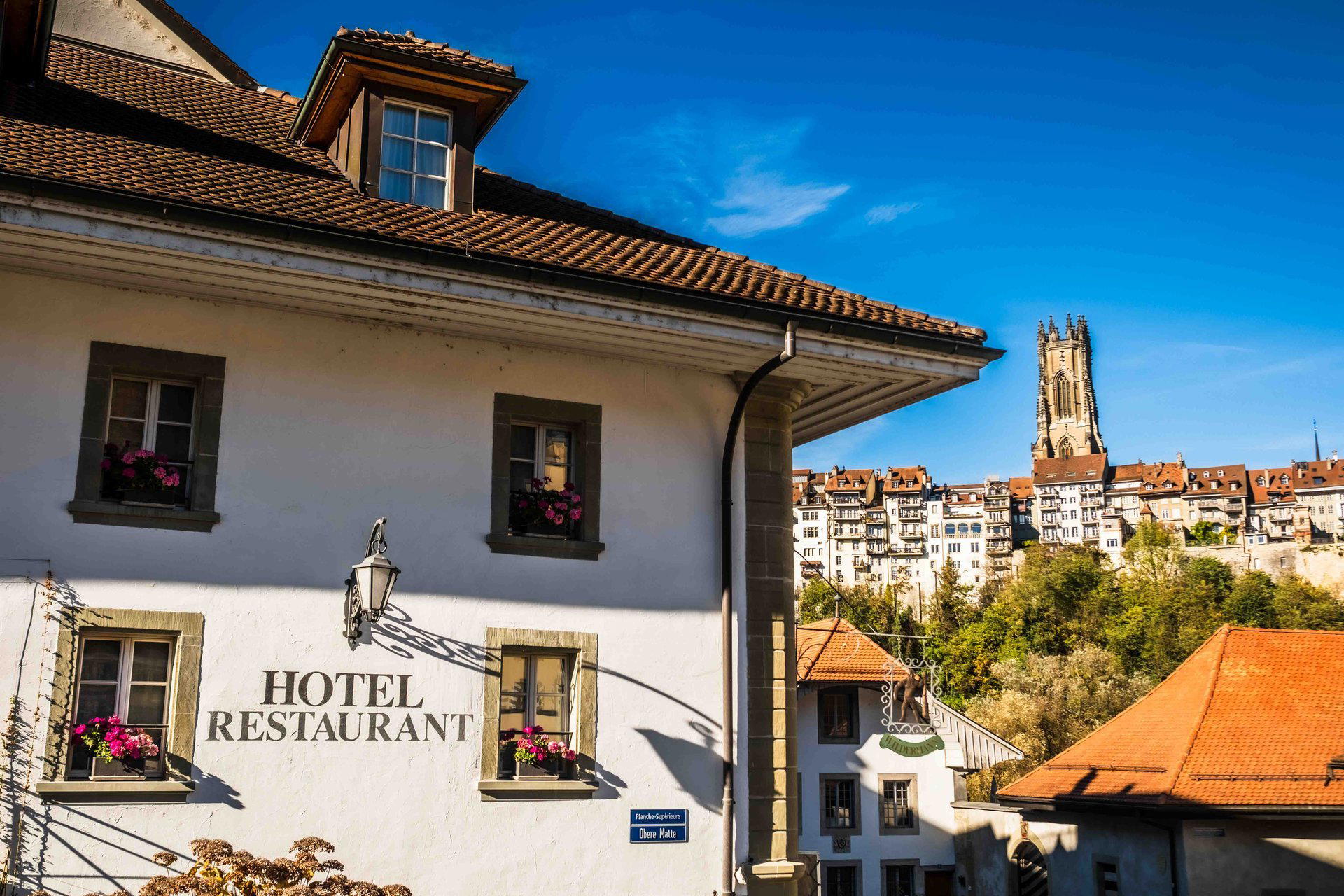
Fribourg's Dining Scene and Where Le Sauvage Sits Within It
Switzerland's fine dining conversation tends to collapse around a handful of reference points: the three-Michelin-star weight of Hotel de Ville Crissier in Crissier, the remote Alpine precision of Schloss Schauenstein in Fürstenau, or the technically exacting work at Cheval Blanc by Peter Knogl in Basel. Fribourg, by contrast, sits in the interior of this conversation rather than at its edge. The city is bilingual, historically Catholic, and shaped by a canton where dairy farming and the production of Gruyère AOP are economic and cultural facts rather than marketing talking points. That agrarian foundation shows up in the dining rooms here in ways it does not in Zurich or Geneva.
At Planche-Supérieure 12, Le Sauvage occupies one of Fribourg's more characterful addresses, in the lower town where the medieval street grid narrows and the stone architecture carries genuine age. The approach on foot from the upper town, descending through the covered staircases or along the Rue de Lausanne, orients a visitor toward a part of Fribourg that functions on a different register from its commercial centre. Arriving here, the setting does a portion of the work before the door opens.
The Logic of Ingredient Sourcing in the Fribourg Context
In most Swiss mid-sized cities, the sourcing conversation at restaurants is increasingly a formal one: provenance listed on menus, regional AOC designations cited, farm names used as trust signals. Fribourg's proximity to the Gruyère district and the broader Préalpes means that locally sourced dairy, cured meats, and seasonal produce are less a positioning choice than a geographic inevitability for any kitchen paying attention. The canton produces some of Switzerland's most technically regulated food products, and that regulatory culture around quality tends to shape what flows into restaurant kitchens as a baseline.
What distinguishes restaurants in this environment is not whether they source locally — most do, by default — but how deliberately they build their menus around the character of those ingredients rather than treating them as background material. The alpine dairy tradition, the freshwater fish from the region's lakes and rivers, the late-season root vegetables that define the colder months: these are the raw materials of a Fribourg kitchen that takes its geography seriously. Des Trois Tours and Le Pérolles both operate in the €€€€ tier and represent the more formally structured end of the city's dining offer. Le Sauvage, on the same street grid, occupies a position in this scene that is defined as much by its physical character as by its menu ambitions.
Atmosphere and the Physical Logic of the Space
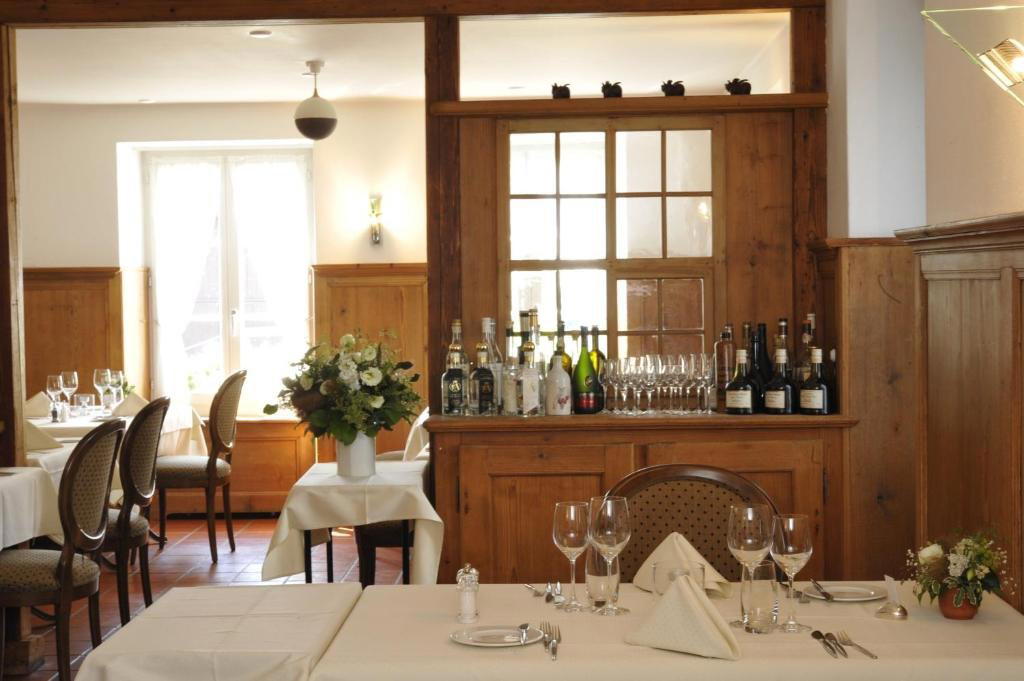
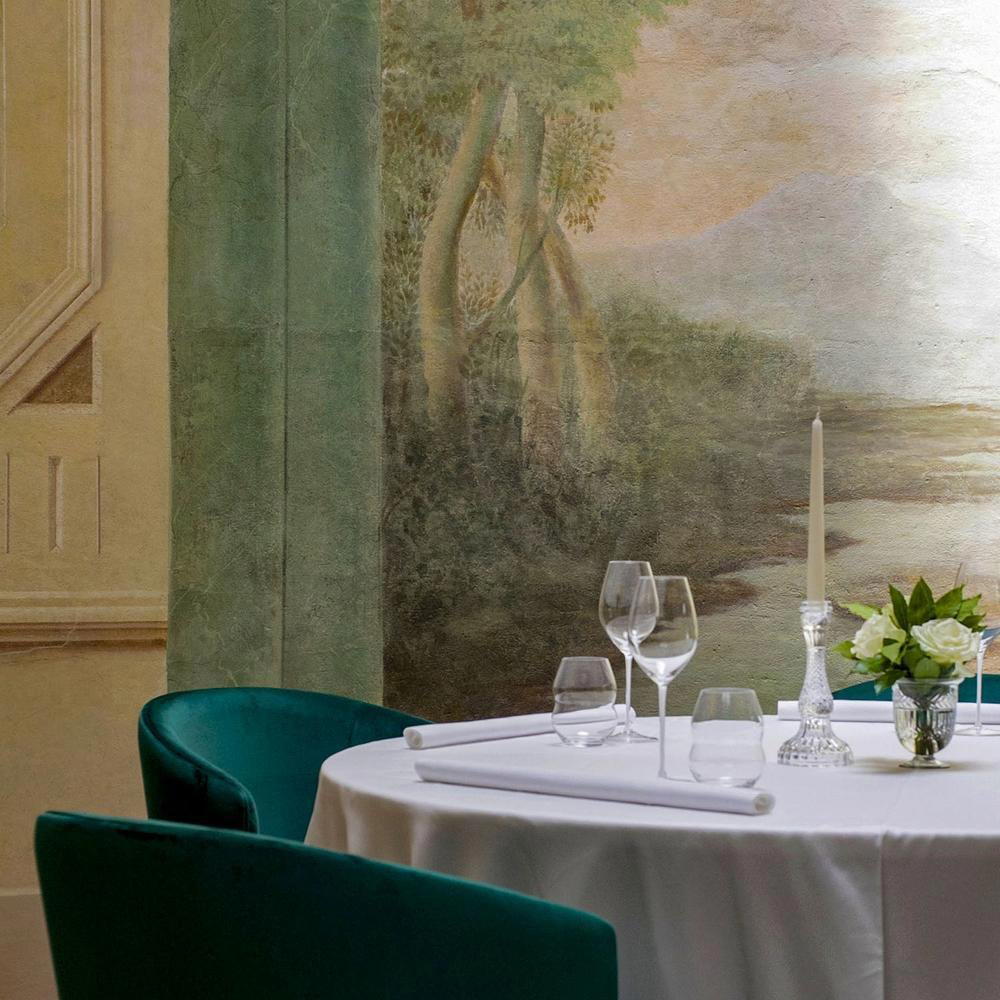
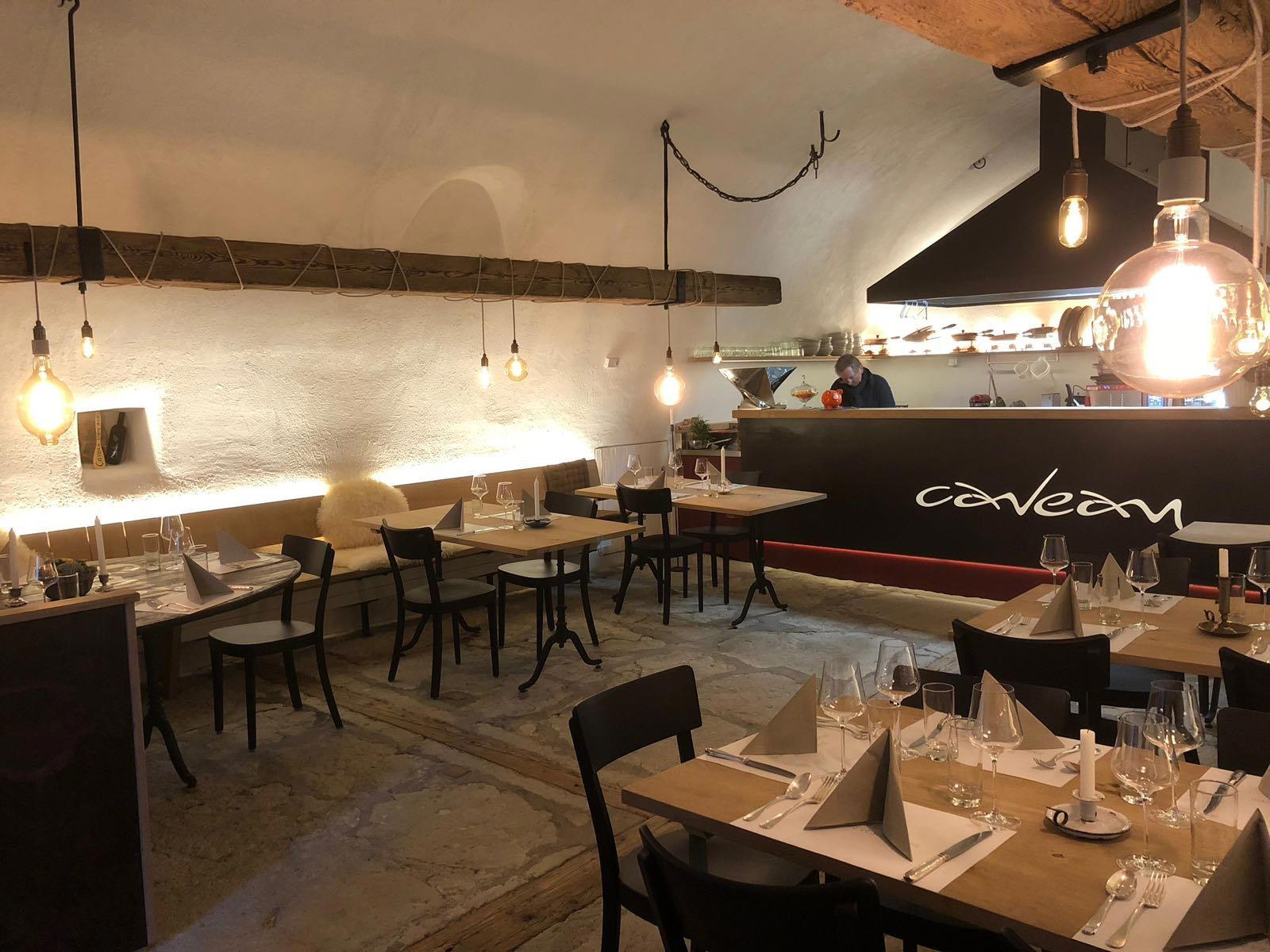
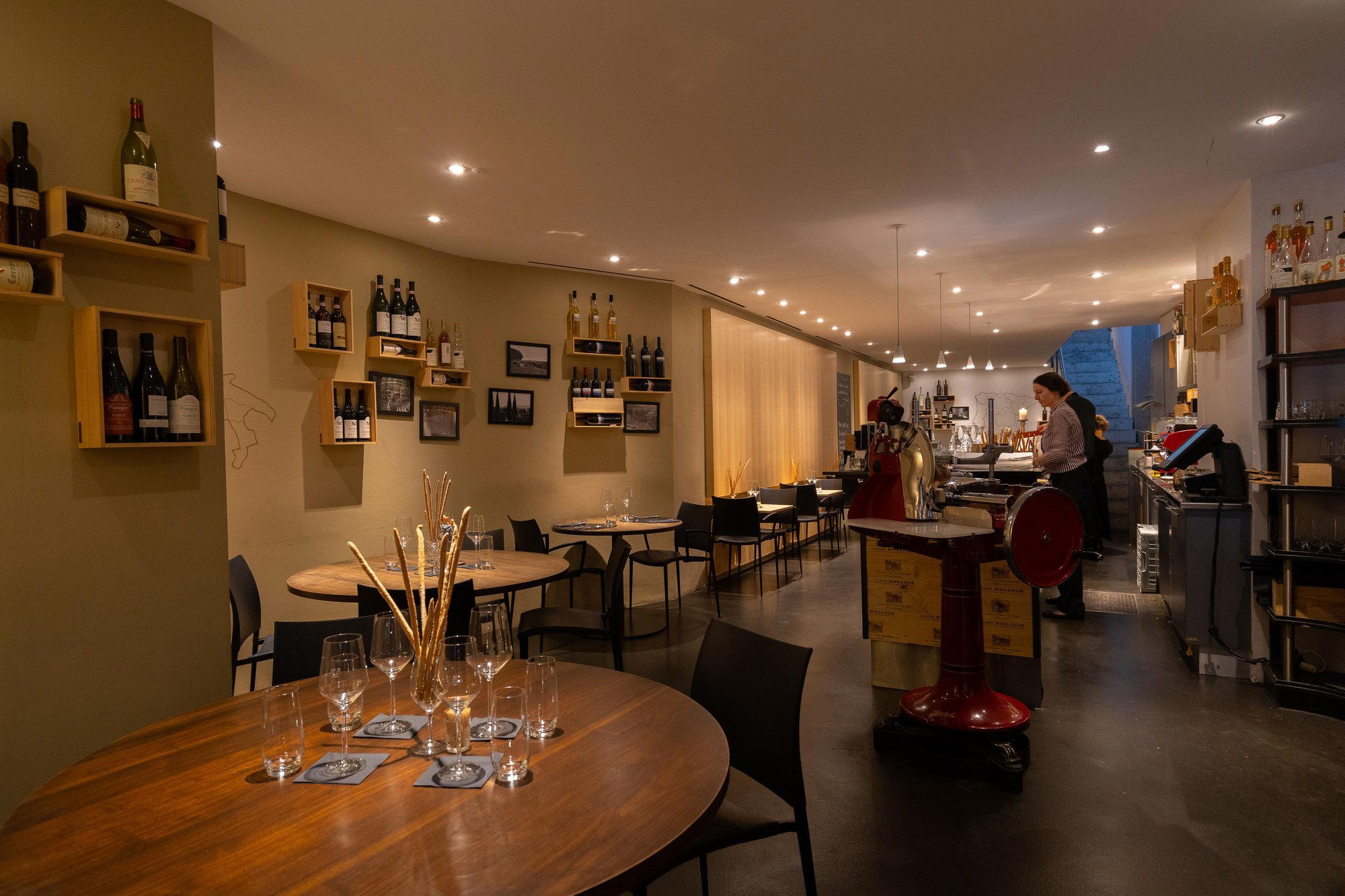
Fribourg's lower town buildings carry the specific weight of structures that have functioned continuously for centuries, and the address on Planche-Supérieure places Le Sauvage within that material context. Stone walls, low ceiling lines, the particular acoustics of a room that was never designed for volume: these are spatial conditions that shape how a meal feels before a dish arrives. Across Switzerland, there is a pattern in which rooms of genuine architectural age command a premium and attract a dining public that reads the physical setting as part of the value proposition. The Memories in Bad Ragaz and 7132 Silver in Vals both operate within historically significant built environments, and the logic is consistent: the room is not decorative, it is load-bearing in the dining experience.
At Le Sauvage, the address in the lower town means the walk to the restaurant is itself part of the experience. Fribourg's topography is dramatic in a way that most Swiss cities are not, and the descent from the upper town to Planche-Supérieure passes through one of the more visually coherent medieval street sequences in the country. That approach conditions expectations and slows the pace before the meal begins, which is not a trivial effect.
Fribourg's dining options across price points are more varied than the city's modest international profile would suggest. At the more casual end, Café Du Gothard and Crapule Club serve a local population that eats out regularly and is not particularly interested in ceremony. Bindella Fribourg represents the reliable Italian-Swiss format that functions well in bilingual Swiss cities. Le Sauvage sits somewhere in the middle of this range, in a category where the physical character of the room and the specificity of the sourcing matter more than tasting menu formality or international recognition signals.
That positioning is not a consolation prize. Switzerland's mid-tier dining, when it works, often outperforms its formal counterpart in terms of cooking honesty and ingredient fidelity. The high-end circuit, which includes addresses like IGNIV Zürich by Andreas Caminada in Zurich, focus ATELIER in Vitznau, and Colonnade in Lucerne, operates under different pressures and serves a different purpose. For a visitor to Fribourg interested in how the canton's food culture actually functions on a daily basis, the mid-tier is often the more informative register. This is a point that applies globally: Le Bernardin in New York City and Atomix in New York City tell you something about ambition and technique, but they do not tell you how a city eats. Le Sauvage, like comparable addresses in other Swiss regional cities, is closer to that second category.
Planning a Visit
Le Sauvage is located at Planche-Supérieure 12 in Fribourg's lower town, reachable on foot from the main train station in under fifteen minutes or via the city's funicular, which connects the upper and lower towns and is itself a minor local institution. Fribourg's train connections to Bern (roughly twenty minutes) and Lausanne (around forty-five minutes) make it a practical half-day or full-day excursion from either city. For visitors planning around the broader Fribourg dining scene, our full Fribourg restaurants guide maps the city's options by price tier and neighbourhood. Also worth noting: Einstein Gourmet in Sankt Gallen and Da Vittorio - St. Moritz in St. Moritz represent comparable Swiss regional dining circuits worth considering when building a broader Swiss itinerary.
A Quick Peer Check
| Venue | Cuisine | Price | Awards |
|---|---|---|---|
| Le SauvageThis venue — the venue you are viewing | This venue | Not listed | Not listed |
| Des Trois Tours | French Contemporary | €€€€ | Michelin 1 Star |
| Le Pérolles | Classic French | €€€€ | Michelin 1 Star |
| La Cène | Modern Cuisine | €€€ | Modern Cuisine, €€€ |
Continue exploring
More in Fribourg
Restaurants in Fribourg
Browse all →
Bars in Fribourg
Browse all →
Hotels in Fribourg
Browse all →

At a Glance
- Cozy
- Elegant
- Classic
- Intimate
- Special Occasion
- Date Night
- Historic Building
- Extensive Wine List
- Local Sourcing
- Street Scene
Cozy and warm atmosphere in historic setting with views over Fribourg's Old Town.
Know Before You Go
- Getting there
- Planche-Supérieure 12, 1700 Fribourg, Switzerland