Bindella Fribourg
Bindella Fribourg occupies a prominent address on Rue de Lausanne in Switzerland's bilingual medieval city, operating within a group that has long tied Italian hospitality traditions to Swiss sourcing standards. It sits in the mid-to-upper dining tier of a city where French-inflected cuisine dominates, making its Italian identity a deliberate counterpoint to the local norm.
Pearl is the En Primeur Club membership app — saves, bookings, and concierge access live there. Same editors, same standards.
- Address
- Rue de Lausanne 38/40, 1700 Fribourg, Switzerland
- Phone
- +41263224905
- Website
- bindella.ch
- Directions
- Get directions
 Saves & bookings on Pearl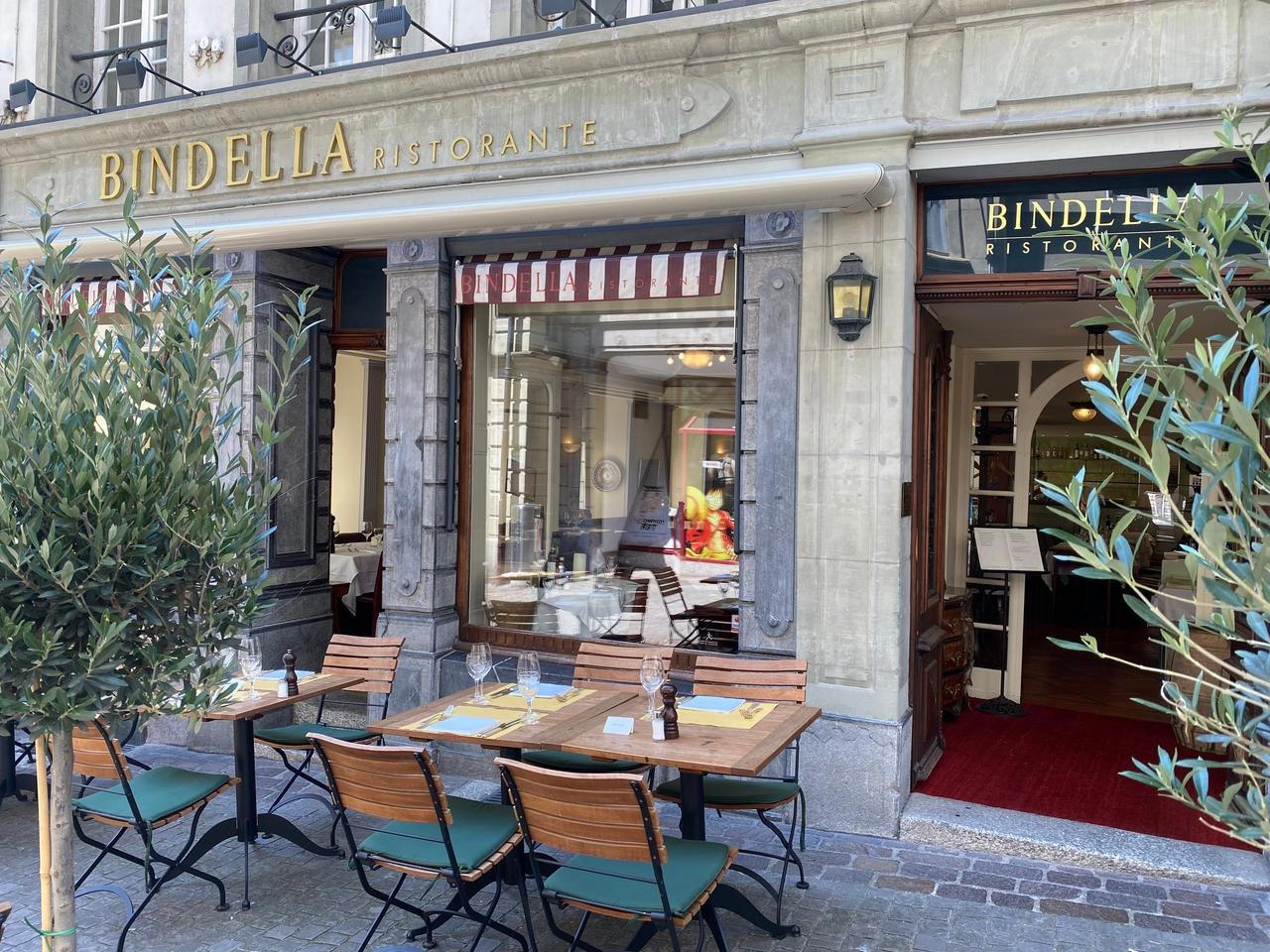
Where Italian Sourcing Logic Meets a Swiss-French City
Fribourg occupies a particular position in Swiss dining: a bilingual city of roughly 40,000 residents whose restaurant scene tilts heavily toward French and Franco-Swiss traditions, from the formal classical cooking at Le Pérolles to the contemporary French register at Des Trois Tours. Against that backdrop, the Bindella group's presence on Rue de Lausanne represents something structurally different: an Italian hospitality concept that has been disciplined enough about its supply chain to maintain a coherent identity across multiple Swiss locations. In a city where the default fine-dining reference point is Paris rather than Milan, that distinction matters.
The address itself, at numbers 38 and 40 on Rue de Lausanne, sits within walking reach of Fribourg's Old Town, where the Gothic cathedral and the funicular connecting the lower Basse-Ville to the upper city define the spatial logic of the place. The street is a practical artery rather than a tourist corridor, which gives the dining room a local-facing character that destination restaurants in more prominent tourist zones rarely sustain.
The Bindella Sourcing Position and What It Signals
The broader Bindella operation, which has run Italian restaurants and a wine import business in Switzerland for decades, built its reputation partly on the argument that Italian ingredients could be sourced with the same rigor Swiss consumers apply to domestic produce. That sourcing discipline is the central editorial fact about any Bindella location: the group's Italian wine portfolio and its long-standing relationships with Italian producers place its restaurants in a different supply chain than locally owned Italian restaurants working from wholesale distributors.
In practical terms, this means the wine list at a Bindella location tends to reflect a level of curation that goes beyond the standard trattoria offer. Italian regional diversity, from northern Piedmont and Alto Adige through Tuscany and into the south, is typically represented with producer specificity rather than generic regional labeling. For a city like Fribourg, where the wine culture skews toward French bottles by default, that Italian-centric depth is a meaningful differentiator. Swiss dining at the level represented by Hotel de Ville Crissier in Crissier or Schloss Schauenstein in Fürstenau is built on obsessive sourcing logic; Bindella applies a version of that same logic but within an Italian framework rather than a French or New Nordic one.
Fribourg's Dining Tier and Where Bindella Sits
Fribourg does not operate at the same culinary density as Zurich or Geneva, and its restaurant scene reflects a mid-sized Swiss city with a university population and a significant administrative sector. The upper end of the market is served by a small number of formal restaurants; the mid-market is where most of the daily dining activity concentrates. Bindella's positioning within that structure places it above casual neighbourhood spots like Café Du Gothard or the informal register of Crapule Club, and well above fast-casual formats such as Holy Cow Gourmet Burger Company, while stopping short of the full tasting-menu formality that defines the leading table in the city.
That middle-upper positioning is where Italian restaurant groups in Swiss cities have historically performed well. The format, which typically involves à la carte service, a serious wine program, and cooking grounded in Italian regional tradition rather than Italian-Swiss fusion, suits a business lunch and weekend dinner clientele that wants quality without ceremony. It also suits the Fribourg market specifically, which has the spending power of a Swiss administrative city but not the tourist-driven premium pricing tolerance of a place like St. Moritz, where Da Vittorio operates in an entirely different economic register.
Italian Ingredient Logic in a Swiss Context
The question of where ingredients come from is not incidental to how Italian food works in Switzerland. Swiss food safety and labeling standards are among the most stringent in Europe, which creates an interesting tension: premium Swiss consumers expect transparency about provenance, but Italian cuisine's authenticity claims rest on ingredients that must be imported. Groups like Bindella have navigated this by treating Italian ingredient sourcing as a value proposition in itself, rather than as a concession to the fact that Swiss-grown San Marzano tomatoes do not exist.
The parallel in the broader Swiss fine-dining world is instructive. Restaurants at the level of Memories in Bad Ragaz or Cheval Blanc by Peter Knogl in Basel build sourcing narratives around specific Swiss farms and Alpine producers. Bindella's sourcing narrative runs in the opposite direction: toward specific Italian regions, DOP-certified products, and producer relationships built over decades of wine importing. Both are legitimate sourcing arguments; they simply point in different geographic directions.
For the Fribourg diner, this means the Italian ingredients at Bindella are not incidental to the cooking, they are the cooking's organizing principle. The pasta, the olive oil, the cured meats, and the wine are all drawn from a supply chain that the group has maintained and publicized as its primary credential. That transparency about sourcing is, in the Swiss market, a form of trust signal that resonates with a dining public that reads labels.
Planning a Visit
Rue de Lausanne 38/40 is accessible from Fribourg's main train station on foot, making it a practical choice for visitors arriving by rail, which remains the primary mode of transit for most Swiss city-to-city travel. Fribourg sits on the main line between Bern and Lausanne, with frequent connections from both directions. For those exploring the wider Swiss dining scene, the range runs from intimate rural formats like La Table du Valrose in Rougemont and Mammertsberg in Freidorf to technically ambitious urban rooms like Einstein Gourmet in Sankt Gallen and focus ATELIER in Vitznau. Bindella Fribourg occupies a different register from all of these: group-backed, Italian-sourced, and deliberately positioned for repeat local use rather than destination dining. Contact details and current hours are best confirmed directly, as operational specifics are not centrally published for this location. A full survey of the city's restaurant options is available in our full Fribourg restaurants guide.
For international reference points, the sourcing-first logic that underpins Italian fine dining in Swiss cities is not unlike the market-driven ingredient discipline at Le Bernardin in New York City or the producer-relationship approach at Lazy Bear in San Francisco, even if the culinary traditions are entirely different. The argument is the same: that knowing exactly where your ingredients come from, and having the supply relationships to back that claim, is itself a form of cooking. Bindella has made that argument consistently across its Swiss locations for long enough that it functions as a credible institutional position, not a marketing claim.
How Bindella Fribourg compares with similar nearby venues.
| Venue | Cuisine | Price |
|---|---|---|
| Restaurant Hôtel de Ville | Modern Cuisine | €€€ |
Continue exploring
More in Fribourg
Restaurants in Fribourg
Browse all →
Bars in Fribourg
Browse all →
Hotels in Fribourg
Browse all →

At a Glance
- Elegant
- Cozy
- Classic
- Romantic
- Date Night
- Business Dinner
- Family
- Terrace
- Extensive Wine List
Current opening hours
- Monday
- 11 AM–2 PM, 6–11 PM
- Tuesday
- 11 AM–2 PM, 6–11 PM
- Wednesday
- 11 AM–2 PM, 6–11 PM
- Thursday
- 11 AM–2 PM, 6–11 PM
- Friday
- 11 AM–2 PM, 6–11 PM
- Saturday
- 11 AM–2 PM, 6–11 PM
- Sunday
- Closed
Hours can change for holidays and private events. Last verified .
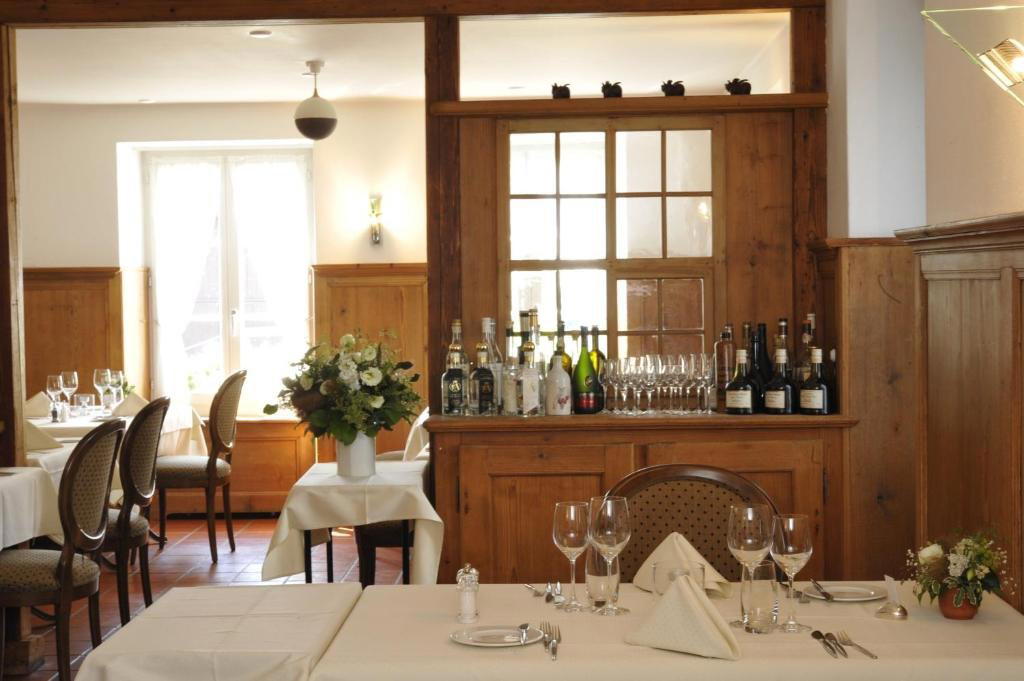
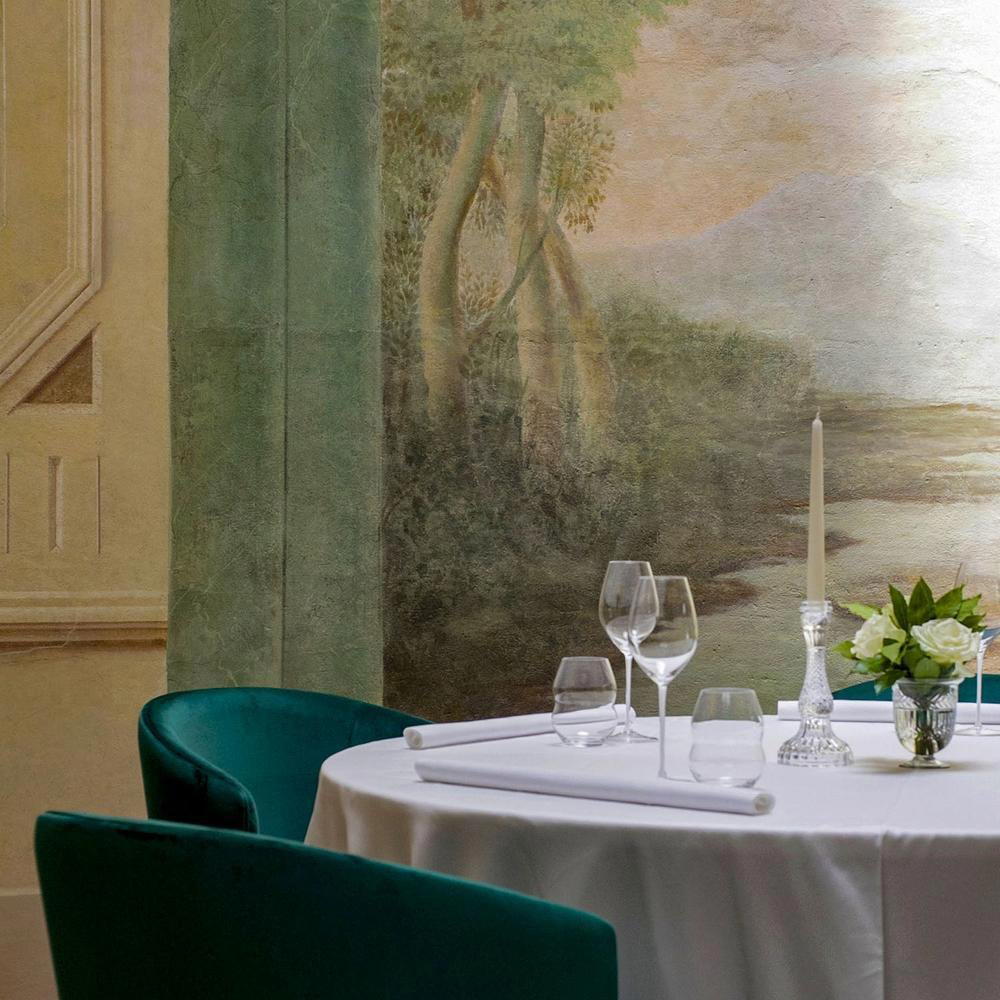
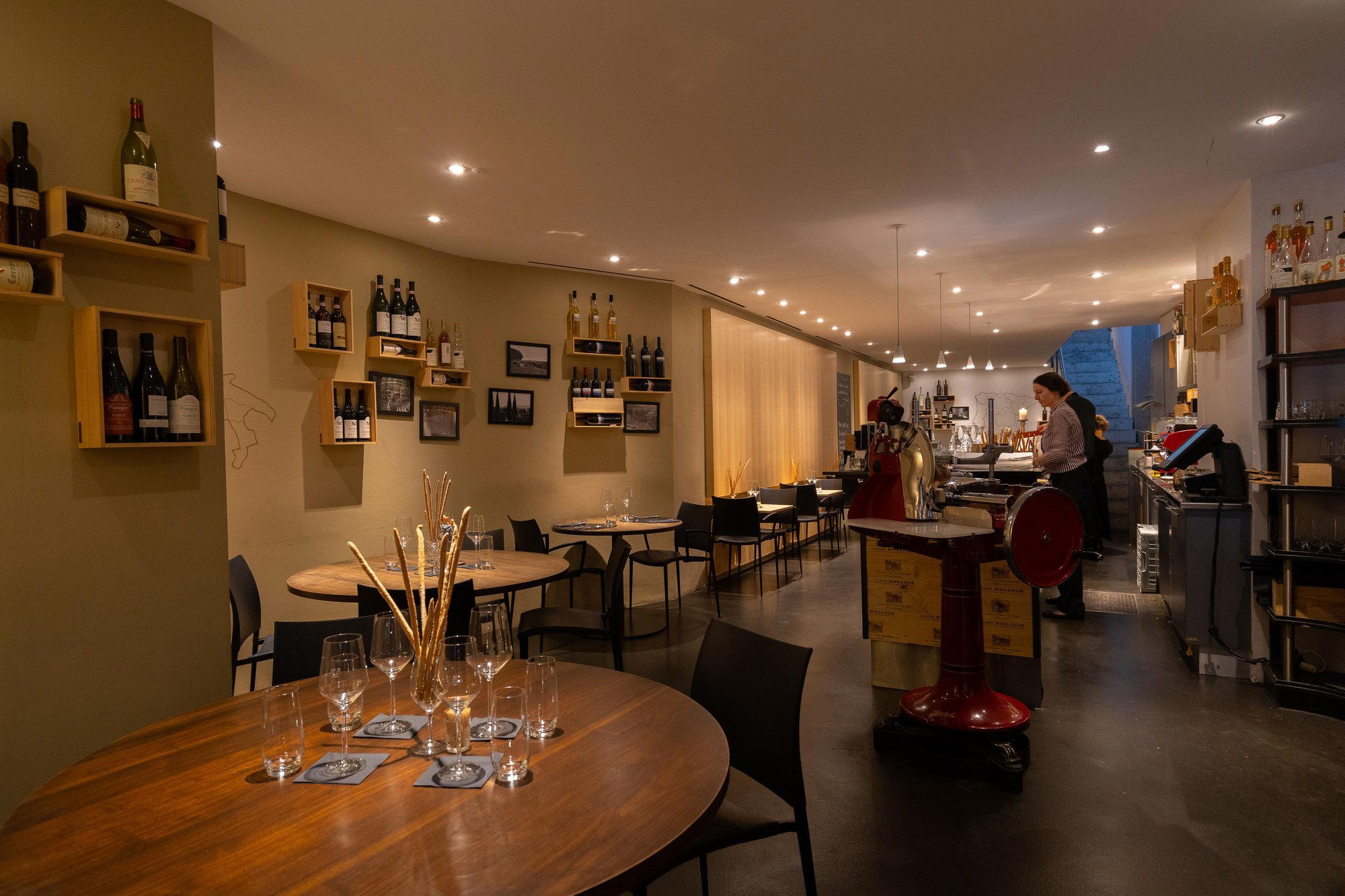
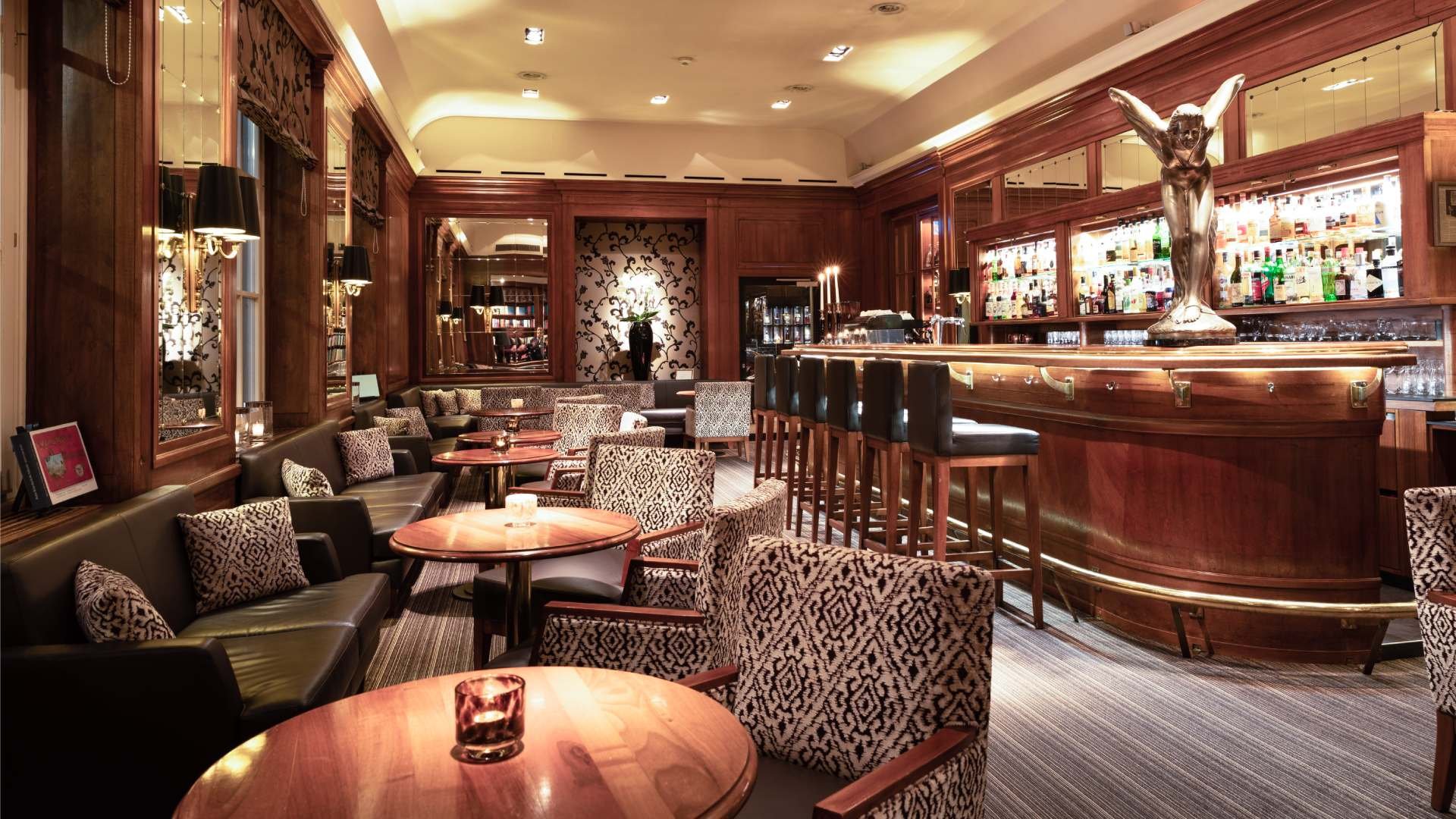
Warm, elegant surroundings with cozy, classy decor featuring wood and leather elements, creating a romantic and sophisticated atmosphere.