Le Restaurant

Michelin Plate
Our verdict
A Michelin Plate-recognised address in Saint-Priest, Le Restaurant delivers traditional French cooking at a mid-range price point that keeps it accessible without sacrificing kitchen seriousness. It has earned a clear local following. The address on Avenue de la Gare places it within easy reach of the wider Lyon metropolitan area.

Pearl is the En Primeur Club membership app — saves, bookings, and concierge access live there. Same editors, same standards.
- Address
- 9 Bis Av. de la Gare, 69800 Saint-Priest, France
- Phone
- +33 4 28 29 53 23
- Hours
- Mon–Wed 12–2 PMThu–Fri 12–2 PM, 7:30–9 PMSat–Sun Closed
- Directions
- Get directions
- Booking
- Book on the venue's website
The menu
What to order
- Ravioles maison aux champignons
- Noix de Saint-Jacques rôties
- Moelleux au chocolat et caramel
Saint-Priest sits at the southeastern edge of the Lyon conurbation, close enough to the city to absorb its culinary standards but far enough to operate outside the competitive noise of Lyon's central dining scene. That positioning matters. Restaurants here don't compete for the same tourism spend that drives menus around Vieux-Lyon or the Presqu'île; they answer instead to a more rooted, repeat-visit clientele with strong opinions about what honest French cooking should look and taste like. Le Restaurant, at 9 Bis Avenue de la Gare, belongs to that tradition.
Traditional Cooking in the Lyon Orbit
The French tradition of cuisine traditionnelle is not a category of nostalgia. It represents a discipline in which the sourcing of raw materials and the restraint of technique are expected to do the work that novelty does elsewhere. In the broader Lyon region, that discipline has deep institutional roots: this is the part of France where the mères lyonnaises built reputations on market-driven, product-led cooking long before the term farm-to-table entered any language. Le Restaurant positions itself in that line of practice, at a €€ price point that reflects local expectations rather than destination pricing.
For context on how that fits into the wider French fine-dining spectrum, consider that the €€€€ tier in Paris includes houses like Alléno Paris au Pavillon Ledoyen, where creative ambition and price ladder together. Le Restaurant is not in that conversation, nor does it need to be. Its Michelin Plate recognition in 2025 signals something more specific: cooking of consistent quality and honest intent, assessed against the standards Michelin applies in provincial France.
What the Michelin Plate Means Here
The Michelin Plate, introduced to distinguish restaurants that don't yet carry a star but maintain kitchen standards worth acknowledging, has become a meaningful marker in mid-sized French cities and their satellites. In the Lyon area, where the density of capable kitchens is higher than almost anywhere else in France, earning any Michelin recognition at the €€ price tier is not routine. It suggests a kitchen that buys well, cooks with care, and doesn't rely on pricing margin to paper over inconsistency.
Diners in this tier of the market are not forgiving of value-for-money failures, which makes the score a credible signal of kitchen reliability.
The Sourcing Logic Behind Traditional Cuisine
Traditional French cooking at this level lives or dies by its supply chain. The Lyon region has an advantage most French cities can't replicate: proximity to the Dombes for poultry, the Rhône Valley for produce, Bresse just to the north for the most formally protected chicken appellation in French law, and the Alps to the east for dairy and charcuterie. A kitchen practising cuisine traditionnelle in Saint-Priest is drawing on one of the most ingredient-dense larders in Europe, and the discipline of traditional cooking demands that those ingredients arrive with minimal interference.
This is the structural argument for why traditional cuisine in this corridor retains credibility at a price point that would be impossible to sustain with imported or commodity produce. The cooking style is inseparable from the geography. Houses like Troisgros in Ouches or the landmark Paul Bocuse in Collonges-au-Mont-d'Or occupy a different price register, but their sourcing logic is continuous with what a serious traditional kitchen in the same region must practice, just scaled differently.
Elsewhere in France, the same sourcing discipline shows up in different regional idioms: Auberge de l'Ill in Illhaeusern anchors Alsatian produce in classic technique, while Bras in Laguiole built a philosophy around Aubrac terroir at a higher price point. Le Restaurant operates on a more modest scale, but the underlying logic, that traditional French cooking is a form of applied geography, holds across the category.
Where It Sits in the Saint-Priest Dining Picture
Saint-Priest's restaurant scene reflects the town's dual identity as both a residential suburb and an active commercial and logistics hub. The dining range runs from everyday neighbourhood spots to addresses with kitchen ambition that outpaces their postcode. Le Restaurant sits toward the more serious end of that range without crossing into occasion-only pricing, which gives it a functional position in the local ecosystem: a place where the cooking is taken seriously and the bill remains within reach of regular visits.
For visitors arriving from Lyon, the Avenue de la Gare address is accessible by public transport from the Lyon metropolitan network. The €€ pricing means that planning a meal here alongside exploring the broader area is practical rather than a budget event. If you're building a day in the eastern suburbs, our full Saint-Priest restaurants guide covers the range of options across price tiers and styles. For overnight stays, our Saint-Priest hotels guide covers the accommodation picture in the area.
Planning a Visit
For those extending a trip into the wider Lyon region, the comparison set extends well beyond the immediate area: AM par Alexandre Mazzia in Marseille and Mirazur in Menton represent the southern French fine-dining tier, while Flocons de Sel in Megève offers an Alpine register not far from this corridor. In the traditional cuisine category specifically, Auberge Grand'Maison in Mûr-de-Bretagne and Auga in Gijón show how the same cooking philosophy translates across different regional contexts.
For a fuller picture of what Saint-Priest offers beyond the table, our bars guide, wineries guide, and experiences guide cover the rest of the area's options.
Frequently asked questions
Can I bring kids to Le Restaurant?
At the €€ price point, Le Restaurant sits in the mid-range bracket where French provincial restaurants typically accommodate families without issue. The traditional cuisine format — centred on recognisable, technique-led dishes — tends to work for younger diners more readily than tasting-menu formats. That said, French dining rooms at Michelin Plate level generally expect a degree of table composure, so very young children may find the pacing a stretch.
What's the vibe at Le Restaurant?
Michelin Plate recognition at €€ pricing in a Lyon-orbit suburb like Saint-Priest points to a room that takes cooking seriously without performing it. Expect the kind of French provincial dining room where the focus is on the plate: straightforward service, no theatrical presentation, and a clientele that mixes local regulars with visitors drawn by the kitchen's acknowledged standards.
Is Le Restaurant Michelin-listed?
Le Restaurant has received recognition including: Michelin Plate (2025).
What do people recommend at Le Restaurant?
With a traditional French cuisine classification and Michelin Plate status as of 2025, the kitchen's strengths are most likely in the classics — the kinds of dishes that reward precise technique over novelty. In the Lyon region, that typically means meat-centred mains and sauce work rather than modernist departures. The Michelin Plate designation signals that the kitchen executes those fundamentals at a level worth the detour from the city.
Comparable Spots, Quickly
Comparable venues nearby, for context on price, style, and recognition.
| Venue | Cuisine | Price | Awards | Notes |
|---|---|---|---|---|
| Le RestaurantThis venue — the venue you are viewing | French Traditional Refined | $30–50 | Michelin Plate | Not listed |
| La Table du 20 | Modern French Bistro | $30–50 | Michelin Plate | Eybens |
| Daniel et Denise Saint-Jean | Lyonnais Bouchon | $30–50 | Michelin Plate | Quartier Quartiers Anciens |
| La Virée | Modern French Neo-Bistro | $50–100 | Michelin Bib Gourmand | Quartier Mutualité Préfecture Moncey |
| Armada | Modern French Sharing Plates | $30–50 | Michelin Plate · Star Wine List | Quartier Quartiers Anciens |
| La Calèche | Traditional French Gastronomic | Not listed | Michelin Plate | Saint-Bonnet-le-Château |
Recognition history
Dated appearances from independent guides and award organizations, with the underlying list record or original source where available.
Michelin Plate
Michelin
Full recognition history (2 entries)
Michelin Plate
Michelin
Continue exploring
More in Saint-Priest
Restaurants in Saint-Priest
Browse all →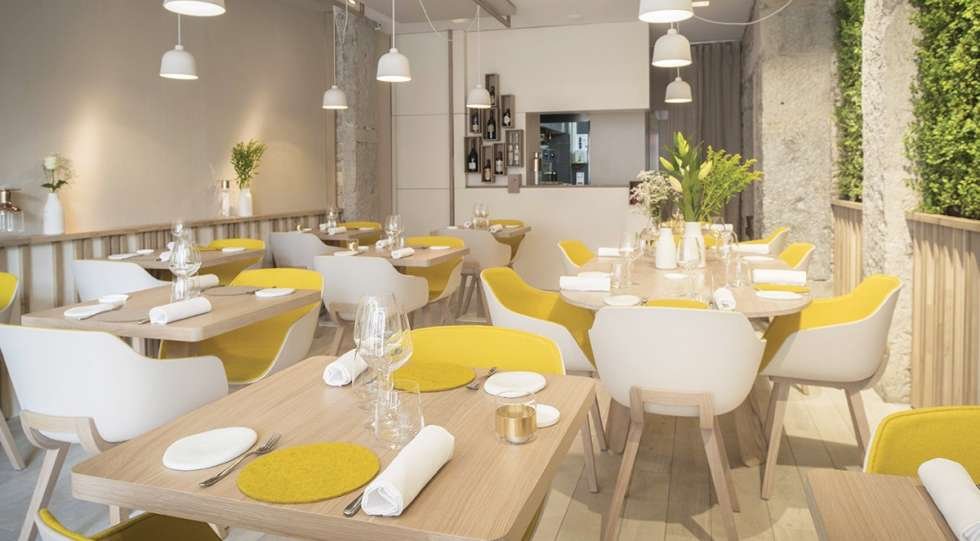
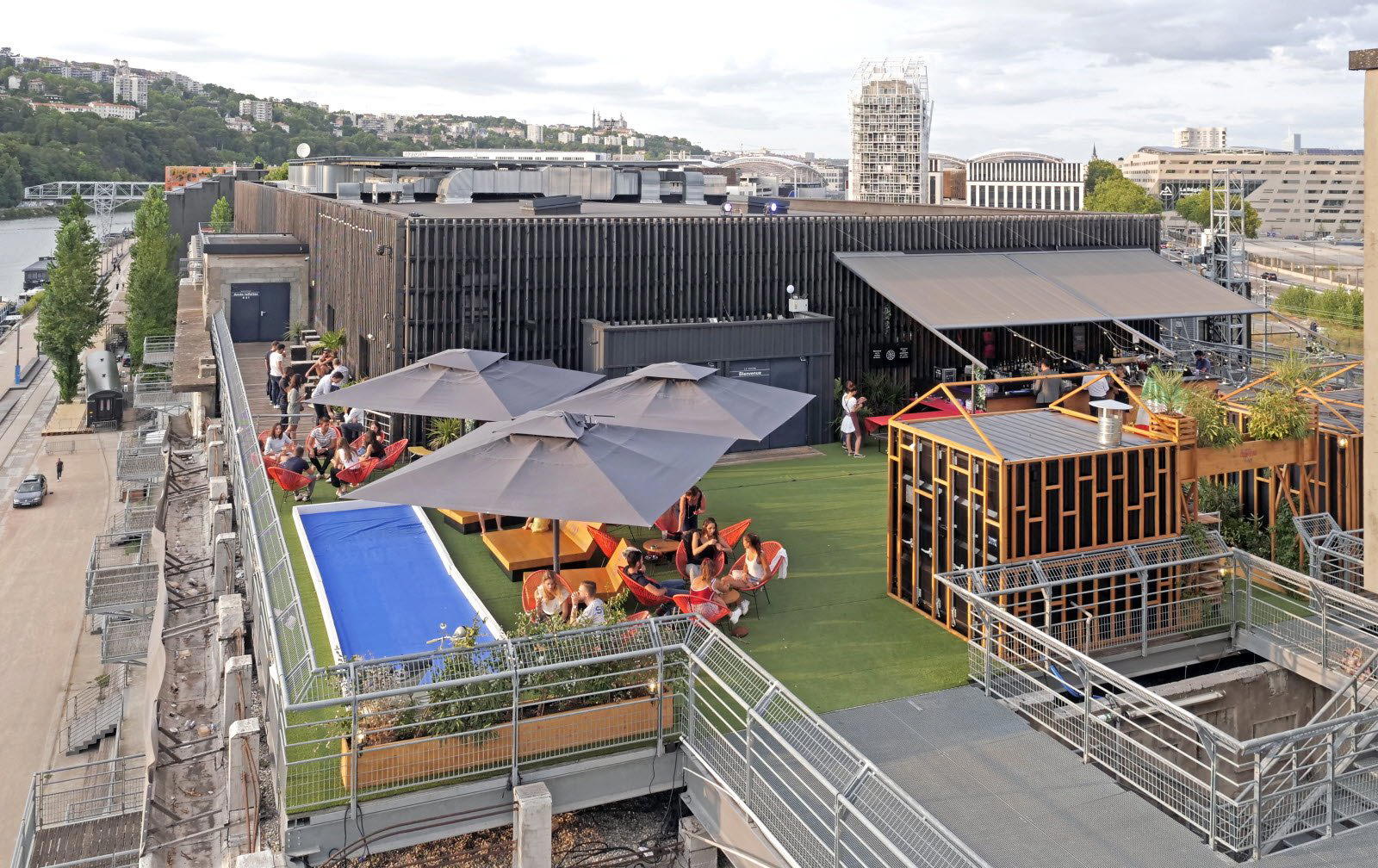
Bars in Saint-Priest
Browse all →
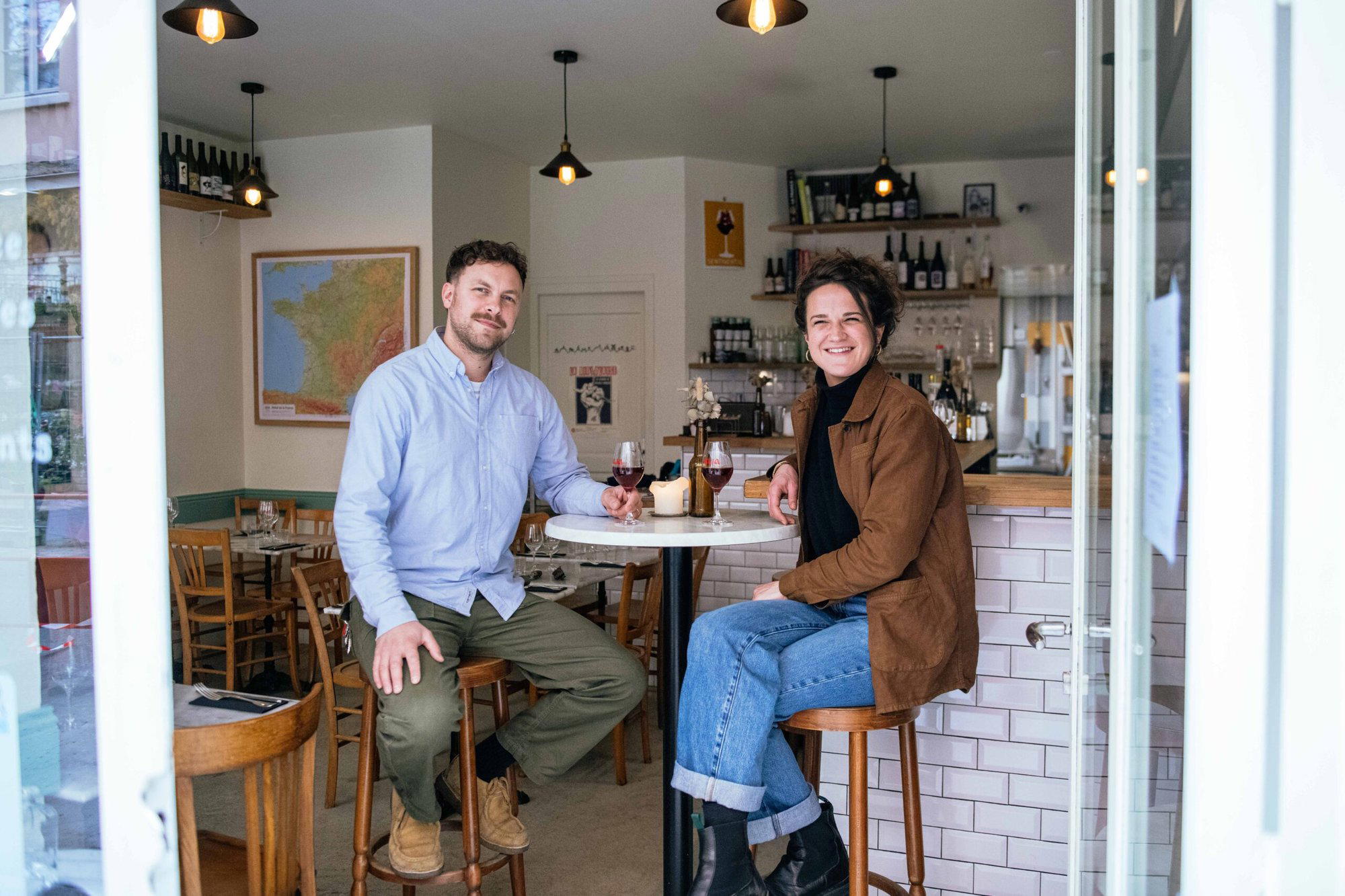
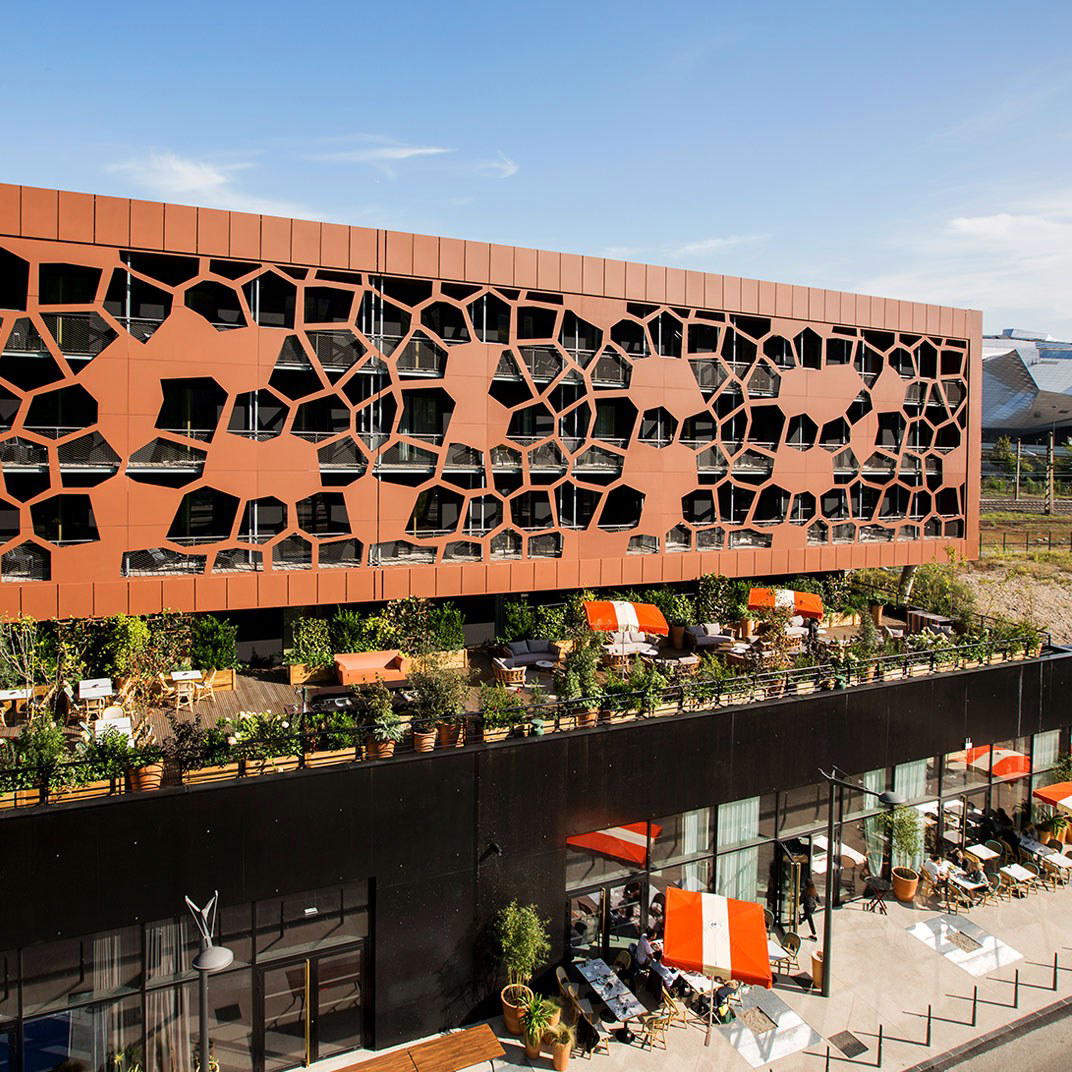
Hotels in Saint-Priest
Browse all →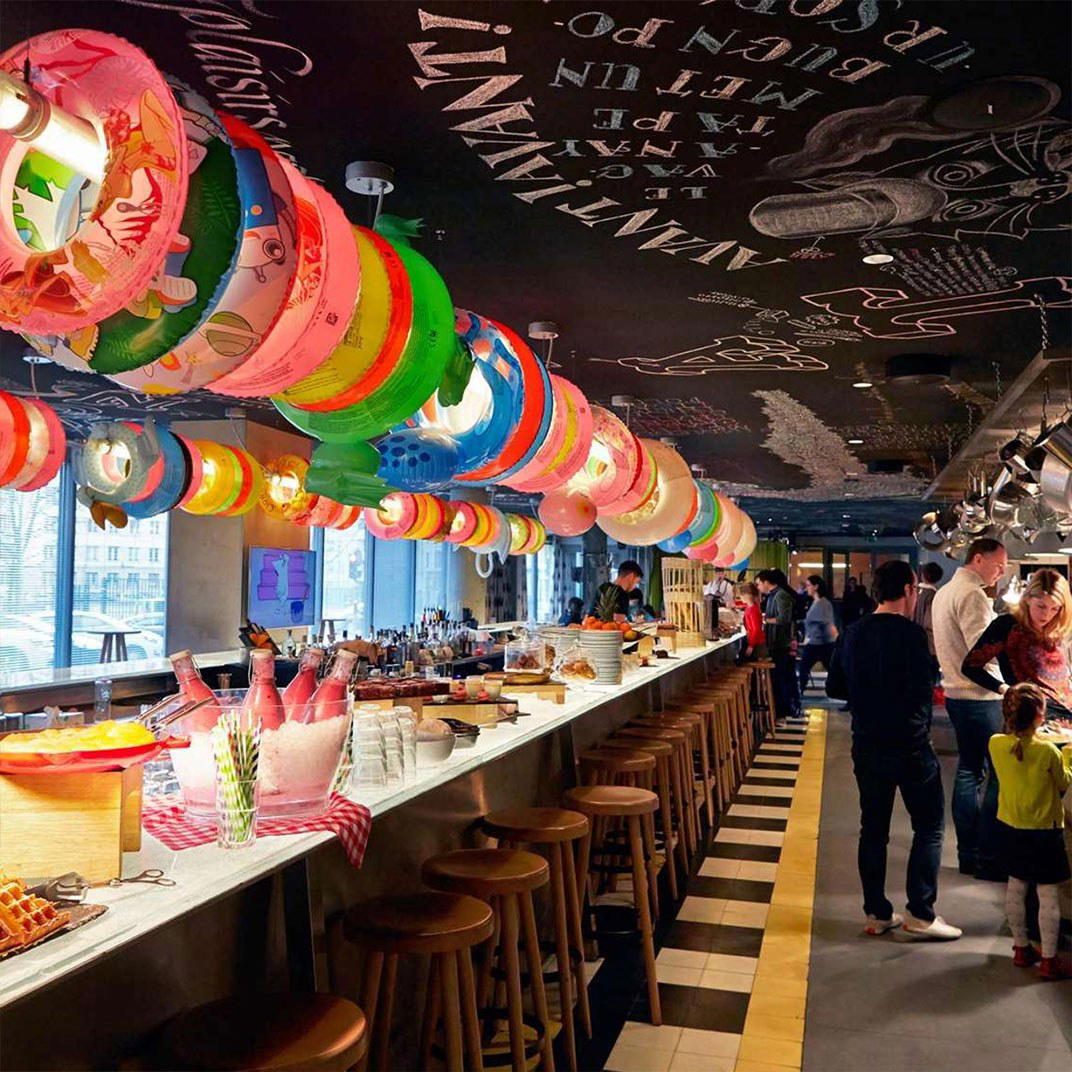

Details
- Elegant
- Modern
- Sophisticated
- Intimate
- Date Night
- Special Occasion
- Business Dinner
- Open Kitchen
- Extensive Wine List
- Local Sourcing
- A La Carte
- Prix Fixe
Current opening hours
- Monday
- 12–2 PM
- Tuesday
- 12–2 PM
- Wednesday
- 12–2 PM
- Thursday
- 12–2 PM, 7:30–9 PM
- Friday
- 12–2 PM, 7:30–9 PM
- Saturday
- Closed
- Sunday
- Closed
Hours can change for holidays and private events. Last verified .
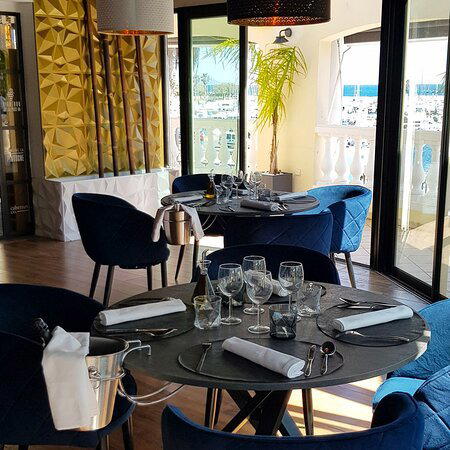
Cadre moderne et sobre avec murs blancs décorés de tableaux, ambiance chaleureuse et feutrée.