Le Relais du Çatey

Le Relais du Çatey holds consecutive Michelin Plates for 2024 and 2025, positioning it among the more recognised classic French tables in the Isère corridor between Lyon and Grenoble. At a mid-range price point, it represents the kind of serious provincial cooking that France's secondary towns quietly sustain..
Pearl is the En Primeur Club membership app — saves, bookings, and concierge access live there. Same editors, same standards.
- Address
- 10 Rue du Didier, 38080 L'Isle-d'Abeau, France
- Phone
- +33 4 74 18 26 50
- Website
- le-relais-du-catey.com
- Directions
- Get directions
 Saves & bookings on Pearl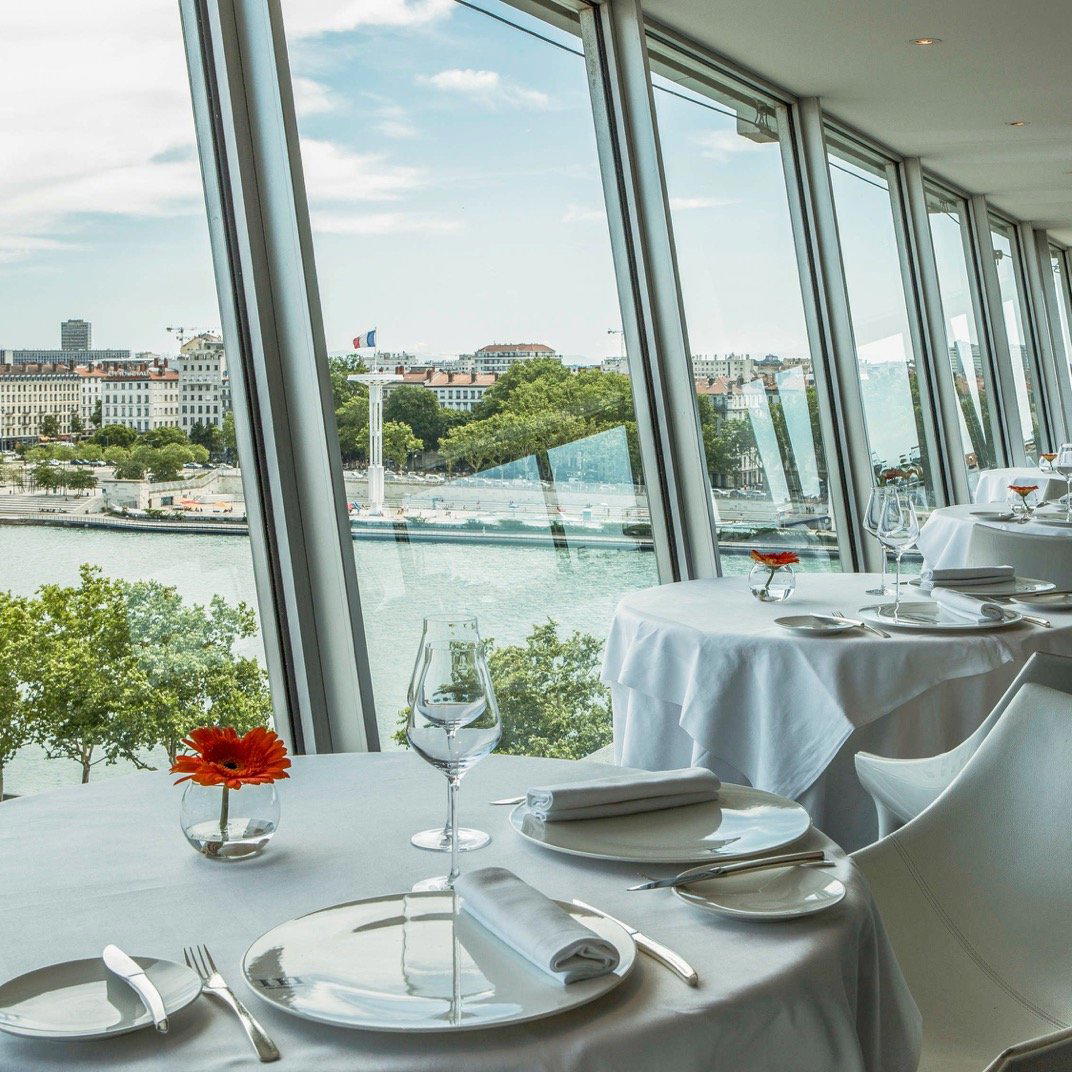
Classic French Cooking in the Lyon–Grenoble Corridor
The stretch of Isère that runs between Lyon and Grenoble is not short of serious cooking. This is the territory that produced Fernand Point, the arc of Rhône-Alpes that underpins a disproportionate share of France's culinary reputation. Within that context, L'Isle-d'Abeau sits as a post-industrial new town without the gastronomic mythology of its neighbours, which is precisely why a Michelin-recognised address here carries a different weight than the same recognition in Lyon's prestige quartiers. Le Relais du Çatey, on Rue du Didier in the centre of town, operates in that gap between the grand destination restaurants and the everyday bistro circuit.
Classic French cuisine, the category under which Le Relais du Çatey operates, is not a descriptor the Michelin Guide applies loosely. It signals a specific commitment: sauces built from proper stocks, proteins treated with technical discipline, a seasonal calendar respected at sourcing level rather than as a marketing gesture. This is the tradition that runs from the cuisine bourgeoise of Lyon's bouchons through to the formal kitchens of houses like Paul Bocuse's L'Auberge du Pont de Collonges in Collonges-au-Mont-d'Or and, further afield, the mountain refinement of Flocons de Sel in Megève. At the €€ price point, Le Relais du Çatey positions itself as the accessible end of that tradition, not a stripped-down version of it, but a fiscally realistic expression of the same underlying discipline.
What the Michelin Plate Tells You About the Kitchen
The Michelin Plate is sometimes misread as a consolation prize. That misreads how the Guide actually works. A Plate designation means inspectors have confirmed the kitchen is producing food worth seeking out, even without the additional consistency or complexity that would push it toward star territory. Two consecutive Plates, awarded in 2024 and 2025, indicate that this is not a one-inspection result, the kitchen has held its standard across at least two separate evaluation cycles. For a restaurant at the €€ price tier in a mid-sized provincial town, that sustained recognition places it in a meaningful competitive tier.
Compare this to the pressure kitchens of starred establishments elsewhere in the French Rhône-Alpes axis, Troisgros in Ouches, or the coastal precision of Mirazur in Menton, and the value proposition of the restaurant comes into sharper focus. Those restaurants are destination experiences priced accordingly. The restaurant offers Michelin-endorsed execution at a fraction of the cost, within a dining room that reads as a neighbourhood institution rather than a formal stage.
7 across 638 reviews reinforces what the Michelin recognition suggests: this is a kitchen with a loyal and satisfied regular base, not a restaurant coasting on a single accolade. Volume at that rating threshold, across that many reviewers, is not accidental. It reflects consistent delivery over time.
Sourcing and the Classic French Table
Classic French cuisine at a serious level is inseparable from its sourcing logic. The great provincial tables of France built their reputations on proximity to specific producers: the poultry farms of Bresse, the market gardens of the Rhône valley, the dairy producers of the Savoie foothills. L'Isle-d'Abeau sits within reach of all of these. The Isère department itself produces AOC-protected walnut oils, and the surrounding region feeds into the same agricultural network that supplies Lyon's more famous kitchens. A kitchen operating in this tradition at the Michelin Plate level is expected to source within that network, using regional produce as the raw material for classical technique rather than as a decorative origin story on the menu.
This sourcing philosophy is what separates a serious classic French table from a restaurant that merely cooks in a traditional style. At houses like Auberge du Vieux Puits in Fontjoncouse or Bras in Laguiole, the relationship between kitchen and terroir is explicit and central. At the €€ tier, the expression is less theatrical but the underlying logic is the same: the quality of what arrives at the table depends on the integrity of what was sourced to begin with. For diners approaching the restaurant from that angle, the Michelin Plate is partly a signal about kitchen discipline and partly a signal about the seriousness of the sourcing decisions behind it.
Classic cuisine in this register also intersects with France's broader conversation about what regional cooking means in the 21st century. At the starred end, that conversation gets elaborate treatment, the molecular inflections of Alléno Paris au Pavillon Ledoyen, the deeply personal terroir of AM par Alexandre Mazzia in Marseille. At the Plate level in a secondary city, the conversation is quieter but no less genuine. Restaurants like Le Relais du Çatey are where that tradition actually lives day to day, feeding a local clientele that expects the cooking to be right rather than conceptually ambitious.
Placing Le Relais du Çatey in the Classic French Category
The classic French category runs a wide range globally. In Paris, it includes houses like Maison Rostang, carrying decades of reputation and prices to match. In Alsace, Auberge de l'Ill in Illhaeusern represents the historic end of the spectrum. At the other end of the geography, Au Crocodile in Strasbourg shows how classic technique adapts to a specific regional identity. The restaurant sits in none of those tiers by price or prestige, but it occupies the same tradition. For comparisons across other categories in the classic cuisine format, KOMU in Munich offers an interesting non-French point of reference, while Assiette Champenoise in Reims shows what the same discipline looks like at the starred end of the French provincial circuit.
Planning Your Visit
The restaurant is at 10 Rue du Didier in L'Isle-d'Abeau, a town with direct road and rail connections to both Lyon (roughly 35 kilometres west) and Grenoble to the south. At the €€ price range, it sits in accessible territory for a weekday lunch or a low-key dinner without the planning overhead of destination restaurants. Booking in advance is advisable given the Michelin recognition and the consistent review volume, which suggests the dining room operates at meaningful occupancy.
At-a-Glance Comparison
Comparable venues nearby, for context on price, style, and recognition.
| Venue | Cuisine | Price | Awards | Notes |
|---|---|---|---|---|
| Le Relais du ÇateyThis venue — the venue you are viewing | Traditional French Seasonal Bistro | $$$ | Michelin Plate | Not listed |
| Daniel et Denise Créqui | Lyonnaise Bouchon Gastronomique | $$$ | Michelin Plate | Quartier Mutualité Préfecture Moncey |
| Mouton-Benoit | Modern French Gastronomic | $$$ | Michelin Plate | Loire-sur-Rhône |
| La Maison Haute | Modern French Bistro | $$$ | Michelin Plate | Place de l'Église |
| L'Écume Gourmande | Modern French Bistro | $$$ | Michelin Plate | Cercié |
| La Grange de Pépé | Modern French Fine Dining | $$$ | Michelin Plate | Vignieu |
Recognition history
Dated appearances from independent guides and award organizations, with the underlying list record or original source where available.
Michelin Plate
Michelin
Michelin Plate
Michelin
Michelin Plate
Michelin
Continue exploring
More in L'Isle-d'Abeau
Restaurants in L'Isle-d'Abeau
Browse all →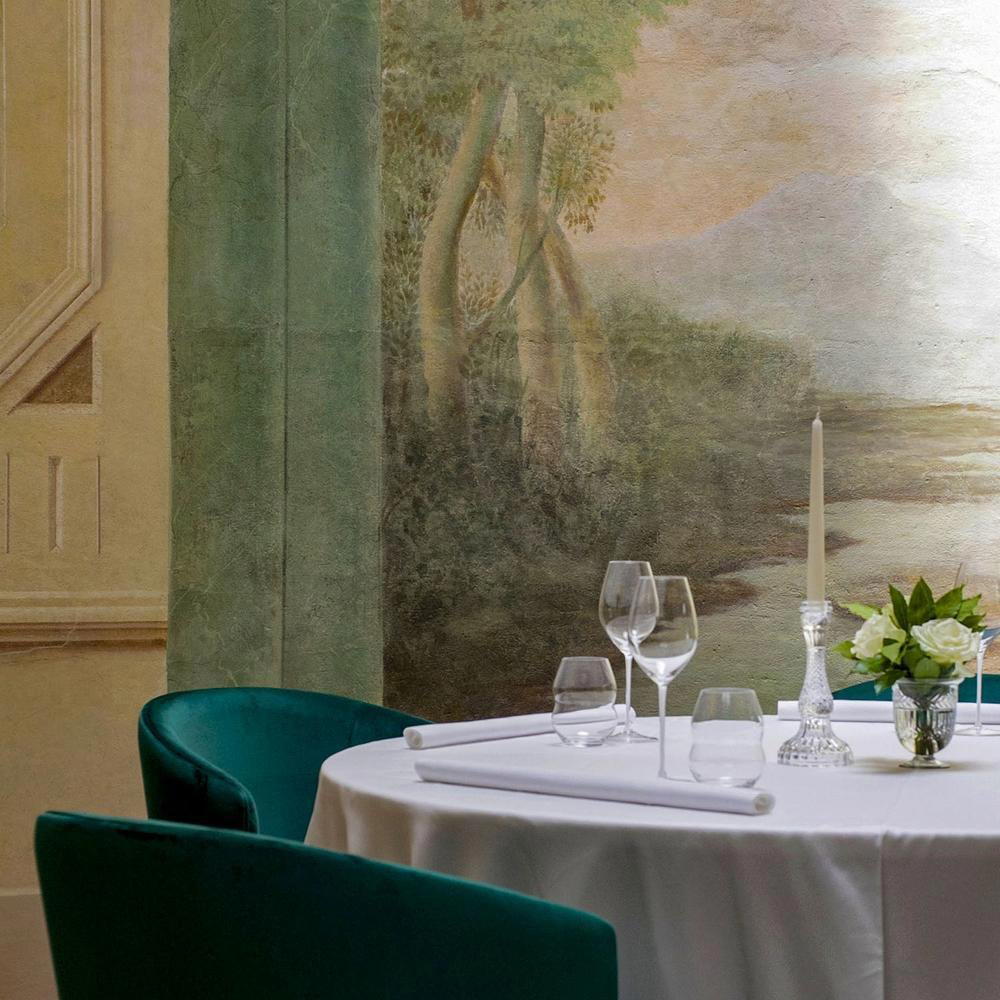
Bars in L'Isle-d'Abeau
Browse all →
Hotels in L'Isle-d'Abeau
Browse all →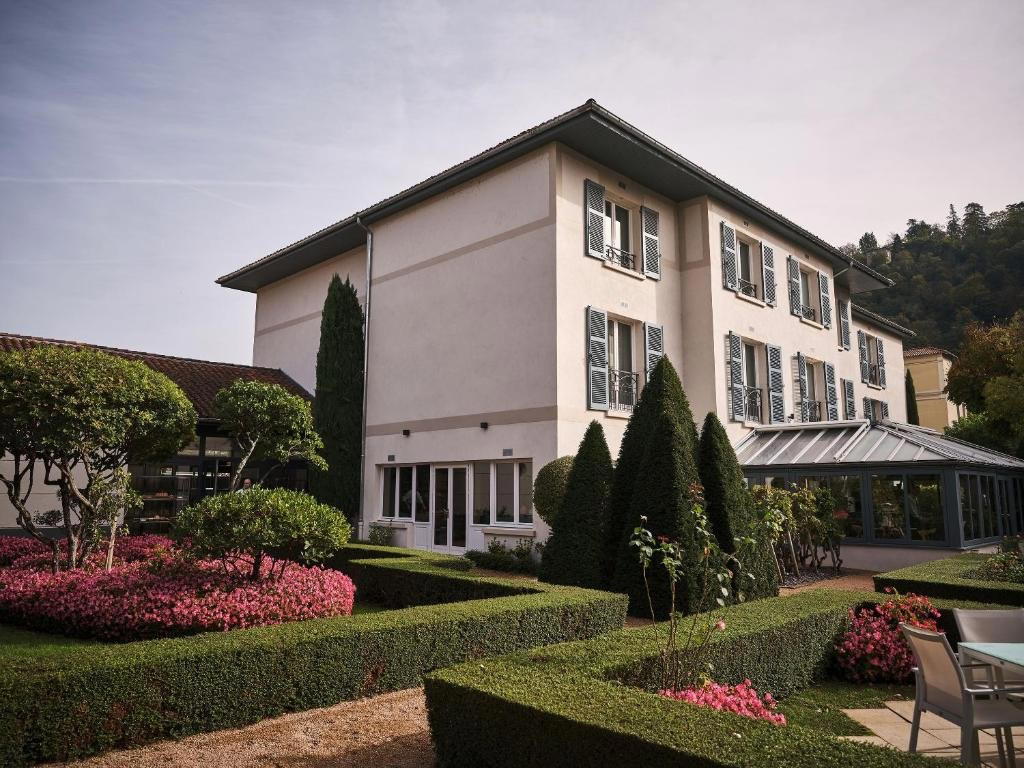

At a Glance
- Classic
- Elegant
- Cozy
- Sophisticated
- Date Night
- Special Occasion
- Business Dinner
- Terrace
- Garden
- Historic Building
- Extensive Wine List
- Local Sourcing
- Garden
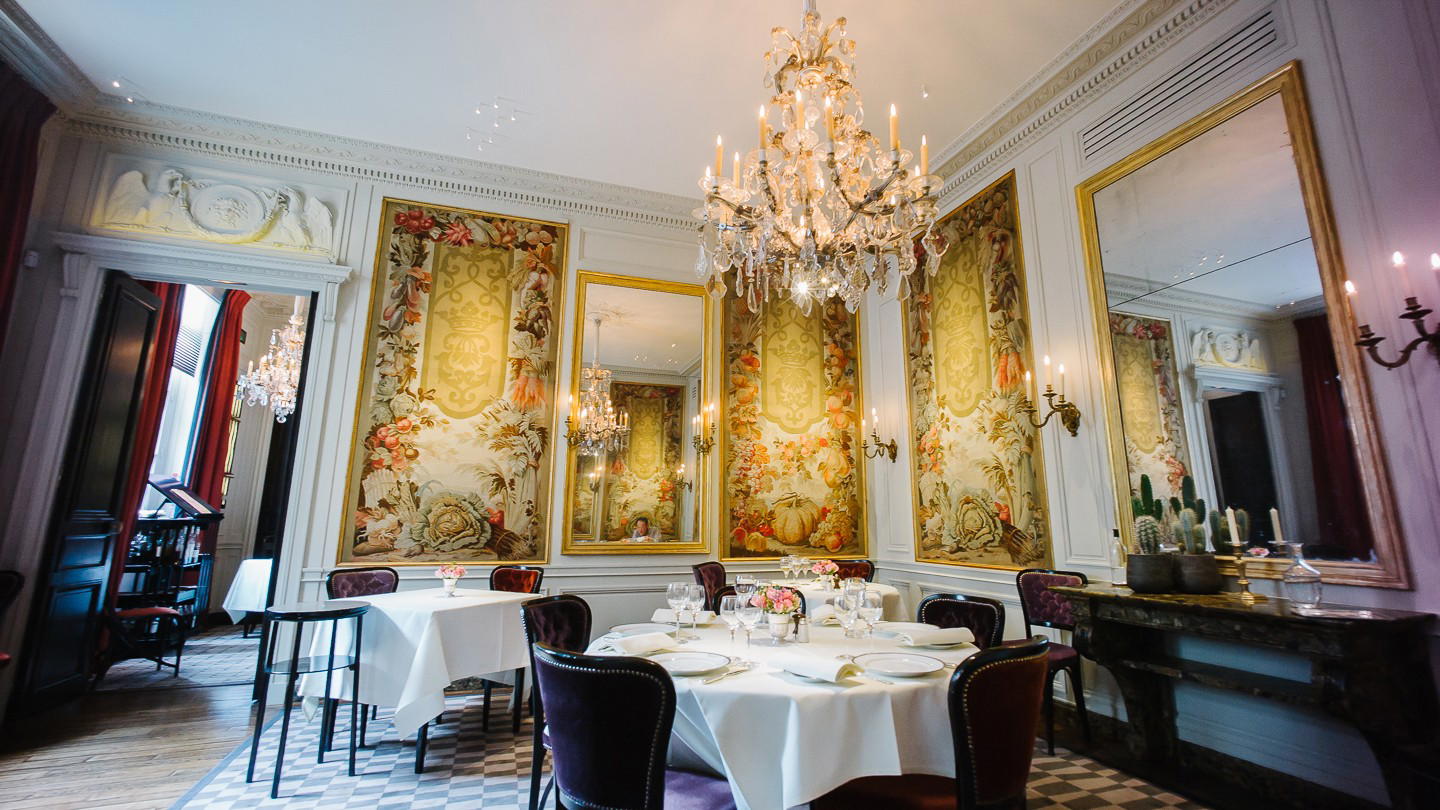
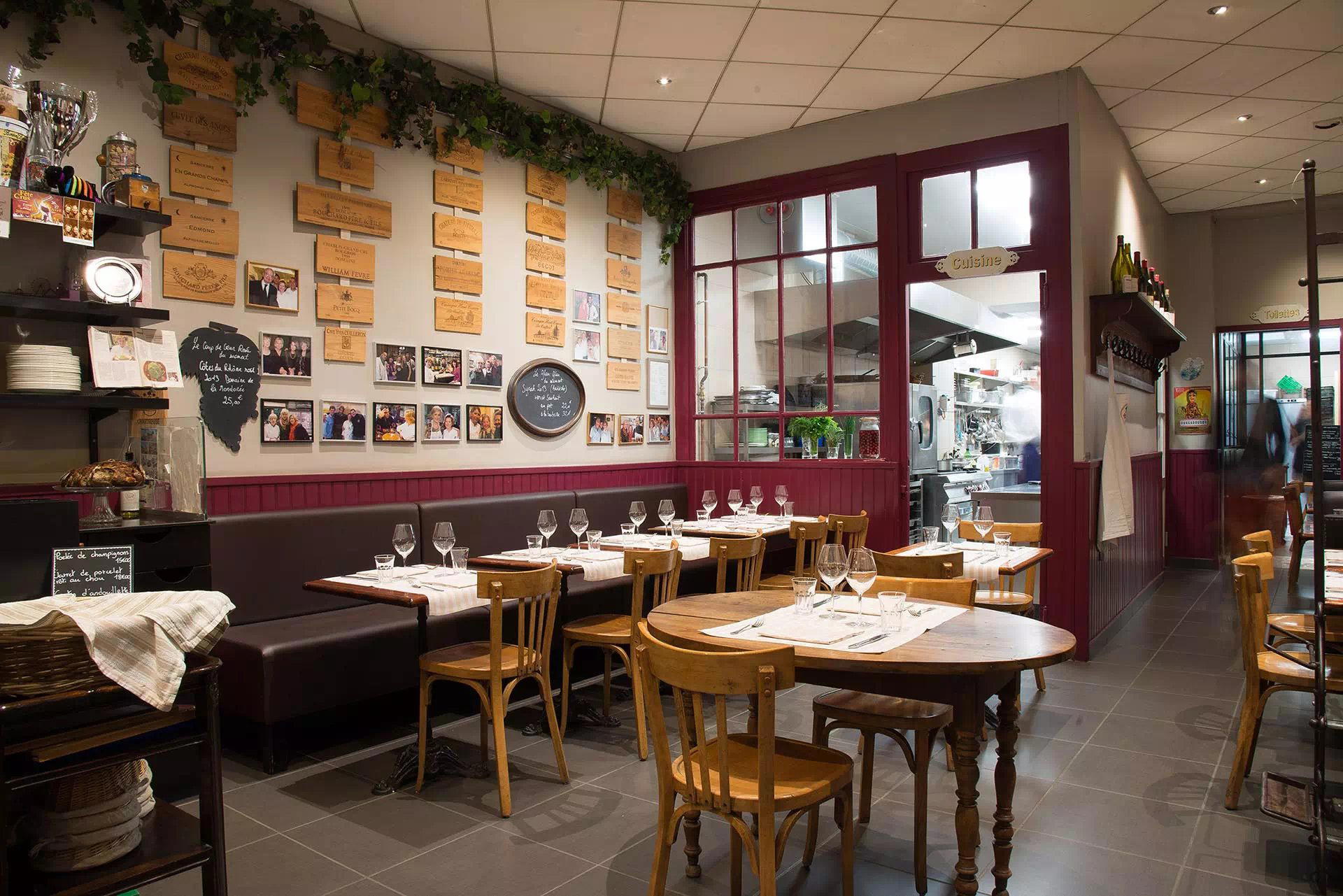
Raffined atmosphere in a charming 18th-century bourgeois house with traditional stone floors, modern touches, and a serene garden terrace.