Our verdict
On the working quayside of Capbreton, Bonamour occupies a position that few restaurants in the Landes coast manage: close enough to the harbour that the provenance of what arrives on the plate is a matter of metres rather than miles. The address at Mille sabords on the Quai de la Pêcherie places it squarely in the daily rhythms of a fishing port that still functions as one.

Pearl is the En Primeur Club membership app — saves, bookings, and concierge access live there. Same editors, same standards.
- Address
- Mille sabords, Quai de la Pêcherie, 40130 Capbreton, France
- Phone
- +33558726171
- Hours
- Mon 12–2 PM, 7–10 PMTue ClosedWed–Fri 12–2 PM, 7–10 PMSat–Sun 12–2:30 PM, 7–10 PM
- Website
- bonamour-brasserie.com
- Directions
- Get directions
- Booking
- Book on Zenchef
The menu
What to order
- Oeuf parfait
- Pork loin
- Grilled octopus
Harbour-Side, Not Harbour-Themed
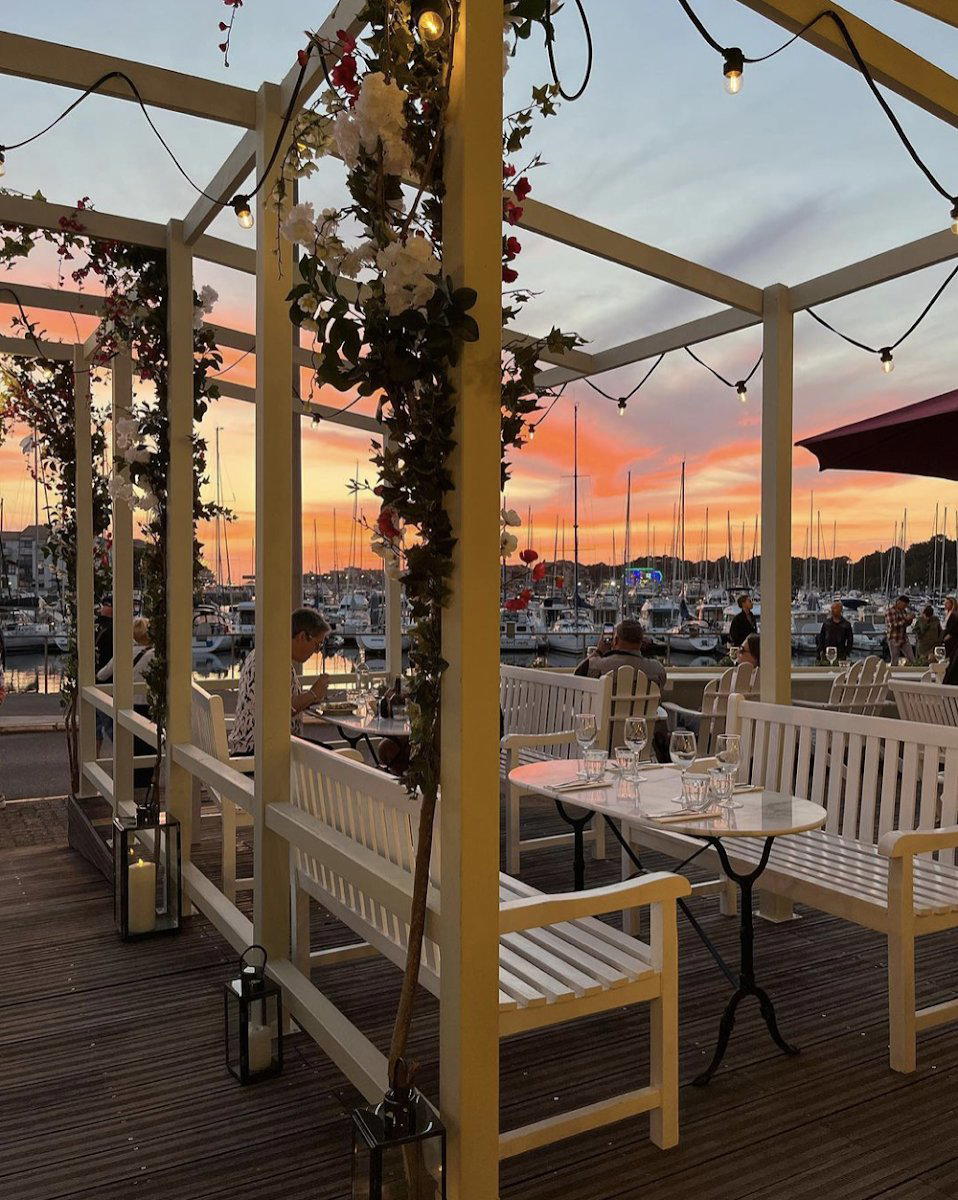
There is a meaningful difference between a restaurant that decorates itself with maritime references and one that actually sits on a working fish quay. Bonamour occupies the latter position, at Mille sabords on the Quai de la Pêcherie in Capbreton — a harbour town on the Landes coast whose fishing fleet has operated continuously for centuries. The distinction matters, because in coastal France the gap between theatricality and genuine provenance has widened considerably as tourism pressure has pushed many quayside addresses toward safe, high-margin formats. What draws attention to Bonamour within Capbreton's restaurant circuit is precisely its location within that working infrastructure, where the logic of what gets cooked tends to follow what was landed that morning rather than what reads well on a printed menu.
Capbreton itself sits at the northern edge of the Basque Country's cultural orbit, without being administratively Basque, which gives its food scene a character distinct from the more studied gastronomic culture of Bayonne or San Sebastián an hour to the south. The town's port is one of the few on this stretch of the Atlantic that handles both recreational and commercial fishing, and the daily catch rotation — sole, bar (sea bass), sardines, tuna in season, creates a supply environment where freshness is structural, not aspirational. For a restaurant on the Quai de la Pêcherie, that supply chain is a competitive condition, not a marketing claim. To see how this approach compares with Capbreton's broader dining scene, the full Capbreton restaurants guide maps the town's options across price points and formats.
The Sourcing Logic of the Landes Coast
France's Atlantic southwest has developed a sourcing culture that sits somewhat apart from the formal farm-to-table rhetoric that dominates metropolitan restaurant discourse. Here, proximity is structural: the land immediately behind the coast produces duck, foie gras, asparagus, and haricots tarbais, while the sea in front of it contributes what the season and the weather allow. This dual proximity, ocean on one side, productive agricultural plain on the other, is what gives the leading Landes-coast restaurants their particular identity. The sourcing argument is not a point of differentiation; it is the baseline condition of operating here at all.
Within Capbreton's restaurant tier, this plays out at different price and format levels. Goustut, operating in the modern cuisine register at €€ pricing, works within this same regional supply logic but with a more structured culinary framework. La Cuisine and La Petite Table each address the same local ingredient base from distinct angles. Bonamour's quayside position gives it a specific gravitational pull toward the port supply chain that its peers, operating from inland or town-centre addresses, do not share in the same direct way.
At the higher end of the French Atlantic tradition, this kind of regional sourcing discipline informs some of the country's most celebrated kitchens. Les Prés d'Eugénie - Michel Guérard in Eugénie-les-Bains has long demonstrated what a deep commitment to Landes terroir can produce at the three-star level. Further north, Bras in Laguiole built an entire culinary language around the specificity of Aubrac ingredients. These are reference points for what regional sourcing seriousness looks like when taken to its furthest expression, contexts against which the sourcing culture of a working port restaurant like Bonamour can be understood as part of a longer regional tradition rather than a trend.
The Atmosphere on the Quai
Approaching the Quai de la Pêcherie in Capbreton, the scene has a functional plainness that most resort-coast addresses lack. The smell of salt and diesel from the harbour, the sound of rigging and early-morning activity from the commercial boats, these are not curated atmospherics. They are the conditions of the address. A restaurant operating on this quay inherits that environment, and the leading ones allow it to set the tone rather than working against it with over-designed interiors or aspirational menu language.
The Capbreton waterfront in summer operates under significant visitor pressure, the town draws surfers from the Hossegor crowd to the north as well as family tourists working down the Landes coast, but the Quai de la Pêcherie retains more of its working character than the more polished promenade areas. This is the context in which Bonamour operates: a harbour-adjacent address that draws from both the local fishing trade and the seasonal visitor economy without being defined entirely by either. For comparison within the Capbreton scene, Le Bon Cap and Le Regalty occupy different positions along the town's coastal dining axis.
Where Bonamour Sits in a Wider French Context
The Atlantic coast's seafood tradition has representation at the highest levels of French restaurant culture, Le Bernardin in New York, rooted in Brittany seafood culture, and Mirazur in Menton, which built its three-star identity around the relationship between garden, sea, and altitude, both demonstrate how deeply the sourcing question runs in French culinary thinking. At the institutional level, Auberge de l'Ill in Illhaeusern, Paul Bocuse - L'Auberge du Pont de Collonges, and Troisgros - Le Bois sans Feuilles each anchored their identity in the produce of a specific region rather than a generalised French haute cuisine. The same sourcing logic, operating at a very different scale and formality level, shapes what a quayside restaurant in a working Landes port can credibly offer. Regional anchoring is not a consolation for not being in Paris; it is a distinct culinary position with its own validity. Flocons de Sel in Megève, Georges Blanc in Vonnas, La Table du Castellet, and Alléno Paris au Pavillon Ledoyen each represent different expressions of how French kitchens have handled the relationship between place, produce, and culinary ambition. Lazy Bear in San Francisco offers a transatlantic perspective on how the same sourcing-driven approach translates into a different dining format entirely.
Planning a Visit
Bonamour's address at Mille sabords on the Quai de la Pêcherie places it within easy walking distance of Capbreton's town centre. The Landes coast is most active between June and September, when the summer visitor economy peaks alongside Hossegor's surf season; table availability during this window is tighter than the shoulder months of May and October, when the fishing port operates more quietly and the restaurant dynamic shifts accordingly. Visitors arriving by car will find Capbreton's harbour area most accessible from the D652 coastal route.
Frequently asked questions
Is Bonamour good for families?
Bonamour's position on the Quai de la Pêcherie in Capbreton gives it a casual, harbour-side character that suits a range of dining occasions. The functional quay setting — salt air, working boats, open waterfront — tends to create an easy informality rather than a hushed fine-dining environment. Families visiting the Landes coast will find it a more grounded option than the resort-facing places nearby.
What is the atmosphere like at Bonamour?
The Quai de la Pêcherie is a working fish quay, not a dressed-up harbour promenade, and Bonamour's address at Mille sabords places it squarely in that functional setting. Expect the smell of salt and the sound of the quay rather than a curated coastal aesthetic. The atmosphere follows the rhythm of a port town rather than a resort.
What makes Bonamour different from other seafood restaurants on the Landes coast?
Bonamour's address at Mille sabords on the Quai de la Pêcherie in Capbreton puts it on an active fishing quay rather than a tourist-facing seafront strip. That distinction matters in the Landes, where the Atlantic southwest's sourcing culture operates through direct relationships between quayside kitchens and local boats rather than through the formal supply chains that feed larger coastal towns. Few restaurants on this stretch of coast sit this close to the point of landing.
What do people recommend at Bonamour?
The Landes Atlantic coast has a sourcing culture built around local catch landed within walking distance, which is the operating context for a restaurant at this address. Visitors tend to prioritise the seafood offerings given that geographic logic.
Where do I go for Bonamour?
Bonamour is located at Mille sabords, Quai de la Pêcherie, 40130 Capbreton, France, Capbreton.
How hard is it to get a table at Bonamour?
Harbour-side addresses with genuine quay frontage — Mille sabords, Quai de la Pêcherie — attract consistent demand during the July-August peak. Booking ahead for warm-season visits is the practical approach.
Side-by-Side Snapshot
Comparable venues nearby, for context on price, style, and recognition.
| Venue | Cuisine | Price | Awards | Notes |
|---|---|---|---|---|
| BonamourThis venue — the venue you are viewing | Modern French Brasserie | Not listed | Not listed | Not listed |
| Le Regalty | Traditional French Seafood | $50–100 | Not listed | Port de Plaisance |
| La Cuisine | Modern French Bistro | $50–100 | Michelin Plate | centre bourg |
| MB Restaurant | Modern French Fine Dining | $50–100 | Not listed | Capbreton |
| Le Bon Cap | French Seafood Bistro | $20–30 | Not listed | Capbreton |
| La Petite Table | Modern French Bistronomique with Japanese Influences | $50–100 | Michelin Plate | Port de Capbreton |
Continue exploring
More in Capbreton
Restaurants in Capbreton
Browse all →
Bars in Capbreton
Browse all →
Details
- Modern
- Scenic
- Cozy
- Elegant
- Date Night
- Family
- Casual Hangout
- Waterfront
- Terrace
- Local Sourcing
- Waterfront
- A La Carte
- Vegetarian Friendly
- Vegan Options
Current opening hours
- Monday
- 12–2 PM, 7–10 PM
- Tuesday
- Closed
- Wednesday
- 12–2 PM, 7–10 PM
- Thursday
- 12–2 PM, 7–10 PM
- Friday
- 12–2 PM, 7–10 PM
- Saturday
- 12–2:30 PM, 7–10 PM
- Sunday
- 12–2:30 PM, 7–10 PM
Hours can change for holidays and private events. Last verified .
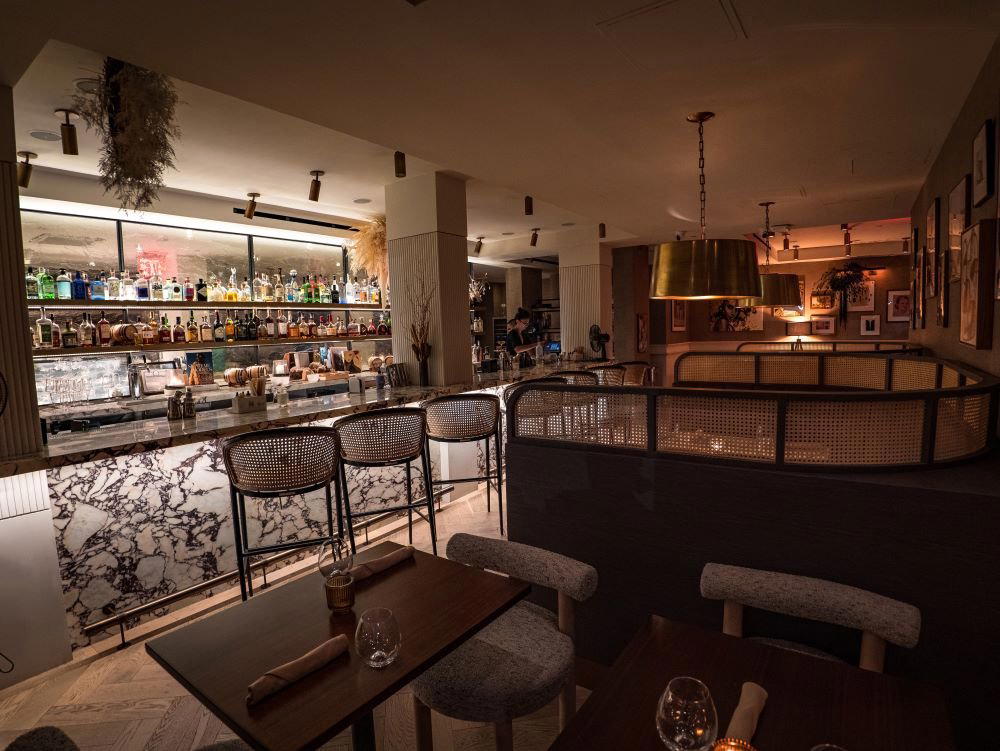
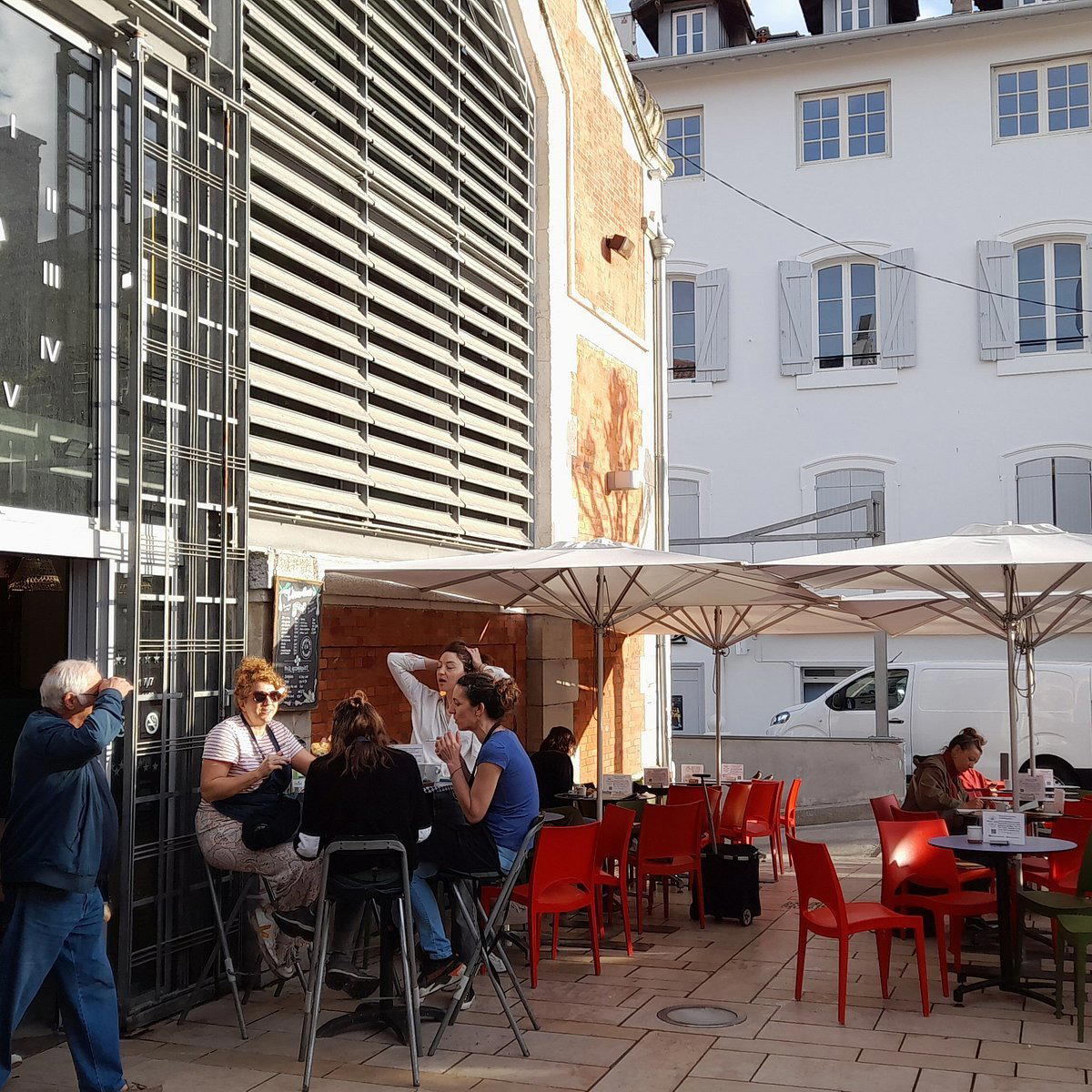
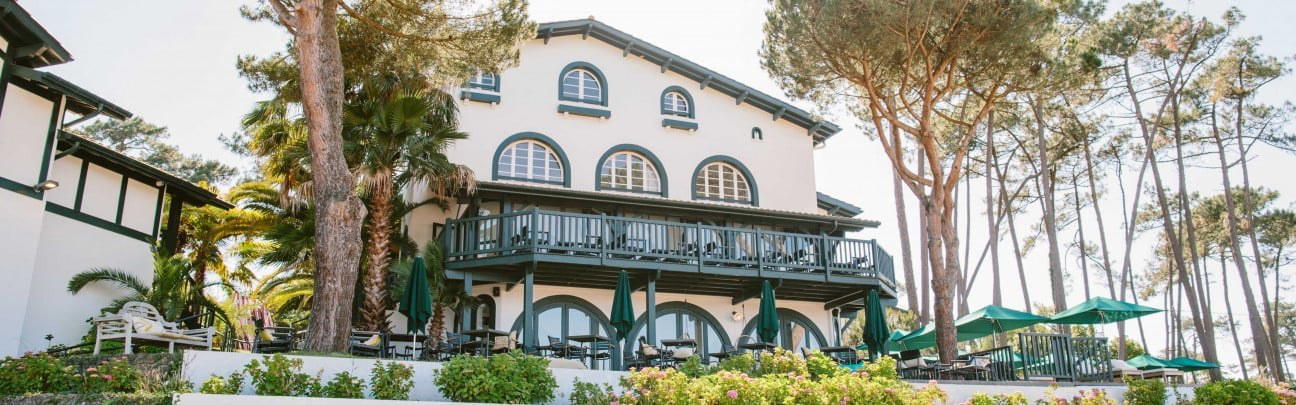
Warm and welcoming atmosphere with a pleasant terrace overlooking the basin, featuring neat decoration and a human-scale feel.