Le Puy Tilleul

Michelin Plate
Our verdict
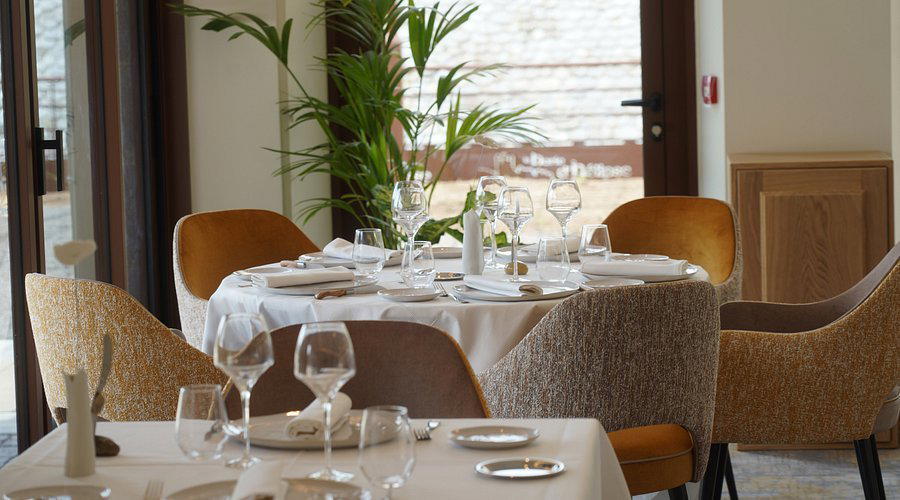
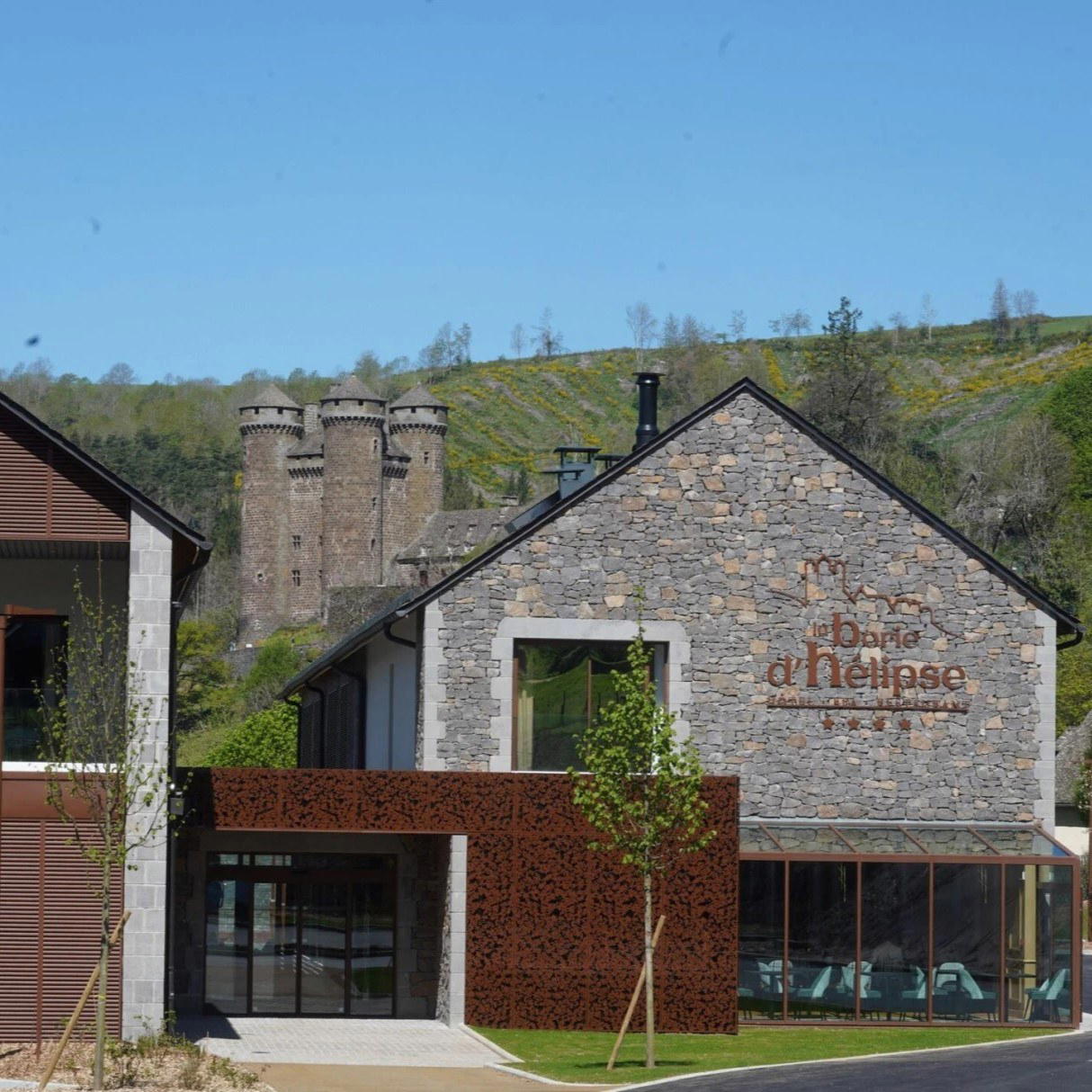
A Michelin Plate-recognised restaurant in the medieval village of Tournemire, Le Puy Tilleul occupies a stone-and-Corten-steel building with sweeping sunset views over the Cantal countryside. The menu centres on marine ingredients, fish, shellfish, and surf-turf combinations, while drawing consistently on local producers and the terroir of Auvergne. Price range: €€€.

Pearl is the En Primeur Club membership app, where members save venues, book tables and use the concierge.
The menu
What to order
- Foie gras brûlé au sucre muscovado
- Maigre de ligne
Stone, Steel, and the Sea in Landlocked Cantal
The village of Tournemire sits beneath the 15th-century Château d'Anjony, a feudal tower of dark volcanic stone that has defined this corner of the Cantal for six centuries. The surrounding hamlet has changed little: tightly packed stone houses with lauze slab roofs, the particular grey-green of the Massif Central, a landscape shaped by cattle farming and the slow rhythms of highland agriculture. Against this backdrop, the architecture of Le Puy Tilleul reads as a deliberate statement. The building pairs local stone with Corten steel, a combination that acknowledges the vernacular while refusing to mimic it. The result is a structure that sits inside the village without dissolving into it.
That physical tension between tradition and contemporary form carries directly into the dining room, where a menu built almost entirely around marine ingredients operates inside one of France's most resolutely land-locked culinary regions. It is not a contradiction so much as a considered position: the Auvergne has historically defined itself through its volcanic soils, its cattle breeds, and its aged cheeses, while the Atlantic coast lies several hours to the west. To plant a seafood-forward kitchen here, and earn Michelin recognition for it in 2025, is to occupy a specific and unusual niche in the French regional dining map.
Marine Cooking in a Continental Interior
France's regional culinary identity is often discussed as a function of geography: Brittany and its shellfish, Marseille and its bouillabaisse, Bordeaux and its river fish. The inland departments, the Cantal included, occupy a different register, where the repertoire is built on slow-braised meats, aligot, truffade, and the hard cheeses that the high pastures make possible. This makes the editorial logic at Le Puy Tilleul all the more pointed. The kitchen works with seaweed and briny condiments, with fish and shellfish as primary subjects, and treats surf-turf combinations not as novelties but as structural elements of the menu. Comparable approaches, coastal ingredients positioned against inland terroir, appear in the cooking at AM par Alexandre Mazzia in Marseille and in the way kitchens like Mirazur in Menton use altitude and sea in the same service. In Tournemire, the dynamic is inverted: the land is the default, and the sea is the intervention.
That inversion is precisely where the ambition of the menu lies. A kitchen that sources from the Atlantic and then places those ingredients alongside produce from Cantal market gardeners, local livestock farmers, and regional fish farmers is making a claim about the range of French terroir rather than simply plating what the local market offers. The Michelin Plate awarded in 2025 signals that the execution justifies the concept: the distinction recognises cooking of quality and care, placed below Star level but above the general category, and in a village of this size and relative remoteness, it carries considerable weight.
The Cantal Terroir Behind the Fish
Ambitious marine-forward cooking rarely succeeds in isolation from its regional context, and the strength of the menu at Le Puy Tilleul appears to rest on its refusal to treat the Cantal as mere scenery. Market gardeners and livestock farmers from the area are represented alongside the seafood, and local fish farmers contribute to a supply chain that grounds the menu in its geography even as the primary ingredients come from the coast. This approach places the restaurant inside a broader French tradition of cuisine de terroir, where the provenance of every element matters as much as its treatment on the plate.
The tradition has deep roots in the Auvergne and its neighbouring regions. Kitchens like Bras in Laguiole, less than two hours south of Tournemire in the Aveyron, built their reputation partly on an insistence that the high plateau could generate a cuisine of its own, sourced from wild herbs, local cattle, and the particular character of volcanic soils. Le Puy Tilleul does not replicate that model, but it operates within the same conviction that a specific place should be legible in the cooking. The difference is that Tournemire's kitchen reaches beyond its own geography to argue that marine and continental ingredients can coexist on equal terms.
For visitors building a broader itinerary through the region's serious restaurants, the comparison set extends northward and outward. Troisgros in Ouches and Flocons de Sel in Megève represent different expressions of French regional ambition at starred level; Auberge de l'Ill in Illhaeusern and Au Crocodile in Strasbourg anchor the Alsatian end of the spectrum. The Cantal sits outside those established circuits, which is part of what makes a kitchen of this quality here notable rather than expected. See our full Tournemire restaurants guide for further context, including La Petite Grange, which takes a different approach to regional cooking in the same village.
Setting, Timing, and What to Expect
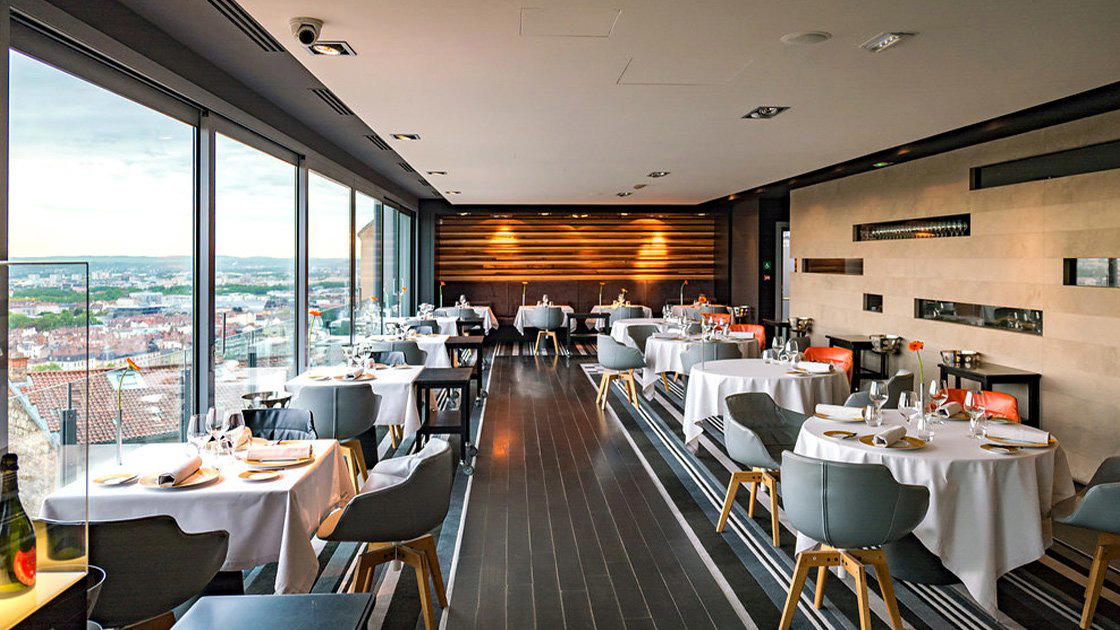
The dining room is designed to face the sunset, and the view over the Cantal countryside is a deliberate part of the experience. In a region where the light shifts dramatically between seasons, the orientation of the room becomes a practical consideration: an evening table in summer or early autumn will catch the full effect, while winter visits trade the sunset panorama for a different reading of the stone-and-steel interior against the closed-in landscape.
The price range sits at €€€, placing Le Puy Tilleul in the bracket of considered destination dining rather than casual regional stops. At this tier in a rural Cantal setting, the expectation is a multi-course format with some advance commitment; prospective visitors should expect to plan the meal as the focal point of a day or overnight stay rather than a drop-in option. The address is 5 Chemin du Moulin, 15310 Tournemire. For accommodation in the area, our Tournemire hotels guide covers available options, and our experiences guide maps what the wider Cantal offers around a visit of this kind. Those building a drinks itinerary around the meal can consult our bars guide and our wineries guide for the region.
In the wider register of French modern cuisine, the ambition signalled by a Michelin Plate in a village of this size and remoteness carries a different weight than the same recognition in Paris or Lyon. Kitchens like Alléno Paris au Pavillon Ledoyen or Assiette Champenoise in Reims operate with the infrastructure and audience of major urban or established destination markets. Le Puy Tilleul works from a position where the drive itself is part of the proposition, where the Château d'Anjony towers over the village on arrival, and where the menu's insistence on marine cooking feels more charged for its setting. That charge is, ultimately, what makes the journey warranted.
Frequently asked questions
What's the pricing like at Le Puy Tilleul?
Pricing at Le Puy Tilleul is listed as €€€.
Cost and Credentials
| Venue | Cuisine | Price | Awards | Notes |
|---|---|---|---|---|
| Le Puy TilleulThis venue (the venue you are viewing) | Modern French Terroir-Seafood | $100–150 | Michelin Plate | Not listed |
| Alléno Paris au Pavillon Ledoyen | Modern French Fine Dining | $150–200 | 3 Michelin Stars · World's 50 Best #79 | Creative |
| Kei | Contemporary French, Modern Cuisine | Not listed | Michelin 3 Star | Not listed |
| L'Ambroisie | Classic French Haute Cuisine | $300–500 | 2 Michelin Stars · World's 50 Best #23 | French, Classic Cuisine |
| Le Cinq - Four Seasons Hôtel George V | Modern French Fine Dining | $300–500 | 3 Michelin Stars · World's 50 Best #24 | French, Modern Cuisine |
| Plénitude | Modern French Sauce-Led Fine Dining | $300–500 | 3 Michelin Stars · World's 50 Best #14 | Contemporary French |
Recognition history
Dated appearances from independent guides and award organizations, with the underlying list record or original source where available.
Michelin Plate
Michelin
Full recognition history (2 entries)
Michelin Plate
Michelin
Continue exploring
More in Tournemire
Details
- Elegant
- Sophisticated
- Intimate
- Scenic
- Date Night
- Special Occasion
- Open Kitchen
- Terrace
- Historic Building
- Extensive Wine List
- Local Sourcing
- Mountain
- Street Scene
- Tasting Menu
- Prix Fixe
- Wine
- Vegetarian Friendly
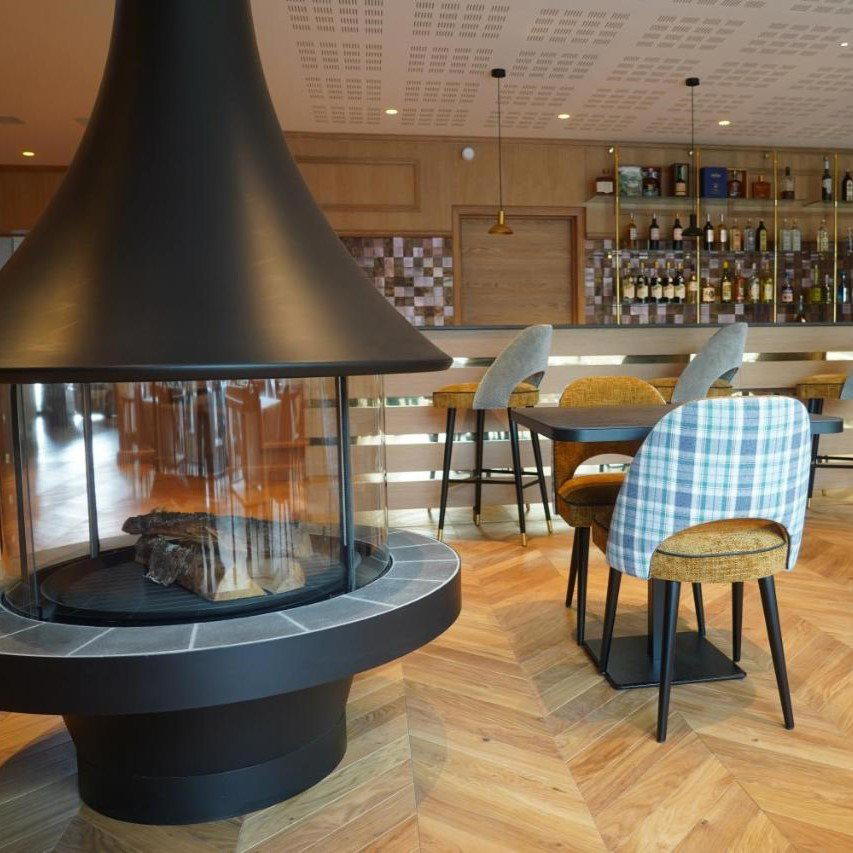
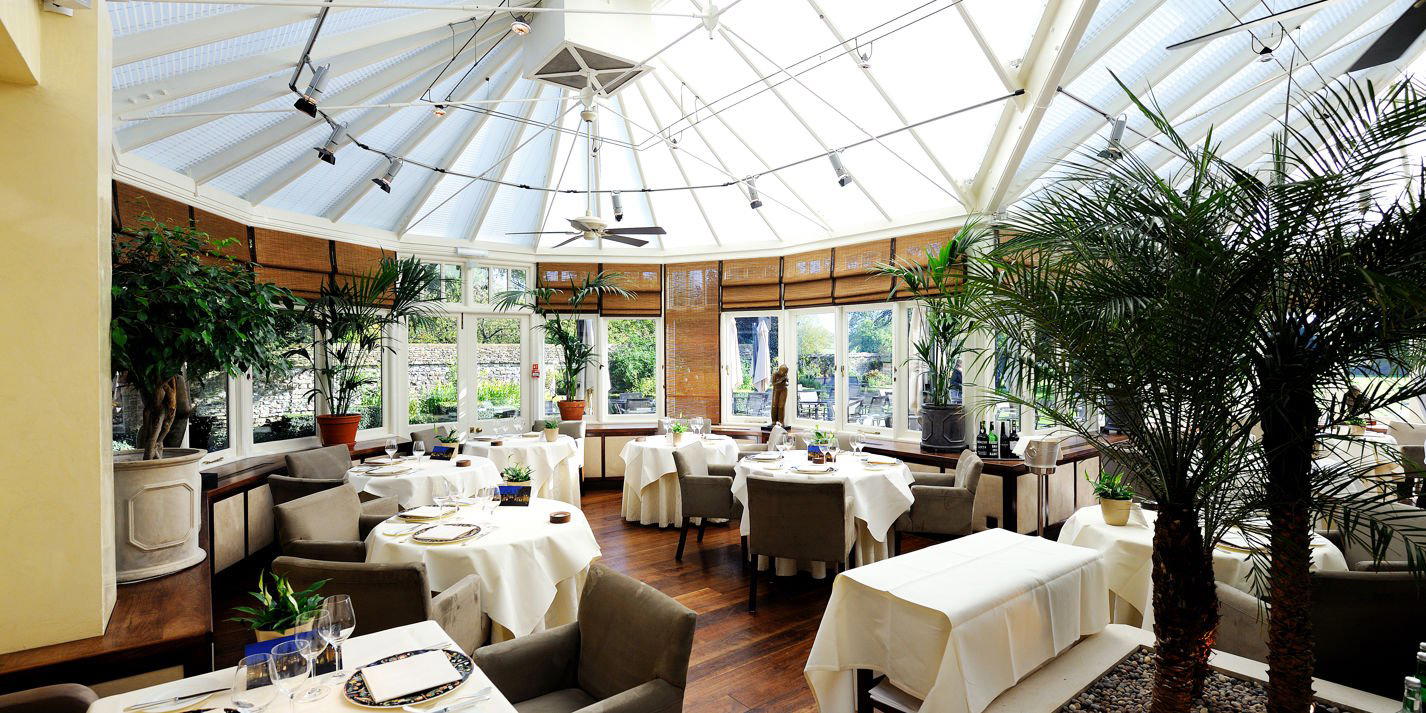
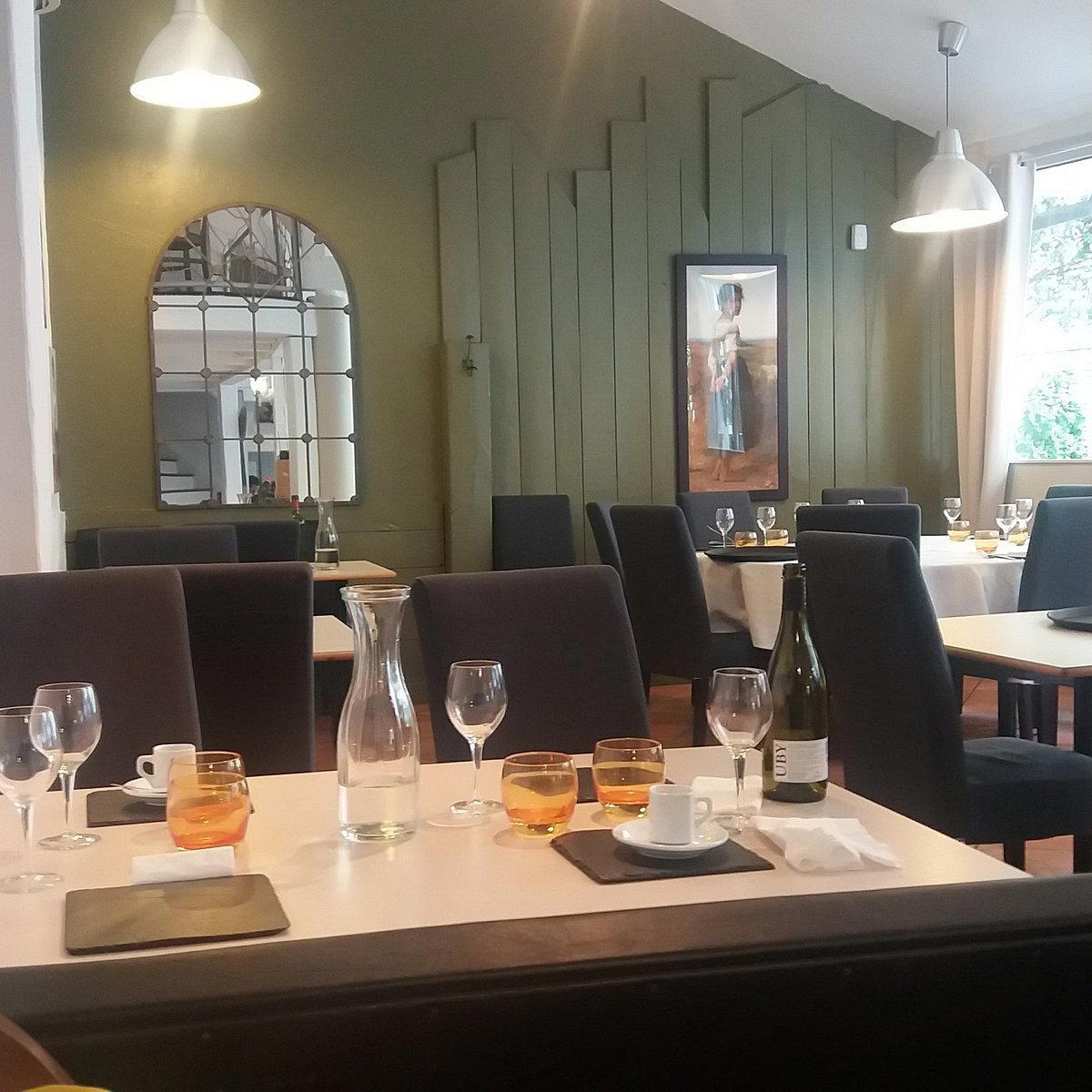
Light-filled spacious room with natural harmonies, ensuring table intimacy, and terrace views of medieval castle.