Le Poisson Rouge
Our verdict
Le Poisson Rouge sits on the Rte de la Jetée in Port-Vendres, the small working port on the Côte Vermeille where Catalan fishing tradition and French Mediterranean cooking overlap. The address alone signals proximity to the day's catch, placing it within a cluster of harbour-facing restaurants that operate in the €€ to €€€ range across this compact town. For visitors to the southern Roussillon coast, it represents one of several worthwhile stops along a dining scene shaped more by tides than trends.

Pearl is the En Primeur Club membership app — saves, bookings, and concierge access live there. Same editors, same standards.
- Address
- Rte de la Jetée, 66660 Port-Vendres, France
- Phone
- +33 6 86 79 48 06
- Hours
- Mon–Wed ClosedThu–Sat 12–3 PM, 7–9 PMSun 12–3 PM
- Website
- lepoissonrouge66.fr
- Directions
- Get directions
- Booking
- Book on Zenchef
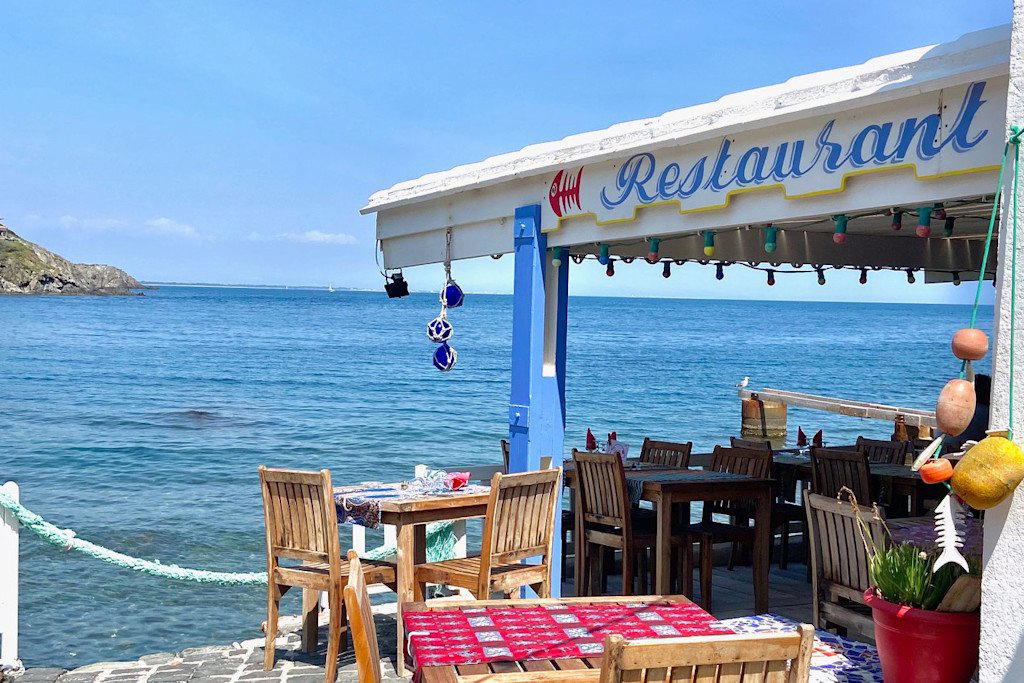
The menu
What to order
- Gambas carpaccio
- St pierre à la plancha
The Harbour at the End of the French Coast
Port-Vendres sits at the southernmost crease of the French Mediterranean before the Pyrenees push the border into Spain. It is not a resort town and has never tried to be one. The port is functional — fishing boats, a commercial quay, the smell of diesel and brine — and that industrial character has always shaped what the restaurants here cook and how they cook it. The Rte de la Jetée, where Le Poisson Rouge is addressed, runs along the edge of the working harbour, which means the physical approach to the restaurant is itself a lesson in where Roussillon seafood comes from before it reaches a plate. This is a coastline where the catch drives the menu, not the other way around.
That dynamic distinguishes Port-Vendres from the more domesticated fishing-village aesthetics found further up the Languedoc coast. Here, the Catalan identity is active rather than decorative. The cuisine that has developed in this corner of France draws on both sides of the border: the anchovy traditions of Collioure a few kilometres north, the rice-centred cooking of the Ebro Delta to the south, and the fundamentally Mediterranean logic of pairing very fresh fish with olive oil, salt, and time. Restaurants on this stretch do not need to perform rusticity because the setting provides it without effort.
A Port-Town Dining Culture Built Around the Catch
The Port-Vendres dining scene operates in a relatively compressed range. Most of the harbour-facing addresses sit in the €€ to €€€ bracket, and the category spread runs from direct seafood bistros to slightly more ambitious modern-leaning rooms. La Côte Vermeille anchors the seafood end of that range at €€, while Le Cèdre operates in the modern cuisine tier at €€€. Les Clos de Paulilles covers regional cuisine at €€, and both Chez Pujol and Les Jardins du Cèdre round out a scene that remains notably local in orientation. Visitors arriving from larger French cities may find the scale modest, but the concentration of genuine fishing-port cooking within a few hundred metres of each other is not something most French cities can replicate.
Within that context, the name Le Poisson Rouge, the red fish, carries obvious register. Red mullet, rouget in French, is one of the signature catches of the Mediterranean south. It appears on menus across the Côte Vermeille and has a specific cultural weight: harder to fillet cleanly than most fish, strongly flavoured, leading cooked with minimal intervention. A restaurant that names itself after the colour and implied species is signalling something about its relationship to the harbour outside the door, whether that signal is literal or not. The address on the jetée road makes the proximity concrete. Our full Port-Vendres restaurants guide covers the wider scene across the town.
Roussillon Seafood and Its French Mediterranean Lineage
To understand what any serious restaurant on this coast is doing, it helps to trace the culinary geography. The French Mediterranean seafood tradition runs from Marseille's bouillabaisse culture, now codified by a 1980 charter signed by city restaurants, up through the Camargue and down into the Roussillon, where Catalan cooking conventions become increasingly influential. AM par Alexandre Mazzia in Marseille shows how that southern Mediterranean heritage can be worked into high-concept modern cooking, but Port-Vendres operates in a different register entirely: proximity to source rather than transformation of it.
The anchovy is the emblematic ingredient of this specific stretch. Collioure, immediately north of Port-Vendres, has produced salted anchovies since at least the fourteenth century, and the curing houses there still operate along traditional lines. That ingredient seeps into the cooking of the entire area, appearing as a condiment, a seasoning base, and a standalone preparation. Any restaurant on the Rte de la Jetée is cooking within earshot of that tradition, even if it does not put anchovies at the centre of every dish.
The wines of Roussillon complete the regional picture. Collioure AOC and Banyuls AOC, both produced within a short drive, are built for this food. Banyuls, the fortified wine made from Grenache on terraced schist slopes, has a particular affinity with oily fish and is one of the few wines that genuinely pairs with anchovies without structural collapse. Any restaurant in Port-Vendres serving regional seafood has access to a natural wine pairing logic that requires very little construction.
France's Broader Dining Scene and Where Port-Vendres Fits
Restaurants that define French fine dining at the national level, Alléno Paris au Pavillon Ledoyen, Flocons de Sel in Megève, Mirazur in Menton, Troisgros in Ouches, Auberge de l'Ill in Illhaeusern, Bras in Laguiole, or the institution of Paul Bocuse in Collonges-au-Mont-d'Or, operate inside a heavily credentialed national system, where Michelin stars and multi-decade lineage are the primary currencies. Assiette Champenoise in Reims and Au Crocodile in Strasbourg further illustrate how that system extends across regions. Internationally, Le Bernardin in New York City and Atomix show the range of what serious dining ambition looks like beyond France's borders.
Port-Vendres sits outside that system almost by geographic logic. It is far enough south and small enough that the Michelin infrastructure does not bear down on it the way it does on Lyon or Paris. That absence is not a deficit. It means the restaurants here can operate according to local rhythms, the morning fish market, the season for sea urchin, the point in the calendar when anchovies are at peak fat content, without performing for external review criteria. For a visitor, that often translates into cooking that is more accurate to place than cooking in heavily starred environments.
Planning a Visit
Port-Vendres is accessible by train via the Perpignan line, with Cerbère as the final stop before the Spanish border; Port-Vendres itself is a short drive from the Collioure station. The town is small enough that the Rte de la Jetée is walkable from most accommodation in the centre. As with most harbour restaurants in this part of France, summer booking is advisable: July and August bring considerable traffic from visitors moving between the Catalan coast on both sides of the border, and the better-known addresses fill quickly. Visiting in May, June, or September gives more flexibility and typically catches the seafood at its most consistent.
Frequently asked questions
Is Le Poisson Rouge okay with children?
Port-Vendres is a working port town rather than a resort, and harbour-facing restaurants along the Rte de la Jetée tend to draw a mixed local crowd that includes families. The relaxed, port-side setting at Le Poisson Rouge is consistent with that culture. It is not a formal dining room, so children are unlikely to feel out of place.
What is the atmosphere like at Le Poisson Rouge?
The address on Rte de la Jetée places the restaurant directly in the working-harbour zone of Port-Vendres, with the activity and ambient noise of a genuine fishing port rather than a polished waterfront promenade. Expect informality and proximity to the water. This is port-town dining in the original sense — functional, direct, and tied to the catch.
Is Le Poisson Rouge a good option for a waterfront lunch in Port-Vendres?
The Rte de la Jetée location in Port-Vendres puts Le Poisson Rouge within the cluster of harbour-facing addresses that make midday dining in this town worth planning around. Port-Vendres is accessible by train via the Perpignan line, making a lunch visit viable as a day trip from the wider Roussillon region. For a coast where fresh seafood and working-harbour settings are the draw, the positioning is well-suited to that purpose.
What's the best thing to order at Le Poisson Rouge?
On a coast where the day's catch defines what any serious kitchen does, fish is the obvious focus. The name itself points toward rouget-style preparations, a species native to the Côte Vermeille and common across Roussillon seafood cooking. Ordering according to what arrived that morning is the correct approach at any harbour-side address in Port-Vendres.
Budget and Context
Comparable venues nearby, for context on price, style, and recognition.
| Venue | Cuisine | Price | Awards | Notes |
|---|---|---|---|---|
| Le Poisson RougeThis venue — the venue you are viewing | Mediterranean Seafood | Not listed | Not listed | Not listed |
| Le Cèdre | Mediterranean Fine Dining with Catalan Terroir | $50–100 | Michelin Plate | Port-Vendres, Mediterranean Fine Dining with Catalan Terroir |
| Les Clos de Paulilles | Refined Mediterranean Catalan | $50–100 | Michelin Plate | Baie de Paulilles, Refined Mediterranean Catalan |
| Chez Pujol | French Seafood | Not listed | Not listed | Quai Pierre Forgas, French Seafood |
| La Côte Vermeille | Mediterranean Seafood Fine Dining | $30–50 | Michelin Plate | Port, Mediterranean Seafood Fine Dining |
| Les Jardins du Cèdre | Mediterranean Fine Dining with Catalan Influences | $50–100 | Michelin Plate | Port-Vendres, Mediterranean Fine Dining with Catalan Influences |
Continue exploring
More in Port-Vendres
Restaurants in Port-Vendres
Browse all →
Bars in Port-Vendres
Browse all →
Hotels in Port-Vendres
Browse all →

Details
- Romantic
- Scenic
- Date Night
- Special Occasion
- Waterfront
- Terrace
- Sustainable Seafood
- Waterfront
- A La Carte
Current opening hours
- Monday
- Closed
- Tuesday
- Closed
- Wednesday
- Closed
- Thursday
- 12–3 PM, 7–9 PM
- Friday
- 12–3 PM, 7–9 PM
- Saturday
- 12–3 PM, 7–9 PM
- Sunday
- 12–3 PM
Hours can change for holidays and private events. Last verified .
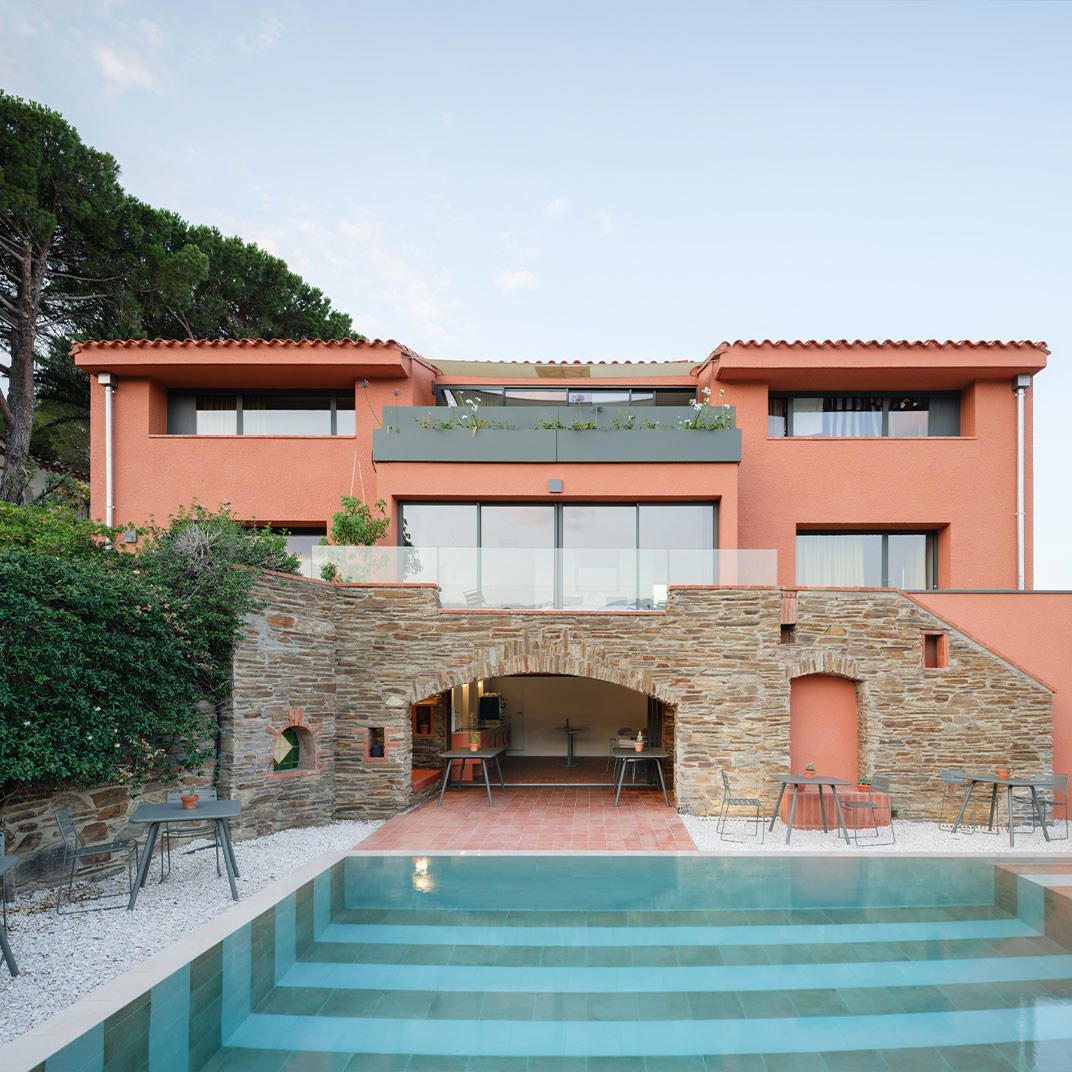
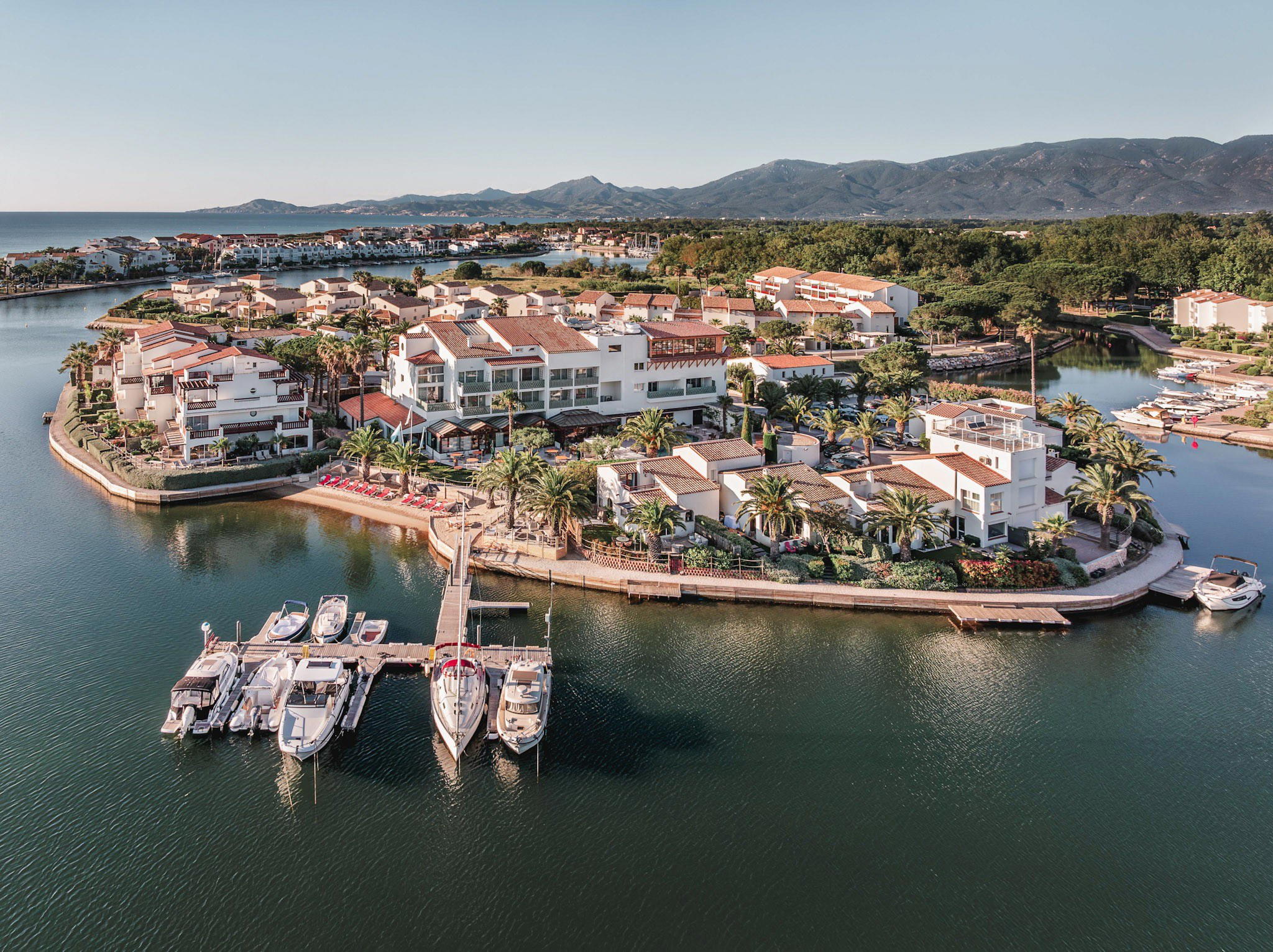
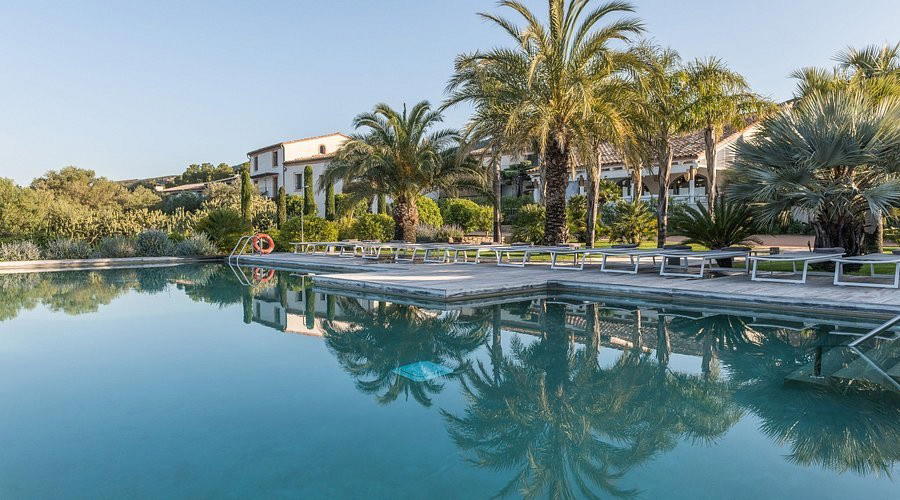
Beautiful waterside setting with an extraordinary seaside atmosphere.