Our verdict
The restaurant sits within a regional food culture that prizes proximity — what the tide delivers one morning can reasonably appear at lunch the same day. For an introduction to the Bassin's produce-first dining character, Le Pitey offers a grounded local reference point.

Pearl is the En Primeur Club membership app — saves, bookings, and concierge access live there. Same editors, same standards.
- Address
- 79 Av. de la Libération, 33740 Arès, France
- Phone
- +33556821680
- Hours
- Mon ClosedTue 12–2 PM, 6–11:30 PMWed 12–2 PMThu–Sat 12–2 PM, 6–11:30 PMSun Closed
- Website
- lepitey.com
- Directions
- Get directions
Beyond oysters, the surrounding Landes forest and the estuary wetlands supply the kind of seasonal produce that French coastal cooking has always relied upon: game birds in autumn, mushrooms from the pine floor, sea bass and mullet from the tidal channels. When a kitchen is forty minutes from the source and the source itself is tidal, the menu has to move with what is available. That constraint is also a form of discipline, and in the better kitchens of this part of Aquitaine, it produces food that tastes specifically of the place and the week.
For a wider map of where the Bassin's dining scene sits within the broader French Atlantic coast tradition, full Arès restaurants guide for a broader view of where Le Pitey sits within the village's dining options, including Nacre, which represents Arès's contemporary modern cuisine offer. It traces back through the ferme-auberge tradition and through chefs like Michel Bras, whose kitchen at
Frequently asked questions
Is Le Pitey child-friendly?
Arès itself operates at a relaxed village pace, and Avenue de la Libération is a neighbourhood street rather than a high-pressure dining corridor. Families visiting the Bassin d'Arcachon regularly eat in Arès rather than the busier Arcachon town. Contact Le Pitey directly to confirm any specific arrangements for younger guests before visiting.
What's the vibe at Le Pitey?
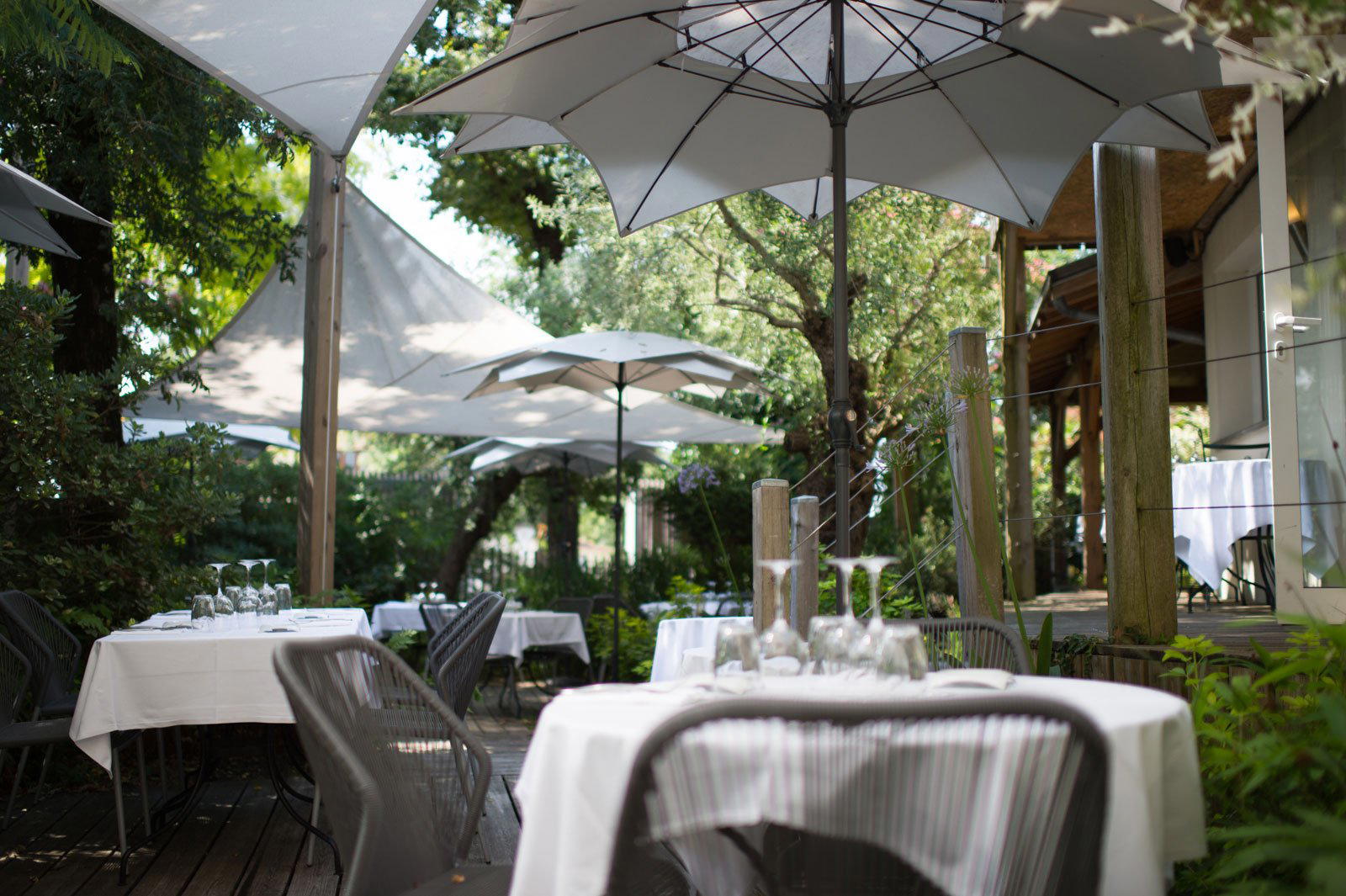
Le Pitey sits on the Avenue de la Libération in Arès, a village on the northern rim of the Bassin d'Arcachon that has resisted the oyster-tourism energy of Arcachon town. The surrounding area operates at low register — fishing culture rather than resort posturing. Expect a room calibrated to that same register rather than anything performative.
Is Le Pitey a good option for lunch when visiting the Bassin d'Arcachon from Bordeaux?
Arès sits roughly 50 kilometres west of Bordeaux, making it a practical stop for a day trip around the Bassin's northern shore rather than a detour into the more tourist-dense Arcachon town. Le Pitey's address on the Avenue de la Libération places it within the village centre, accessible by car. Confirm opening hours directly before travelling, as coastal village restaurants frequently adjust schedules outside peak season.
What should I order at Le Pitey?
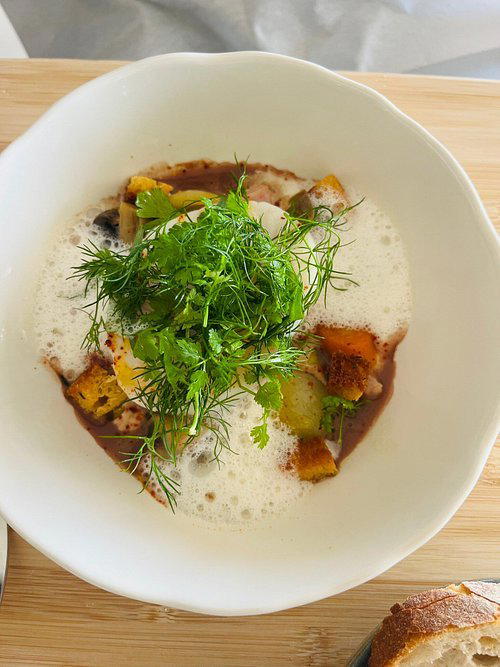
The Bassin d'Arcachon is one of France's primary oyster-producing estuaries, and Arès sits on its northern shore, which means the local shellfish argument is settled before the menu arrives. The estuary also supplies clams, eel, and mullet, with Landes pine-forest produce and Atlantic fish filling out what regional kitchens draw on. Specific current dishes are best confirmed with the venue directly.
What part of town is Le Pitey in?
Le Pitey is located at 79 Av. de la Libération, 33740 Arès, France, Arès.
Can I walk in to Le Pitey?
Le Pitey is located at 79 Avenue de la Libération in Arès, a village where dining demand peaks sharply in summer alongside Bassin d'Arcachon tourism. Walk-in availability is likely easier outside July and August, but no booking policy is publicly documented. Checking ahead is advisable for any visit during the Atlantic coast season.
At-a-Glance Comparison
Comparable venues nearby, for context on price, style, and recognition.
| Venue | Cuisine | Price | Awards | Notes |
|---|---|---|---|---|
| Le PiteyThis venue — the venue you are viewing | Gourmet French Bistro | $30–50 | Not listed | Not listed |
| Nacre | Modern French Fine Dining | $100–150 | 1 Michelin Star | Arès |
| Fernande | French Bistro & Tapas | $20–30 | Not listed | Moulleau |
| Orta | Modern French Bistronomique | $20–30 | Not listed | Centre ville |
| Monsieur Mouette | Modern French Fusion with Tapas | $30–50 | Not listed | Quai Notre Dame |
| Le Petit Canard | Traditional French Duck Bistro | Not listed | Not listed | 9th arrondissement |
Continue exploring
More in Arès
Restaurants in Arès
Browse all →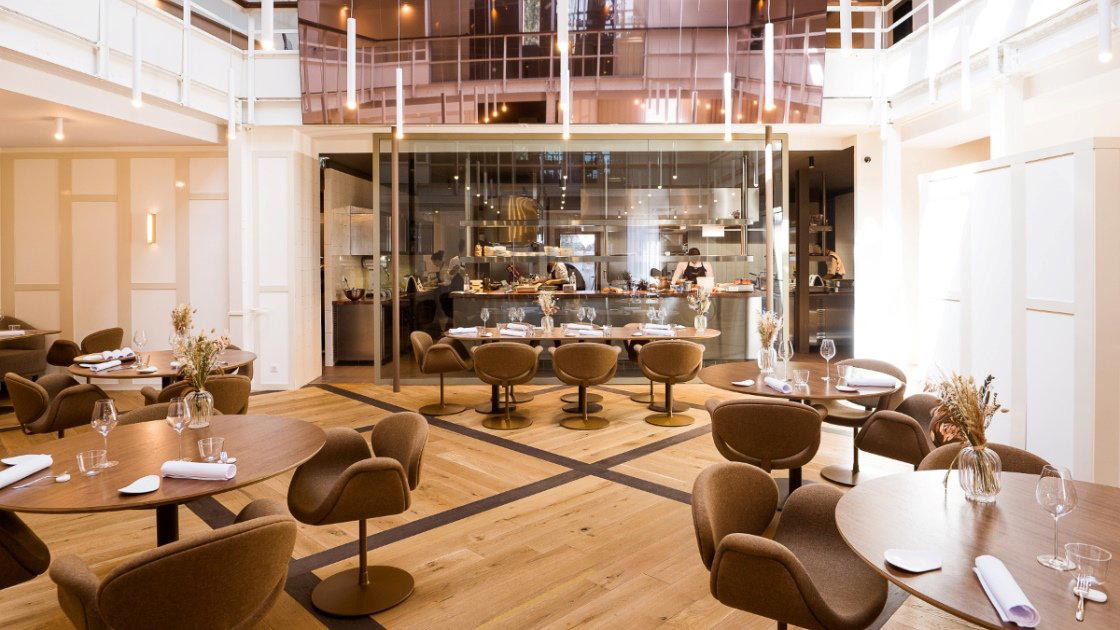
Bars in Arès
Browse all →
Hotels in Arès
Browse all →
Details
- Cozy
- Elegant
- Rustic
- Date Night
- Special Occasion
- Garden
- Terrace
- Local Sourcing
- Garden
- A La Carte
- Vegetarian Friendly
Current opening hours
- Monday
- Closed
- Tuesday
- 12–2 PM, 6–11:30 PM
- Wednesday
- 12–2 PM
- Thursday
- 12–2 PM, 6–11:30 PM
- Friday
- 12–2 PM, 6–11:30 PM
- Saturday
- 12–2 PM, 6–11:30 PM
- Sunday
- Closed
Hours can change for holidays and private events. Last verified .
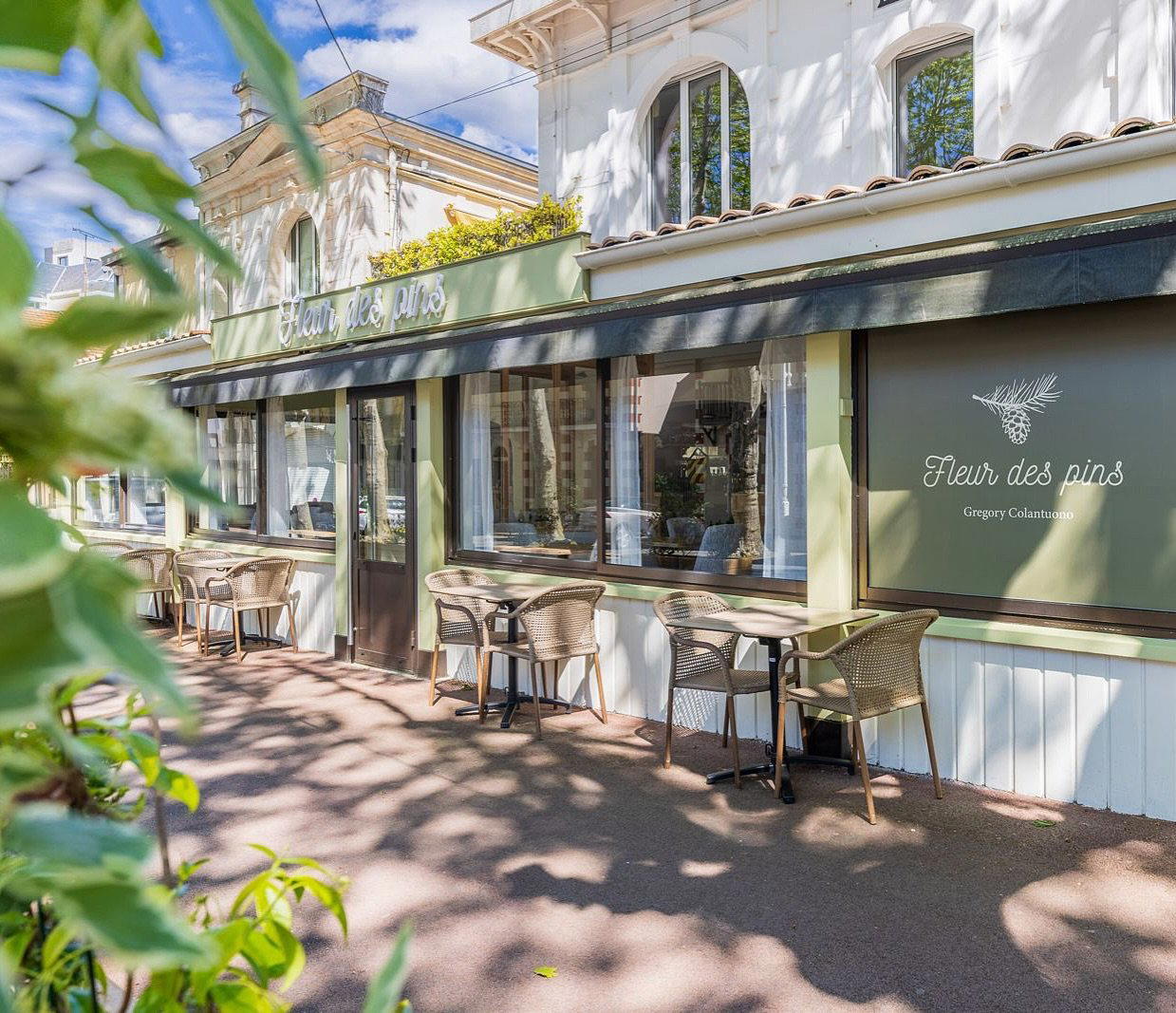
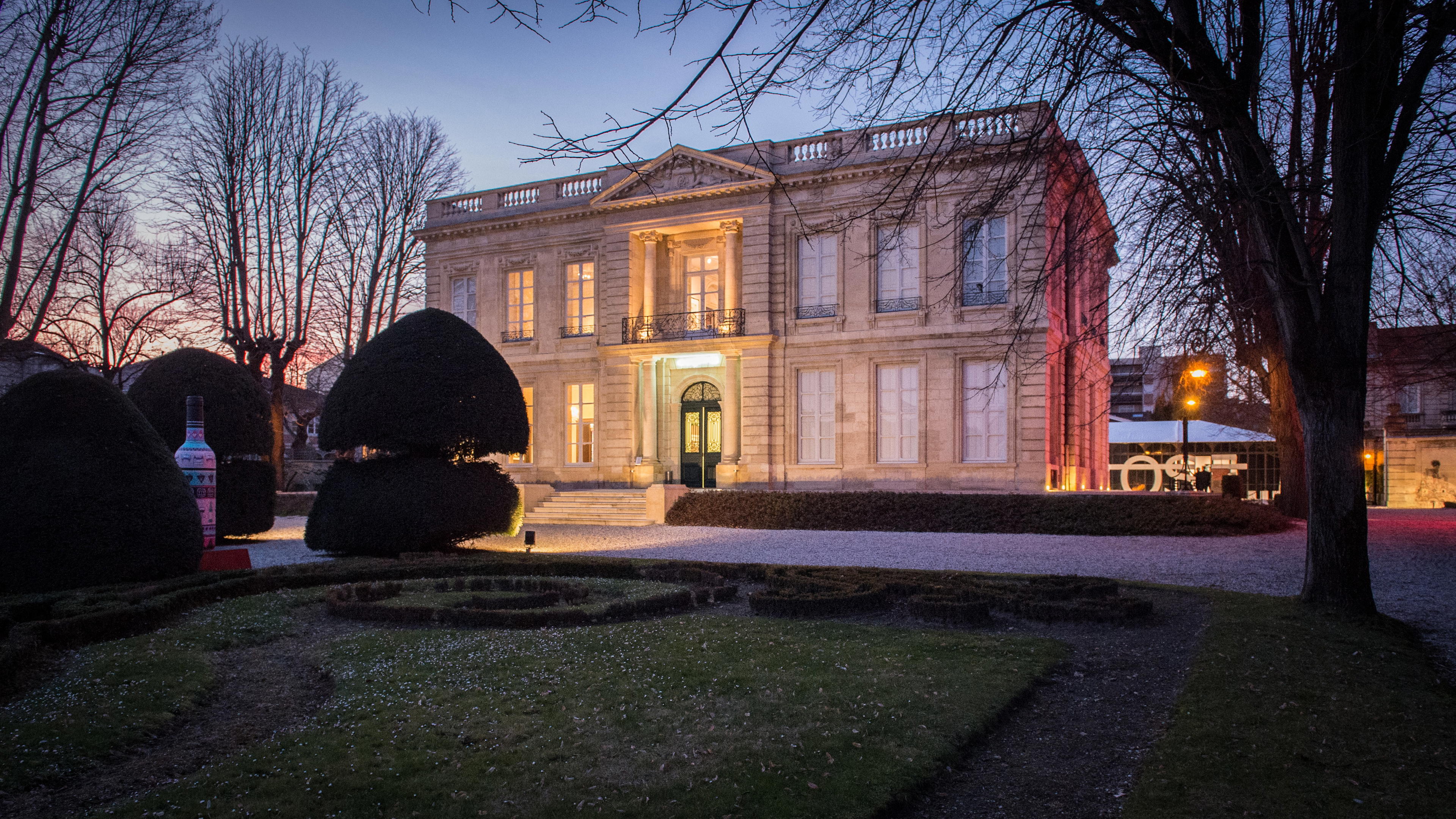
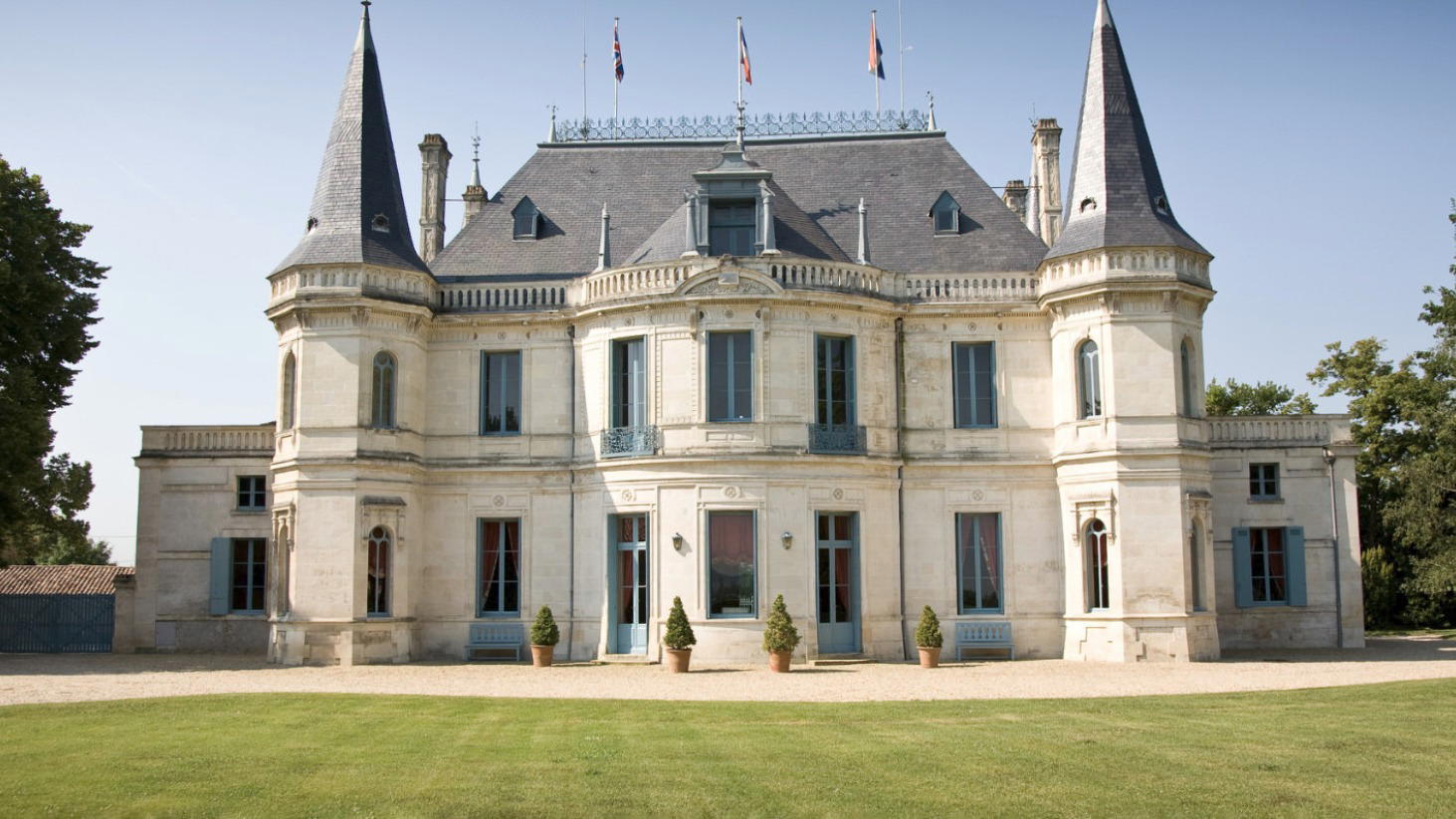
Cozy atmosphere in a pretty house extended by a terrace and superb garden near the lake, with aromatic plants.