
Star Wine List
Our verdict
Le Phalsbourg occupies a quiet address in Paris's 17th arrondissement, where the Star Wine List White Star recognition signals a wine program that punches well above the neighbourhood's usual expectations. The 17th sits outside the tourist circuit, which means the room earns its audience through substance rather than location. For those tracking Paris's serious-but-unpretentious dining tier, this address is worth the detour.

Pearl is the En Primeur Club membership app, where members save venues, book tables and use the concierge.
The menu
What to order
- Soufflé au Comté
- Ris de Veau purée à l'ail
- Filet de bœuf
- Œuf mimosa
The 17th Arrondissement and the Case for Sourcing-Led Dining
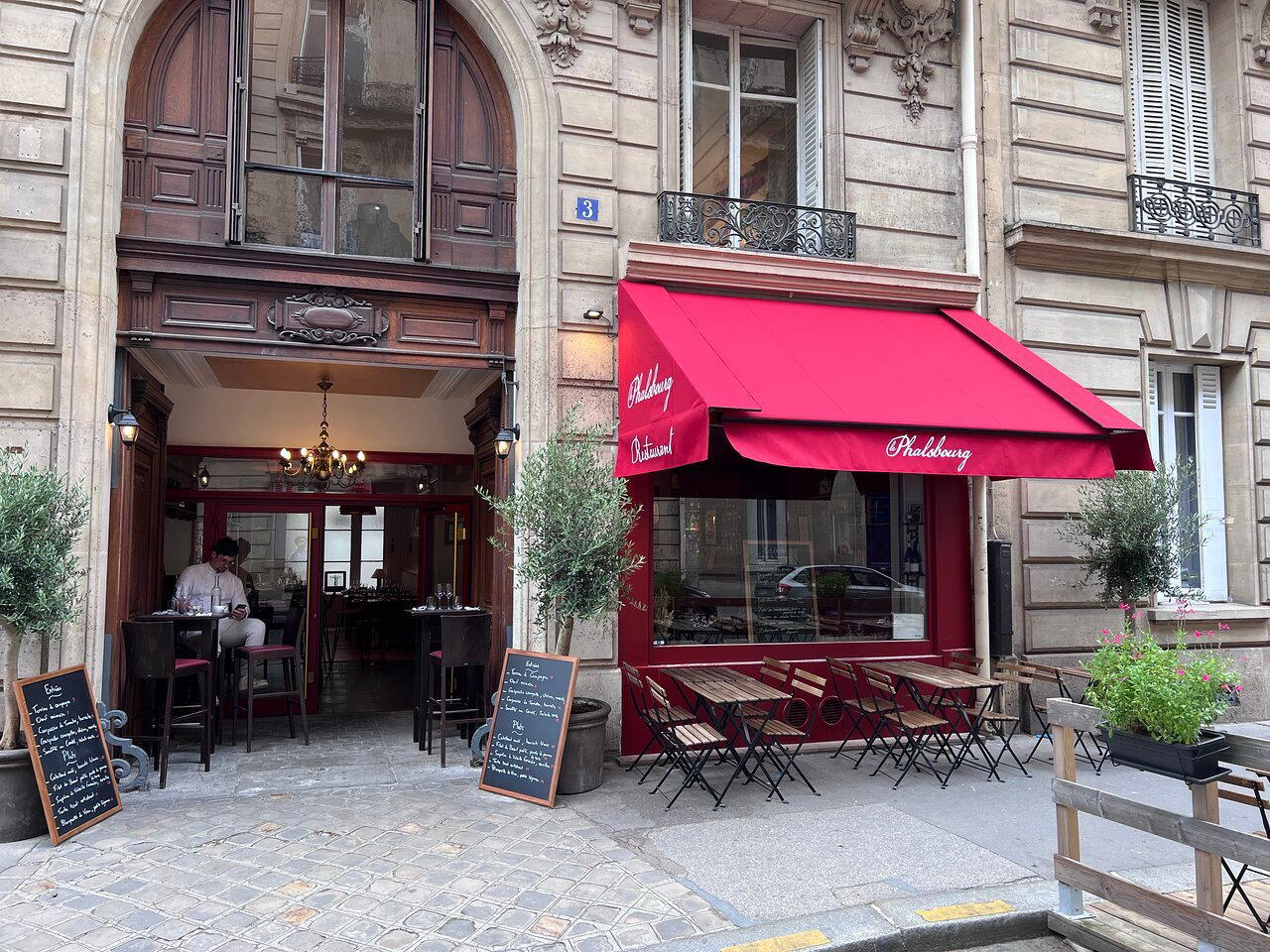
Paris's 17th arrondissement occupies an interesting position in the city's restaurant hierarchy. It sits north of the Champs-Élysées axis, west of Montmartre, and largely off the itinerary of visitors whose dining map is drawn by guidebook consensus. That detachment from the tourist circuit has historically allowed a quieter category of restaurant to develop here: places that earn regular clientele through consistency and ingredient quality rather than spectacle or address prestige. Le Phalsbourg, at 3 Rue de Phalsbourg, belongs to that bracket.
The street itself is residential in character, the kind of address where a restaurant earns loyalty from the neighbourhood before it earns recognition from the wider city. That dynamic shapes the expectation walking in: this is not a room performing for first-time visitors, and the experience is better for it.
What the White Star Recognition Actually Signals
Le Phalsbourg's inclusion on Star Wine List, where it holds White Star status as of April 2025, places it within a specific tier of Paris restaurants. Star Wine List recognition is awarded to venues with wine programs the platform's editorial team considers worth seeking out on their own terms, separate from food-only accolades. In a city where the wine list at any serious table tends to lean heavily on Burgundy and Bordeaux by default, a White Star signals that the cellar here has been curated with some deliberate thinking rather than assembled by committee.
It implies that the wine program rewards attention. In the 17th, where the restaurant scene skews toward neighbourhood bistro and classic brasserie formats rather than the formal gastronomy of the 8th or the Left Bank institutions, that distinction matters. If you are cross-referencing Paris wine destinations, the Star Wine List recognition puts Le Phalsbourg in a different conversation from the cellar-as-afterthought category.
For comparison, Paris's most formally recognised dining rooms, such as Alléno Paris au Pavillon Ledoyen, Arpège, Kei, L'Ambroisie, and Le Cinq at the Four Seasons George V, operate at the €€€€ tier with wine programs to match. Le Phalsbourg operates in a different register, where the wine list earns recognition without the surrounding apparatus of a grand dining room.
Ingredient Sourcing as the Organising Principle
Across Paris's mid-tier neighbourhood restaurants, the question of ingredient sourcing has become the sharpest dividing line between places worth returning to and places that coast on format familiarity. The French regional sourcing tradition is deep: institutions like Troisgros in Ouches, Bras in Laguiole, and Auberge de l'Ill in Illhaeusern have built identities around specific terroirs for decades. That philosophy has filtered into Paris's serious neighbourhood tables in a more compressed form: direct relationships with producers, seasonal menu shifts that track agricultural reality rather than marketing calendars, and a resistance to the year-round availability logic that flattens flavour.
The editorial angle most useful for understanding a restaurant like Le Phalsbourg is not the chef's biography or the dining room's square footage. It is whether the kitchen's relationship with its supply chain is legible on the plate. In the 17th, where rents and foot traffic patterns differ from the more theatrical arrondissements, that sourcing discipline tends to be the primary reason a room sustains a regular clientele over years rather than seasons.
France's broader culinary network provides the sourcing infrastructure: markets like Rungis, which supplies the majority of Paris's professional kitchens, alongside direct-from-producer relationships that bypass the wholesale tier entirely for specific items. Restaurants earning specialist recognition in Paris, whether in wine, cheese, or a specific regional tradition, typically operate with at least some component of that direct-sourcing logic. The Star Wine List White Star suggests that the cellar at Le Phalsbourg reflects a similar approach on the wine side.
The 17th in Relation to Paris's Dining Map
Understanding Le Phalsbourg requires understanding where the 17th sits in the city's dining ecosystem. The arrondissement covers a large geographic area, from the more working-class streets near Batignolles to the wealthier residential blocks closer to the Parc Monceau edge. The dining scene reflects that spread: there are long-standing bistros that have served the same neighbourhood for generations alongside newer addresses that attract a more destination-conscious crowd.
The Batignolles market, which runs on Boulevard des Batignolles on Saturday mornings, draws the kind of producer attendance that tends to correlate with serious kitchen sourcing in the surrounding streets. Proximity to that market is not a guarantee of quality, but it is a structural advantage for kitchens that want to buy direct and adjust their menus to what is actually available week to week.
For visitors building a Paris itinerary around food and wine, our full Paris restaurants guide maps the city's dining tiers across arrondissements. Complementary resources include our Paris hotels guide, our Paris bars guide, our Paris wineries guide, and our Paris experiences guide.
Beyond Paris, France's serious regional tables provide useful reference points for understanding the sourcing-led philosophy that filters into the city's neighbourhood restaurants. Mirazur in Menton and Flocons de Sel in Megève represent that tradition at its most elaborated. Paul Bocuse in Collonges-au-Mont-d'Or remains the canonical reference point for understanding how French regional identity became a national and then international culinary argument.
Internationally, restaurants like Le Bernardin in New York and Emeril's in New Orleans represent how French technique has been absorbed and recontextualised outside France, which makes returning to a neighbourhood address in Paris a useful recalibration.
Planning a Visit
Le Phalsbourg is at 3 Rue de Phalsbourg in the 17th arrondissement. The nearest Metro access is direct from the 17th's central stations. For a room earning wine recognition in a residential arrondissement, advance planning is sensible: neighbourhood restaurants with specialist recognition in Paris tend to fill their regular midweek slots with locals who book ahead rather than walk in.
Price range is unconfirmed, so budget planning should be confirmed before arrival.
Frequently asked questions
What should I eat at Le Phalsbourg?
What the Star Wine List White Star recognition does indicate is that the wine pairing dimension of a meal here is worth taking seriously. In Paris neighbourhood restaurants earning specialist wine recognition, the kitchen and cellar tend to work in dialogue, which means the default approach of ordering whatever is listed as seasonal and asking the room's recommendation on wine pairings is likely to produce the most coherent result. For broader context on where this restaurant sits in Paris's dining tiers, the EP Club Paris restaurants guide maps the full range from formal to neighbourhood.
How hard is it to get a table at Le Phalsbourg?
In Paris's 17th arrondissement, restaurants with specialist wine recognition and a loyal neighbourhood clientele typically fill their core weekend slots weeks ahead, while weekday lunches may offer more flexibility. The Star Wine List publication in April 2025 will have increased visibility for the address, so booking in advance is the sensible approach. Checking the venue's current reservation availability directly is the only reliable method given the absence of live booking data here.
What's the defining dish or idea at Le Phalsbourg?
Based on available data, the wine program is the most clearly signalled dimension of the offer, with the Star Wine List White Star representing the only current published recognition for this address. In sourcing-led neighbourhood restaurants, the defining idea tends to be legibility: a clear relationship between what is on the plate and where it came from, expressed through a menu that shifts with the market rather than stabilising around a fixed signature.
Is Le Phalsbourg allergy-friendly?
If allergy requirements are a factor in your planning, contact the restaurant directly before booking. In France, restaurants are legally required to provide allergen information on request, so a direct inquiry to the venue is both the correct and reliable route.
How It Stacks Up
Comparable venues nearby, for context on price, style, and recognition.
| Venue | Cuisine | Price | Awards | Notes |
|---|---|---|---|---|
| Le PhalsbourgThis venue (the venue you are viewing) | Traditional French Bistro | $50–100 | Star Wine List | Not listed |
| Ladurée | Classic French Patisserie & Tea Salon | $30–50 | We're Smart World 1 Radish | Madeleine |
| Le Coq et Fils | French Poultry Rôtisserie | $50–100 | Not listed | Montmartre |
| Ô Château | French Wine Bar & Bistro | $50–100 | Star Wine List · Wine Spectator Best of Award of Excellence | 1st Arrondissement (Les Halles) |
| Vivant 2 | Modern French Fusion with Plant-Forward Focus | $50–100 | Not listed | 10th arrondissement (Entrepôt) |
| Mayo Restaurant | French Bistro | $30–50 | Not listed | Ternes |
Recognition history
Dated appearances from independent guides and award organizations, with the underlying list record or original source where available.
Star Wine List
Star Wine List
Continue exploring
More in Paris
Restaurants in Paris
All restaurants in Paris →

Bars in Paris
All bars in Paris →



Le Phalsbourg
The wine
- Wine program
- Deep wine list
- Extensive wine list
- Sommelier-led
Details
- Cozy
- Classic
- Elegant
- Intimate
- Business Dinner
- Casual Hangout
- Date Night
- Family
- Group Dining
- Terrace
- Private Dining
- Standalone
- Extensive Wine List
- Sommelier Led
- Local Sourcing
- Garden
- A La Carte
- Set Menu
- Wine
Current opening hours
- Monday
- 12–2 PM, 7–10 PM
- Tuesday
- 12–2 PM, 7–10 PM
- Wednesday
- 12–2 PM, 7–10 PM
- Thursday
- 12–2 PM, 7–10 PM
- Friday
- 12–2 PM, 7–10 PM
- Saturday
- Closed
- Sunday
- Closed
Hours can change for holidays and private events. Hours as of .
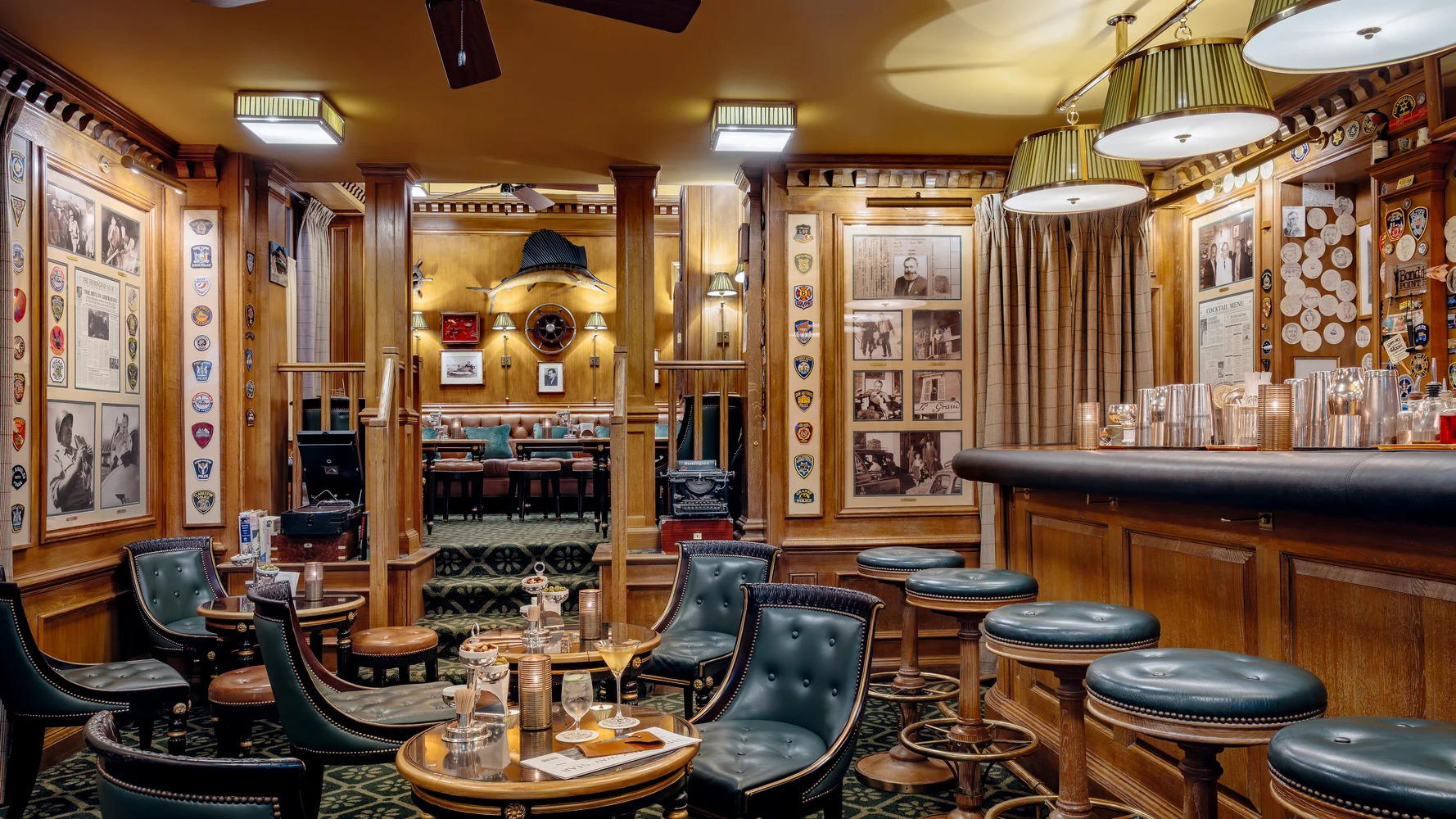
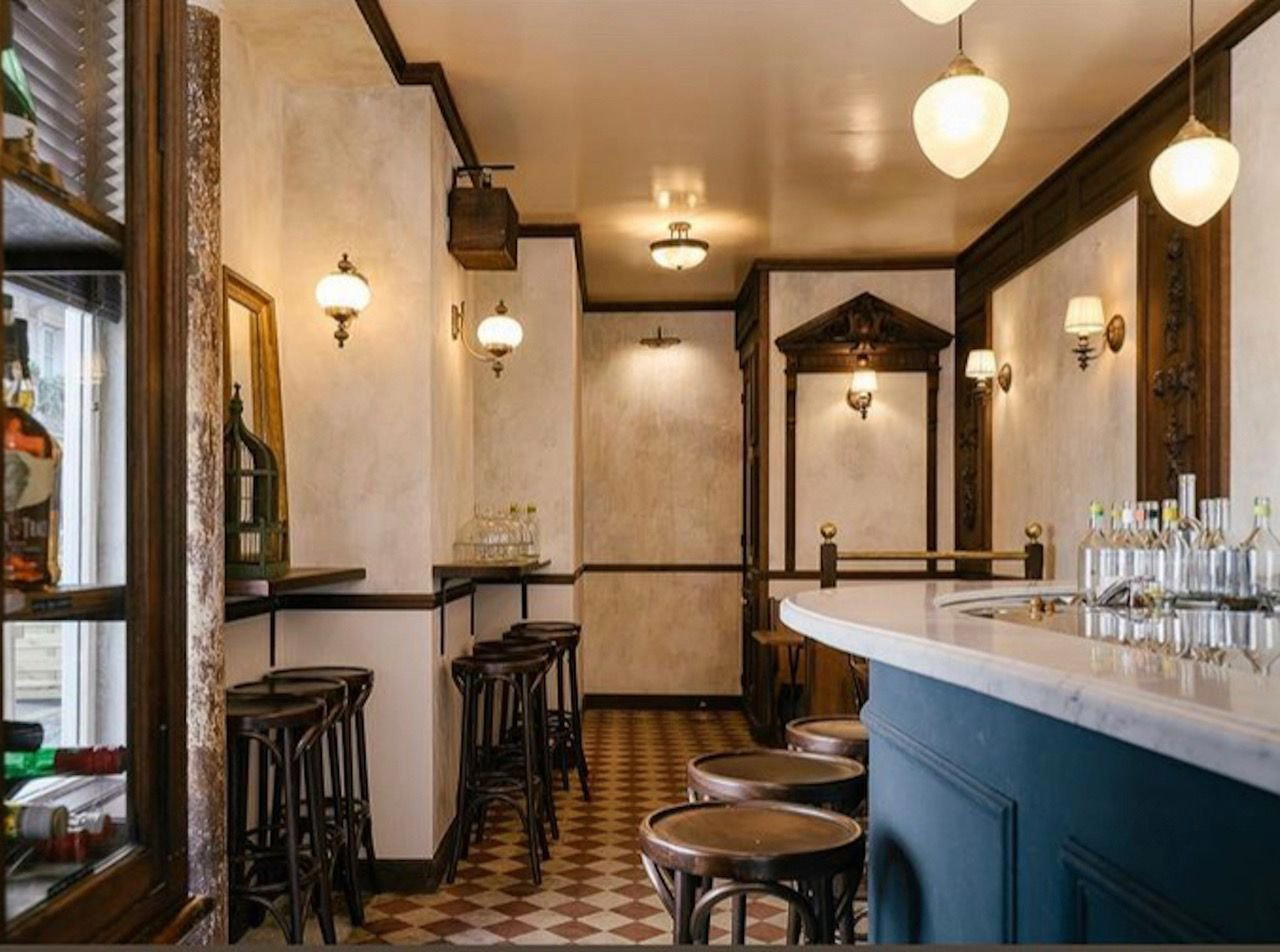
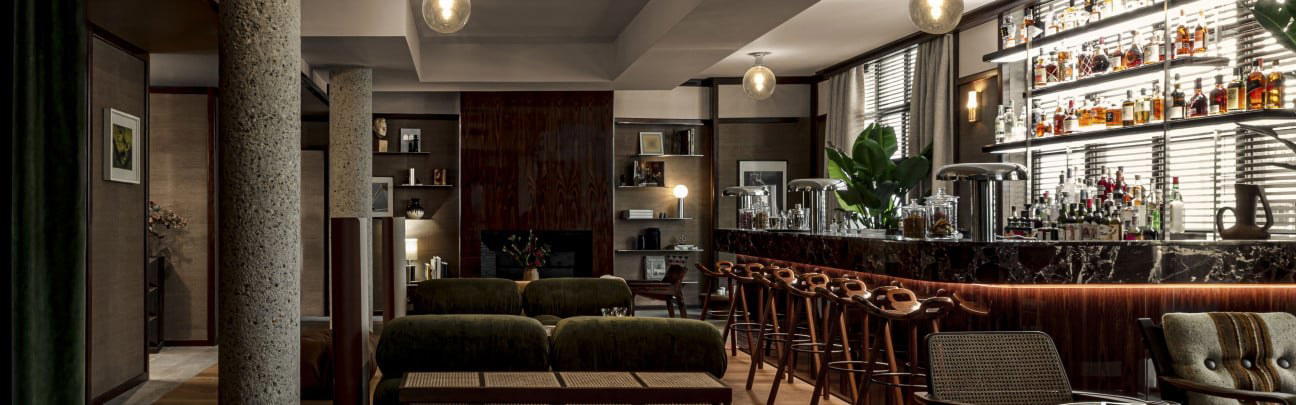
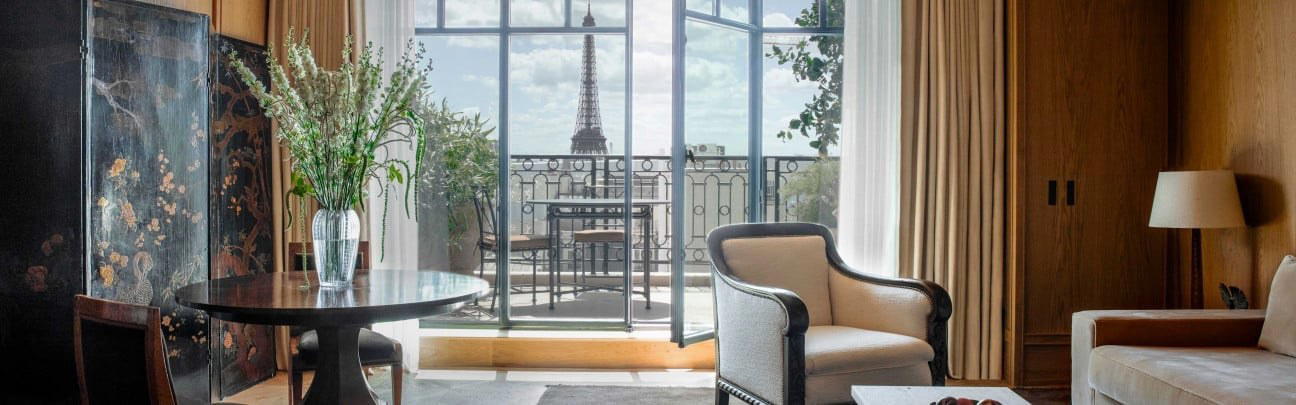
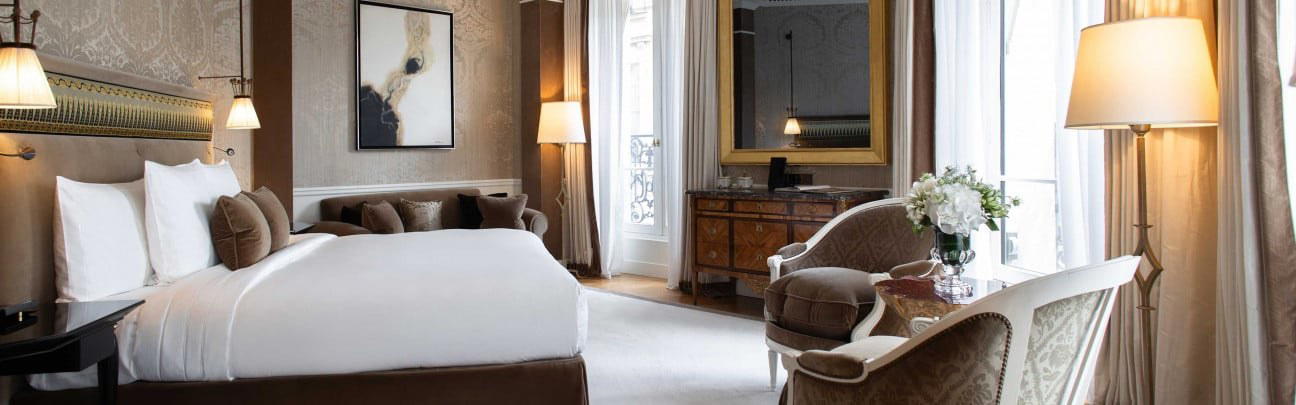
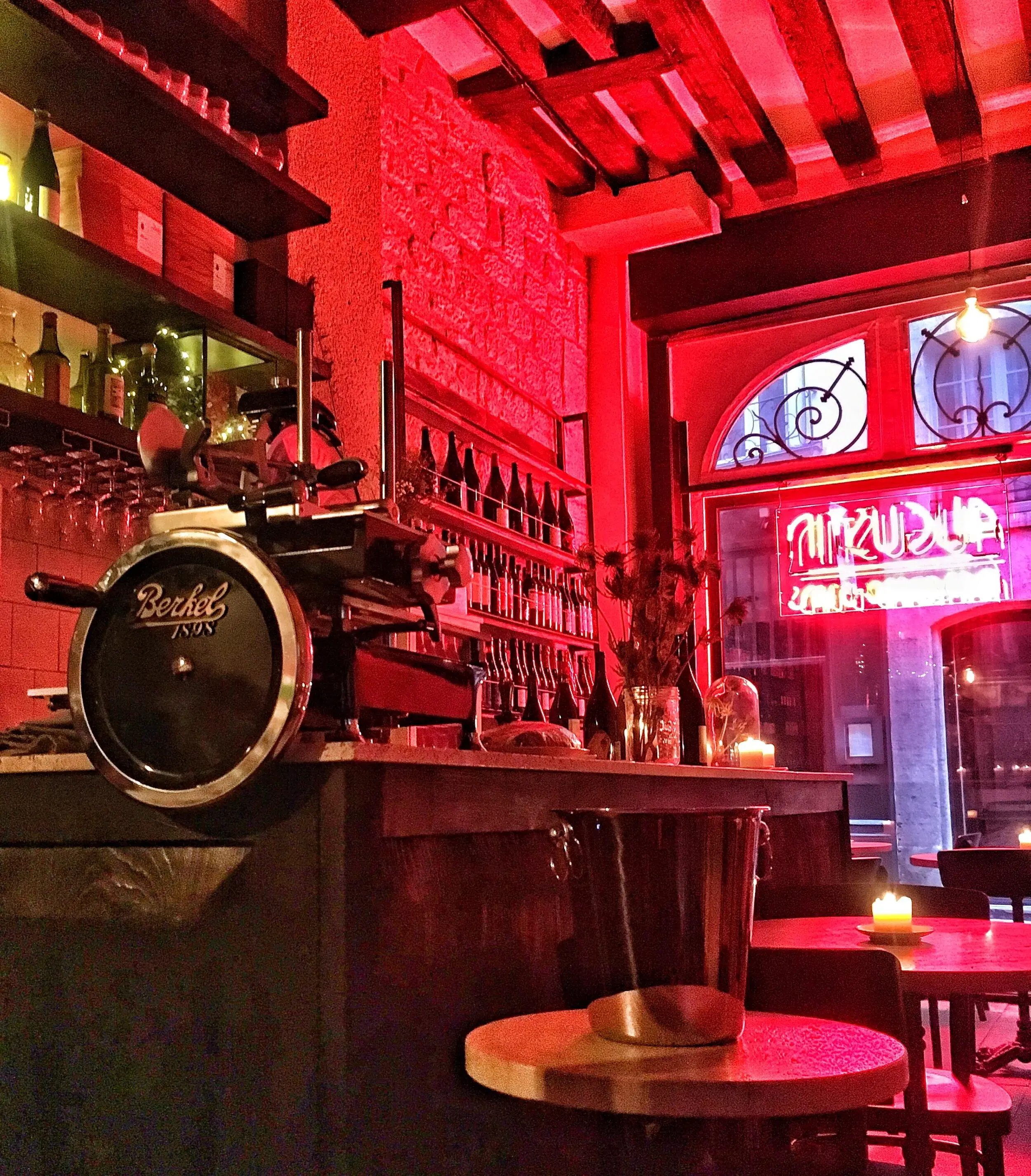
Warm and convivial with red banquettes, custom wooden bar, shelves lined with vintage cookbooks and culinary objects, intimate lighting that evokes a classic Parisian neighborhood bistro.