

On the Rue du Cherche-Midi in the 6th arrondissement, Le Petit Verdot has carved out a reputation as one of Paris's more considered wine-and-food addresses, operating a short walk from the Jardin du Luxembourg. The restaurant's motto, that love and good wine are sufficient for happiness, frames a French dining experience built around the bottle as much as the plate.
Pearl is the En Primeur Club membership app — saves, bookings, and concierge access live there. Same editors, same standards.
- Address
- 75 Rue du Cherche-Midi, 75006 Paris, France
- Phone
- +33 1 89 33 81 18
- Website
- le-petit-verdot.com
- Directions
- Get directions
 Saves & bookings on Pearl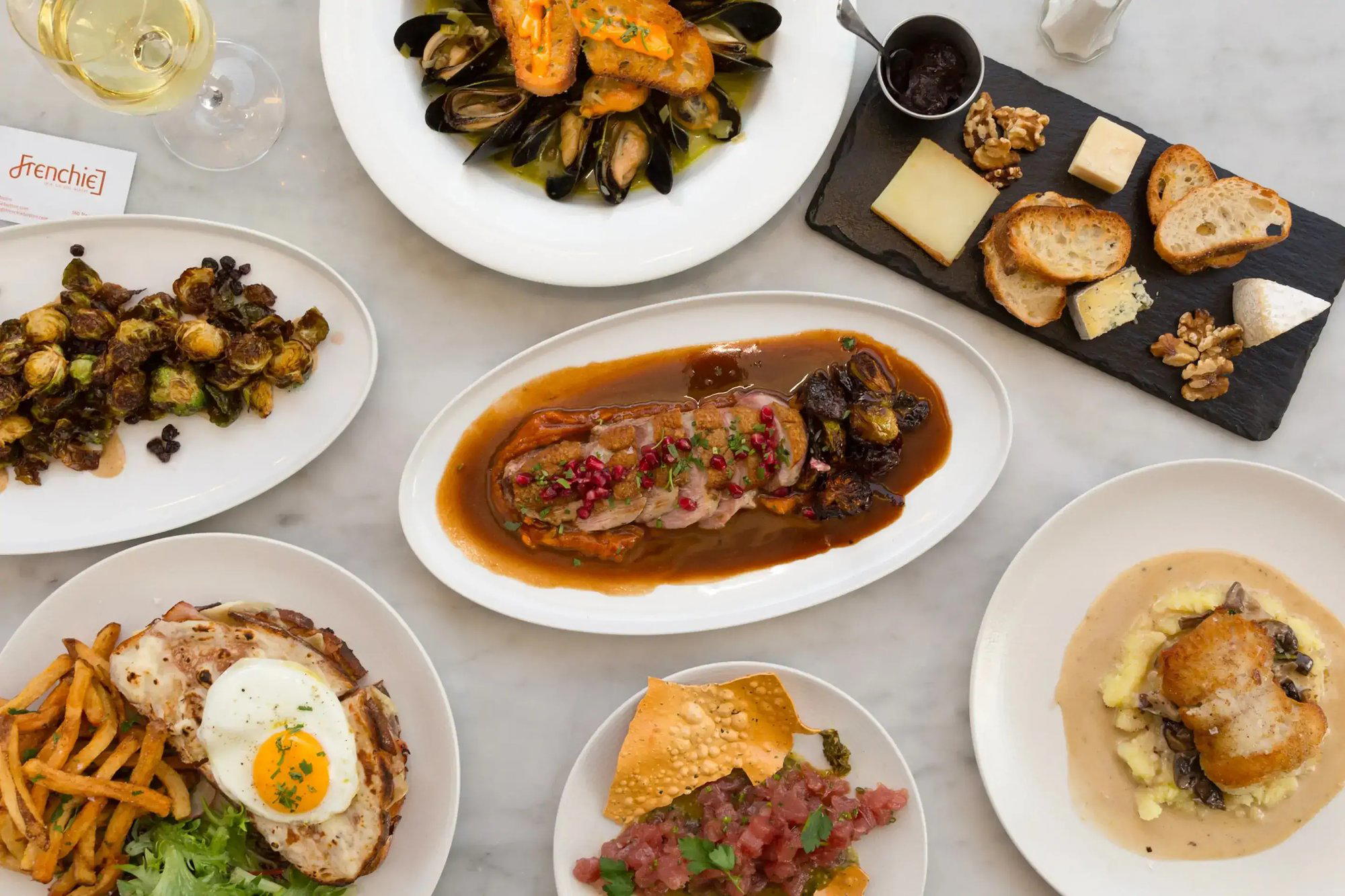
A Street That Takes Its Food Seriously
The Rue du Cherche-Midi runs through one of Paris's most food-conscious corridors. Boulangeries with morning queues, cheese shops with aging caves, and tables spilling onto pavements in summer define the block-by-block rhythm of the 6th arrondissement. Within this context, wine-focused bistros occupy a specific niche: they are rarely the loudest room on the street, but they tend to be one repeated visit on any given Parisian's short list. Le Petit Verdot, at number 75, sits inside that tradition. The room itself signals the register immediately: this is a neighbourhood address built for the kind of dinner that runs longer than intended because someone ordered a second bottle.
The Evolution of a Wine-Centred Table
Paris's bistro wine culture has shifted considerably over the past two decades. The city that once treated the carafe as the default now operates across a wider spectrum: natural wine caves competing with classical cellars, sommeliers who run tasting programmes alongside chefs, and a growing segment of restaurants where the wine list is the actual editorial statement. Le Petit Verdot has moved through this period representing one of the more durable formats: the French table where the food is serious but the wine is the organising principle. The motto the restaurant has adopted, a line about love and good wine being sufficient for happiness, is not an accident. It positions the experience explicitly: the bottle is not accompaniment here, it is argument.
That framing matters in a city where the upper-tier competition is considerable. The three-Michelin-star addresses nearby, from Arpège to L'Ambroisie, operate at a different price point and formality. Alléno Paris au Pavillon Ledoyen and Le Cinq at the Four Seasons George V represent the grand-hotel end of the spectrum. Kei offers a contemporary French-Japanese hybrid. Le Petit Verdot has not competed in that register. Its evolution has followed the other direction: deeper into the neighbourhood, closer to the traditions of the French table where a well-chosen wine and a competently cooked French plate constitute a complete evening.
French Cooking as Context for the Cellar
Wine-led restaurants in Paris have always presented a particular challenge for kitchen identity. When the bottle commands primary attention, the food risks becoming secondary. The stronger version of this format, and the one that has proven more durable in the 6th, keeps the cooking honest and seasonally calibrated without attempting to compete with the cellar for attention. French regional cuisine, with its emphasis on product quality and classical technique rather than elaborate construction, suits this format well. It does not demand the spotlight, but it rewards the same attention a diner brings to the wine. The address and its stated identity as a specialist in French cooking place it within that tradition.
For comparison, the restaurants in France's broader landscape that have built particularly durable reputations combine kitchen seriousness with a sense of place and product. Mirazur in Menton, Flocons de Sel in Megève, and Bras in Laguiole represent the regional end of that argument at the highest level. Closer to the classical tradition, Auberge de l'Ill in Illhaeusern and Troisgros in Ouches show what French cooking with decades of accumulated identity looks like. Paul Bocuse's Auberge du Pont de Collonges remains the reference point for what institutional French cooking at its most codified looks like. The restaurant operates several tiers below that level of formal ambition, and that is precisely the point: its value is a different category of experience entirely.
The 6th Arrondissement as Dining Neighbourhood
The area around the Jardin du Luxembourg rewards dinner on foot. The 6th arrondissement is dense with options across multiple price brackets, and the walk from the park to the Rue du Cherche-Midi passes the kind of retail food culture, bakeries, cave à manger operations, fromageries, that contextualises what a serious neighbourhood French table means in practice. For visitors building a Paris dining itinerary, the 6th sits at the intersection of tourist accessibility and genuine local patronage. The street addresses here attract both, and restaurants that survive longer than a few seasons in this part of the city tend to do so because the neighbourhood comes back, not because the guidebooks send people once.
For those building out a broader Paris programme, the EP Club guides to Paris restaurants, Paris hotels, Paris bars, Paris wineries, and Paris experiences provide structured coverage of the city's current offering. For readers planning trips around French restaurant culture more broadly, the cross-country addresses listed above, from Mirazur to Flocons de Sel, place the restaurant in the wider national context. For transatlantic comparisons, Le Bernardin in New York and Emeril's in New Orleans illustrate how French technique has travelled and transformed in American settings.
Planning Your Visit
The restaurant is located at 75 Rue du Cherche-Midi in the 6th arrondissement, within comfortable walking distance of the Jardin du Luxembourg. The address falls between two Metro lines, Vaneau (line 10) and Rennes (line 12), making it direct to reach from most of central Paris. Given its position in an active dining neighbourhood and its identity as a wine-focused address rather than a large-capacity room, booking ahead is advisable, particularly for weekend evenings when the 6th's restaurant density means competition for covers across the area is at its highest. The restaurant is open Monday to Friday from 12:30 to 2 PM and 7:30 to 9:30 PM, and is closed Saturday and Sunday. Reservations are essential, and the meal is priced at about $65 per person.
- foie gras
- pork trotters cromesquis
- beef cheek
- wild duck in Madeira sauce
- veal sweetbreads
- artichoke confit
Peers You’d Cross-Shop
Comparable venues nearby, for context on price, style, and recognition.
| Venue | Cuisine | Price | Notes |
|---|---|---|---|
| Le Petit VerdotThis venue — the venue you are viewing | Traditional French Bistro with Japanese Influence | $$$ | Not listed |
| La Robe et le Palais | Bistronomic French Bistro | $$$ | Châtelet |
| Ladurée | Classic French Patisserie & Tea Salon | $$$ | Madeleine |
| Bofinger | Classic Alsatian Brasserie | $$$ | Bastille |
| Rue du Bac | Classic French Bistro & Haute-Bistronomie | $$$ | Saint-Germain-des-Prés, 7th Arrondissement |
| Vin et Maree | French Seafood Brasserie | $$$ | Louvre/Palais-Royal |
Recognition history
Dated appearances from independent guides and award organizations, with the underlying list record or original source where available.
Opinionated About Dining Casual in Europe Recommended
Opinionated About Dining
Star Wine List
Star Wine List
Continue exploring
More in Paris
Restaurants in Paris
Browse all →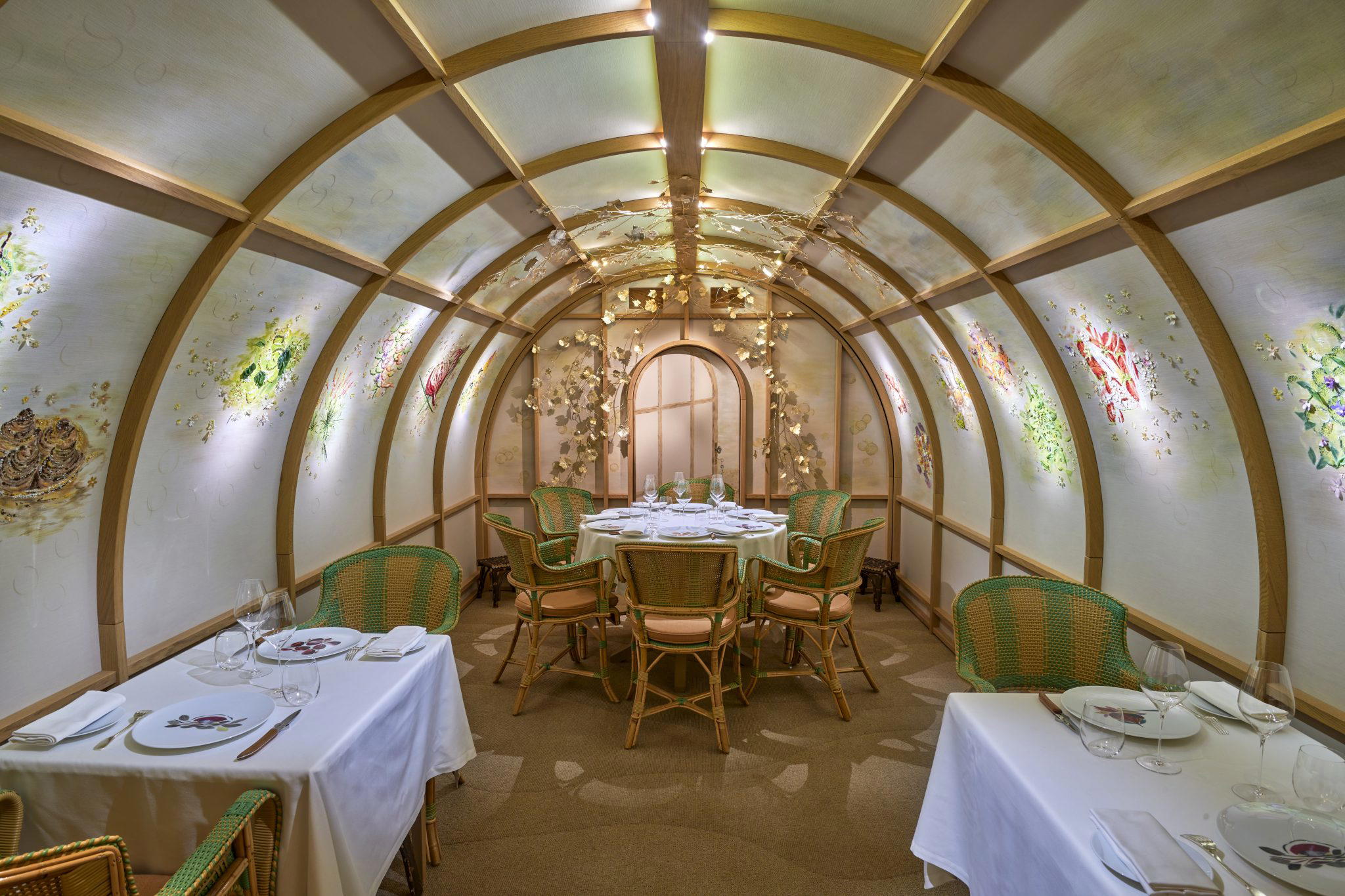
Bars in Paris
Browse all →
Hotels in Paris
Browse all →



At a Glance
- Intimate
- Cozy
- Elegant
- Classic
- Date Night
- Business Dinner
- Special Occasion
- Standalone
- Extensive Wine List
- Sommelier Led
- Local Sourcing
Current opening hours
- Monday
- 12:30–2 PM, 7:30–9:30 PM
- Tuesday
- 12:30–2 PM, 7:30–9:30 PM
- Wednesday
- 12:30–2 PM, 7:30–9:30 PM
- Thursday
- 12:30–2 PM, 7:30–9:30 PM
- Friday
- 12:30–2 PM, 7:30–9:30 PM
- Saturday
- Closed
- Sunday
- Closed
Hours can change for holidays and private events. Last verified .
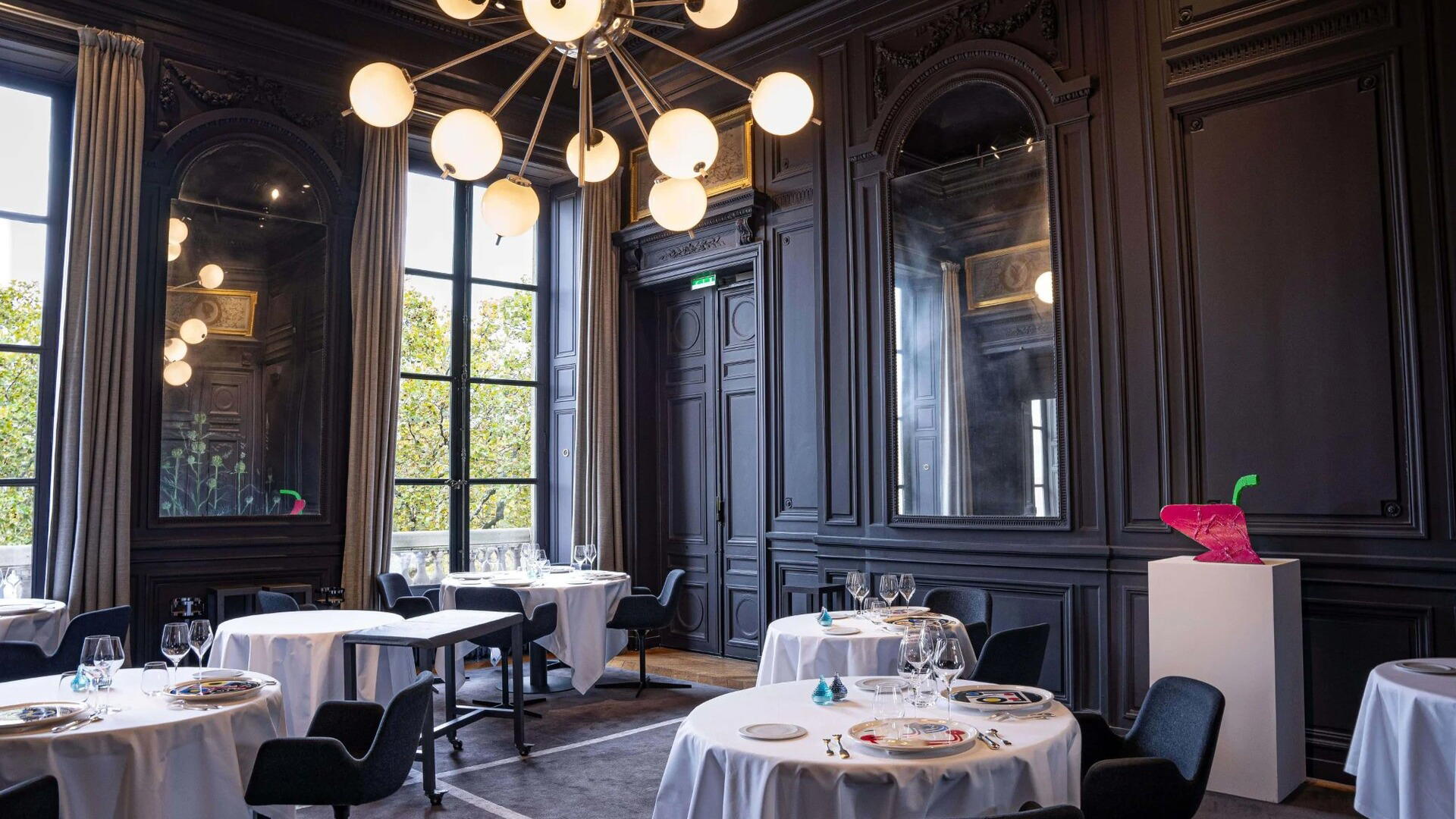
Intimate, unassuming storefront with simple décor that emphasizes the meal; cozy, warm atmosphere with attentive service; described as a low-profile address that feels like a classic Parisian bistro.