Our verdict
On Rue Colbert, one of Tours' most characterful streets, Le Petit Patrimoine trades in the kind of French regional cooking that the Loire Valley has long made its own. The room is small, the cooking is rooted in local tradition, and the address has built a quiet but durable reputation among those who know where to eat in the city. Book ahead, this is not a walk-in proposition.

Pearl is the En Primeur Club membership app, where members save venues, book tables and use the concierge.

The menu
What to order
- Tourte Tourangelle
- Beuchelle Tourangelle
Rue Colbert and the Case for Regional Honesty
Rue Colbert is one of those streets that earns its reputation without trying particularly hard. Running through the old quarter of Tours, it concentrates a stretch of restaurants, wine bars, and small shops that reflect what the Loire Valley actually tastes like, rather than what a tourist brochure might suggest it does. The timber-framed buildings, the narrow footpath, the rhythm of locals stopping to check a menu board: arriving at Le Petit Patrimoine at 58 Rue Colbert, you are already inside one of provincial France's more convincing dining environments before you have sat down.
French regional cooking has divided sharply over the past two decades. On one side, modernist kitchens have reframed classic technique through contemporary plating and sourcing narratives. On the other, a quieter cohort of smaller restaurants has held to the premise that terroir-driven cuisine does not need reinvention, only precision and honest produce. Le Petit Patrimoine belongs to that second group, a positioning that, in a city like Tours, is not nostalgic but practical. The Loire produces Chenin Blanc, Vouvray, and Chinon of genuine quality, and the surrounding farmland supplies vegetables, freshwater fish, and charcuterie that have underwritten the region's cooking for centuries. A kitchen that works with those materials well earns its reputation on delivery, not concept.
The Address in Context
Tours sits within one of France's most significant wine regions, with appellations from Muscadet in the west to Sancerre in the east, and the city's better restaurants have long understood that their wine lists are part of the offer, not an afterthought. Compared to Tours addresses such as Case. (Modern Cuisine) or Casse-Cailloux (Modern Cuisine), which operate in more contemporary idioms, Le Petit Patrimoine occupies a more classically framed position, closer in spirit to the bistrot tradition than to the modernist tasting-menu format. That distinction matters for planning: the expectation here is a recognisably French meal, grounded in the Loire larder, rather than a chef-driven progression of small plates.
The comparison set in Tours also includes Au Martin Bleu, Bistrot des Belles Caves, and Bistrot des Halles, each staking a different claim on the city's mid-market dining register. Le Petit Patrimoine's location on Rue Colbert places it in the densest concentration of that competition, which tends to focus minds on quality and consistency rather than novelty. Streets like this one self-regulate: a kitchen that falls below the neighbourhood standard loses its audience quickly, because the alternatives are within a five-minute walk.
Planning Your Visit: What the Booking Experience Actually Looks Like
This is where the editorial angle matters most for readers coming to Le Petit Patrimoine from outside the city. Small, well-regarded restaurants on Rue Colbert operate differently from the kind of destination dining found at Mirazur in Menton or Troisgros - Le Bois sans Feuilles in Ouches, there is no months-long waitlist or allocation system, but that does not mean the booking process is casual. In French provincial towns of Tours' scale, restaurants at this level of local recognition typically run at high occupancy on weekends and during the summer season, when Loire château visitors swell the city's dining population considerably.
Approaching a visit practically: arriving in Tours on a Friday or Saturday evening without a reservation at Le Petit Patrimoine is a risk not worth taking. The room is small by design, and the clientele skews heavily toward regulars and informed visitors who have planned ahead.
For travellers combining a Loire Valley châteaux itinerary with serious eating, the regional context is worth noting. Tours serves as the practical base for a significant radius of gastronomic destinations, but within the city itself, the restaurant scene does not run at the pace of a major French metropolis. Kitchens close on certain days, and the rhythm is slower than Paris. Building a half-day around lunch on Rue Colbert, browsing the street before and after, is the format the address rewards. Those looking for the scale of ambition behind restaurants like Alléno Paris au Pavillon Ledoyen or Flocons de Sel in Megève will not find it here, nor should they expect to. Le Petit Patrimoine operates in a different register entirely, and the register is the point.
What Loire Regional Cooking Means in Practice
The Loire Valley's culinary identity rests on a shorter list of signatures than regions like Burgundy or Alsace, but those signatures carry weight. Rillettes de Tours is the most documented: the pork preparation differs from the Mans version in fat ratio and texture, coarser and more assertive, and any serious kitchen in the city will have a position on it. Pike-perch from the Loire itself, cooked with beurre blanc, is the region's most recognisable fish dish, a preparation that requires a properly made butter sauce, which is a more demanding benchmark than it sounds. Goat's cheese from the Touraine, served at various stages of affinage, completes a regional canon that is short enough to execute with consistency and long enough to sustain a menu.
This is the culinary tradition Le Petit Patrimoine works within. How it executes against that tradition is something the kitchen's local reputation speaks to, the kind of sustained presence on a competitive street that only holds if the cooking earns it, season after season. For wider reference on what French regional cooking looks like at its most decorated outside the Loire, Auberge de l'Ill in Illhaeusern, Bras in Laguiole, and Paul Bocuse - L'Auberge du Pont de Collonges each define a different mode of French terroir at the highest level of recognition. Le Petit Patrimoine does not compete in that tier, but it speaks the same language.
For broader context on what Tours offers across price points and cooking styles, from Japanese at Bistrot des Halles to destination dining in the surrounding region, see our full Tours restaurants guide.
Frequently asked questions
Where is Le Petit Patrimoine located?
Le Petit Patrimoine is located at 58 Rue Colbert, 37000 Tours, France, Tours.
Is Le Petit Patrimoine a good base for exploring Loire Valley wine country from Tours?
Tours places Le Petit Patrimoine within reach of appellations spanning Vouvray, Chinon, Bourgueil, and Saumur, all within 30 to 60 kilometres of Rue Colbert. The restaurant's commitment to regional cooking makes it a logical first or last meal for a Loire wine itinerary, where the food and the glass tend to reference the same terroir. For visitors building a programme around the valley's producers, Tours is a practical hub and the restaurant fits that context directly.
What's the best thing to order at Le Petit Patrimoine?
The menu at Le Petit Patrimoine follows the Loire Valley's established signatures: rillettes, river fish, and locally sourced produce tied to the appellations that run from Muscadet to Sancerre. Dishes rotate with the season, so asking the room what's arrived that week is a more reliable strategy than arriving with a fixed order in mind. The kitchen's strength is in restraint, regional cooking done without embellishment.
How far ahead should I plan for Le Petit Patrimoine?
Small, well-regarded restaurants on Rue Colbert tend to fill quickly, particularly at weekend dinner sittings when the street draws visitors alongside local regulars. For Friday or Saturday evenings, booking at least a week in advance is a sensible baseline; for peak summer months when Tours sees heavier tourist traffic, two weeks is more realistic. Lunch sittings on weekdays tend to have more flexibility.
What has Le Petit Patrimoine built its reputation on?
Le Petit Patrimoine sits on Rue Colbert, one of the more concentrated stretches of independent restaurants in Tours, and its standing comes from consistency with the region's culinary identity rather than novelty. Loire Valley cooking has a shorter canon than Burgundy or Alsace, and the restaurant applies that canon without drift toward trends. That kind of discipline earns repeat custom from both locals and visitors who know the region well.
Do they accommodate allergies at Le Petit Patrimoine?
Allergy accommodation at a small regional restaurant in Tours is best confirmed directly at the point of booking rather than assumed. The kitchen works within a defined regional framework, which means the ingredient list is relatively consistent, but specific dietary requirements should be communicated in advance.
How It Stacks Up
Comparable venues nearby, for context on price, style, and recognition.
| Venue | Cuisine | Price | Notes |
|---|---|---|---|
| Le Petit PatrimoineThis venue (the venue you are viewing) | Traditional French Regional Bistro | $20–30 | Not listed |
| Le Chien Fou | Traditional French Bistro | $30–50 | Vieux Tours |
| Au Martin Bleu | Traditional Touraine French Bistro | $30–50 | Tours Centre |
| Le Jaja | Homemade French Bistro | $20–30 | Les Halles |
| Restaurant Le Turon | Traditional French Bistro | $30–50 | Historic Center |
| Moom Thaï | Traditional Thai | $20–30 | Near Gare de Tours (train station) |
Continue exploring
More in Tours
Restaurants in Tours
All restaurants in Tours →

Bars in Tours
Browse all →

Details
- Cozy
- Classic
- Rustic
- Intimate
- Date Night
- Special Occasion
- Historic Building
- Extensive Wine List
- Local Sourcing
- A La Carte
- Local Wines
- Vegetarian Friendly
Current opening hours
- Monday
- Closed
- Tuesday
- 12–2 PM, 7–10 PM
- Wednesday
- 12–2 PM, 7–10 PM
- Thursday
- 12–2 PM, 7–10 PM
- Friday
- 12–2 PM, 7–10 PM
- Saturday
- 12–2 PM, 7–10 PM
- Sunday
- Closed
Hours can change for holidays and private events. Hours as of .
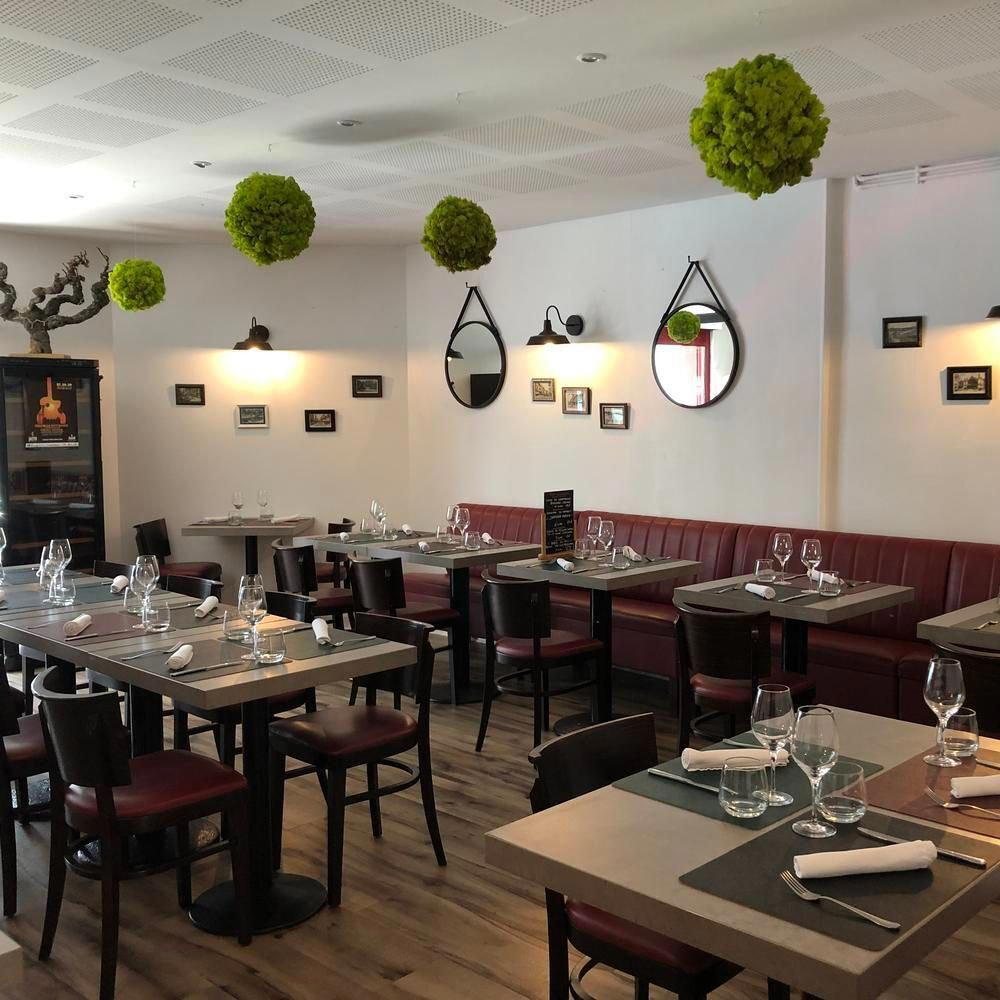
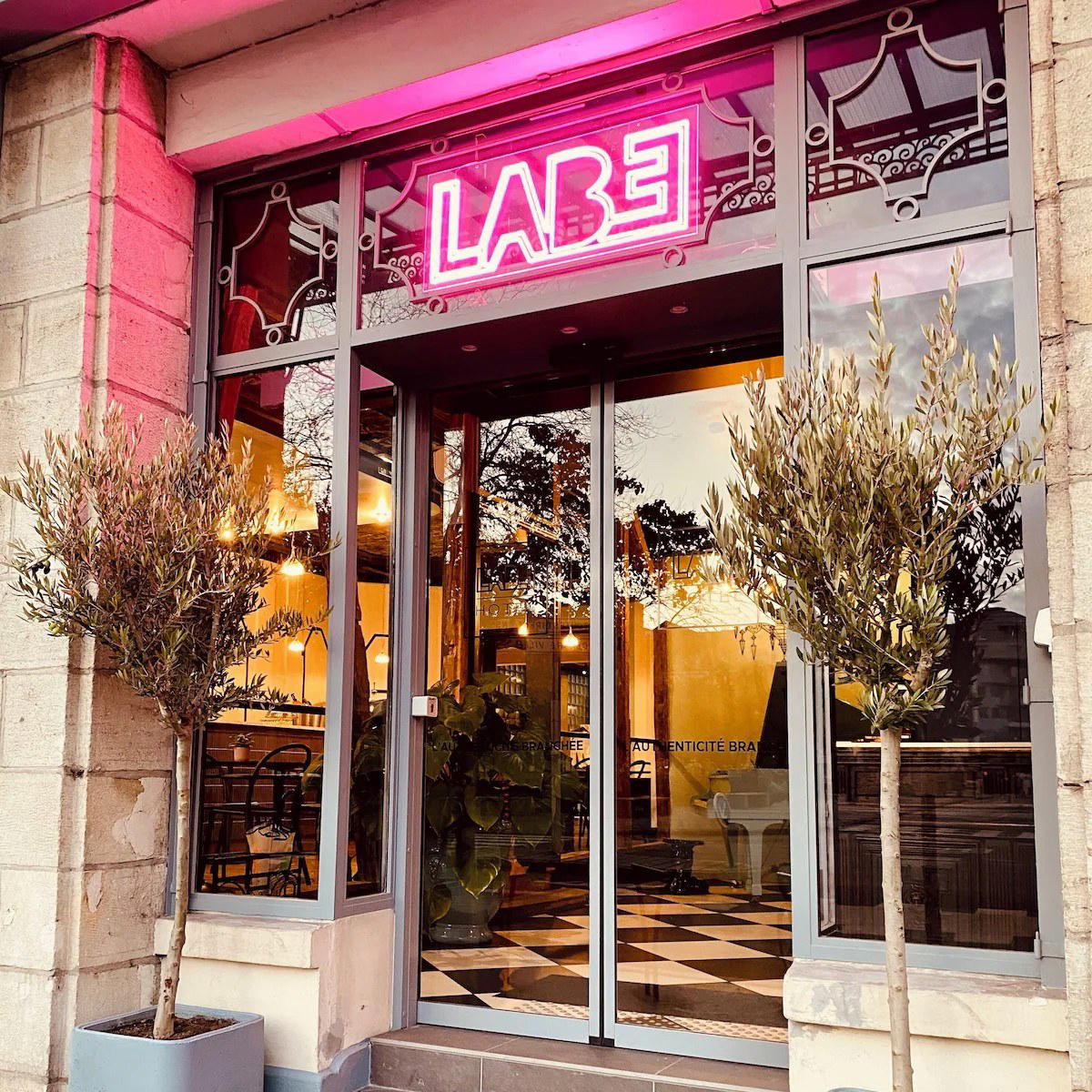
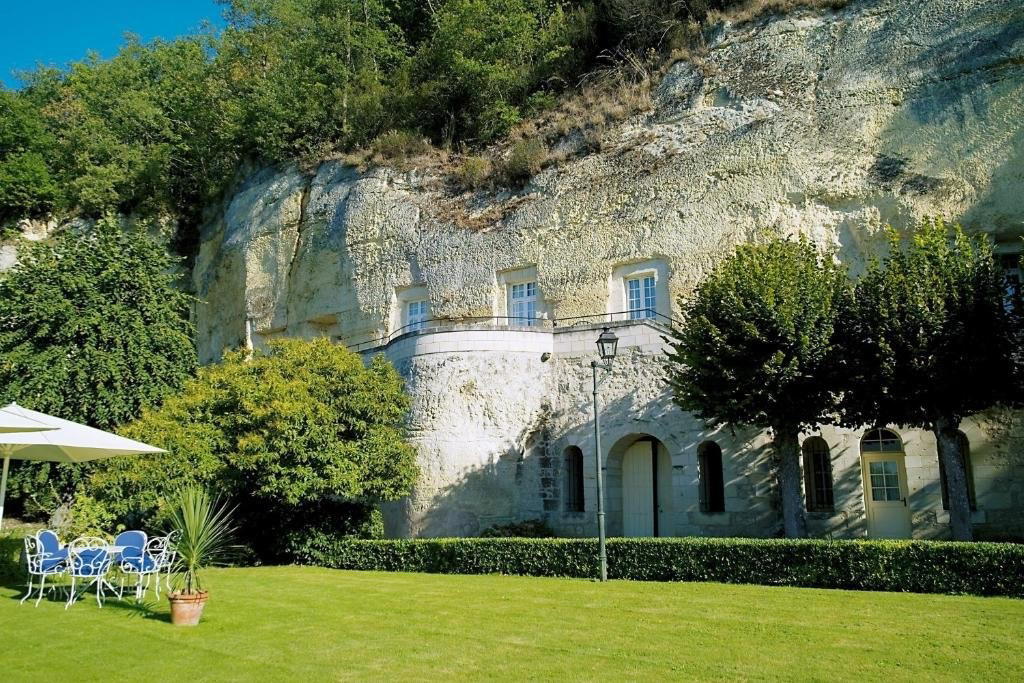
Warm and cozy atmosphere with tufa stone walls, exposed beams, and a traditional French bistro feel.