On Rue Masséna in Lyon's 6th arrondissement, Le Pain de Sucre operates in a city that has long set the standard for French gastronomy. Positioned among a generation of Lyon addresses that take sourcing and environmental accountability seriously, it represents a direction the city's dining scene has been moving toward for over a decade. For context on where it sits relative to peers, our full Lyon guide provides the wider picture.
 Discover on Pearl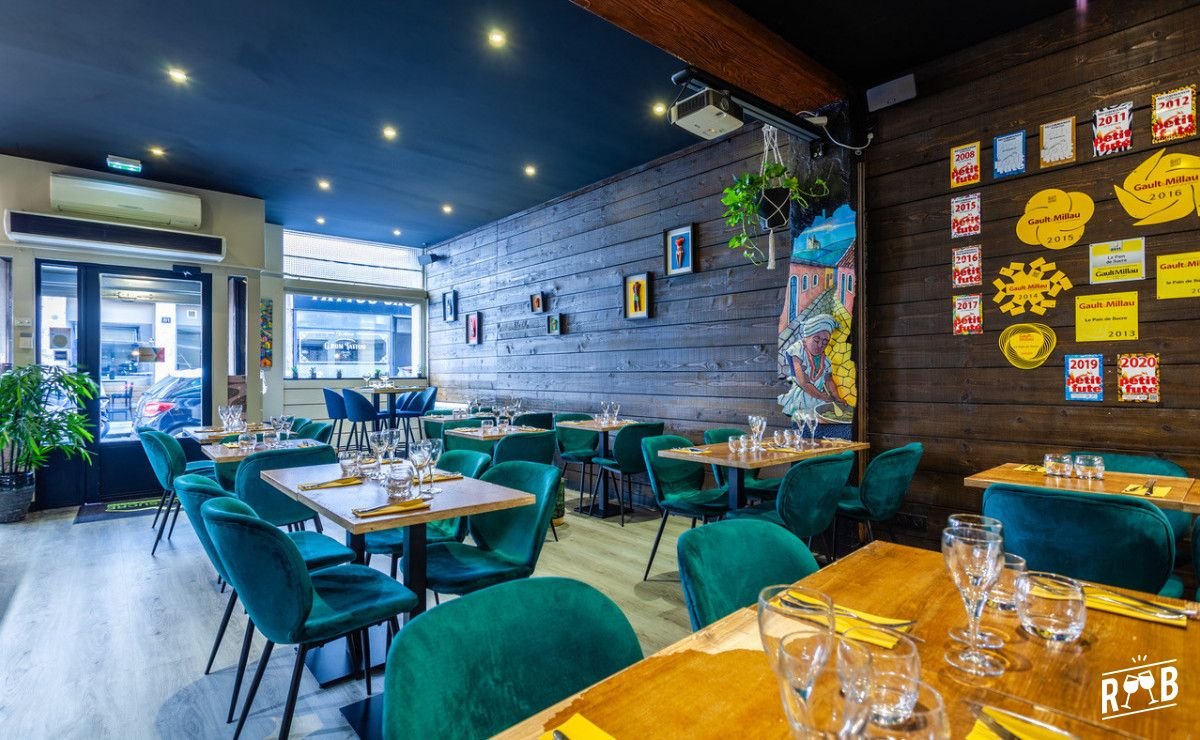
Rue Masséna and the Quiet Shift in Lyon Dining
The 6th arrondissement of Lyon has a particular culinary character: residential enough to feel grounded, well-connected enough to attract serious restaurants. Rue Masséna sits in that register, a street where the clientele tends to be local rather than tourist-adjacent, and where longevity matters more than buzz. Le Pain de Sucre occupies number 82 on that street, and the address alone places it inside a conversation about what Lyon's mid-to-upper dining tier looks like when it turns away from spectacle and toward accountability.
Lyon's restaurant identity was forged in the traditions of the mères lyonnaises and institutionalised by the kind of formal classical cooking that venues like Paul Bocuse - L'Auberge du Pont de Collonges and La Mere Brazier represent. The generation that followed has been working out what to do with that inheritance. Some, like Le Neuvième Art and Takao Takano, have pushed toward contemporary creative formats. Others have turned toward the question of where food comes from, and what the kitchen's relationship to land and producer should look like. Le Pain de Sucre belongs to that second orientation.
The shortlist, unlocked.
Hard-to-book tables, cellar releases, and concierge-planned trips.
Get Exclusive Access →Sourcing as Structure, Not Decoration
Across France's most discussed kitchens, the sustainability conversation has evolved from a marketing footnote into a structural kitchen decision. At Mirazur in Menton, the garden-to-plate model is so central that it shapes the menu calendar entirely. At Bras in Laguiole, the connection between highland terroir and plate has been the foundational argument for decades. What these addresses share is a refusal to treat provenance as an add-on: the sourcing logic determines what gets cooked, not the other way around.
Le Pain de Sucre operates within this broader shift at the scale of a neighbourhood restaurant rather than a destination institution. That distinction matters. The environmental accountability argument is easier to make at a remote auberge with its own land; it requires more deliberate supply-chain work when you are running a city address on a commercial street. The restaurants in Lyon that have made this work tend to operate on close-producer relationships, seasonal purchasing that responds to what is actually available rather than what a menu was printed to promise, and a willingness to remove a dish when the sourcing cannot be honoured. These are kitchen disciplines, not marketing positions.
Across the broader French fine dining tier, this approach is gaining ground. Flocons de Sel in Megève has built its mountain kitchen around hyper-local Alpine sourcing. Troisgros in Ouches has made its garden and producer network central to how the tasting menu is communicated. The pattern at the leading of the French restaurant system is clear: provenance is now a primary credential, not a secondary one.
Where Le Pain de Sucre Sits in the Lyon Tier
Lyon's restaurant market has distinct pricing and positioning tiers. At the upper end, venues like Le Neuvième Art and Au 14 Février operate at €€€€ price points with full tasting menu formats and significant Michelin recognition. A step below, addresses like Burgundy by Matthieu occupy the €€€ tier, where the cooking is serious but the format is less ceremonial. Le Pain de Sucre's price range is not confirmed in available data, which means it should be verified directly before visiting, particularly if budget is a factor in the decision.
What is clear from its address and positioning is that it operates in the part of Lyon's dining scene that is neither tourist-circuit nor casual neighbourhood canteen. The 6th arrondissement context, the Rue Masséna address, and the ethical sourcing orientation all point toward a restaurant making considered choices for a local, repeat-visit clientele. That is a different competitive set from the destination tasting-menu circuit, and it is a format that Lyon, with its density of serious local diners, supports well.
For readers building a Lyon itinerary, it is worth understanding that the city rewards lateral movement between tiers. A meal at La Mere Brazier and a meal at a sourcing-focused neighbourhood address like Le Pain de Sucre are not competing experiences; they are complementary ones that together show how the city's food culture spans history and contemporary direction simultaneously. Our full Lyon restaurants guide maps that range in more detail.
The Wider French Context
France's three-star tier has its own sustainability arguments playing out. Alléno Paris au Pavillon Ledoyen has made saucework and extraction techniques central to its identity, with waste reduction built into the kitchen logic at a technical level. Auberge de l'Ill in Alsace draws on the Ill river valley's ecosystem as an ongoing sourcing relationship. Au Crocodile in Strasbourg operates with regional Alsatian product networks as a structural commitment. Even internationally, the comparison is instructive: Le Bernardin in New York has made sustainable seafood sourcing a named part of its public credential, and Atomix in New York builds its Korean-informed tasting menu around producer relationships that are communicated to diners as part of the experience. AM par Alexandre Mazzia in Marseille approaches ingredient accountability from a different angle, using the full spectrum of a product rather than defaulting to premium cuts. The argument across all of these is consistent: the kitchen's relationship to what it sources is now a primary part of the critical conversation, not an afterthought.
Le Pain de Sucre at 82 Rue Masséna participates in that conversation at the neighbourhood scale. It is the kind of address that France's regional cities produce precisely because the local clientele is sophisticated enough to demand it and the supply chains, particularly around the Rhône-Alpes agricultural region, are rich enough to support it. The Rhône-Alpes is one of France's most productive food regions, with strong networks of small-scale producers in charcuterie, dairy, poultry, and fresh produce. A Lyon restaurant that sources seriously has access to one of the country's deepest larders.
Planning Your Visit
Le Pain de Sucre is at 82 Rue Masséna, in Lyon's 6th arrondissement, reachable on foot from the Part-Dieu district or by metro. Phone, website, and current hours are not confirmed in available data, so the most reliable approach is to check directly with the restaurant before visiting, particularly for booking and current pricing. Given its neighbourhood positioning and local repeat-visit clientele, availability is likely more accessible than at the city's tasting-menu destination addresses, but confirmation in advance is always the sensible approach for any planned dining visit in Lyon. For a broader view of the city's restaurant tier and how to sequence visits, the EP Club Lyon guide provides mapped context across price points and cuisine orientations. Those planning a wider France trip should also consider Assiette Champenoise in Reims as a northern bookend to the regional French dining circuit.
The shortlist, unlocked.
Hard-to-book tables, cellar releases, and concierge-planned trips.
Get Exclusive Access →Frequently Asked Questions
The Short List
A quick peer check to anchor this venue’s price and recognition.
| Venue | Notes | Price |
|---|---|---|
| Le Pain de Sucre | This venue | |
| Le Neuvième Art | Contemporary French, Creative, €€€€ | €€€€ |
| Rustique | Creative, €€€€ | €€€€ |
| La Mere Brazier | French | |
| Burgundy by Matthieu | Modern Cuisine, €€€ | €€€ |
| Miraflores | Peruvian, €€€€ | €€€€ |
Need a table?
Our members enjoy priority alerts and concierge-led booking support for the world's most difficult tables.
Get Exclusive AccessThe shortlist, unlocked.
Hard-to-book tables, cellar releases, and concierge-planned trips.
Get Exclusive Access →