Le Madrigal
Our verdict
On the Côte Bleue west of Marseille, Le Madrigal occupies an address at 4 Avenue Docteur Gérard Montus in Carry-le-Rouet, a small port village where the fishing tradition runs directly into the kitchen. The restaurant positions itself within a coastal dining scene defined by proximity to the sea and the seasonal rhythms of Mediterranean waters, sitting closer to the village's harbour character than to the polished resort dining of the larger Riviera towns.

Pearl is the En Primeur Club membership app — saves, bookings, and concierge access live there. Same editors, same standards.
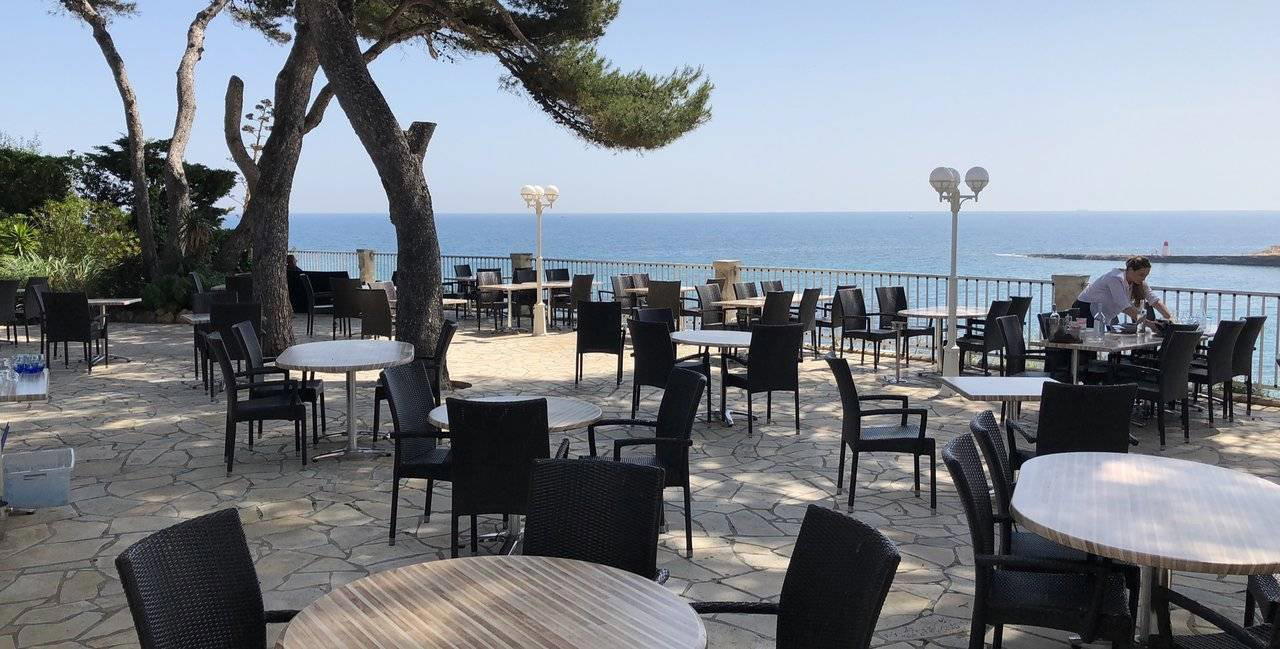
Where the Côte Bleue Meets the Plate
Carry-le-Rouet sits roughly twenty-five kilometres west of Marseille along a stretch of limestone coastline that most international visitors skip entirely on their way to the Riviera proper. That oversight is the defining fact about this village's dining scene. The Côte Bleue, protected as a marine park, has kept its small-port character largely intact, and the restaurants that line its harbour operate within a logic that differs sharply from the resort towns further east. Here, the sourcing chain is short and visible: the boats are in the harbour, the catch is local, and the daily menu follows what those boats bring in rather than a fixed programme engineered for consistency. Le Madrigal, at 4 Avenue Docteur Gérard Montus, sits inside that tradition.
Approaching from the village centre, the setting reads as typical of the Côte Bleue's quieter ports: a modest façade, the salt air off the Golfe de Fos, the particular flatness of light on the water in the late afternoon. This is not the theatrical approach of a destination restaurant engineered for effect. The atmosphere belongs to a village that functions as a working port first and a dining destination second, which is precisely what gives the cooking its editorial interest. For context on how the broader French fine dining spectrum operates, from destination houses like Mirazur in Menton at the eastern end of the coast to inland temples such as Troisgros in Ouches, Le Madrigal represents a different register entirely: the village restaurant that earns its authority through proximity to ingredient rather than through format or accolade.
The Sourcing Logic of a Marine Park Coastline
The Côte Bleue marine reserve, established to protect the rocky seabed between Marseille and Martigues, has a direct culinary consequence: the seafood that comes from these waters is subject to catch limits and seasonal closures that smaller operators in the area have learned to read carefully. Restaurants working within this ecosystem do not build menus around guaranteed supply. They build them around whatever the reserve's rhythms permit, which in practice means rouget (red mullet), sea bass, sea bream, octopus, and the urchin that Carry-le-Rouet is specifically associated with in regional food writing.
The oursin, or sea urchin, deserves particular attention in this context. Carry-le-Rouet holds an annual fête de l'oursin, one of the more established seasonal food events on this section of coastline, celebrating the urchin harvest that runs through the winter and early spring months. This is not a marketing invention but a genuine local tradition tied to the diving and fishing economy of the village. A restaurant at this address operates within that cultural and seasonal context by definition. The urchin season running roughly from November through April sets one rhythm; the broader Mediterranean fishing calendar sets another. For readers familiar with coastal French restaurants that have built national reputations on a similar sourcing logic, such as Christopher Coutanceau in La Rochelle or La Marine in Noirmoutier-en-l'île, the principle is consistent even if the scale and recognition differ substantially.
What distinguishes the Côte Bleue sourcing environment from, say, the Marseille bouillabaisse circuit is the relative anonymity of the supply chain. The market-stall intermediary is largely absent. Boats land their catch at the port, and local restaurants with established relationships access it early. That directness is the structural advantage of a small-port restaurant over a city establishment, whatever the city establishment's budget or ambition. Even a venue like AM par Alexandre Mazzia in Marseille, which has built a three-Michelin-star reputation on Mediterranean produce, operates at a different remove from the water than a harbour-side address in Carry-le-Rouet.
Where Le Madrigal Sits in the Regional Picture
The French Mediterranean restaurant scene sorts broadly into three tiers. At the leading sit the destination houses with national and international draw, whose ingredient sourcing is a considered editorial choice among many competing priorities. In the middle are the technically accomplished regional restaurants in larger cities, anchored to local produce but operating within urban market structures. At the base, and often most directly connected to ingredient origin, are the village and port restaurants whose menus are a daily negotiation with what is available rather than a fixed creative vision.
Le Madrigal occupies the third category, and that positioning is a feature, not a limitation. The restaurants that France's serious food travellers return to most reliably are often not the three-star destinations, which require planning and ceremony, but the places that get the ingredient right without ceremony. The great French coastal restaurant tradition, represented at its most celebrated by houses like Paul Bocuse or Auberge de l'Ill in their respective regional contexts, built its foundations on exactly this principle: cook what the territory gives you, and cook it with rigour. The village restaurant that takes its sourcing seriously is the base layer of that tradition.
For the broader French fine dining context, including how restaurants from Alléno Paris au Pavillon Ledoyen to Bras in Laguiole, Flocons de Sel in Megève, and Auberge du Vieux Puits in Fontjoncouse anchor to their respective terroirs, see our full Carry-le-Rouet restaurants guide. The principle of cooking from place, practised at every level from three-starred destinations to port-side village rooms, is what gives French regional dining its coherence as a tradition.
Planning a Visit
Carry-le-Rouet is accessible from Marseille by regional train (the Côte Bleue line), with the journey running approximately thirty to forty minutes depending on service. The village is small enough that the harbour and its immediate surroundings are walkable from the station. For visitors coming specifically for the urchin season, the window from late November through March represents the most locally-specific reason to visit; outside that period, the broader Mediterranean fish calendar still applies, but the dish most associated with the village is off the table. The address is 4 Avenue Docteur Gérard Montus, 13620 Carry-le-Rouet.
Frequently asked questions
Is Le Madrigal child-friendly?
Carry-le-Rouet operates as a working port village rather than a resort, and its restaurants tend toward a relaxed, unhurried register that accommodates families without difficulty, particularly at lunch. The address at 4 Avenue Docteur Gérard Montus places Le Madrigal within the port area, where that informal pace is most pronounced.
What is the atmosphere like at Le Madrigal?
Carry-le-Rouet is a fishing village on the Côte Bleue, not a polished resort, and the atmosphere in its port restaurants reflects that directly: local clientele, unhurried service, and a focus on what came off the boats that morning. Le Madrigal sits at 4 Avenue Docteur Gérard Montus in the heart of that port environment. Expect a straightforward room where the sourcing and freshness of the seafood carry more weight than the décor.
Is Le Madrigal a good option for visiting Carry-le-Rouet specifically to eat seafood from the Côte Bleue marine reserve?
Carry-le-Rouet is one of the primary access points to the Côte Bleue marine park's seafood supply, and Le Madrigal's address at 4 Avenue Docteur Gérard Montus places it directly within the port where that catch arrives. Restaurants at this location sit closer to the source than any dining room in Marseille, roughly twenty-five kilometres to the east. For sea urchin in season or daily-landed fish from protected waters, the village has a geographic argument that no city restaurant can match.
What do regulars order at Le Madrigal?
Carry-le-Rouet has a specific regional identity built around sea urchin, harvested from the Côte Bleue marine reserve that runs between Marseille and Martigues. At port restaurants on this stretch of coast, oursins are the recurring local order, particularly in winter when the season peaks. Grilled or simply prepared fish from the marine park's protected waters are the other staple, prioritised over anything that requires long supply chains.
Where is Le Madrigal located?
Le Madrigal is located at 4 Avenue Docteur Gérard Montus, 13620 Carry-le-Rouet, France, Carry Le Rouet.
Comparison Snapshot
Comparable venues nearby, for context on price, style, and recognition.
| Venue | Cuisine | Price | Awards | Notes |
|---|---|---|---|---|
| Le MadrigalThis venue — the venue you are viewing | Creative Provençal French | $50–100 | Not listed | Not listed |
| L'Oursin | Modern Mediterranean Fine Dining | $150–200 | 1 Michelin Star | Carry-le-Rouet |
| Le Petit Canard | Traditional French Duck Bistro | Not listed | Not listed | 9th arrondissement |
| Il Etait une Fois | Contemporary French Bistronomic | $50–100 | Not listed | Centre Ville |
| L'Oustau de la Mar | Traditional French Mediterranean Bistro | $30–50 | Not listed | Port |
| Le Relais Corse | Authentic Corsican | $30–50 | Not listed | Lodi |
Continue exploring
More in Carry-le-Rouet
Restaurants in Carry-le-Rouet
All restaurants in Carry-le-Rouet →
Bars in Carry-le-Rouet
Browse all →

Le Madrigal
The wine
- Wine program
- Curated wine list
- Extensive wine list
Details
- Elegant
- Scenic
- Classic
- Date Night
- Special Occasion
- Terrace
- Waterfront
- Extensive Wine List
- Local Sourcing
- Waterfront
- A La Carte
Current opening hours
- Monday
- Closed
- Tuesday
- 9 AM–3 PM, 7:30–10 PM
- Wednesday
- 9 AM–3 PM, 7–10:30 PM
- Thursday
- 9 AM–3 PM, 7–10:30 PM
- Friday
- 9 AM–3 PM, 7–10:30 PM
- Saturday
- 9 AM–10:30 PM
- Sunday
- 9 AM–3 PM
Hours can change for holidays and private events. Last verified .
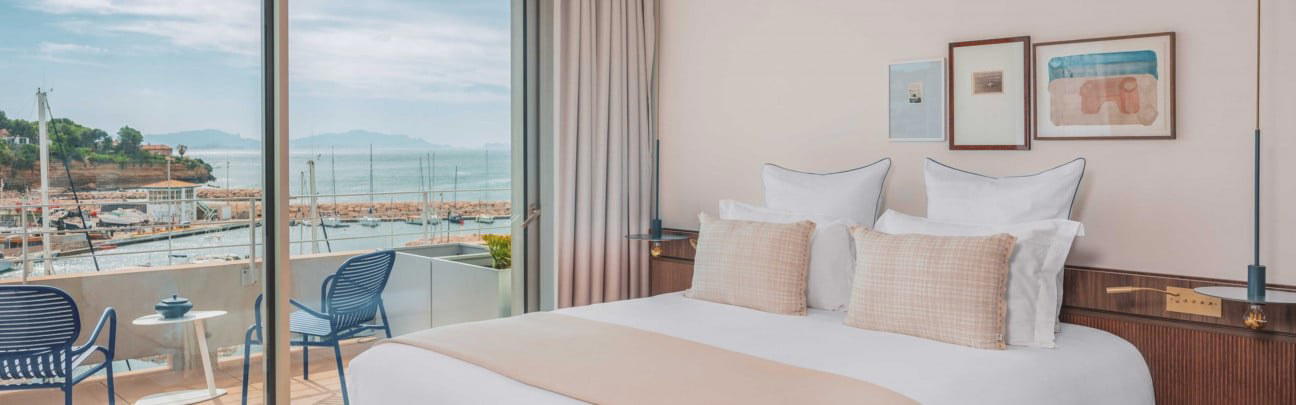
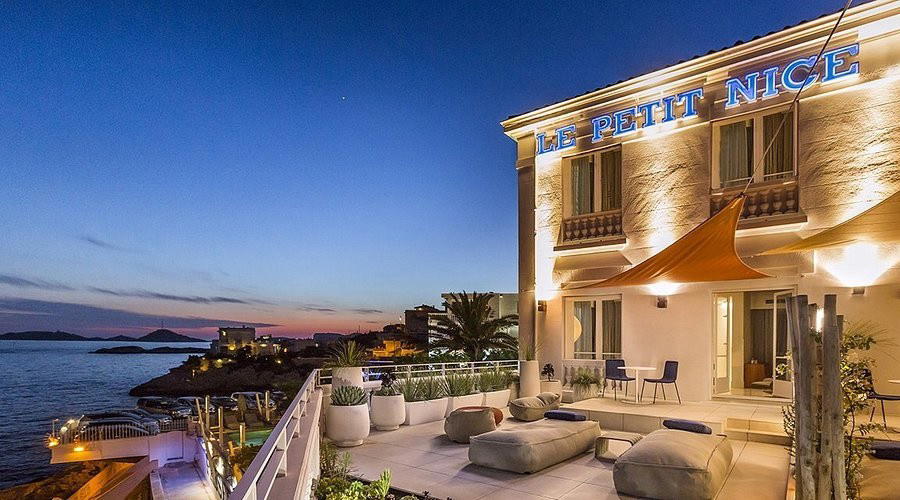
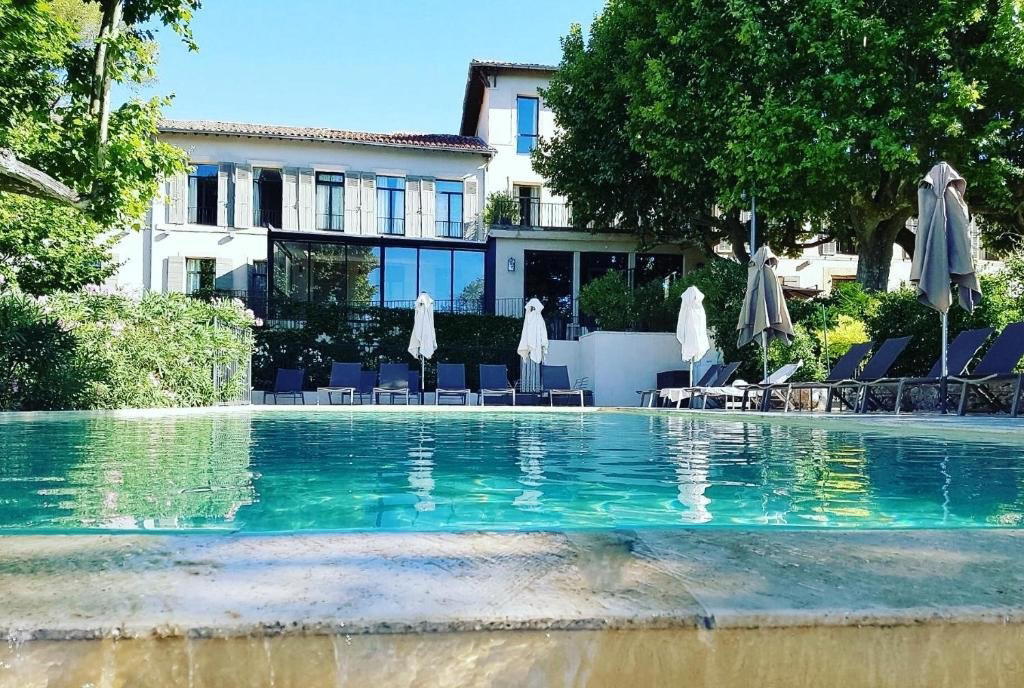
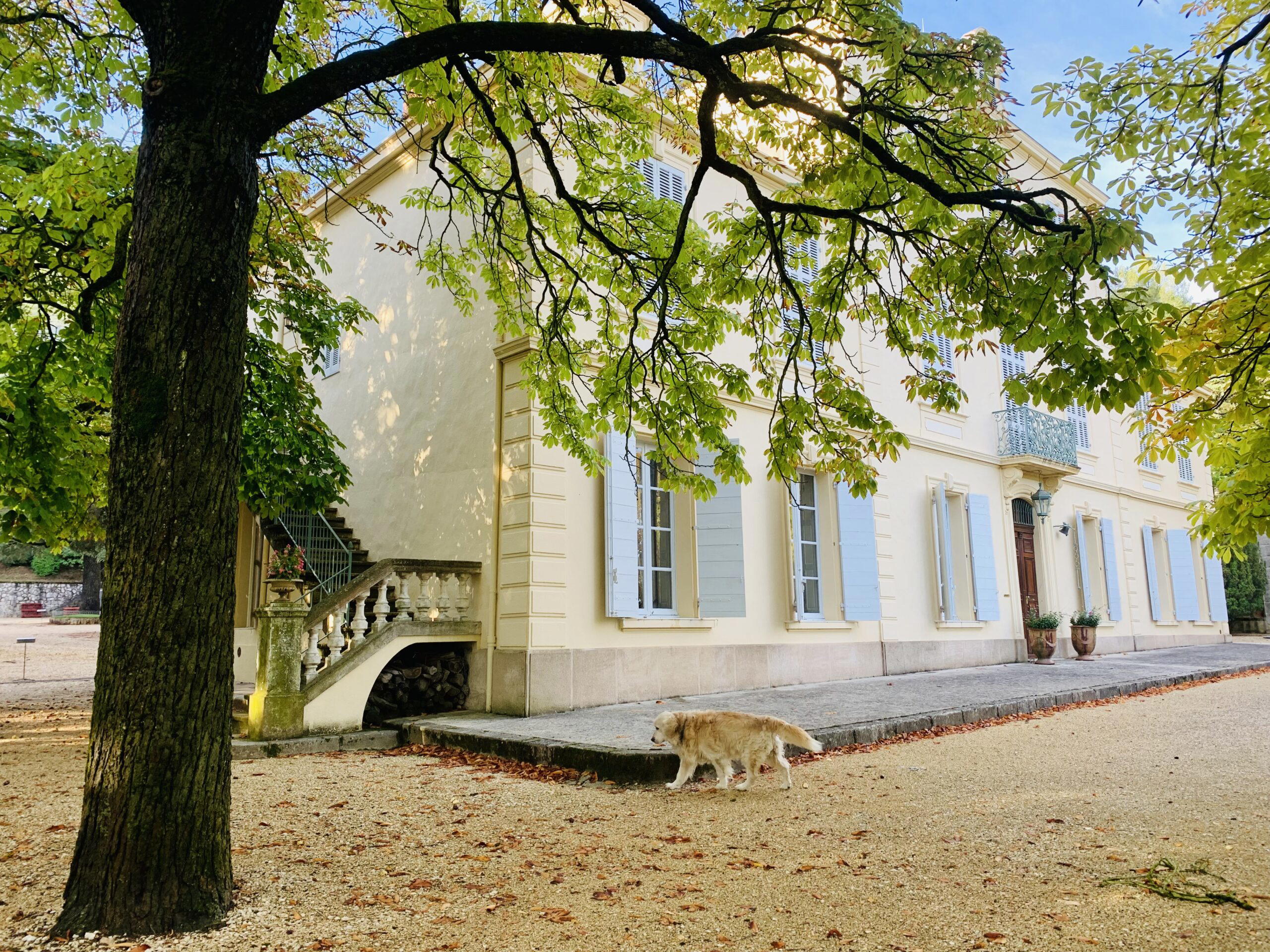
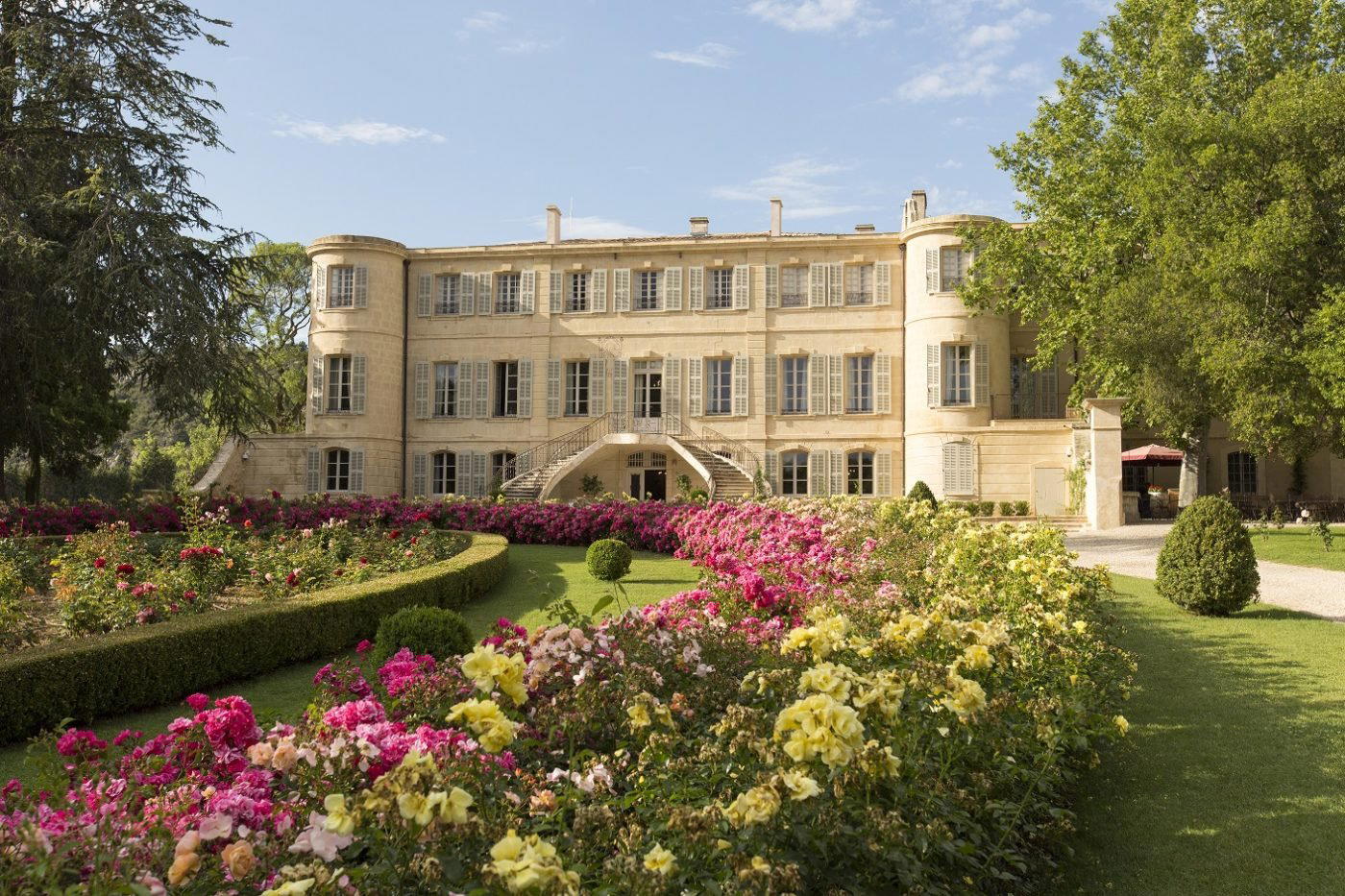
Contemporary decor inside with elegant, authentic Provençal villa atmosphere and calm seaside terrace.