Le Jardinier Miami



Le Jardinier Miami holds consecutive Michelin stars (2024 and 2025) for its vegetable-forward French cooking in Miami's Design District. Located at 151 NE 41st Street beneath L'Atelier de Joël Robuchon, the restaurant takes a garden-oriented approach to classical French technique, with Chef Sébastien Rath leading the kitchen. It occupies a distinct position in Miami's fine-dining tier: a Michelin-recognized room where produce, not protein, carries the menu.
Pearl is the En Primeur Club membership app — saves, bookings, and concierge access live there. Same editors, same standards.
- Address
- 151 NE 41st St Suite 135, Miami, FL 33137
- Phone
- (786) 376-0830
- Website
- lejardinier-miami.com
- Directions
- Get directions
 Saves & bookings on Pearl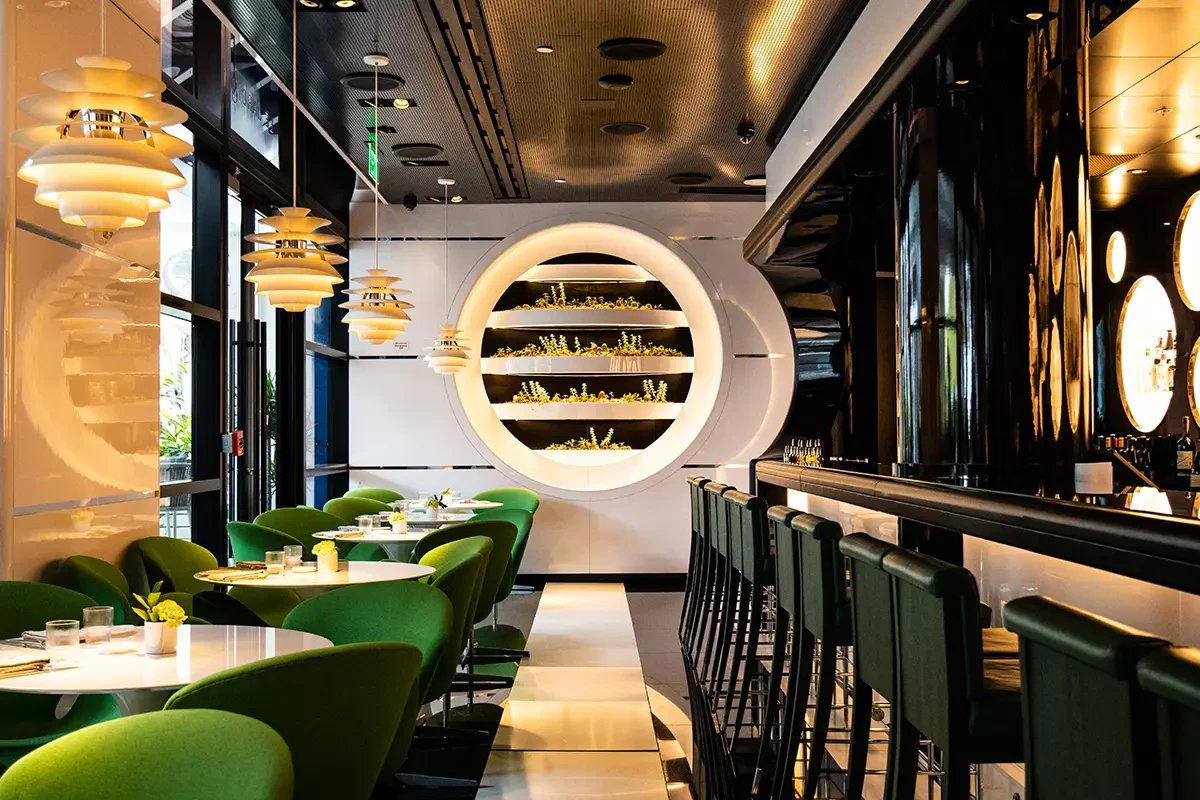
A French Kitchen That Bet on Vegetables, and Won
Miami's Design District has spent the better part of a decade sorting itself into tiers. The northern anchor of NE 41st Street now carries a concentration of serious dining rooms, and the building at 151 NE 41st hosts two of them stacked vertically: L'Atelier de Joël Robuchon Miami upstairs, and Le Jardinier one floor below. The physical arrangement tells you something about Miami's current fine-dining logic. A Robuchon franchise occupies the upper position; the newer, more conceptually specific room sits beneath it, drawing its own Michelin recognition on different terms.
That context matters. Le Jardinier's two consecutive Michelin stars, awarded in 2024 and retained in 2025, were earned inside a city where most starred rooms default to protein-centric French classical or high-end steakhouse formats. A vegetable-forward French kitchen holding a star here is not a minor variation on the city's dining norms, it represents a distinct competitive position, one that places Le Jardinier closer in spirit to certain European and coastal American kitchens than to the beef-and-butter rooms that anchor South Beach's luxury tier.
The Design District as a Dining Address
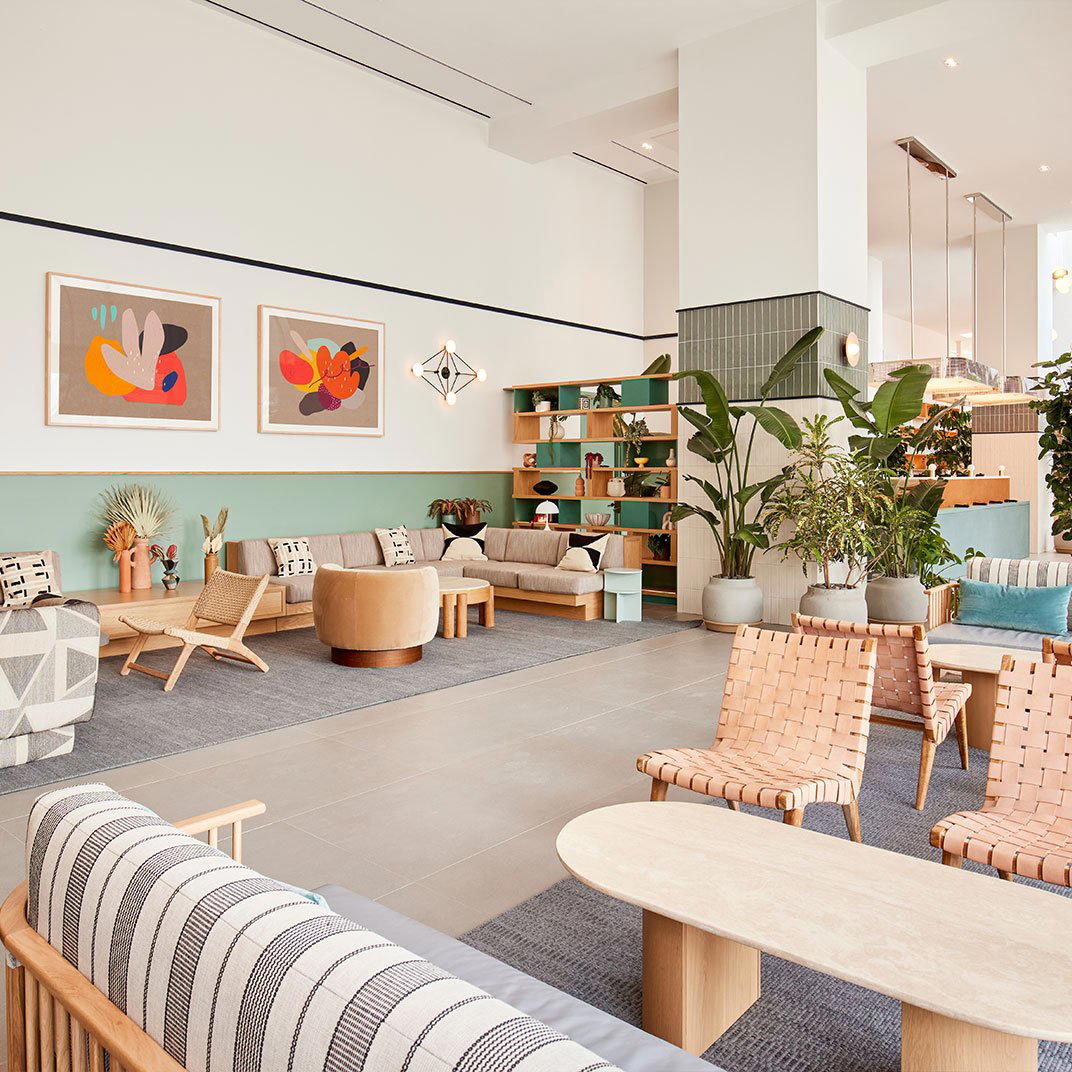
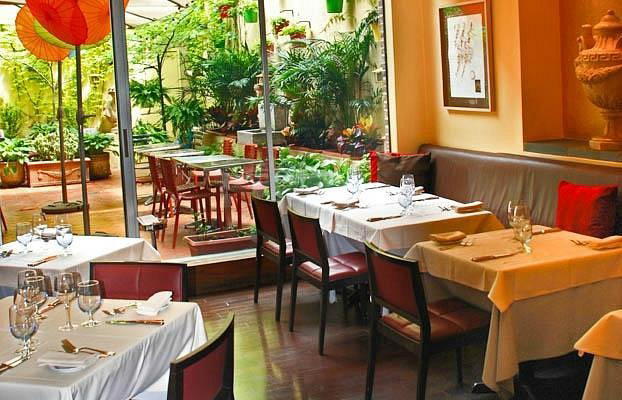
The Design District's evolution from a neglected mid-century warehouse zone into Miami's gallery and hospitality quarter happened faster than almost any comparable neighbourhood shift in an American city. For dining specifically, that shift created an appetite for rooms that could match the area's design-conscious retail identity. Restaurants here are expected to carry aesthetic coherence as well as culinary depth, and Le Jardinier's garden-oasis interior concept responds directly to that expectation. Floor-level greenery, natural light calibrated for the subtropical climate, and materials that reference the botanical rather than the architectural, these are choices that signal a room calibrated for its specific address.
For visitors who want to understand how the Design District fits into the wider city, our full Miami restaurants guide maps the neighbourhood against other eating zones, from Wynwood to Brickell. The district's walkability is genuine: the concentration of galleries, showrooms, and restaurants means that an evening at Le Jardinier can anchor a longer Design District itinerary without requiring a car after dinner. Complementary recommendations for the city's hotels, bars, and experiences are available through our Miami hotels guide, Miami bars guide, and Miami experiences guide.
How the Room Changed the French Fine-Dining Argument in Miami
When vegetable-focused fine dining arrives in a city historically defined by fish, beef, and Latin-inflected cuisines, the question is always whether the local market will sustain it. In Miami's case, the answer came in the form of Michelin's continued recognition, but the more telling signal is that Le Jardinier's approach has remained consistent through its Michelin-starred years rather than pivoting toward more conventional protein anchors to build volume.
This is a room that entered Miami with a specific thesis about French cooking, that vegetables, prepared with classical rigour and seasonal discipline, could carry a starred kitchen in a subtropical American city, and has held to that thesis under continued scrutiny. The result has been refinement rather than reinvention. Chef Sébastien Rath has remained at the helm, and the kitchen's identity has not blurred in the way that sometimes happens when a concept-driven room chases volume or broadens its appeal to capture a wider demographic.
That stability is worth noting in the context of Miami's dining market, which has historically been harder on concept-driven restaurants than on identity-flexible ones. Ariete and Boia De represent the city's contemporary American and Italian ends of the same argument, rooms with defined perspectives that have consolidated rather than diluted their identities over time. Le Jardinier occupies the French-vegetarian end of that broader pattern.
Vegetable-Forward French: Where Le Jardinier Sits Globally
To understand what a vegetable-forward Michelin-starred French kitchen actually means, it helps to locate Le Jardinier on a wider map of French fine dining. At the European end of the tradition, the benchmark for technically rigorous, produce-led French cooking sits at addresses like Hotel de Ville Crissier in Crissier, where classical technique and market-driven menus have coexisted for decades. At the Japanese-French crossover end, Sézanne in Tokyo has built its Michelin case partly on the precision of its vegetable and herb work. These are different rooms in different cities, but they share a commitment to treating produce as the primary technical challenge rather than a supporting argument for a protein centrepiece.
American fine dining has taken longer to fully absorb that commitment. Le Bernardin in New York City built a comparable argument around seafood as primary subject, but protein-avoidant cooking at the starred level remains a smaller category in the United States. The French Laundry in Napa and Single Thread Farm in Healdsburg incorporate deep produce work, but neither frames vegetables as the menu's conceptual anchor in the way Le Jardinier does. Alinea in Chicago and Lazy Bear in San Francisco approach the question from progressive and collaborative angles respectively, but again the vegetable thesis is not their primary identity.
Le Jardinier's position within this American context is therefore meaningful. It is not a novelty; it is part of a smaller but growing cohort of rooms that treat garden-sourced produce as the technical and philosophical spine of French cooking in the United States. The sustained Michelin recognition signals that the Michelin Guide's local inspectors agree the kitchen is executing that thesis at a level that merits starred attention, two years running.
Miami's Fine-Dining comparable set
At the $$$$ price tier, Le Jardinier competes for dinner reservations with a cohort of Miami rooms that share its seriousness but differ in their culinary direction. Brasserie Laurel draws a comparable demographic with its European brasserie format. ITAMAE occupies the Peruvian-Japanese intersection at a similar price tier. Both are useful comparators for understanding what Miami's current fine-dining market rewards: technical depth, a defined culinary identity, and a room experience that justifies the price through more than brand recognition alone.
Emeril's in New Orleans, where a different model of regional American fine dining has been playing out for decades. The comparison is instructive precisely because it illustrates how much the fine-dining argument has shifted: from chef-celebrity anchored rooms toward concept-driven kitchens where the idea, not the name above the door, carries the weight.
Planning a Visit
Le Jardinier sits at 151 NE 41st Street, Suite 135, in Miami's Design District, directly below L'Atelier de Joël Robuchon. Reserve well ahead, as booking is essential. The $$$$ price positioning means a full dinner for two with wine will reach significant figures; this is not a casual drop-in, and advance booking is essential. The Design District is accessible by car with valet options typical of the neighbourhood, and rideshare drop-off is practical from Brickell, Midtown, and the beaches. The room's aesthetic and format make it appropriate for occasions that call for considered dining rather than high-energy social nights.2 across 662 reviews indicates broadly consistent guest satisfaction. For those building a wider Miami itinerary, our Miami wineries guide covers the city's wine-adjacent options, and the full Miami restaurants guide maps comparable rooms across all neighbourhoods.
Peers You’d Cross-Shop
Comparable venues nearby, for context on price, style, and recognition.
| Venue | Cuisine | Price | Notes |
|---|---|---|---|
| Le Jardinier MiamiThis venue — the venue you are viewing | Michelin-Starred Seasonal French | $$$$ | Not listed |
| Hiden | Edomae-style Omakase | $$$$ | Miami Fashion District |
| Mandolin Aegean Bistro | Greek-Turkish Aegean Bistro | $$$ | Design District |
| Hakkasan Miami | Modern Cantonese | $$$$ | Miami Beach |
| Tambourine Room by Tristan Brandt | Modern French with Asian Influences | $$$$ | Miami Beach |
| Michael's Genuine | Contemporary American | $$$ | Design District |
Recognition history
Dated appearances from independent guides and award organizations, with the underlying list record or original source where available.
Michelin 1 Star
Michelin
Opinionated About Dining Top Restaurants in North America Recommended
Opinionated About Dining
Star Wine List
Star Wine List
Michelin 1 Star
Michelin
Michelin 1 Star
Michelin
Continue exploring
More in Miami
Restaurants in Miami
Browse all →
At a Glance
- Elegant
- Modern
- Intimate
- Sophisticated
- Date Night
- Special Occasion
- Business Dinner
- Hotel Restaurant
- Garden
- Terrace
- Extensive Wine List
Current opening hours
- Monday
- Closed
- Tuesday
- 12–3:15 PM, 6–9:30 PM
- Wednesday
- 12–3:15 PM, 6–9:30 PM
- Thursday
- 12–3:45 PM, 6–10 PM
- Friday
- 12–3:45 PM, 6–10 PM
- Saturday
- 12–3:45 PM, 6–10 PM
- Sunday
- 12–4:30 PM, 5–8 PM
Hours can change for holidays and private events. Last verified .
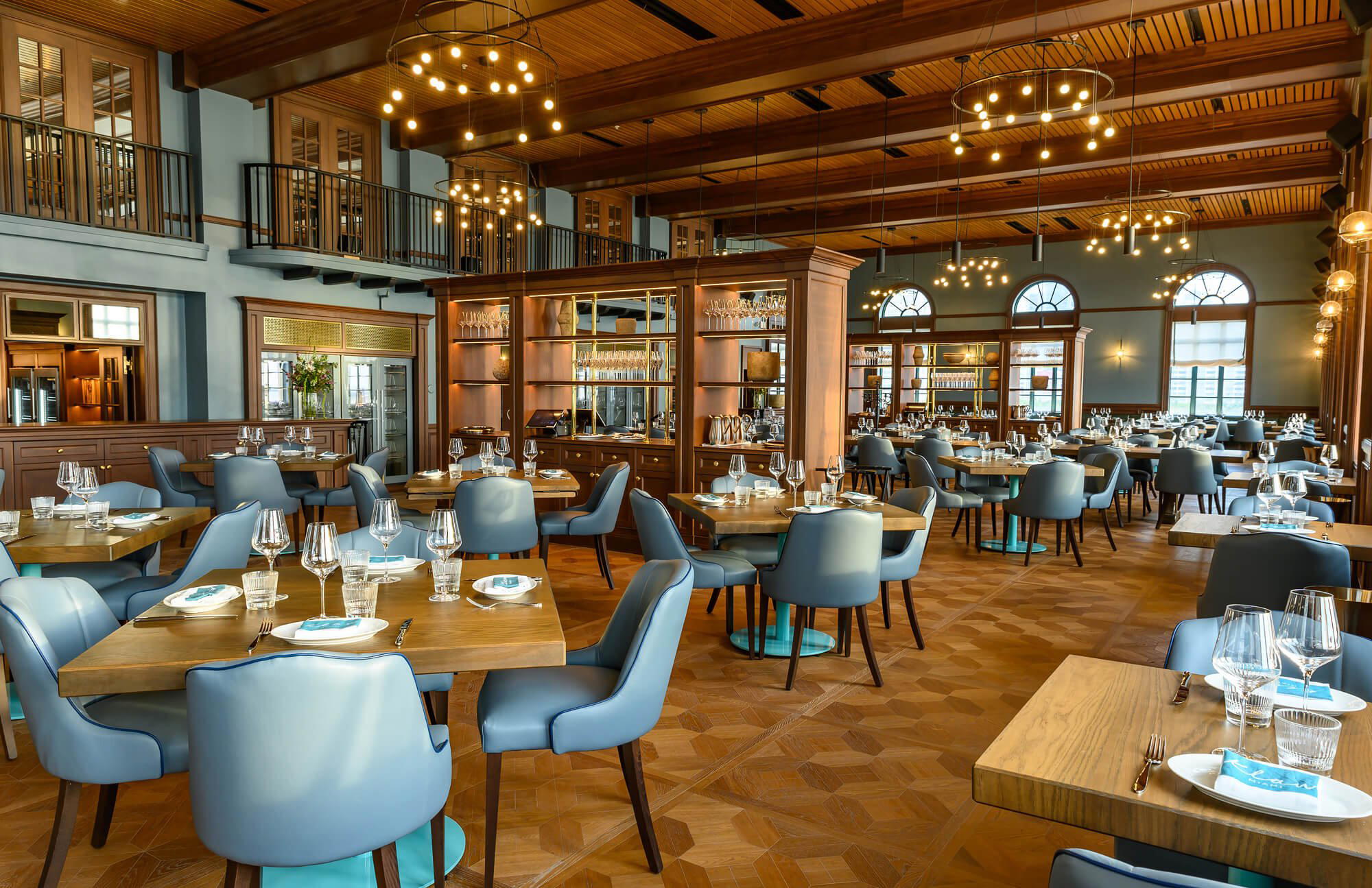
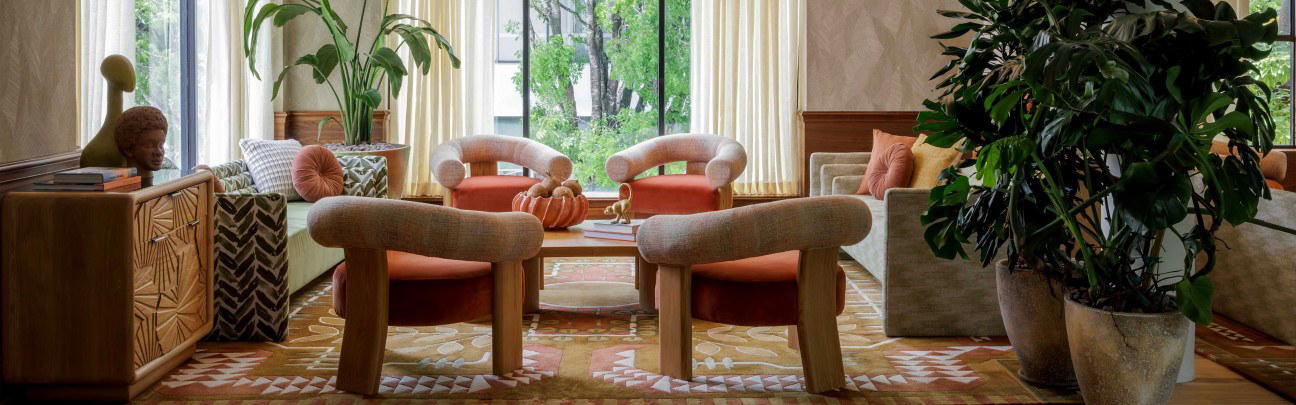
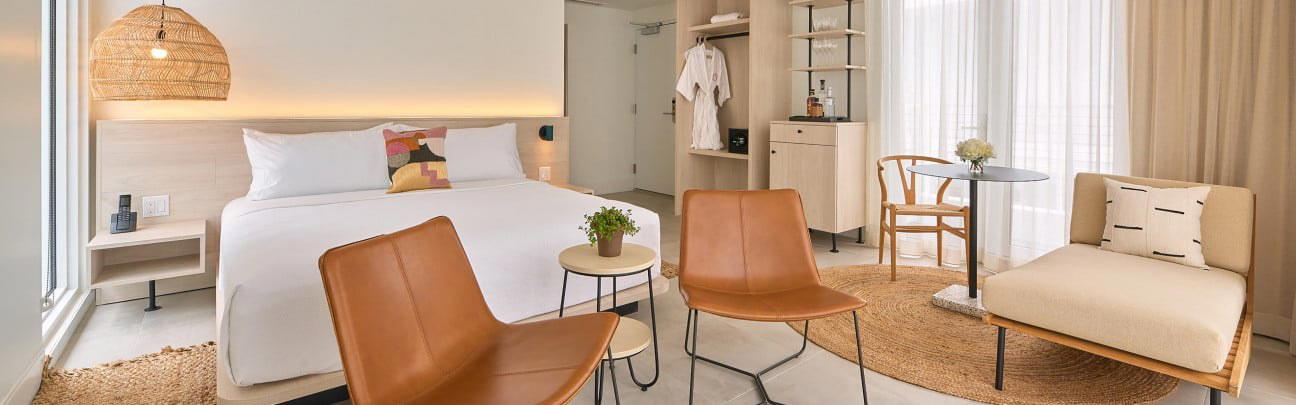
Bright, airy space with soft neutrals, lush greenery, fresh flowers, natural light, and a calm, understated atmosphere.