Le Jardin en Ville
Le Jardin en Ville sits within Carcassonne's lower-city dining scene, where ingredient provenance and regional Languedoc produce set the tone more than formal credentials. The address on Rue des Framboisiers positions it away from the tourist circuit of the medieval Cité, placing it among venues that serve a local clientele. For visitors looking beyond the ramparts, it represents a considered stop in a city whose food culture runs deeper than its stone walls suggest.
Pearl is the En Primeur Club membership app — saves, bookings, and concierge access live there. Same editors, same standards.
- Address
- 5 Rue des Framboisiers, 11000 Carcassonne, France
- Phone
- +33468478091
- Website
- lejardinenville.fr
- Directions
- Get directions
 Saves & bookings on Pearl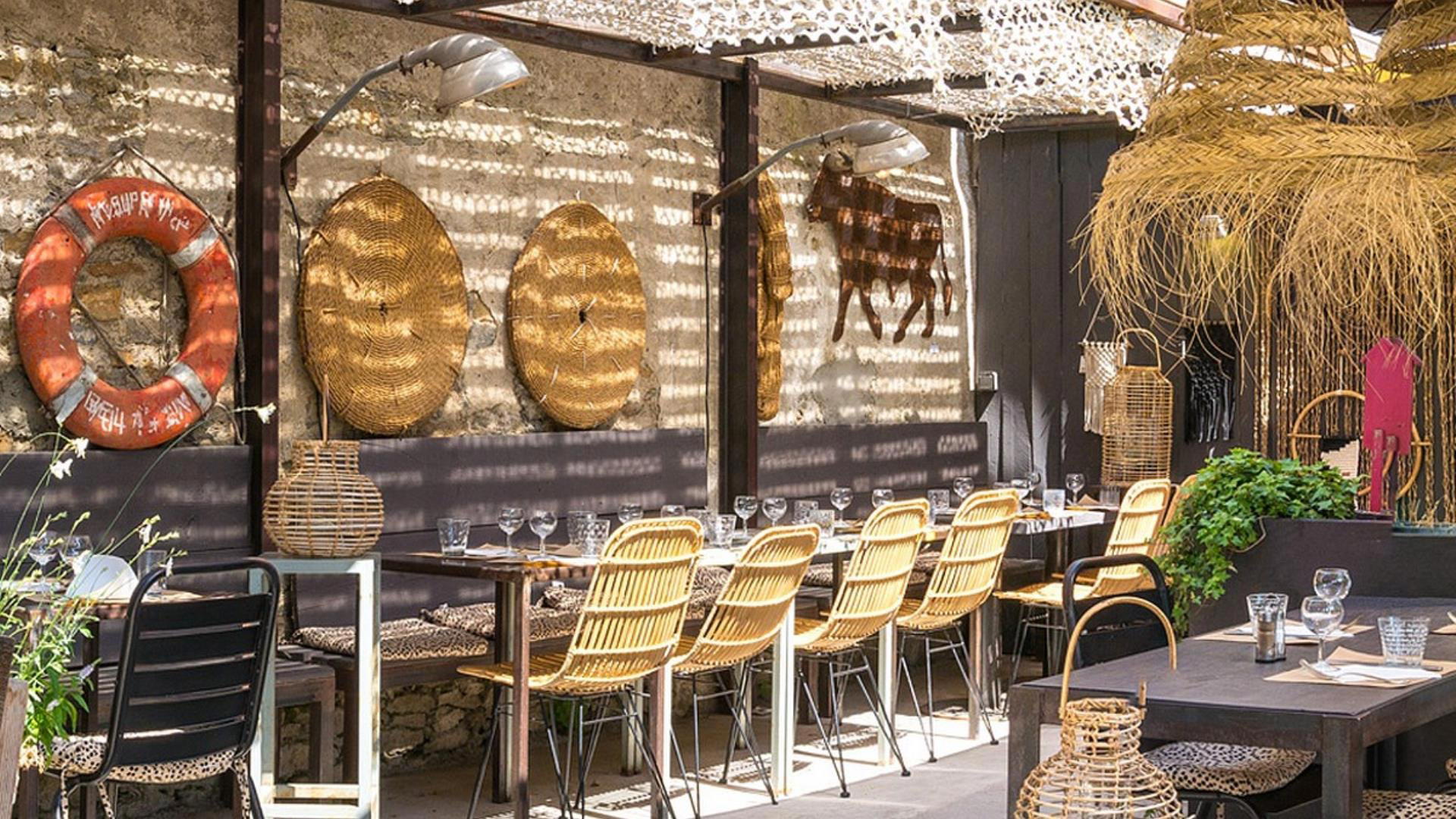
Carcassonne Below the Walls: Where the City Actually Eats
Most visitors to Carcassonne spend their appetite budget inside the Cité, the UNESCO-listed medieval fortification that draws millions annually. Le Jardin en Ville is a restaurant in Carcassonne's Ville Basse serving seasonal French Mediterranean cooking at a price around $30 per person. The restaurants within those ramparts are, with few exceptions, calibrated for tourist throughput rather than culinary ambition. The more serious eating happens in the Bastide Saint-Louis, the 13th-century grid of streets that forms the lower town, and in the quieter residential pockets that extend from it. Le Jardin en Ville, addressed at 5 Rue des Framboisiers, sits in that lower-city zone, away from the postcard circuit, closer to where Carcassonnais actually choose to eat.
In a city whose dining scene splits clearly between tourist-facing brasseries and locally sustained neighbourhood tables, the address itself signals which category a restaurant belongs to. Venues in this part of Carcassonne compete on repeat custom, not on foot traffic from coaches. That dynamic shapes what ends up on the plate: menus built around local suppliers and the season.
The Languedoc Larder and Why Provenance Drives the Region
The broader Languedoc-Roussillon region holds one of France's most compelling ingredient geographies. To the south, the Corbières and Minervois produce some of the country's most characterful wines at accessible price points. The Montagne Noire to the north and the Pyrenean foothills to the southwest supply lamb, pork, wild herbs, and mushrooms. Coastal proximity brings fish from the Mediterranean, loup de mer, rouget, and the tellines that appear on menus throughout the Hérault and Aude departments. Carcassonne itself has cassoulet, the slow-cooked bean and duck dish that functions less as a tourist curiosity and more as a genuine local institution, argued over by partisans of different town recipes across the Aude Valley.
Restaurants in this part of France that take ingredient sourcing seriously have access to a supplier network that larger cities often lack. The departmental markets, the network of small-scale producers, and proximity to both mountain and coast create a kitchen geography that rewards cooks who pay attention to season and locality. In that sense, the leading neighbourhood tables in Carcassonne operate with an advantage over their counterparts in more urbanised settings: the raw material is close, the relationships with producers are direct, and the seasonal signal is harder to ignore.
For context on how seriously this region's food culture extends beyond its borders, the Languedoc's influence touches broader French cooking traditions in ways that rarely get credited. Producers from this corridor supply ingredients to kitchens across France, including some of the country's most decorated restaurants. Venues such as Mirazur in Menton and Bras in Laguiole have built significant reputations partly on the logic that southern French terroir, treated with rigour, produces cooking of real depth. Even at the summit end of the French canon, Troisgros in Ouches, Auberge de l'Ill in Illhaeusern, Paul Bocuse in Collonges-au-Mont-d'Or, the principle that notable ingredients underpin strong cooking is not decorative rhetoric; it is operational fact.
Le Jardin en Ville in Its Local comparable set
Carcassonne has a small but serious cohort of restaurants worth tracking. At the upper end, La Table de Franck Putelat operates at the €€€€ tier with modern cuisine credentials that place it in a different competitive bracket entirely, the kind of address that belongs on a shortlist alongside Alléno Paris au Pavillon Ledoyen and Assiette Champenoise in Reims when discussing formal French fine dining. Further down the register, Auberge des Lices and Brasserie à 4 Temps cover the traditional and mid-range territory that accounts for most of the city's daily dining. Bloc G and Chez Christine represent the more contemporary or casual end of the spectrum.
Le Jardin en Ville sits within this local ecosystem without the formal credentials that Putelat carries or the well-documented history of the more established addresses. What its position on Rue des Framboisiers signals is a neighbourhood-facing orientation: a room that earns its custom through consistency and local ingredient connections rather than through awards recognition or tourist visibility. In a city where the high-profile eating options are either medieval-themed or formally credentialed, this middle register of genuinely local tables carries its own relevance.
Planning a Visit: What to Know Before You Go
For the Languedoc more broadly, late spring through early autumn represents the period when local produce supply is at its deepest, the shoulder seasons either side of summer peak (May to June, September to October) combine good ingredient availability with more manageable visitor numbers in the city overall.
As with most neighbourhood restaurants in this part of France, advance contact is advisable during peak summer season and around local festivals, when the Aude department draws significant visitor numbers. For a broader sense of the French restaurant range available to serious diners travelling in this period, the programs at Flocons de Sel in Megève, AM par Alexandre Mazzia in Marseille, and Au Crocodile in Strasbourg offer useful reference points for how regional French cooking operates at different levels of formality and credential. International benchmarks such as Le Bernardin in New York City and Atomix in New York City illustrate how rigorously sourced ingredients function in high-end contexts globally, a logic that applies, at a different register, to neighbourhood tables in cities like Carcassonne.
Questions About Le Jardin en Ville
Is the restaurant child-friendly?
Carcassonne's neighbourhood restaurants generally accommodate families more readily than the city's formal dining rooms, and given the restaurant's position in the lower-city, locally-oriented tier rather than the €€€€ fine dining bracket, it is likely to be a more relaxed environment for younger diners.
Is the restaurant formal or casual?
What should I eat at the restaurant?
Regionally, though, the Aude's strongest culinary signatures, cassoulet, duck preparations, lamb from the Pyrenean foothills, and fresh Mediterranean fish, tend to anchor the better neighbourhood menus in Carcassonne. A kitchen operating in this city with genuine local supplier connections would logically draw from that pantry.
Do I need a reservation for the restaurant?
Contact the restaurant directly before visiting, particularly during Carcassonne's summer peak when the city draws substantial visitor numbers across July and August. Neighbourhood restaurants at this address tier in the lower town tend to fill with local regulars midweek and with a broader mix at weekends; booking ahead removes the risk of a wasted journey.
How does the restaurant fit into Carcassonne's wider food scene compared to fine dining options?
Carcassonne's restaurant range extends from neighbourhood tables like Le Jardin en Ville through to formally credentialed kitchens at the summit of the local hierarchy. The city's fine dining ceiling is represented by addresses with modern cuisine credentials and formal award recognition, while the neighbourhood tier, where the restaurant sits by address and apparent positioning, serves a different function: consistent, locally sourced cooking for a repeat local clientele rather than a destination-dining audience. Visitors who want to understand the full range should read individual venue pages.
>Comparison Snapshot
Comparable venues nearby, for context on price, style, and recognition.
| Venue | Cuisine | Price | Awards | Notes |
|---|---|---|---|---|
| Le Jardin en VilleThis venue — the venue you are viewing | Seasonal French Mediterranean | $$ | Not listed | Not listed |
| Freaks Bistronomie | Modern French Bistronomie | $$ | Not listed | Bastide Saint-Louis |
| Bloc G | French Bistro with Mediterranean Influences | $$ | Not listed | La Trivalle |
| Brasserie à 4 Temps | French Brasserie | $$ | Michelin Plate | Cité de Carcassonne |
| Le restaurant Bernard Rigaudis | Regional French Gastronomic | $$$$ | Not listed | Domaine d'Auriac, near Carcassonne medieval city |
| Auberge des Lices | Traditional French Regional | $$$ | Not listed | Cité de Carcassonne |
Continue exploring
More in Carcassonne
Restaurants in Carcassonne
Browse all →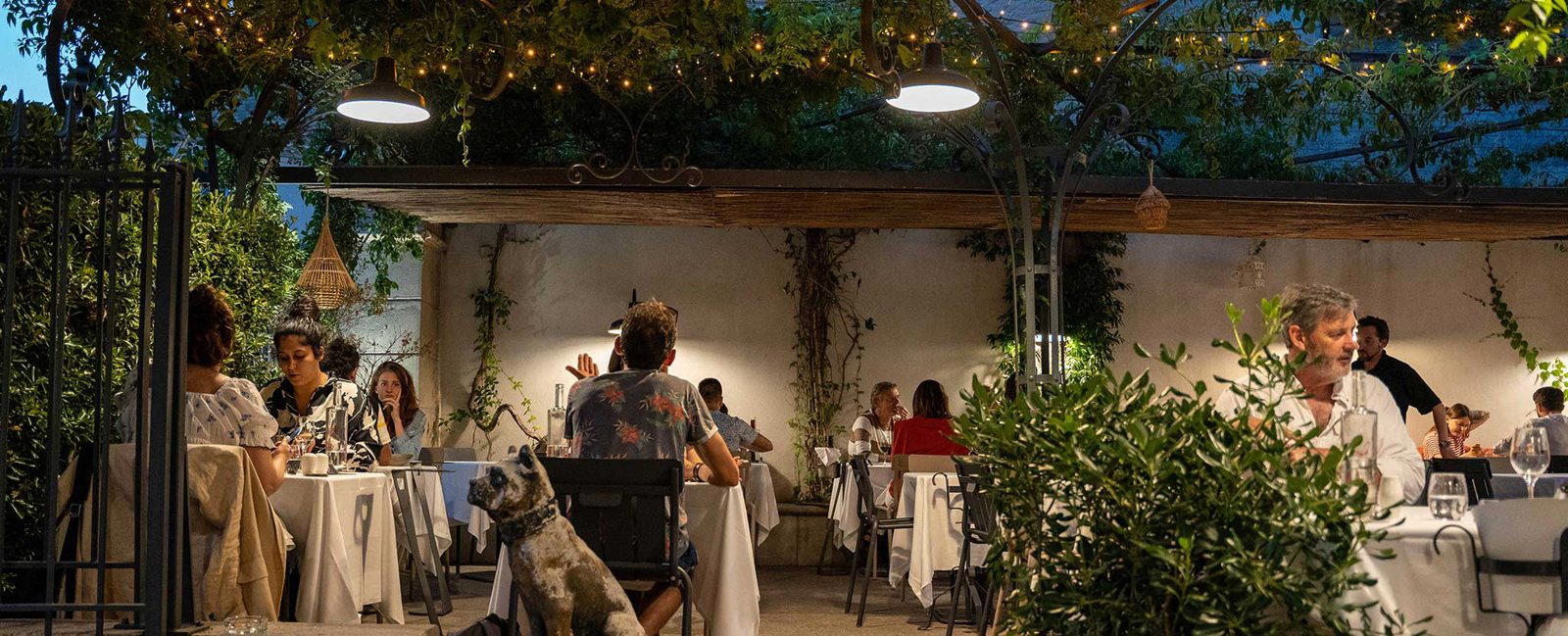
At a Glance
- Cozy
- Rustic
- Elegant
- Scenic
- Date Night
- Casual Hangout
- Garden
- Terrace
- Local Sourcing
- Garden
Current opening hours
- Monday
- 11:30 AM–2:30 PM, 7:30–11 PM
- Tuesday
- 11:30 AM–2:30 PM, 7:30–11 PM
- Wednesday
- 11:30 AM–2:30 PM
- Thursday
- 11:30 AM–2:30 PM
- Friday
- 11:30 AM–2:30 PM, 7:30–11:30 PM
- Saturday
- 11:30 AM–2:30 PM, 7:30–11:30 PM
- Sunday
- Closed
Hours can change for holidays and private events. Last verified .
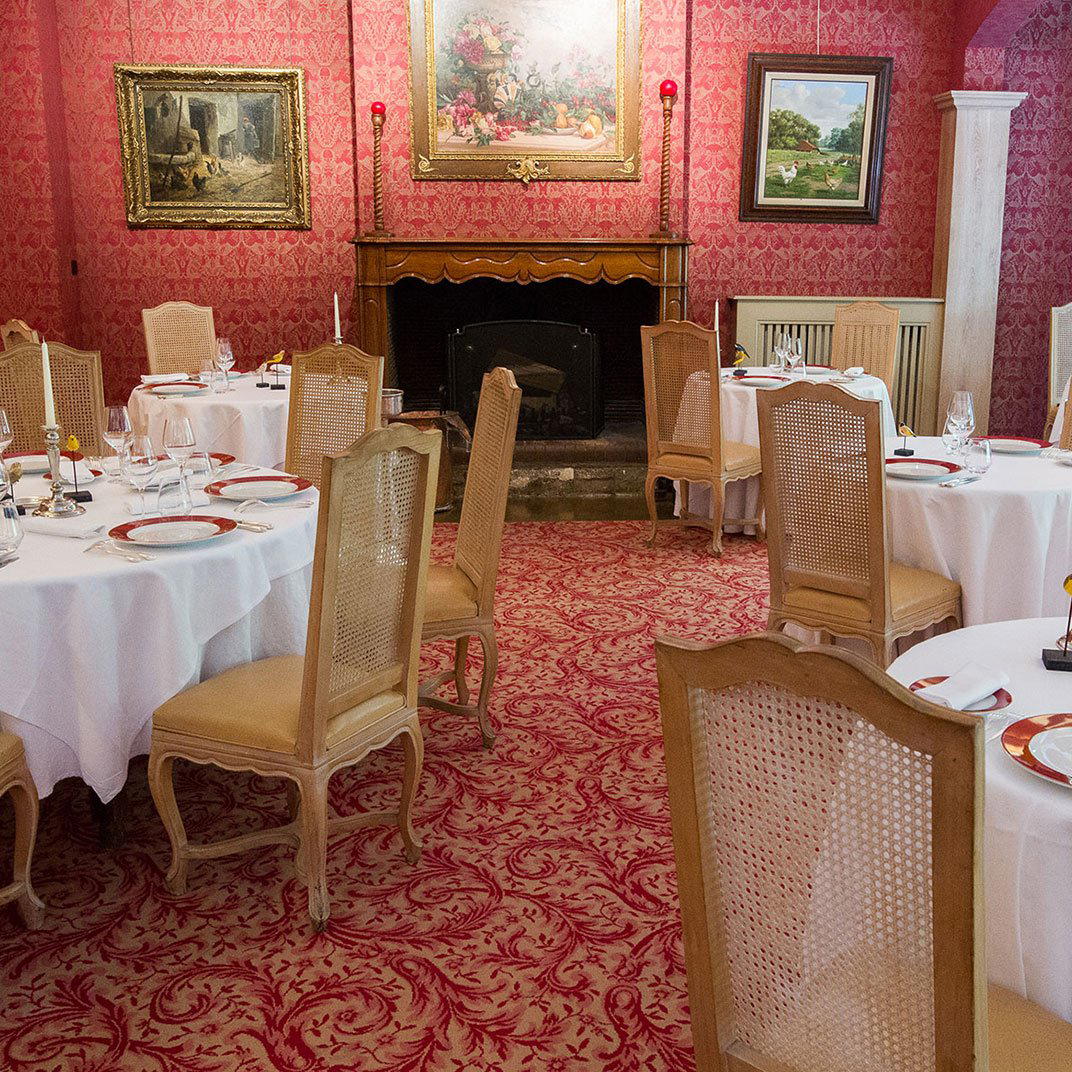
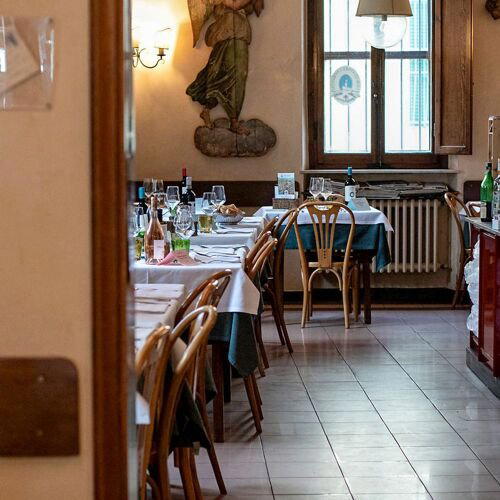
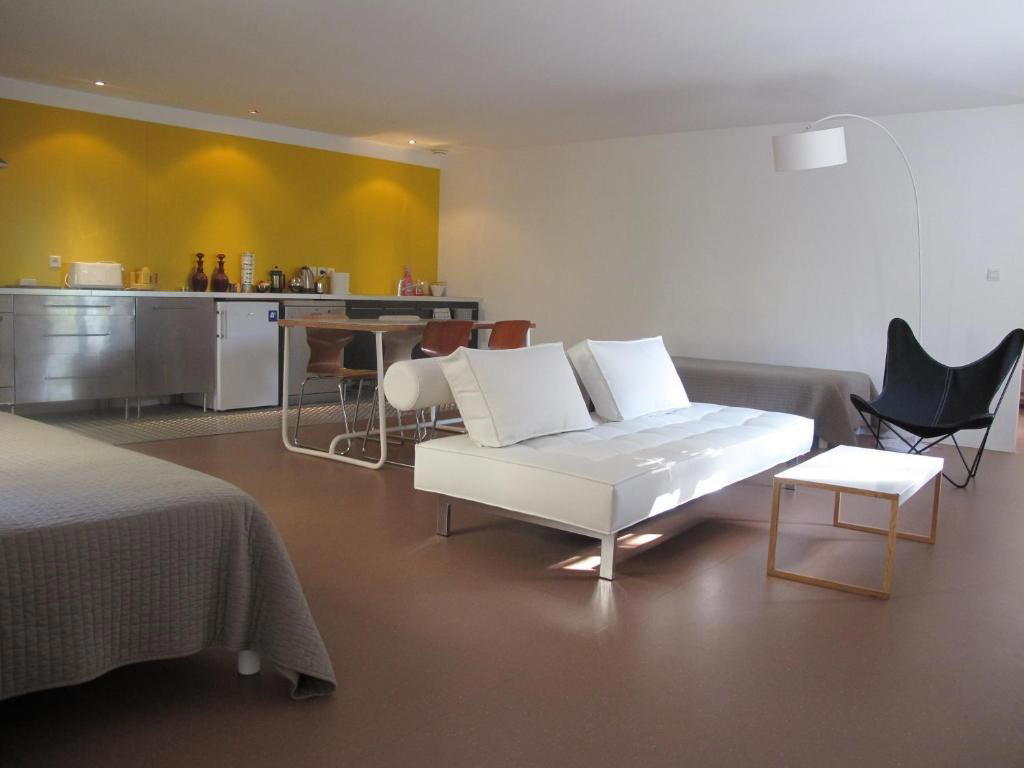
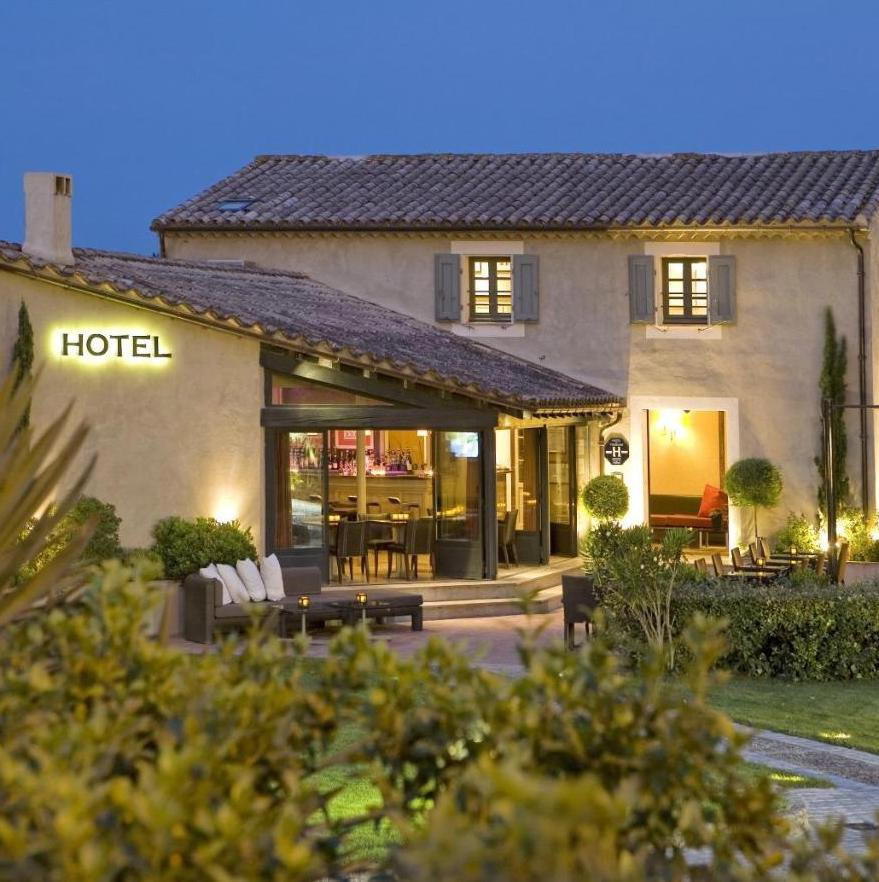
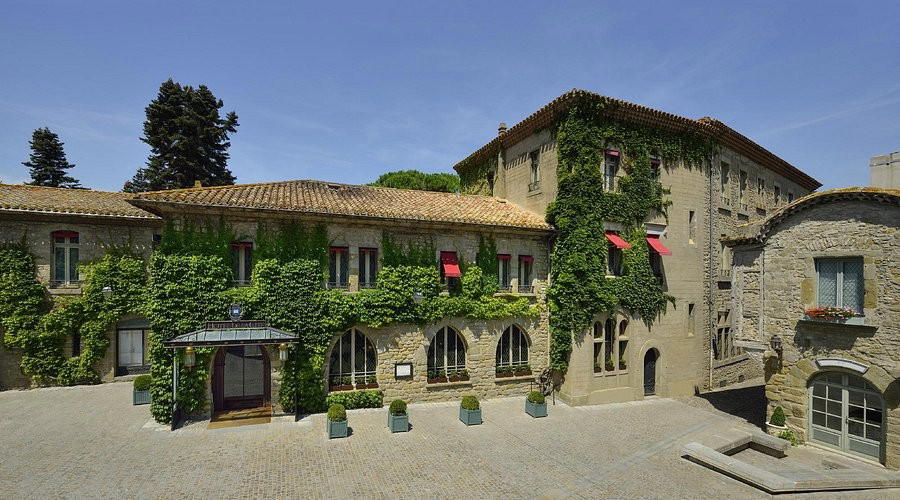
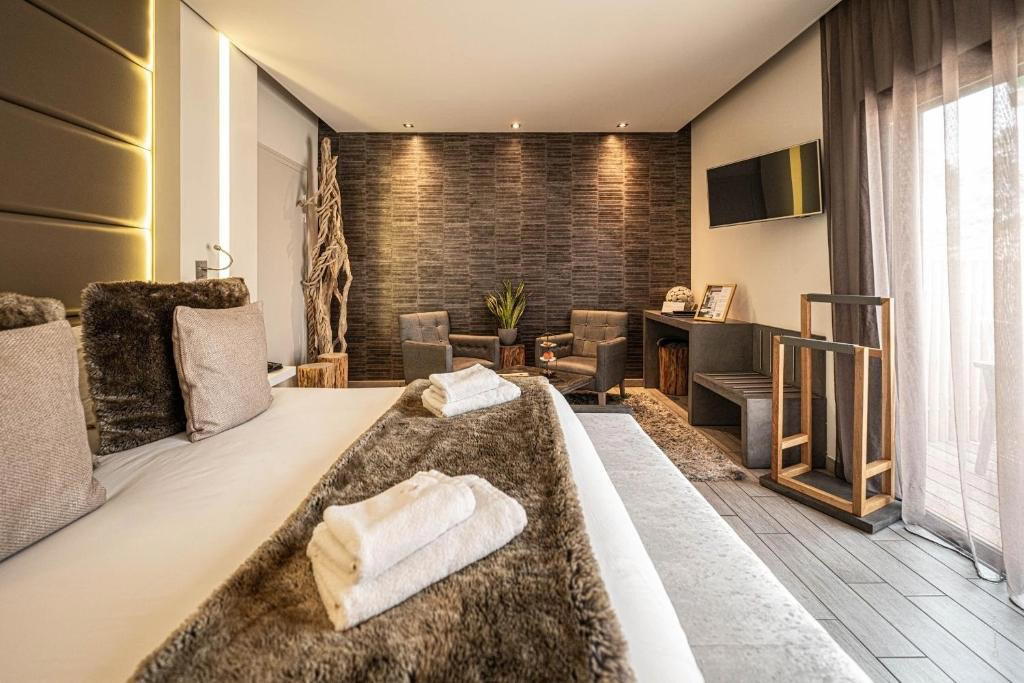
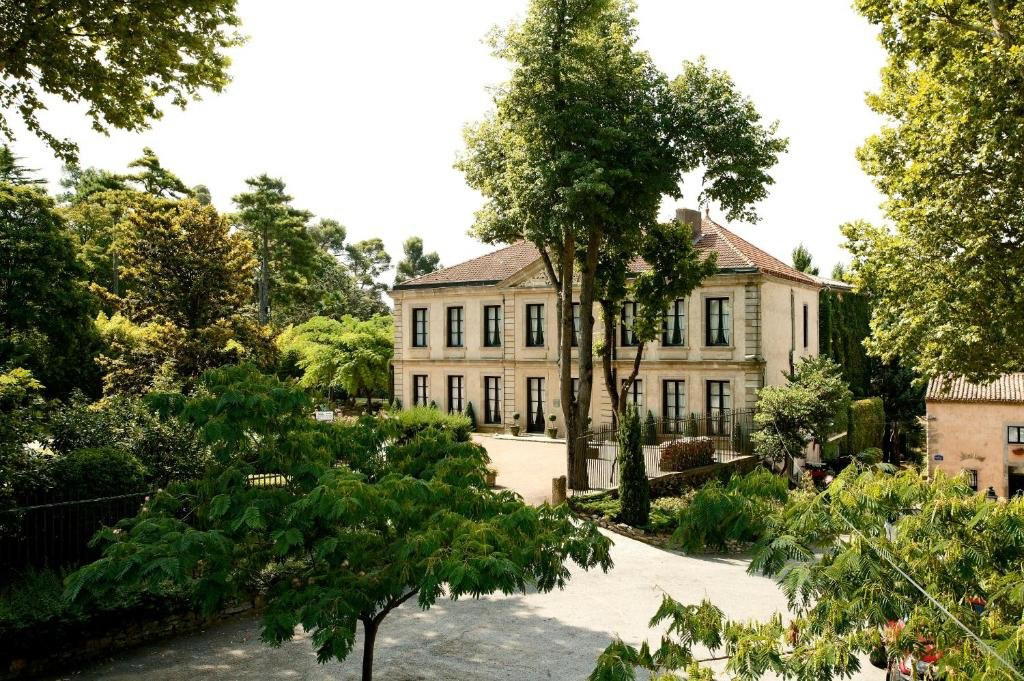
Quirky warehouse-style interior with original metal furniture and a calm, residential garden setting.