Bloc G
Local bites, rillettes, casual attentive service
 Discover on Pearl
Pearl is the En Primeur Club membership app — saves, bookings, and concierge access live there. Same editors, same standards.
- Address
- 112 Rue Barbacane, 11000 Carcassonne, France
- Phone
- +33468475820
- Website
- bloc-g.fr
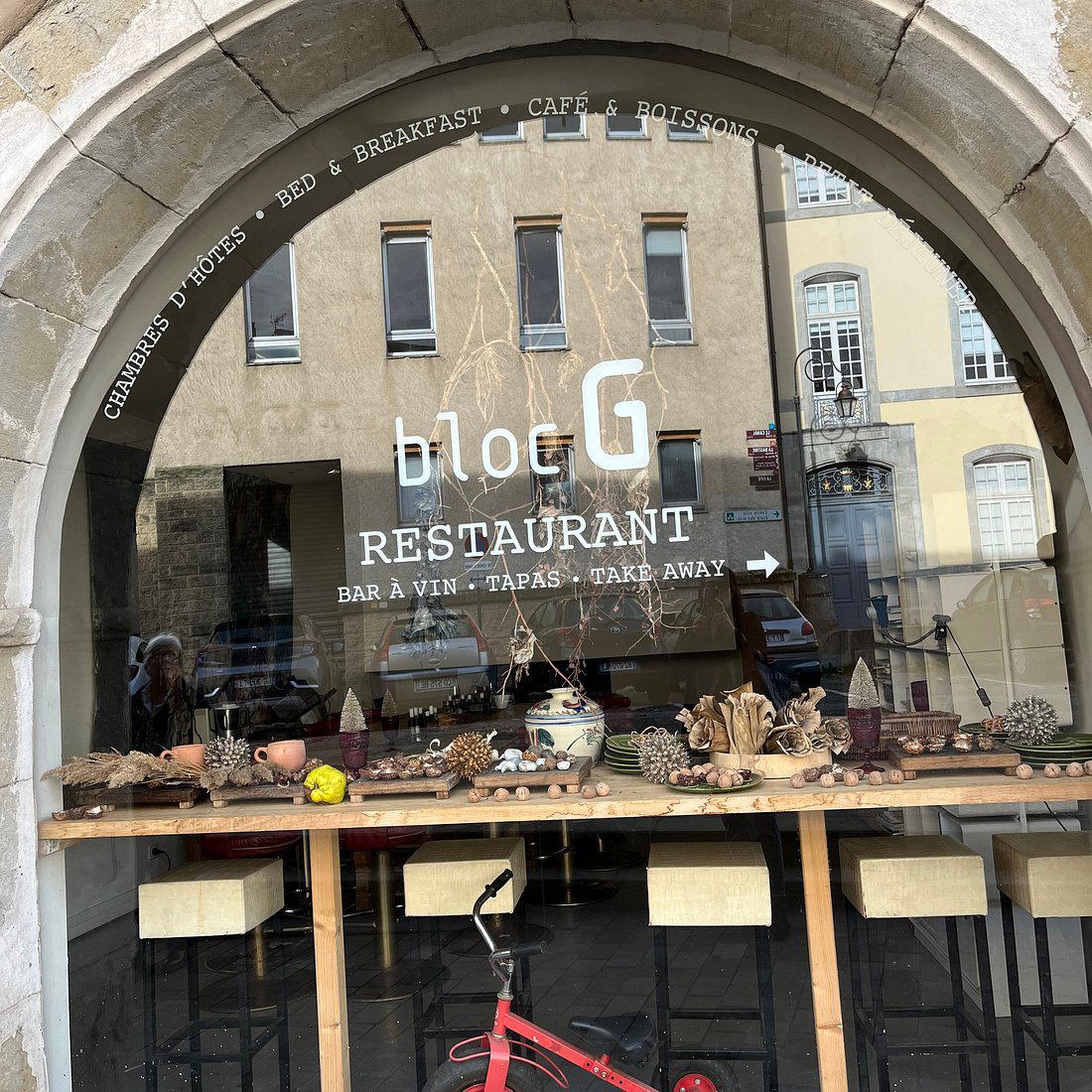
Rue Barbacane and the Dining Tradition Beneath the Ramparts
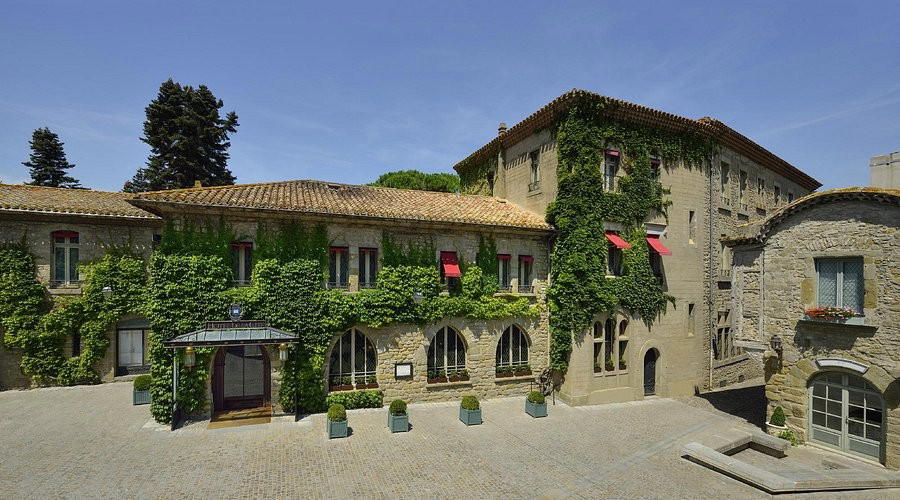
Bloc G is a restaurant in Carcassonne, France, serving French Bistro with Mediterranean Influences at a casual price tier. Rue Barbacane sits at the edge of that buffer zone, where stone facades give way to working-neighbourhood storefronts and the tourist density thins enough that local rhythms reassert themselves. It sits at 112 Rue Barbacane, just outside the cité walls.
That geography matters in a city like Carcassonne, where the dining options stratify sharply by proximity to the ramparts. At the formal end, La Table de Franck Putelat (Modern Cuisine) operates at the top of the local price tier with a multi-course format and kitchen credentials that benchmark against regional fine dining across the south of France. At the accessible middle, Comte Roger (Traditional Cuisine) holds the cite's central square with a traditional format pitched at the €€ range. Bloc G's address on Rue Barbacane positions it in the space between those poles, physically adjacent to the cite walls but operating outside the formal-dining circuit that surrounds them.
Languedoc's Culinary Identity and What It Asks of a Neighbourhood Table
The broader Languedoc region has a culinary identity that resists easy categorisation. It is not Provence, with its olive oil and herb-forward Mediterranean palette, and it is not the Atlantic southwest, where duck confit and cassoulet dominate the canon. Languedoc cooking draws from both, with the Aude department sitting at a crossroads where Catalan influence from the south, Occitan peasant traditions from the garrigue, and the administrative weight of French classical cooking all leave their marks. Cassoulet, in its Castelnaudary variant, is only the most documented expression of that layering. The region's wine production in the Corbières, Minervois, and Fitou appellations provides the frame within which local tables have historically set their food.
For a restaurant on Rue Barbacane, that tradition functions as both resource and obligation. The proximity of the cite means a significant share of customers arrive with no prior knowledge of local cooking and limited appetite for deep regional specificity. The lower ville basse, a ten-minute walk down toward the Canal du Midi, has a more settled local clientele. Neighbourhood tables that work in this middle zone, like those found near comparable medieval towns across the Languedoc and Roussillon, tend to position themselves as approachable without being generic. The address itself signals an intent to serve a mixed audience rather than a purely tourist one.
For comparison, the southern French restaurant tier that operates at Bloc G's likely positioning shares certain structural features with mid-tier neighbourhood houses across the region. Venues like Auberge des Lices and Brasserie à 4 Temps (Traditional Cuisine) in Carcassonne occupy a similar band: close enough to the historic centre to catch visitor traffic, grounded enough in local cooking to hold repeat local custom. Chez Christine is another point of reference in the same neighbourhood tier.
Where Bloc G Sits in a City With Serious Fine Dining Elsewhere
Carcassonne is not, in the broader French regional context, a city that anchors major fine dining reputation. That weight sits further north and west: at Bras in Laguiole, which helped define a generation of French cuisine rooted in terroir and landscape, or at institutions like Auberge de l'Ill in Illhaeusern and Les Prés d'Eugénie - Michel Guérard in Eugénie-les-Bains, which have held Michelin recognition across decades. The south of France's most decorated contemporary addresses, including Mirazur in Menton, operate in a different register entirely. Even within the Languedoc, La Table du Castellet in Le Castellet and other starred addresses in the wider south sit apart from Carcassonne's dining scene by intention and market.
That context is worth holding when assessing a venue like Bloc G. Carcassonne's dining market is defined by its medieval tourism economy, its regional wine culture, and a local population large enough to sustain independent neighbourhood restaurants through the shoulder season when visitor numbers drop. The city does not have the density of starred addresses found in Lyon, where Paul Bocuse - L'Auberge du Pont de Collonges in Collonges-au-Mont-d'Or and Georges Blanc in Vonnas anchor a regional fine dining tradition with decades of documentation behind it. Carcassonne's independent restaurants operate in a market where regional character, value alignment, and local sourcing matter more than competition for international recognition.
Planning a Visit to Bloc G
Bloc G is located at 112 Rue Barbacane, 11000 Carcassonne, a street that runs along the eastern perimeter of the cite and connects the main tourist entry points with the quieter residential streets below. The address is walkable from the Pont Vieux and the cite's main gate, Porte Narbonnaise, making it a practical option before or after a visit to the medieval walls. For those arriving by rail, Carcassonne's station sits in the ville basse, approximately fifteen minutes on foot from Rue Barbacane depending on the exact route taken across the canal.
Bloc G is recommended for reservations and offers a casual dress code. Before visiting, cross-referencing with the city's current restaurant listings is advisable, particularly in the shoulder months of October through March when independent venues in Carcassonne's tourist-adjacent streets sometimes reduce service days or close for seasonal breaks.
Flocons de Sel in Megève or Alléno Paris au Pavillon Ledoyen in Paris for a sense of how the national fine dining tier operates, or Troisgros - Le Bois sans Feuilles in Ouches for the benchmark of multi-generational French kitchen tradition. For American readers planning a broader trip, Le Bernardin in New York City and Lazy Bear in San Francisco represent the transatlantic context in which French culinary influence continues to operate.
Price and Recognition
Comparable venues nearby, for context on price, style, and recognition.
| Venue | Cuisine | Price | Awards | Notes |
|---|---|---|---|---|
| Bloc GThis venue — the venue you are viewing | $$ | , | ||
| Freaks Bistronomie | $$ | , | Bastide Saint-Louis, Modern French Bistronomie | |
| Le Jardin en Ville | $$ | , | Carcassonne Center, Seasonal French Mediterranean | |
| La Barbacane | $$$$ | Michelin Plate | La Cité, Michelin-Starred Regional French Gastronomy | |
| Auberge des Lices | $$$ | , | Cité de Carcassonne, Traditional French Regional | |
| Brasserie à 4 Temps | Cité de Carcassonne, French Brasserie | $$ | Michelin Plate |
Continue exploring
More in Carcassonne
Restaurants in Carcassonne
Browse all →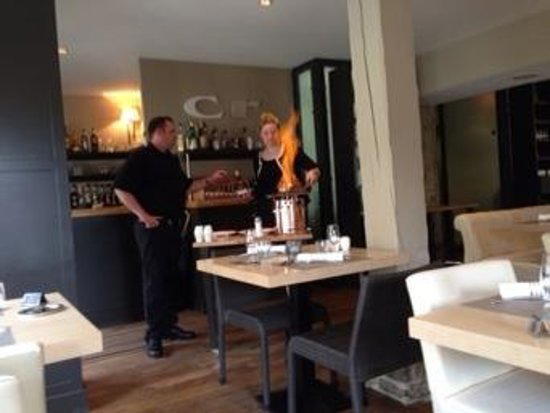
At a Glance
- Trendy
- Cozy
- Modern
- Intimate
- Casual Hangout
- Date Night
- Group Dining
- Terrace
- Historic Building
- Design Destination
- Extensive Wine List
- Natural Wine
- Local Sourcing
- Farm To Table
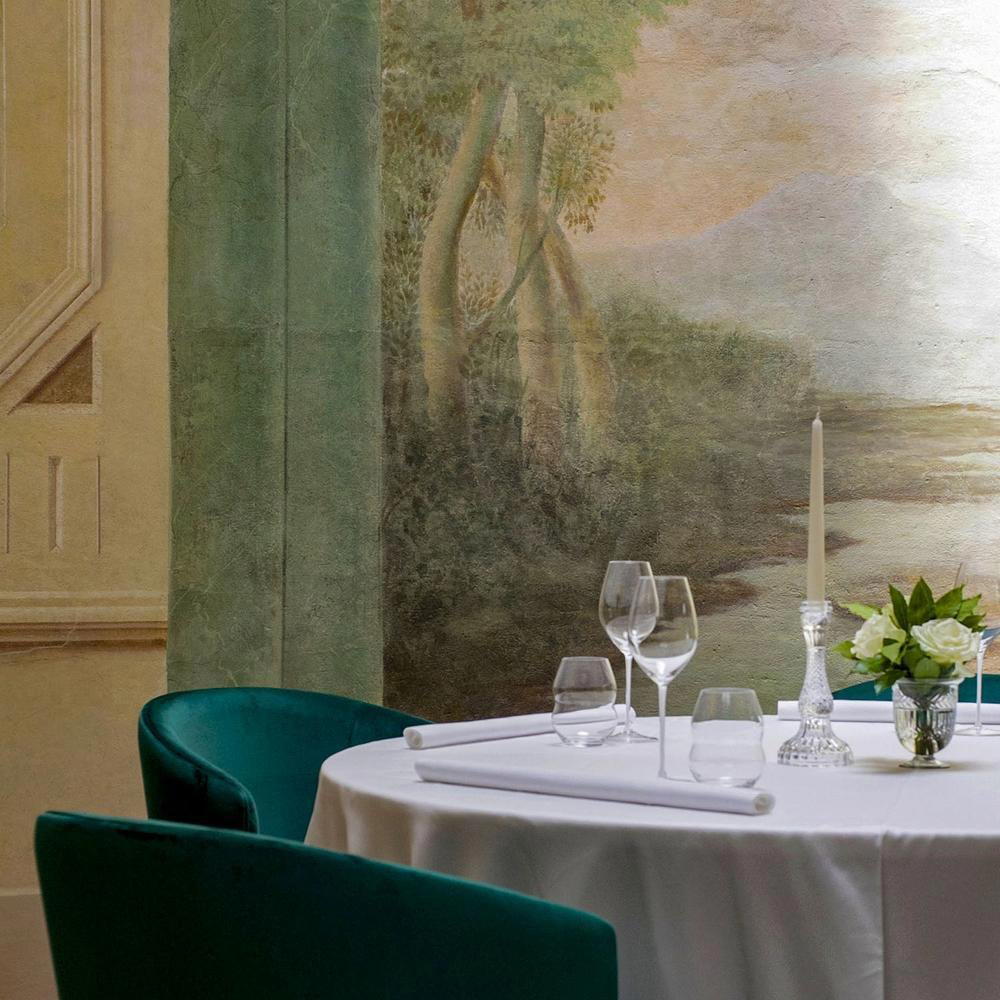
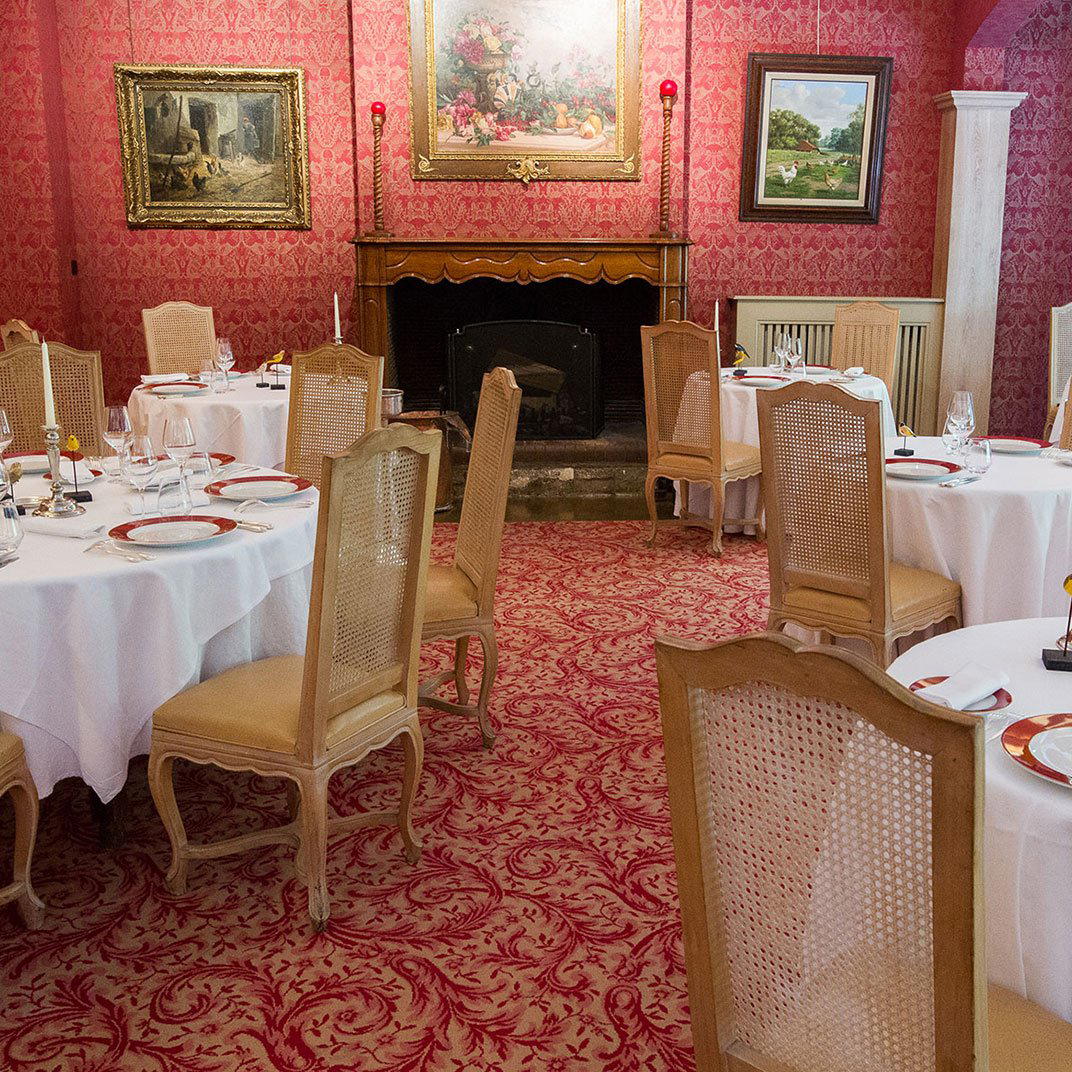
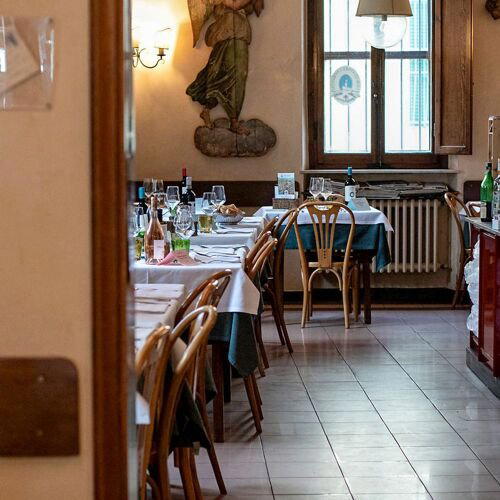
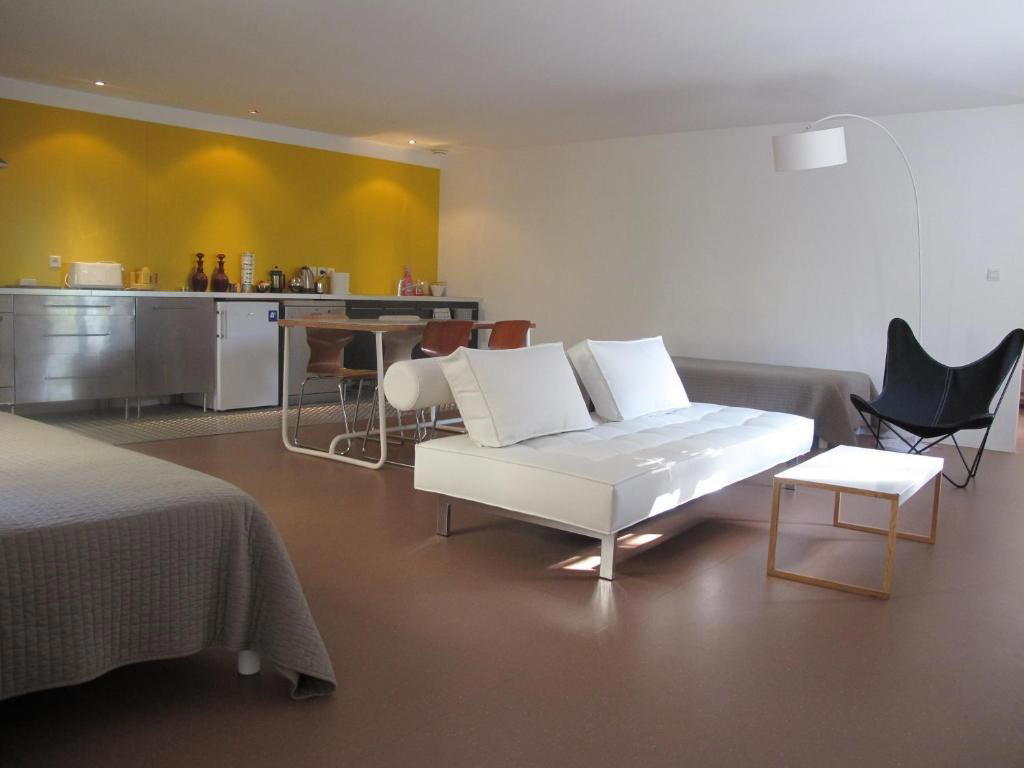
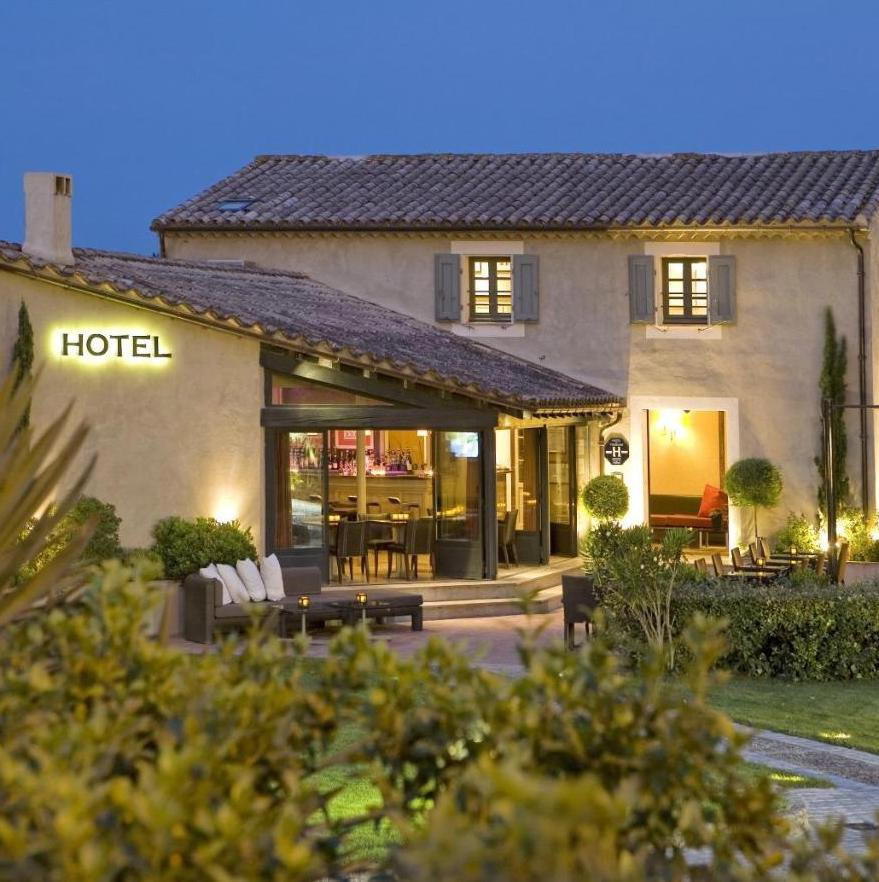
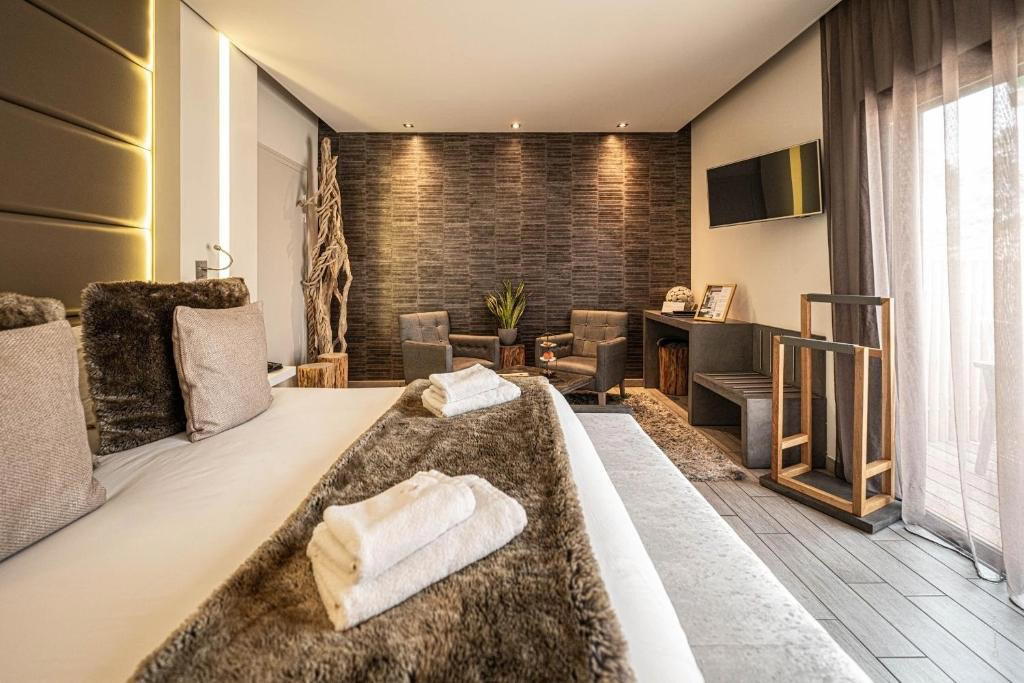
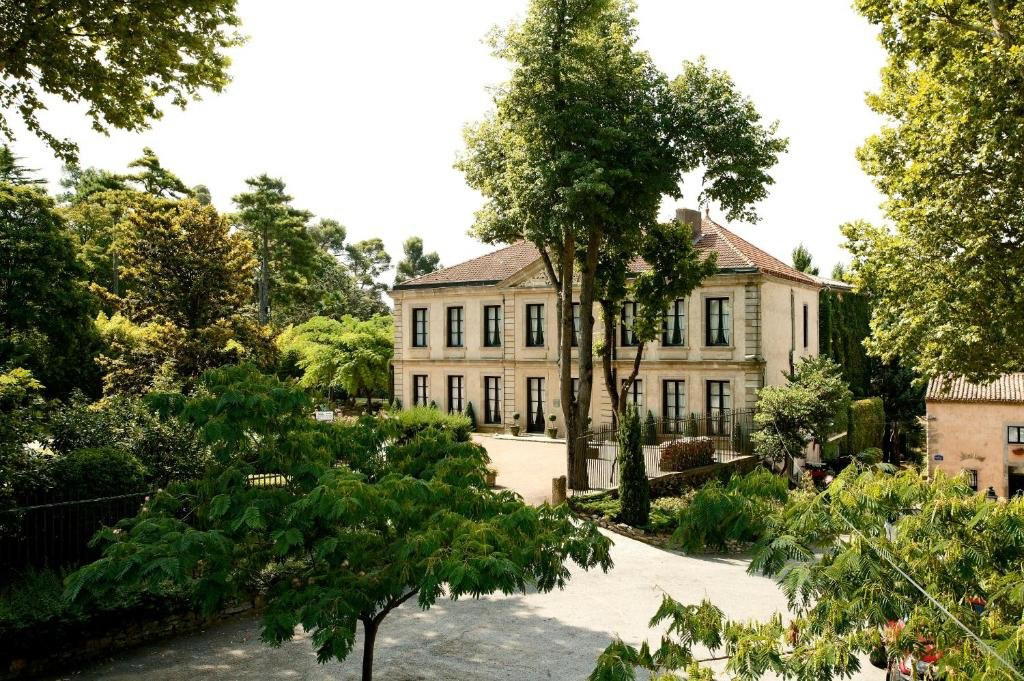
Warm and welcoming with original contemporary décor, fireplace in winter, and shaded terrace seating beneath plane trees overlooking the medieval citadel.