
La Table de la Ferme pairs modern Corsican fine dining with a 2026 Michelin star, a terrace, garden views, and a leisurely dinner format.
Pearl is the En Primeur Club membership app — saves, bookings, and concierge access live there. Same editors, same standards.
- Address
- Domaine de Murtoli Vallée de l'Ortolo, 20100 Sartène, France
- Phone
- +33 4 95 71 69 24
- Website
- murtoli.com
- Directions
- Get directions
 Saves & bookings on Pearl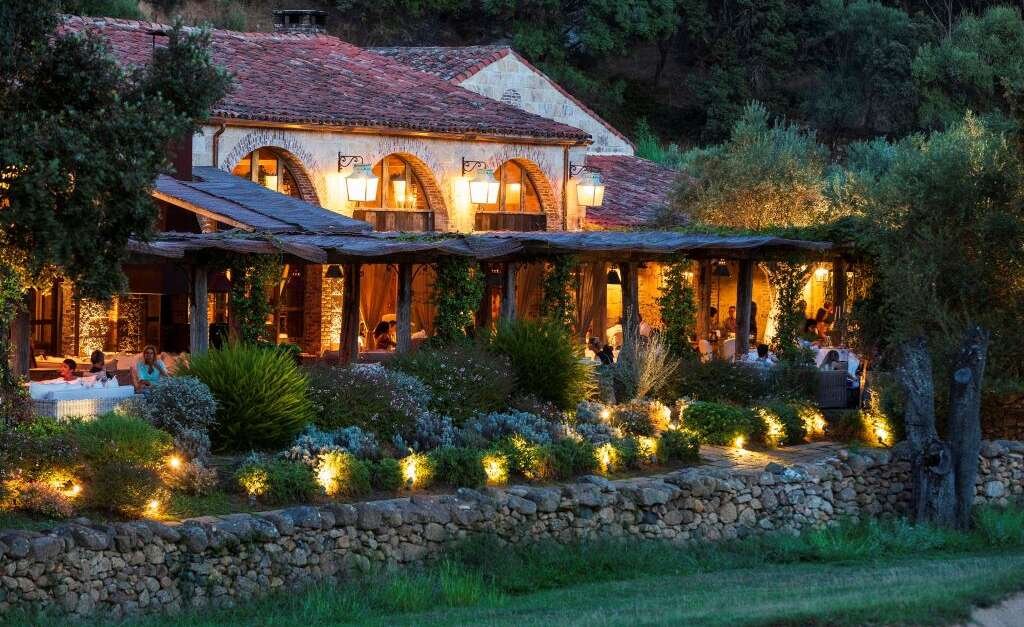
Where the Ortolo Valley Does the Cooking
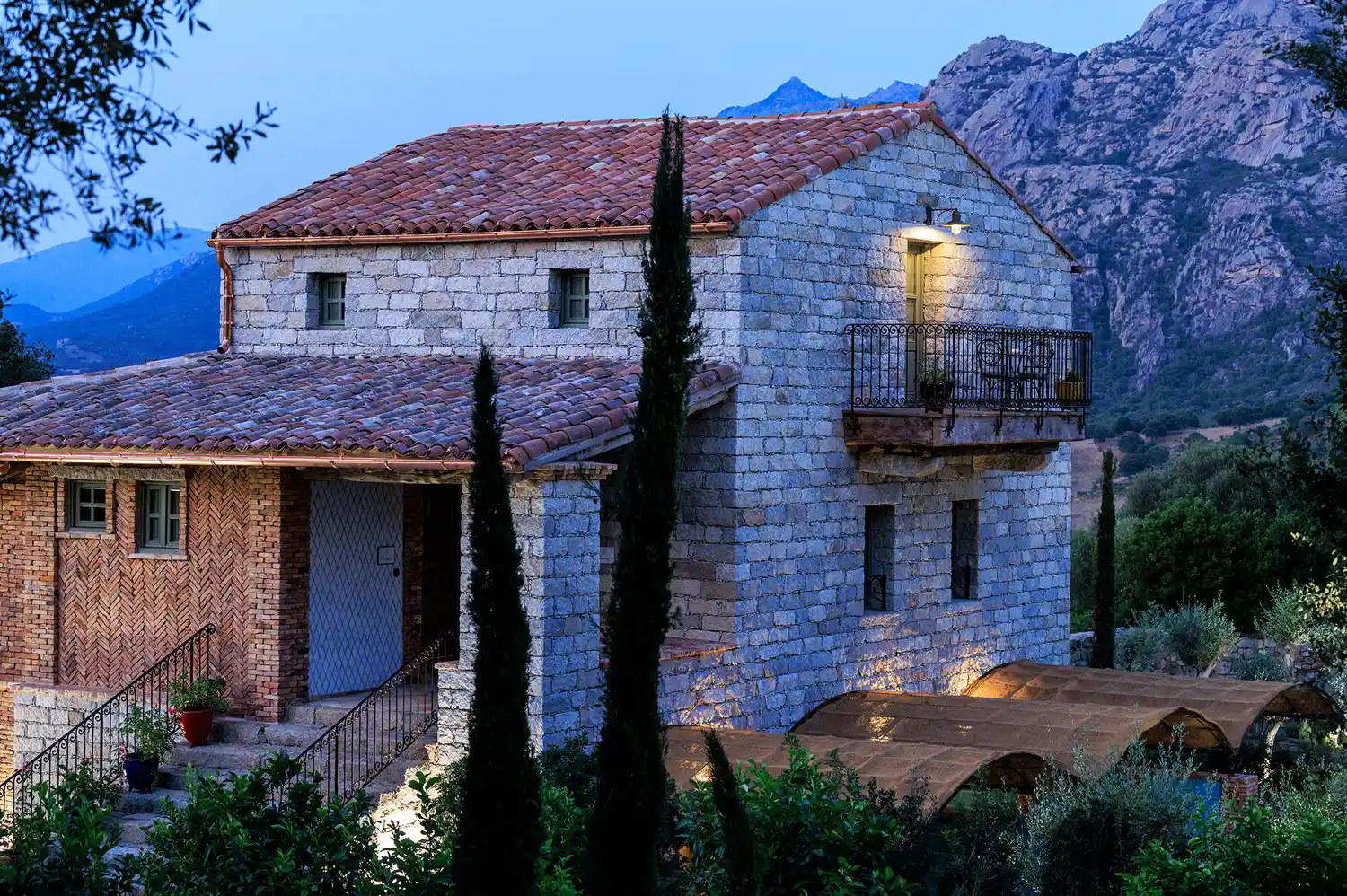
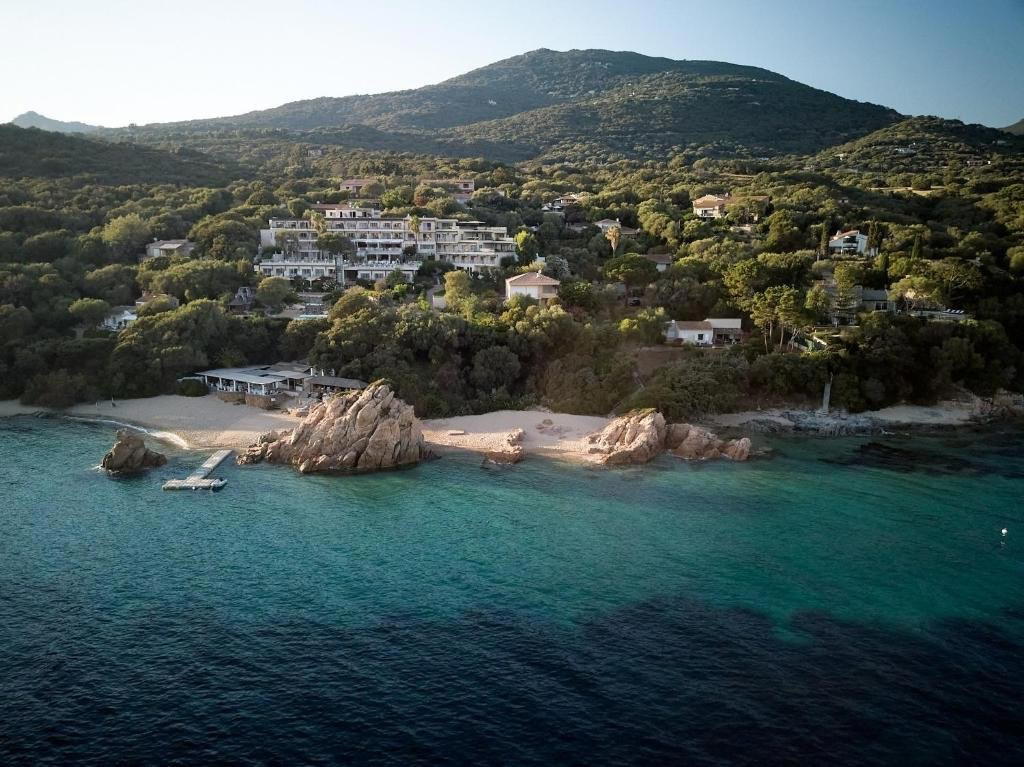
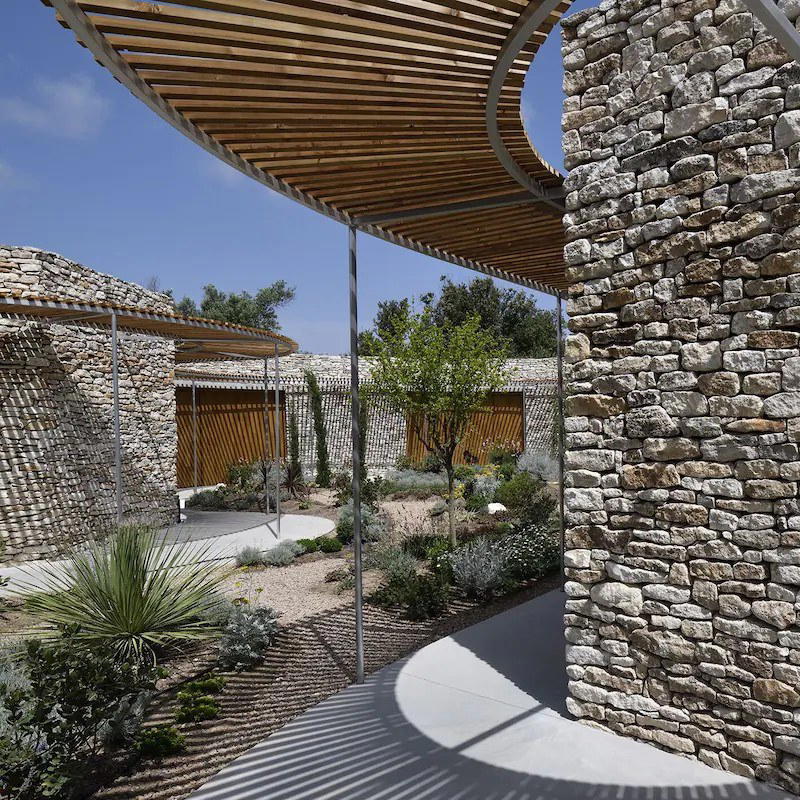
The drive into the Vallée de l'Ortolo already tells you something about what follows at the table. As the road narrows and the maquis closes in on either side, the distance from Sartène's hill-town streets grows measurable not just in kilometres but in sensory register: wild herbs, granite dust, the particular stillness of southern Corsican scrubland. La Table de la Ferme is a restaurant in Sartène, France, at Domaine de Murtoli in the Vallée de l'Ortolo, serving modern Corsican fine dining at about $175 per person. La Table de la Ferme sits within Domaine de Murtoli, a working agricultural estate that operates on a different logic from most European fine-dining addresses. The land is not backdrop. It is the supply chain.
This distinction matters more than it might seem. Across France, the relationship between fine-dining kitchens and their ingredient sources has become a standard talking point, the kind of claim printed on menus from Paris to Lyon. At properties like Mirazur in Menton or Bras in Laguiole, the sourcing narrative is real and verifiable: the kitchen draws from a garden, a territory, a specific ecological envelope. Domaine de Murtoli belongs in that company. The estate raises its own livestock, cultivates its own produce, and presses its own oil. What arrives at the table reflects decisions made months or seasons earlier in the fields visible from the dining room.
The Estate as Ingredient
Corsica's southern interior operates at a remove from the island's more visited coastal circuits. Sartène, which various accounts have described as among the more authentically Corsican of the island's towns, sits in a region where the agricultural calendar still governs daily life in ways that the resort-facing north does not. The Ortolo Valley extends that logic further: it is one of the few areas on the island where a single private estate can credibly claim to produce the core components of a meal from its own land.
The implications for the plate are significant. Produce harvested at the estate does not pass through wholesale distribution or spend days in transit. Meat raised on-site reflects the specific feed and microclimate of this valley rather than a generically labelled regional breed. This is the kind of sourcing specificity that separates what Domaine de Murtoli offers from the broader category of Corsican farm-to-table dining, where the phrase is frequently deployed but the supply chain rarely examined. Among Sartène's restaurants, the range runs from the traditional register of Santu Pultru to the coastal Mediterranean approach at La Table de la Plage. La Table de la Ferme occupies a different position entirely: the estate-dining model, where the sourcing radius is the property boundary.
Corsican Tradition at the Estate Scale
The cooking tradition that restaurant draws from is one of the more coherent regional cuisines in France, rooted in what the island produces rather than in continental influence. Charcuterie from free-range pigs fed on chestnut and acorn, cheeses from sheep and goats raised on maquis pasture, herbs gathered from land that has not been chemically treated: these are the structural materials of Corsican cuisine, and an estate like Domaine de Murtoli can control access to all of them. That level of ingredient control is rare. Even at restaurants operating with serious farm partnerships on the mainland, the connection is contractual rather than proprietary. Here, the estate owns the full sequence.
For comparison, French estate-based dining at its most developed tends to appear in wine country, where the domaine's agricultural logic already structures the operation. The table at Auberge de l'Ill in Illhaeusern or the produce-driven precision of Flocons de Sel in Megève each reflect a deep relationship between place and plate, but neither operates from an integrated working estate in quite the same mode as Murtoli. The closest analogy in the French tradition is the bergerie or ferme auberge format, scaled up and applied to a property of unusual size and ambition.
The Wider Sartène Dining Scene
Sartène does not attract the volume of culinary tourism that Ajaccio or Bonifacio generate. Its dining scene is correspondingly concentrated and local-facing, which has certain advantages. Restaurants like La Table de la Grotte offer Corsican cooking in a straightforwardly traditional register; La Trattoria reflects the Italian cultural proximity that marks much of the island's southern cooking; Le Jardin de l'Echauguette brings a garden-setting sensibility to the town's refined position. None of these, however, operate at the estate scale that Domaine de Murtoli commands. The restaurant is in a different competitive tier, one closer to the destination-dining model than to the town restaurant model.
In the broader French fine-dining frame, the estate model is an increasingly noted alternative to the urban tasting-menu format. Addresses like Alléno Paris au Pavillon Ledoyen or Assiette Champenoise in Reims anchor the French dining establishment in metropolitan or peri-urban settings. The restaurant operates in deliberate contrast to that format: the remoteness is the point, not an obstacle to overcome.
Planning a Visit
Access to Domaine de Murtoli and the restaurant requires either driving or arranging transfer, as the estate lies several kilometres outside Sartène proper along a road not served by public transport. This is not incidental. The estate's operating model depends on guests arriving with time rather than fitting a meal between other commitments. The Vallée de l'Ortolo rewards that kind of attention. Visitors combining the restaurant with a stay at the estate's accommodation are positioned to engage with the sourcing narrative at the pace it requires; a day visit without an overnight is possible but compresses the experience considerably. Given the estate's profile and the relative scarcity of comparable addresses in southern Corsica, reservations are advisable well in advance, particularly for the summer season when demand from both island visitors and French mainland travellers peaks. The address is Domaine de Murtoli Vallée de l'Ortolo, 20100 Sartène, France.
At-a-Glance Comparison
Comparable venues nearby, for context on price, style, and recognition.
| Venue | Cuisine | Price | Awards | Notes |
|---|---|---|---|---|
| La Table de la FermeThis venue — the venue you are viewing | Modern Corsican Fine Dining | $$$$ | Not listed | Not listed |
| Le Jardin de l'echauguette | Traditional Corsican Bistro | $$$ | Not listed | Sartene |
| La Table de la Plage | Mediterranean Beachside Fine Dining | $$$$ | Michelin Plate | Vallée de l'Ortolo |
| Santu Pultru | Traditional Corsican Farmhouse | $$ | Michelin Plate | Sartène |
| La Trattoria | Traditional Corsican Trattoria | $$ | Not listed | Sartène |
| La Table de la Grotte | Traditional Corsican | $$$$ | Michelin 1 Star | Vallée de l'Ortolo |
Recognition history
Dated appearances from independent guides and award organizations, with the underlying list record or original source where available.
Michelin 1 Star
Michelin
Continue exploring
More in Sartène
Restaurants in Sartène
Browse all →
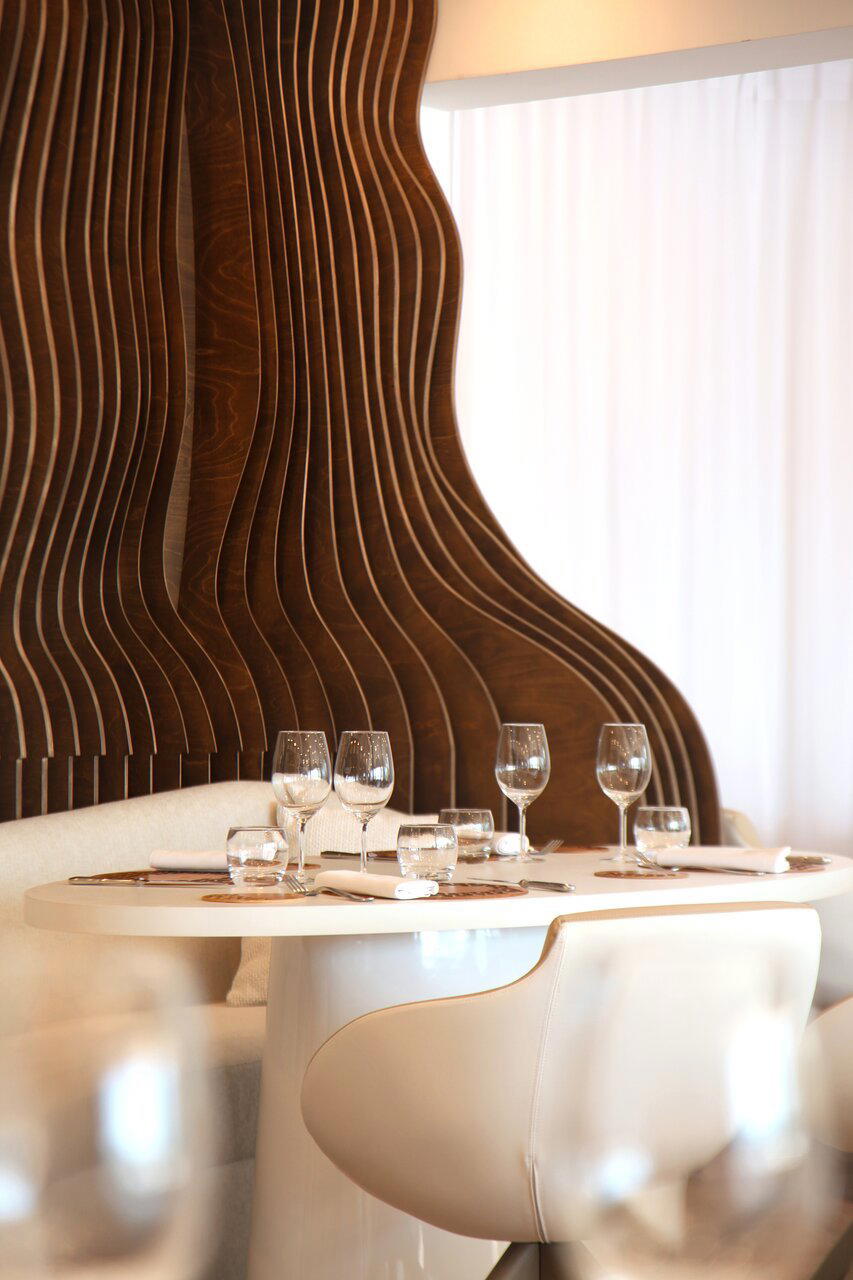
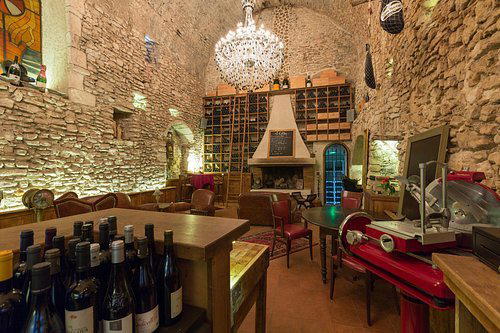
Bars in Sartène
Browse all →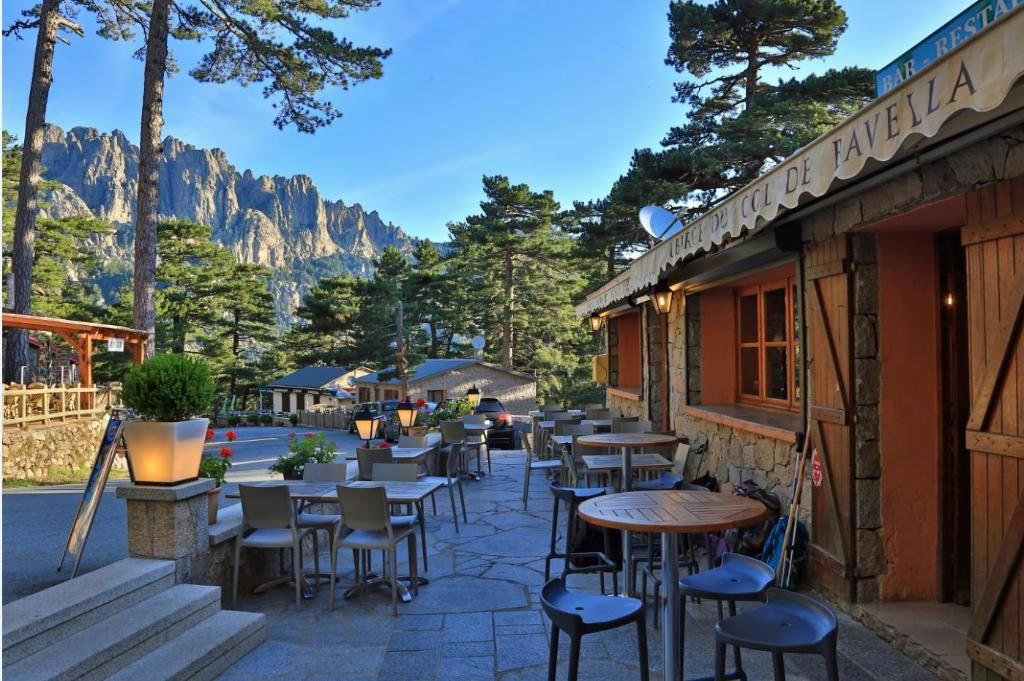
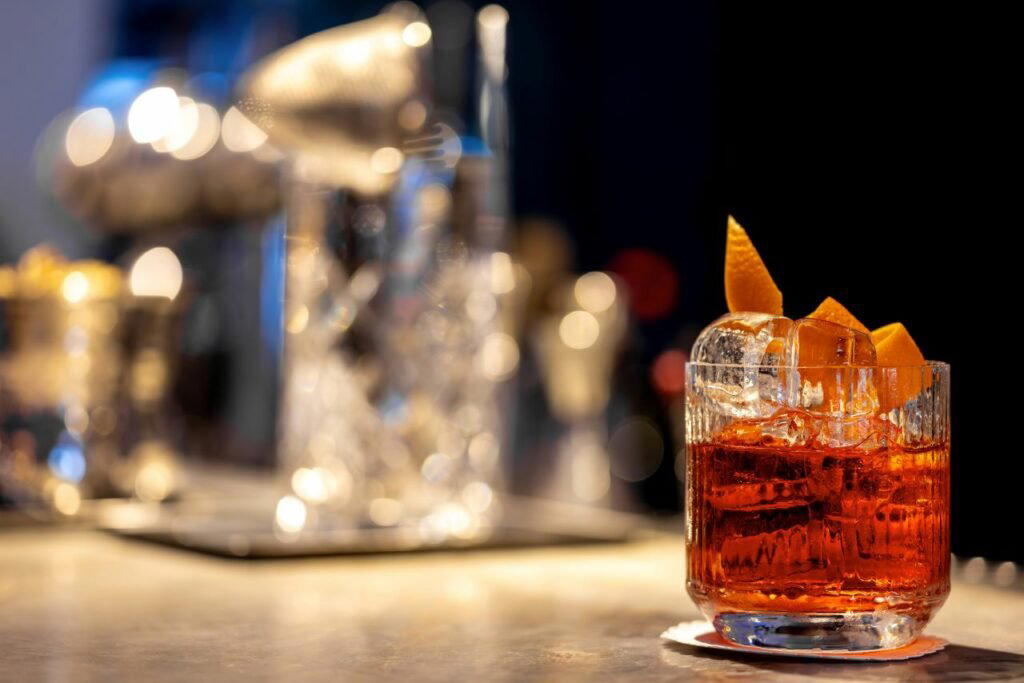
Hotels in Sartène
Browse all →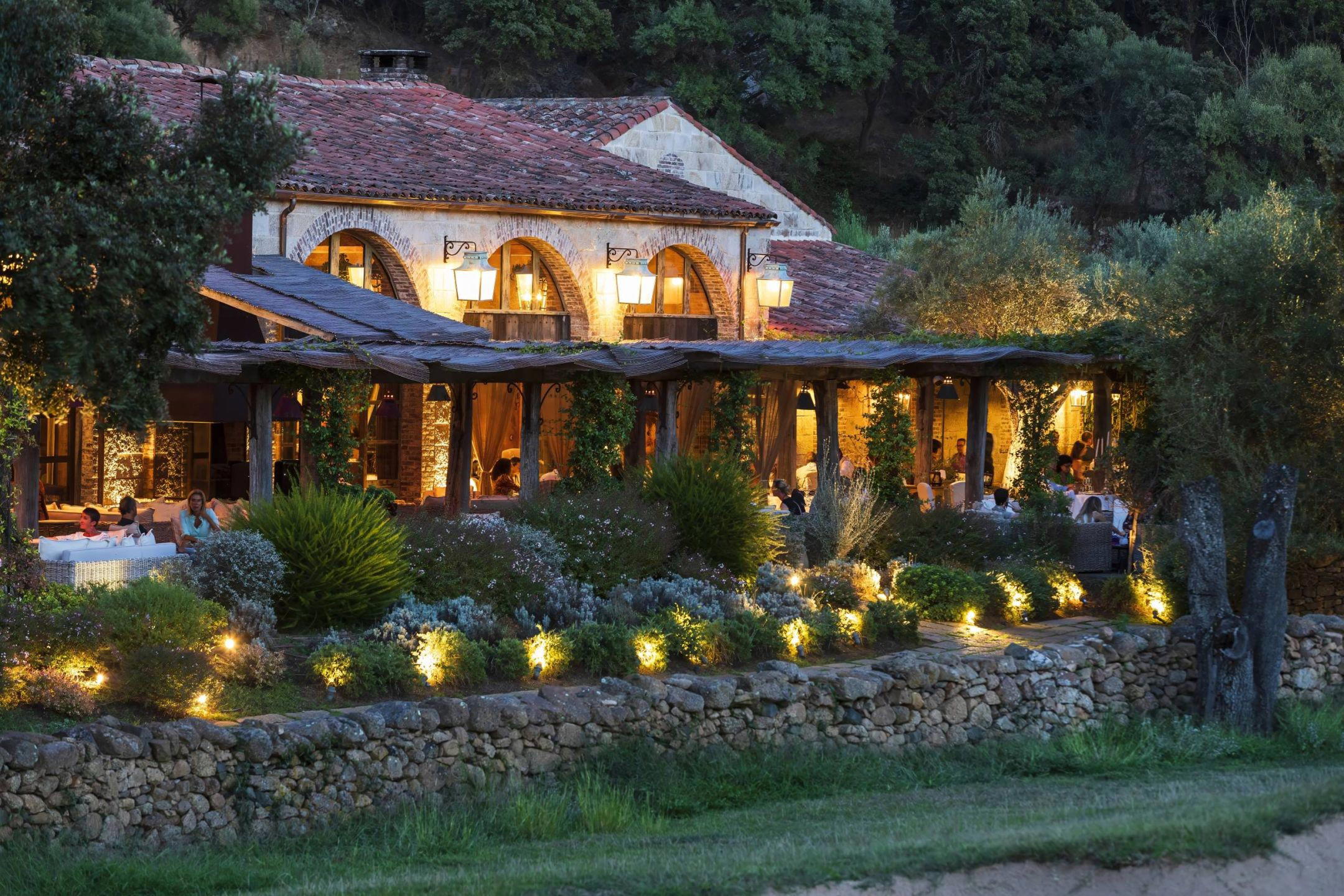

At a Glance
- Rustic
- Elegant
- Romantic
- Cozy
- Scenic
- Date Night
- Special Occasion
- Terrace
- Historic Building
- Extensive Wine List
- Farm To Table
- Local Sourcing
- Garden
Current opening hours
- Monday
- 8 AM–10 PM
- Tuesday
- 8 AM–10 PM
- Wednesday
- 8 AM–10 PM
- Thursday
- 8 AM–10 PM
- Friday
- 8 AM–10 PM
- Saturday
- 8 AM–10 PM
- Sunday
- 8 AM–10 PM
Hours can change for holidays and private events. Last verified .
Rustic chic atmosphere with lovely patio shaded by olive trees, monumental fireplaces, and serene rural surroundings.