Our verdict
Le Fil A la Patte occupies a modest address on Rue Georges Lassalle in Tarbes, a city where the Pyrenean larder shapes what ends up on the plate more consistently than in most French provincial towns of comparable size. The restaurant sits within a dining scene that has quietly grown more confident about its regional identity, drawing on the bean fields of Tarbes itself and the mountain pastures immediately to the south.
- Address
- 30 Rue Georges Lassalle, 65000 Tarbes, France
- Phone
- +33562933923
- Website
- facebook.com
- Directions
- Get directions
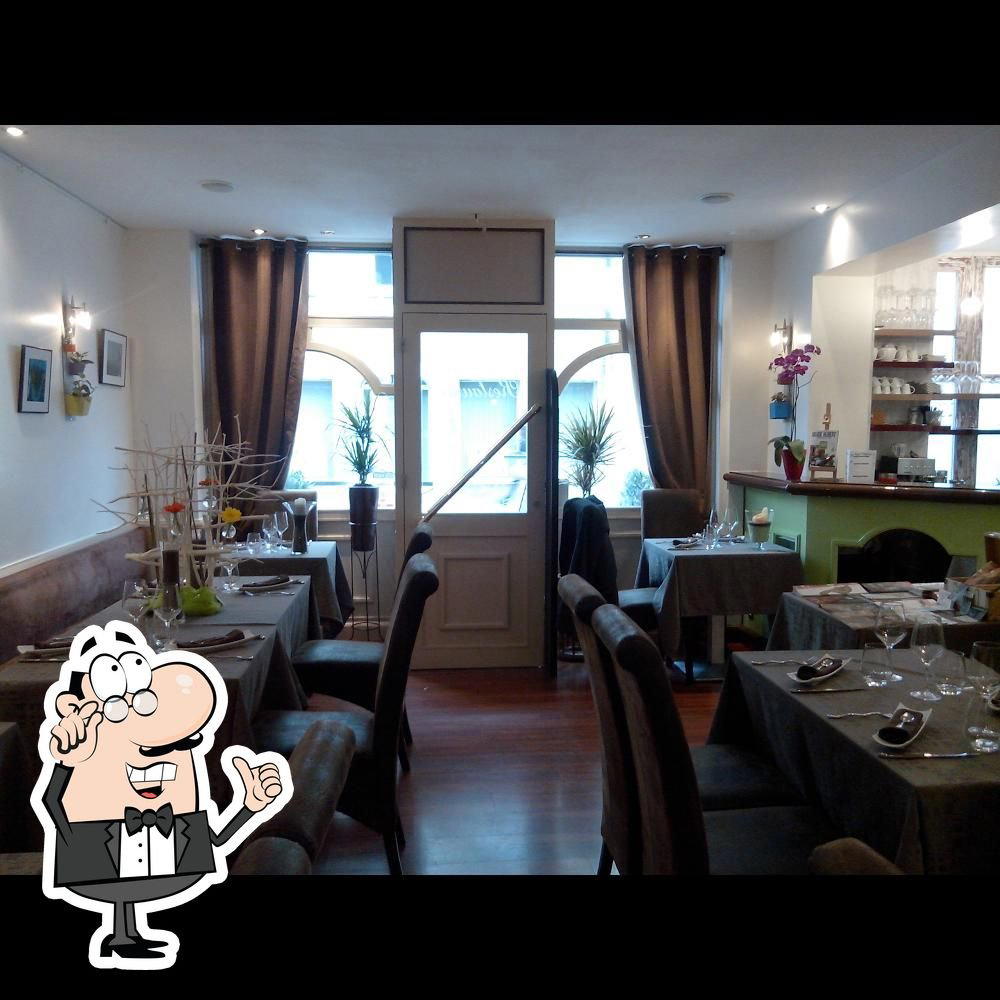
The menu
What to order
- Grilled pollack
- Duck filet
- Bigourdan beef cheek terrine
Tarbes and the Pyrenean Larder
There is a specific culinary geography at work in Tarbes that most visitors from Paris or Lyon underestimate. The city sits at the edge of the Hautes-Pyrénées, close enough to the mountains that the agricultural supply chain runs in a compressed radius. Bean farmers, shepherds, and market gardeners all operate within an hour's drive, and the town's better restaurants reflect that proximity in what they choose to serve and what they bother to import. In the broader context of French provincial dining, where even mid-tier restaurants now source proteins and produce from centralised distributors, a kitchen that maintains a genuine relationship with the Pyrenean supply chain is doing something that takes consistent effort rather than marketing copy.
Le Fil A la Patte, at 30 Rue Georges Lassalle, sits inside this tradition. The address is workmanlike rather than theatrical — a street-level entrance in a town centre that rewards the kind of walking that reveals a city's character slowly. Tarbes itself is not a destination built around single-restaurant pilgrimages in the way that Bras in Laguiole draws visitors to the Aubrac plateau, or that Mirazur in Menton defines its Mediterranean clifftop. Here the draw is cumulative: a regional food culture that has been less publicised than it deserves.
What the Region Puts on the Plate
The Hautes-Pyrénées produces some of France's most territorially specific ingredients. The haricot tarbais — a white kidney bean grown in the alluvial soils of the Adour valley, protected under a Label Rouge designation, is the most cited example, but the surrounding area also yields lamb from high-altitude summer pastures, trout from mountain streams, Ossau-Iraty-style sheep's cheeses from just across the departmental border, and foie gras from farms that supply both local tables and the broader southwest. Any kitchen working seriously in Tarbes has access to a supply network that chefs in larger French cities often spend considerable money trying to approximate.
This is the ingredient context that frames a restaurant like Le Fil A la Patte. The southwest French kitchen, at its most articulate, is not the heavy cassoulet cliché that travels poorly outside the region. At its finest it is precise about fat, careful about balance, and unapologetic about using ingredients whose provenance is part of the dish's meaning. Compare that approach to the restrained vegetable sourcing that defines restaurants like L'Arpège within Tarbes, or the more overtly contemporary framing at L'Empreinte, and you start to map the city's current dining range. Le Petit Gourmand and Popôte occupy the accessible modern-cuisine tier; Storia pulls in a different direction. Le Fil A la Patte positions itself somewhere in the range between grounded regional cooking and the kind of considered contemporary French table that a town of Tarbes's scale can sustain when the sourcing infrastructure is already in place.
Provincial Ambition in a French Context
France's most-discussed restaurants have largely concentrated recognition in Paris and in specific destination locations: the three-star formality of Alléno Paris au Pavillon Ledoyen, the alpine precision of Flocons de Sel in Megève, the Alsatian institution of Auberge de l'Ill in Illhaeusern, or the multi-generational ambition of Troisgros in Ouches. Tarbes operates outside that circuit. There is no Michelin star pressure here of the kind that shapes menus at Assiette Champenoise in Reims or Au Crocodile in Strasbourg. That absence cuts both ways: it removes a certain kind of external validation, but it also removes the pressure to perform for inspectors rather than for the local clientele who return weekly.
The restaurants that succeed in towns like Tarbes tend to do so by building a steady regular trade and by understanding what the regional ingredient calendar actually demands. The parallels with destination-driven kitchens abroad, the technique-led format of AM par Alexandre Mazzia in Marseille, the classical rigour at Paul Bocuse's Auberge du Pont de Collonges, or even the fish-led precision of Le Bernardin in New York, are matters of approach and discipline, not geography. The discipline of sourcing well, cooking with attention to the product rather than to decoration, and pacing a meal correctly is not the exclusive property of three-star addresses.
Planning a Visit
Tarbes is accessible by TGV from Bordeaux and from Toulouse, which lies roughly 150 kilometres to the east. The town centre is compact and walkable; Rue Georges Lassalle sits within the grid of streets that makes up the central commercial district. For visitors combining the Hautes-Pyrénées with a broader southwest France itinerary, Lourdes is less than twenty minutes by road, and the Pyrenean mountain passes are within reach for a day excursion, Tarbes functions as a practical overnight base. The full range of what the city offers at table is documented in our full Tarbes restaurants guide.
As with most French restaurants of this scale operating in provincial towns, contacting the venue directly for reservation and current hours is the practical first step. The restaurant's address at 30 Rue Georges Lassalle provides the fixed reference point for any visit planning. For those arriving by car, Tarbes has central parking infrastructure adequate to the town's size.
For a sense of what a meal in this part of France can mean at its most considered, the Pyrenean southwest remains one of the country's more coherent ingredient regions, and any restaurant working honestly within it has a starting advantage that is harder to construct from scratch than any number of technique-led preparations. That is what makes the dining in Tarbes worth taking seriously, independently of any single address. International comparisons like Atomix in New York operate from an entirely different logic, but the underlying principle, that the leading ingredient sourcing produces a kind of clarity that technique alone cannot fake, holds across formats and continents.
Frequently asked questions
What's the address for Le Fil A la Patte?
Le Fil A la Patte is located at 30 Rue Georges Lassalle, 65000 Tarbes, France, Tarbes.
Is Le Fil A la Patte a good option for visitors arriving in Tarbes by train from Toulouse or Bordeaux?
Tarbes is served by TGV from both Toulouse (roughly 150 kilometres to the east) and Bordeaux, and the town centre around Rue Georges Lassalle is compact enough to reach on foot from the station. Le Fil A la Patte makes a practical and regionally grounded first meal in the Hautes-Pyrénées, positioning diners directly inside the local culinary geography before heading further into the mountains.
What dish is Le Fil A la Patte famous for?
The kitchen at Le Fil A la Patte, on Rue Georges Lassalle in Tarbes, works within the produce tradition of the Hautes-Pyrénées, a region whose most territorially specific ingredient is the haricot tarbais — a protected white kidney bean grown in the alluvial plains around the city.
Do I need a reservation for Le Fil A la Patte?
Tarbes has a limited number of serious French tables, which tends to concentrate demand at the better-regarded addresses. Booking ahead for Le Fil A la Patte at 30 Rue Georges Lassalle is advisable, particularly on weekends or during local market days when the town centre draws visitors from across the Hautes-Pyrénées.
What's the signature at Le Fil A la Patte?
Le Fil A la Patte sits in a city that sits at the threshold of the Pyrenees, giving the kitchen access to ingredients — mountain-grazed meat, protected legumes, southern French cheeses — that define the cooking of this corner of France. The signature here is less a single dish than a regional point of view rooted in Hautes-Pyrénées produce.
How It Stacks Up
| Venue | Cuisine | Price | Awards | Notes |
|---|---|---|---|---|
| Le Fil A la PatteThis venue — the venue you are viewing | French Bistro with Local Seasonal Specialties | Not listed | Not listed | Not listed |
| L'Empreinte | Modern French Creative Bistro | $30–50 | Michelin Bib Gourmand | Creative |
| Le Petit Gourmand | Modern French Bistro | $30–50 | Michelin Plate | Modern Cuisine |
| Popôte | Modern French Bistro | $30–50 | Michelin Plate | Modern Cuisine |
| L'Arpège | French Fine Dining with Japanese Influences | $50–100 | Michelin Plate | Not listed |
| Storia | Traditional French Brasserie and Trattoria | Not listed | Not listed | Not listed |
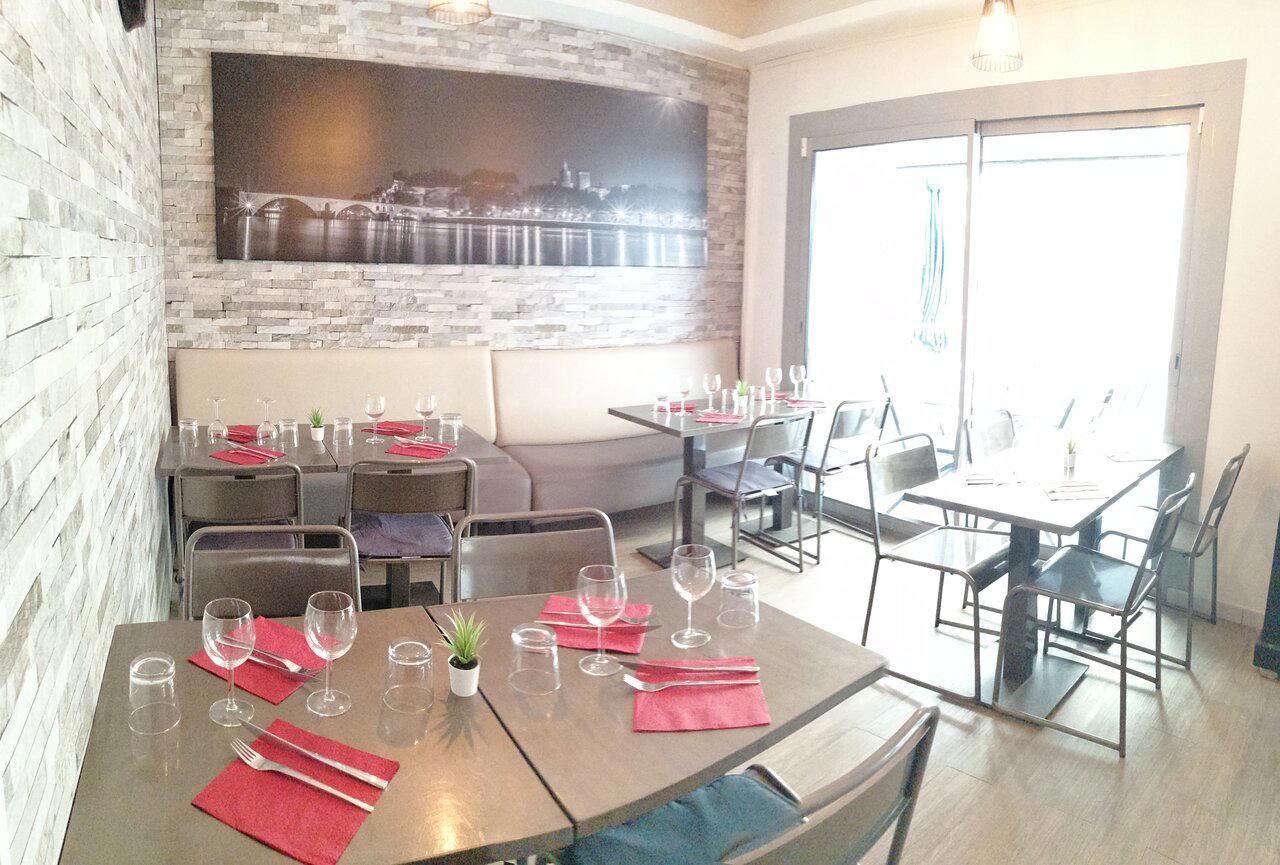
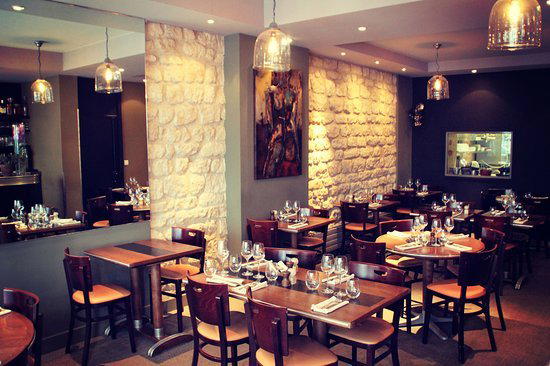
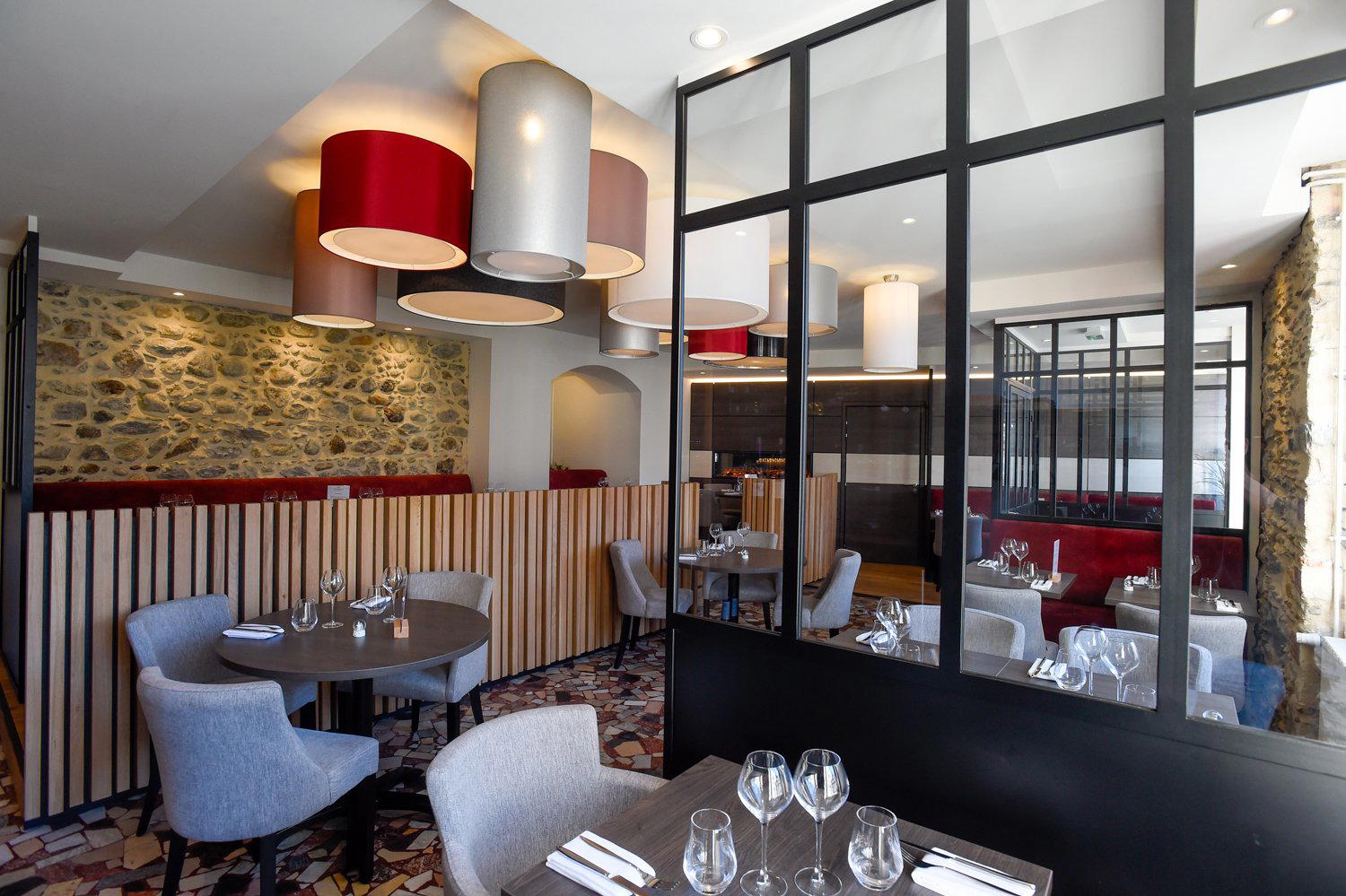

Details
- Classic
- Cozy
- Date Night
- Special Occasion
- Standalone
- Local Sourcing
- A La Carte
- Gluten Free Options
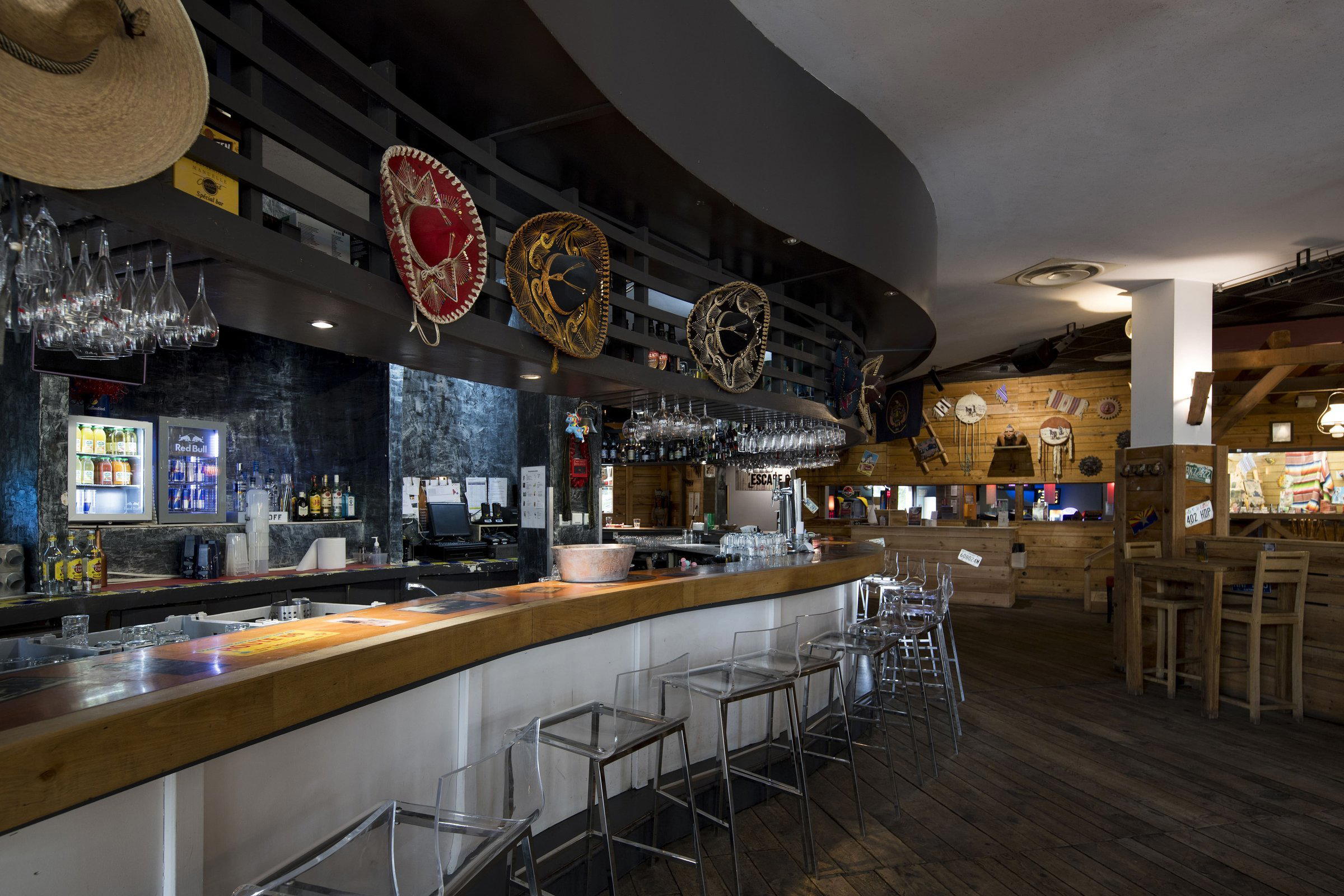
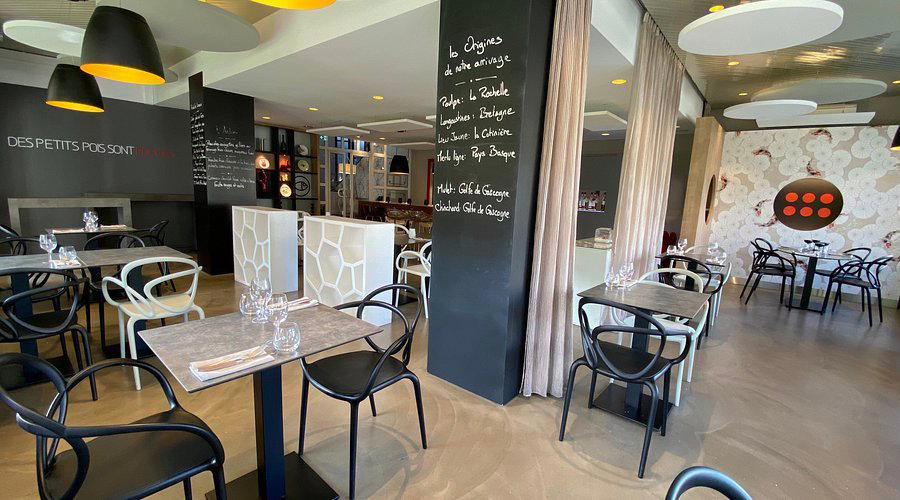
Cozy classic French bistro atmosphere focused on quality seasonal cuisine.