
Michelin Plate
Our verdict
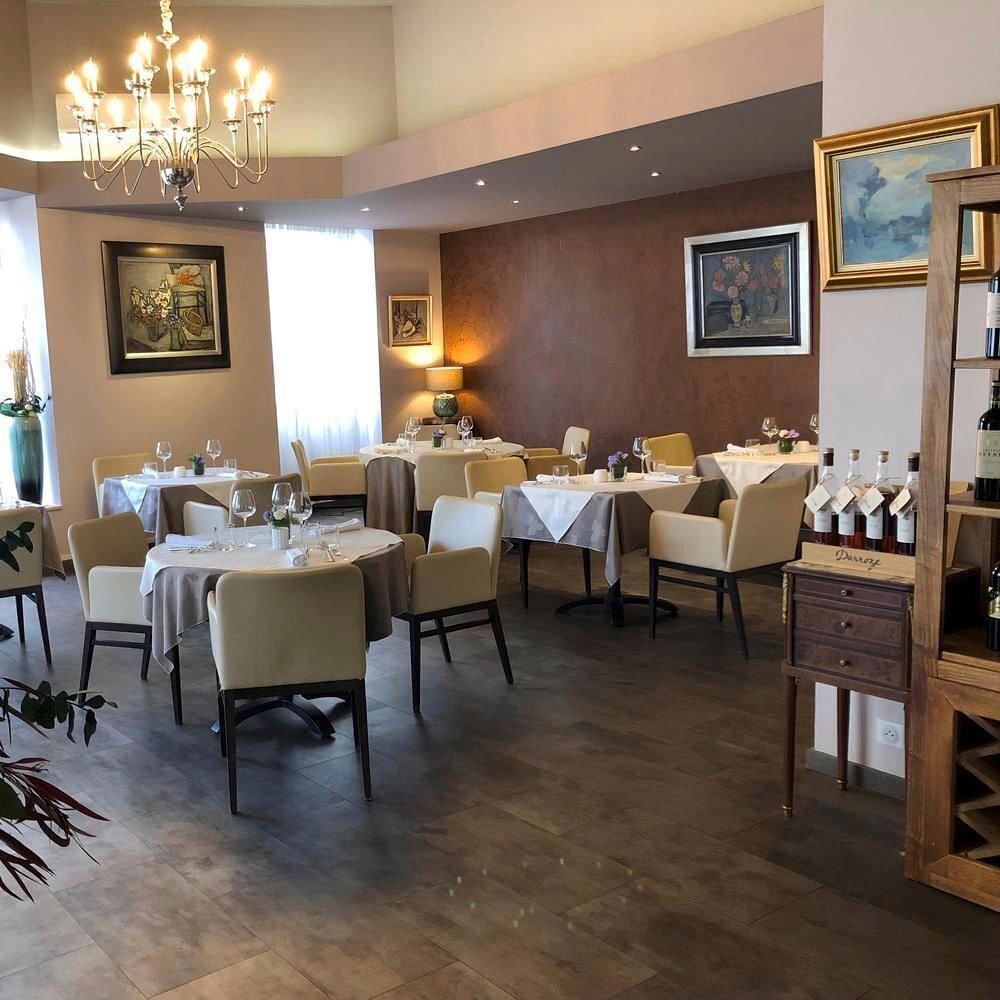
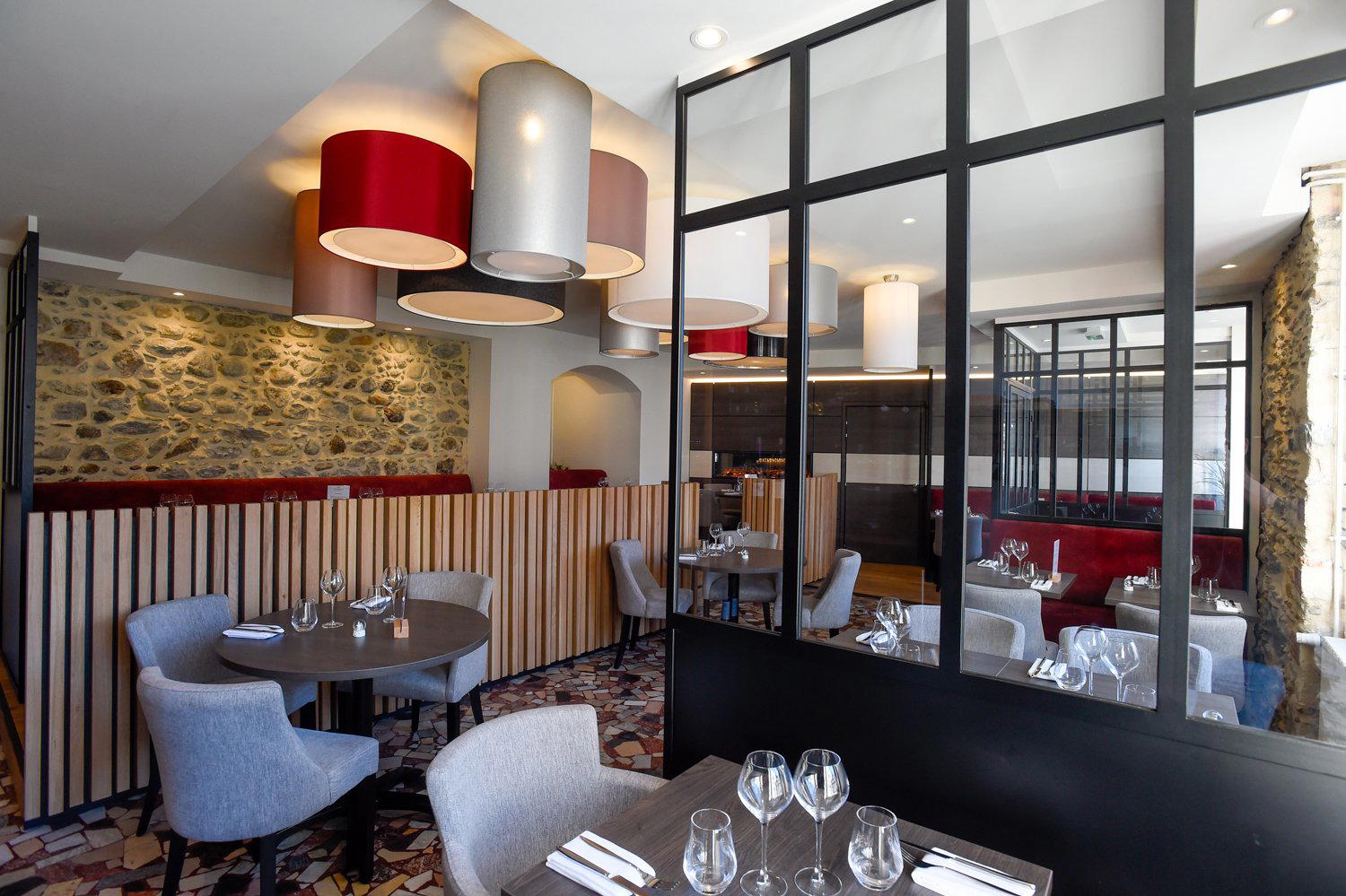
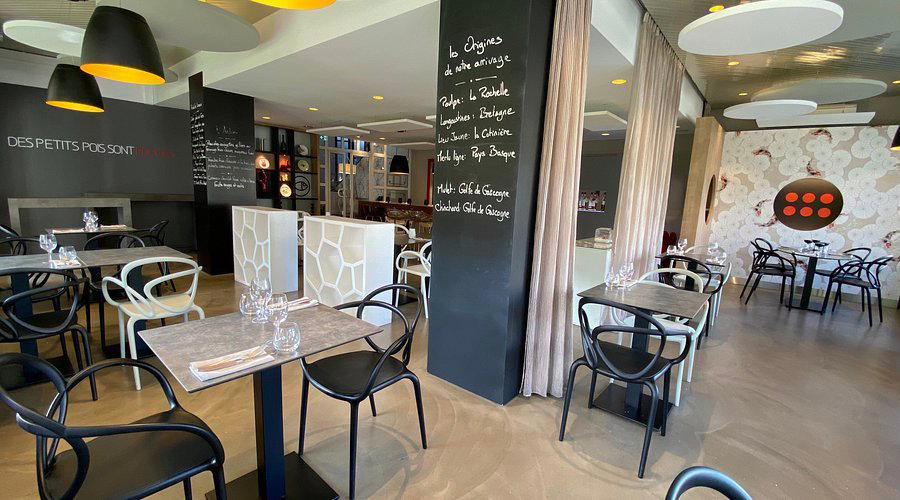
At 22 place de Verdun in Tarbes, L'Arpège brings a distinct Japanese-inflected sensibility to southwest France, with two Japanese chefs cooking creative dishes built around high-quality ingredients expressed through broths, seaweed, and considered seasonings. The interior matches the plate aesthetic: clean, contemporary, and stripped of excess. It is one of the more focused creative restaurants in the city.

Pearl is the En Primeur Club membership app — saves, bookings, and concierge access live there. Same editors, same standards.
- Address
- 22 place de Verdun
- Phone
- +33 5 62 51 15 76
- Hours
- Mon–Tue ClosedWed–Fri 12–1:30 PM, 8–9:15 PMSat 12–1 PM, 8–9:15 PMSun 12–1 PM
- Website
- larpege-tarbes-65.eatbu.com
- Directions
- Get directions
The menu
What to order
- Foie gras maison
- Magret de canard
- Blanquette de veau
- Turbot rôti
Where Southwest France Meets Japanese Restraint
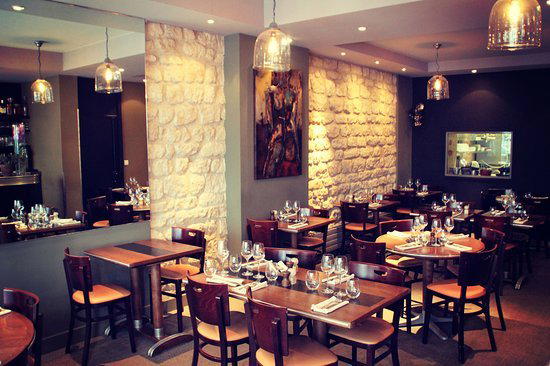
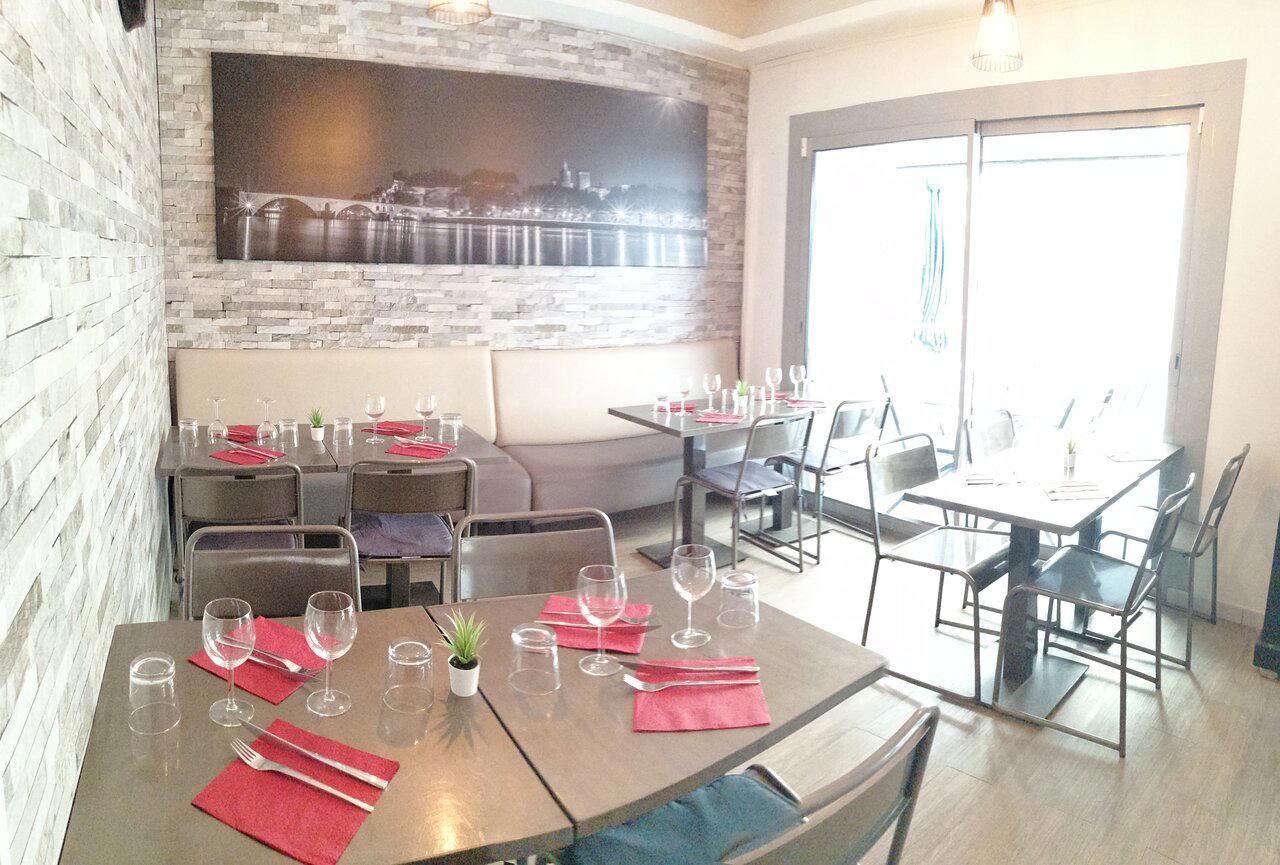
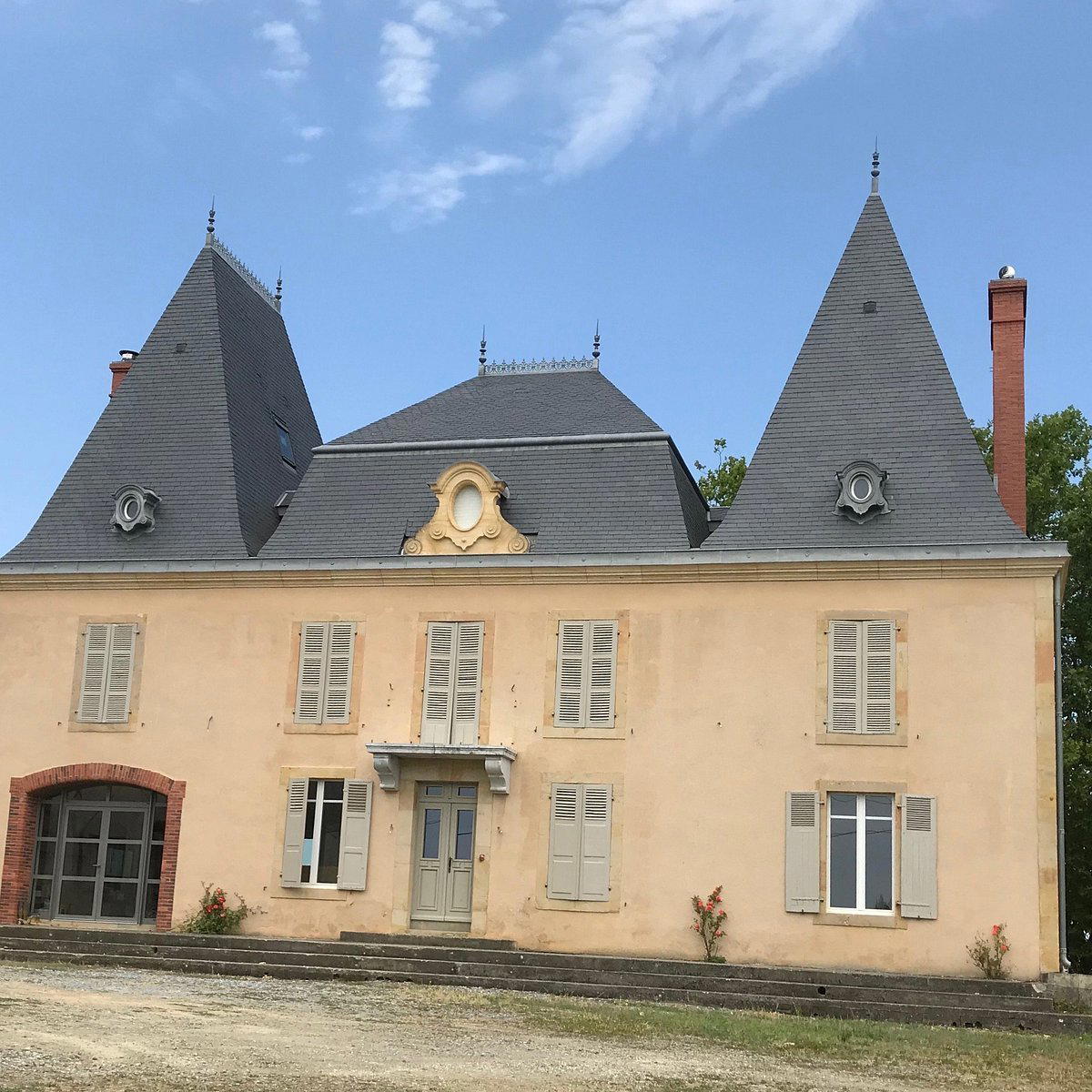
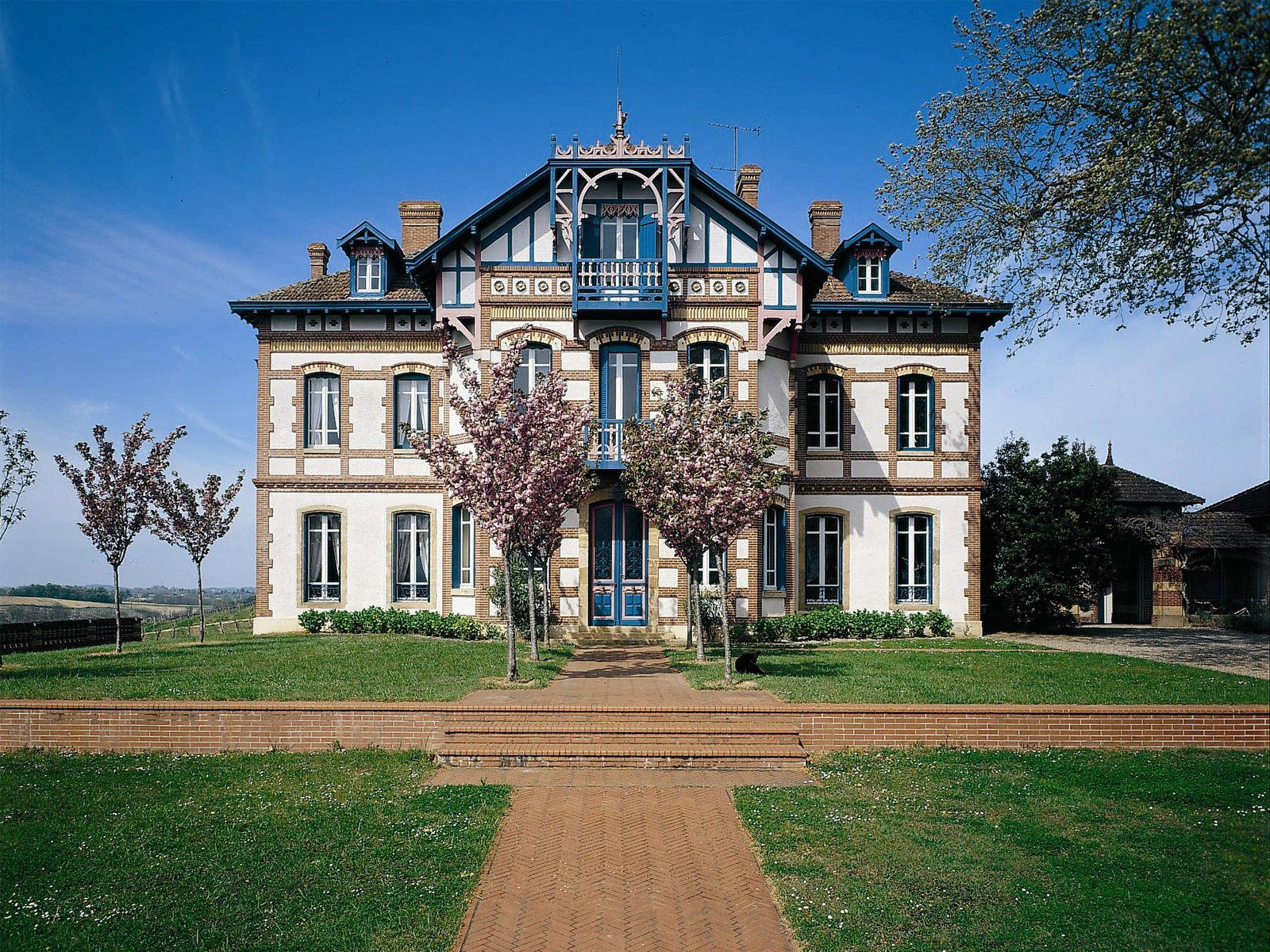
Tarbes sits in the Hautes-Pyrénées, a city more often associated with the pilgrim route to Lourdes and the agricultural rhythms of the Adour valley than with precision cooking. That context makes L'Arpège at 22 place de Verdun a more interesting proposition than it would be in a larger, more self-consciously gastronomic city. The room is contemporary and spare, the kind of space where the plates do their talking without competition from elaborate décor. Walls, lighting, and table settings are calibrated to let the food read clearly, which is the correct call given what the kitchen is doing.
The cooking here sits at the intersection of two culinary traditions that share more common ground than they first appear to: French ingredient-led cuisine and Japanese technique-led precision. Both traditions privilege the source material over the transformation. Both regard the broth as a serious vehicle. The two Japanese chefs behind this kitchen work that overlap deliberately, using seaweed, Japanese seasonings, and clean broth constructions to frame ingredients that are, by the evidence on the plate, carefully chosen. This is not fusion in the decorative sense. It is a considered decision about which tools leading express what the ingredients already are.
The Logic of the Ingredient
Japanese cuisine has long operated on the principle that the cook's primary obligation is to the ingredient. That philosophy travels well to southwest France, a region with access to serious primary produce: lamb from the Pyrénées foothills, river fish, vegetables from market gardens that supply the broader Gascony corridor, and proximity to the Atlantic coast for seafood. When a kitchen chooses to foreground its sourcing, the Tarbes location is not a handicap. It is, arguably, an advantage over a city-centre restaurant dependent on distribution chains.
The broths and seasonings the kitchen employs are not supporting acts. In Japanese-inflected cooking at this level, a dashi or a sea-vegetable reduction functions as the primary flavour architecture of a dish, with the main protein or vegetable placed within it rather than on top of it. That approach demands ingredient honesty: a broth built around good-quality kombu or bonito will expose a weak main ingredient immediately. The fact that the cooking has received recognition for its quality suggests the sourcing decisions are sound.
This places L'Arpège in a specific and relatively small category within the French provincial restaurant scene. Creative cooking with genuine Japanese technical influence, as distinct from a Japanese-inspired garnish or an occasional miso glaze, requires kitchen discipline and ingredient access that most provincial towns cannot support. The restaurants in Tarbes that operate in the broader creative and modern cuisine tier, including L'Empreinte and Le Petit Gourmand, represent the city's appetite for cooking that moves beyond regional convention, but L'Arpège's approach is differentiated by its structural Japanese influence rather than a more generically modern French frame. Popôte, operating at the entry price point of the three, completes the city's creative cooking range at a more accessible tier.
Where This Fits in the Wider French Creative Scene
France's most technically rigorous creative restaurants tend to cluster in Paris and in a handful of regional destinations with established gastronomic reputations. The grand addresses, from Alléno Paris au Pavillon Ledoyen to Mirazur in Menton, anchor France's international profile. Deeper in the regions, the tradition runs through places like Bras in Laguiole, which made the Aubrac plateau a destination on its own terms, and Flocons de Sel in Megève, which operates at altitude with a similar sense of geographic rootedness. Troisgros in Ouches and Auberge de l'Ill in Illhaeusern represent the longer dynastic tradition. Paul Bocuse's Auberge du Pont de Collonges sits as a monument to classical French ambition at its most concentrated.
L'Arpège in Tarbes does not compete in that league by scale or recognition, but it occupies a position that the larger names cannot: a focused, chef-driven creative restaurant in a mid-sized city where the absence of a deep dining-out culture places additional pressure on every service. The comparison that holds up better is to restaurants like AM par Alexandre Mazzia in Marseille, which pursues a distinct personal culinary language in a city not historically defined by that kind of cooking. The provincial creative restaurant that actually works tends to be the one that has a clear reason to exist on its own terms, not just as a scaled-down version of something Parisian. The Japanese-inflected approach at L'Arpège gives it that reason.
For international context, the discipline of building flavour architecture through broth and seaweed rather than through richness and reduction is a method that restaurants like Le Bernardin in New York have applied to French seafood cooking for decades, and which places like Emeril's in New Orleans approach from a different tradition of layered seasoning. The underlying logic of letting a great ingredient speak through a precise medium is consistent across all of them.
Planning a Visit
The restaurant is at 22 place de Verdun in central Tarbes, a location in the city's main square area that is direct to reach whether arriving by rail (Tarbes has a direct TGV connection to Paris via Bordeaux) or by road from Pau or Lourdes, both within roughly 40 kilometres. Given the small size of Tarbes's serious restaurant scene and the specific nature of what L'Arpège does, booking ahead is the sensible approach, particularly for dinner services or weekend visits. The kitchen's focus on quality ingredients in a creative format places it at the upper end of the Tarbes price range, consistent with the €€ tier across the city's comparable restaurants. Visitors spending time in the Hautes-Pyrénées for walking, cycling, or the Lourdes pilgrimage circuit will find it the most technically considered option in the city for a sit-down meal.
For a broader view of what Tarbes offers across categories, EP Club's guides cover restaurants, hotels, bars, wineries, and experiences in full.
Questions Worth Asking Before You Book
- Can I bring kids to L'Arpège?
- The contemporary, quiet interior and the technical nature of the cooking place this firmly in the adult-dining category. Tarbes is not a city with extensive high-end dining options, so parents travelling with children who are comfortable in a calm, focused restaurant environment at the €€ price tier should find it workable; those with young children or unpredictable diners would do better at one of the city's more relaxed options.
- What should I expect atmosphere-wise at L'Arpège?
- The room reflects the cooking: contemporary, restrained, and considered. In a city where most dining tilts toward the convivial and regional, this is a quieter, more focused experience. The awards note describes the interior as elegant, which in this context means clean lines and careful presentation rather than formal grandeur. Expect a room where the noise level allows conversation and the emphasis is on the food rather than the social spectacle around it.
- What is the must-try dish at L'Arpège?
- The cuisine's Japanese-French overlap is most legible in dishes where the broth or seasoning is the structural element rather than a supporting note.
Frequently asked questions
Can I bring kids to L'Arpège?
The room at 22 place de Verdun is described as elegant and contemporary, which sets a quiet, composed tone. The cooking — broths, seaweed, seasonally focused ingredients — is delicate rather than crowd-pleasing by design. Older children with an appetite for considered food would likely be at home; very young children less so.
What should I expect atmosphere-wise at L'Arpège?
The interior mirrors the cooking: elegant and contemporary, without theatrical excess. Two Japanese chefs run the kitchen, and that influence carries through to the pacing and presentation — measured, ingredient-focused, unhurried. This is a dining room oriented around attention rather than energy.
What distinctions does L'Arpège have?
L'Arpège has received recognition including: This pair of Japanese chefs cook lovely creative, Japanese - inflected cuisine, in which broths, seaweed and seasonings show off good - quality ingredients. The interior, in keeping with the presentation on the plates, is elegant and contem….
What's the must-try dish at L'Arpège?
The kitchen's identity is built around broths and seaweed-led seasonings that frame high-quality produce rather than overwhelm it — a Japanese approach applied to southwest French ingredients. Those preparations are the clearest expression of what makes this address in Tarbes worth the detour, rather than any single named dish.
Quick Comparison
Comparable venues nearby, for context on price, style, and recognition.
| Venue | Cuisine | Price | Awards | Notes |
|---|---|---|---|---|
| L'ArpègeThis venue — the venue you are viewing | French Fine Dining with Japanese Influences | $50–100 | Michelin Plate | Not listed |
| Le Petit Gourmand | Modern French Bistro | $30–50 | Michelin Plate | centre-ville |
| Le Fil A la Patte | French Bistro with Local Seasonal Specialties | Not listed | Not listed | Tarbes center |
| L'Empreinte | Modern French Creative Bistro | $30–50 | Michelin Bib Gourmand | centre historique |
| Popôte | Modern French Bistro | $30–50 | Michelin Plate | Arsenal |
| Storia | Traditional French Brasserie and Trattoria | Not listed | Not listed | Tarbes |
Recognition history
Dated appearances from independent guides and award organizations, with the underlying list record or original source where available.
Michelin Plate
Michelin

Details
- Elegant
- Sophisticated
- Intimate
- Classic
- Date Night
- Special Occasion
- Business Dinner
- Open Kitchen
- Extensive Wine List
- Local Sourcing
- A La Carte
- Wine
- Vegetarian Friendly
Current opening hours
- Monday
- Closed
- Tuesday
- Closed
- Wednesday
- 12–1:30 PM, 8–9:15 PM
- Thursday
- 12–1:30 PM, 8–9:15 PM
- Friday
- 12–1:30 PM, 8–9:15 PM
- Saturday
- 12–1 PM, 8–9:15 PM
- Sunday
- 12–1 PM
Hours can change for holidays and private events. Last verified .
Cadre élégant et contemporain, ambiance calme, chaleureuse et apaisante avec un service discret et bienveillant.