
A Michelin Plate-recognised French restaurant in Ebisu, Le Coq sits within the quieter tier of Tokyo's French dining scene, where ingredient-led simplicity carries more weight than spectacle. Chef Mitsuhiro Hiruma applies technique honed in local French kitchens to a focused menu that strips preparation back to what the produce demands. The name references France's national symbol, and the cooking honours that lineage without theatrics.
Pearl is the En Primeur Club membership app — saves, bookings, and concierge access live there. Same editors, same standards.
- Address
- Japan, 〒150-0021 Tokyo, Shibuya, Ebisunishi, 2 Chome−7−2 ウィンズビル 1F
- Phone
- +81 3-3770-1915
- Website
- lecoq.co.jp
- Directions
- Get directions
 Saves & bookings on Pearl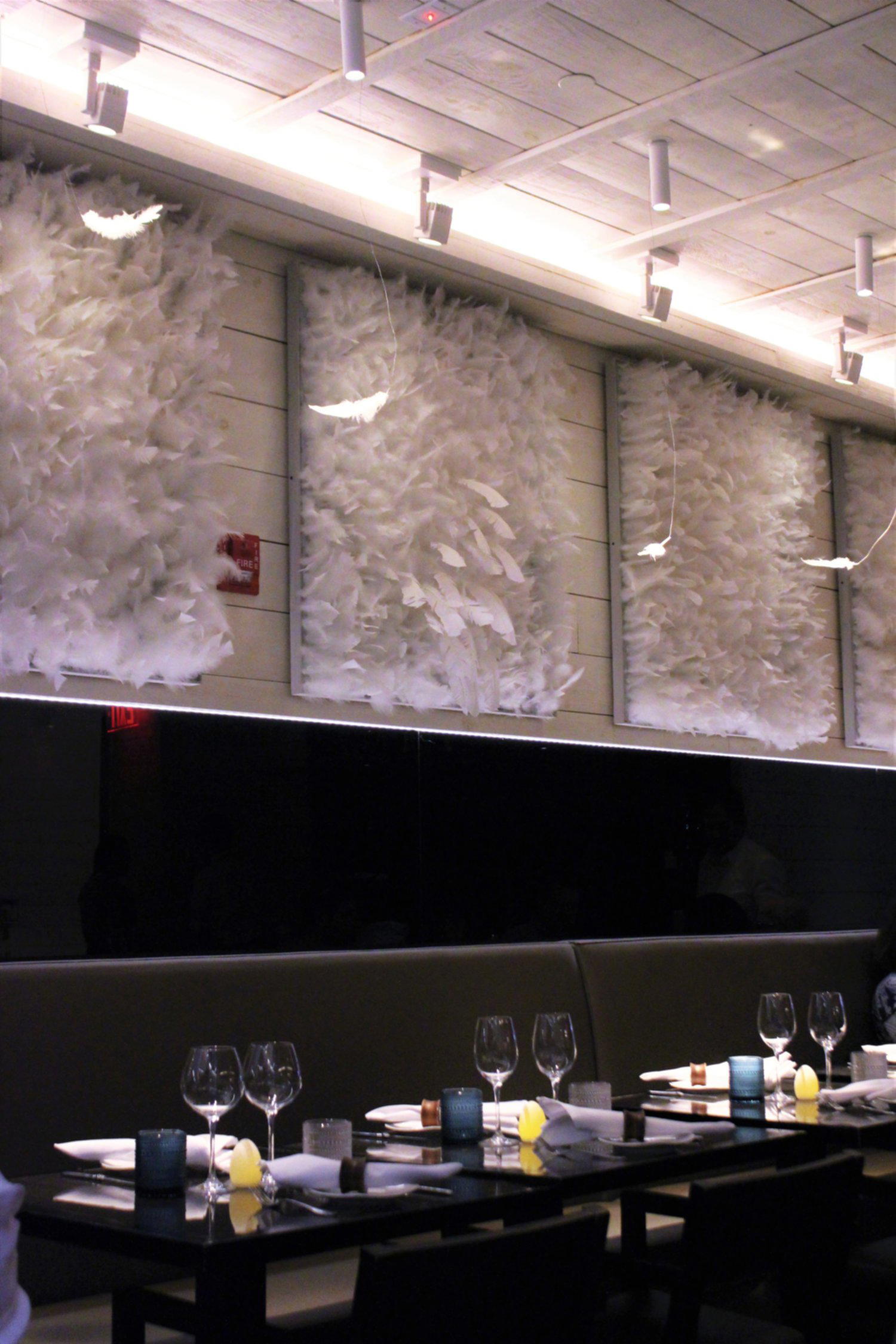
Where Tokyo's French Scene Slows Down
Tokyo's French restaurant tier has widened considerably over the past two decades. At one end, grand tasting-menu houses like L'Effervescence, Sézanne, and Château Restaurant Joël Robuchon operate at the ¥¥¥¥ level with the full apparatus of sommelier teams, premium cellars, and multi-course architecture. At the other, a smaller cohort of neighbourhood-scaled French kitchens has developed in residential pockets across Shibuya, Ebisu, and Daikanyama, where a different kind of precision applies: fewer covers, less ceremony, and cooking that makes its case through restraint rather than elaboration. Le Coq is a Classic French Bistro in Tokyo's Ebisunishi district, priced at about $120 per person. Located in Ebisunishi, a residential stretch west of Ebisu station in Shibuya ward, it operates at ¥¥¥ and holds recognition from the Michelin Guide, with the guide's signal for cooking that delivers genuine quality without the full-ceremony overhead of starred peers.
The Logic of Ingredient-Led French Cooking in Tokyo
Ingredient-led French cooking is not a new idea, but it occupies a specific and interesting position in Tokyo. The city's French scene has long been split between those who import the grand gesture wholesale and those who run it through the filter of Japanese produce sensibility. The latter approach tends to produce menus with shorter ingredient lists, where the sourcing argument is made by the material itself rather than by technique layered over it. Thick-cut smoked salmon is a useful example of this logic: the preparation is direct in method, but the impact depends entirely on the quality and handling of the fish. This is cooking where nothing is hidden behind sauce complexity or presentation theatre, which sets a demanding standard. Compared to the more architecturally complex French kitchens at ESqUISSE or the ingredient-politics-heavy menu at Florilège, Le Coq positions itself closer to the brasserie-intelligence end of the French canon, where the discipline is in the edit rather than the addition.
On the Wine Programme at a Restaurant Like This
The editorial angle on wine at a ¥¥¥-tier, ingredient-focused French restaurant in Tokyo is worth considering carefully. Venues at this price point rarely sustain the deep cellar infrastructure of their ¥¥¥¥ counterparts, where dedicated sommeliers manage allocations from Burgundy and Champagne houses years in advance. The wine approach at neighbourhood-level French kitchens tends instead toward curation over accumulation: a shorter list built around food-friendliness, with selections that support rather than compete with spare, produce-centred cooking. For dishes built on clean flavour, as the Michelin record describes Le Coq's output, the pairing argument often runs toward Burgundy whites, Loire Valley expressions, or lighter Rhône reds rather than the prestige bottle logic of the city's upper-tier tables. This is a different kind of wine intelligence, one that values fit over trophy. What the cooking style implies is a programme suited to careful, food-first choices rather than collector-level inventory.
For those pursuing the deeper end of Tokyo's French wine culture, the longer-established programmes at L'Effervescence and Sézanne offer a different scale of reference. Internationally, the food-first pairing philosophy finds parallels at Hotel de Ville Crissier in Switzerland and Les Amis in Singapore, both of which operate within French traditions where wine service is calibrated to the cooking rather than positioned as a separate attraction.
Ebisu as a Context for This Kind of Restaurant
Ebisu has historically attracted French restaurants that sit outside the Ginza and Marunouchi prestige corridors. The neighbourhood carries enough residential and professional density to sustain regular-dining rather than special-occasion-only visits, which shapes how restaurants in the area price and programme themselves. A French kitchen operating at ¥¥¥ in Ebisunishi is not competing on the same terms as a tasting-menu counter in Ginza; it is competing for the loyal neighbourhood customer who eats French food the way Tokyo's better-resourced locals drink wine: knowledgeably, regularly, and without the theatre tax. This is a significant part of what the Michelin Plate recognition communicates in context. The guide is noting that the cooking here clears a quality bar worth the reader's attention, even without the ceremony of a starred room.
Japan's French dining scene extends well beyond Tokyo. Those building a broader itinerary should consider HAJIME in Osaka, akordu in Nara, and Goh in Fukuoka for regional contrasts in how French and European techniques interact with local produce. Closer to Tokyo, 1000 in Yokohama represents another entry point into the French-influenced tier outside the capital's centre. For a different regional approach entirely, 6 in Okinawa and Gion Sasaki in Kyoto show how Japan's culinary geography complicates any single narrative about French influence.
Practical Notes
Le Coq is located at 2 Chome-7-2 Ebisunishi, Shibuya, Tokyo, in a building called Wins Biru, ground floor. Ebisu station on the JR Yamanote Line and the Tokyo Metro Hibiya Line is the natural access point, a short walk from the restaurant. The ¥¥¥ price positioning places it below the major tasting-menu operations in the city but above casual neighbourhood bistro pricing, which suggests a meal that requires some forward planning without demanding the three-month advance booking windows common at the city's starred tables.
Comparable Venues
Comparable venues nearby, for context on price, style, and recognition.
| Venue | Cuisine | Price | Notes |
|---|---|---|---|
| Le CoqThis venue — the venue you are viewing | Classic French Bistro | $$$ | Not listed |
| IBAIA | French Meat Bistro | $$$ | Chūō |
| bonélan | Classic French Bistro | $$$ | Shibuya |
| Bouquet de France | Classic French Pork Cuisine | $$$ | Minato |
| ÉTAPE | Modern French-Japanese Fusion | $$$ | Sumida |
| BON CHEMIN | Modern French with Japanese Influences | $$$ | Meguro |
Recognition history
Dated appearances from independent guides and award organizations, with the underlying list record or original source where available.
Michelin Plate
Michelin
Michelin Plate
Michelin
Michelin Plate
Michelin














At a Glance
- Cozy
- Elegant
- Intimate
- Sophisticated
- Date Night
- Special Occasion
- Solo
- Extensive Wine List
Current opening hours
- Monday
- 5:30–10:30 PM
- Tuesday
- 5:30–10:30 PM
- Wednesday
- 5:30–10:30 PM
- Thursday
- 5:30–10:30 PM
- Friday
- 5:30–10:30 PM
- Saturday
- 5:30–10:30 PM
- Sunday
- 5:30–10:30 PM
Hours can change for holidays and private events. Last verified .
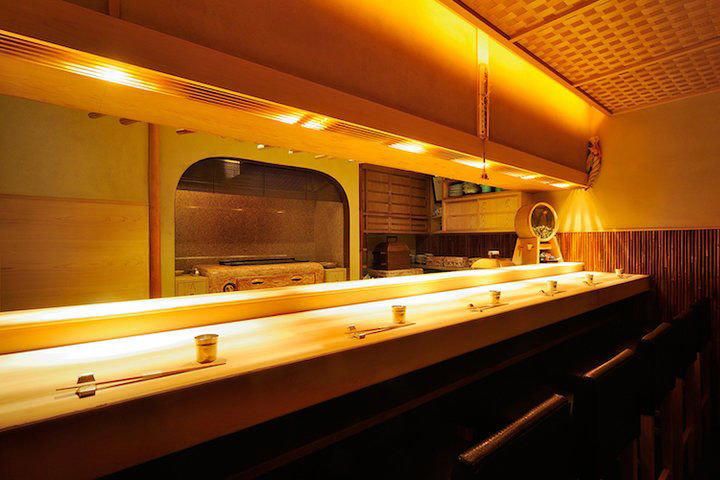
Serene and relaxing interior with white tones, offering an intimate, adult-oriented atmosphere praised for its upper-quality simplicity.